Explore 13 September

Explore 13 September: the British take Quebec on the Plains of Abraham, Israel and the PLO sign the Oslo Accords at the White House, Desmond Tutu leads 30,000 people through Cape Town, the United Nations adopts its Declaration on the Rights of Indigenous Peoples and Luna 2 becomes the first spacecraft to reach the Moon. Born today: Walter Reed, J. B. Priestley and Claudette Colbert.

This day through time →16 verified events across 4 eras

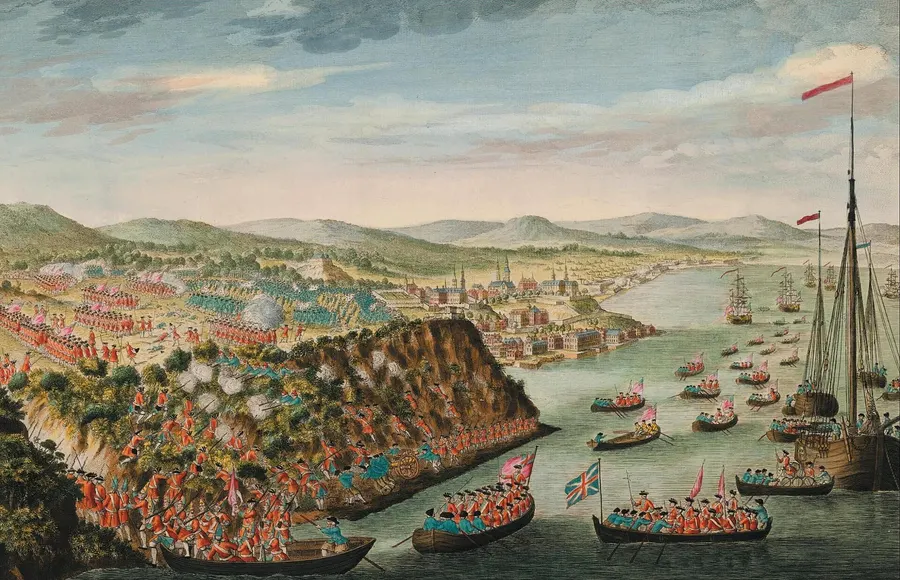
A view of the taking of Quebec, 13 September 1759: an engraving of 1797 based on a sketch by Hervey Smyth, General Wolfe's aide-de-camp
A view of the taking of Quebec, 13 September 1759: an engraving of 1797 based on a sketch by Hervey Smyth, General Wolfe’s aide-de-camp
Image creditHervey Smythe · Public domainResized and cropped for display.

The British take Quebec on the Plains of Abraham

By the summer of 1759 the Seven Years’ War had become a struggle for North America. A British fleet carried an army under General James Wolfe up the St Lawrence to Quebec, the capital of New France, perched on cliffs above the river. For almost three months Wolfe bombarded the town and probed its defences without success, while the French commander, the Marquis de Montcalm, waited behind his lines for winter to drive the British away.

In the darkness before dawn on 13 September, British boats landed troops at a cove below the cliffs west of the town, and by morning about 4,500 men were drawn up on the Plains of Abraham. Montcalm attacked at once. The British held their fire until the French were close, then broke their advance with volleys in a battle that lasted barely an hour. Wolfe was shot and died on the field; Montcalm was wounded in the retreat and died the next morning. Quebec surrendered five days later, and within a year New France had fallen to Britain.

Read the full storyHistory & Timeline →Source: The Canadian Encyclopedia: Battle of the Plains of Abraham ↗
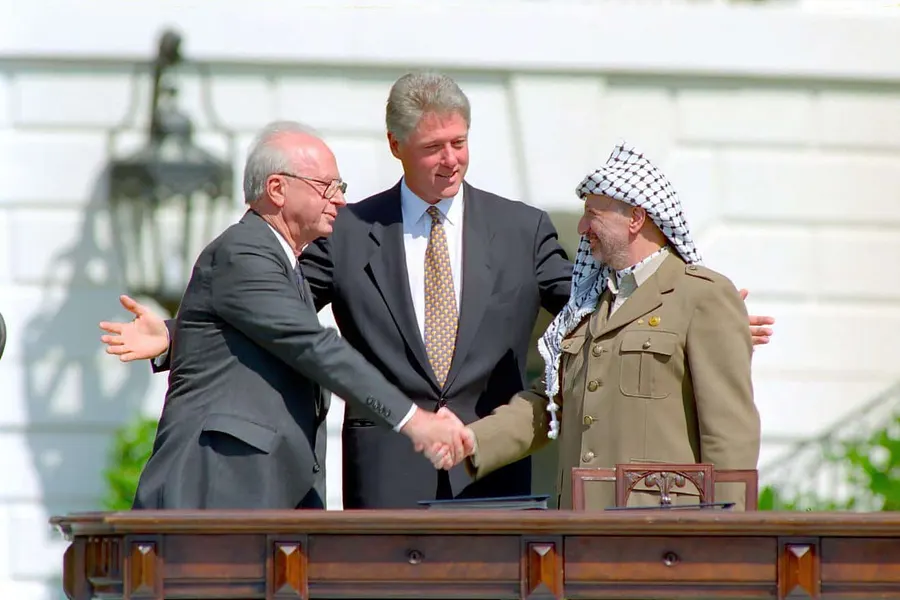
Yitzhak Rabin and Yasser Arafat shake hands, with Bill Clinton between them, on the White House lawn on 13 September 1993
Image creditVince Musi / The White House · Public domainResized and cropped for display.

Israel and the PLO sign the Oslo Accords at the White House

For decades Israel and the Palestine Liberation Organization had refused to recognise each other. In 1993, away from the public talks then under way in Washington, Israeli and Palestinian negotiators met in secret near Oslo with the help of Norwegian diplomats. Over several months they drafted a framework for peace, and in early September the two sides exchanged letters: the PLO recognised Israel’s right to exist and renounced violence, and Israel recognised the PLO as the representative of the Palestinian people.

On 13 September 1993 the Declaration of Principles was signed on the South Lawn of the White House by the Israeli foreign minister Shimon Peres and the PLO’s Mahmoud Abbas, watched by President Bill Clinton. Afterwards the Israeli prime minister Yitzhak Rabin and the PLO chairman Yasser Arafat shook hands, an image seen around the world. The accord set out a five-year period of Palestinian self-government in Gaza and the West Bank, beginning with Jericho, while the hardest questions were left for later talks. Rabin, Peres and Arafat shared the 1994 Nobel Peace Prize.

Read the full storyHistory & Timeline →Source: US Office of the Historian: The Oslo Accords and the Arab-Israeli peace process ↗
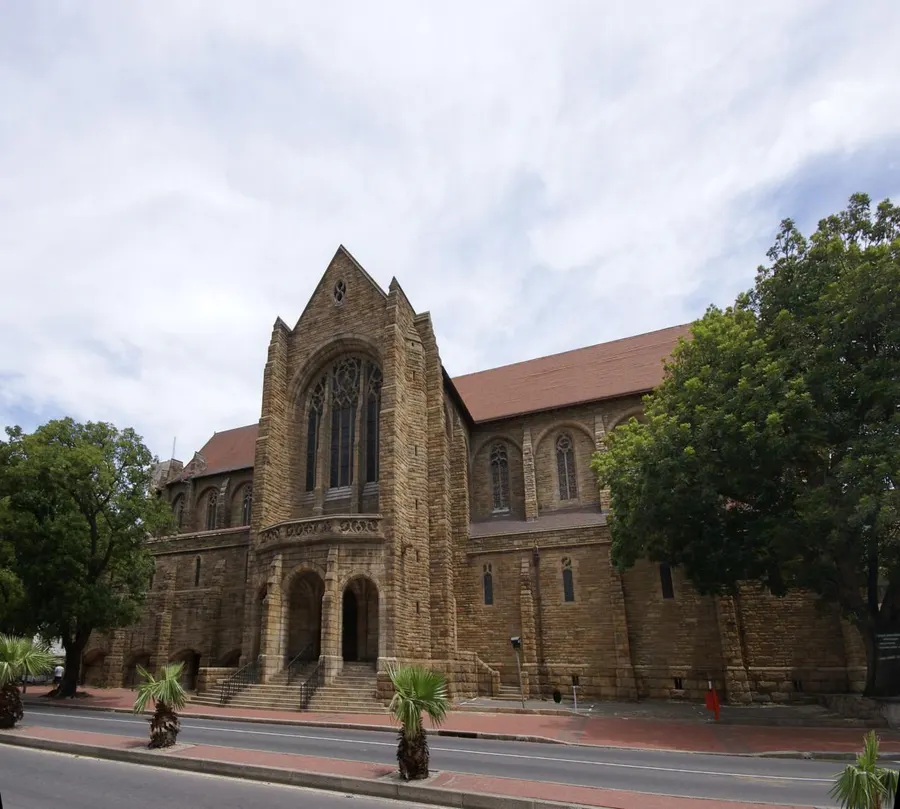
St George's Cathedral in Cape Town, the cathedral of Archbishop Desmond Tutu
St George’s Cathedral in Cape Town, the cathedral of Archbishop Desmond Tutu
Image creditDanie van der Merwe · CC BY 2.0Resized and cropped for display.

Desmond Tutu leads 30,000 people on a peace march through Cape Town

In September 1989 South Africa was still ruled under apartheid, and protests against it were routinely banned. On 2 September, days before a whites-only general election, police turned a water cannon loaded with purple dye on demonstrators in Cape Town, so that they could be identified and arrested later. The image of people stained purple became a symbol of the struggle, and a slogan was painted on a wall: ‘The purple shall govern’.

Archbishop Desmond Tutu, the city’s mayor Gordon Oliver and church, trade union and community leaders called for a march for peace. After the authorities withdrew an earlier ban, about 30,000 people of every background walked through the centre of Cape Town on 13 September 1989, many dressed in purple. It was the largest protest march in the country since the early 1960s, and it set off similar marches in other cities. Within five months the ban on the ANC was lifted and Nelson Mandela was free.

Read the full storyHistory & Timeline →Source: South African History Online: Tutu leads biggest anti-apartheid protest march in South Africa ↗
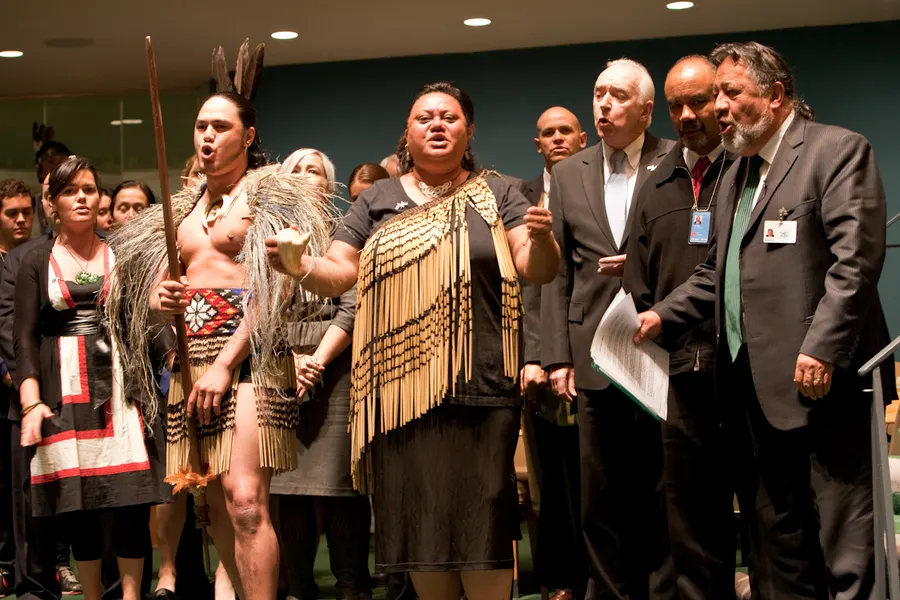
Members of a New Zealand delegation at the United Nations Permanent Forum on Indigenous Issues celebrate their country's endorsement of the Declaration in 2010
Members of a New Zealand delegation at the United Nations Permanent Forum on Indigenous Issues celebrate their country’s endorsement of the Declaration in 2010
Image creditBroddi Sigurðarson · CC BY-SA 2.0Resized and cropped for display.

The United Nations adopts the Declaration on the Rights of Indigenous Peoples

Hundreds of millions of Indigenous people live in some 90 countries, from the Sámi of the Arctic to the Aboriginal peoples of Australia. Many lost their lands, languages and self-government under colonial rule and still face discrimination. From the 1980s Indigenous representatives worked with governments at the United Nations on a text setting out their rights, a process that took more than twenty years.

On 13 September 2007 the UN General Assembly adopted the Declaration on the Rights of Indigenous Peoples by 144 votes to 4, with 11 abstentions. It affirms the rights of Indigenous peoples to their cultures, languages and traditional lands, and to give or withhold their free, prior and informed consent to decisions that affect them. The four countries that voted against, Australia, Canada, New Zealand and the United States, all later changed their position and endorsed it.

Read the full storyHistory & Timeline →Source: United Nations DESA: United Nations Declaration on the Rights of Indigenous Peoples ↗
♙
PEOPLE

Born Today

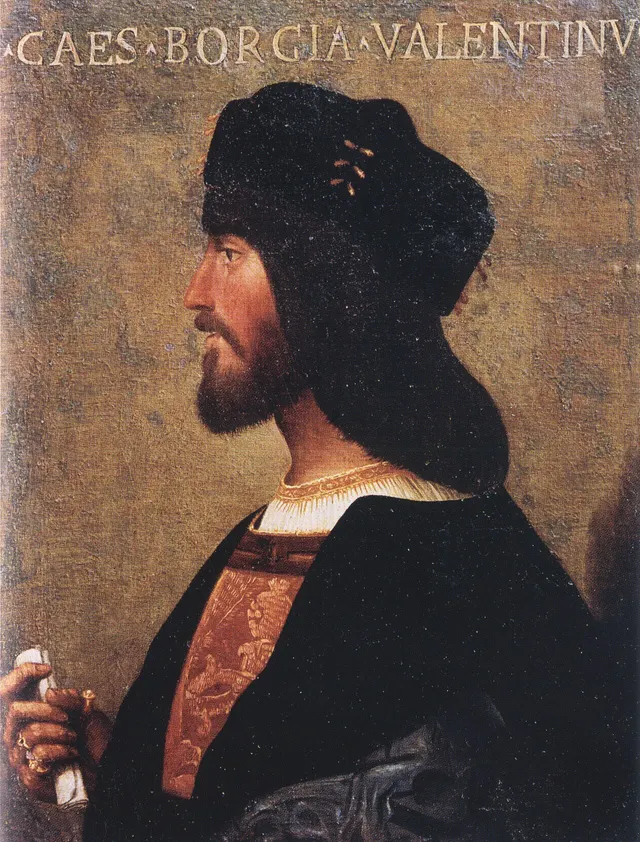
Cesare Borgia
Image creditAfter Bartolomeo Veneto · Public domainResized and cropped for display.

Cesare Borgia

Son of Pope Alexander VI, a cardinal turned soldier whose ruthless conquests in central Italy inspired Machiavelli’s The Prince.

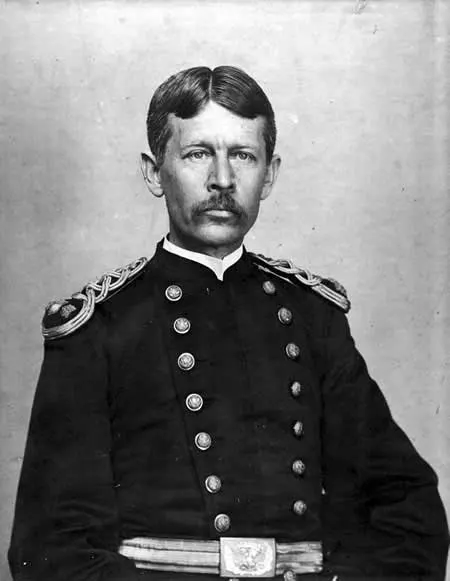
Walter Reed
Image creditUnidentified photographer · Public domainResized and cropped for display.

Walter Reed

US Army doctor whose experiments in Cuba in 1900 proved that yellow fever is spread by mosquitoes.

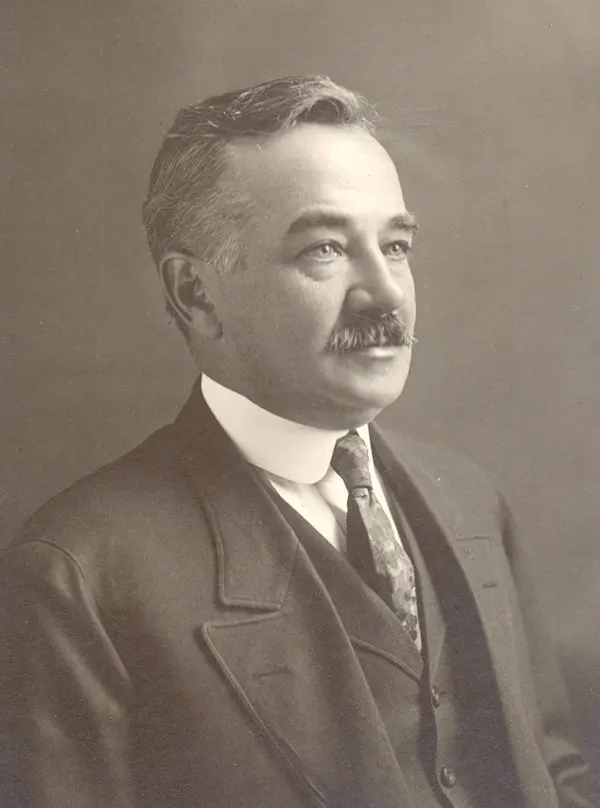
Milton S. Hershey
Image creditUnknown author · Public domainResized and cropped for display.

Milton S. Hershey

American confectioner who mass-produced milk chocolate and built the company town of Hershey, Pennsylvania.

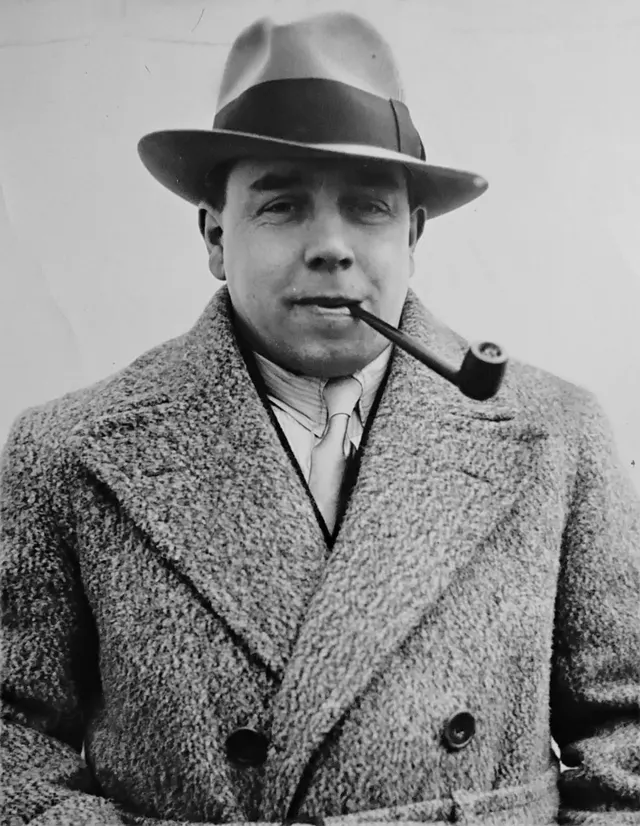
J. B. Priestley
Image creditAssociated Press · Public domainResized and cropped for display.

J. B. Priestley

Yorkshire novelist and playwright of The Good Companions and An Inspector Calls, whose wartime radio talks won a vast audience.

Julian Tuwim
Image creditWładysław Miernicki · Public domainResized and cropped for display.

Julian Tuwim

Polish poet, much loved for his playful verse for children, such as ‘Lokomotywa’, and his lyric poetry.

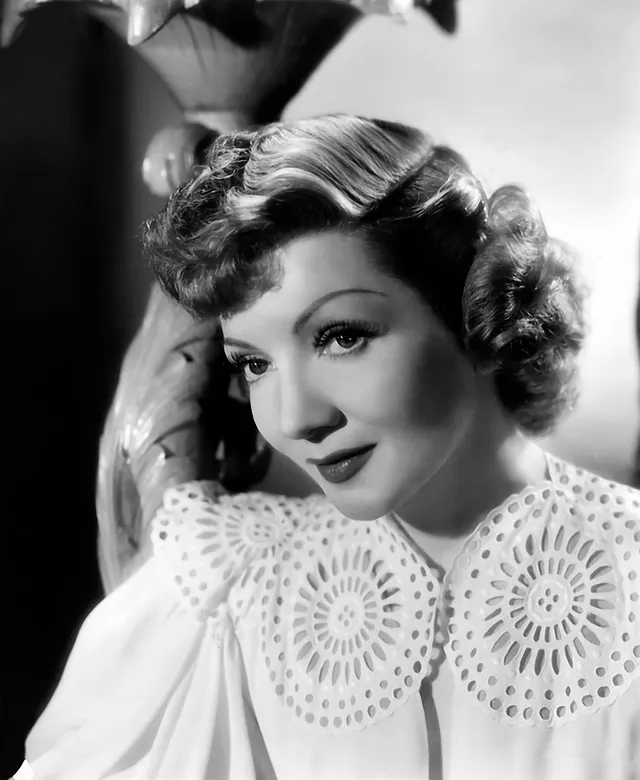
Claudette Colbert
Image creditWhitey Schafer · Public domainResized and cropped for display.

Claudette Colbert

French-born Hollywood star who won an Oscar for the comedy It Happened One Night in 1934.

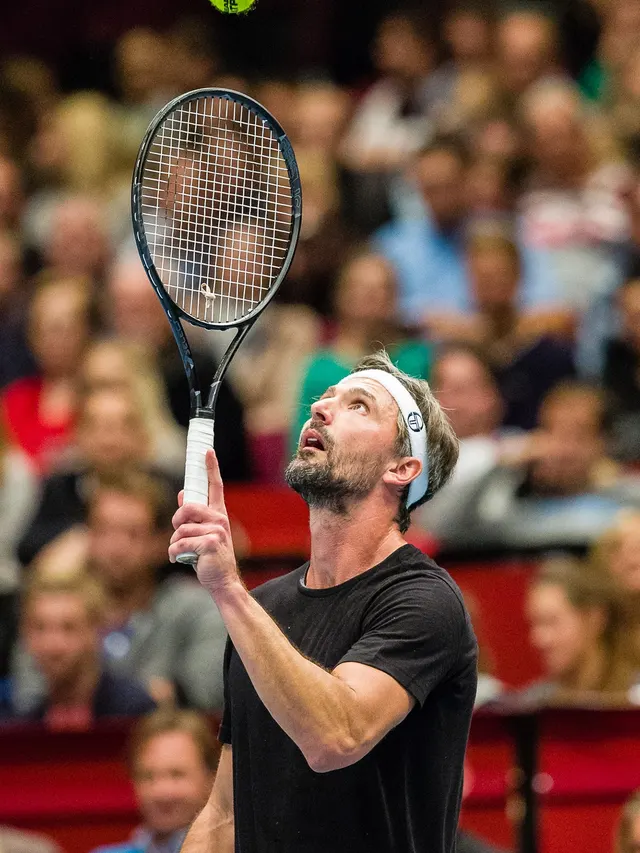
Goran Ivanišević
Image creditMacKrys · CC BY-SA 4.0Resized and cropped for display.

Goran Ivanišević

Croatian tennis player who won Wimbledon in 2001 as a wild card, ranked 125th in the world.

◉
IDEAS THAT CHANGED THINGS

Firsts, Science & Discoveries

A copy of the Soviet pennant carried to the Moon by Luna 2, on display at the Kansas Cosmosphere
Image creditPatrick Pelletier · CC BY-SA 3.0Resized and cropped for display.

Luna 2 becomes the first spacecraft to reach the Moon

Two years after Sputnik, the Soviet Union and the United States were racing to send a probe to the Moon. In January 1959 the Soviet Luna 1 missed its target and sailed past into orbit around the Sun. Its successor, Luna 2, was a sphere bristling with antennas and carrying instruments to measure magnetic fields, radiation and micrometeorites, together with metal pennants bearing the Soviet coat of arms.

Luna 2 was launched from Baikonur on 12 September 1959 and on 13 September struck the Moon’s surface near the boundary between the Mare Imbrium and the Mare Serenitatis. It was the first object made by people to reach another world. Its instruments found no detectable magnetic field around the Moon. Twelve years later the American astronauts of Apollo 15 landed about 250 kilometres from the spot where it came down.

Read the full storyHistory & Timeline →Source: NASA History: 60 years ago, Luna 2 makes impact in Moon race ↗
☆
SPORTING HISTORY

Sporting Moments

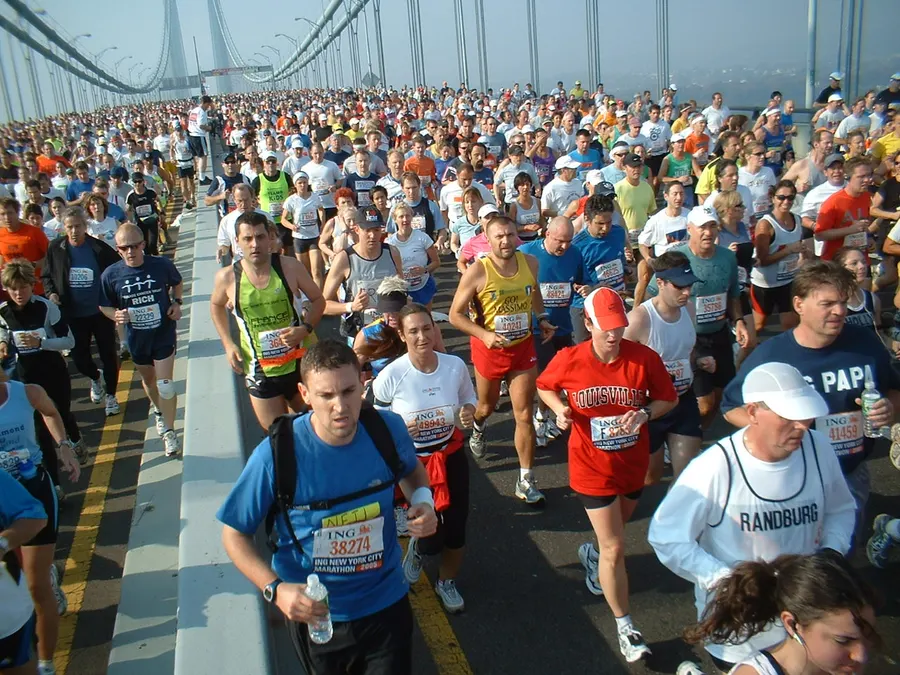
Runners crossing the Verrazzano-Narrows Bridge at the start of a modern New York City Marathon
Image creditMartineric from Lille, France. · CC BY-SA 2.0Resized and cropped for display.

The first New York City Marathon is run in Central Park

In 1970 long-distance running was a minority sport in the United States, and a marathon was something few people had seen. The New York Road Runners, a small club, decided to stage one in the city. Its president Vincent Chiappetta and Fred Lebow, a garment-trade businessman who had taken up running, organised the race on a budget of about a thousand dollars, with an entry fee of one dollar.

On 13 September 1970, a warm day, 127 runners set off from near Tavern on the Green and ran several laps of the roads inside Central Park. Only 55 finished. Gary Muhrcke, a New York firefighter, won in about two hours and 31 minutes; the only woman entered, Nina Kuscsik, dropped out through illness. Six years later the race moved onto the streets of all five boroughs, and it grew into one of the largest marathons in the world.

Read the full storyHistory & Timeline →Source: New York Road Runners: New York City Marathon history ↗
♫
MUSIC • FILM • BOOKS • CULTURE

Culture Stories

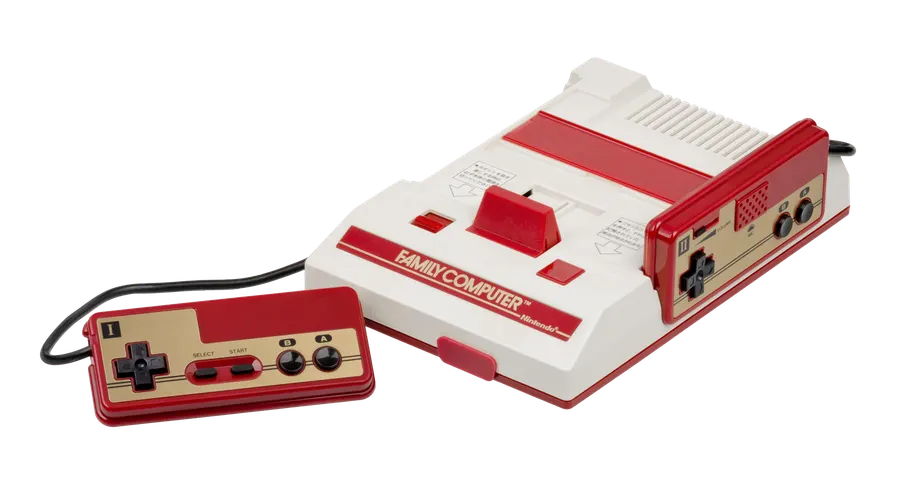
The Nintendo Famicom, or Family Computer, the home games console for which Super Mario Bros. was made
Image creditEvan-Amos · Public domainResized and cropped for display.

Super Mario Bros. goes on sale in Japan

Nintendo, an old Kyoto playing-card company, had found success in video games with Donkey Kong, an arcade game of 1981 designed by Shigeru Miyamoto, in which a carpenter called Jumpman, later renamed Mario, climbs girders to rescue a woman from an ape. In 1983 the company launched a home console in Japan, the Family Computer or Famicom, and Miyamoto and Takashi Tezuka set out to make a game that would show what it could do.

Super Mario Bros. went on sale for the Famicom on 13 September 1985. Players guided Mario and his brother Luigi through a scrolling world of pipes, blocks and castles to rescue a princess, with power-ups that made Mario grow or throw fireballs and with music by Koji Kondo. It became one of the best-selling video games ever made, helped Nintendo’s console conquer America as the NES, and began the Super Mario series, the best-selling game series of all time.

Read the full storyHistory & Timeline →Source: Nintendo, Iwata Asks: Super Mario Bros. 25th anniversary ↗
✦
LIVES REMEMBERED

Remembered Today

Titus
Image creditMarie-Lan Nguyen · Public domainResized and cropped for display.

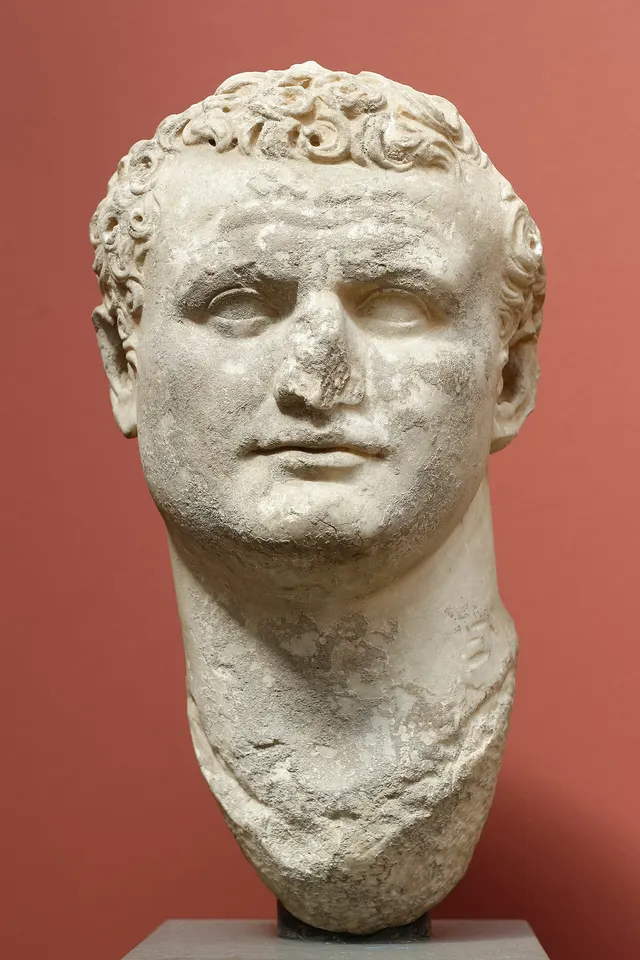
Titus

Roman emperor who captured Jerusalem in 70, opened the Colosseum and led relief after the eruption of Vesuvius, dying after only two years on the throne.

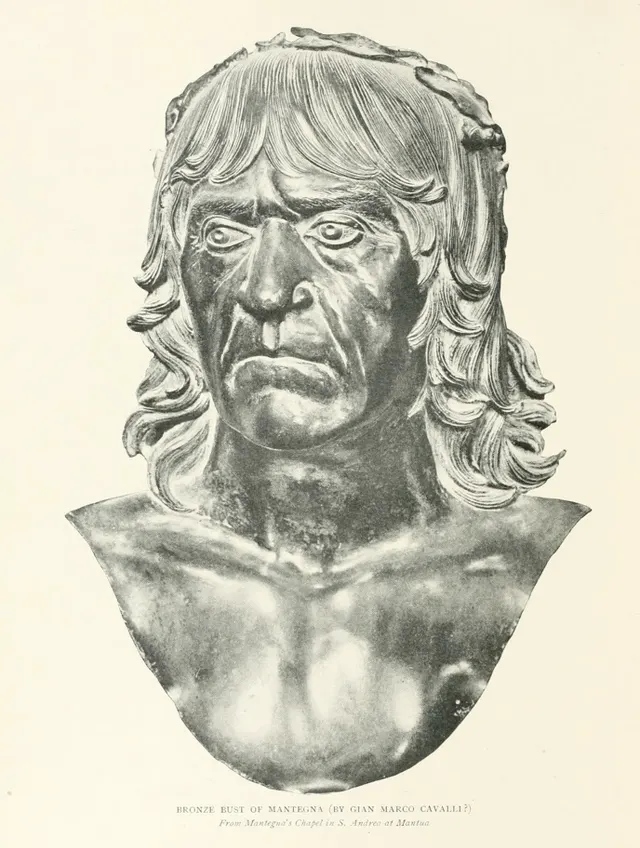
Andrea Mantegna
Image creditGian Marco Cavalli [?] · Public domainResized and cropped for display.

Andrea Mantegna

Italian Renaissance painter at the court of Mantua, a master of perspective known for the painted Bridal Chamber and The Lamentation over the Dead Christ.

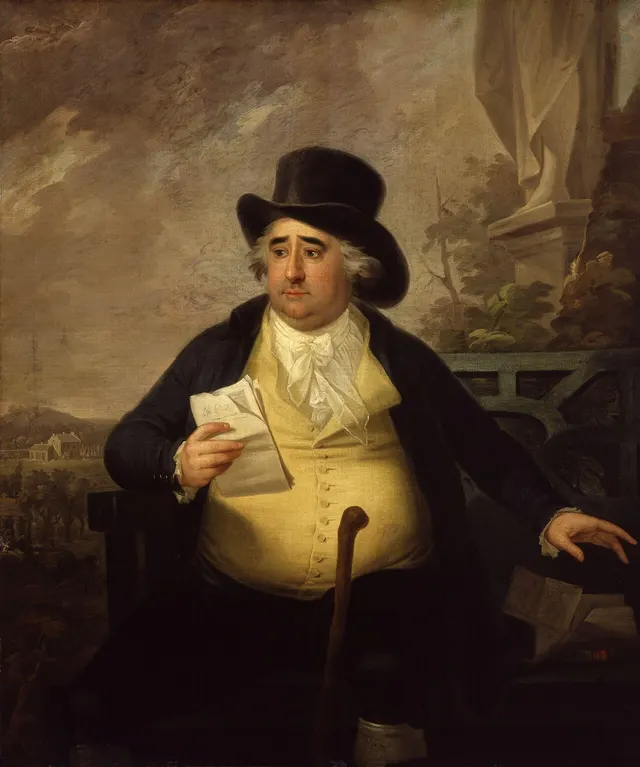
Charles James Fox
Image creditAnton Hickel · Public domainResized and cropped for display.

Charles James Fox

British Whig statesman and great rival of William Pitt, who campaigned against the slave trade and for the rights of the American colonists.

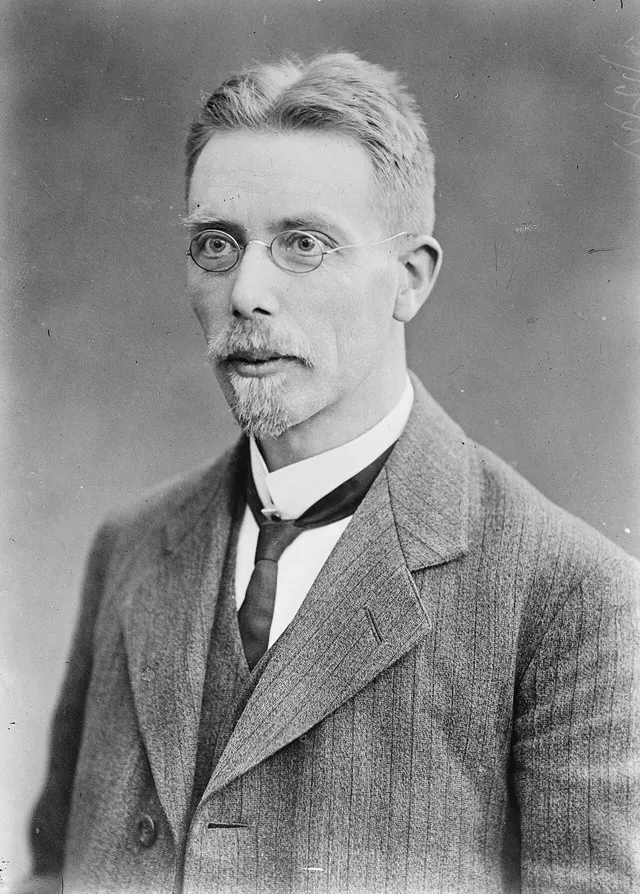
August Krogh
Image creditBain News Service · Public domainResized and cropped for display.

August Krogh

Danish physiologist who won the 1920 Nobel Prize for discovering how the tiny capillaries supply muscles with blood.

☉
AROUND THE WORLD

Observances & Anniversaries

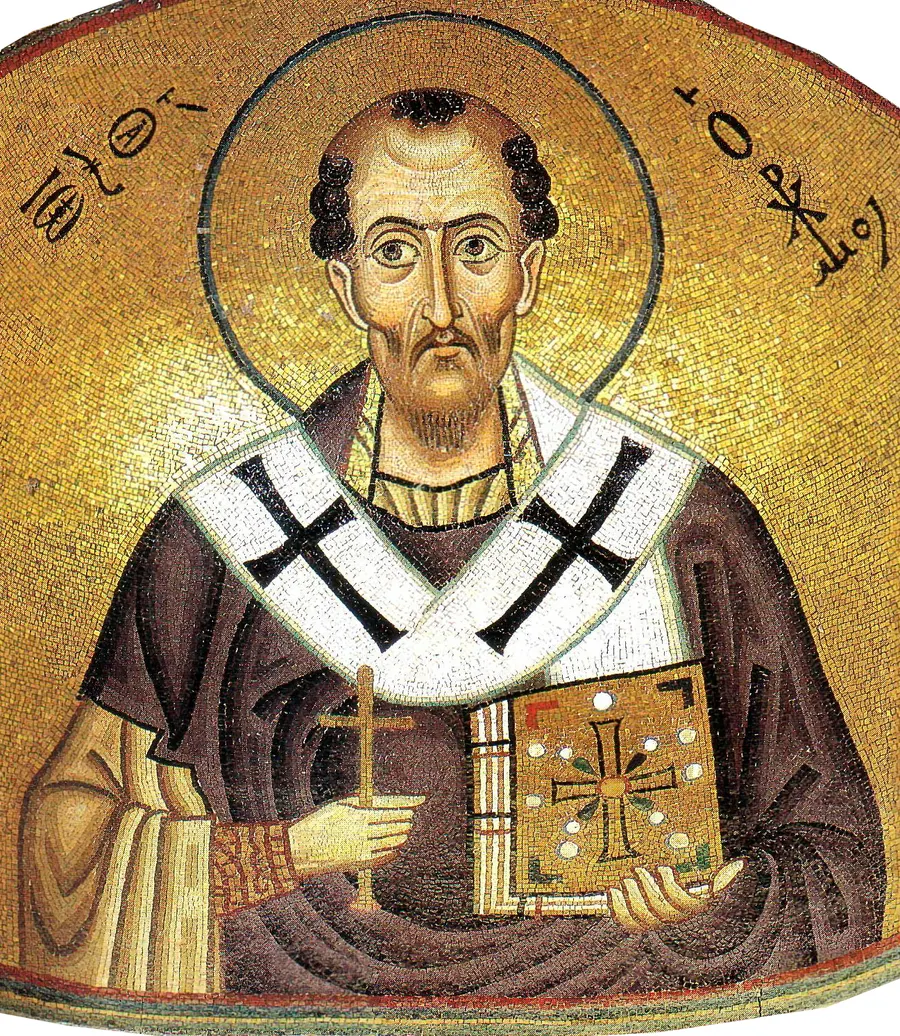
St John Chrysostom in an 11th-century mosaic at the monastery of Hosios Loukas in Greece
Image creditUnknown author · Public domainResized and cropped for display.

Feast of St John Chrysostom

John of Antioch was born in about 347 in what is now southern Turkey and became the most celebrated preacher of the early Church; he was later called Chrysostom, Greek for ‘golden-mouthed’. In 398 he was made archbishop of Constantinople, where his attacks on the luxury of the rich and the court made powerful enemies, including the Empress Eudoxia. He was twice sent into exile and died on the road in 407.

His sermons and commentaries on the Bible are still read, and the most widely used order of the Eucharist in the Eastern Orthodox churches bears his name. The Roman Catholic Church, which counts him as a Doctor of the Church, keeps his feast on 13 September; the Orthodox churches celebrate him on 13 November.

Source: Britannica: St. John Chrysostom ↗
HISTORY & TIMELINE

Finished the highlights?

Follow 13 September chronologically, from the Middle Ages to the modern day, with 16 verified events and the sources behind them.

This day through time →