Explore 12 September

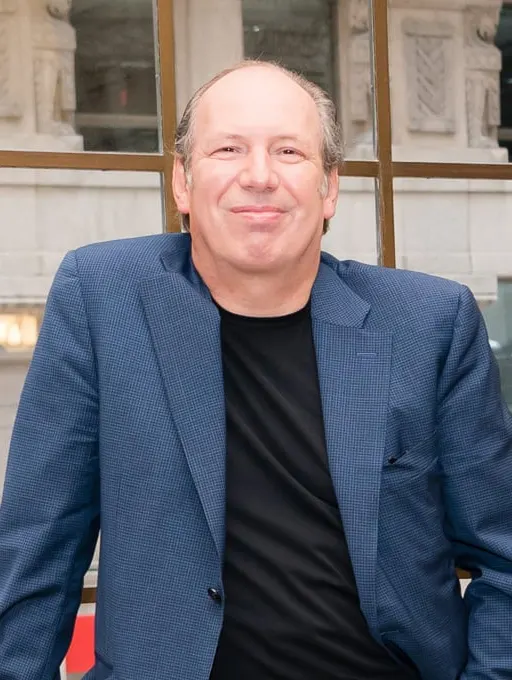
Explore 12 September: a relief army led by Jan Sobieski breaks the Ottoman siege of Vienna, four teenagers find the painted cave of Lascaux, the Two Plus Four Treaty clears the way for German unity, Ethiopia’s army deposes Haile Selassie and 21 Sikh soldiers hold the post at Saragarhi. Born today: Francis I of France, Stanisław Lem and Hans Zimmer.

This day through time →16 verified events across 5 eras

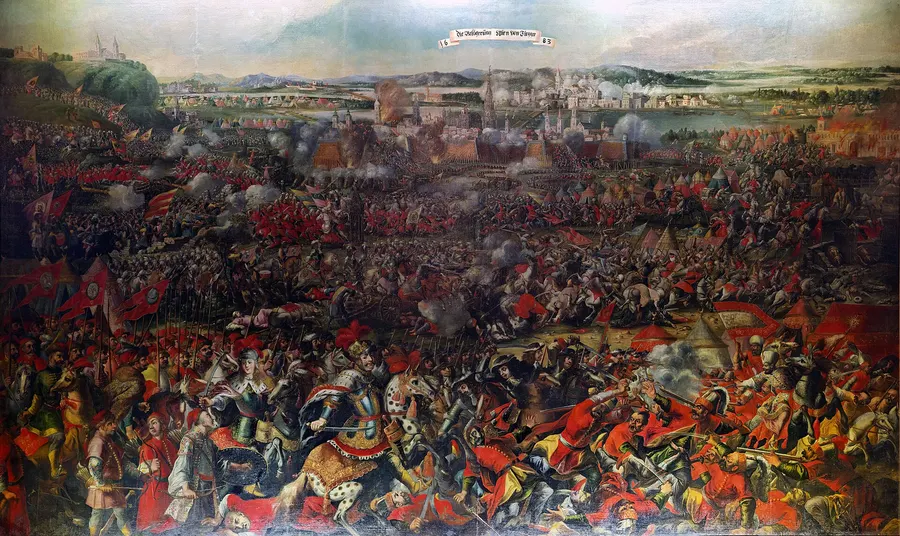
The relief of Vienna in 1683, a painting by an anonymous artist of the time showing the battle before the city walls
Image creditAnonymer, zeitgenössischer Maler · Public domainResized and cropped for display.

Jan Sobieski’s relief army breaks the Ottoman siege of Vienna

In the summer of 1683 the Ottoman grand vizier Kara Mustafa led a huge army up the Danube and, in mid-July, laid siege to Vienna, the seat of the Habsburg emperor Leopold I. The emperor left the city, and its garrison and citizens held out behind the walls for two months while Ottoman engineers dug mines beneath the bastions. By early September the defenders were exhausted and short of food, and the walls had been breached in places.

Help came from a coalition that Leopold and the Pope had worked to build. Imperial, Bavarian, Saxon and other German troops joined a Polish army under King Jan III Sobieski, who took overall command; the whole force is put at some 70,000 to 80,000 men. On 12 September 1683 they came down from the wooded heights of the Kahlenberg, north-west of the city. Late in the afternoon a great charge of cavalry, led by the Polish hussars, broke the Ottoman camp, and Kara Mustafa fled. The defeat began a long Ottoman retreat from central Europe, and the sultan had the grand vizier executed that December.

Read the full storyHistory & Timeline →Source: Britannica: Battle of Kahlenberg ↗
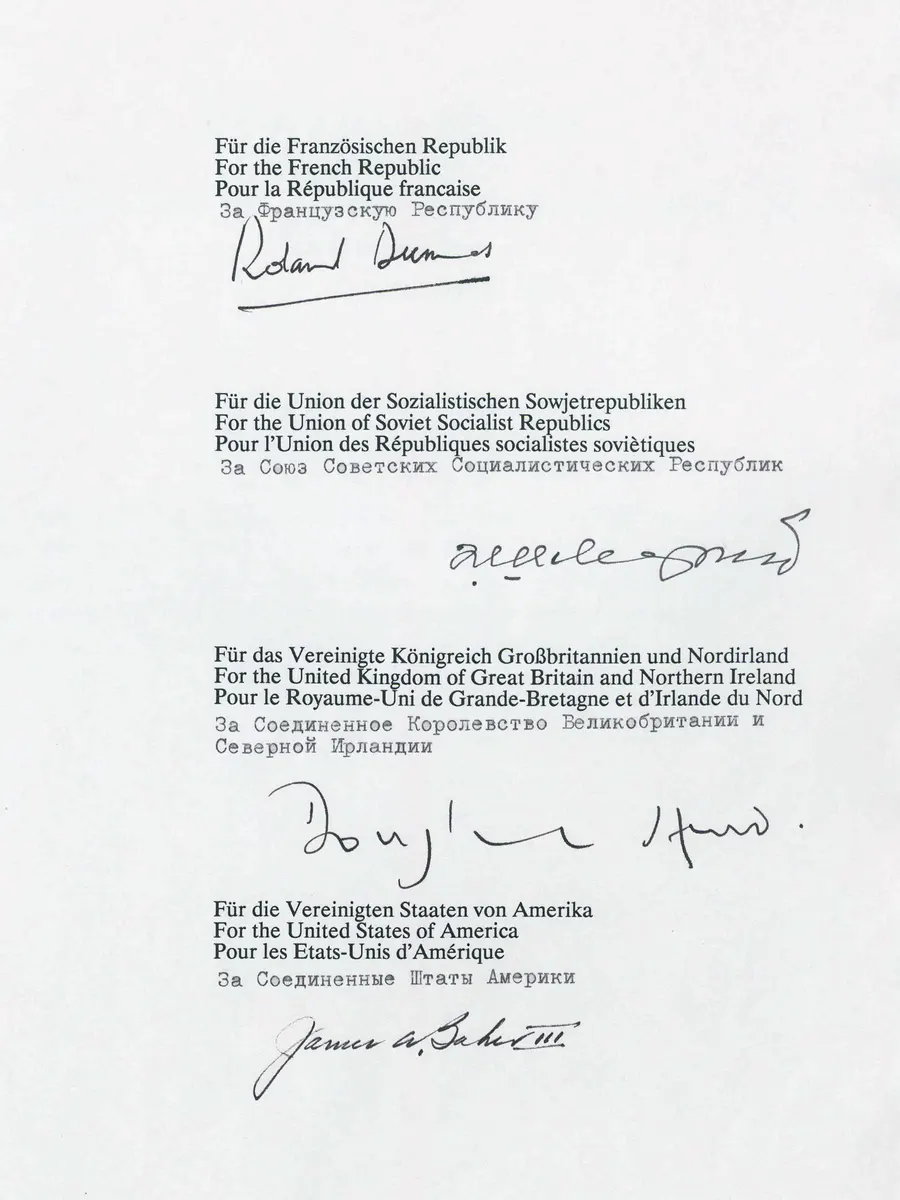
Signatures of the French, Soviet, British and American foreign ministers on the Treaty on the Final Settlement with Respect to Germany, Moscow, 12 September 1990
Image creditSignatures of Roland Dumas, Eduard Shevardnadze, Douglas Hurd and James Baker · Public domainResized and cropped for display.

The Two Plus Four Treaty clears the way for German unity

After the Second World War, Germany was divided and the four victorious powers, the United States, the Soviet Union, Britain and France, kept special rights over the country as a whole and over Berlin. When the Berlin Wall fell in November 1989 and East Germans voted for unity, those rights had to be settled before the two German states could become one. From May 1990 the foreign ministers of East and West Germany and the four powers met in a series of talks known as Two Plus Four.

On 12 September 1990 the six ministers signed the Treaty on the Final Settlement with Respect to Germany at a hotel in Moscow. The united Germany accepted its existing borders, including the frontier with Poland, as final, renounced nuclear, biological and chemical weapons, and agreed to cut its armed forces to 370,000. Soviet troops would leave the former East Germany by 1994, and the country would be free to stay in NATO. The four powers suspended their rights from the day of unity, 3 October 1990, and the treaty came fully into force in March 1991, when Germany regained complete sovereignty.

Read the full storyHistory & Timeline →Source: CVCE, University of Luxembourg: Signing of the ‘Two Plus Four’ Treaty (Moscow, 12 September 1990) ↗
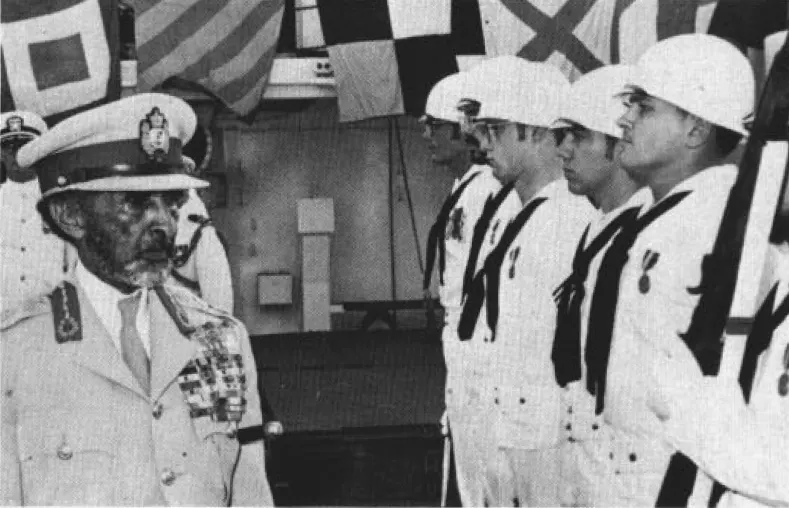
Emperor Haile Selassie I aboard the US Navy ship USS La Salle in 1973, the year before he was deposed
Image creditU.S. Navy · Public domainResized and cropped for display.

Ethiopia’s army deposes Emperor Haile Selassie

Haile Selassie had ruled Ethiopia since 1930, as regent and then emperor. He led resistance to the Italian invasion of 1935, returned in triumph in 1941 and became a respected voice in Africa, but at home power stayed with the crown, the nobility and the church, and most Ethiopians remained poor peasants. In 1973 a famine in the province of Wollo killed many thousands of people while the government played it down, and early in 1974 rising prices set off strikes, student protests and mutinies in the army.

A committee of junior officers and soldiers, which became known as the Derg, began arresting ministers and nobles over the summer. On 12 September 1974 it formally deposed the aged emperor and took power as the Provisional Military Administrative Council. The monarchy was abolished the following year, and Haile Selassie died in custody in August 1975. Major Mengistu Haile Mariam, one of the Derg’s leaders, soon emerged as the country’s ruler and governed with great brutality until 1991.

Read the full storyHistory & Timeline →Source: Britannica: History of Ethiopia, the rise and reign of Haile Selassie I ↗
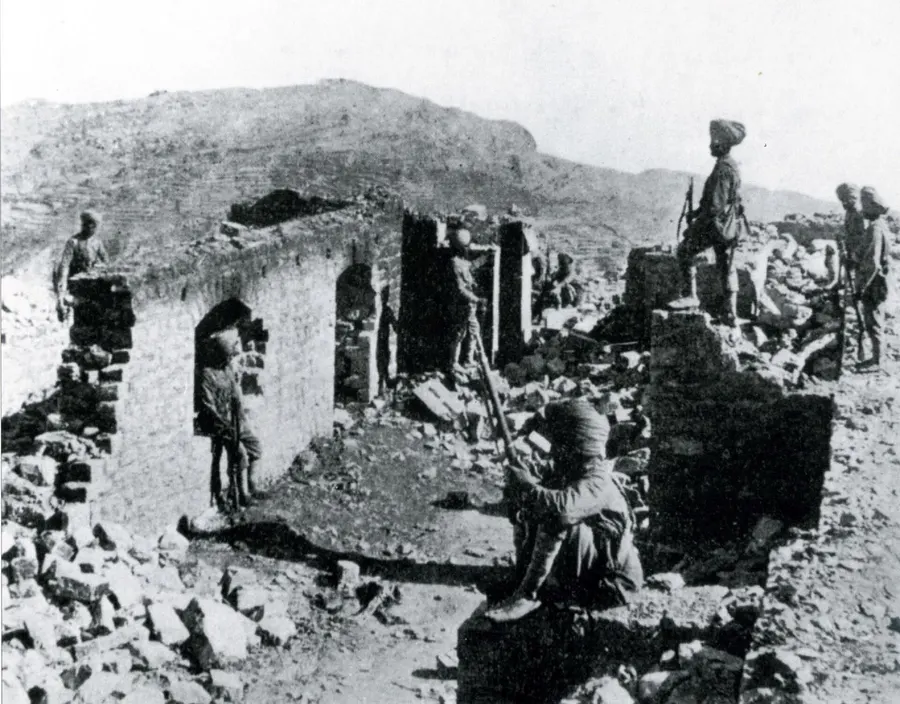
The ruins of the Saragarhi post, showing the main entrance, with Fort Lockhart in the distance
Image creditUnknown author · Public domainResized and cropped for display.

Twenty-one Sikh soldiers hold the post at Saragarhi

In 1897 risings broke out among the Pashtun tribes on the North-West Frontier of British India, in what is now Pakistan. On the Samana Ridge the British held two old forts, Lockhart and Gulistan, which could not see each other. Between them stood Saragarhi, a small signalling post that passed messages by heliograph and flag. It was held by 21 men of the 36th Sikhs, a regiment of the Indian Army, under Havildar Ishar Singh.

On 12 September 1897 thousands of Orakzai and Afridi tribesmen, as many as 10,000 by some accounts, attacked the post. The defenders refused to surrender and fought for most of the day, signalling news of the battle to Fort Lockhart until the end. When the walls were breached they fought on with their bayonets, and all were killed. All 21 were awarded the Indian Order of Merit, then the highest gallantry award open to Indian soldiers. Saragarhi Day is still marked each year by the Sikh Regiment of the Indian Army and by the British Army.

Read the full storyHistory & Timeline →Source: National Army Museum: 36th Sikhs on the ruins of Saragarhi, 1897 ↗

♙
PEOPLE

Born Today

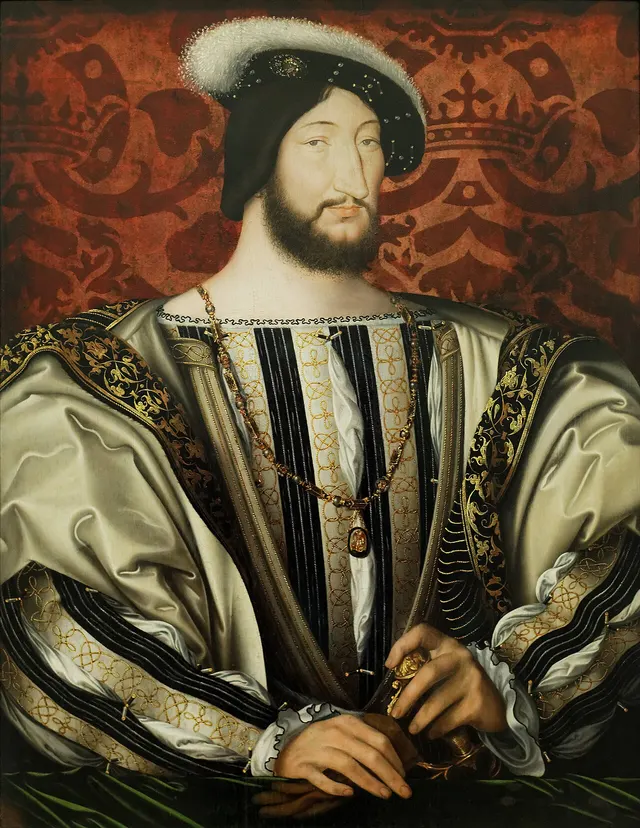
Francis I of France
Image creditJean Clouet · Public domainResized and cropped for display.

Francis I of France

King of France from 1515, a great patron of the Renaissance who brought Leonardo da Vinci to France and built the château of Chambord.

H. L. Mencken
Image creditBen Pinchot · Public domainResized and cropped for display.

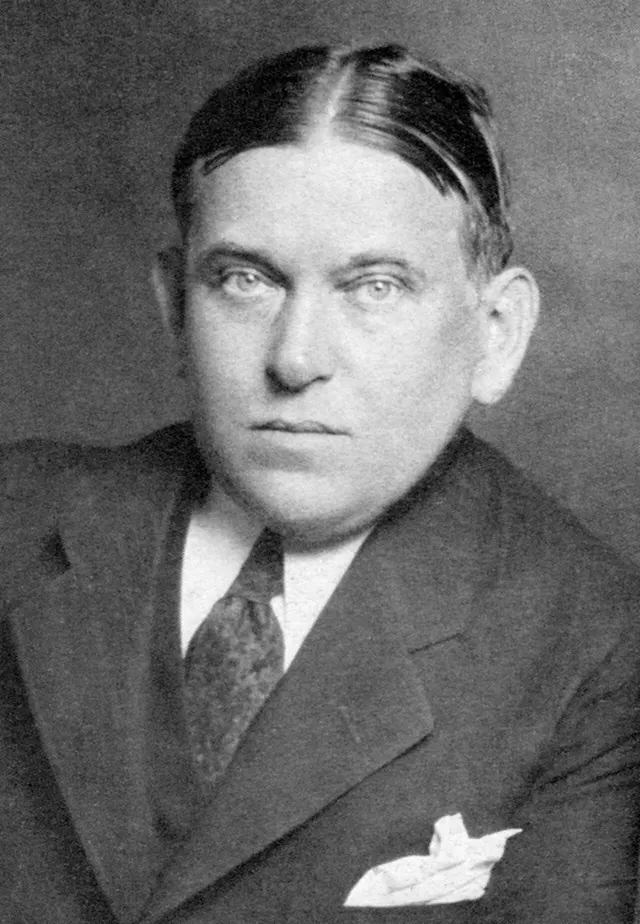
H. L. Mencken

Baltimore journalist and critic whose sharp, funny essays mocked American prudery and wrote the classic study The American Language.

Stanisław Lem
Image creditCourtesy of Wojciech Zemek · CC BY-SA 3.0Resized and cropped for display.

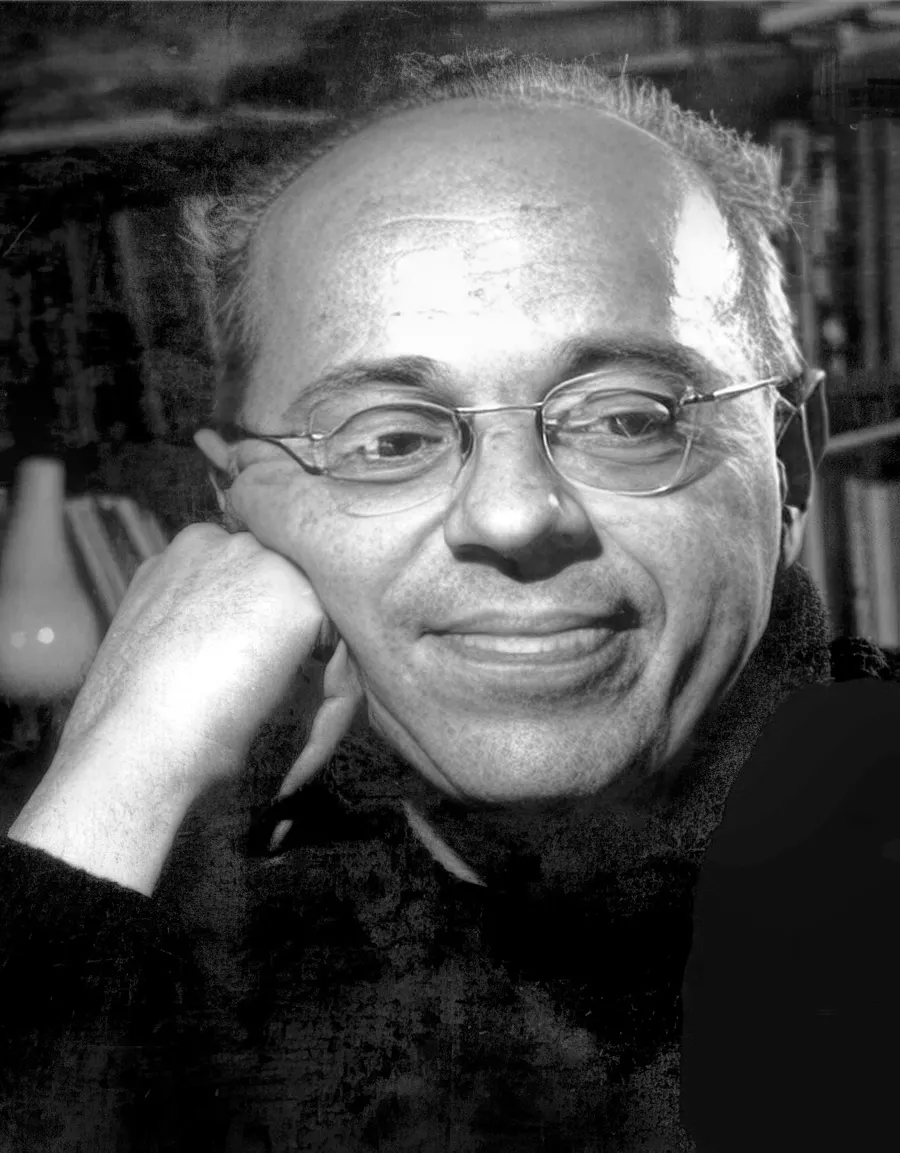
Stanisław Lem

Polish writer of science fiction and philosophy whose novel Solaris imagines humans failing to understand an alien ocean.

Amílcar Cabral
Image creditUnknown author · Public domainResized and cropped for display.

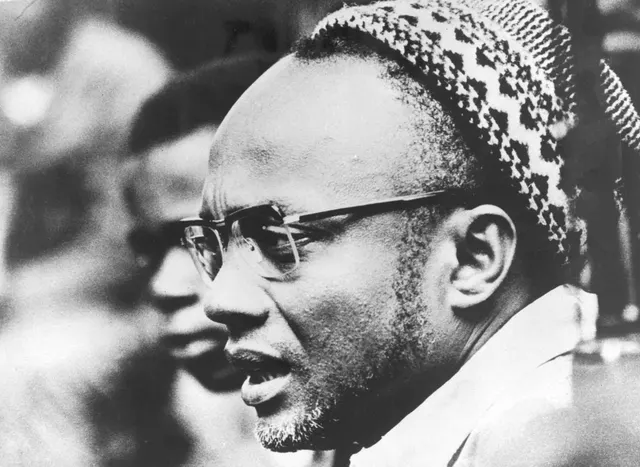
Amílcar Cabral

Agronomist who led the struggle for the independence of Guinea-Bissau and Cape Verde from Portugal, assassinated months before it was won.

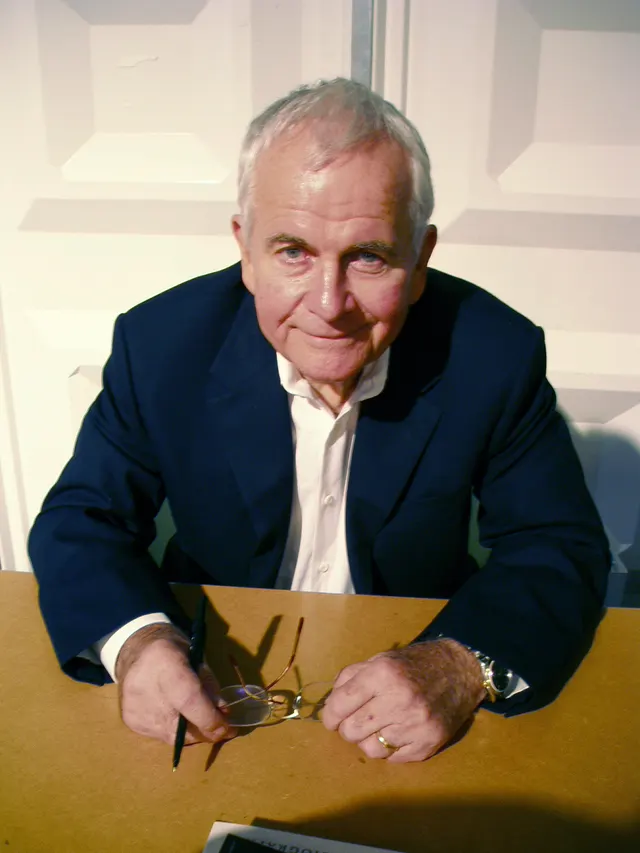
Ian Holm
Image creditCossieMoJo at English Wikipedia · CC BY-SA 3.0Resized and cropped for display.

Ian Holm

English actor of stage and screen, admired as King Lear and known worldwide as Bilbo Baggins in The Lord of the Rings.

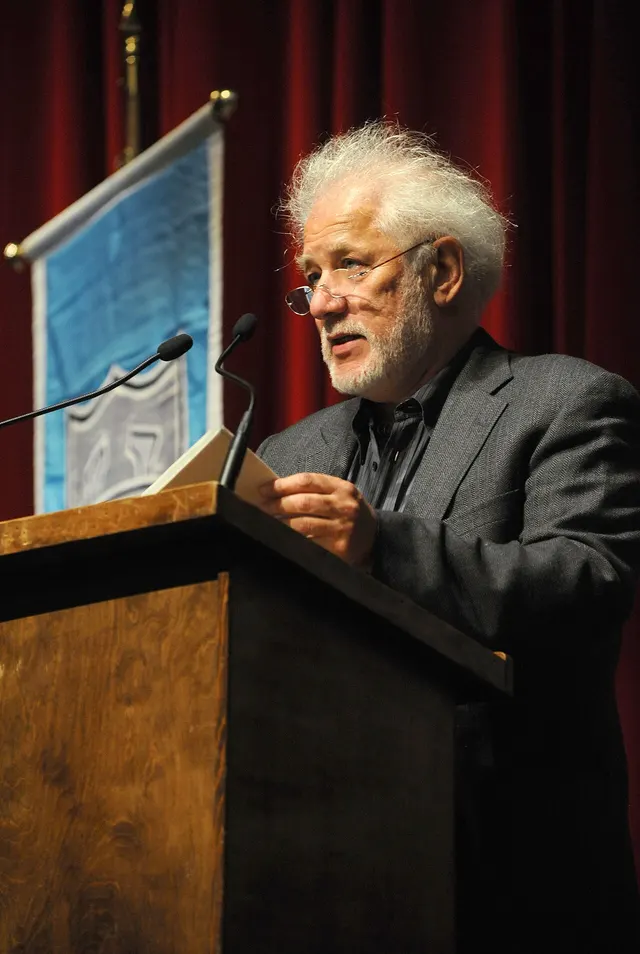
Michael Ondaatje
Image creditTulane Public Relations · CC BY 2.0Resized and cropped for display.

Michael Ondaatje

Sri Lankan-born Canadian poet and novelist whose The English Patient shared the Booker Prize in 1992.

Yao Ming
Image creditWorld Travel & Tourism Council · CC BY 2.0Resized and cropped for display.

Yao Ming

Chinese basketball player, 2.29 metres tall, who starred for the Houston Rockets and opened the NBA to a huge audience in China.

◉
IDEAS THAT CHANGED THINGS

Firsts, Science & Discoveries

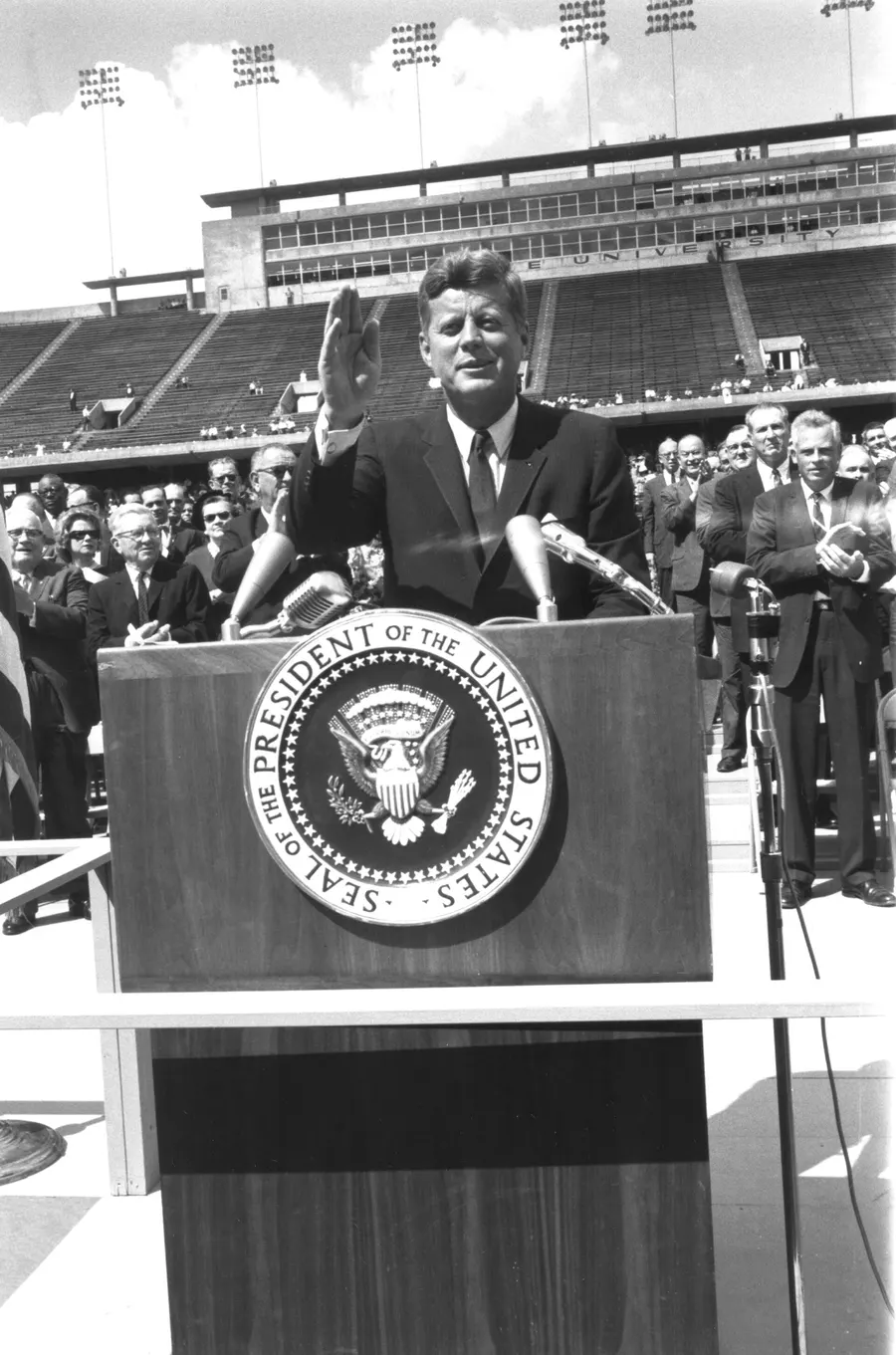
President John F. Kennedy speaks to a crowd of about 35,000 people in the football stadium at Rice University, Houston, on 12 September 1962
Image creditNASA · Public domainResized and cropped for display.

Kennedy tells America why it will go to the Moon

In May 1961, weeks after the Soviet Union had put the first man into orbit, President John F. Kennedy asked Congress to commit the United States to landing a man on the Moon and returning him safely before the end of the decade. The cost was enormous, and the space agency was building a new centre for human spaceflight in Houston, Texas, to manage the effort.

On 12 September 1962, after touring the space facilities, Kennedy spoke to a crowd of about 35,000 in the stadium at Rice University. He set the Moon programme in the long story of human discovery and said: ‘We choose to go to the Moon in this decade and do the other things, not because they are easy, but because they are hard.’ The speech became one of the best known of his presidency. Kennedy did not live to see the landing, but in July 1969 Apollo 11 met his goal.

Read the full storyHistory & Timeline →Source: John F. Kennedy Presidential Library: Address at Rice University on the Nation’s Space Effort ↗
☆
SPORTING HISTORY

Sporting Moments

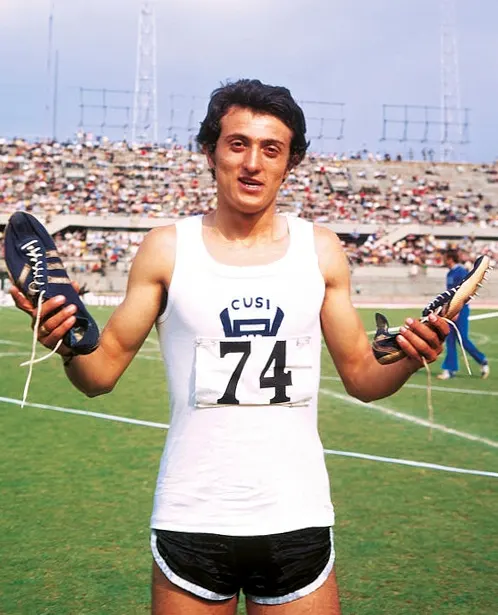
Pietro Mennea in 1972
Image creditSergio Del Grande (Mondadori Publishers) · Public domainResized and cropped for display.

Pietro Mennea runs 200 metres in 19.72 seconds

Pietro Mennea grew up in Barletta in southern Italy and became one of Europe’s greatest sprinters, slight of build but fiercely hard-working. He won Olympic bronze in the 200 metres at Munich in 1972 and European titles, and in 1979 he travelled to Mexico City for the World University Games, held in the thin air 2,240 metres above sea level, where sprinters meet less resistance.

On 12 September 1979, in the 200 metres final, he ran 19.72 seconds, with a following wind of 1.8 metres per second, just inside the legal limit. It took more than a tenth of a second off the world record set by Tommie Smith at the same altitude in 1968. Mennea’s record lasted almost 17 years, until 1996, and it is still the European record. The next year he won the Olympic 200 metres title in Moscow.

Read the full storyHistory & Timeline →Source: World Athletics: Pietro Mennea passes away ↗
♫
MUSIC • FILM • BOOKS • CULTURE

Culture Stories

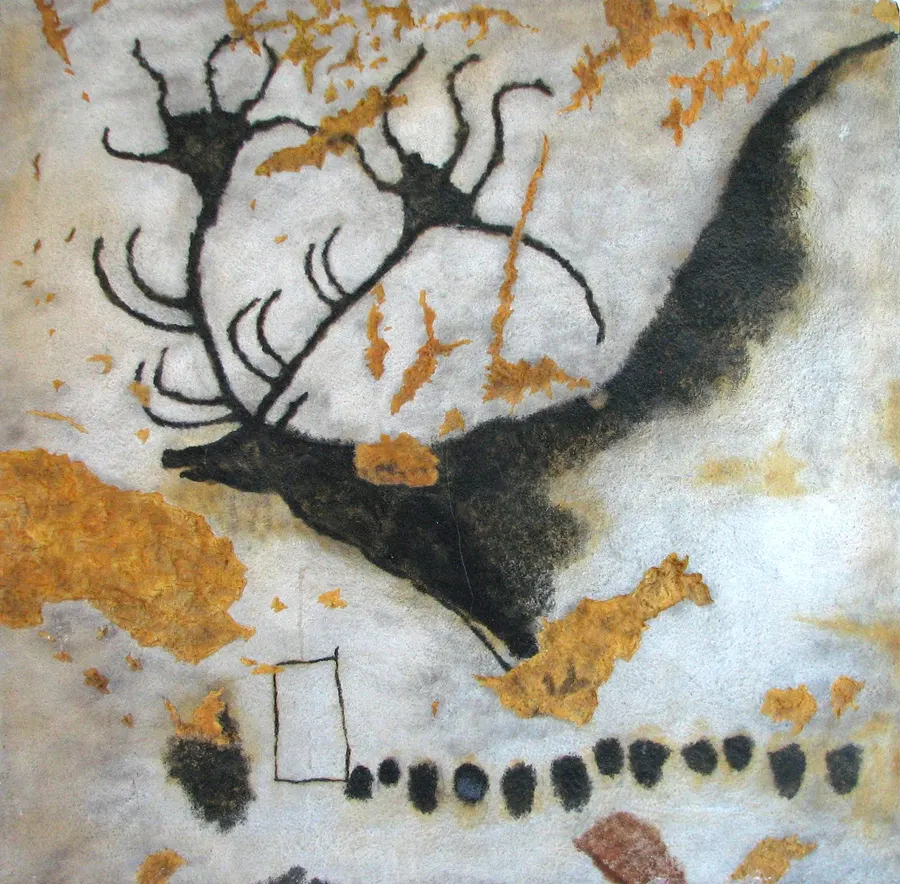
A painting of a giant deer, Megaloceros, on the wall of the Lascaux cave
Image creditHTO · Public domainResized and cropped for display.

Four teenagers find the painted cave of Lascaux

Above the small town of Montignac in the Dordogne, in south-west France, there was a hole in the hillside, thought to be an old foxes’ den. In September 1940, with France newly defeated and occupied, Marcel Ravidat, a 17-year-old apprentice mechanic, came across it and decided to explore. A few days later, on 12 September, he returned with three other boys, Jacques Marsal, Georges Agniel and Simon Coencas. They widened the opening and slid down into the dark.

By the light of a lamp they saw walls covered with painted horses, bulls, deer and other animals. The boys told their teacher, and within days the prehistorian Henri Breuil came to see the cave. Its roughly 600 paintings and 1,500 engravings, made more than 17,000 years ago, are among the finest Stone Age art ever found. Lascaux opened to visitors in 1948, but their breath damaged the paintings and it was closed in 1963. Today visitors see exact replicas, and the cave is part of a World Heritage Site.

Read the full storyHistory & Timeline →Source: French Ministry of Culture, Lascaux: The discovery ↗
✦
LIVES REMEMBERED

Remembered Today

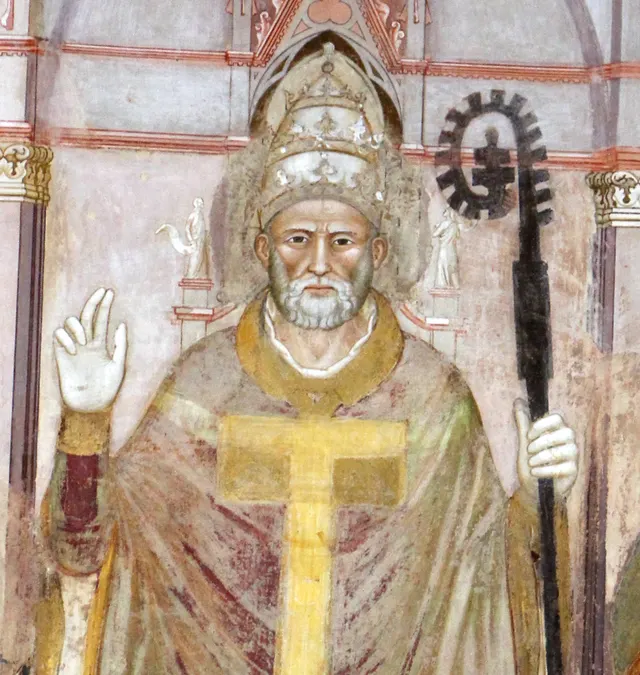
Pope Innocent VI
Image creditSailko · Public domainResized and cropped for display.

Pope Innocent VI

French pope at Avignon who worked to reform the church and to restore papal rule in Italy, preparing the papacy’s return to Rome.

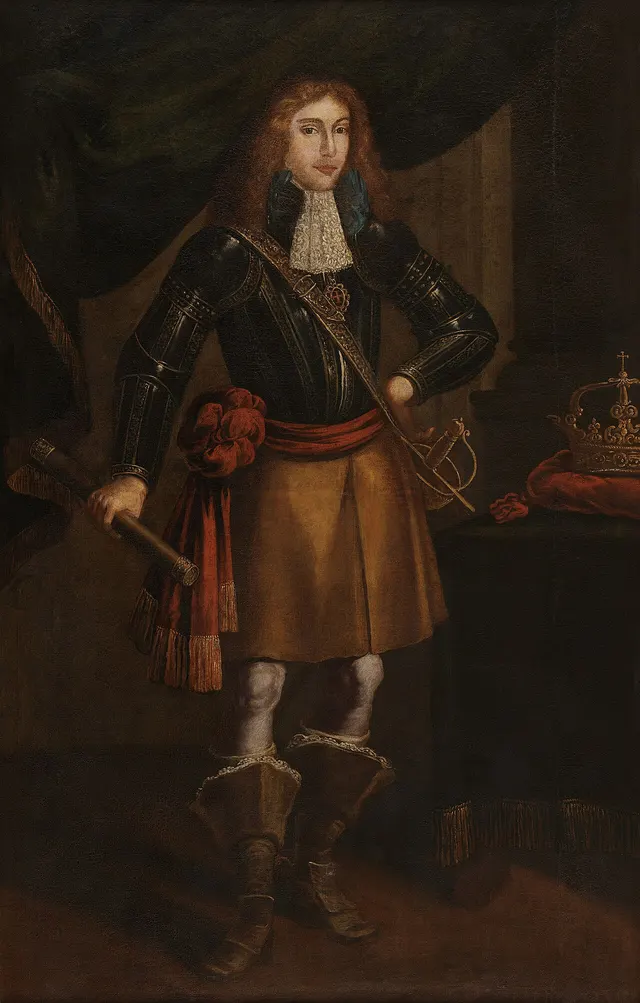
Afonso VI of Portugal
Image creditUnidentified painter · Public domainResized and cropped for display.

Afonso VI of Portugal

King of Portugal from 1656, whose armies defended the country’s independence against Spain, until his brother Pedro pushed him aside in 1667 and held him captive for the rest of his life.

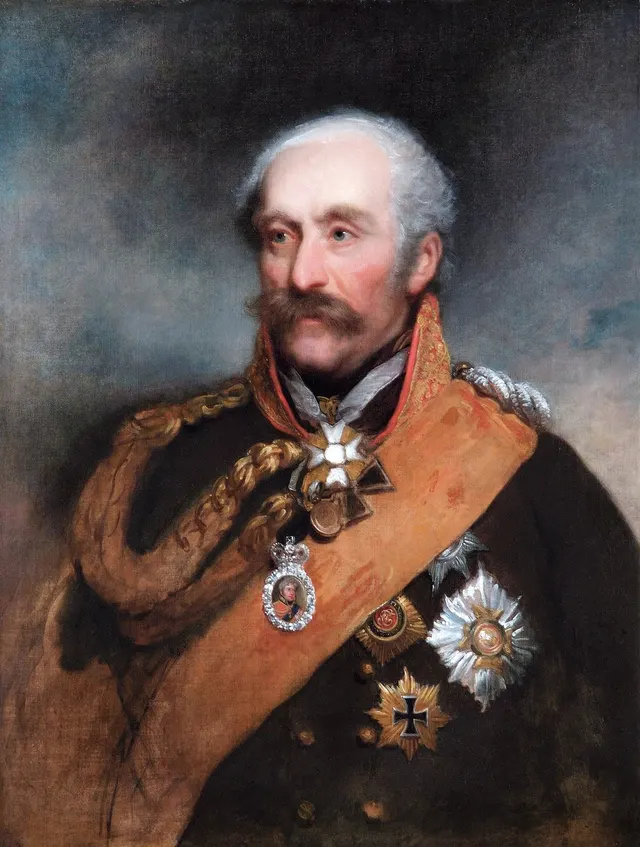
Gebhard Leberecht von Blücher
Image creditGeorge Dawe · Public domainResized and cropped for display.

Gebhard Leberecht von Blücher

Prussian field marshal whose army’s arrival late in the day helped Wellington defeat Napoleon at Waterloo.

Ilia Chavchavadze
Image creditUnknown author · Public domainResized and cropped for display.

Ilia Chavchavadze

Georgian poet, writer and public figure who led the revival of Georgian national culture, assassinated near Mtskheta and later declared a saint.

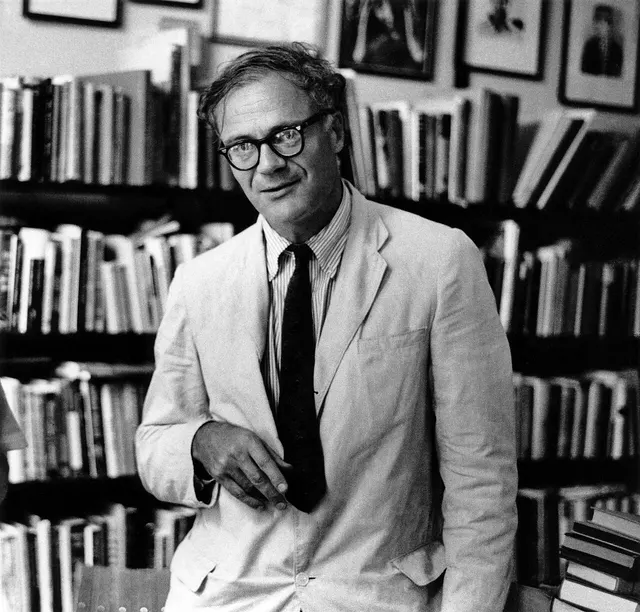
Robert Lowell
Image creditElsa Dorfman · CC BY-SA 3.0Resized and cropped for display.

Robert Lowell

American poet whose Life Studies brought the frank, personal ‘confessional’ poem into the mainstream.

☉
AROUND THE WORLD

Observances & Anniversaries

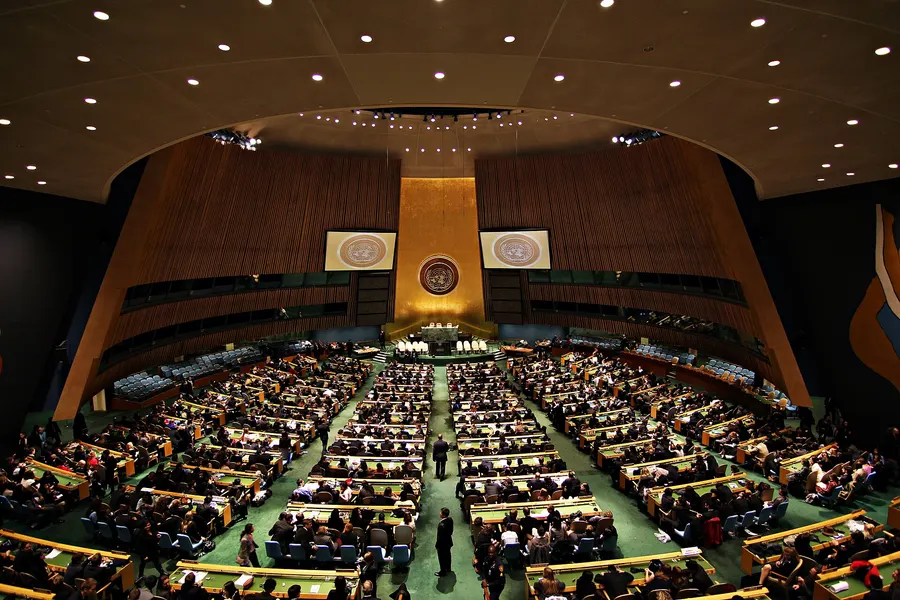
The General Assembly Hall at United Nations Headquarters in New York
Image creditBasil D Soufi · CC BY-SA 3.0Resized and cropped for display.

United Nations Day for South-South Cooperation

On 12 September 1978 delegations from 138 countries meeting in Buenos Aires adopted a plan of action for technical co-operation among developing countries, so that they could share skills, knowledge and resources with one another rather than relying only on aid from richer nations. The Buenos Aires Plan of Action became one of the foundations of what is called South-South co-operation.

The United Nations General Assembly set aside a day to celebrate this work and now marks it on 12 September, the anniversary of the plan’s adoption. The day highlights how countries of Africa, Asia, Latin America and the Pacific work together on trade, health, farming, technology and development.

Source: United Nations: Day for South-South Cooperation, background ↗
HISTORY & TIMELINE

Finished the highlights?

Follow 12 September chronologically, from the Middle Ages to the modern day, with 16 verified events and the sources behind them.

This day through time →