Explore 17 September

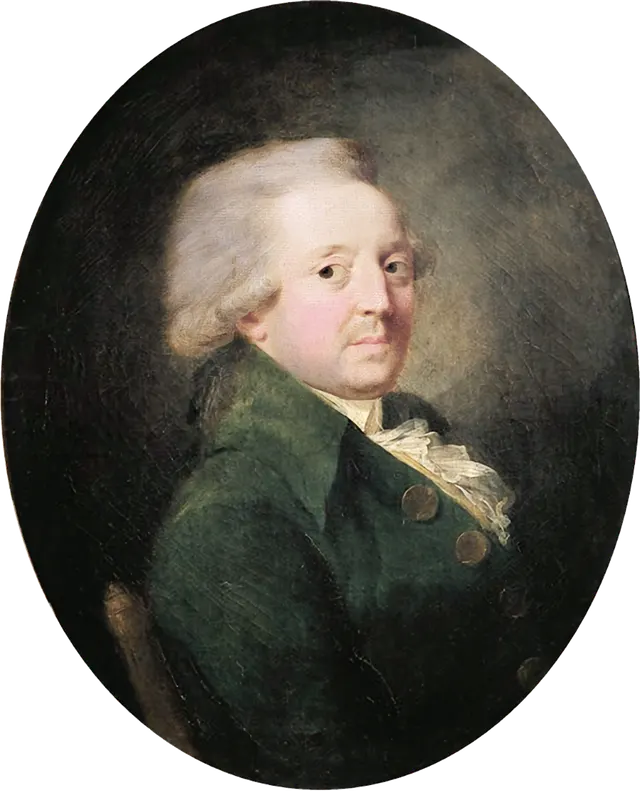
Explore 17 September: the United States Constitution is signed in Philadelphia, the armies of McClellan and Lee meet at Antietam, Allied paratroops drop into the Netherlands in Operation Market Garden, Egypt and Israel sign the Camp David Accords, the space shuttle Enterprise is rolled out and the Seoul Olympics open. Born today: the Marquis de Condorcet, Stirling Moss and Reinhold Messner.

This day through time →16 verified events across 3 eras

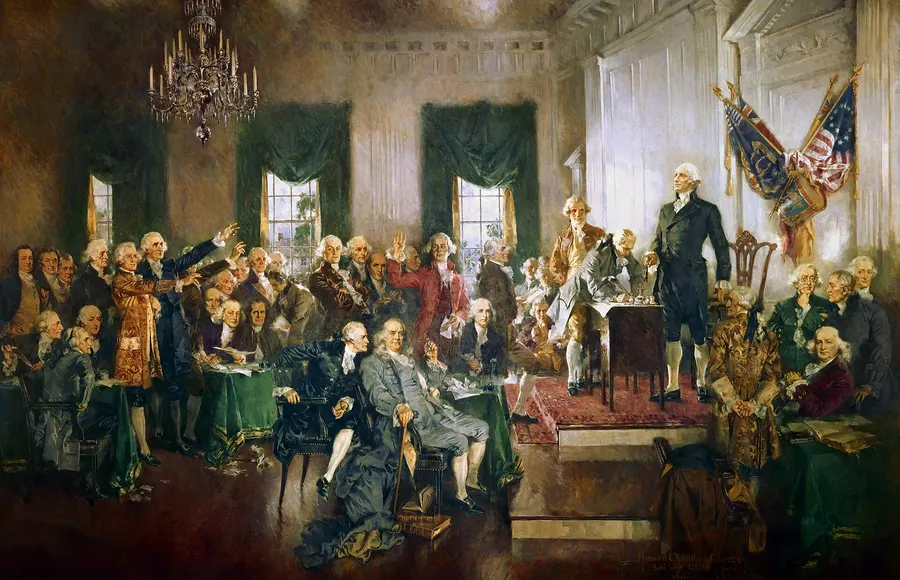
Scene at the Signing of the Constitution of the United States, painted by Howard Chandler Christy in 1940, with George Washington presiding
Image creditHoward Chandler Christy · Public domainResized and cropped for display.

The United States Constitution is signed in Philadelphia

Four years after winning independence, the United States was a loose league of thirteen states under the Articles of Confederation, with a Congress that could not raise taxes or regulate trade. In May 1787 delegates met in the State House in Philadelphia, now Independence Hall, to revise the Articles. Sitting behind closed doors through a hot summer, with George Washington in the chair, they instead wrote a wholly new frame of government, with a president, a two-chamber Congress and a supreme court.

On 17 September 1787 the finished document, four pages of parchment, was read aloud and signed. Benjamin Franklin, aged 81, urged every delegate to put aside his doubts; three of those present, Edmund Randolph, George Mason and Elbridge Gerry, still refused. The Constitution carries 39 names. It then went to the states, and came into force once nine had ratified it, in June 1788. It is often described as the oldest written national constitution still in use, and Americans mark 17 September as Constitution Day and Citizenship Day.

Read the full storyHistory & Timeline →Source: US National Archives: Constitution of the United States (1787) ↗
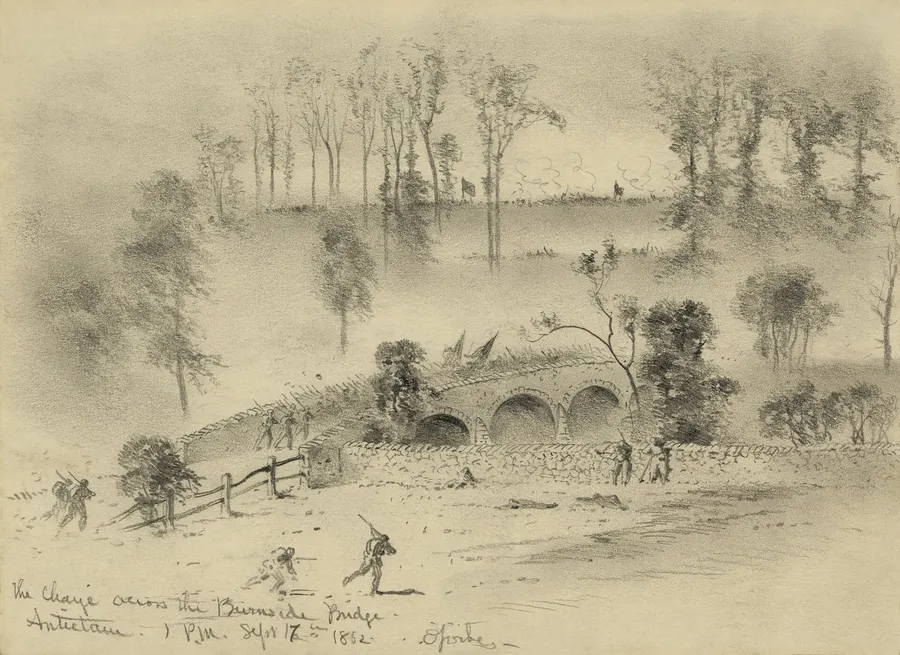
The charge across the Burnside Bridge at Antietam, drawn by the war artist Edwin Forbes
Image creditEdwin Forbes / Adam Cuerden · Public domainResized and cropped for display.

The Battle of Antietam, the bloodiest day of the American Civil War

In September 1862, after a run of victories in Virginia, the Confederate general Robert E. Lee led his army across the Potomac into Maryland, the first invasion of the North. He hoped that a victory on Union soil would bring recognition from Britain and France. The Union Army of the Potomac under George McClellan followed him, helped by a lost copy of Lee’s orders found wrapped around three cigars, and the two armies met beside Antietam Creek near the town of Sharpsburg.

The battle on 17 September 1862 was fought in three stages from dawn to dusk: in a cornfield to the north, along a sunken farm road remembered as Bloody Lane, and at a stone bridge over the creek. By nightfall about 23,000 men had been killed, wounded or were missing, the heaviest loss of any single day in American history. Neither side had broken the other, but Lee withdrew into Virginia. Five days later President Abraham Lincoln used the result to announce the preliminary Emancipation Proclamation.

Read the full storyHistory & Timeline →Source: US National Park Service: A short overview of the Battle of Antietam ↗
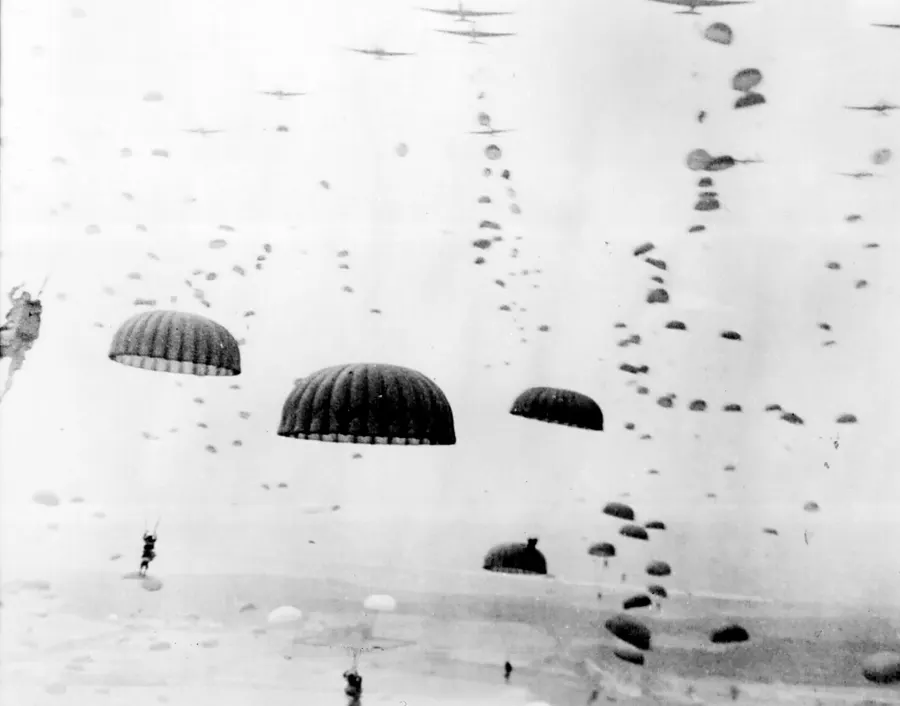
Parachutes open overhead as waves of Allied paratroops land in the Netherlands in September 1944
Image creditU.S. Army · Public domainResized and cropped for display.

Allied paratroops drop into the Netherlands in Operation Market Garden

By September 1944 the Allied armies had swept across France and Belgium, but their supply lines were stretched and the advance was slowing. Field Marshal Bernard Montgomery proposed a bold stroke to end the war by Christmas: airborne troops would seize a chain of bridges across the rivers and canals of the Netherlands, and tanks of the British XXX Corps would drive up a single road to cross the Rhine at Arnhem and turn into Germany.

On the afternoon of Sunday 17 September 1944 thousands of parachutists and glider troops landed in the largest airborne operation yet attempted. The Americans took most of their bridges near Eindhoven and Nijmegen, but the British 1st Airborne Division, landed several miles from Arnhem, met unexpected German armour. One battalion reached the bridge and held its northern end for days; the tanks never arrived. The survivors withdrew across the river on the night of 25 September. Only about a quarter of the men who landed at Arnhem got back, and the Rhine was not crossed until March 1945.

Read the full storyHistory & Timeline →Source: National Army Museum: Operation Market Garden ↗
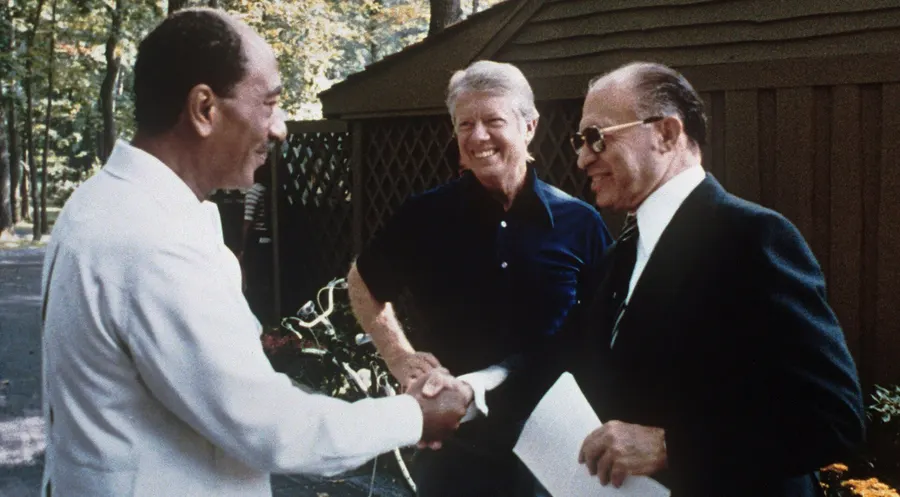
Anwar Sadat, Jimmy Carter and Menachem Begin at Camp David in September 1978
Image creditUnknown author · Public domainResized and cropped for display.

Egypt and Israel sign the Camp David Accords

Egypt and Israel had fought four wars in thirty years when President Anwar Sadat of Egypt astonished the world by flying to Jerusalem in November 1977. The talks that followed soon stalled, and the American president Jimmy Carter invited Sadat and the Israeli prime minister Menachem Begin to Camp David, the presidential retreat in the hills of Maryland. For thirteen days the three men and their advisers bargained in seclusion, with Carter carrying drafts between two leaders who at times would not meet.

On the evening of 17 September 1978 they returned to Washington and signed two agreements at the White House. One set out a framework for peace between Egypt and Israel, including Israel’s withdrawal from the Sinai peninsula; the other proposed a path to self-government for the Palestinians of the West Bank and Gaza, which was never carried out. Sadat and Begin shared that year’s Nobel Peace Prize, and in March 1979 they signed the first peace treaty between Israel and an Arab state.

Read the full storyHistory & Timeline →Source: US Office of the Historian: Camp David Accords and the Arab-Israeli peace process ↗

♙
PEOPLE

Born Today

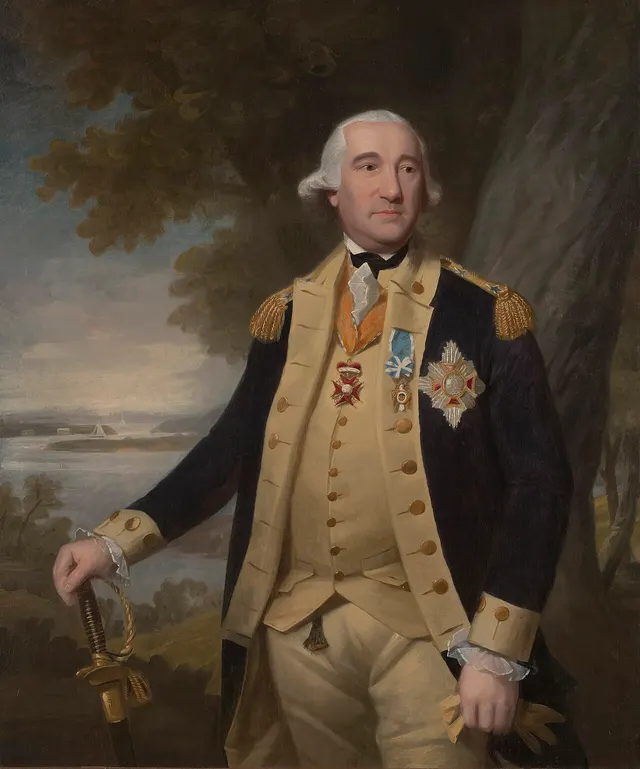
Friedrich Wilhelm von Steuben
Image creditRalph Earl · Public domainResized and cropped for display.

Friedrich Wilhelm von Steuben

Prussian officer who drilled George Washington’s ragged army at Valley Forge into a disciplined force during the American War of Independence.

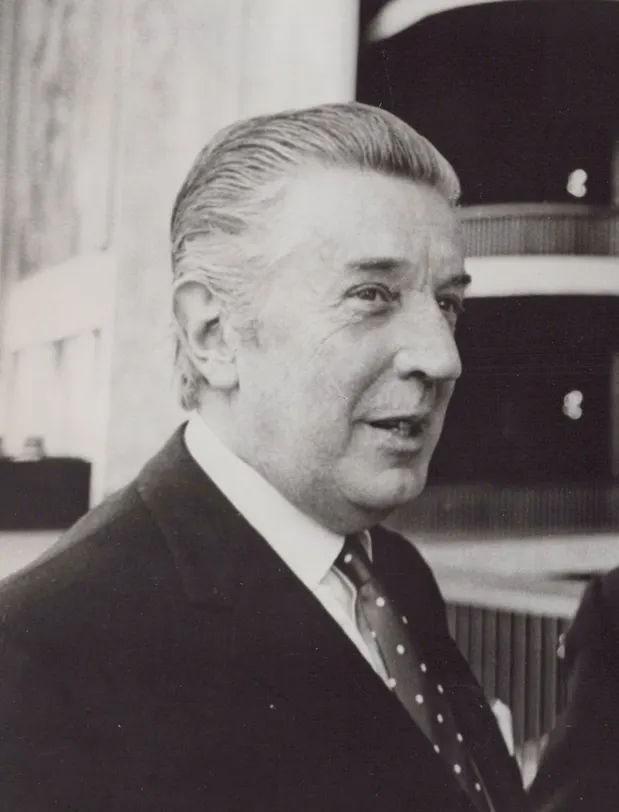
Frederick Ashton
Image creditPBS · Public domainResized and cropped for display.

Frederick Ashton

Choreographer, born in Ecuador, who shaped the English style of ballet at the Royal Ballet with works such as La Fille mal gardée and Marguerite and Armand.

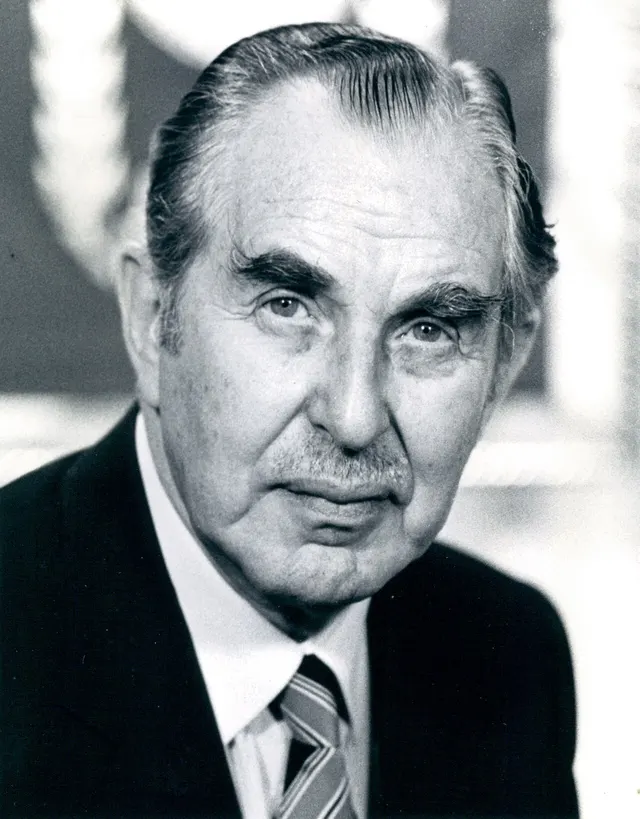
Chaim Herzog
Image creditKnesset photographer · CC BY-SA 4.0Resized and cropped for display.

Chaim Herzog

Belfast-born soldier, lawyer and diplomat who served as the sixth president of Israel from 1983 to 1993.

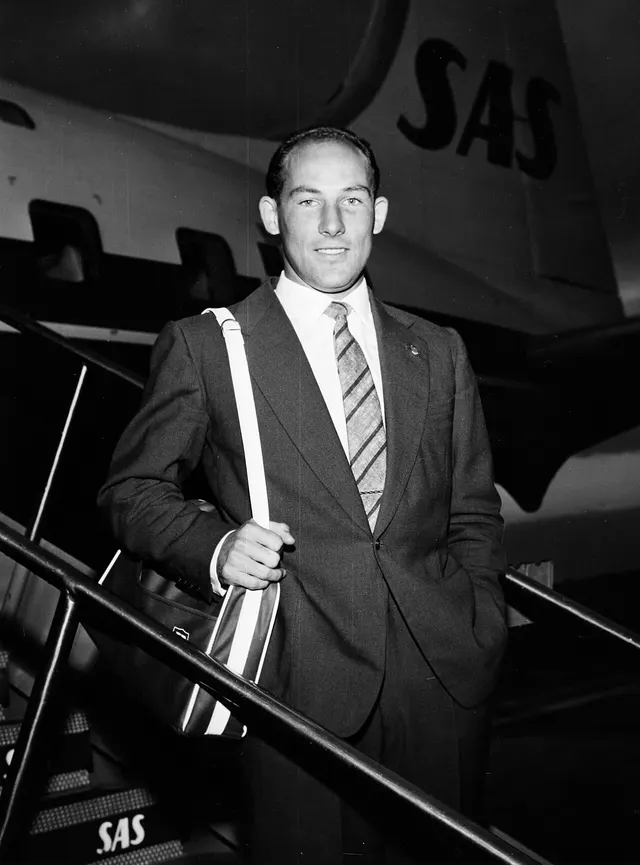
Stirling Moss
Image creditSAS Scandinavian Airlines · Public domainResized and cropped for display.

Stirling Moss

British racing driver who won 16 Grands Prix and the 1955 Mille Miglia, often called the greatest driver never to win the world championship.

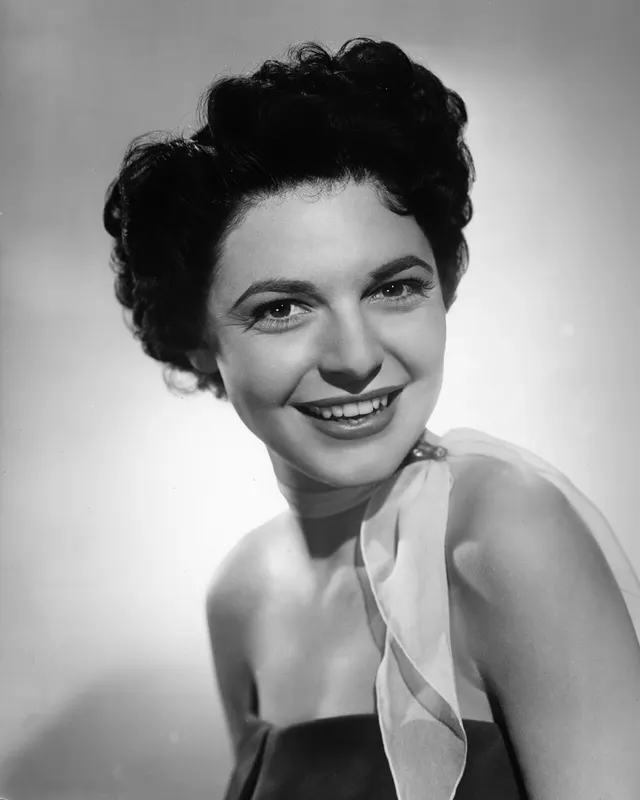
Anne Bancroft
Image creditTwentieth Century-Fox studio · Public domainResized and cropped for display.

Anne Bancroft

American actress who won an Oscar as Helen Keller’s teacher in The Miracle Worker and played Mrs Robinson in The Graduate.

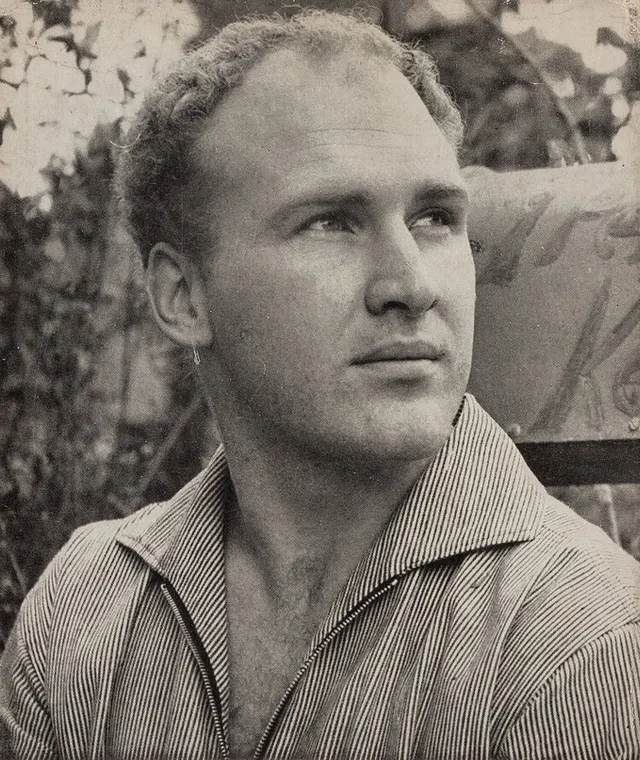
Ken Kesey
Image creditHank Kranzler · Public domainResized and cropped for display.

Ken Kesey

American novelist who wrote One Flew Over the Cuckoo’s Nest and led the Merry Pranksters across the country in a painted bus.

Reinhold Messner
Image creditSuperbass · CC BY-SA 4.0Resized and cropped for display.

Reinhold Messner

Mountaineer from South Tyrol, the first to climb Everest without bottled oxygen, with Peter Habeler, and the first to climb all fourteen peaks over 8,000 metres.

◉
IDEAS THAT CHANGED THINGS

Firsts, Science & Discoveries

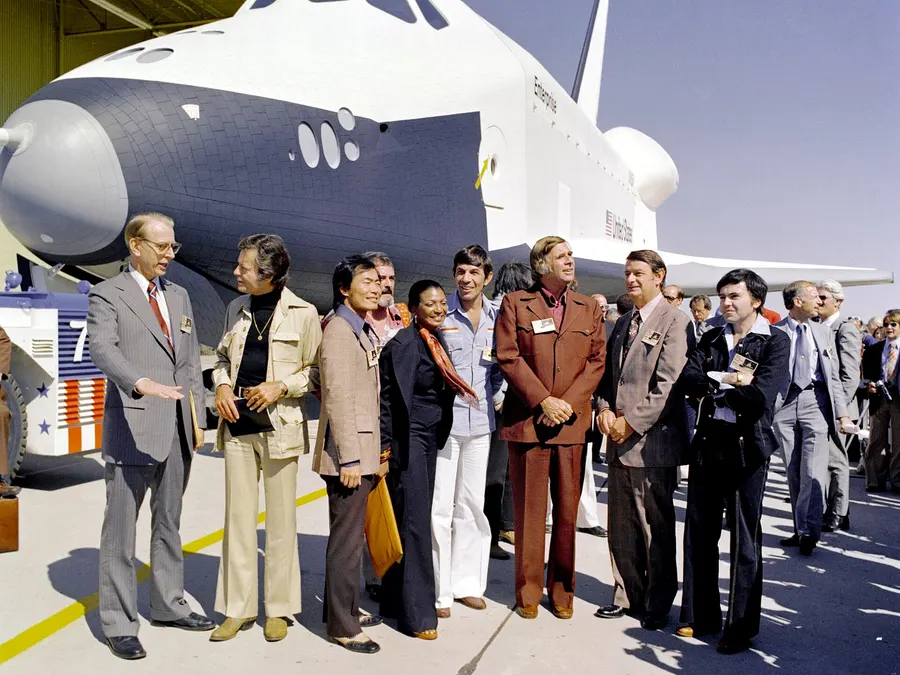
The shuttle Enterprise at its roll-out in Palmdale, California, with NASA officials and members of the cast of Star Trek
Image creditNASA · Public domainResized and cropped for display.

NASA rolls out Enterprise, the first space shuttle

After the Moon landings, NASA set out to build a spacecraft that could be used again and again: a winged orbiter that would be launched like a rocket and land like a glider. The first one, known as OV-101, was built at Palmdale in California. It was to have been named Constitution and unveiled on Constitution Day, but fans of the television series Star Trek sent tens of thousands of letters to the White House asking for it to be named after the starship Enterprise, and President Gerald Ford agreed.

On 17 September 1976 Enterprise was towed out of its hangar before a crowd of guests, among them the creator and several of the cast of Star Trek, while a band played the programme’s theme. Enterprise was built for test flights in the atmosphere and never went into space. In 1977 it was carried aloft on the back of a Boeing 747 and released to glide down to the Californian desert, proving that an orbiter could land safely. The first shuttle to reach orbit, Columbia, flew in April 1981.

Read the full storyHistory & Timeline →Source: NASA: NASA unveils Enterprise, the first space shuttle ↗
☆
SPORTING HISTORY

Sporting Moments

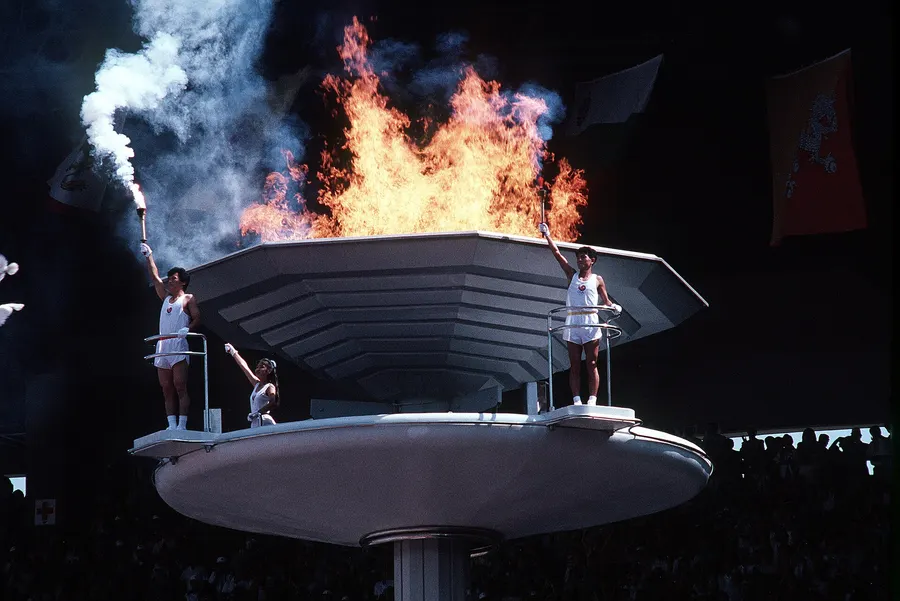
The ceremonial flame of the Seoul Olympic Games is lit by three young South Koreans, an athlete, a teacher and a dance student
Image creditKen Hackman, U.S. Air Force · Public domainResized and cropped for display.

The Seoul Olympic Games open

When Seoul was chosen in 1981 to hold the 1988 Olympic Games, South Korea was under military rule and had no diplomatic relations with the communist world. The three previous Games had all been damaged by boycotts. In the years that followed the country grew rapidly richer, and in 1987 mass protests forced its rulers to accept free presidential elections, so that the Games became the showpiece of a changing nation.

The opening ceremony was held in the Olympic Stadium on 17 September 1988. The torch was carried in by Sohn Kee-chung, the Korean who had won the 1936 marathon while forced to run under the flag of Japan. North Korea stayed away, with Cuba and a few others, but athletes from 159 countries took part, including the Soviet Union and the United States together for the first time since 1976. Tennis returned to the Games after 64 years, and table tennis was played for the first time.

Read the full storyHistory & Timeline →Source: International Olympic Committee: Seoul 1988 ↗
♫
MUSIC • FILM • BOOKS • CULTURE

Culture Stories

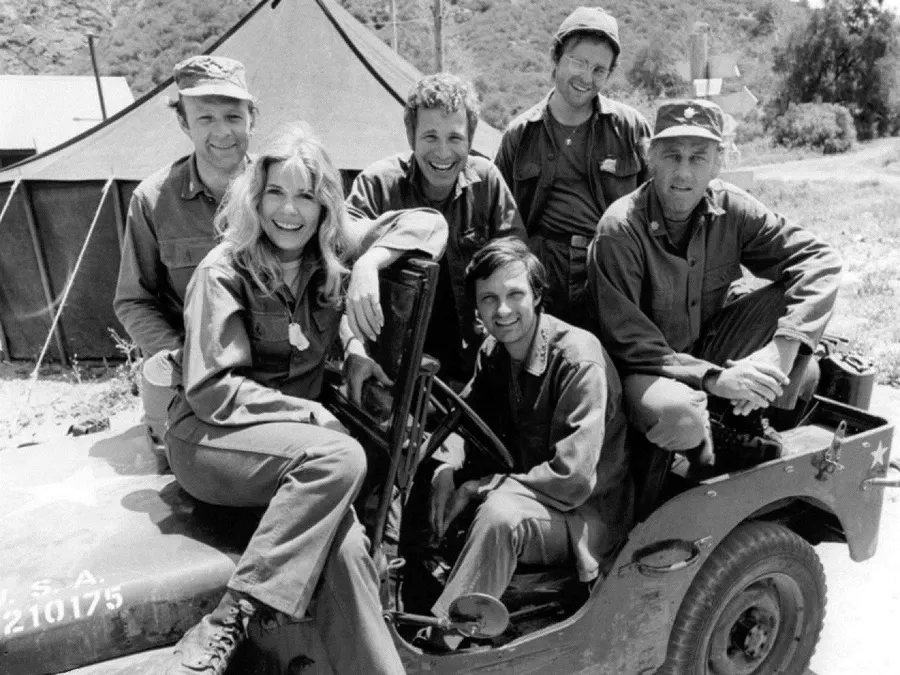
The cast of M*A*S*H in a CBS publicity photograph of 1974, with Alan Alda at the wheel of the jeep
Image creditCBS Television · Public domainResized and cropped for display.

The first episode of M*A*S*H is broadcast

In 1970 Robert Altman’s film M*A*S*H, a dark comedy about army surgeons in the Korean War taken from a novel by a former army doctor, was a great success, at a time when the United States was still fighting in Vietnam. The CBS network asked the comedy writer Larry Gelbart and the producer Gene Reynolds to turn it into a half-hour television series, set in the tents of the 4077th Mobile Army Surgical Hospital, with Alan Alda as the wisecracking surgeon Hawkeye Pierce.

The first episode went out on 17 September 1972. Audiences were small at first, but the series found its viewers in its second season and went on to mix jokes with operating-theatre scenes and stories about fear, boredom and loss in a way that was new for a comedy. It ran for eleven years, far longer than the three-year war it portrayed, and its final episode in 1983 drew one of the largest audiences in the history of American television.

Read the full storyHistory & Timeline →Source: Smithsonian, National Museum of American History archives: M*A*S*H Television Show Collection ↗
✦
LIVES REMEMBERED

Remembered Today

Hildegard of Bingen
Image creditUnknown author · Public domainResized and cropped for display.

Hildegard of Bingen

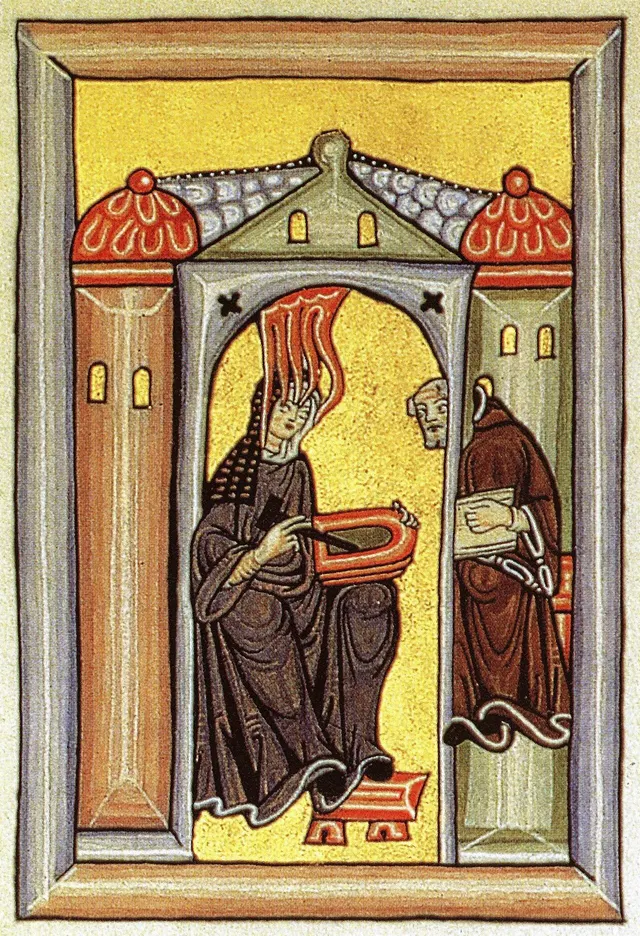
German abbess, visionary, composer and writer on medicine and nature, whose music is still sung; she was named a Doctor of the Church in 2012.

Philip IV of Spain
Image creditDiego Velázquez · Public domainResized and cropped for display.

Philip IV of Spain

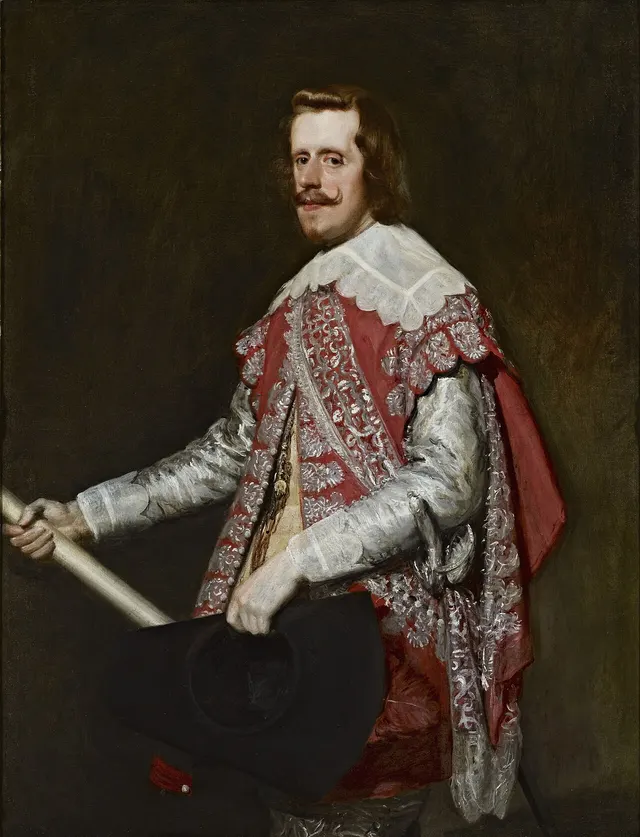
King of Spain for 44 years, patron of the painter Velázquez, whose reign saw Spanish power decline and Portugal break away.

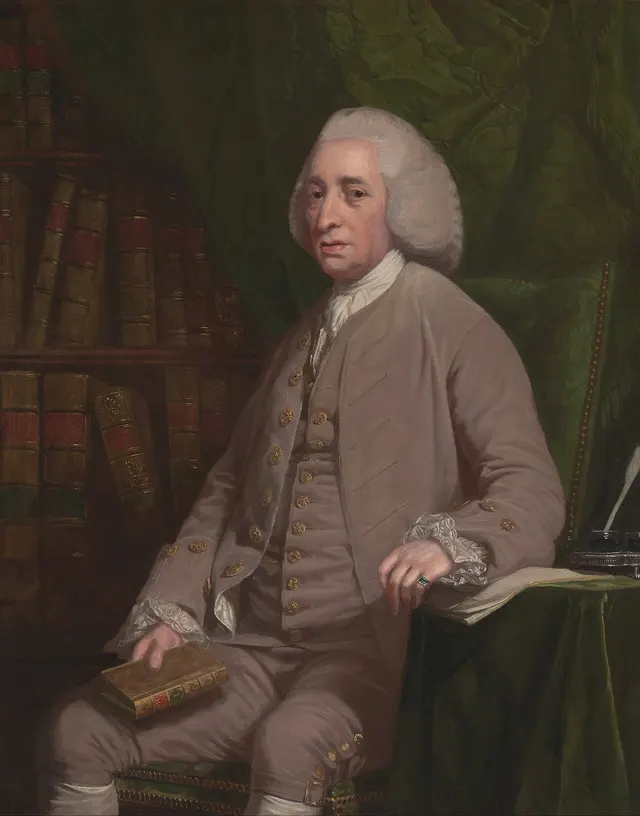
Tobias Smollett
Image creditNathaniel Dance-Holland · Public domainResized and cropped for display.

Tobias Smollett

Scottish novelist and former naval surgeon who wrote the comic adventures Roderick Random and Humphry Clinker.

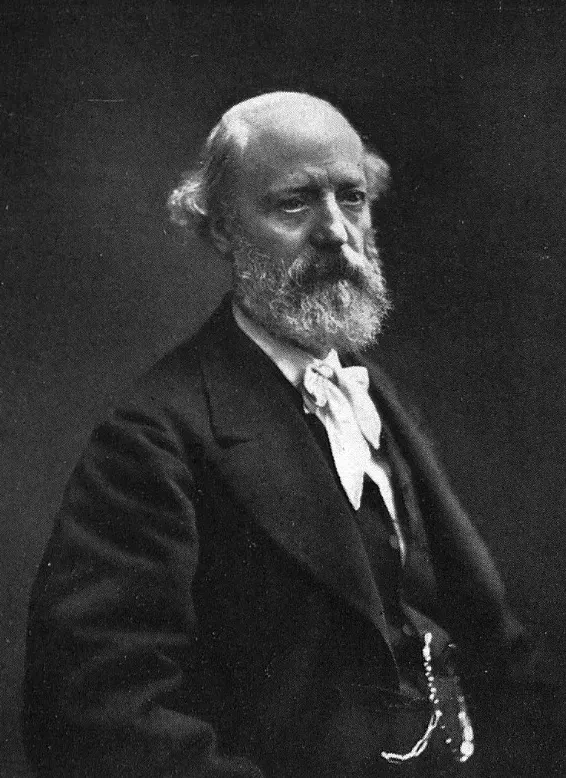
Eugène Viollet-le-Duc
Image creditNadar · Public domainResized and cropped for display.

Eugène Viollet-le-Duc

French architect who restored Notre-Dame de Paris, the walled city of Carcassonne and many other medieval buildings, and gave Notre-Dame its spire.

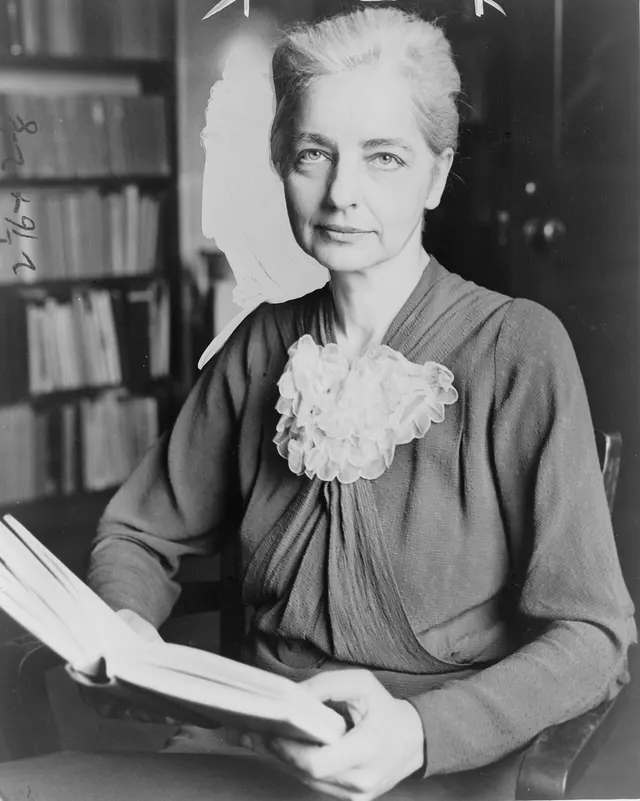
Ruth Benedict
Image creditWorld Telegram staff photographer · Public domainResized and cropped for display.

Ruth Benedict

American anthropologist whose Patterns of Culture and The Chrysanthemum and the Sword brought the study of cultures to a wide readership.

☉
AROUND THE WORLD

Observances & Anniversaries

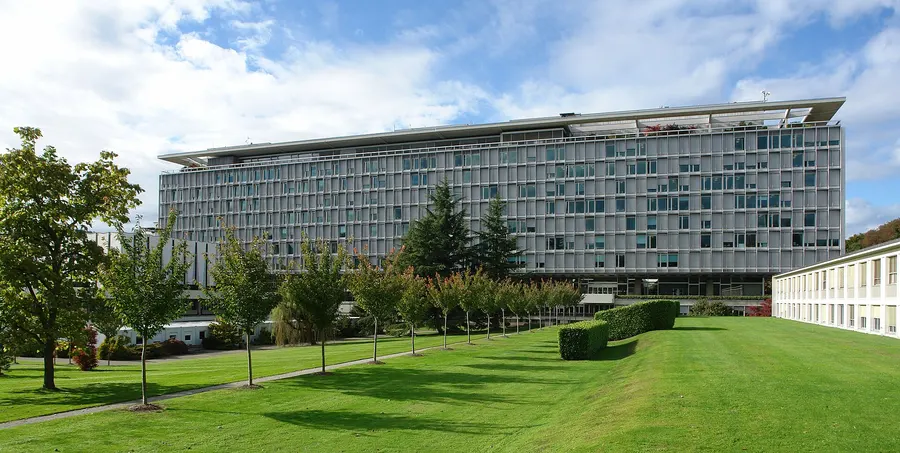
The headquarters of the World Health Organization in Geneva
Image creditYann Forget · CC BY-SA 4.0Resized and cropped for display.

World Patient Safety Day

Health care is meant to heal, but mistakes in treatment, such as a wrong dose, an infection picked up in hospital or a missed diagnosis, harm large numbers of patients every year, and much of that harm can be prevented. In May 2019 the World Health Assembly, the governing body of the World Health Organization, adopted a resolution on global action on patient safety and set aside 17 September as World Patient Safety Day.

Each year the day has a theme, such as safe childbirth, the safety of medicines or the safety of health workers, and governments, hospitals and patients’ groups are asked to take part. Buildings and monuments around the world are lit in orange to mark it.

Source: World Health Organization: World Patient Safety Day ↗
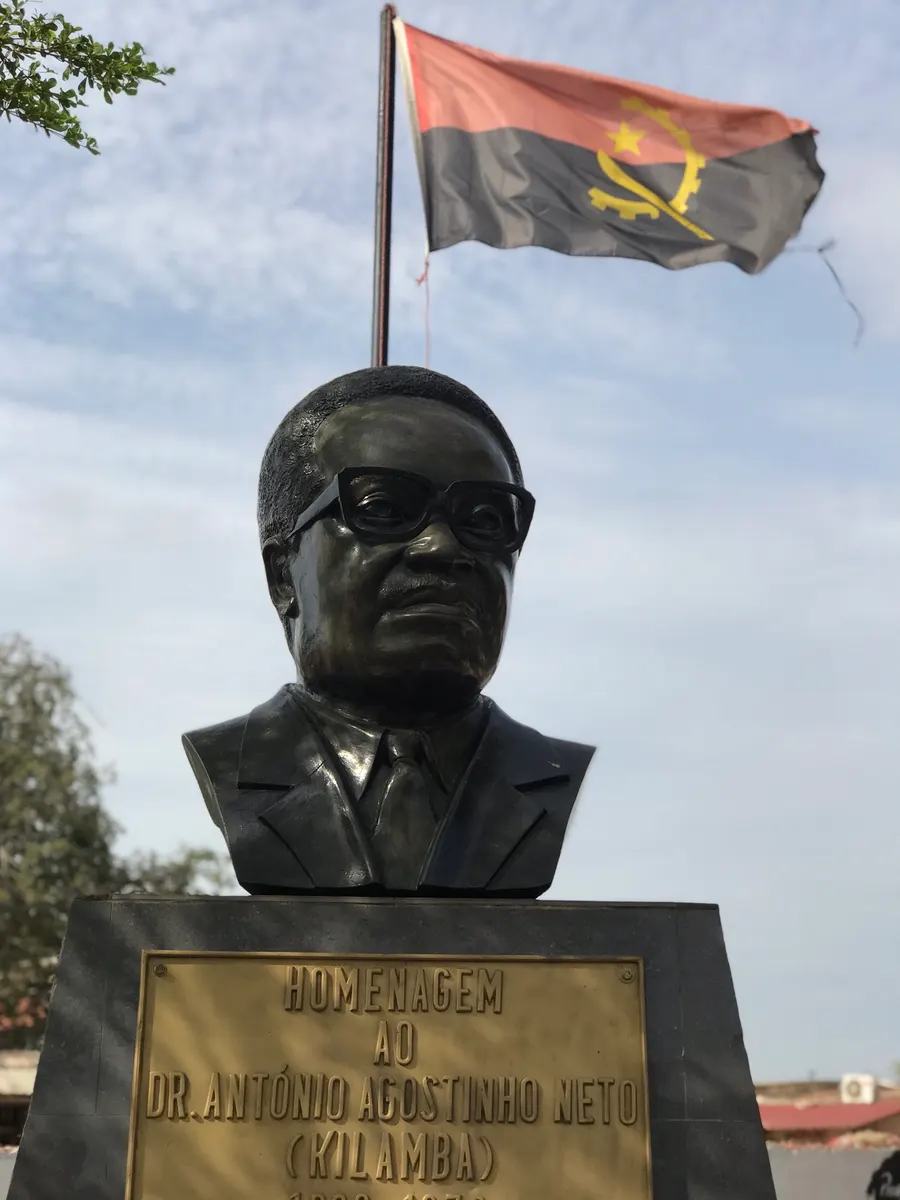
A bust of Agostinho Neto, the first president of Angola, beneath the Angolan flag
Image creditAntónio Jorge · CC BY-SA 4.0Resized and cropped for display.

National Heroes’ Day in Angola

Angola keeps 17 September as National Heroes’ Day, a public holiday on the birthday of Agostinho Neto, who was born in 1922. Neto trained as a doctor in Portugal, was imprisoned several times for his opposition to colonial rule, and wrote poetry that was read across the Portuguese-speaking world. As leader of the MPLA he became the first president of Angola when it won independence from Portugal on 11 November 1975.

Neto died in Moscow in September 1979, and the holiday was established the following year. It honours him and all who took part in the struggle for independence, with official ceremonies around the country.

Source: Embassy of the Republic of Angola in Japan: National Hero’s Day ↗
HISTORY & TIMELINE

Finished the highlights?

Follow 17 September chronologically, from the Middle Ages to the modern day, with 16 verified events and the sources behind them.

This day through time →