Explore 23 September

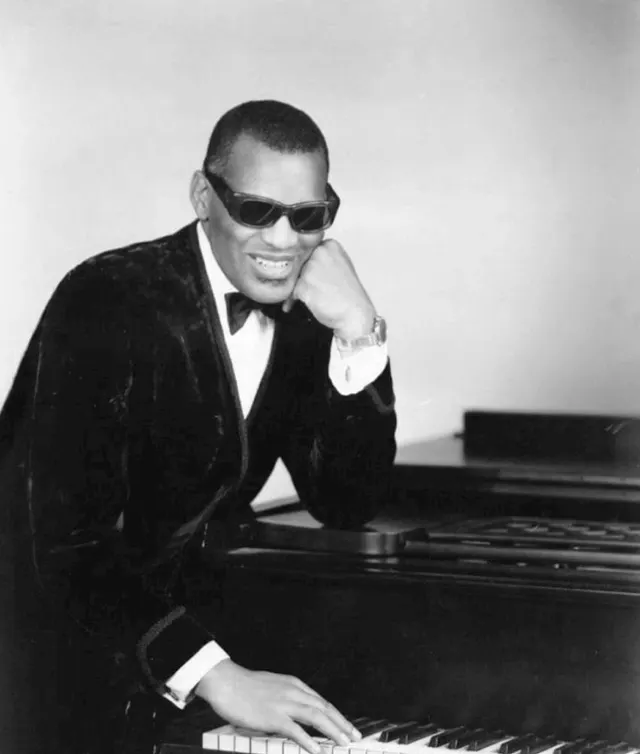
Explore 23 September: the Concordat of Worms ends a medieval quarrel, Wellesley wins at Assaye, Puerto Rico rises at Lares, Neptune is found and Roland Garros flies across the Mediterranean. Meet John Coltrane, Ray Charles and Bruce Springsteen, born on this date.

This day through time →12 verified events across 4 eras

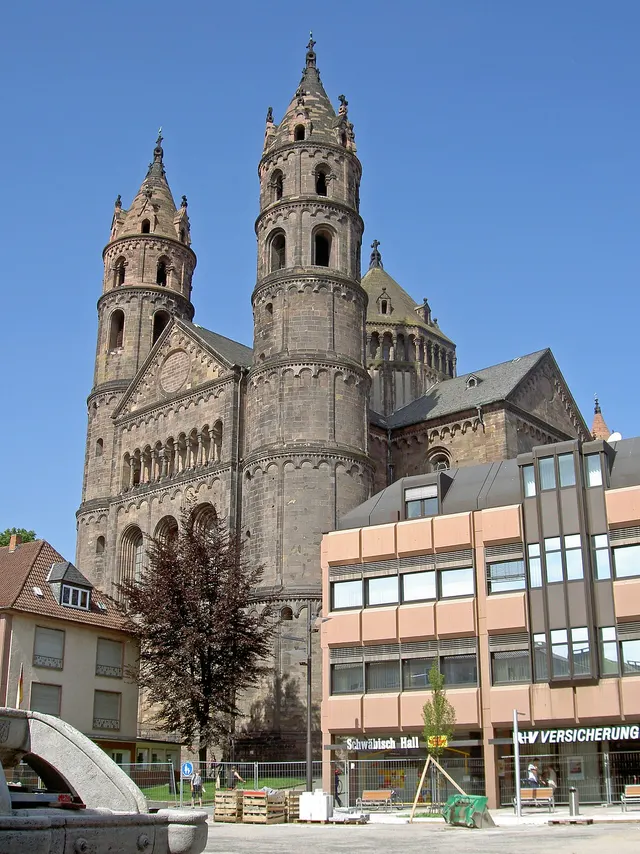
Worms Cathedral.
Worms Cathedral.
Image creditUnknown · CC BY-SA 3.0Resized and cropped for display.

The Concordat of Worms ends the Investiture Controversy

On 23 September 1122 Pope Callixtus II and Emperor Henry V agreed the Concordat of Worms, ending the Investiture Controversy, the long quarrel between the papacy and the German emperors that had run since 1076.

Bishops and abbots would be freely elected, but the emperor could send a representative to the elections and invest the chosen men with temporal authority. The compromise drew a clearer line between spiritual and secular power.

Read the full storyHistory & Timeline →Source: Encyclopaedia Britannica: Concordat of Worms ↗
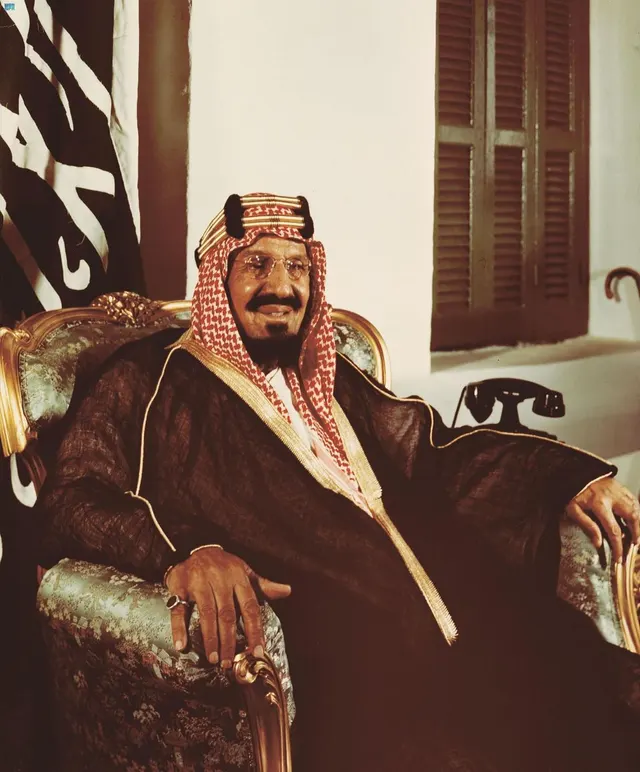
Ibn Saud, founder of the Kingdom of Saudi Arabia.
Image creditSaudi Press Agency · Public domainResized and cropped for display.

The Kingdom of Saudi Arabia is proclaimed

On 23 September 1932 a royal decree unified Ibn Saud’s domains of the Hejaz and Najd, administered as two separate units since 1927, under the name Kingdom of Saudi Arabia.

The name underlined the central role of the royal family in the kingdom’s creation, and the new state was recognised as an independent country from the day it was established. The date is now Saudi National Day.

Read the full storyHistory & Timeline →Source: Encyclopaedia Britannica: Saudi Arabia, the Kingdom of Saudi Arabia ↗
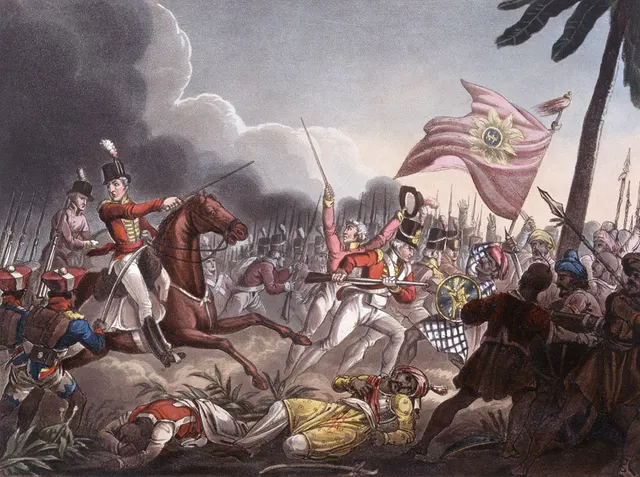
Arthur Wellesley at Assaye, in an 1815 aquatint by Joseph Constantine Stadler after William Heath.
Image creditJoseph Constantine Stadler / After William Heath · Public domainResized and cropped for display.

Wellesley wins the Battle of Assaye

On 23 September 1803, during the Second Anglo-Maratha War, Major-General Arthur Wellesley led a British East India Company army of about 4,500 men, only 1,300 of them Europeans, against a Maratha force of more than 30,000 at Assaye in western India, and routed it after a desperate struggle.

It was the first of Wellesley’s great victories, and years later, as Duke of Wellington and the victor of Waterloo, he still called it the best battle he ever fought. The win helped extend British power over central India.

Read the full storyHistory & Timeline →Source: National Army Museum: Battle of Assaye, 23 September 1803 ↗
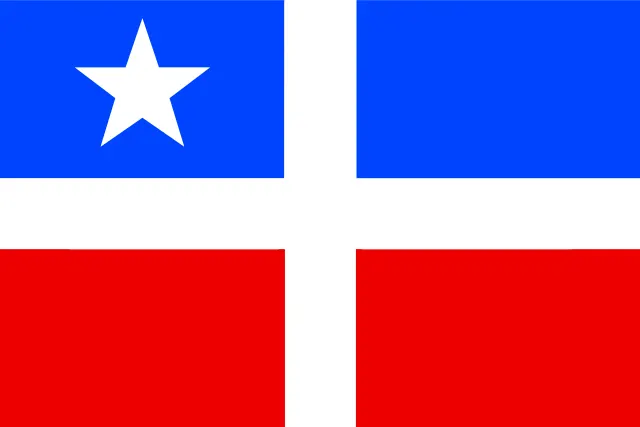
The flag associated with the Lares uprising of 1868.
Image creditOriginal: Public Domain Vector: Tektonson · Public domainResized and cropped for display.

Puerto Rico rises against Spain at Lares

On the night of 23 September 1868 between four and six hundred rebels, gathered at the estate of Manuel Rojas outside the mountain town of Lares, marched on the town and seized it, proclaiming a Republic of Puerto Rico. The plot, led from exile by Ramón Emeterio Betances and Segundo Ruiz Belvis, had been brought forward after Spanish authorities discovered it.

The rebels called for independence, the end of slavery and freedom of the press and trade, and freed the enslaved people who joined them. Spanish troops crushed the rising within days, but the Grito de Lares, ‘the Cry of Lares’, came to be seen as the start of Puerto Rico’s struggle for independence.

Read the full storyHistory & Timeline →Source: Library of Congress: The Grito de Lares, the rebellion of 1868 ↗
♙
PEOPLE

Born Today

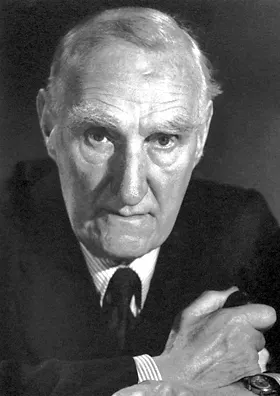
John Boyd Orr
Image creditUnknown authorUnknown author · Public domainResized and cropped for display.

John Boyd Orr

Scottish nutritionist and first Director-General of the UN Food and Agriculture Organization, awarded the 1949 Nobel Peace Prize.

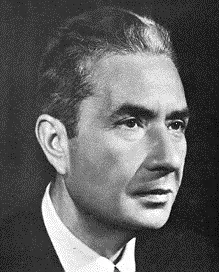
Aldo Moro
Image creditUnknown authorUnknown author · CC BY-SA 4.0Resized and cropped for display.

Aldo Moro

Italian Christian Democrat statesman and prime minister, kidnapped and murdered by the Red Brigades in 1978.

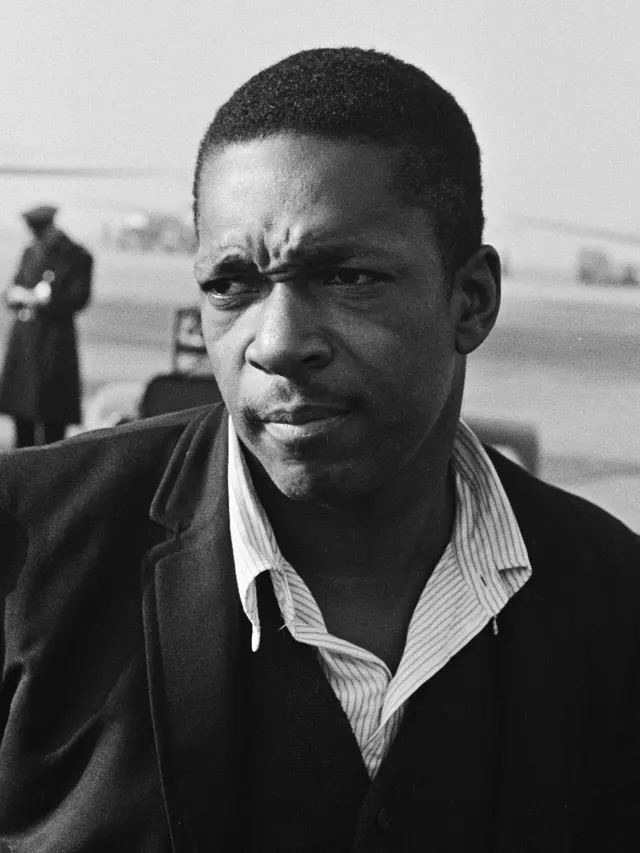
John Coltrane
Image creditGelderen, Hugo van / Anefo · CC0Resized and cropped for display.

John Coltrane

American jazz saxophonist and composer, whose 1965 album A Love Supreme is among the most acclaimed in jazz.

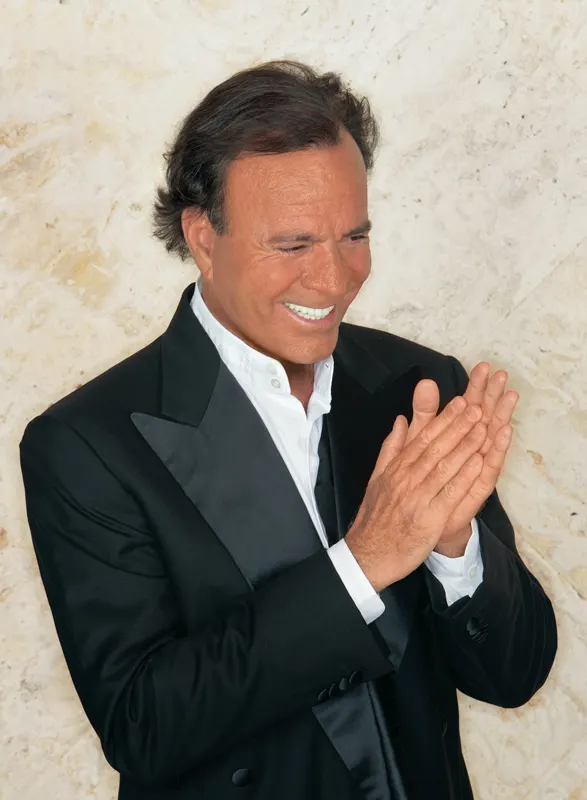
Julio Iglesias
Image creditAlejandro Vilar · CC0Resized and cropped for display.

Julio Iglesias

Spanish singer who became one of the world’s best-selling Latin artists.

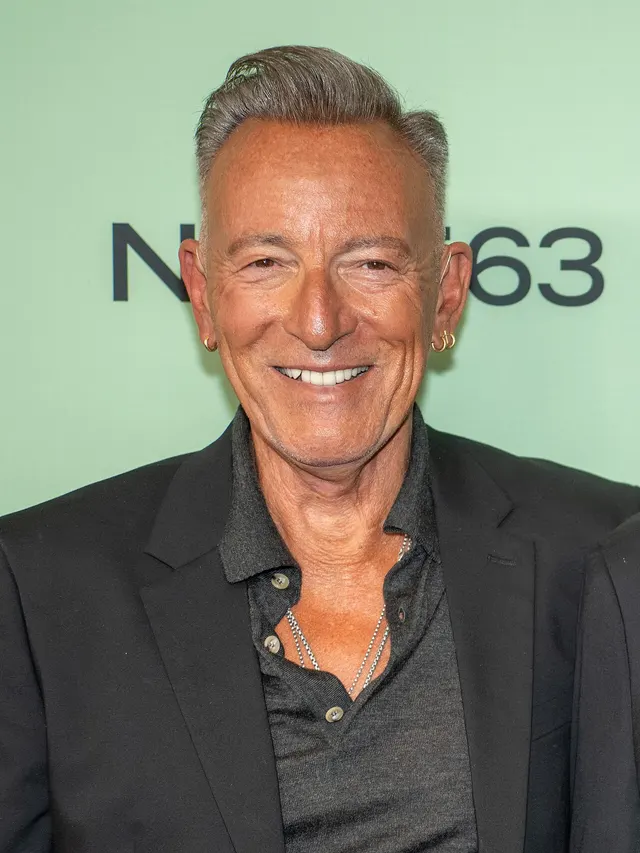
Bruce Springsteen
Image creditBryan Berlin · CC BY-SA 4.0Resized and cropped for display.

Bruce Springsteen

American rock singer-songwriter, ‘the Boss’, known for Born to Run and the E Street Band.

◉
IDEAS THAT CHANGED THINGS

Firsts, Science & Discoveries

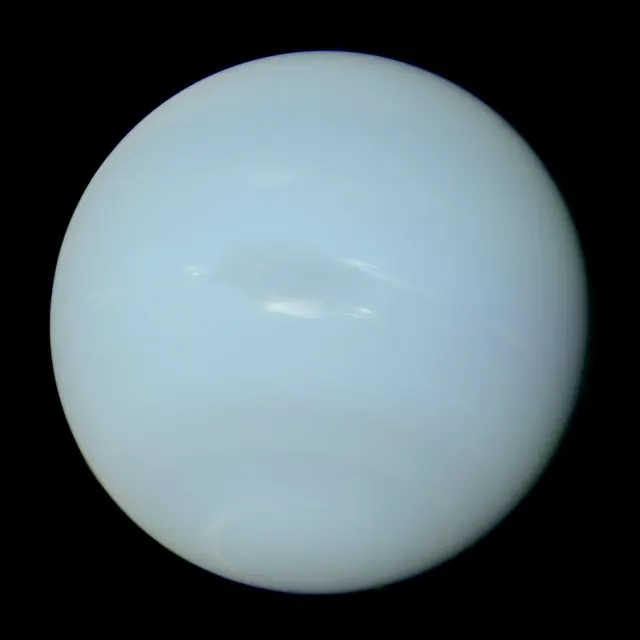
Neptune, photographed by Voyager 2.
Image creditNASA / Voyager 2 / PDS / OPUS / Ardenau4 · CC0Resized and cropped for display.

Astronomers find Neptune

On the night of 23-24 September 1846 Johann Gottfried Galle used the Fraunhofer telescope at the Berlin Observatory to find Neptune, within one degree of the position calculated by Urbain Le Verrier. The search took about an hour.

Le Verrier in Paris and John Couch Adams in Cambridge had independently worked out the planet’s position from irregularities in the orbit of Uranus. Galle and Heinrich d’Arrest were the first to identify it, though credit for the discovery went to Adams and Le Verrier.

Read the full storyHistory & Timeline →Source: NASA: Astronomers discover Neptune, the eighth planet ↗
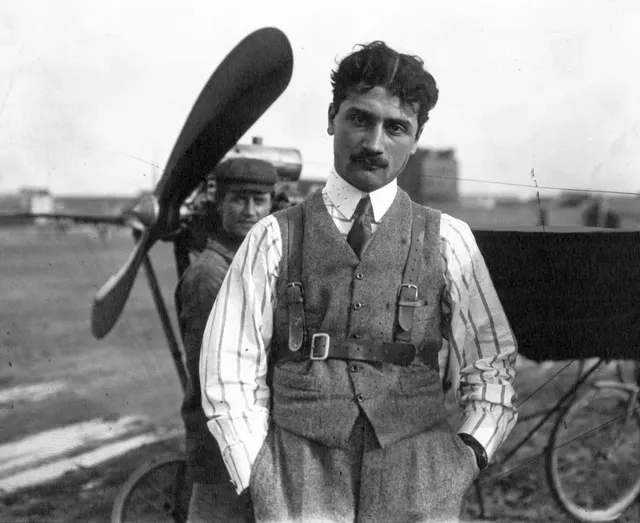
Roland Garros in 1910.
Image creditPhotographie de presse de l'agence Meurisse · Public domainResized and cropped for display.

Roland Garros flies across the Mediterranean

At 5.47 am on 23 September 1913 the French aviator Roland Garros took off from Saint-Raphaël on the Riviera in a Morane-Saulnier monoplane and headed south over the open sea. Nearly eight hours later he landed at Bizerte in Tunisia, having flown about 780 km and survived two engine problems on the way.

It was the first non-stop flight across the Mediterranean. Garros was killed in air combat in October 1918, and the Paris stadium that hosts the French Open tennis tournament bears his name.

Read the full storyHistory & Timeline →Source: Bibliothèque nationale de France (Gallica): Monument at Fréjus to the first crossing of the Mediterranean by Roland Garros, 23 September 1913 ↗
✦
LIVES REMEMBERED

Remembered Today

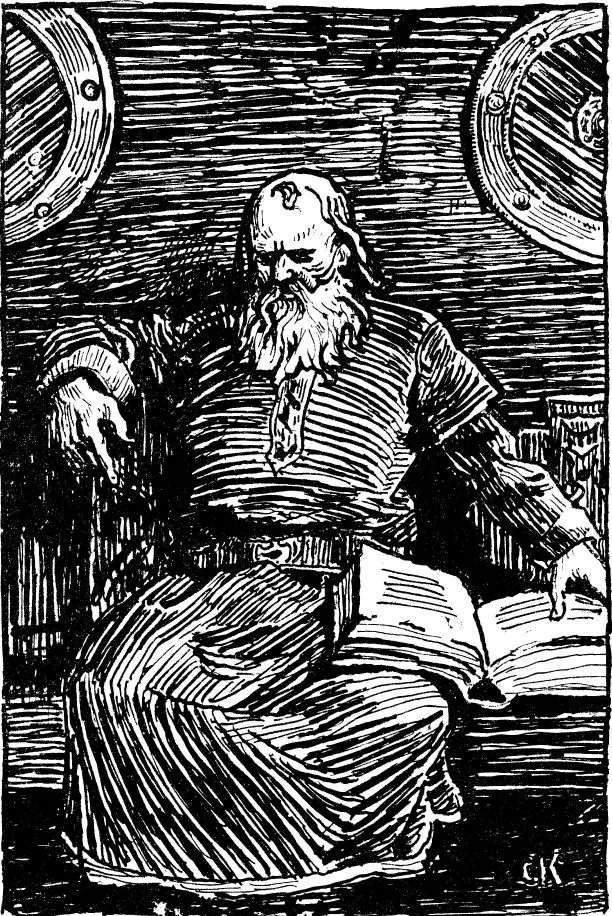
Snorri Sturluson
Image creditChristian Krohg · Public domainResized and cropped for display.

Snorri Sturluson

Icelandic historian, poet and politician, author of the Prose Edda and the saga history Heimskringla; he was killed in 1241.

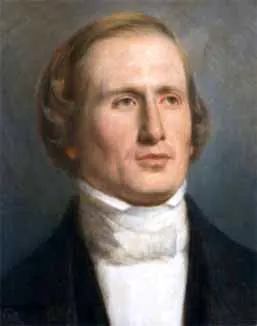
Urbain Le Verrier
Image creditUnknown authorUnknown author · Public domainResized and cropped for display.

Urbain Le Verrier

French astronomer who predicted the position of Neptune from irregularities in the orbit of Uranus.

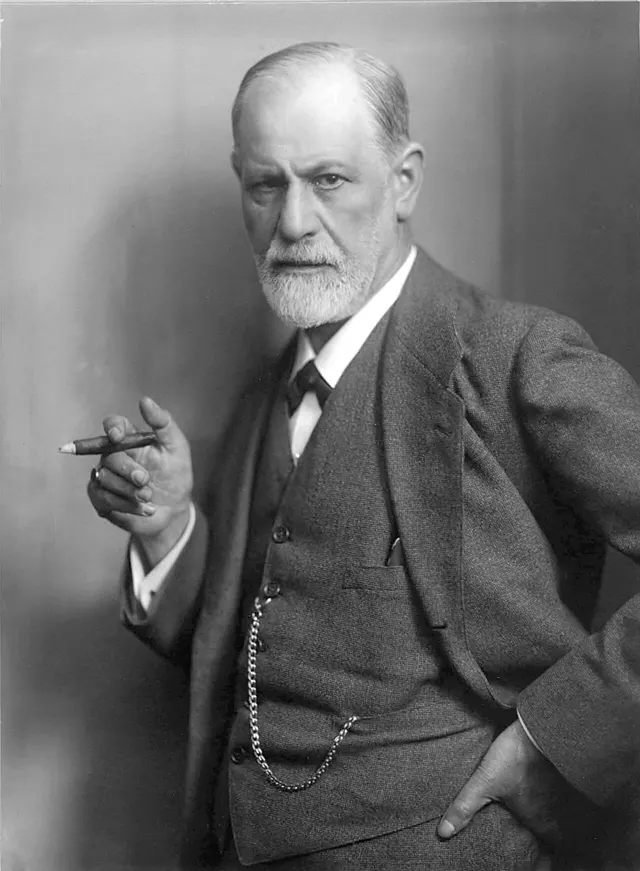
Sigmund Freud
Image creditMax Halberstadt · Public domainResized and cropped for display.

Sigmund Freud

Austrian neurologist who founded psychoanalysis; he died in exile in London.

☉
AROUND THE WORLD

Observances & Anniversaries

HISTORY & TIMELINE

Finished the highlights?

Follow 23 September chronologically, from the Middle Ages to the modern day, with 12 verified events and the sources behind them.

This day through time →