Explore 30 September

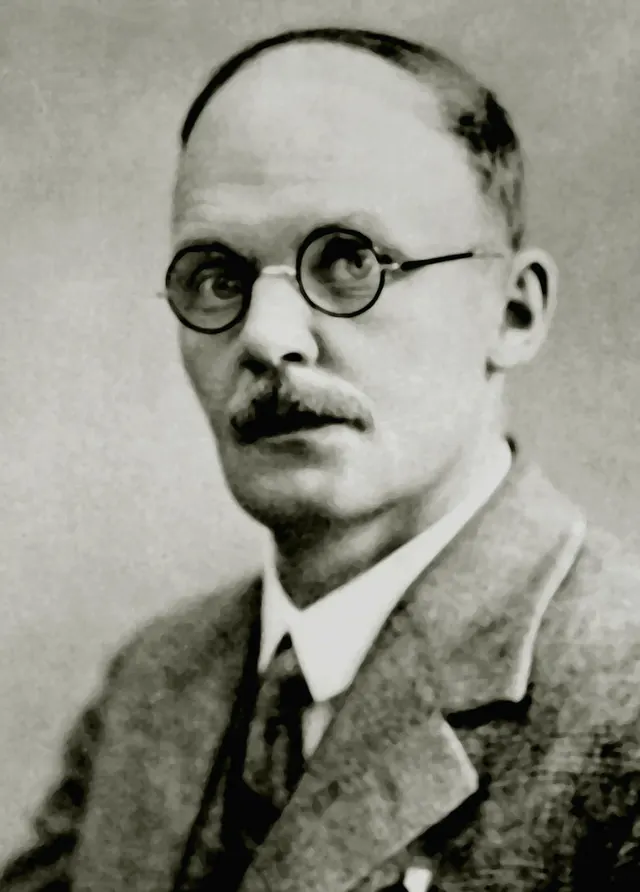
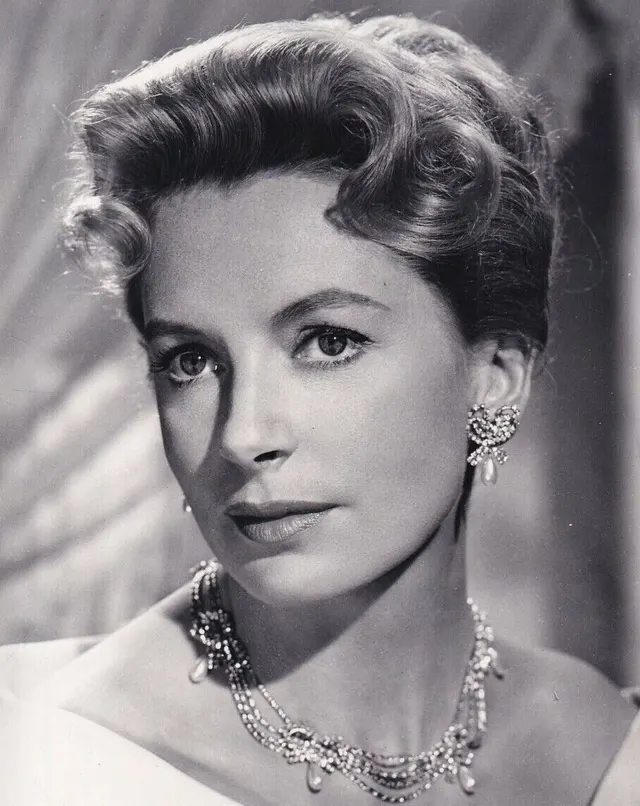
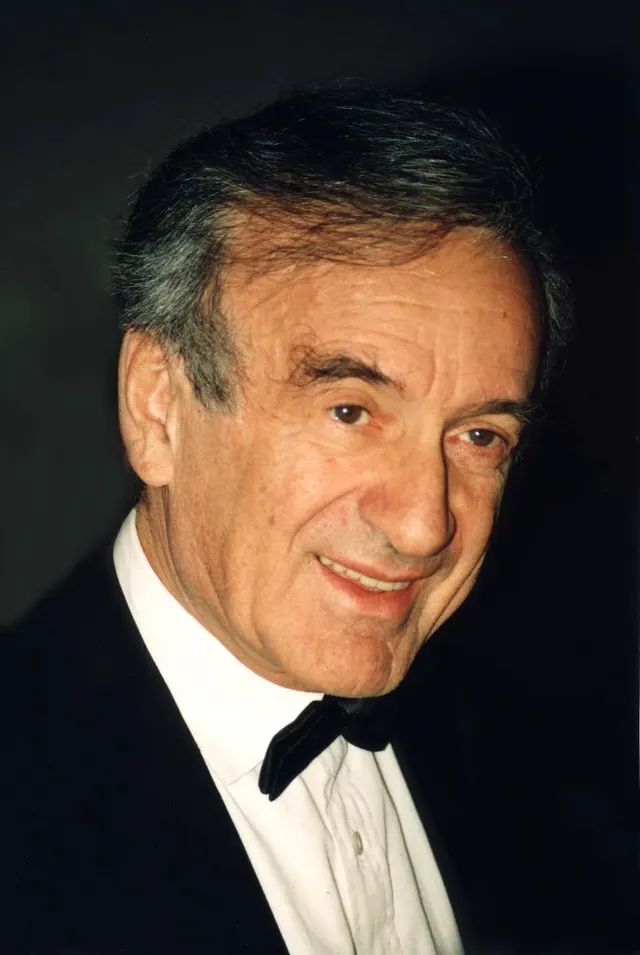
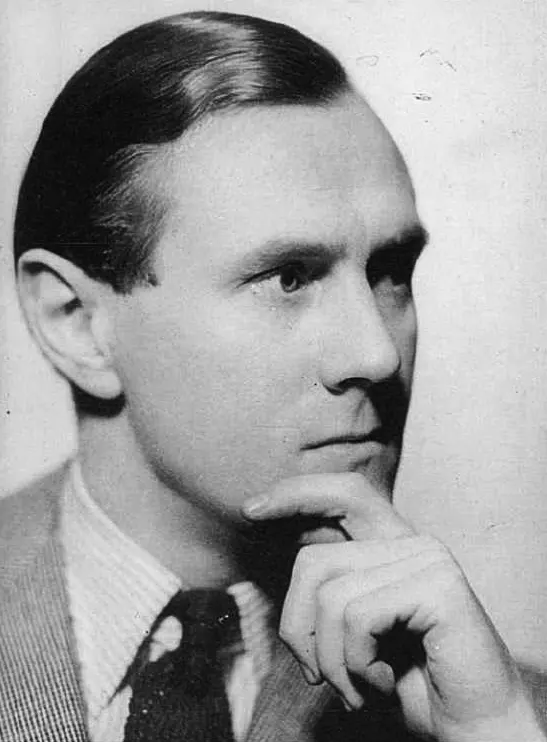
Explore 30 September: Botswana becomes independent, The Magic Flute has its first night, the Munich Agreement is signed and ether banishes the pain of a dentist’s chair. Meet Elie Wiesel, Truman Capote and Deborah Kerr, born on this date.

This day through time →10 verified events across 4 eras

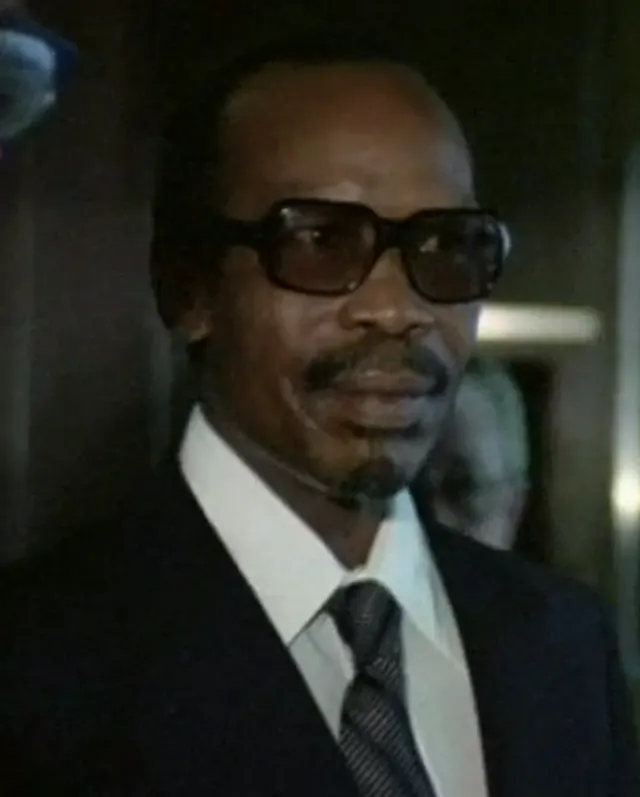
Sir Seretse Khama, Botswana's first president, in 1977.
Sir Seretse Khama, Botswana’s first president, in 1977.
Image creditEuropean Communities Director: Allan Watson Architect: Jean Polak,Jean Gilson,Lucien De Vestel,André Polak · CC BY 4.0Resized and cropped for display.

Botswana becomes independent

On 30 September 1966 the British protectorate of Bechuanaland became the independent Republic of Botswana. Seretse Khama, who had founded the Botswana Democratic Party in 1962 and become prime minister in 1965, became the first president, with Quett Masire as vice-president.

Khama led the country until his death in 1980, promoting a multiracial democracy, free universal education and a stronger, more varied economy. Botswana marks 30 September each year as Botswana Day.

Read the full storyHistory & Timeline →Source: Encyclopaedia Britannica: Sir Seretse Khama ↗
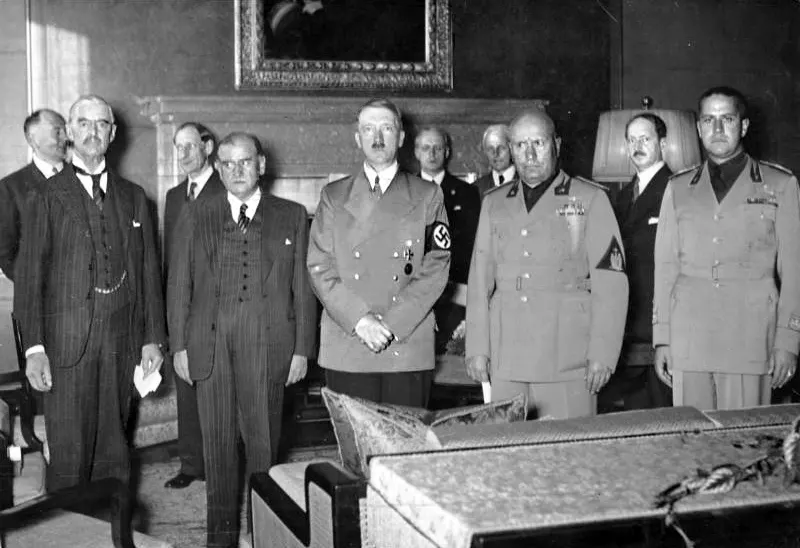
Chamberlain, Daladier, Hitler, Mussolini and Ciano in Munich, 29 September 1938 (German Federal Archives).
Image creditUnknown authorUnknown author · CC BY-SA 3.0 deResized and cropped for display.

The Munich Agreement is signed

In the early hours of 30 September 1938 the leaders of Britain, France, Germany and Italy, Neville Chamberlain, Édouard Daladier, Adolf Hitler and Benito Mussolini, signed the Munich Agreement. Their conference had begun the previous afternoon; Czechoslovakia was not represented.

The agreement allowed Germany to annex the Sudetenland, the German-speaking border regions of Czechoslovakia. Before leaving, Chamberlain and Hitler also signed a short declaration of their wish to settle differences peacefully. Chamberlain returned home promising ‘peace for our time’, but in March 1939 Germany occupied the rest of the Czech lands.

Read the full storyHistory & Timeline →Source: Encyclopaedia Britannica: Munich Agreement ↗
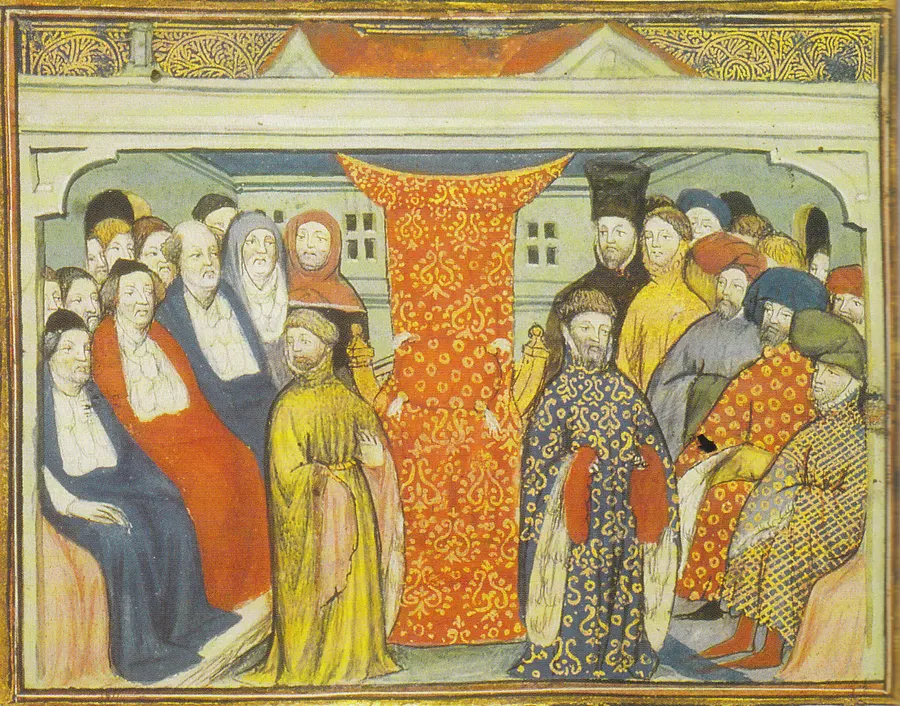
Henry of Bolingbroke, flanked by the lords spiritual and temporal, claims the throne in 1399, in a contemporary manuscript illustration.
Image creditJ.S. History of Parliament, House of Commons 1386-1421 · Public domainResized and cropped for display.

Parliament accepts Henry IV as King of England

On 29 September 1399, after a series of meetings in the Tower of London, King Richard II was persuaded to give up his crown. The next day, 30 September, his abdication was read before the assembled Parliament at Westminster, which approved it together with a list of charges for his deposition.

Richard’s cousin, Henry Bolingbroke, then claimed the throne and was accepted as King Henry IV, the first king of the House of Lancaster. Richard died in captivity at Pontefract Castle early in 1400.

Read the full storyHistory & Timeline →Source: Encyclopaedia Britannica: Richard II, tyranny and fall ↗
Muhammad Ali Jinnah, the founder of Pakistan, in 1945.
Image creditUnknown authorUnknown author · Public domainResized and cropped for display.

Pakistan joins the United Nations

Seven weeks after it came into being on the partition of British India, Pakistan was admitted to the United Nations on 30 September 1947, together with Yemen, by a vote of the General Assembly.

Its founder and first governor-general, Muhammad Ali Jinnah, died a year later, in September 1948.

Read the full storyHistory & Timeline →Source: UN Digital Library: Admission of Yemen and Pakistan to membership in the United Nations ↗
♙
PEOPLE

Born Today

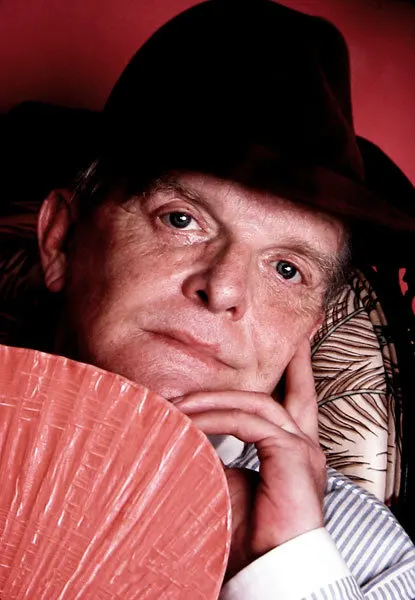
Truman Capote
Image creditJack Mitchell · CC BY-SA 4.0Resized and cropped for display.

Truman Capote

American writer of Breakfast at Tiffany’s and the ‘non-fiction novel’ In Cold Blood.

Martina Hingis
Image creditsi.robi · CC BY-SA 2.0Resized and cropped for display.

Martina Hingis

Swiss tennis player who became world number one at 16 and won five Grand Slam singles titles.

◉
IDEAS THAT CHANGED THINGS

Firsts, Science & Discoveries

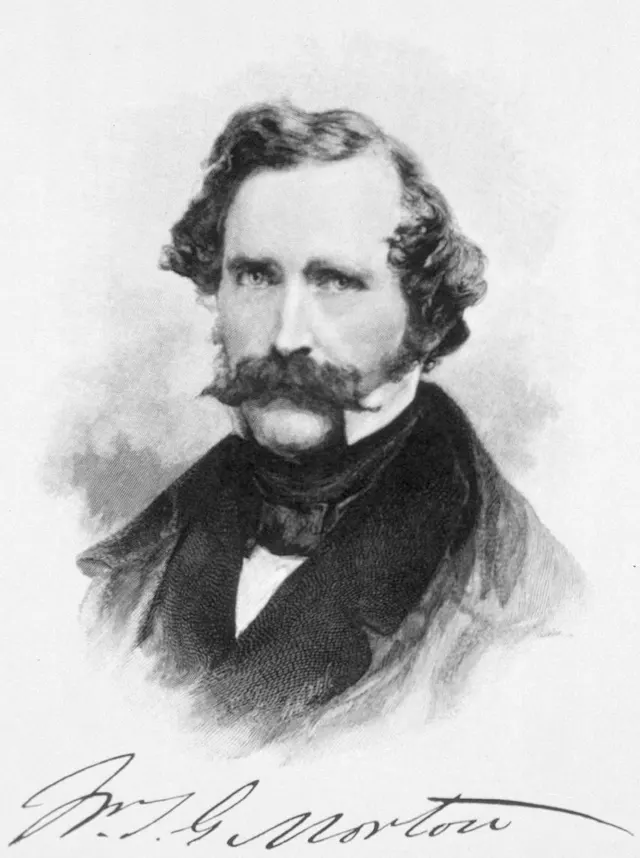
William T. G. Morton, the Boston dentist who first used ether to take out a tooth painlessly.
Image creditUnknown authorUnknown author · Public domainResized and cropped for display.

A tooth is pulled painlessly under ether

On the evening of 30 September 1846 the Boston dentist William Morton gave sulphuric ether, inhaled from a handkerchief, to a patient named Eben Frost who had come in with toothache. Frost fell unconscious almost at once, a firmly rooted tooth was taken out, and when he woke he knew nothing of it.

About two weeks later, on 16 October 1846, Morton gave the first public demonstration of ether anaesthesia at Massachusetts General Hospital, during an operation to remove a tumour. News of the success spread quickly and transformed surgery.

Read the full storyHistory & Timeline →Source: Harvard, Countway Library: The operation on Eben Frost ↗
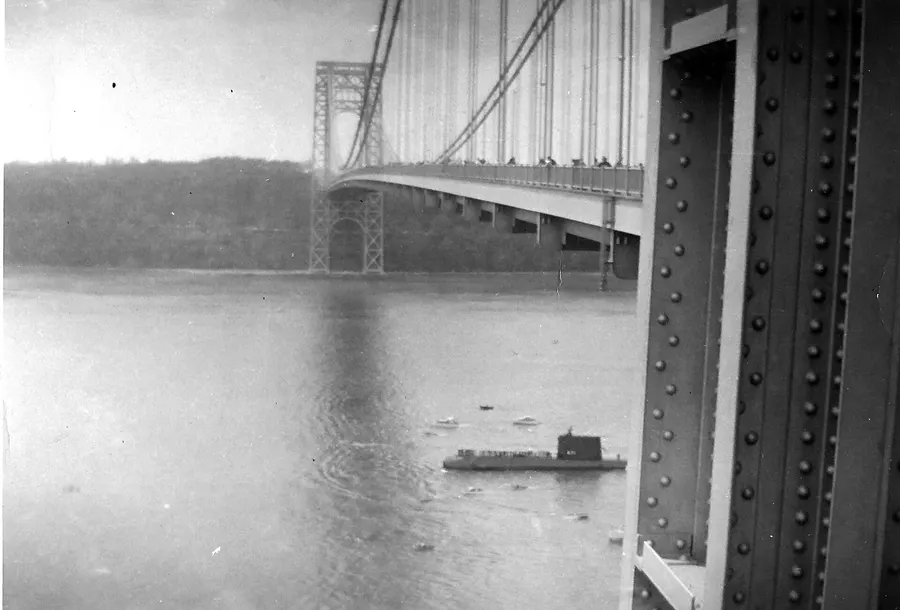
USS Nautilus passes under the George Washington Bridge in New York harbour, May 1956.
Image creditArnoldReinhold · CC BY-SA 3.0Resized and cropped for display.

The first nuclear-powered submarine is commissioned

USS Nautilus, the world’s first nuclear-powered submarine, was commissioned into the US Navy at Groton, Connecticut, on 30 September 1954, under Commander Eugene P. Wilkinson. Its reactor had been developed by a team led by Captain Hyman G. Rickover.

On 17 January 1955 Nautilus signalled the historic message ‘Underway on nuclear power’. In 1958 she became the first vessel to cross the North Pole, travelling submerged beneath the Arctic ice.

Read the full storyHistory & Timeline →Source: Naval History and Heritage Command: Nautilus (SSN-571) ↗
♫
MUSIC • FILM • BOOKS • CULTURE

Culture Stories

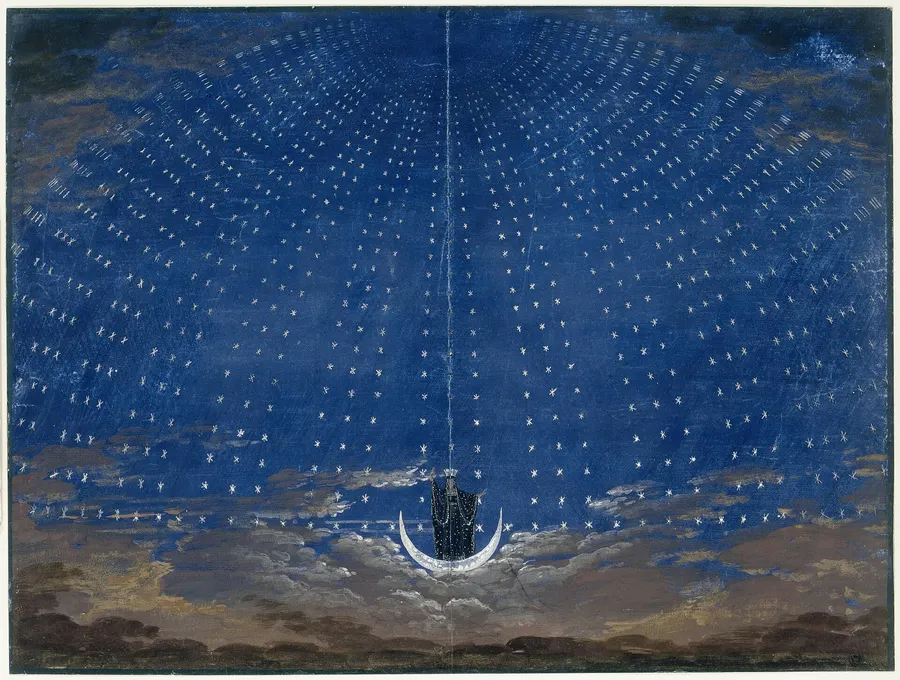
Karl Friedrich Schinkel's design for the Queen of the Night's entrance, made for a Berlin production around 1815.
Karl Friedrich Schinkel’s design for the Queen of the Night’s entrance, made for a Berlin production around 1815.
Image creditKarl Friedrich Schinkel · Public domainResized and cropped for display.

The Magic Flute has its first performance

Mozart’s opera The Magic Flute (Die Zauberflöte) was first performed on 30 September 1791 at the Theater auf der Wieden, just outside Vienna, with Mozart conducting. The German libretto was by Emanuel Schikaneder, the actor and manager who ran the theatre, and he sang the part of the bird-catcher Papageno himself.

The opera, a fairy tale with spoken dialogue, was a hit with Viennese audiences. Mozart lived to see its success, but died just over two months later, on 5 December 1791.

Read the full storyHistory & Timeline →Source: Encyclopaedia Britannica: The Magic Flute ↗
✦
LIVES REMEMBERED

Remembered Today

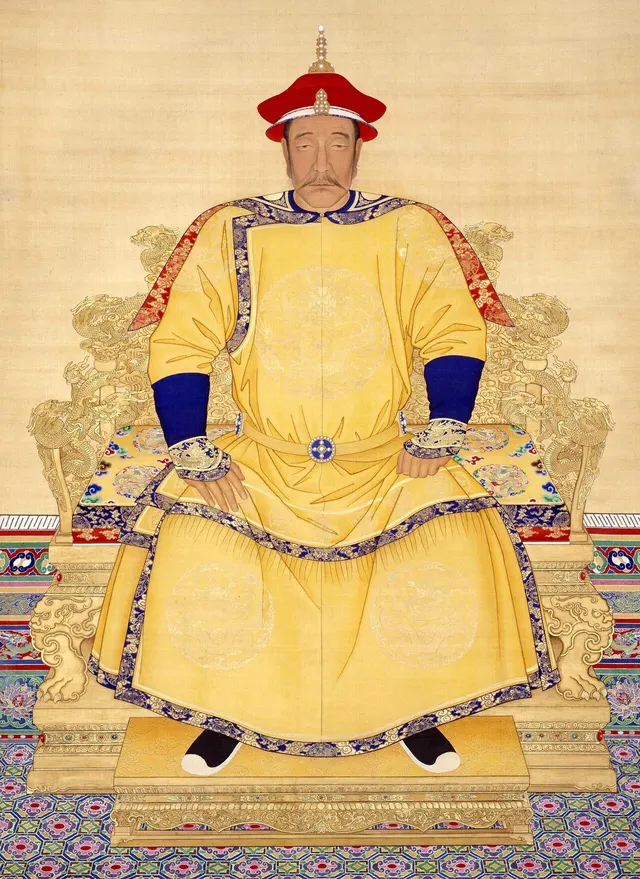
Nurhaci
Image creditUnknown authorUnknown author · Public domainResized and cropped for display.

Nurhaci

Jurchen leader who united the Manchu tribes and founded the Later Jin state, forerunner of China’s Qing dynasty.

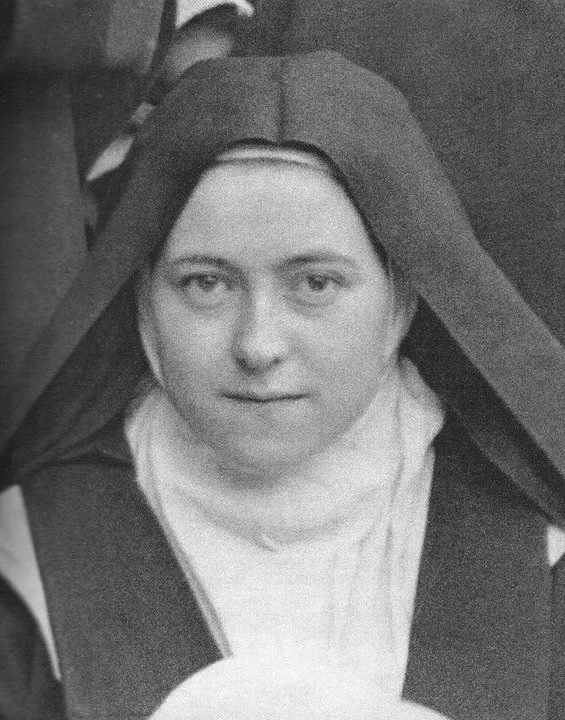
Thérèse of Lisieux
Image creditCéline Martin · Public domainResized and cropped for display.

Thérèse of Lisieux

French Carmelite nun whose autobiography, The Story of a Soul, made her one of the most popular modern saints.

Simone Signoret
Image creditStudio Harcourt · Public domainResized and cropped for display.

Simone Signoret

French actress who won the Academy Award for Best Actress for Room at the Top.

☉
AROUND THE WORLD

Observances & Anniversaries

Stage design for The Magic Flute by Karl Friedrich Schinkel.
Image creditKarl Friedrich Schinkel · Public domainResized and cropped for display.

International Translation Day

In 2017 the UN General Assembly declared 30 September International Translation Day, to recognise the work of language professionals in connecting nations. The date is the feast of St Jerome, who translated most of the Bible into Latin and died near Bethlehem on 30 September 420.

Source: United Nations: International Translation Day ↗
HISTORY & TIMELINE

Finished the highlights?

Follow 30 September chronologically, from the Middle Ages to the modern day, with 10 verified events and the sources behind them.

This day through time →