Explore 4 October

Explore 4 October: Sputnik opens the space age, ten days vanish from the calendar, Belgium declares independence and Lesotho becomes a free kingdom. Meet Buster Keaton, Rutherford B. Hayes and Susan Sarandon, born on this date.

This day through time →9 verified events across 4 eras

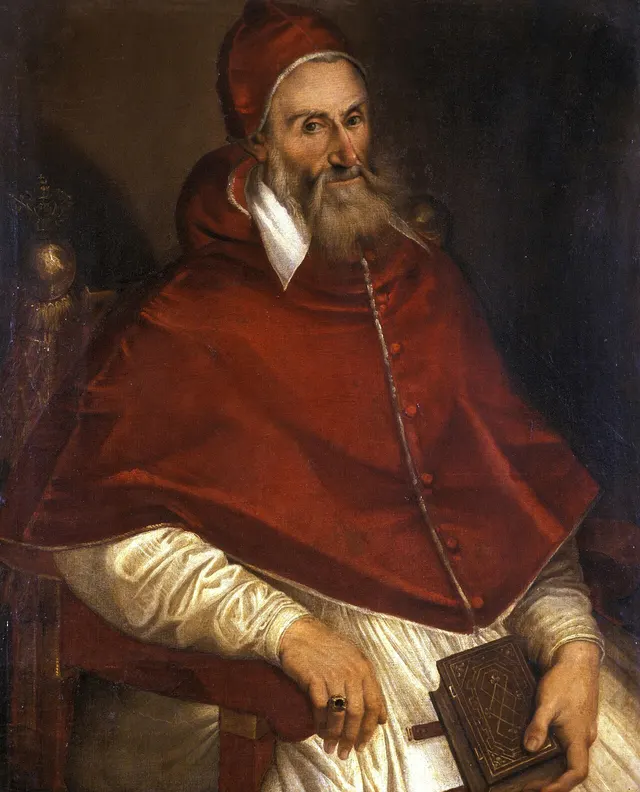
Pope Gregory XIII, attributed to Bartolomeo Passarotti.
Image creditAttributed to Bartolomeo Passarotti · Public domainResized and cropped for display.

Ten days vanish as the Gregorian calendar begins

In the Catholic countries that first adopted it, Thursday 4 October 1582 was the last day of the old Julian calendar: the next day was Friday 15 October. Pope Gregory XIII had ordered the change in the bull Inter gravissimas earlier that year, to bring the calendar back into line with the seasons and the date of Easter.

The Julian calendar’s year was slightly too long, and by the 16th century it had drifted ten days out of step with the Sun. The new rules dropped three leap years every four centuries. Protestant and Orthodox countries switched much later; Britain and its colonies not until 1752.

Read the full storyHistory & Timeline →Source: Encyclopaedia Britannica: Inter gravissimas ↗
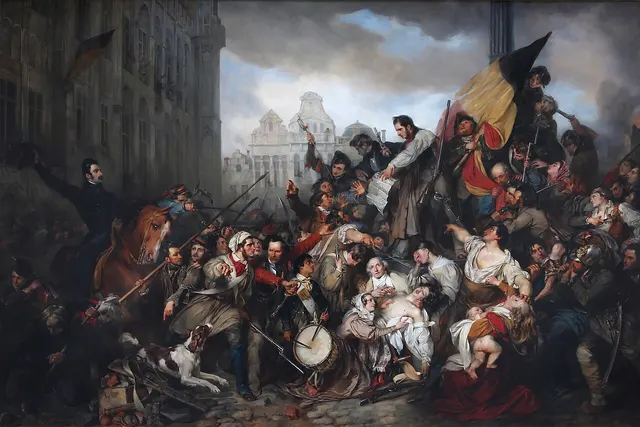
Episode of the September Days 1830 on the Place de l'Hôtel de Ville in Brussels, painted by Gustaf Wappers in 1835.
Episode of the September Days 1830 on the Place de l’Hôtel de Ville in Brussels, painted by Gustaf Wappers in 1835.
Image creditGustaaf Wappers · Public domainResized and cropped for display.

Belgium declares its independence

On 4 October 1830, after Dutch troops had been driven out of Brussels in the September fighting, the Provisional Government declared that the Belgian provinces, until then part of the United Kingdom of the Netherlands, formed an independent state.

A National Congress elected in November confirmed independence, and in 1831 it adopted a liberal constitution and chose Leopold of Saxe-Coburg as the first King of the Belgians.

Read the full storyHistory & Timeline →Source: Belgium.be (Belgian federal government): The Provisional Government and the National Congress ↗
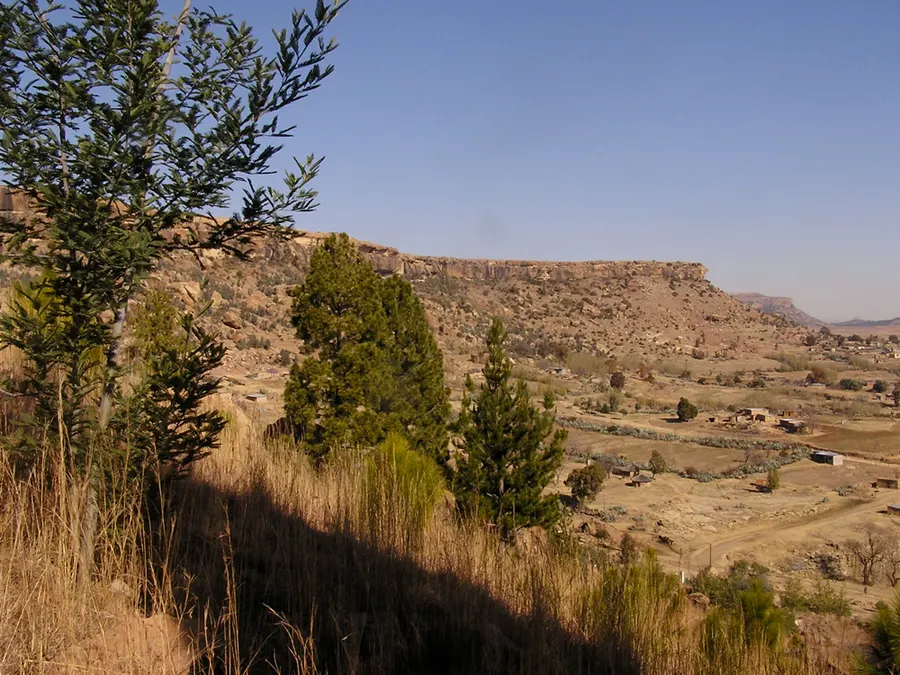
Thaba Bosiu, the mountain stronghold of Moshoeshoe I, founder of the Basotho kingdom.
Image creditMarduk · CC0Resized and cropped for display.

Lesotho becomes an independent kingdom

On 4 October 1966 the British protectorate of Basutoland became independent as the Kingdom of Lesotho, a mountain state entirely surrounded by South Africa. The paramount chief, Moshoeshoe II, became king, and Chief Leabua Jonathan became prime minister.

Moshoeshoe II was a descendant and namesake of Moshoeshoe I, who founded the Sotho kingdom in the 19th century and later sought British protection for it. Lesotho celebrates 4 October as Independence Day.

Read the full storyHistory & Timeline →Source: Encyclopaedia Britannica: Moshoeshoe II ↗
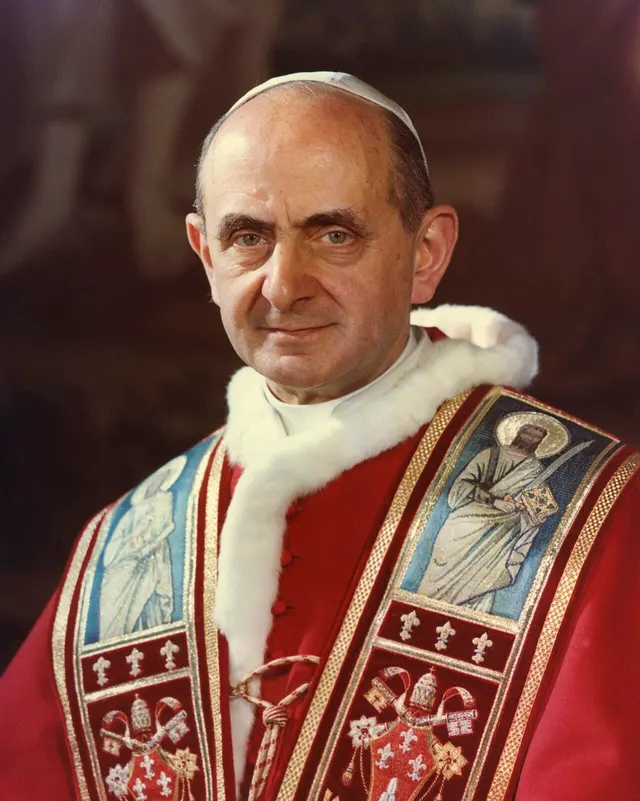
Pope Paul VI.
Pope Paul VI.
Image creditFotografia Felici · Public domainResized and cropped for display.

A pope speaks to the United Nations

On 4 October 1965 Paul VI became the first reigning pope to address the United Nations General Assembly, during a one-day visit to New York that was also the first papal visit to the United States.

In a plea for peace he told the delegates: ‘No more war, war never again!’ Relations between nations, he said, should be ruled by reason, justice, law and negotiation, not by force, violence, war or fear.

Read the full storyHistory & Timeline →Source: Holy See: Address of Paul VI to the United Nations Organization, 4 October 1965 ↗
♙
PEOPLE

Born Today

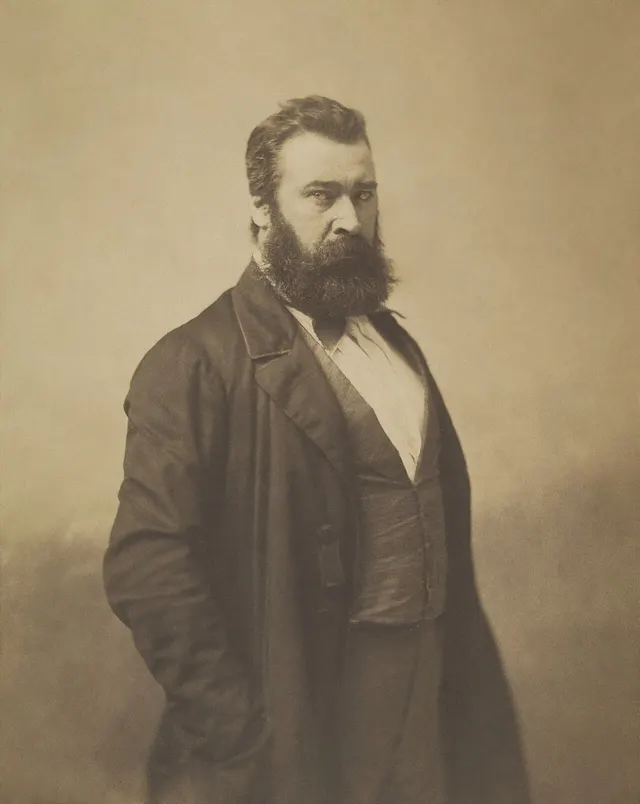
Jean-François Millet
Image creditNadar / Adam Cuerden · Public domainResized and cropped for display.

Jean-François Millet

French painter of peasant life, known for The Gleaners and The Angelus.

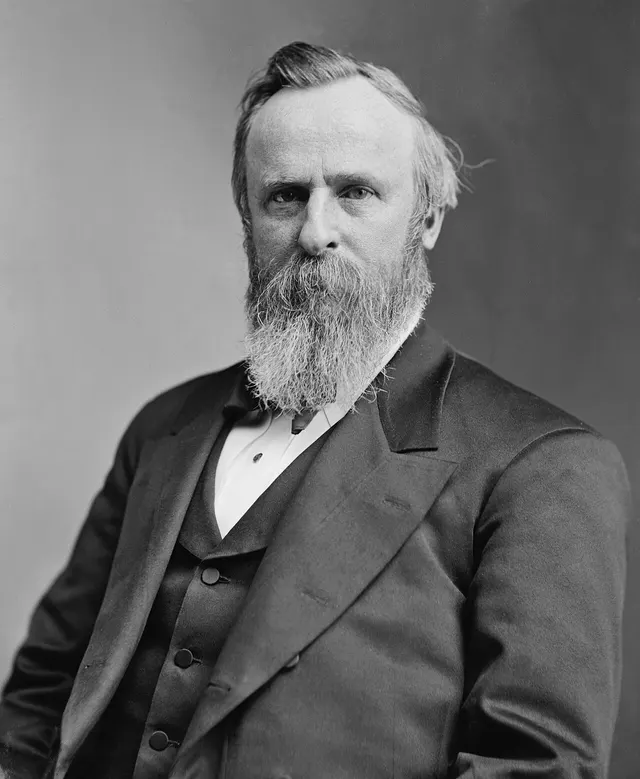
Rutherford B. Hayes
Image creditMathew Benjamin Brady · Public domainResized and cropped for display.

Rutherford B. Hayes

19th president of the United States, whose term saw the end of Reconstruction in the South.

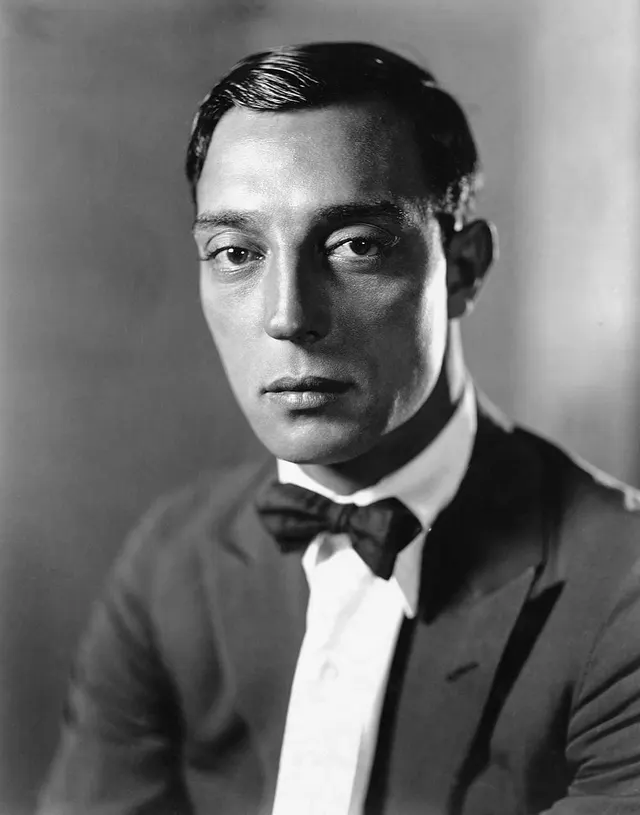
Buster Keaton
Image creditUnknown authorUnknown author · Public domainResized and cropped for display.

Buster Keaton

American silent-film comedian and director of The General, famous for his deadpan face and daring stunts.

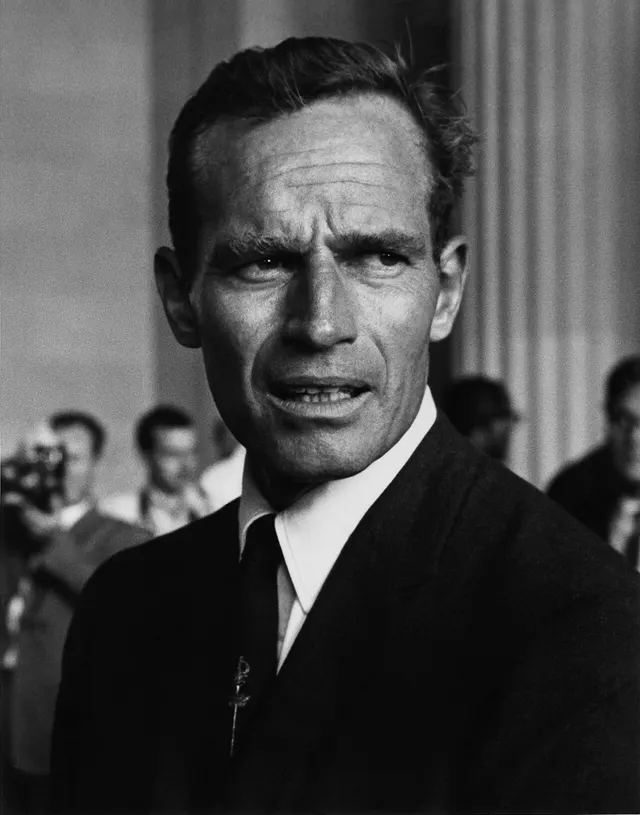
Charlton Heston
Image creditRowland Scherman · Public domainResized and cropped for display.

Charlton Heston

American actor who won an Academy Award for Ben-Hur.

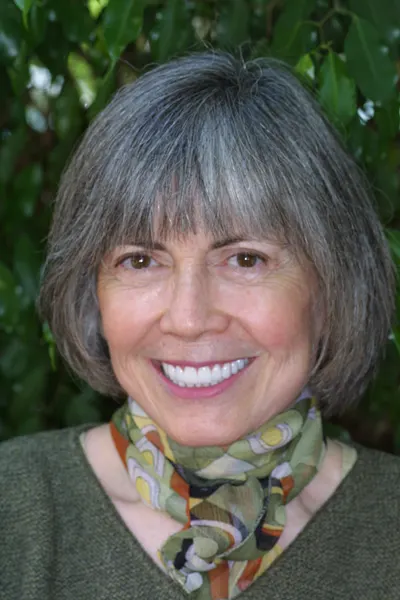
Anne Rice
Image creditAnne Rice · Public domainResized and cropped for display.

Anne Rice

American novelist of Interview with the Vampire.

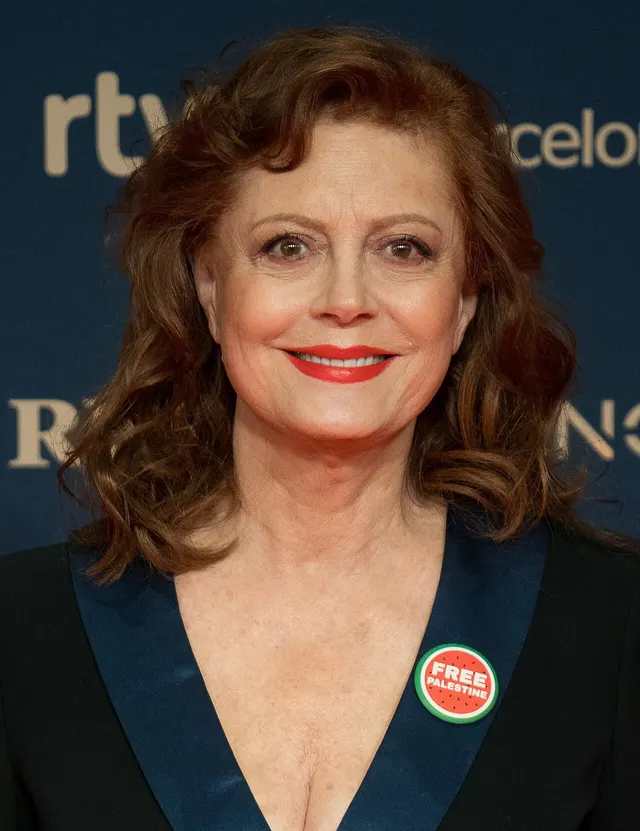
Susan Sarandon
Image creditPedro J Pacheco · CC BY-SA 4.0Resized and cropped for display.

Susan Sarandon

American actress who won an Academy Award for Dead Man Walking.

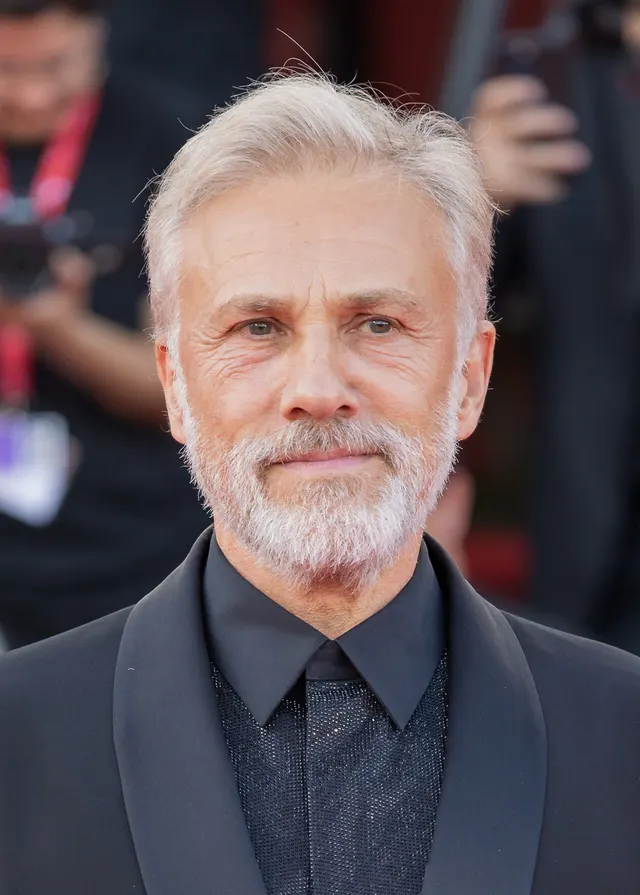
Christoph Waltz
Image creditLucaFazPhoto · CC BY-SA 4.0Resized and cropped for display.

Christoph Waltz

Austrian-German actor with two Academy Awards, for Inglourious Basterds and Django Unchained.

◉
IDEAS THAT CHANGED THINGS

Firsts, Science & Discoveries

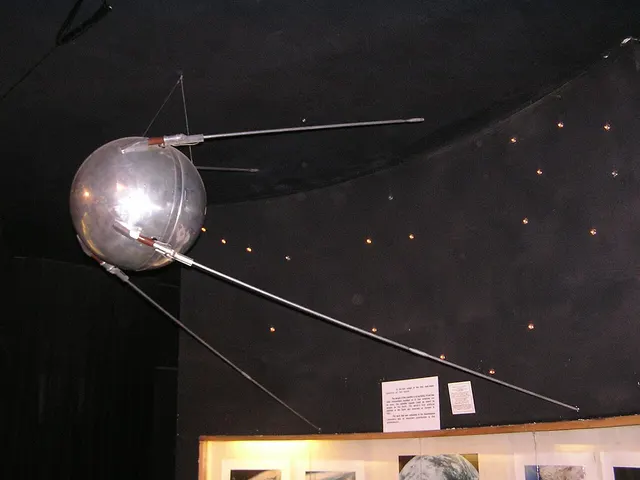
A replica of Sputnik 1 at the Museum of Cosmonautics and Rocket Technology, St Petersburg.
Image creditAndrey Butko · CC BY-SA 3.0Resized and cropped for display.

Sputnik 1 opens the space age

On 4 October 1957 the Soviet Union launched Sputnik 1, the first artificial satellite, from the site in Soviet Kazakhstan now known as the Baikonur Cosmodrome. The polished sphere was 58 cm across, weighed 83.6 kg and circled the Earth about every 98 minutes, sending out a radio signal that amateurs around the world could pick up.

The launch took the United States by surprise and set off the space race between the two superpowers. Congressional hearings followed, and within a year the United States had created NASA.

Read the full storyHistory & Timeline →Source: NASA: 65 years ago, Sputnik ushers in the space age ↗
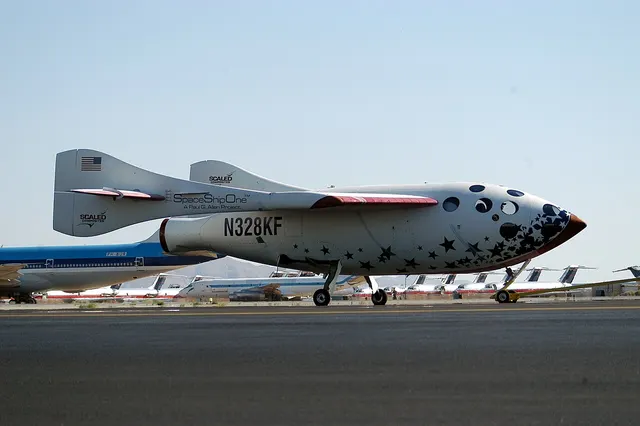
SpaceShipOne at Mojave, June 2004.
Image creditDon Ramey Logan · CC BY-SA 3.0Resized and cropped for display.

SpaceShipOne wins the X Prize

On 4 October 2004 the pilot Brian Binnie flew SpaceShipOne from Mojave in California to an altitude of about 112 km, beyond the edge of space. It was the craft’s second qualifying flight in five days, and it won the $10 million Ansari X Prize for the first privately built vehicle to carry people into space twice within two weeks.

SpaceShipOne was designed by Burt Rutan’s company Scaled Composites and funded by Paul Allen. It now hangs in the Smithsonian’s National Air and Space Museum in Washington.

Read the full storyHistory & Timeline →Source: Smithsonian National Air and Space Museum: SpaceShipOne ↗
✦
LIVES REMEMBERED

Remembered Today

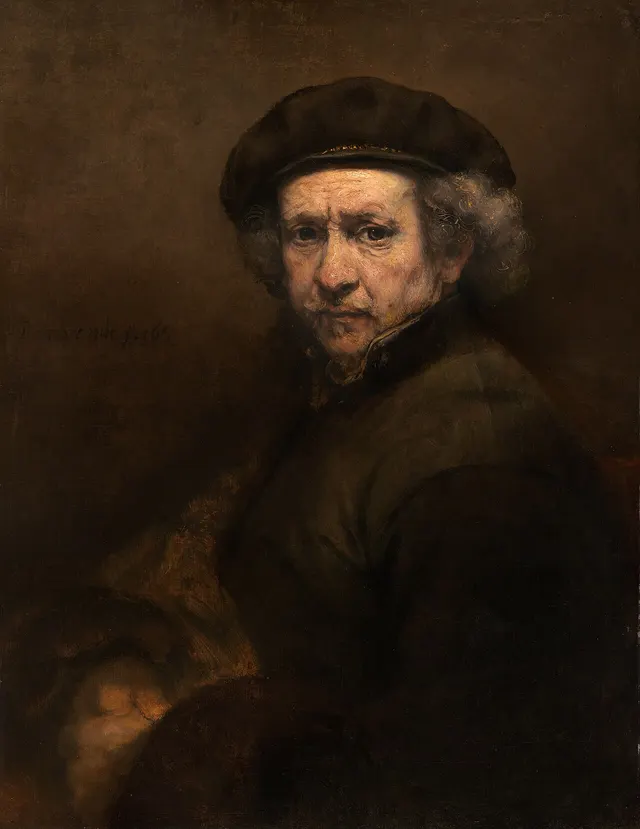
Rembrandt
Image creditRembrandt · Public domainResized and cropped for display.

Rembrandt

Dutch painter and printmaker of The Night Watch and a lifetime of self-portraits.

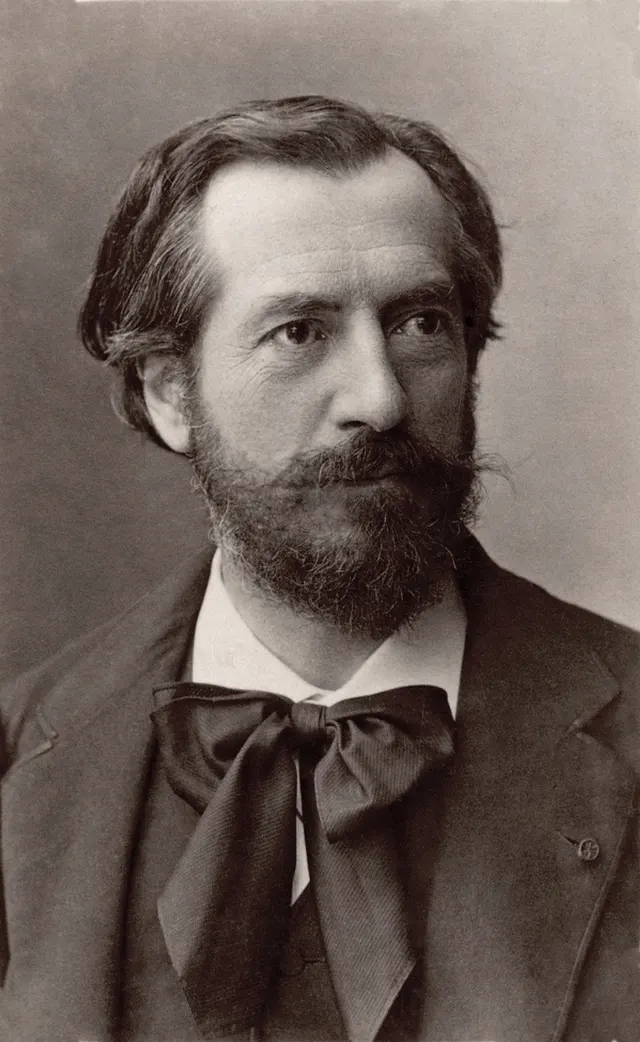
Frédéric Auguste Bartholdi
Image creditNadar · Public domainResized and cropped for display.

Frédéric Auguste Bartholdi

French sculptor who designed the Statue of Liberty.

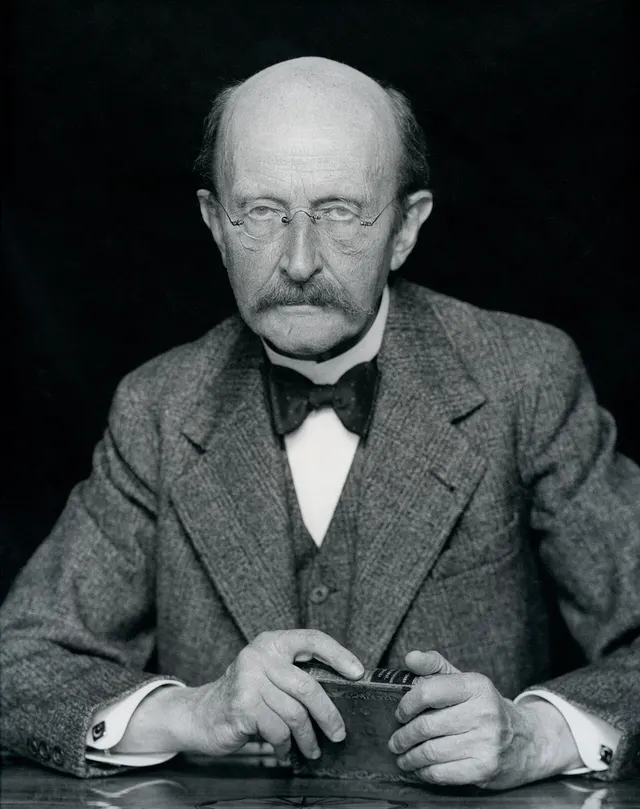
Max Planck
Image creditHugo Erfurth · Public domainResized and cropped for display.

Max Planck

German physicist whose quantum theory won the 1918 Nobel Prize in Physics.

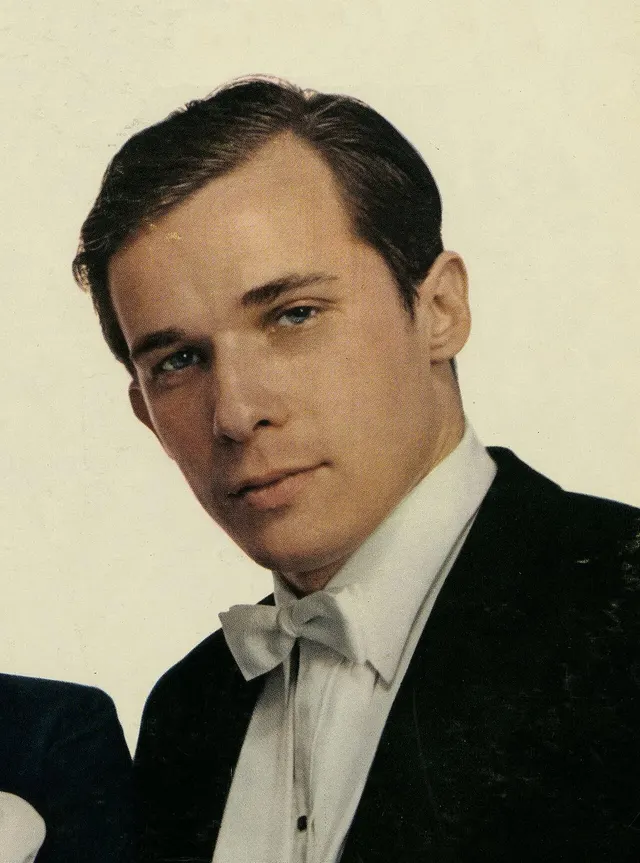
Glenn Gould
Image creditRichard Avedon · Public domainResized and cropped for display.

Glenn Gould

Canadian pianist celebrated for his recordings of Bach’s Goldberg Variations.

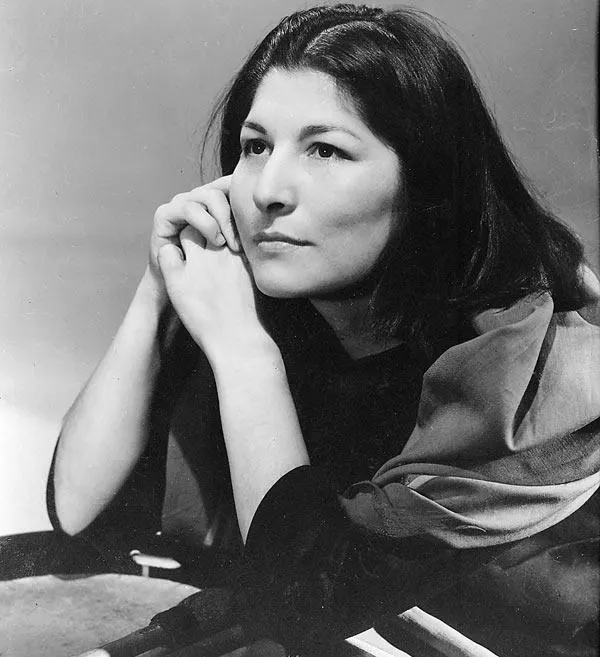
Mercedes Sosa
Image creditAnnemarie Heinrich · Public domainResized and cropped for display.

Mercedes Sosa

Argentine folk singer, the voice of Latin America’s nueva canción movement.

☉
AROUND THE WORLD

Observances & Anniversaries

St Francis of Assisi, painted by Philip Fruytiers.
Image creditPhilip Fruytiers · Public domainResized and cropped for display.

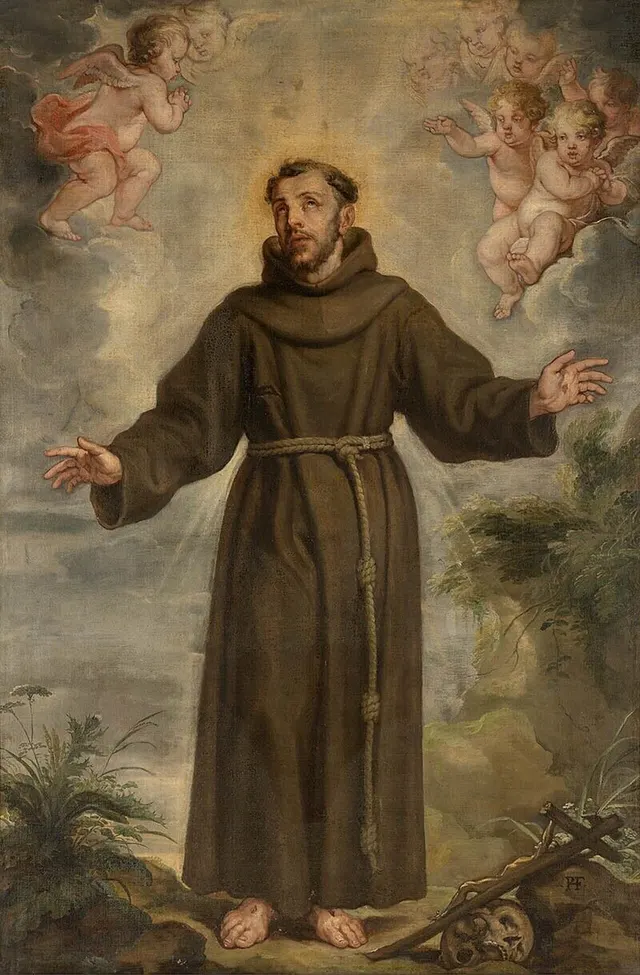
World Animal Day and the feast of St Francis

4 October is the feast of St Francis of Assisi, patron saint of animals and ecology, and so World Animal Day. The day was begun in Berlin in 1925 by the writer Heinrich Zimmermann, moved to 4 October in 1929, and adopted internationally at a congress of animal protection groups in Florence in 1931.

Source: World Animal Day: Origin of World Animal Day ↗
HISTORY & TIMELINE

Finished the highlights?

Follow 4 October chronologically, from the Middle Ages to the modern day, with 9 verified events and the sources behind them.

This day through time →