Explore 9 October

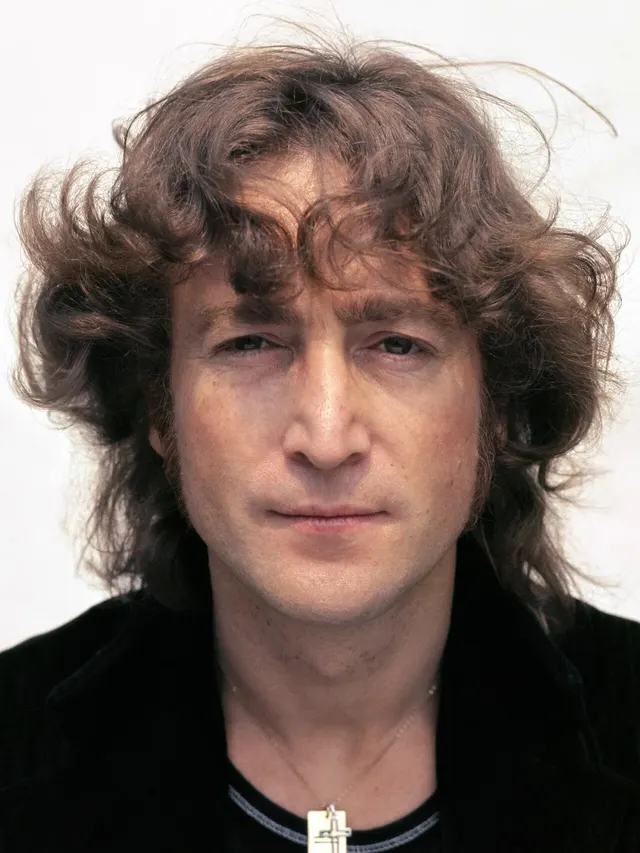
Explore 9 October: Uganda raises its own flag, Che Guevara is shot in a Bolivian schoolhouse, twenty-two countries agree to carry each other’s post and France ends the guillotine. Meet John Lennon, Léopold Sédar Senghor and Camille Saint-Saëns, born on this date.

This day through time →8 verified events across 4 eras

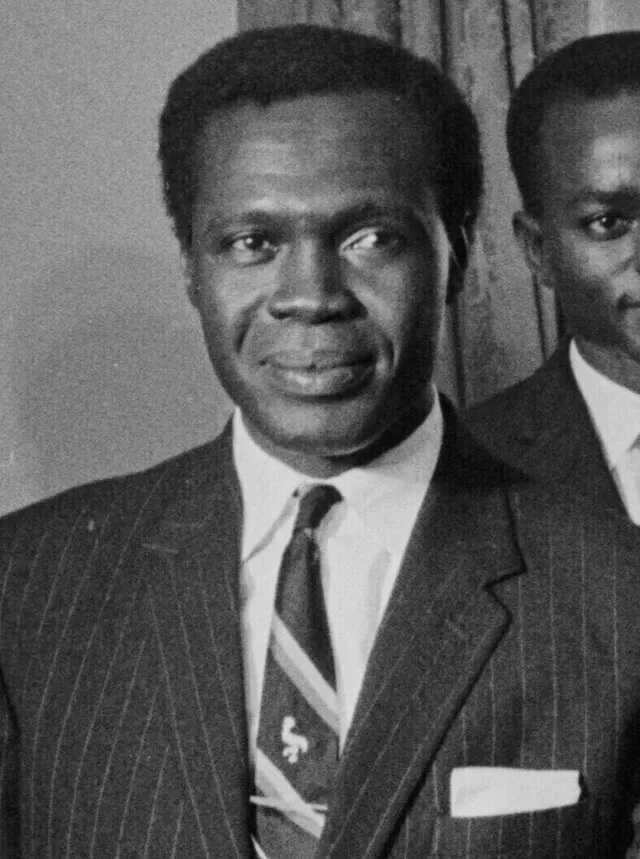
Milton Obote, who led Uganda to independence and became its first prime minister.
Image creditWarren K. Leffler · Public domainResized and cropped for display.

Uganda becomes independent

Uganda became independent of Britain on 9 October 1962, with Milton Obote as prime minister. Obote led the Uganda People’s Congress and had displaced the first prime minister after elections that April.

The new country was divided along regional and ethnic lines from the start. Obote held it together by accepting a constitution that gave the kingdom of Buganda something close to federal status, an unlikely alliance between his party and the Buganda establishment. It did not last; within a decade Uganda had been through a coup and the rise of Idi Amin.

Read the full storyHistory & Timeline →Source: Encyclopaedia Britannica: History of Uganda ↗
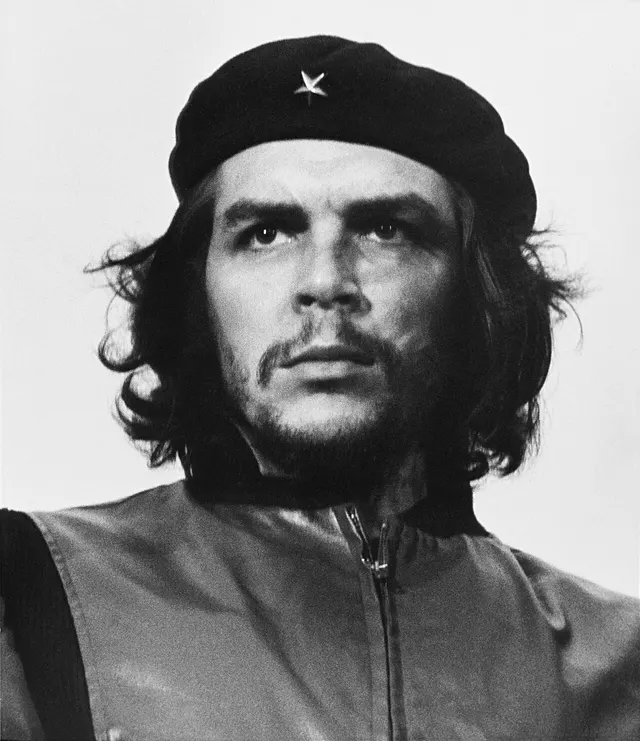
Alberto Korda's 1960 photograph of Che Guevara, taken in Havana.
Alberto Korda’s 1960 photograph of Che Guevara, taken in Havana.
Image creditAlberto Korda, restored by Adam Cuerden · Public domainResized and cropped for display.

Che Guevara is shot at La Higuera

Ernesto ‘Che’ Guevara was captured in the Bolivian hills on 8 October 1967 and held overnight in the schoolhouse at the village of La Higuera. On 9 October orders arrived from the Bolivian army headquarters that he was to be killed, and he was shot there. He was thirty-nine.

American documents declassified long afterwards record that a CIA officer, Félix Rodríguez, spoke with him for about two hours beforehand and was present at his death. The Bolivian campaign had failed almost completely - the local peasantry never joined it - but the photograph Alberto Korda had taken of Guevara in Havana in 1960 went on to become one of the most reproduced images of the century.

Read the full storyHistory & Timeline →Source: Encyclopaedia Britannica: Che Guevara ↗
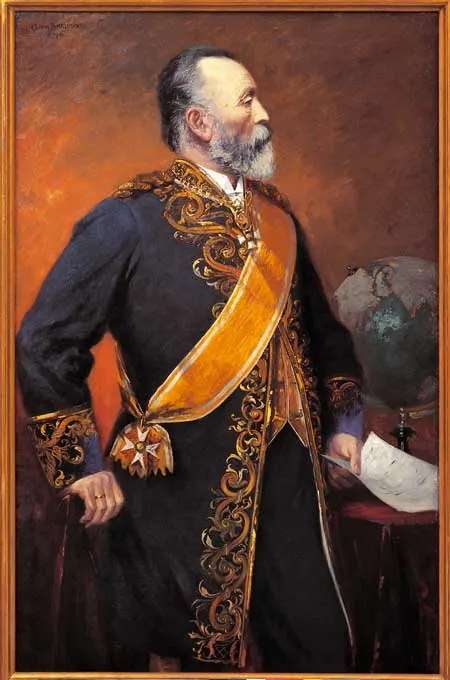
Heinrich von Stephan, the German postal official whose plan became the General Postal Union.
Image creditGeorg Barlösius · Public domainResized and cropped for display.

Twenty-two countries agree to carry each other’s post

Before 1874, sending a letter abroad meant a tangle of separate bilateral treaties, different rates and repeated charges along the way. Heinrich von Stephan, a senior postal official in the North German Confederation, drew up a plan to replace all of it with a single arrangement, and the Swiss government called a conference in Bern on 15 September 1874.

On 9 October delegates from twenty-two countries signed the Treaty of Bern, creating the General Postal Union and making the signatories, for postal purposes, one territory. It grew so quickly that the name was changed to the Universal Postal Union in 1878. It is now a United Nations agency with 192 members, and 9 October is kept as World Post Day.

Read the full storyHistory & Timeline →Source: Universal Postal Union: History ↗
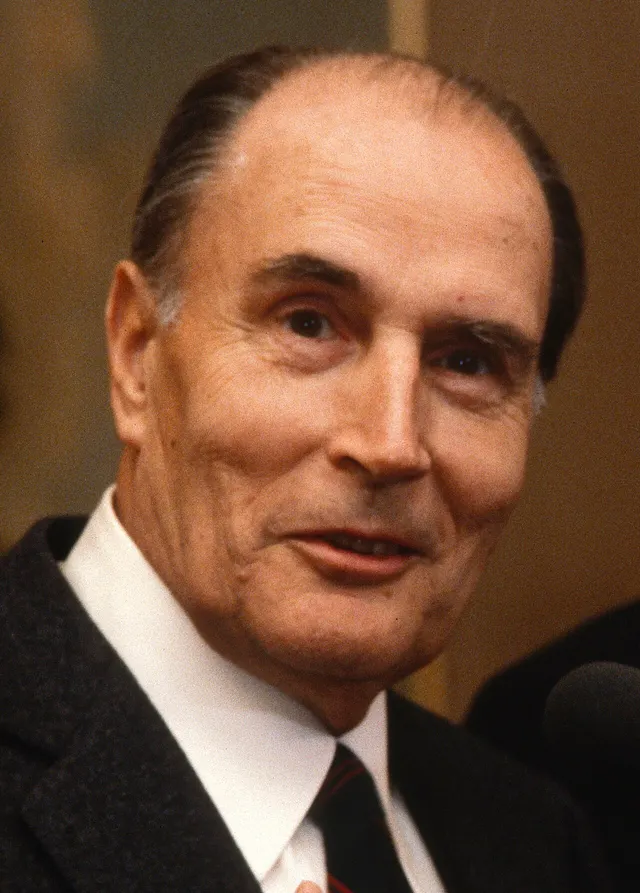
François Mitterrand, president of France from 1981 to 1995.
Image creditComet Photo AG (Zürich) · CC BY-SA 4.0Resized and cropped for display.

France abolishes the death penalty

Law number 81-908, dated 9 October 1981, abolished capital punishment in France. President François Mitterrand had asked his justice minister, Robert Badinter, to draft it; Badinter, who had defended men sent to the guillotine, argued the case in the National Assembly and won over enough deputies from the centre and the right to carry it.

Badinter then set about making abolition difficult to reverse, and four years later France ratified the sixth protocol to the European Convention on Human Rights. The ban was written into the French constitution in 2007.

Read the full storyHistory & Timeline →Source: Légifrance (French government): Loi n° 81-908 du 9 octobre 1981 portant abolition de la peine de mort ↗
♙
PEOPLE

Born Today

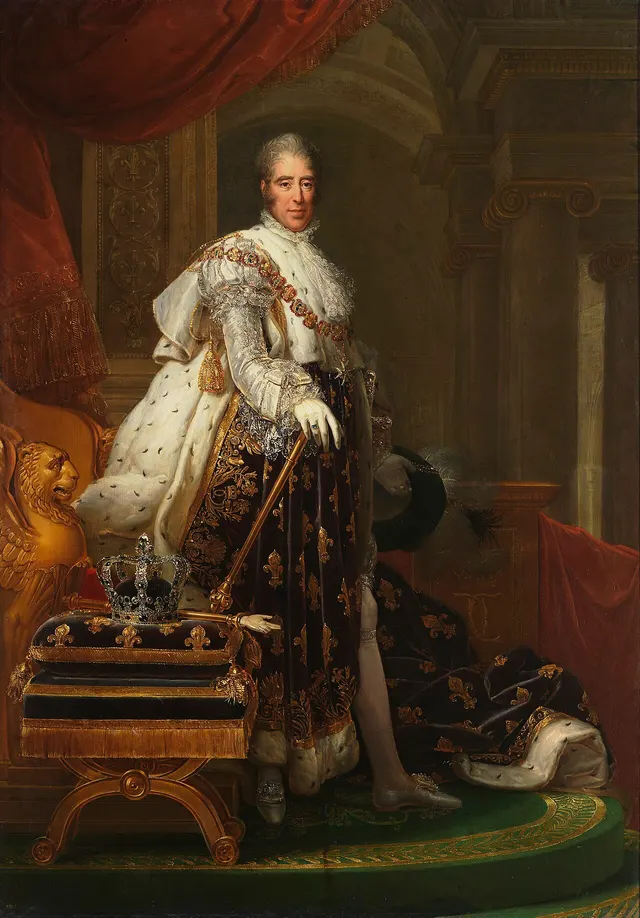
Charles X
Image creditFrançois Gérard · Public domainResized and cropped for display.

Charles X

The last Bourbon king of France, whose attempt to rule by decree brought the revolution of 1830 and his own fall.

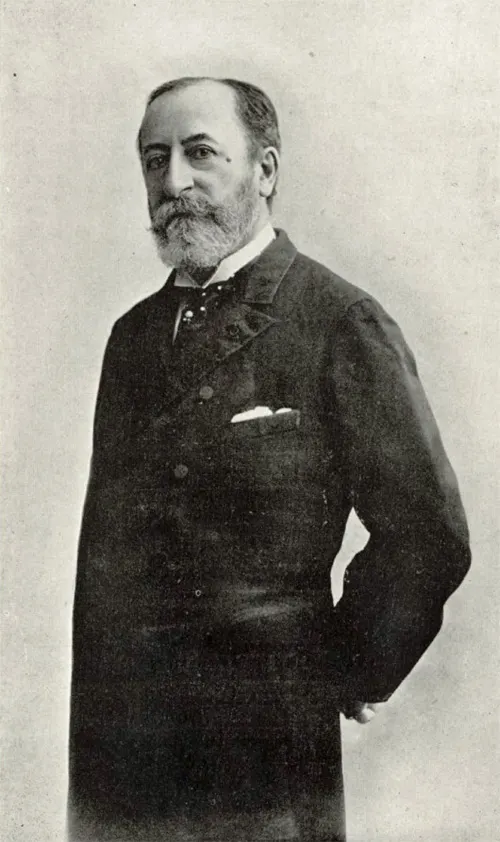
Camille Saint-Saëns
Image creditCharles Reutlinger (1816–81) · Public domainResized and cropped for display.

Camille Saint-Saëns

French composer, organist and pianist, whose Carnival of the Animals and Danse macabre are still everywhere.

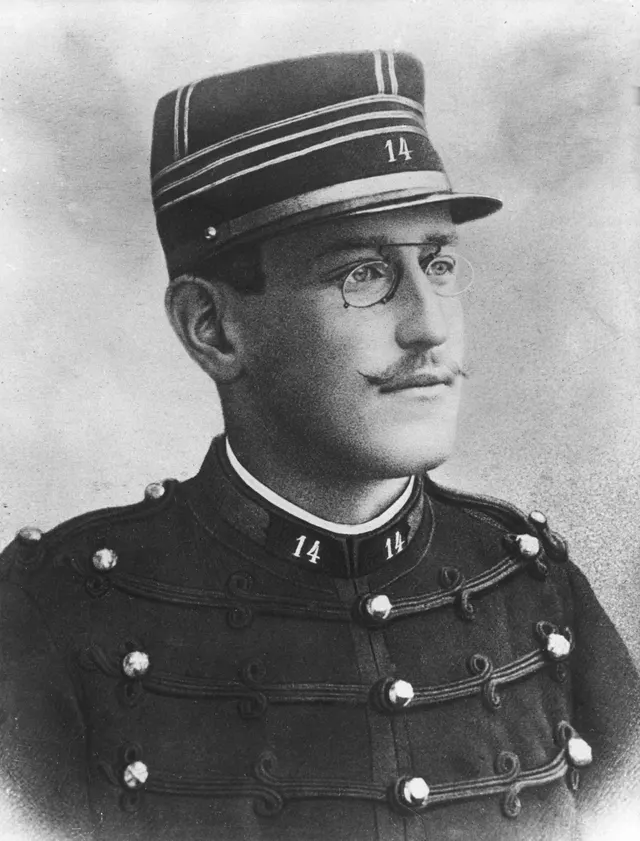
Alfred Dreyfus
Image creditAron Gerschel · Public domainResized and cropped for display.

Alfred Dreyfus

French artillery officer wrongly convicted of treason in 1894; the scandal split France and was not put right until 1906.

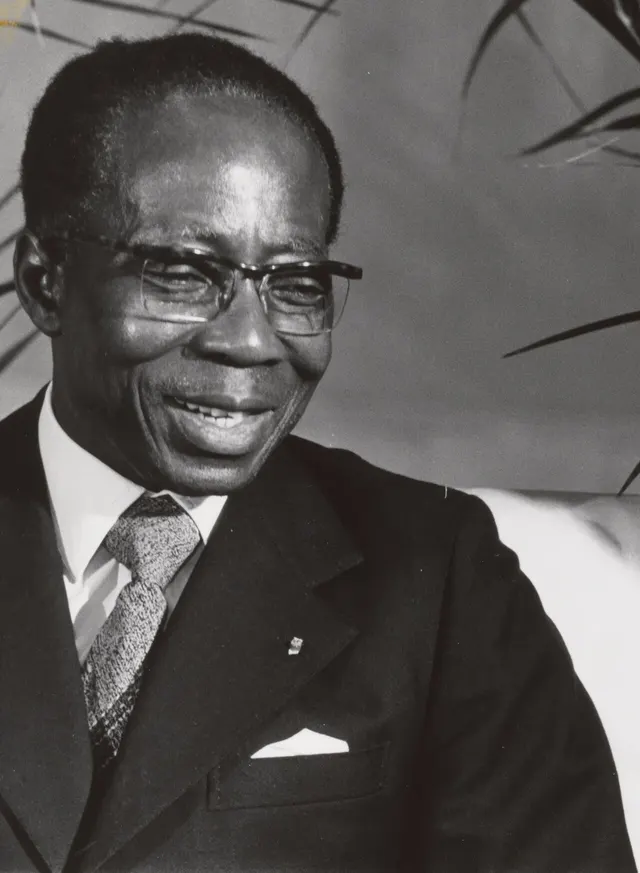
Léopold Sédar Senghor
Image creditDominique Roger · CC BY-SA 3.0 igoResized and cropped for display.

Léopold Sédar Senghor

Poet, thinker of négritude and first president of Senegal, who stood down voluntarily after twenty years.

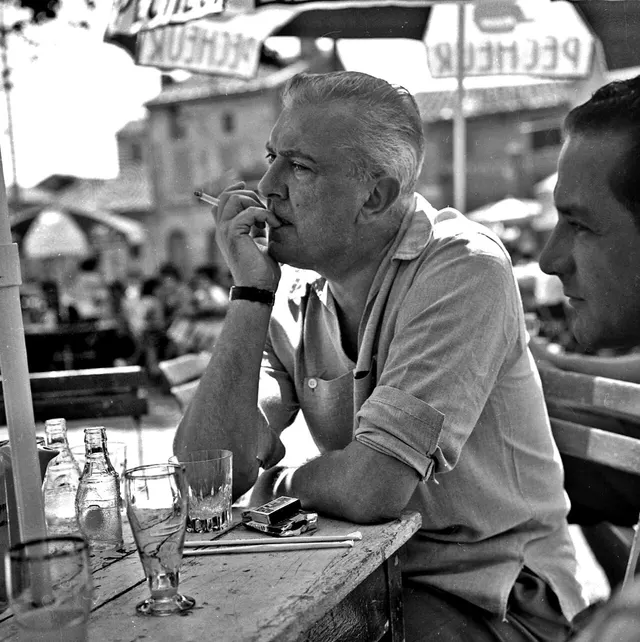
Jacques Tati
Image creditAndré Cros · CC BY-SA 4.0Resized and cropped for display.

Jacques Tati

French film-maker and comic actor who created Monsieur Hulot and built his comedy out of sound and architecture.

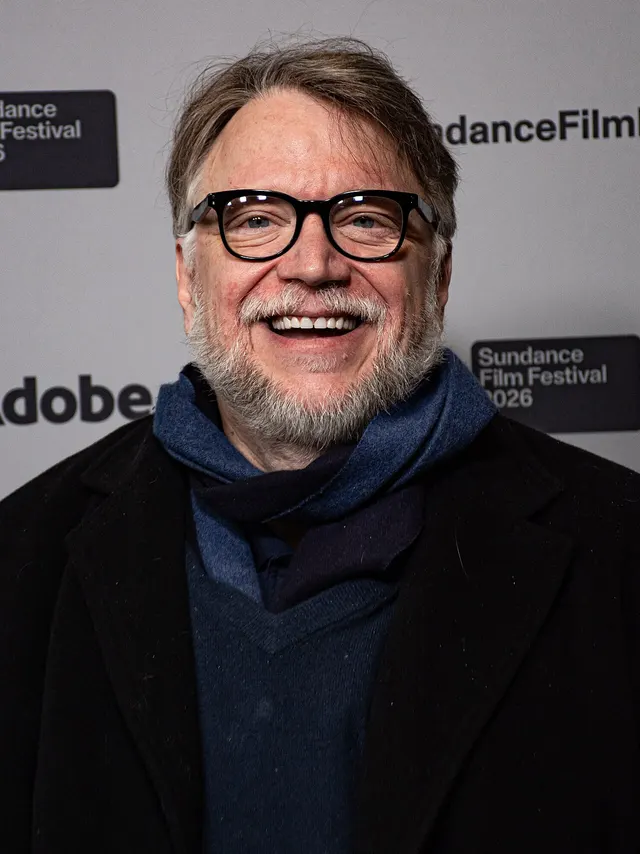
Guillermo del Toro
Image creditGabriel Brooks · CC BY 4.0Resized and cropped for display.

Guillermo del Toro

Mexican film-maker of fairy tales for adults, from Pan’s Labyrinth to The Shape of Water.

◉
IDEAS THAT CHANGED THINGS

Firsts, Science & Discoveries

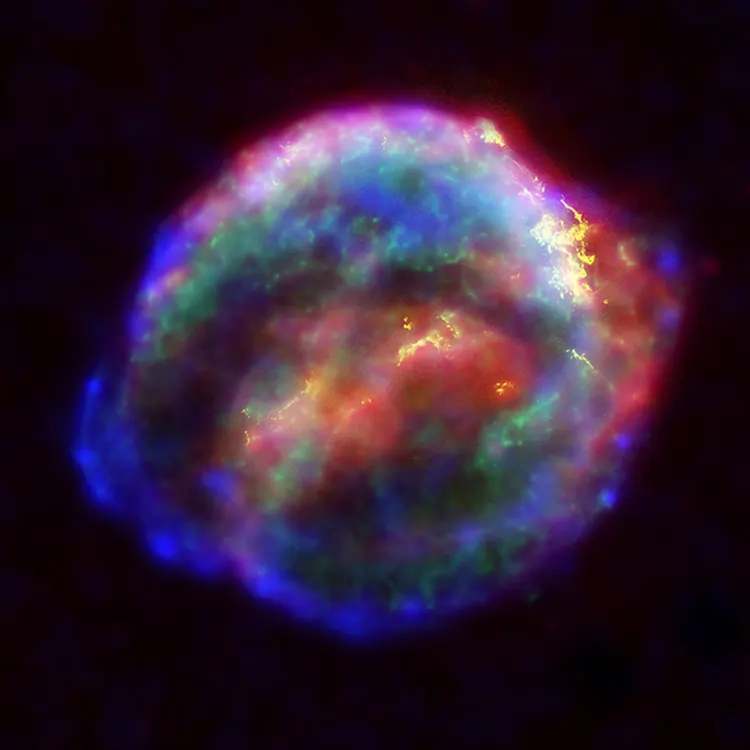
The remnant of the 1604 supernova, a composite of X-ray, optical and infrared images from the Chandra, Hubble and Spitzer observatories.
Image creditNASA/ESA/JHU/R.Sankrit & W.Blair · Public domainResized and cropped for display.

A new star appears, and it was the last

On 9 October 1604 the Italian astronomer Lodovico delle Colombe saw a star in Ophiuchus that had not been there before. Johannes Kepler began watching it on 17 October and followed it for more than a year; because he published such careful observations in 1606, it carries his name.

At its brightest it outshone Jupiter and could be seen in daylight for several weeks. Nobody had a telescope - it had not been invented - so it was watched by eye, in Europe, Korea, China and the Arab world. It remains the last supernova observed inside our own galaxy, and the last visible to the naked eye until 1987.

Read the full storyHistory & Timeline →Source: NASA: 420 years ago, astronomer Johannes Kepler observes a supernova ↗
✦
LIVES REMEMBERED

Remembered Today

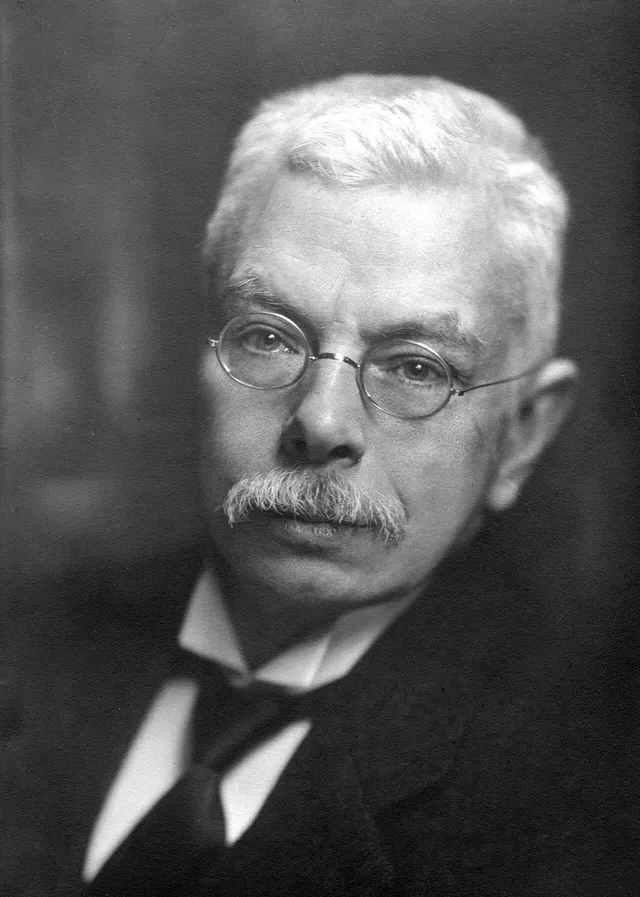
Pieter Zeeman
Image creditUnknown authorUnknown author · Public domainResized and cropped for display.

Pieter Zeeman

Dutch physicist who showed that a magnetic field splits spectral lines, and shared the 1902 Nobel Prize.

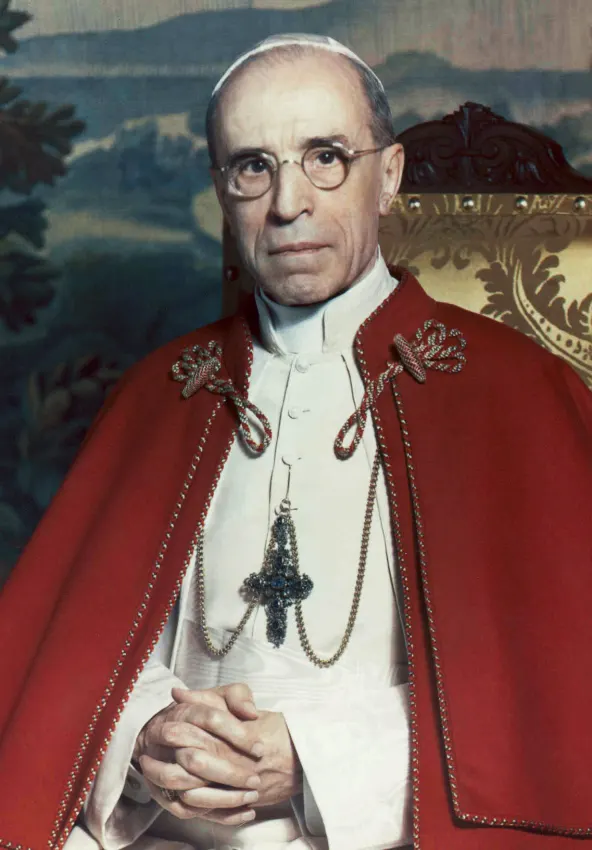
Pius XII
Image creditMichael Pitcairn · Public domainResized and cropped for display.

Pius XII

Pope from 1939 to 1958, whose conduct during the Second World War is still argued over by historians.

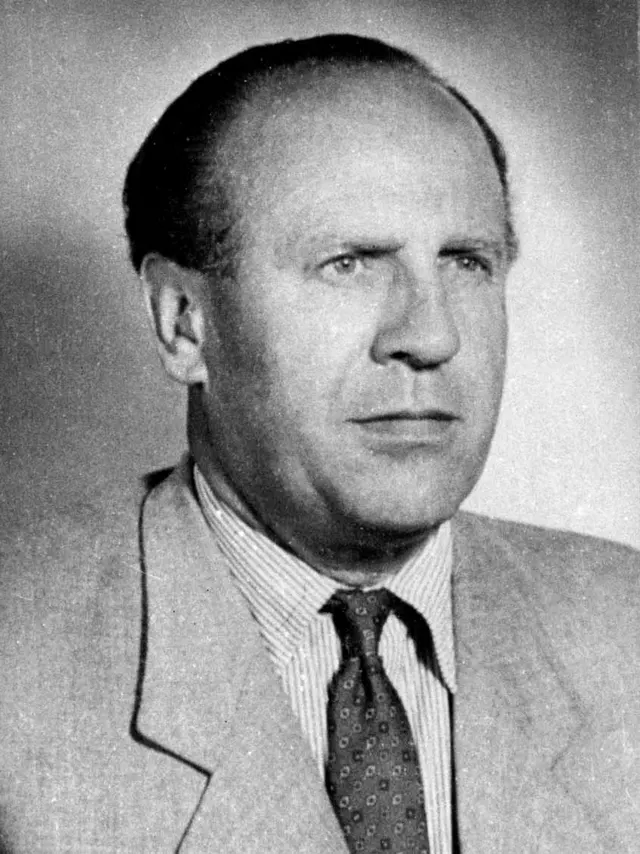
Oskar Schindler
Image creditUnknown authorUnknown author · Public domainResized and cropped for display.

Oskar Schindler

German industrialist who used his factories to save about 1,200 Jewish workers from the Nazi camps.

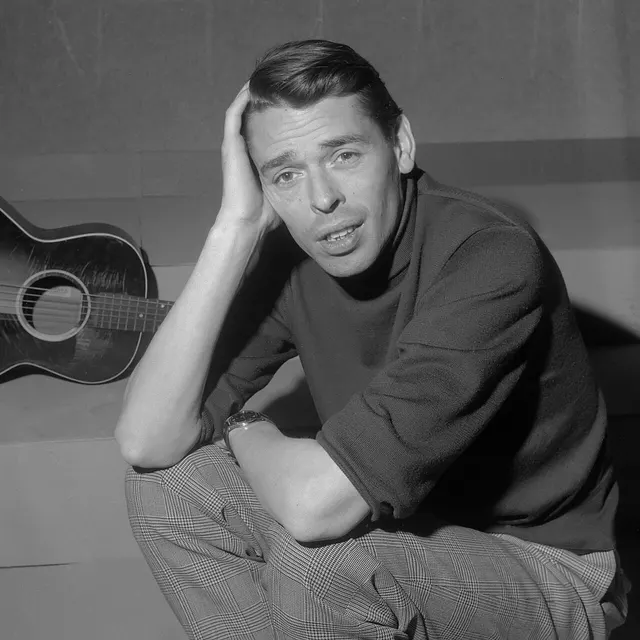
Jacques Brel
Image creditJack de Nijs for Anefo · CC BY-SA 3.0Resized and cropped for display.

Jacques Brel

Belgian singer and songwriter whose chansons have been translated and covered around the world.

☉
AROUND THE WORLD

Observances & Anniversaries

Heinrich von Stephan, whose plan led to the Treaty of Bern.
Image creditGeorg Barlösius · Public domainResized and cropped for display.

World Post Day

World Post Day marks the signing of the Treaty of Bern on 9 October 1874, which created the General Postal Union. The Universal Postal Union, as it became, is now the United Nations agency for postal services, with 192 member countries.

Source: Universal Postal Union: History ↗

Hangeul Day (South Korea)

South Korea keeps 9 October as Hangeul Day, in honour of the Korean alphabet. King Sejong had the Hunminjeongeum - ‘the proper sounds for the instruction of the people’ - drawn up so that Koreans who could not read Chinese characters could write their own language; the explanatory edition was published in the ninth lunar month of 1446. It is the only widely used writing system whose creator, purpose and design principles are all set down in a surviving document.

Source: UNESCO Silk Roads Programme: Hunminjeongum Manuscript ↗
HISTORY & TIMELINE

Finished the highlights?

Follow 9 October chronologically, from the Middle Ages to the modern day, with 8 verified events and the sources behind them.

This day through time →