Explore 12 October

Explore 12 October: a lookout on the Pinta sights land in 1492, Brazil acclaims its own emperor, Edith Cavell is shot in Brussels, Equatorial Guinea raises its flag and Mexico City opens the Games. Meet Luciano Pavarotti, Edith Stein and Hugh Jackman, born on this date.

This day through time →8 verified events across 3 eras

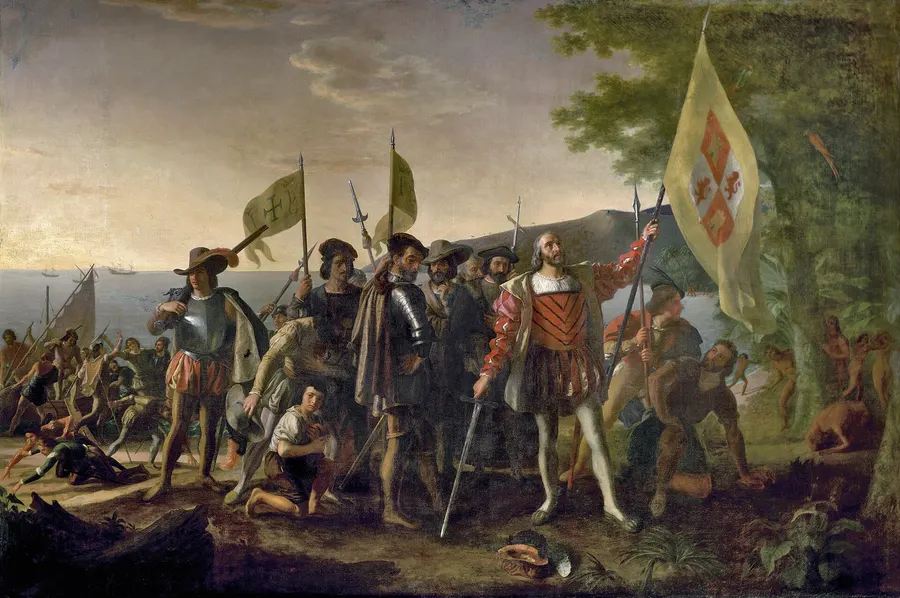
John Vanderlyn's painting of the landing, made in 1847 - a nineteenth-century idea of the scene, not a record of it.
John Vanderlyn’s painting of the landing, made in 1847 - a nineteenth-century idea of the scene, not a record of it.
Image creditJohn Vanderlyn · Public domainResized and cropped for display.

Land, after five weeks of open sea

In the early hours of 12 October 1492 a sailor aboard the Pinta sighted land. The three ships had left Spain on 3 August. Columbus, on the Niña, later claimed the sighting - and the reward - for himself. He went ashore with his officers, planted the banner of Ferdinand and Isabella and took possession of the island for the Spanish crown.

The Taino people who lived there called it Guanahani; Columbus renamed it San Salvador. Which island it actually was has been argued over ever since: San Salvador in the Bahamas is the usual answer, with Samana Cay, Rum Cay, the Plana Cays and the Turks and Caicos all proposed. What followed for the people already living there was catastrophe, and the date is marked very differently in different countries.

Read the full storyHistory & Timeline →Source: Encyclopaedia Britannica: Christopher Columbus, the first voyage ↗
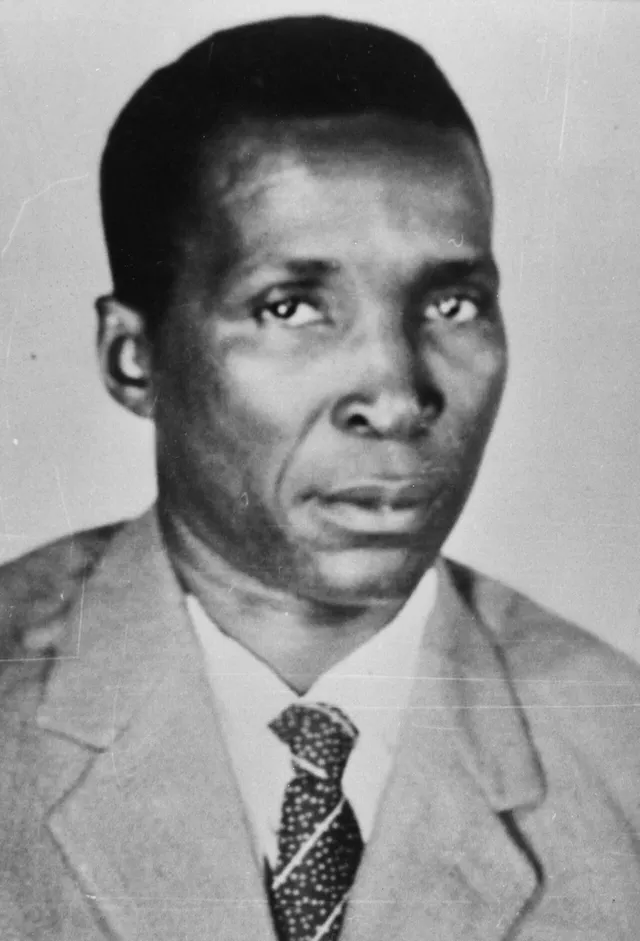
Francisco Macías Nguema, the country's first president.
Francisco Macías Nguema, the country’s first president.
Image creditAnefo · CC0Resized and cropped for display.

Equatorial Guinea becomes independent

Equatorial Guinea proclaimed its independence from Spain on 12 October 1968. The process had moved quickly: Spain suspended the territory’s autonomous government early that year and, with the approval of the Organisation of African Unity, put a new constitution to a referendum, which passed on 11 August. Elections followed in September, supervised by a United Nations mission.

Francisco Macías Nguema won the presidential run-off on 29 September and became the first president. Within a few years he had made himself president for life and turned the country into one of the most brutal dictatorships in Africa. He was overthrown in 1979 by his nephew, Teodoro Obiang Nguema Mbasogo, and executed.

Read the full storyHistory & Timeline →Source: Encyclopaedia Britannica: Equatorial Guinea, independence ↗
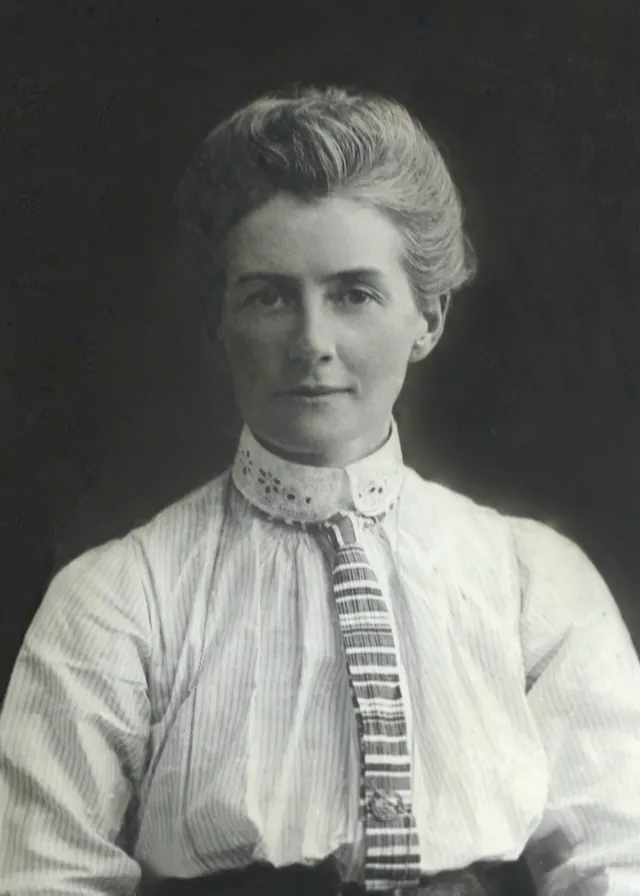
Edith Cavell, matron of a nursing school in Brussels.
Image creditThe original uploader was Vivedatica at Dutch Wikipedia. · Public domainResized and cropped for display.

Edith Cavell is shot in Brussels

Edith Cavell, an English nurse running a training school in German-occupied Brussels, spent eleven months helping about two hundred British, French and Belgian soldiers escape - sheltering them in her hospital and arranging guides to the border. She was arrested on 5 August 1915 and held in solitary confinement in St Gilles prison.

She was tried by court martial on 7 October with thirty-four others and shot by a firing squad at the Tir National, the Brussels rifle range, on 12 October 1915. The execution was lawful under the rules of war, and it was a disaster for Germany: the outrage in Britain and in neutral countries, the United States above all, made her a symbol of the Allied cause. After the war her body was brought home, honoured at Westminster Abbey and buried at Norwich Cathedral.

Read the full storyHistory & Timeline →Source: Imperial War Museums: Who was Edith Cavell? ↗
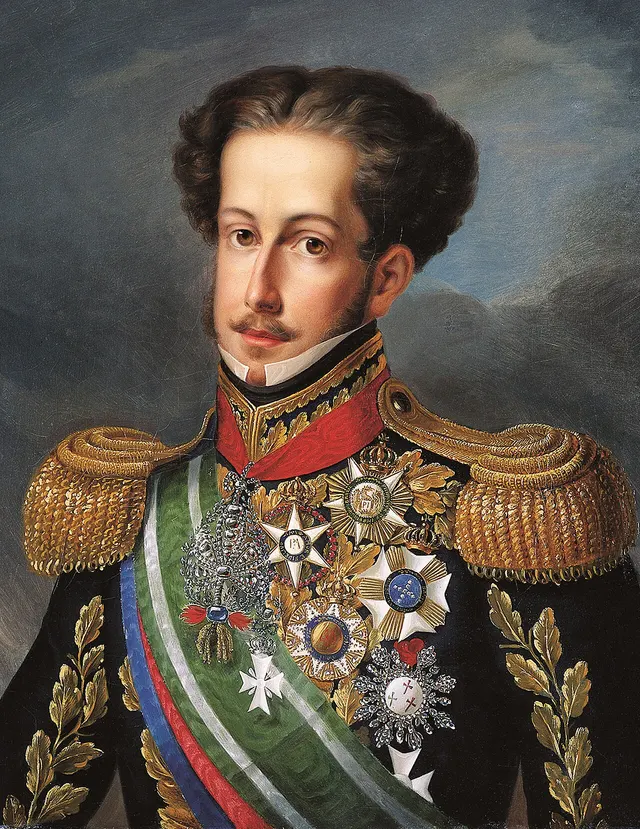
Pedro I, first emperor of Brazil.
Image creditSimplício Rodrigues de Sá · Public domainResized and cropped for display.

Brazil acclaims an emperor of its own

Dom Pedro, the Portuguese prince who had stayed behind when his father returned to Lisbon, declared Brazilian independence on 7 September 1822. Five weeks later, on 12 October, he was acclaimed Emperor Pedro I. He was crowned on 1 December.

It was an unusual way to leave an empire: Brazil became independent as a monarchy, under a prince of the very dynasty it was separating from, and avoided the long wars that broke up Spanish America. Pedro enacted the country’s first constitution in 1824 and abdicated in 1831 in favour of his five-year-old son.

Read the full storyHistory & Timeline →Source: Encyclopaedia Britannica: Pedro I ↗
♙
PEOPLE

Born Today

Edward VI
Image creditCircle of William Scrots · Public domainResized and cropped for display.

Edward VI

King of England from the age of nine; his short reign pushed the English church decisively towards Protestantism. The date is Julian.

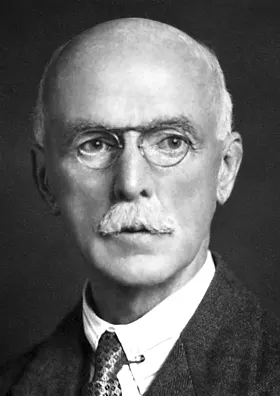
Arthur Harden
Image creditNobel Foundation · Public domainResized and cropped for display.

Arthur Harden

British biochemist who worked out how sugar ferments, and shared the 1929 Nobel Prize in Chemistry.

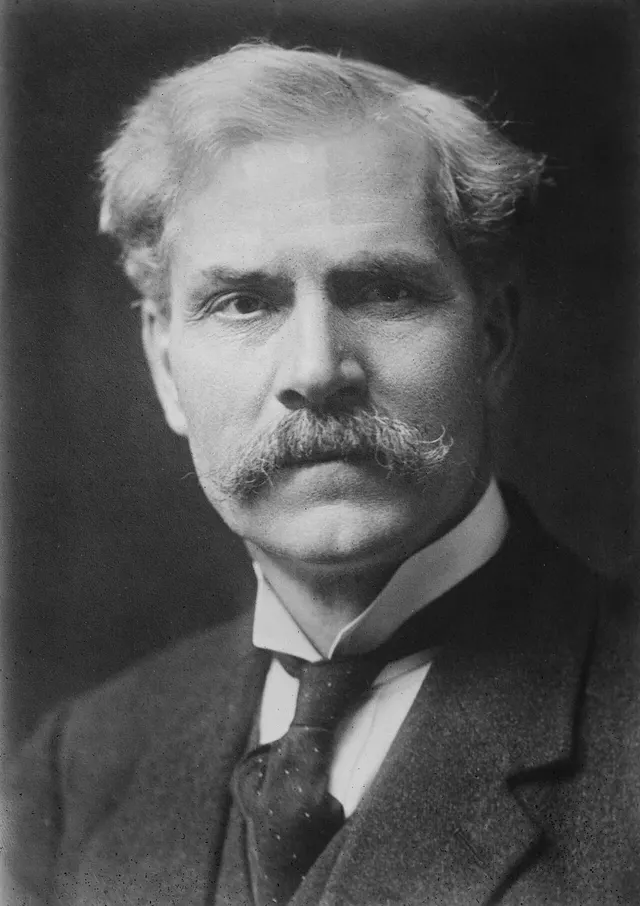
Ramsay MacDonald
Image creditWalter Stoneman · Public domainResized and cropped for display.

Ramsay MacDonald

Britain’s first Labour prime minister, who split his own party by forming a National Government in 1931.

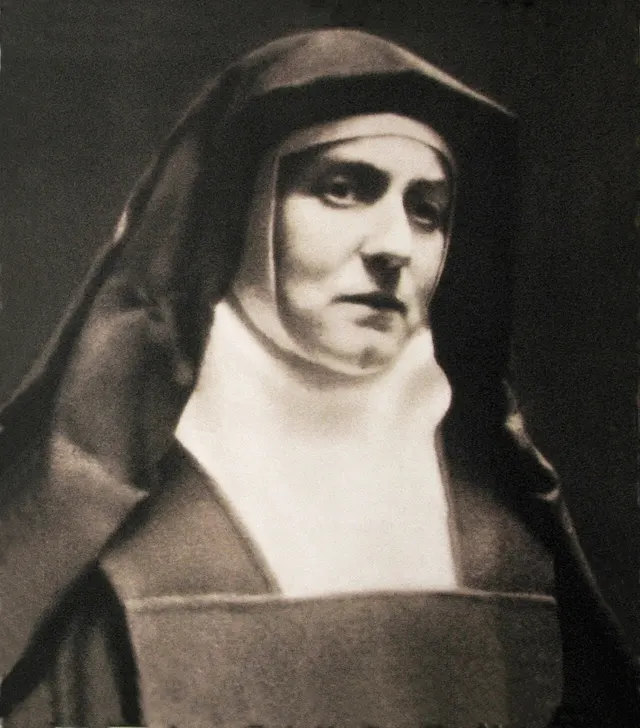
Edith Stein
Image creditUnknown authorUnknown author · Public domainResized and cropped for display.

Edith Stein

German philosopher, born Jewish, who became a Carmelite nun; she was murdered at Auschwitz in 1942 and later canonised.

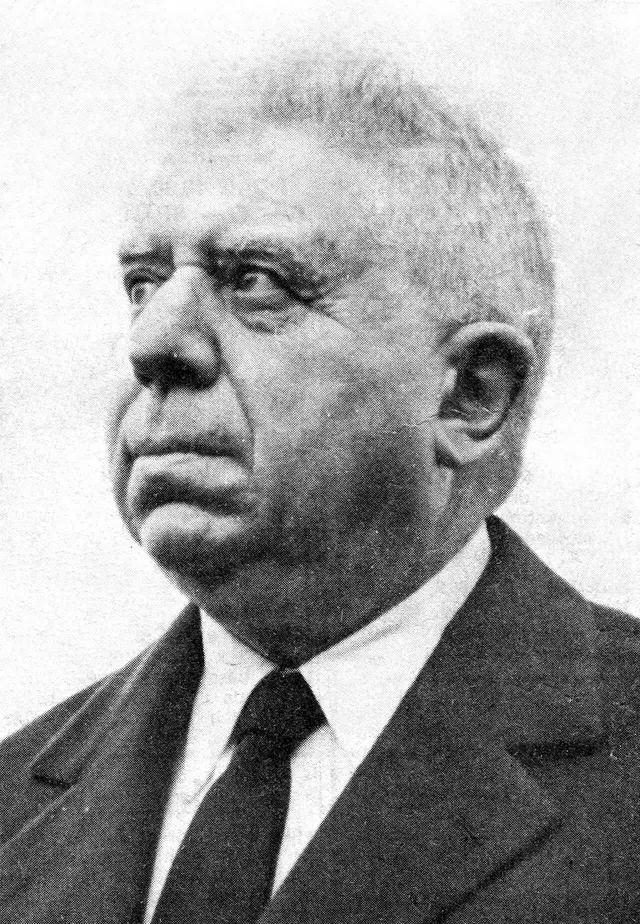
Eugenio Montale
Image creditKaj Hagman. · Public domainResized and cropped for display.

Eugenio Montale

Italian poet of the twentieth century’s disillusion, and winner of the 1975 Nobel Prize in Literature.

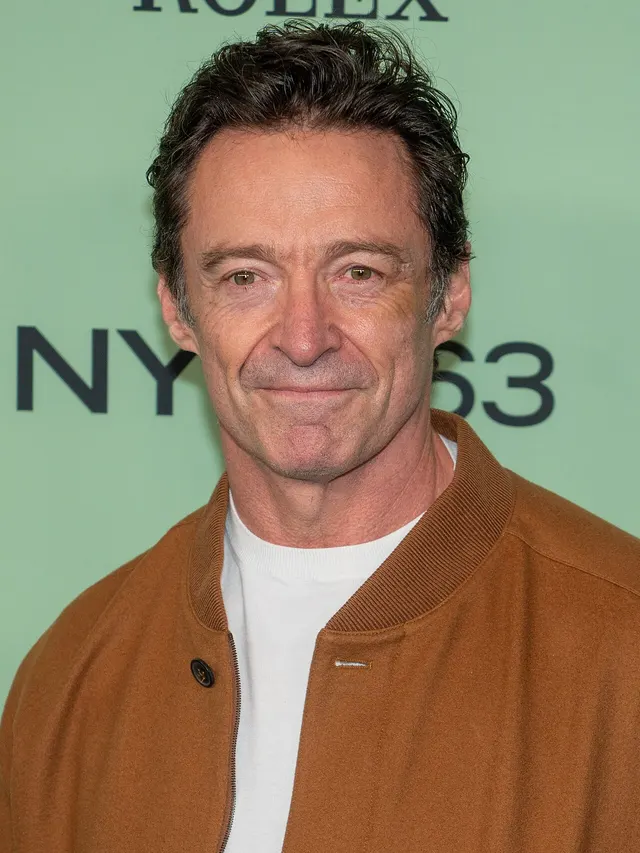
Hugh Jackman
Image creditBryan Berlin · CC BY-SA 4.0Resized and cropped for display.

Hugh Jackman

Australian actor and singer, equally at home as Wolverine and on the musical stage.

☆
SPORTING HISTORY

Sporting Moments

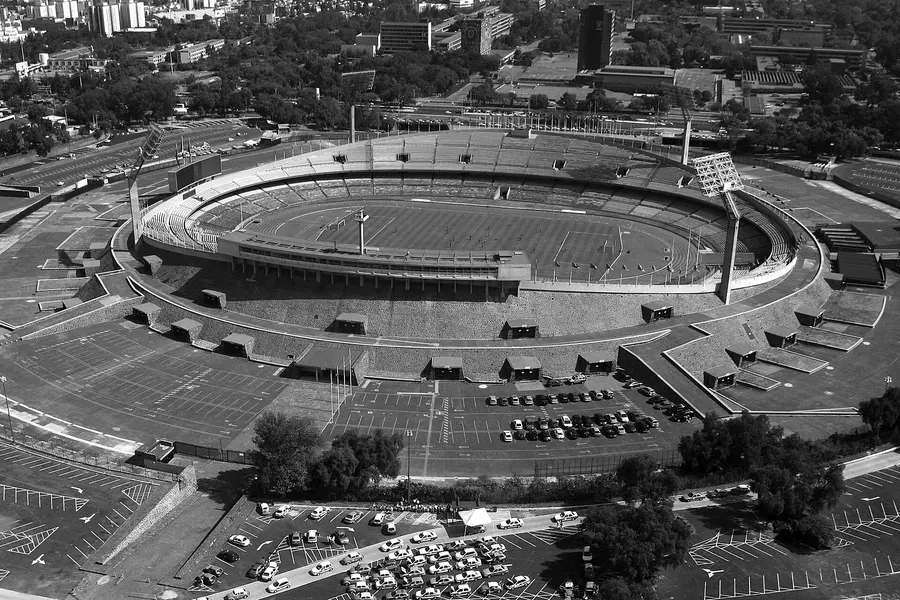
The Estadio Olímpico Universitario in Mexico City, which held the opening ceremony.
Image creditEdgar Efrén López Ramos · CC BY-SA 2.0Resized and cropped for display.

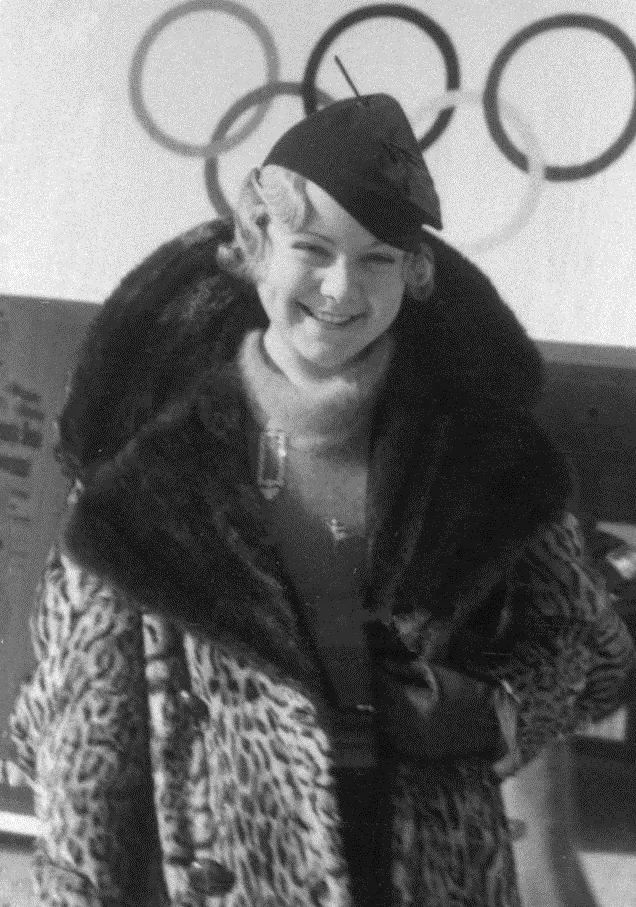
A woman lights the Olympic flame for the first time

The Games of the XIX Olympiad opened in Mexico City on 12 October 1968, the first held in Latin America. Enriqueta Basilio, a Mexican hurdler, ran the last leg of the torch relay and lit the cauldron - the first woman to do so in the history of the Games. She then competed in the 80 metres hurdles, the 400 metres and the relay.

These were also the first Games televised live in colour to an international audience. The thin air of Mexico City, 2,240 metres above sea level, wrecked the distance events and produced extraordinary marks in the sprints and jumps, including a long jump record that stood for twenty-three years.

Read the full storyHistory & Timeline →Source: International Olympic Committee: Enriqueta Basilio Sotelo ↗
♫
MUSIC • FILM • BOOKS • CULTURE

Culture Stories

Heinrich Adam's painting of the horse race at the Munich Oktoberfest, about 1823.
Heinrich Adam’s painting of the horse race at the Munich Oktoberfest, about 1823.
Image creditHeinrich Adam · Public domainResized and cropped for display.

A royal wedding invents the Oktoberfest

Crown Prince Ludwig of Bavaria married Princess Therese of Saxe-Hildburghausen on 12 October 1810, and Munich was invited to the celebrations. They ran for five days and finished with a horse race on open ground outside the city gates.

The meadow was named Theresienwiese - Therese’s green - in the bride’s honour, and it has been called that ever since. The festival was repeated the next year, and the next, and became the largest folk festival in the world. Ludwig went on to reign as King Ludwig I.

Read the full storyHistory & Timeline →Source: Encyclopaedia Britannica: Oktoberfest ↗
✦
LIVES REMEMBERED

Remembered Today

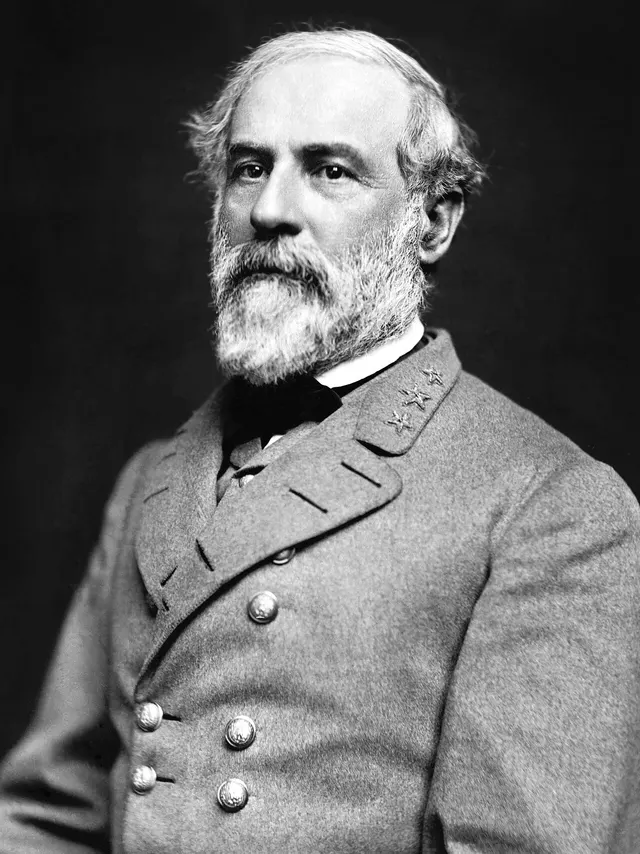
Robert E. Lee
Image creditJulian Vannerson · Public domainResized and cropped for display.

Robert E. Lee

Commander of the Confederate Army of Northern Virginia in the American Civil War, and afterwards a college president.

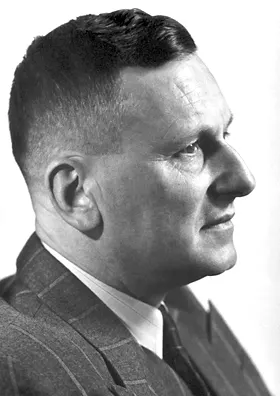
Paul Hermann Müller
Image creditUnknown authorUnknown author · Public domainResized and cropped for display.

Paul Hermann Müller

Swiss chemist who found that DDT killed insects, work that won him the 1948 Nobel Prize and later caused great harm.

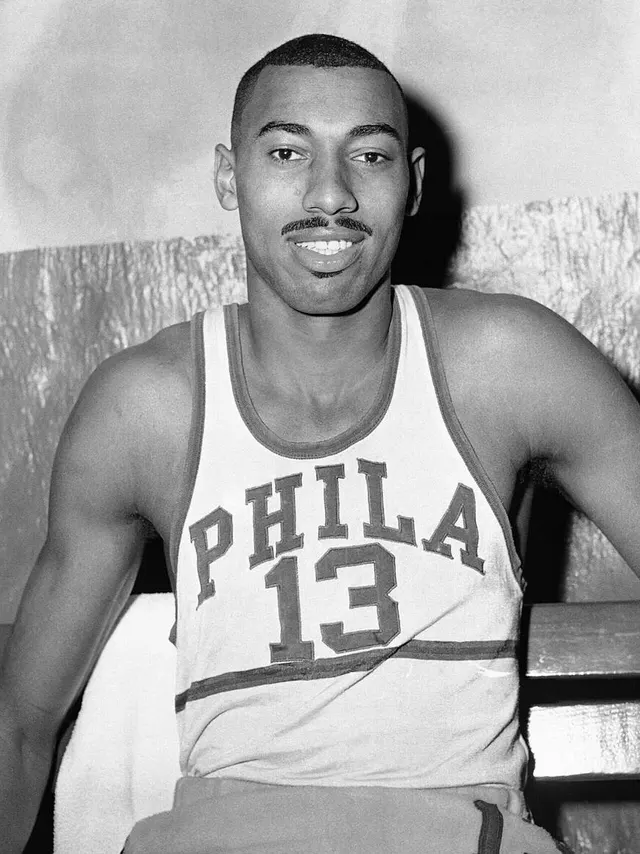
Wilt Chamberlain
Image creditBill Allen · Public domainResized and cropped for display.

Wilt Chamberlain

American basketball player who once scored 100 points in a single game, a record still unmatched.

HISTORY & TIMELINE

Finished the highlights?

Follow 12 October chronologically, from the Middle Ages to the modern day, with 8 verified events and the sources behind them.

This day through time →