
1492
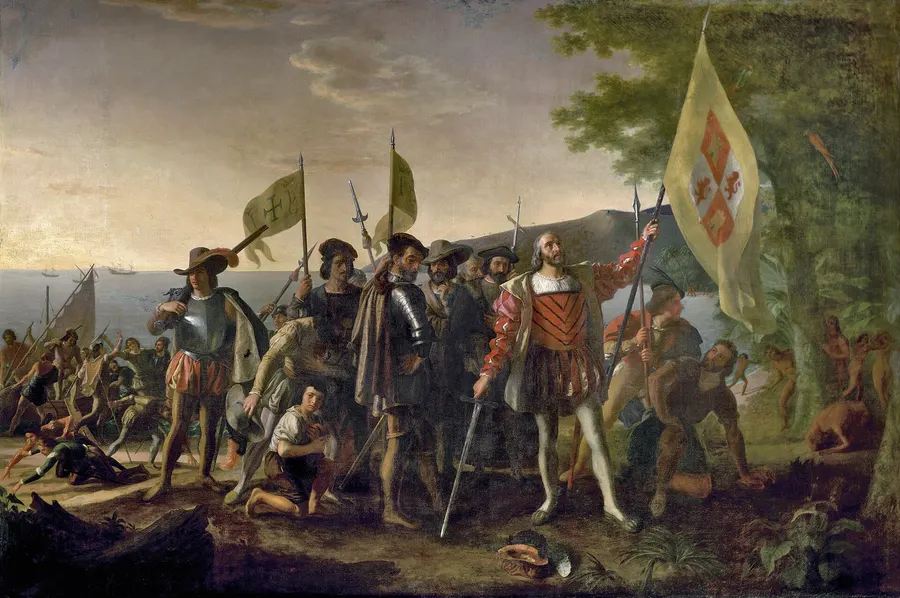 John Vanderlyn’s painting of the landing, made in 1847 - a nineteenth-century idea of the scene, not a record of it.Image: John Vanderlyn · Public domain
world · Americas
Land, after five weeks of open sea
In the early hours of 12 October 1492 a sailor aboard the Pinta sighted land. The three ships had left Spain on 3 August. Columbus, on the Niña, later claimed the sighting - and the reward - for himself. He went ashore with his officers, planted the banner of Ferdinand and Isabella and took possession of the island for the Spanish crown. The Taino people who lived there called it Guanahani; Columbus renamed it San Salvador. Which island it actually was has been argued over ever since: San Salvador in the Bahamas is the usual answer, with Samana Cay, Rum Cay, the Plana Cays and the Turks and Caicos all proposed. What followed for the people already living there was catastrophe, and the date is marked very differently in different countries.
Source: Encyclopaedia Britannica: Christopher Columbus, the first voyage ↗ Heinrich Adam’s painting of the horse race at the Munich Oktoberfest, about 1823.Image:
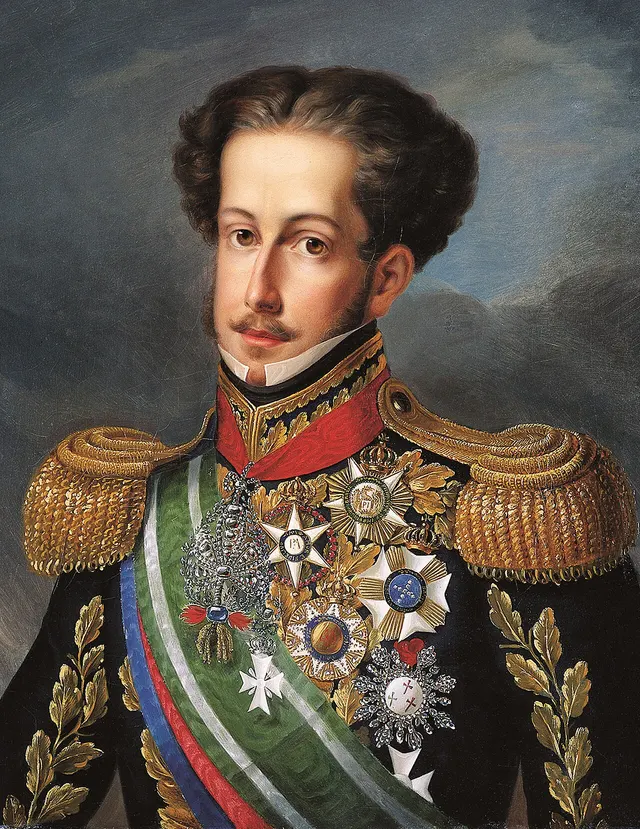 Pedro I, first emperor of Brazil.Image:
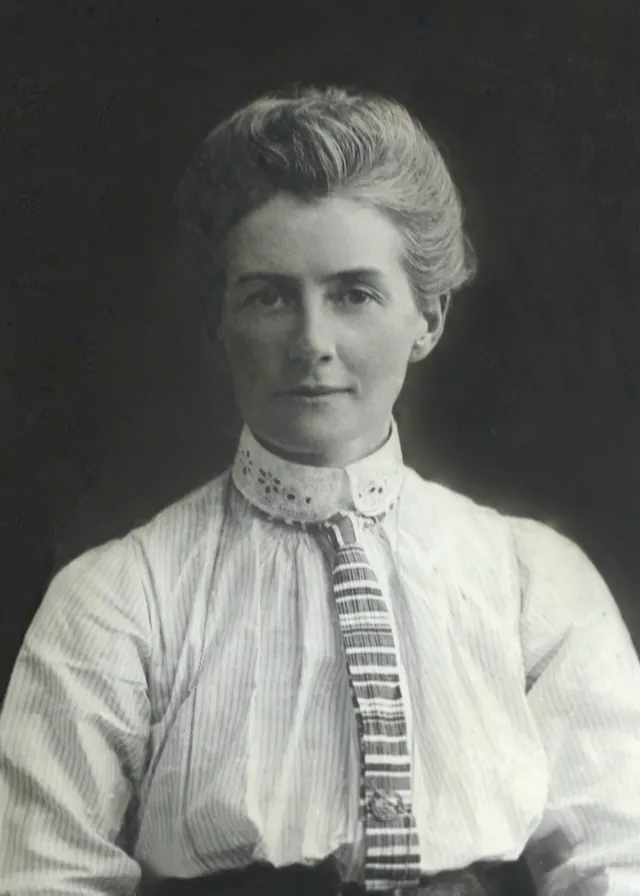 Edith Cavell, matron of a nursing school in Brussels.Image:
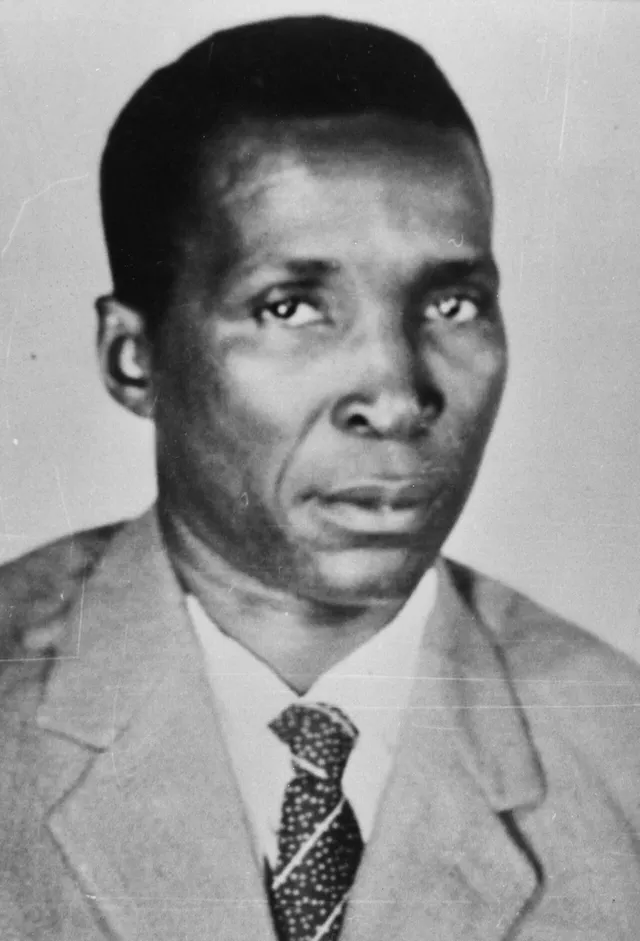 Francisco Macías Nguema, the country’s first president.Image:
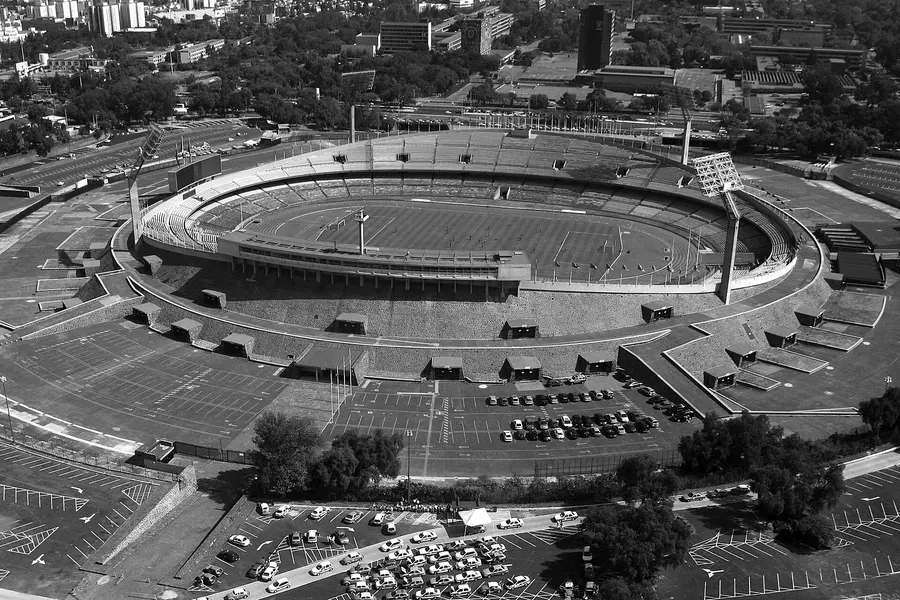 The Estadio Olímpico Universitario in Mexico City, which held the opening ceremony.Image:
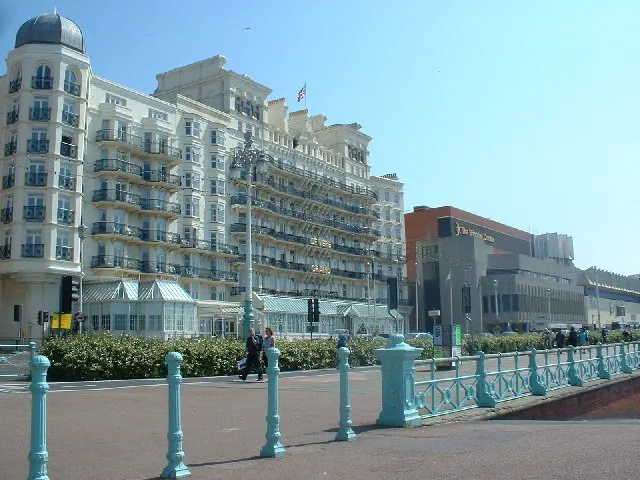 The Grand Hotel on Brighton seafront, photographed in 2003 after its rebuilding.Image:
 Pervez Musharraf, who ruled Pakistan from 1999 to 2008.Image: