
HISTORY & TIMELINE
13 October

A journey through
13 October in history

From the death of a Roman emperor in the year 54 to a Pacific island state taking its seat at the United Nations, 13 October has been a day of sudden reversals. This timeline follows the date across nearly two thousand years.

I
EARLIEST RECORDS

Ancient & Early History

The earliest worthwhile records and events connected with this date.

54
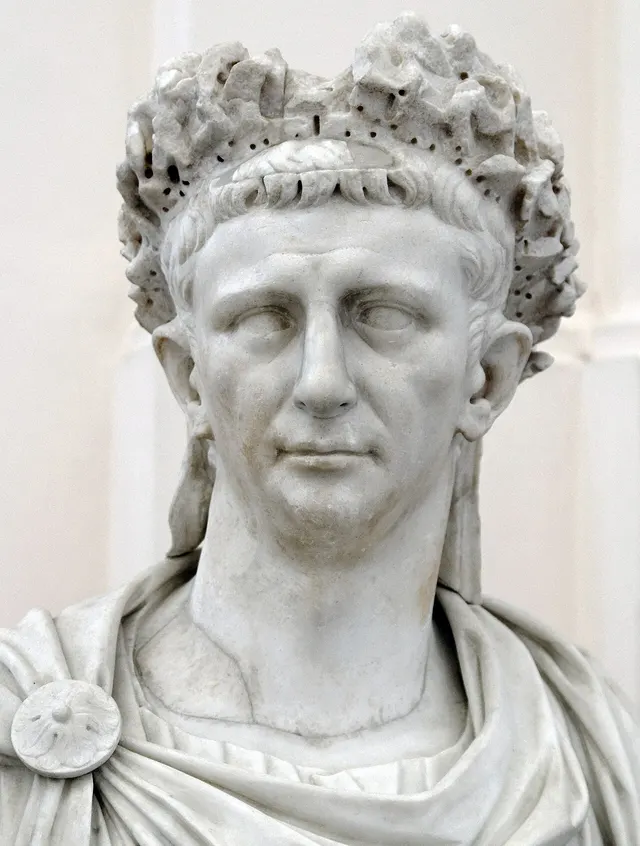
A Roman bust of the emperor Claudius.A Roman bust of the emperor Claudius.Image: Unknown · CC BY 2.5
politics · Europe

Claudius dies and Nero takes the empire

The emperor Claudius died on 13 October in the year 54. Roman writers are unanimous that he was poisoned by his wife Agrippina, though they disagree on the details; the version involving a dish of mushrooms is the one that stuck. Claudius had married Agrippina, who was his niece, and had adopted her son Lucius Domitius Ahenobarbus, passing over his own son Britannicus. That son became the emperor Nero at sixteen, with his mother trying at first to govern through him. The date is given in the Julian calendar.

Source: Encyclopaedia Britannica: How did Claudius die? ↗
II
THE MIDDLE AGES

Medieval History

Kingdoms, conflict, faith, power and the changing medieval world.

1307
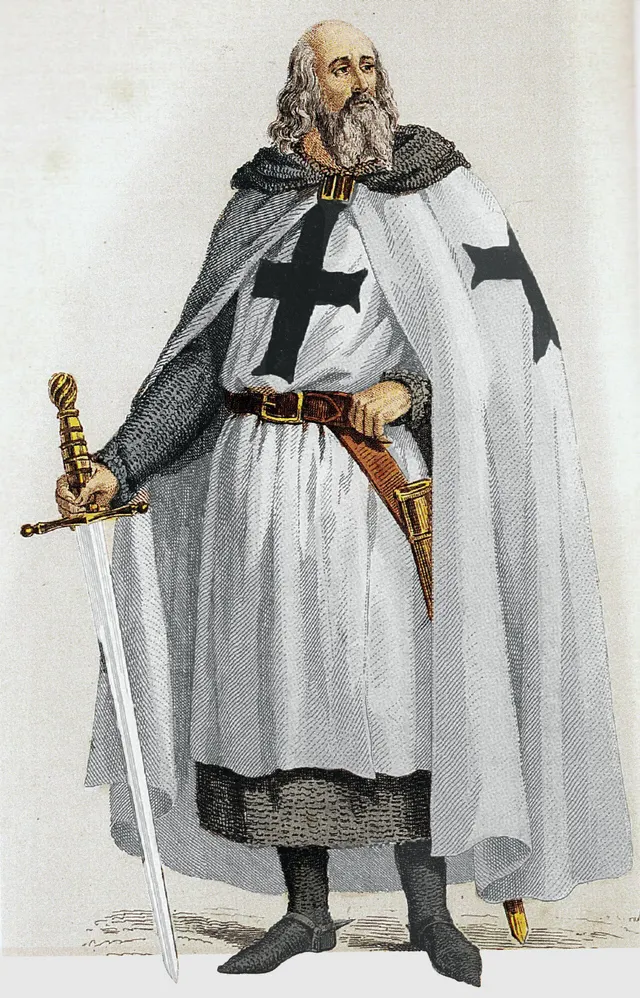
Jacques de Molay, last grand master of the Knights Templar, in a nineteenth-century portrait.Jacques de Molay, last grand master of the Knights Templar, in a nineteenth-century portrait.Image: Unknown authorUnknown author · Public domain
politics · Europe

The Templars are seized at dawn

On 13 October 1307, on the orders of Philip IV of France, every Templar the king’s officers could find was arrested in a single coordinated operation, the grand master Jacques de Molay among them. The order had been founded during the Crusades and had become extraordinarily rich; Philip was extraordinarily short of money. The charges were heresy and immorality - worshipping an idol in the shape of a bearded head, worshipping a cat, sodomy and a long list of others. On 24 October, almost certainly under torture, Molay confessed to some of them, then retracted when the pope’s own investigators arrived. He was burned as a relapsed heretic in 1314, and the order had been dissolved two years before that.

Source: Encyclopaedia Britannica: Jacques de Molay ↗
III
A CHANGING WORLD

Early Modern Era

Exploration, political change, scientific development and expanding global connections.

1792
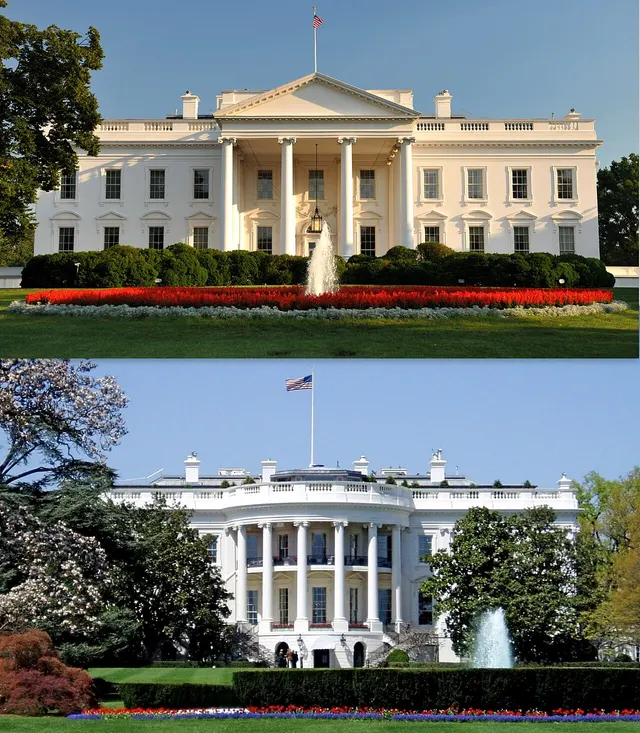
The north (top) and south (bottom) fronts of the White House.The north (top) and south (bottom) fronts of the White House.Image: (top)Cezary p(bottom)MattWade · CC BY-SA 4.0
world · Americas

The first stone of the President’s House

Work on the President’s House in the new federal city began on 13 October 1792, with a masonic ceremony. A procession formed at Suter’s Tavern in Georgetown - the mayor, the town council, the district commissioners, freemasons and guests - and a brass plate was buried under the stone. It read: ‘This first Stone of the President’s House was laid the 13th Day of October, 1792, and in the 17th Year of the Independence of the United States of America.’ The design was by James Hoban, an Irish-born architect whose entry had won a competition that summer. Shortages forced changes: two main floors instead of three, and cheaper brick made on site behind the sandstone facing. Enslaved people worked at every stage of the building, from the quarries at Aquia Creek to the roof, from 1792 to 1800.

Source: White House Historical Association: Building the White House ↗
IV
THE NINETEENTH CENTURY

The 1800s

Industry, empire, invention, reform and a century of enormous transformation.

1843
culture · Americas

Twelve immigrants found B’nai B’rith

On 13 October 1843 Henry Jones and eleven other German Jewish immigrants met at Sinsheimer’s Café on the Lower East Side of New York and founded B’nai B’rith - ‘Sons of the Covenant’. Their concern was the state of Jewish immigrants in a country most of them had only recently reached. Their first practical act was an insurance scheme: thirty dollars towards a member’s funeral, a dollar a week for his widow for life, a stipend for each child and the promise that his sons would be taught a trade. It is the oldest Jewish service organisation in the world.

Source: Encyclopaedia Britannica: B’nai B’rith ↗
V
THE TWENTIETH CENTURY

The 1900s

War and peace, technological leaps, social change, politics, sport and popular culture.

1923
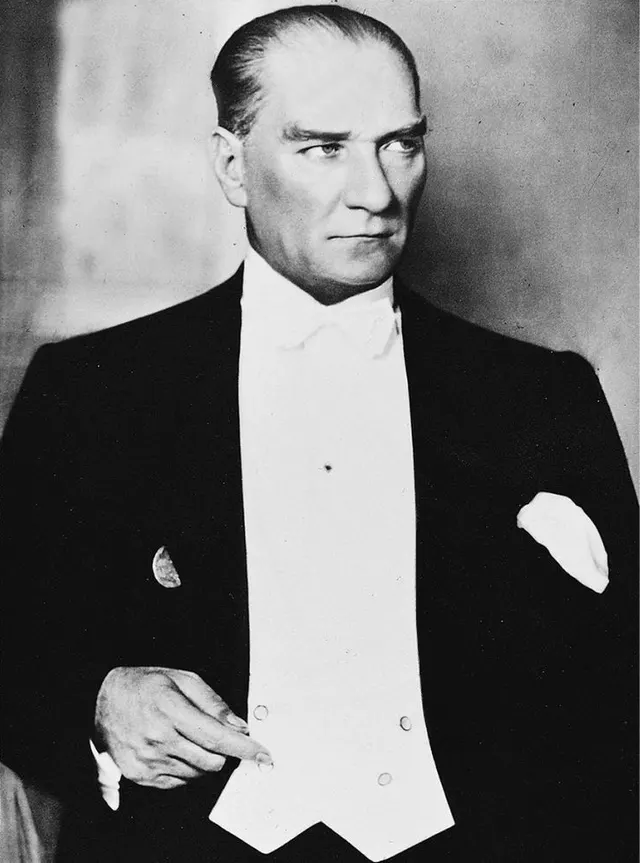
Mustafa Kemal Atatürk, who made Ankara the seat of the new Turkish state.Mustafa Kemal Atatürk, who made Ankara the seat of the new Turkish state.Image: Unknown authorUnknown author · Public domain
politics · Asia

Ankara replaces Istanbul as Turkey’s capital

Ankara was declared the capital of Turkey on 13 October 1923. Mustafa Kemal had set up the Grand National Assembly there on 23 April 1920, after Allied forces occupied Istanbul and shut down the Ottoman parliament, and the inland town had been the headquarters of the national movement ever since. By late 1923 the war was won, the sultanate abolished and the Treaty of Lausanne signed. Moving the capital away from the old imperial city on the straits was a statement about what the new state intended to be. The republic itself was proclaimed sixteen days later, on 29 October.

Source: Encyclopaedia Britannica: Ankara ↗
1943
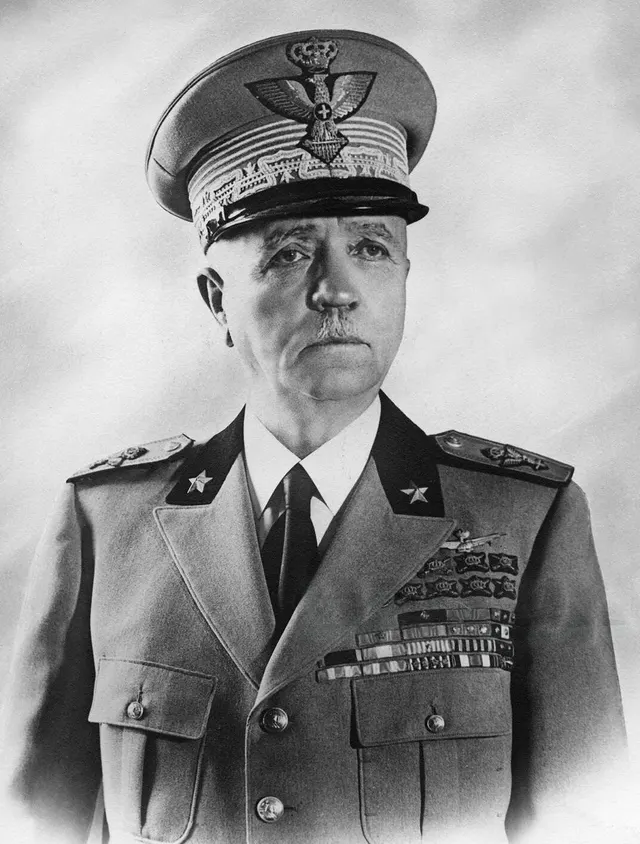
Marshal Pietro Badoglio, prime minister of Italy in 1943.Marshal Pietro Badoglio, prime minister of Italy in 1943.Image: Unknown authorUnknown author · Public domain
world · Europe

Italy turns and declares war on Germany

Italy declared war on Germany on 13 October 1943, under an agreement Marshal Pietro Badoglio had made with Eisenhower on 29 September. Italy had signed an armistice with the Allies on 3 September, announced on the 8th, and Badoglio had already dissolved the Fascist Party. Switching sides did not free the country. German forces had moved into Rome and most of central and northern Italy within days of the armistice, and Kesselring was being reinforced. Italy became a co-belligerent rather than an ally, and the fighting up the peninsula went on until the last weeks of the war in Europe.

Source: Encyclopaedia Britannica: World War II, the Allies’ invasion of Italy and the Italian volte-face, 1943 ↗
1970
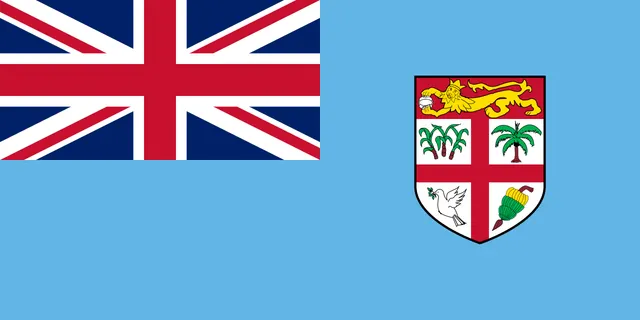
The flag of Fiji.The flag of Fiji.Image: Tessa Mackenzie · Public domain
politics · Oceania

Fiji takes its seat at the United Nations

Fiji was admitted to membership of the United Nations on 13 October 1970, three days after becoming independent of Britain. It was a quick turnaround even by the standards of decolonisation, and it gave a country of fewer than 550,000 people the same seat in the General Assembly as any other member.

Source: United Nations Digital Library: Admission of Fiji to membership in the United Nations ↗
WHY THESE MOMENTS?

Significance before volume

This page is not the longest possible list of events. It is a chronological journey through 13 October, where each entry is chosen for historical significance, human interest and reliability.

Facts are checked against authoritative museums, archives, universities and reference works. Where sources disagree, the page says so.

EXPLORED THE DEEPER STORY?

Return to the highlights of 13 October

Discover the lighter side of the date with famous birthdays, culture, firsts and lives remembered.

Explore This Day →
← PREVIOUS DAY12 October
HISTORY & TIMELINE13 October
NEXT DAY →14 October