
HISTORY & TIMELINE
14 October

A journey through
14 October in history

From a shield wall on a Sussex ridge in 1066 to a man falling faster than sound from the edge of the stratosphere, 14 October has repeatedly been a day when something long prepared finally happened. This timeline follows the date across nearly a thousand years.

JUMP THROUGH TIME
II
THE MIDDLE AGES

Medieval History

Kingdoms, conflict, faith, power and the changing medieval world.

1066
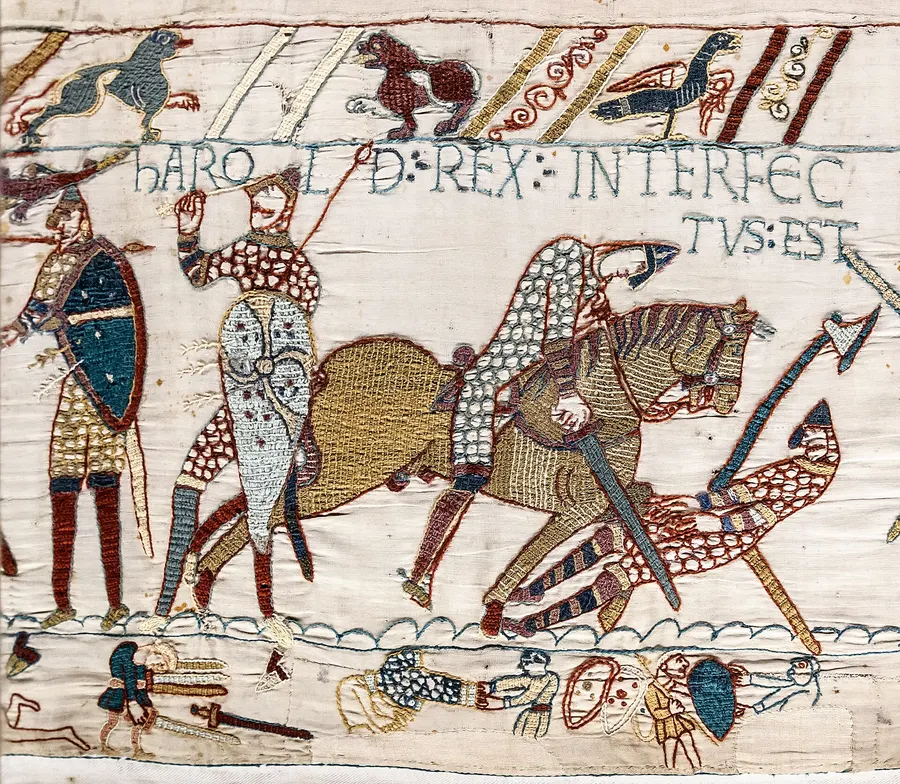
The scene in the Bayeux Tapestry recording the death of King Harold.The scene in the Bayeux Tapestry recording the death of King Harold.Image: Myrabella · Public domain
world · Europe

England changes hands in a single day

The fighting began at dawn on 14 October 1066 on a ridge about ten miles north-west of Hastings, and it went on all day - unusual for a medieval battle, where one side normally broke within hours. Duke William of Normandy had landed at Pevensey in late September with a few thousand men; Harold Godwinson had been crowned in January, on the strength of a deathbed nomination from Edward the Confessor, and had just marched the length of England after beating off a Norwegian invasion in Yorkshire. The two armies were closely matched, and Harold’s shield wall held for most of the day. What broke it, according to the Norman accounts, was a feigned retreat: English soldiers chased the retreating Normans downhill and left gaps that the cavalry rode into. The Bayeux Tapestry shows Harold falling late in the afternoon. William was crowned at Westminster on Christmas Day, and the language, landholding and ruling class of England were remade within a generation.

Source: English Heritage: What happened at the Battle of Hastings ↗
V
THE TWENTIETH CENTURY

The 1900s

War and peace, technological leaps, social change, politics, sport and popular culture.

1913
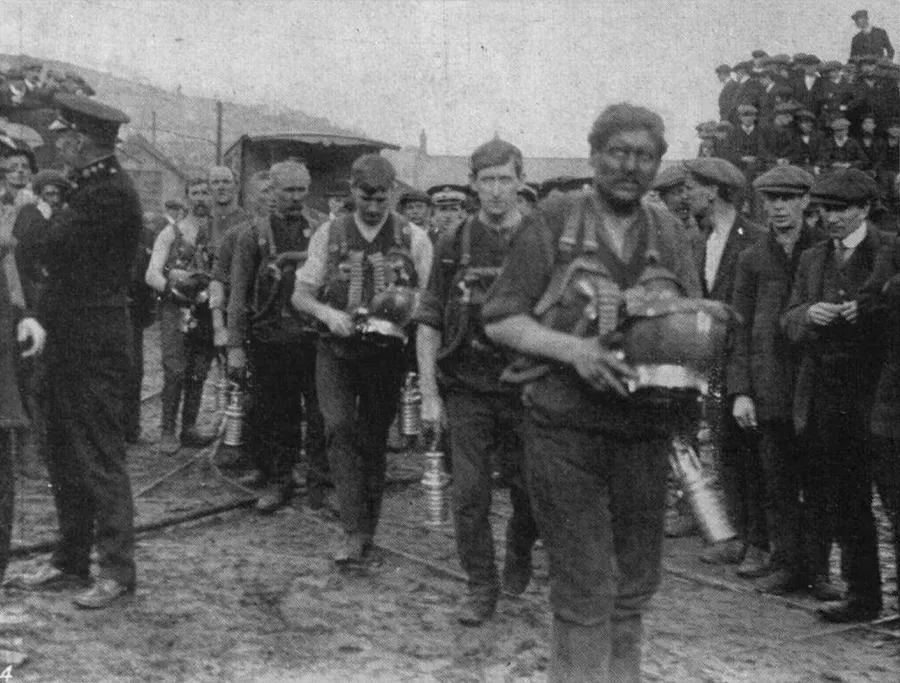
Men at the pit head at Senghenydd, photographed for the Illustrated London News after the explosion of October 1913.Men at the pit head at Senghenydd, photographed for the Illustrated London News after the explosion of October 1913.Image: Unclear. There are five photographs on the page, and the newspaper states "Photographs by Topical, CN, Illustrations Bureau and Record Press" · Public domain
world · Europe

Britain’s worst mining disaster

At ten past eight on the morning of 14 October 1913, the day shift at the Universal Colliery in Senghenydd, in the Aber valley north of Caerphilly, had just started work when an explosion tore through the workings. The blast was strong enough to throw the two-ton cage up the Lancaster shaft into the headgear above it. Of the 950 men underground, 439 died. It remains the worst mining disaster in British history. The men on the east side of the pit were brought up alive. The west side burned, and very few came out of it; some bodies were never recovered. The inquiry could not establish what had ignited the firedamp, but it did establish that safety requirements had not been met, and the manager was fined a sum that a Welsh newspaper reduced to a famous arithmetic: the miners’ lives had been valued at about fivepence-halfpenny each. The village had already lost 81 men in an explosion at the same colliery in 1901.

Source: Museum Wales: the Government enquiry into the 1913 Senghenydd mine disaster ↗
1939
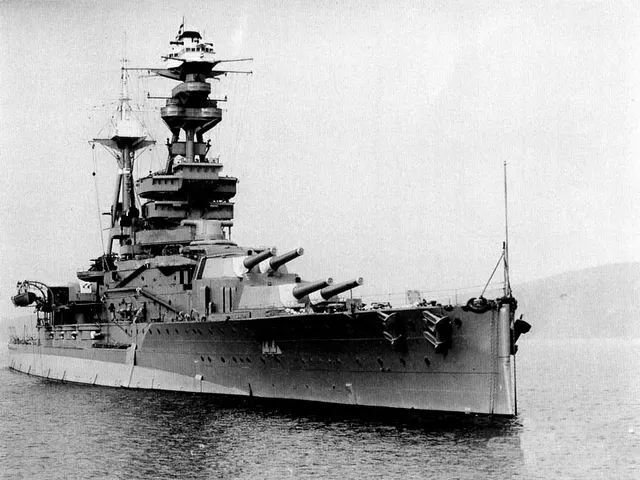
HMS Royal Oak, sunk at her moorings in Scapa Flow in October 1939.HMS Royal Oak, sunk at her moorings in Scapa Flow in October 1939.Image: Royal Navy photographer · Public domain
world · Europe

A U-boat slips into Scapa Flow

In the early hours of 14 October 1939 the German submarine U-47, commanded by Günther Prien, found a way past the blockships guarding the Royal Navy’s anchorage at Scapa Flow in Orkney and torpedoed the battleship HMS Royal Oak as she lay at anchor. The first salvo did little; the second tore the ship open and she rolled over and sank in under fifteen minutes. Of a complement of 1,234, some 833 men and boys were killed. Prien got his submarine out again and was made a national hero in Germany. The wreck is a designated war grave, and a Royal Navy diving team still changes the ensign on it each year.

Source: Royal Navy: victims of the Royal Oak honoured with a new monument ↗
1943
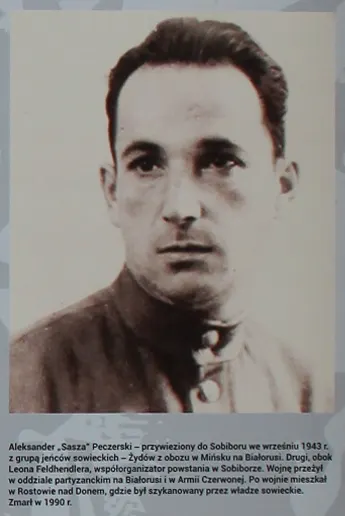
Alexander Pechersky, the Red Army officer who planned the Sobibor revolt.Alexander Pechersky, the Red Army officer who planned the Sobibor revolt.Image: Poeticbent (Crop from photograph uploaded - below) · CC BY-SA 4.0
world · Europe

The revolt at Sobibor

At about four in the afternoon of 14 October 1943 the prisoners of the Sobibor killing centre in occupied Poland rose against their guards. A committee led by Leon Feldhendler had been planning an escape; when a transport of Soviet Jewish prisoners of war arrived from Minsk in September, they turned to Lieutenant Alexander Pechersky, who worked out the details. Eleven SS men were killed, including the deputy commandant. Close to three hundred prisoners got through the wire and across the minefield, but only about fifty survived the war. The Germans closed and demolished the camp soon afterwards. It was one of only two successful uprisings in a Nazi camp.

Source: United States Holocaust Memorial Museum: Sobibor uprising ↗
1947
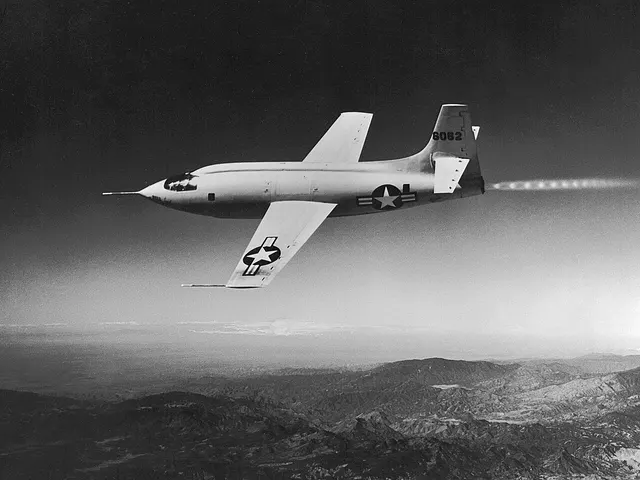
The Bell X-1 'Glamorous Glennis', the first aircraft to fly faster than sound.The Bell X-1 ‘Glamorous Glennis’, the first aircraft to fly faster than sound.Image: NASA · Public domain
science · Americas

Faster than sound, with two broken ribs

On 14 October 1947 a small orange aircraft shaped like a rifle bullet was dropped from the bomb bay of a B-29 over Rogers Dry Lake in the Californian desert. Captain Charles ‘Chuck’ Yeager lit its rocket engine and took it through Mach 1, reaching about 700 miles an hour. He had broken two ribs falling off a horse the previous weekend and had not told his superiors; a sawn-off broom handle let him close the hatch. Engineers had feared a physical ‘barrier’ that would shake an aircraft to pieces. The crossing turned out to be almost undramatic, largely because the X-1’s all-moving tailplane kept the controls working where a conventional elevator would have stopped responding. The whole flight, from release to landing, lasted fourteen minutes. Yeager had named the aircraft Glamorous Glennis after his wife; it now hangs in the National Air and Space Museum.

Source: Smithsonian National Air and Space Museum: Chuck Yeager broke the sound barrier in the Bell X-1 ↗
1956
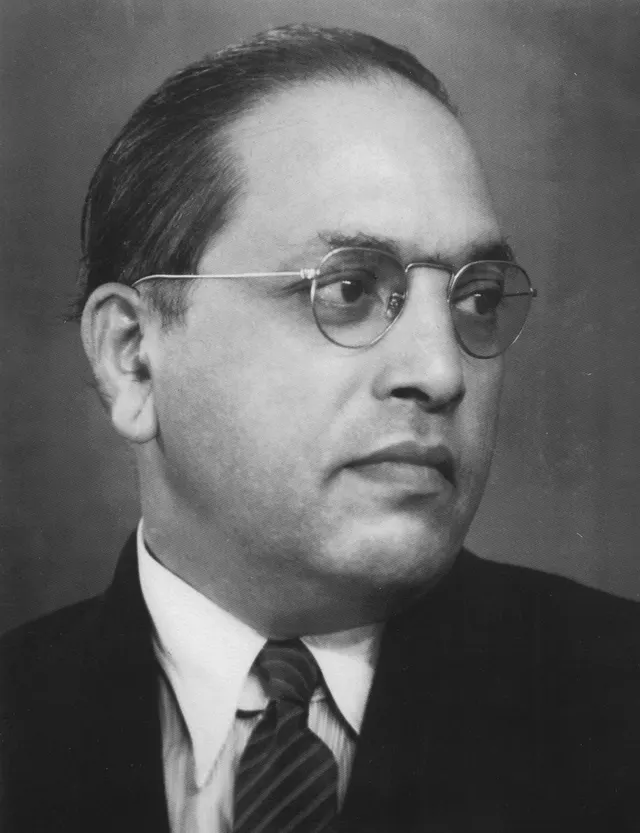
B. R. Ambedkar, principal architect of India's constitution.B. R. Ambedkar, principal architect of India’s constitution.Image: Unknown authorUnknown author · Public domain
culture · Asia

Ambedkar and a crowd of thousands become Buddhists

B. R. Ambedkar had said in 1935 that though he was born a Hindu he would not die one. On 14 October 1956, at a ground in Nagpur that is now called Deekshabhoomi, he made good on it: he took the vows of a Buddhist, and around him so did a crowd usually counted in the hundreds of thousands, most of them Dalits from his own Mahar community. Ambedkar had been the principal draughtsman of the constitution of independent India, which outlawed untouchability on paper. He had concluded that the caste order would not yield to law alone, and that a religion which did not recognise caste at all was the way out. He chose Nagpur deliberately and explained why in a speech the following morning. He died less than two months later, on 6 December 1956.

Source: Columbia University Libraries: Ambedkar - conversion to Buddhism ↗
1962
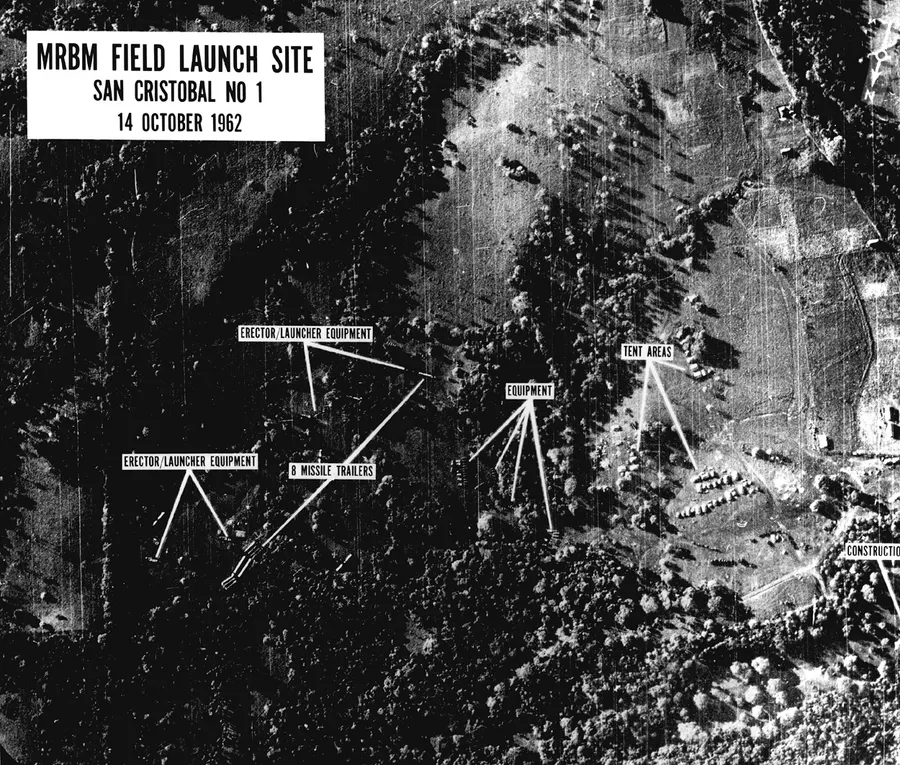
A U-2 reconnaissance photograph of a missile site in Cuba, October 1962.A U-2 reconnaissance photograph of a missile site in Cuba, October 1962.Image: Unknown Lockheed U-2 pilot · Public domain
politics · Americas

A U-2 photographs the missile sites in Cuba

On the cloudless morning of 14 October 1962 an American U-2 flown by Major Richard Heyser crossed western Cuba and photographed the ground near San Cristóbal. The film took about a day to be developed, delivered and read; by the evening of 15 October the analysts at the National Photographic Interpretation Center were certain they were looking at Soviet medium-range ballistic missile sites under construction. President Kennedy was told the next morning. The thirteen days that followed brought the two nuclear powers closer to using their weapons than at any other point in the Cold War.

Source: National Archives (US): aerial photograph of missiles in Cuba, 1962 ↗
1964
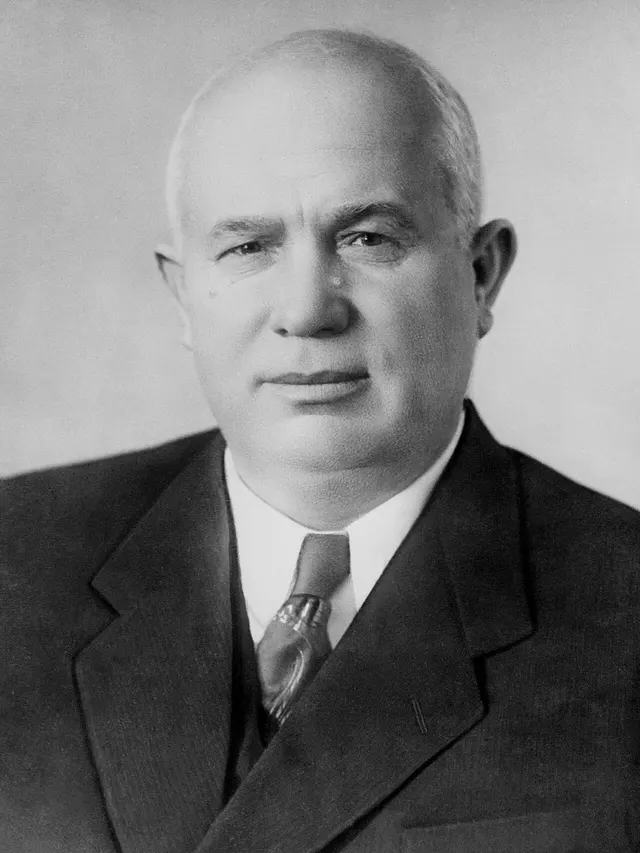
Nikita Khrushchev, leader of the Soviet Union from 1953 until October 1964.Nikita Khrushchev, leader of the Soviet Union from 1953 until October 1964.Image: TASS · Public domain
politics · Europe

The Kremlin removes Khrushchev

Nikita Khrushchev was on holiday by the Black Sea when he was summoned back to Moscow. On 14 October 1964 the party Presidium and then the Central Committee voted to accept his ‘request’ to retire, on grounds of advanced age and poor health. He was 70, and the request was not his. Leonid Brezhnev, whom he had promoted, took the party leadership; Alexei Kosygin took the government. The charge sheet was long: the failure of the farm campaigns, the split with China, the humiliating end of the Cuban missile crisis and, above all, what his colleagues called his arbitrary way of doing business. What was new was the ending. The man who had denounced Stalin in 1956 was not shot or imprisoned but pensioned off to a dacha, where he dictated his memoirs. For the Soviet Union it was the start of eighteen years of Brezhnev.

Source: Encyclopaedia Britannica: Nikita Khrushchev, leadership of the Soviet Union ↗
1964
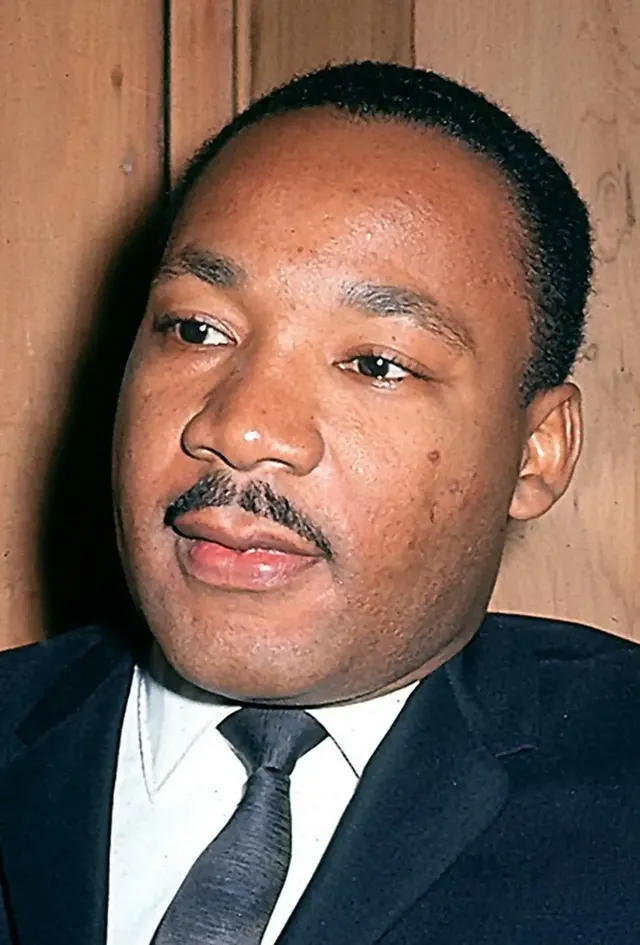
Martin Luther King Jr., awarded the Nobel Peace Prize in 1964.Martin Luther King Jr., awarded the Nobel Peace Prize in 1964.Image: Associated Press · Public domain
politics · Americas

A phone call to a hospital room in Atlanta

Martin Luther King Jr. had checked into an Atlanta hospital simply to rest. On the morning of 14 October 1964 his wife Coretta telephoned to tell him that the Norwegian Nobel Committee had given him that year’s Peace Prize, for his non-violent struggle for the civil rights of Black Americans. He was 35, the youngest man to have received it at that point. The award came fifteen months after the March on Washington and three months after the Civil Rights Act was signed. King went to Oslo in December and accepted the prize not for himself but, as he put it, for the people of a movement he called a mighty army of love. The prize money went straight to the movement.

Source: The Nobel Prize: the Nobel Peace Prize 1964 ↗
1968
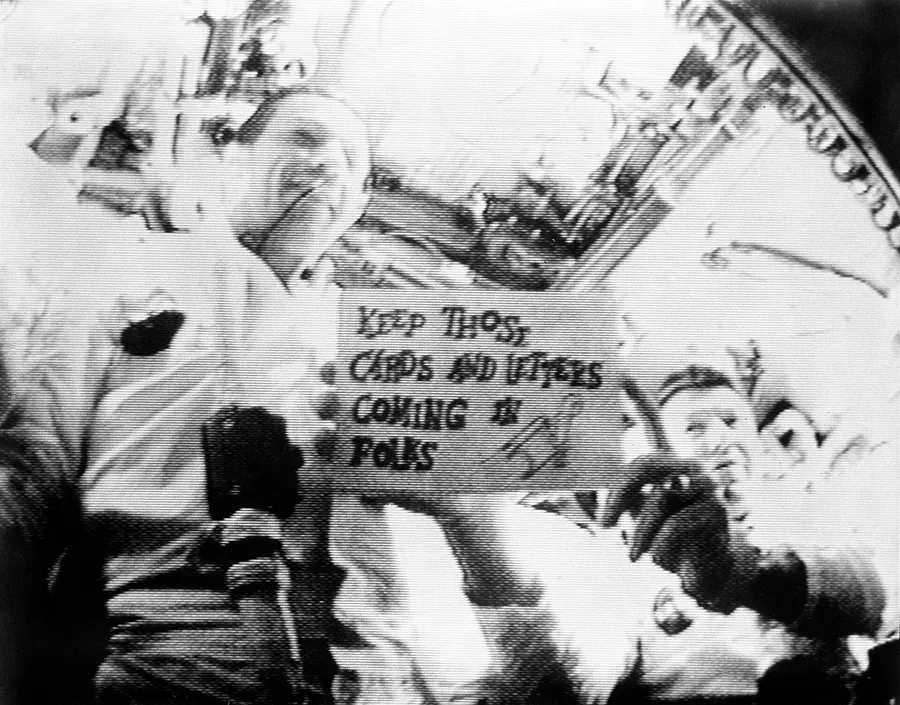
An Apollo 7 crewman holds up one of the handwritten cue cards used in the first live television broadcast from an American spacecraft.An Apollo 7 crewman holds up one of the handwritten cue cards used in the first live television broadcast from an American spacecraft.Image: NASA · Public domain
science · Americas

Live from the lovely Apollo room

Apollo 7 was the first crewed flight of the Apollo programme, sent up on 11 October 1968 to prove the redesigned command module after the launch-pad fire that had killed three astronauts the year before. On 14 October, about seventy-two hours into the mission, Wally Schirra, Donn Eisele and Walt Cunningham switched on a small camera and gave the first live television broadcast from an American spacecraft. The transmission had to be timed for a pass over the United States, because only the ground stations in Texas and Florida could turn the signal into something a network could show. The crew held up handwritten cue cards - ‘From the lovely Apollo room high atop everything’ - and the broadcasts became a fixture of the mission. Nine months later the same equipment carried pictures from the Moon.

Source: NASA: 50 years ago, ‘Live from the Apollo Room’ ↗
VI
2000 TO TODAY

Modern Day

The events of recent decades that have already become part of the historical record.

2012
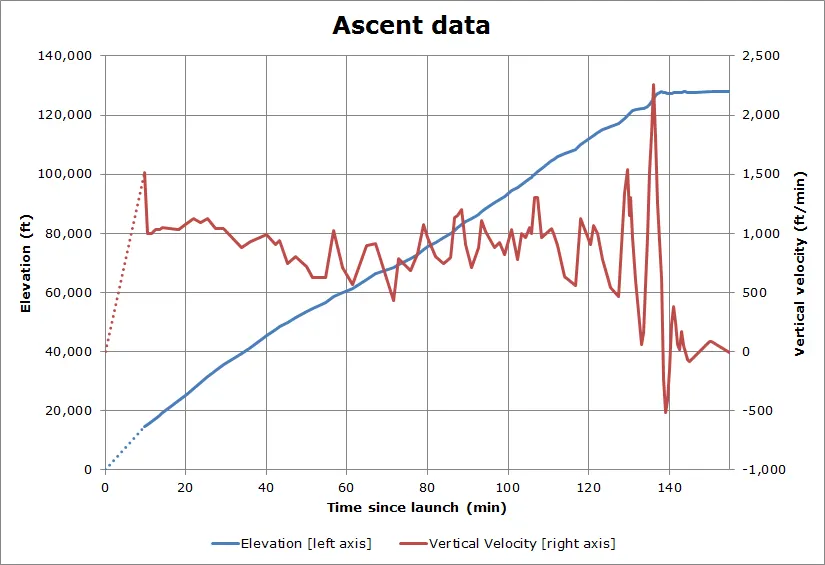
A diagram of the Red Bull Stratos ascent, showing the balloon's climb to the jump altitude.A diagram of the Red Bull Stratos ascent, showing the balloon’s climb to the jump altitude.Image: LukeSurl · Public domain
sport · Americas

A man falls faster than sound

On 14 October 2012 the Austrian parachutist Felix Baumgartner rode a pressurised capsule under a helium balloon to about 39 kilometres above New Mexico, stepped off and fell. Part of the descent was a violent flat spin; he came out of it, opened the parachute and landed on his feet in the desert. Millions watched it live online. The World Air Sports Federation later ratified a maximum vertical speed of 1,357.6 kilometres an hour, which made him the first person to pass the speed of sound in free fall without an aircraft around him. The capsule, pressure suit and parachute are now in the Smithsonian’s National Air and Space Museum.

Source: World Air Sports Federation (FAI): Baumgartner’s records ratified ↗
RESEARCH

Sources & Further Reading

Selected authoritative references supporting the events on this page.

WHY THESE MOMENTS?

Significance before volume

This page is not the longest possible list of events. It is a chronological journey through 14 October, where each entry is chosen for historical significance, human interest and reliability.

Facts are checked against authoritative museums, archives, universities and reference works. Where sources disagree, the page says so.

EXPLORED THE DEEPER STORY?

Return to the highlights of 14 October

Discover the lighter side of the date with famous birthdays, culture, firsts and lives remembered.

Explore This Day →
← PREVIOUS DAY13 October
HISTORY & TIMELINE14 October
NEXT DAY →15 October