
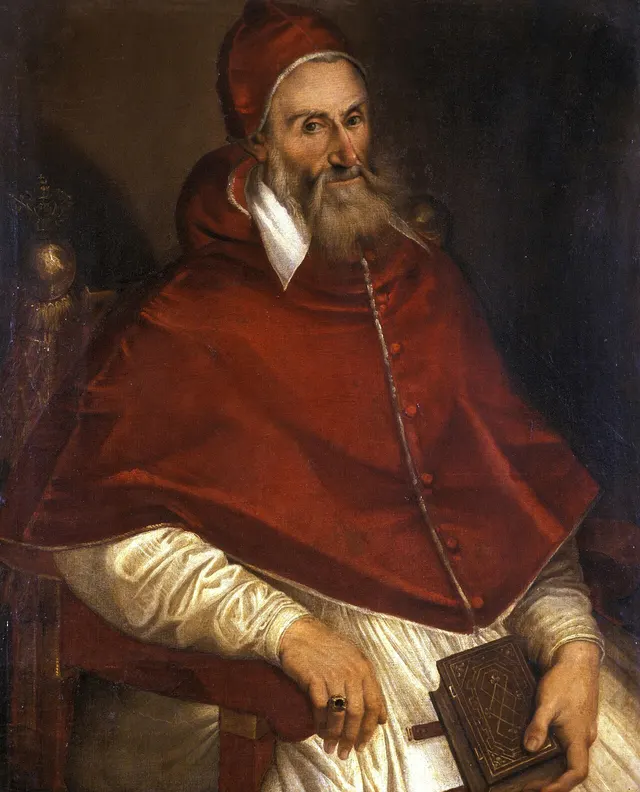
 Pope Gregory XIII, who gave his name to the calendar most of the world now uses.Image: Attributed to Bartolomeo Passarotti · Public domain
The day after the fourth of October was the fifteenth
In the Catholic countries of Europe, 15 October 1582 was the day that followed 4 October 1582. Ten dates in between simply did not exist. The papal bull Inter gravissimas, issued in February that year, had ordered them struck out to drag the spring equinox back to 21 March, where the Church’s calculation of Easter assumed it would be. The problem was arithmetic. Julius Caesar’s calendar made the year about eleven minutes too long, which sounds harmless and adds up to roughly a day every 314 years. Over sixteen centuries it had pushed the equinox ten days out of place. The new scheme kept leap years but dropped three of them every four hundred years, and October was chosen because nothing important in the Church’s year would be lost. Protestant and Orthodox states refused to take instruction from Rome, so Europe kept two calendars for centuries; Britain and its colonies did not change until 1752.
Source: Encyclopaedia Britannica: Gregorian calendar ↗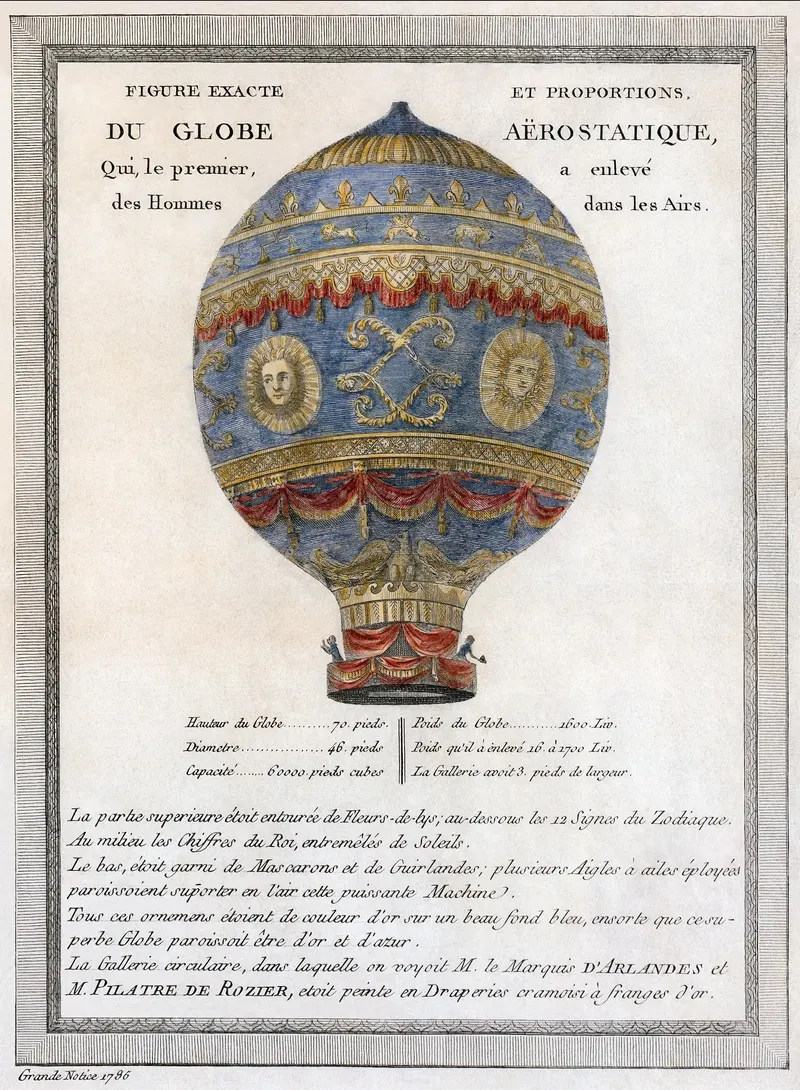 A 1783 print of a Montgolfier balloon ascent.Image:
 Longwood House on St Helena, where Napoleon lived from December 1815 until his death.Image:
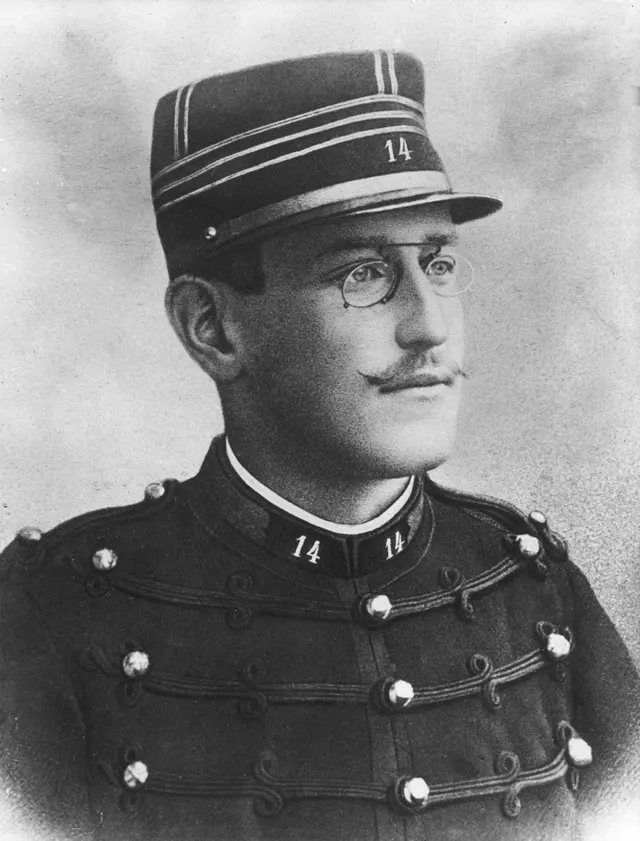 Captain Alfred Dreyfus, arrested in Paris in October 1894.Image:
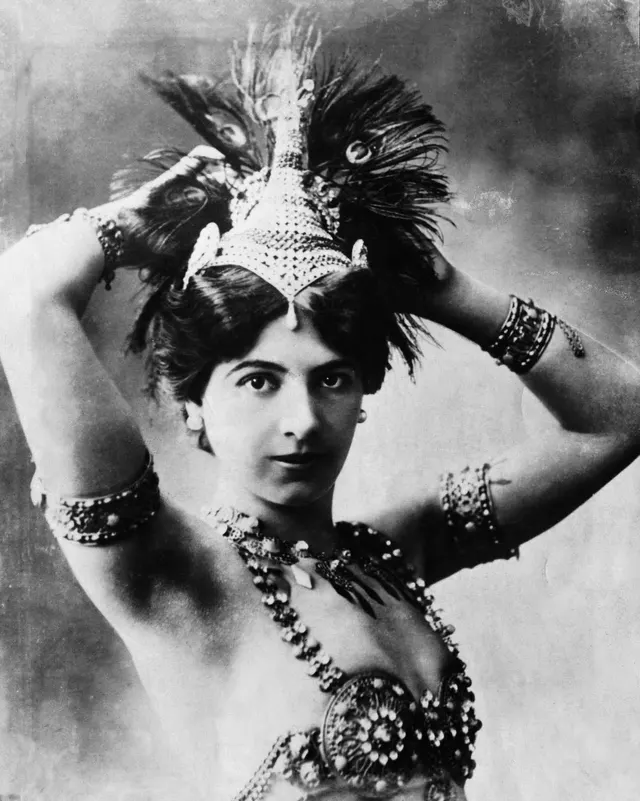 Margaretha Zelle, who performed as Mata Hari.Image:
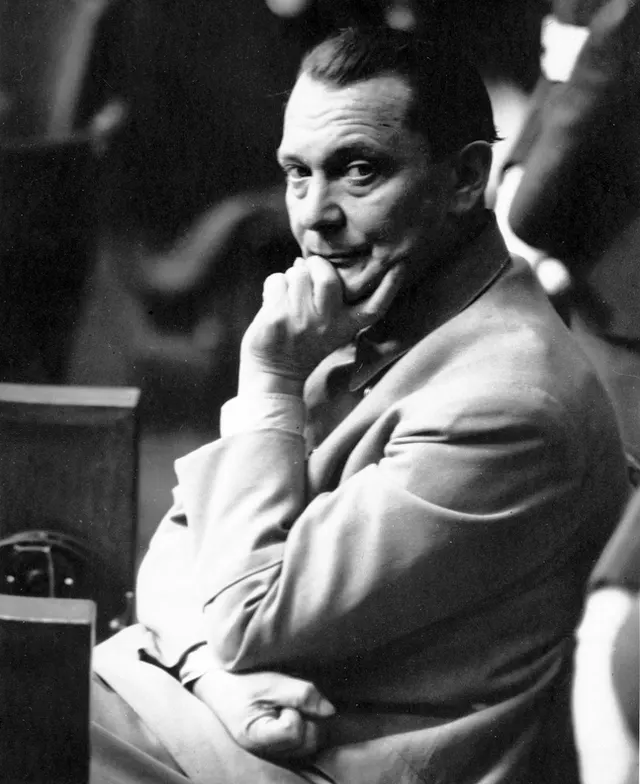 Hermann Göring in the dock at Nuremberg.Image:
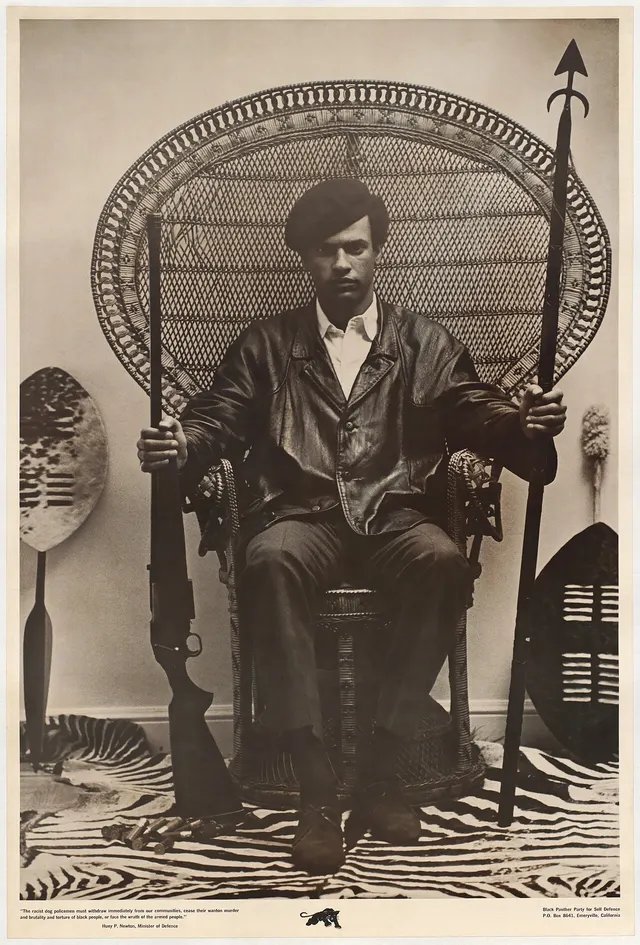 Huey P. Newton, co-founder of the Black Panther Party.Image:
 Thomas Sankara, president of Burkina Faso from 1983 to 1987, photographed in New York in 1984.Image:
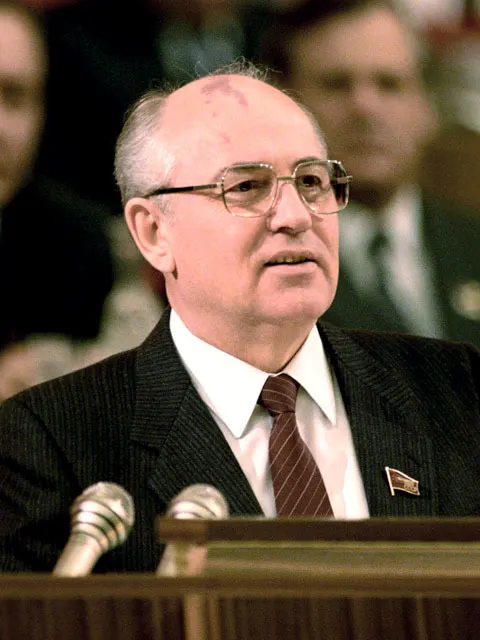 Mikhail Gorbachev, Soviet leader from 1985 to 1991.Image:
 Yang Liwei, the first Chinese astronaut to reach orbit.Image: