Explore 15 October

Explore 15 October: ten days vanish from the calendar of Catholic Europe, Napoleon steps ashore on a rock in the South Atlantic, a French artillery captain is arrested on a charge that will split his country in two, and a young African president is shot in the city he had renamed. Meet Friedrich Nietzsche, Michel Foucault and Abdul Kalam, born on this date.

This day through time →10 verified events across 4 eras

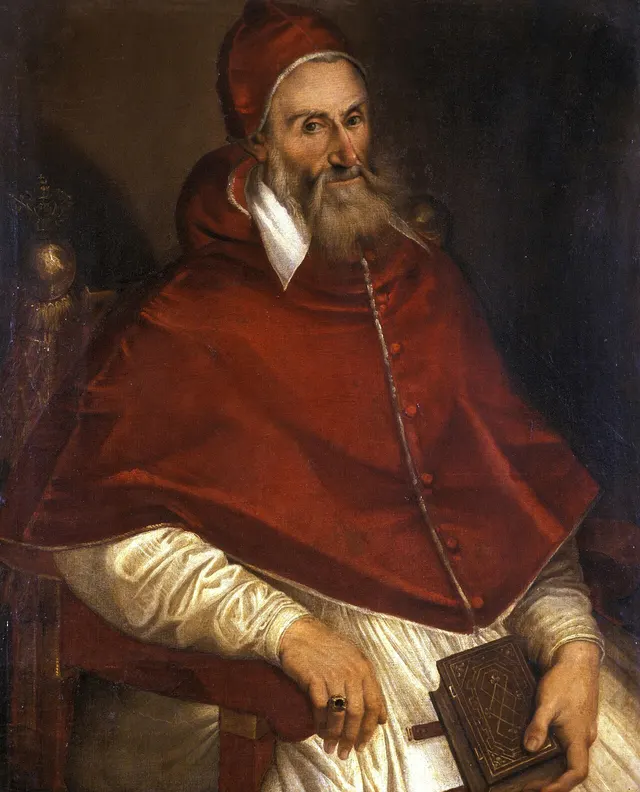
Pope Gregory XIII, who gave his name to the calendar most of the world now uses.
Image creditAttributed to Bartolomeo Passarotti · Public domainResized and cropped for display.

The day after the fourth of October was the fifteenth

In the Catholic countries of Europe, 15 October 1582 was the day that followed 4 October 1582. Ten dates in between simply did not exist. The papal bull Inter gravissimas, issued in February that year, had ordered them struck out to drag the spring equinox back to 21 March, where the Church’s calculation of Easter assumed it would be.

The problem was arithmetic. Julius Caesar’s calendar made the year about eleven minutes too long, which sounds harmless and adds up to roughly a day every 314 years. Over sixteen centuries it had pushed the equinox ten days out of place. The new scheme kept leap years but dropped three of them every four hundred years, and October was chosen because nothing important in the Church’s year would be lost. Protestant and Orthodox states refused to take instruction from Rome, so Europe kept two calendars for centuries; Britain and its colonies did not change until 1752.

Read the full storyHistory & Timeline →Source: Encyclopaedia Britannica: Gregorian calendar ↗
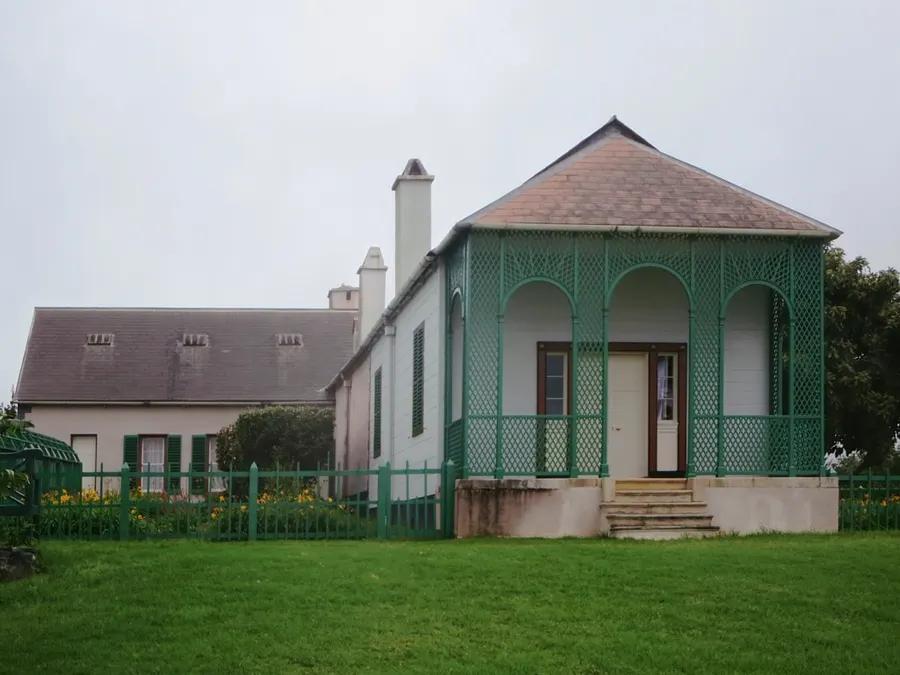
Longwood House on St Helena, where Napoleon lived from December 1815 until his death.
Image creditDavid Stanley from Nanaimo, Canada · CC BY 2.0Resized and cropped for display.

Napoleon arrives at the end of the world

Nine weeks after leaving British waters aboard HMS Northumberland, Napoleon Bonaparte reached St Helena on 15 October 1815. The island is a volcanic speck in the South Atlantic, roughly 1,900 kilometres from the nearest mainland, and it had been chosen precisely because nobody had ever escaped from it.

He had surrendered to the Royal Navy in July, after Waterloo, apparently expecting a country retirement in England. Instead he got a small household of followers - the Bertrands, the Montholons, General Gourgaud, the chamberlain Las Cases - and a damp former farmhouse called Longwood, which was not ready for him until December. He dictated his memoirs there, quarrelled with the governor and died in May 1821, aged 51.

Read the full storyHistory & Timeline →Source: Fondation Napoléon: from Waterloo to the island of St Helena ↗
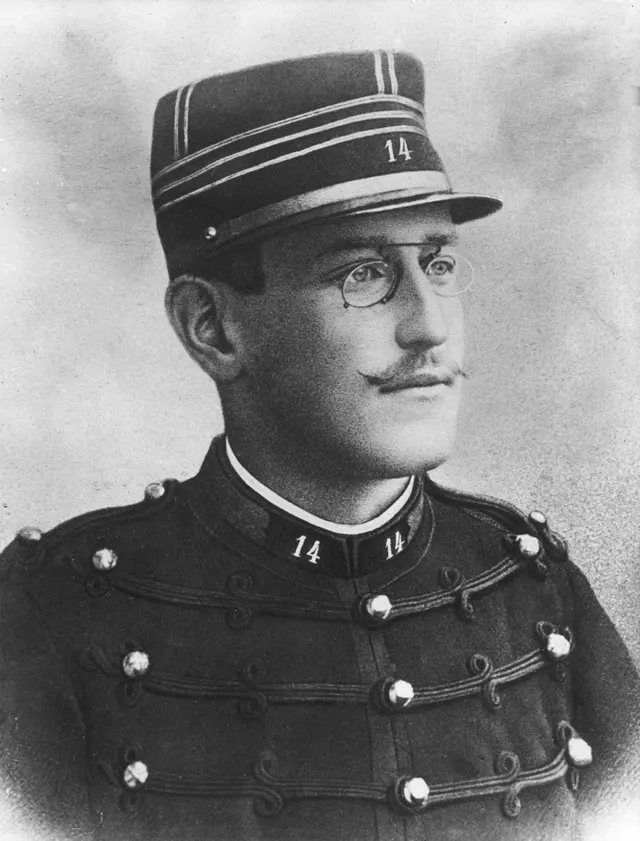
Captain Alfred Dreyfus, arrested in Paris in October 1894.
Image creditAron Gerschel · Public domainResized and cropped for display.

The arrest that split France

Captain Alfred Dreyfus, an artillery officer on the French general staff and an Alsatian Jew, was arrested on 15 October 1894 and accused of passing military secrets to the German embassy. The evidence was a torn-up memorandum found in a waste-paper basket and a handwriting comparison that several experts rejected. He was convicted in December, publicly stripped of his rank and sent to Devil’s Island off the coast of French Guiana.

The case did not close. Another officer, Major Ferdinand Walsin Esterhazy, was shown to have written the memorandum and was acquitted anyway; Émile Zola’s open letter ‘J’accuse’ in 1898 turned the matter into a national quarrel about the army, the Church, the republic and antisemitism. Dreyfus was tried again, pardoned, and finally cleared in 1906. He rejoined the army and served in the First World War.

Read the full storyHistory & Timeline →Source: United States Holocaust Memorial Museum: Alfred Dreyfus and the Dreyfus affair ↗
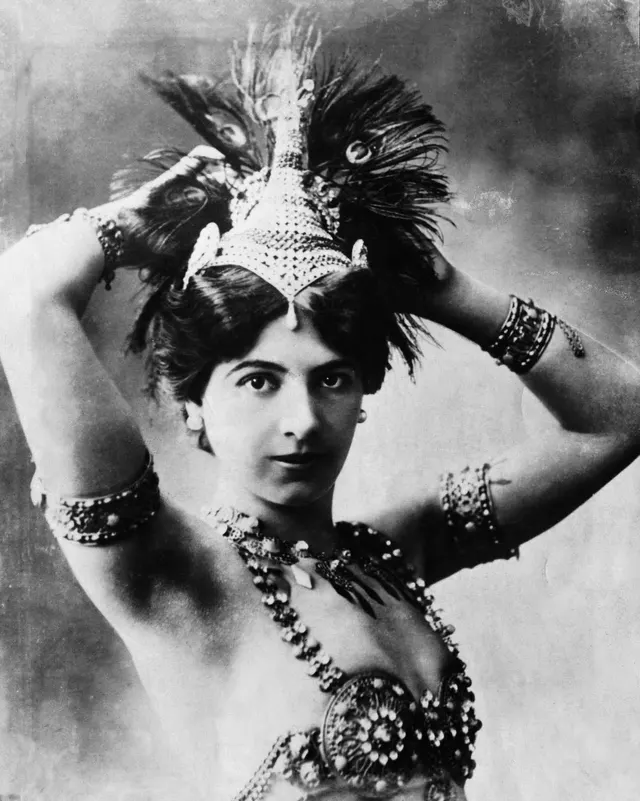
Margaretha Zelle, who performed as Mata Hari.
Image creditUnknown photographer · Public domainResized and cropped for display.

Mata Hari is shot at Vincennes

At dawn on 15 October 1917 a French firing squad shot Margaretha Zelle, a 41-year-old Dutchwoman who had made a career in Paris as the dancer Mata Hari. A military court had convicted her of spying for Germany in a two-day trial that July. She was arrested in February; the war was going badly, and France was looking for someone to blame.

What she actually did remains disputed. She had taken German money, and she had offered her services to the French; the German government publicly cleared her in 1930, and the files released by France in 2017 persuaded many historians that the case against her was thin. The legend of the exotic dancer-spy, which owes more to newspapers and films than to evidence, has outlasted almost everything that can be proved about her.

Read the full storyHistory & Timeline →Source: Encyclopaedia Britannica: Mata Hari ↗
Thomas Sankara, president of Burkina Faso from 1983 to 1987, photographed in New York in 1984.
Image creditThe Militant/ Ernest Harsch · Public domainResized and cropped for display.

The killing of Thomas Sankara

Thomas Sankara was 37 and had governed Upper Volta for four years, long enough to rename it Burkina Faso - ‘land of upright people’ - vaccinate millions of children, plant trees against the advancing desert, ban forced marriage and sell off the government’s Mercedes fleet. On 15 October 1987 he was shot dead in a coup led by Blaise Compaoré, who had been his closest colleague.

Compaoré governed for twenty-seven years and left only when the streets forced him out in 2014. The killing was not properly investigated until then. In 2022 a military court in Ouagadougou convicted Compaoré, tried in his absence, of complicity in Sankara’s murder and sentenced him to life imprisonment.

Read the full storyHistory & Timeline →Source: Encyclopaedia Britannica: Thomas Sankara ↗

♙
PEOPLE

Born Today

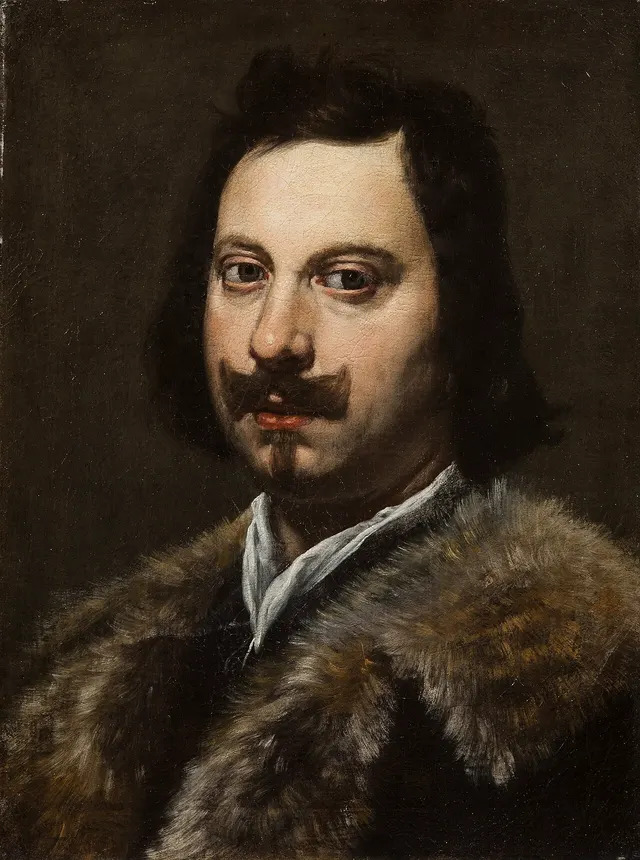
Evangelista Torricelli
Image creditLorenzo Lippi · Public domainResized and cropped for display.

Evangelista Torricelli

Italian physicist who invented the barometer and showed that the air has weight; the unit ‘torr’ is named after him.

Friedrich Nietzsche
Image creditFriedrich Hermann Hartmann · Public domainResized and cropped for display.

Friedrich Nietzsche

German philosopher whose writing on morality, religion and the self has shaped argument ever since, often in ways he would not have recognised.

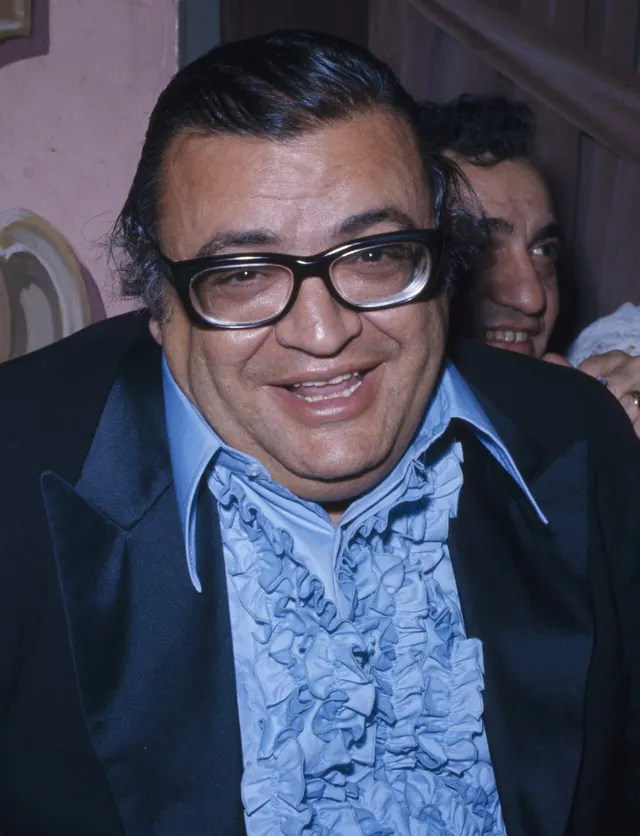
Mario Puzo
Image creditBernard Gotfryd · Public domainResized and cropped for display.

Mario Puzo

American novelist who wrote The Godfather and then co-wrote the screenplays that made it a film trilogy.

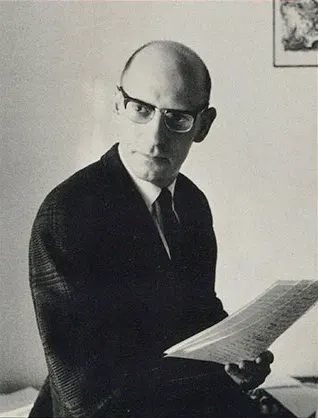
Michel Foucault
Image creditJerry Bauer · Public domainResized and cropped for display.

Michel Foucault

French philosopher and historian who studied how prisons, clinics and asylums shape what a society counts as normal.

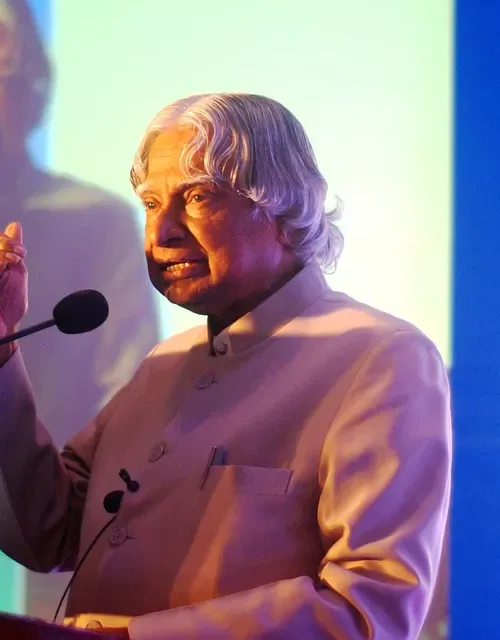
A. P. J. Abdul Kalam
Image creditPushkarv · CC BY 3.0Resized and cropped for display.

A. P. J. Abdul Kalam

Indian aerospace engineer who led the country’s missile and satellite launch programmes and served as president from 2002 to 2007.

Didier Deschamps
Image creditBryan Berlin · CC BY-SA 4.0Resized and cropped for display.

Didier Deschamps

French footballer and manager, and one of only three men to have won the World Cup as both captain and coach.

◉
IDEAS THAT CHANGED THINGS

Firsts, Science & Discoveries

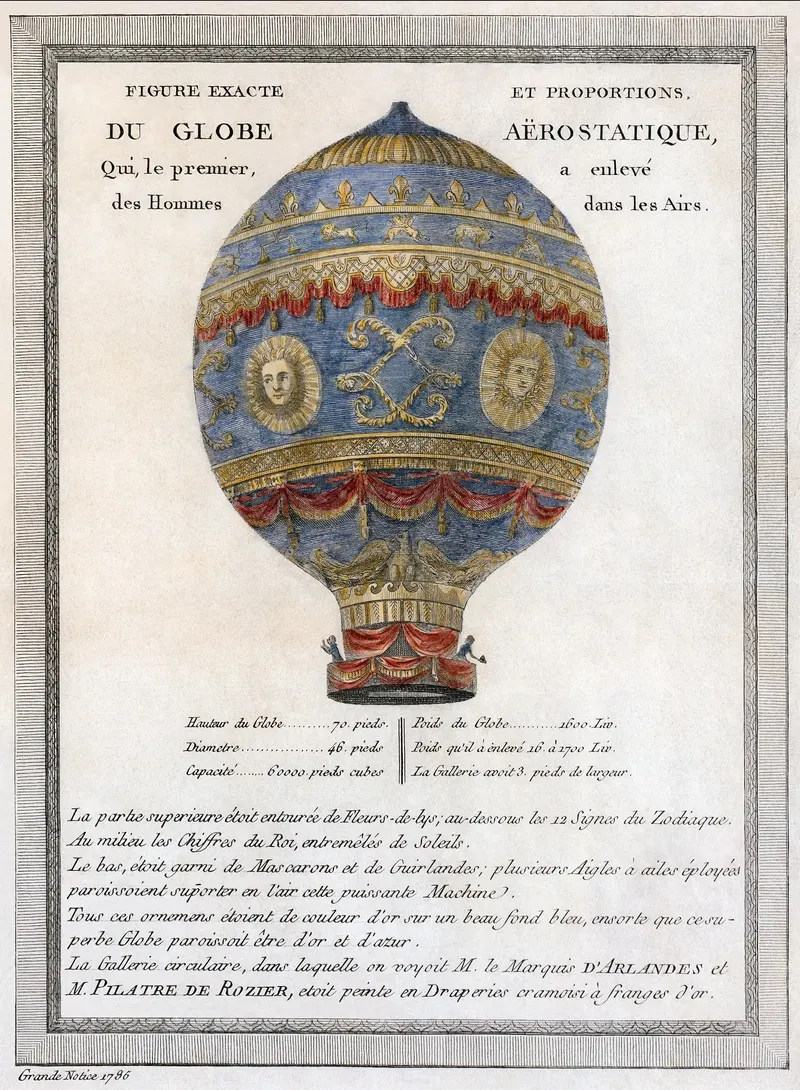
A 1783 print of a Montgolfier balloon ascent.
Image creditUnknown authorUnknown author · Public domainResized and cropped for display.

The first person to leave the ground

On 15 October 1783, in the garden of a Paris wallpaper works, a Montgolfier hot-air balloon rose to the end of its tether with a man aboard - the first time a human being had left the ground in flight. The balloon was held on ropes, the fire was fed from a brazier in the neck, and the whole thing came back down after a few minutes.

Accounts differ about who was in the basket. The Smithsonian Libraries credit Jacques-Étienne Montgolfier, one of the two papermaking brothers whose invention it was; other accounts give the honour to Jean-François Pilâtre de Rozier, the young physician who was certainly making tethered ascents that month and who, on 21 November 1783, made the first free flight over Paris with the Marquis d’Arlandes.

Read the full storyHistory & Timeline →Source: Smithsonian Libraries: age of the aeronaut ↗
Yang Liwei, the first Chinese astronaut to reach orbit.
Image creditDyor · CC BY-SA 3.0Resized and cropped for display.

China sends its first astronaut into orbit

Shenzhou 5 lifted off from the Jiuquan launch centre in the Gobi desert on 15 October 2003 carrying Yang Liwei, a 38-year-old air force pilot who had been told only the day before that he would be flying. He orbited the Earth fourteen times in twenty-one hours and came down by parachute in Inner Mongolia on 16 October.

It made China the third country to put a person into orbit under its own power, forty-two years after the Soviet Union and the United States. The programme had been in preparation since the 1990s and had already flown four uncrewed Shenzhou capsules. Yang became a national figure and later helped to run the programme that built China’s own space station.

Read the full storyHistory & Timeline →Source: NASA Space Science Data Coordinated Archive: Shenzhou 5 ↗
✦
LIVES REMEMBERED

Remembered Today

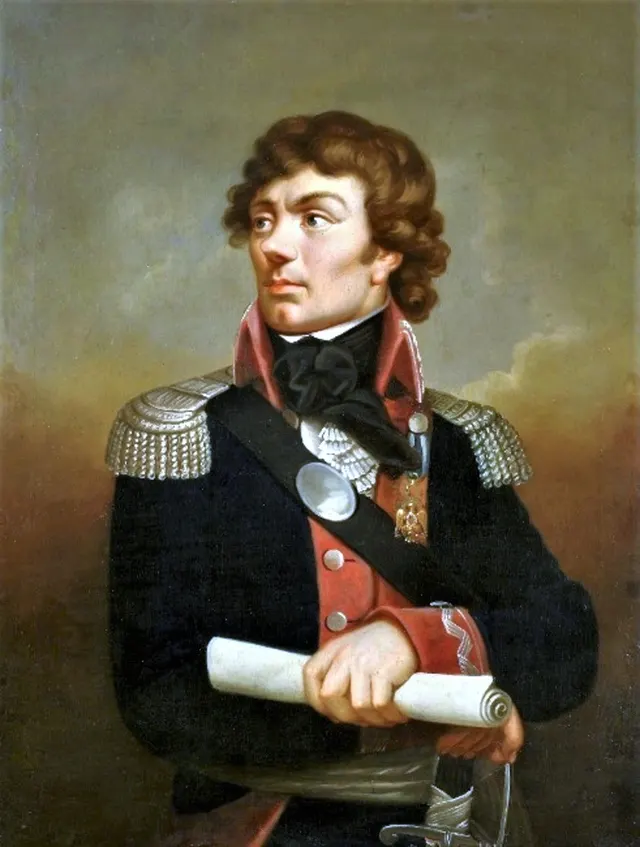
Tadeusz Kościuszko
Image creditKarl Gottlieb Schweikart · Public domainResized and cropped for display.

Tadeusz Kościuszko

Polish-Lithuanian engineer and general who fortified West Point for the American revolutionaries and later led an uprising in his own country.

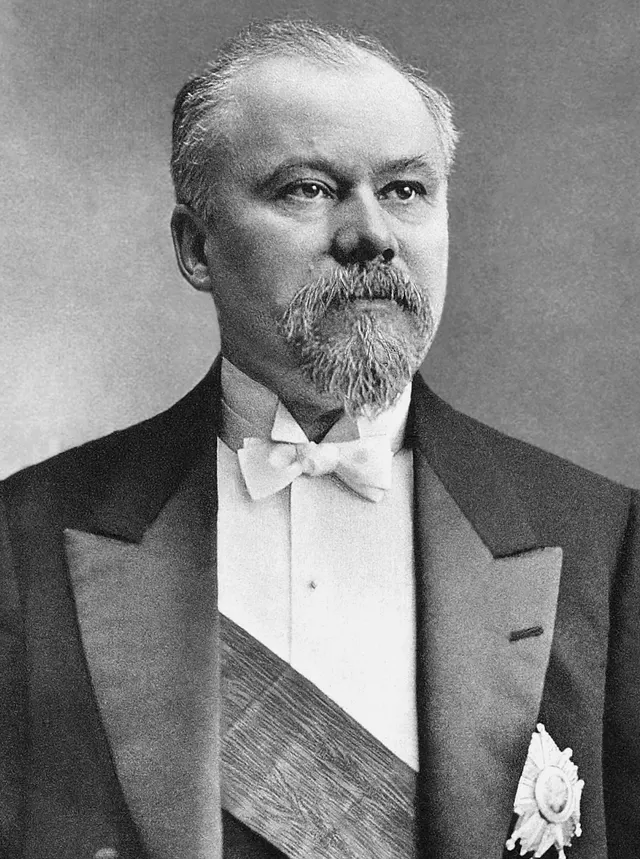
Raymond Poincaré
Image creditBraun · Public domainResized and cropped for display.

Raymond Poincaré

French president through the First World War and later prime minister, who stabilised the franc in the 1920s.

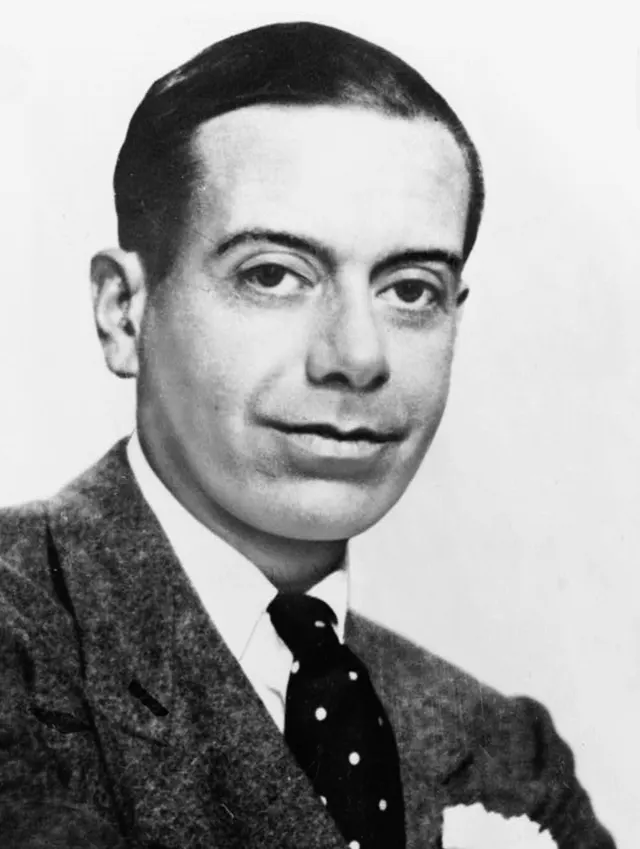
Cole Porter
Image creditunattributed, see link · Public domainResized and cropped for display.

Cole Porter

American songwriter of unusual wit, who wrote both words and music for Anything Goes and Kiss Me, Kate.

Paul Allen
Image creditMiles Harris · CC BY-SA 3.0Resized and cropped for display.

Paul Allen

American co-founder of Microsoft, who spent much of his later life funding brain science, museums and ocean exploration.

☉
AROUND THE WORLD

Observances & Anniversaries

Women working the land on an agroecological smallholding.
Image creditBerna Gaitán Otarán · CC BY-SA 4.0Resized and cropped for display.

International Day of Rural Women

The United Nations General Assembly created this day in December 2007 and it was first kept on 15 October 2008. It recognises the part rural and indigenous women play in growing food and holding rural economies together, and it falls deliberately on the eve of World Food Day.

Source: United Nations: International Day of Rural Women, background ↗
HISTORY & TIMELINE

Finished the highlights?

Follow 15 October chronologically, from the Middle Ages to the modern day, with 10 verified events and the sources behind them.

This day through time →