Explore 22 October

Explore 22 October: President Kennedy tells America about the missiles in Cuba, a Frenchman falls out of a balloon under the first parachute, Sam Houston is sworn in as president of Texas and a Soviet lander sends the first photograph from the surface of Venus.

This day through time →10 verified events across 4 eras

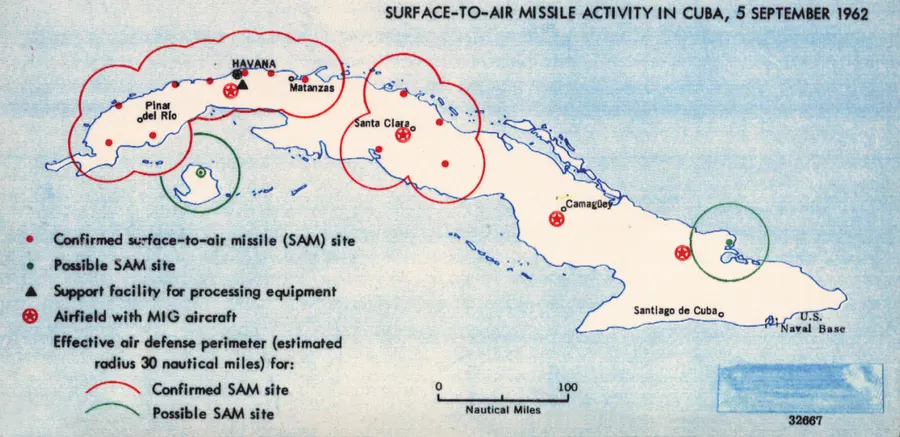
A United States intelligence map of surface-to-air missile activity in Cuba, dated 5 September 1962.
Image creditCentral Intelligence Agency from Washington, D.C. · Public domainResized and cropped for display.

Kennedy tells America about the missiles in Cuba

At seven in the evening on 22 October 1962 President John F. Kennedy went on radio and television to tell the American people that the Soviet Union had built launch sites for nuclear missiles in Cuba, ninety miles from Florida. He had known for a week; the country had not.

He announced a naval ‘quarantine’ of the island to stop any further military cargo reaching it, and set out a seven-part response that included stepped-up surveillance, reinforcement of the base at Guantánamo Bay and emergency meetings at the United Nations and the Organization of American States. Any missile launched from Cuba against a country in the Western Hemisphere, he said, would be treated as an attack by the Soviet Union on the United States.

The speech turned a secret crisis into a public one and began the most dangerous fortnight of the Cold War. The Soviet Union agreed to remove the missiles on 28 October.

Read the full storyHistory & Timeline →Source: John F. Kennedy Presidential Library: Address during the Cuban Missile Crisis ↗
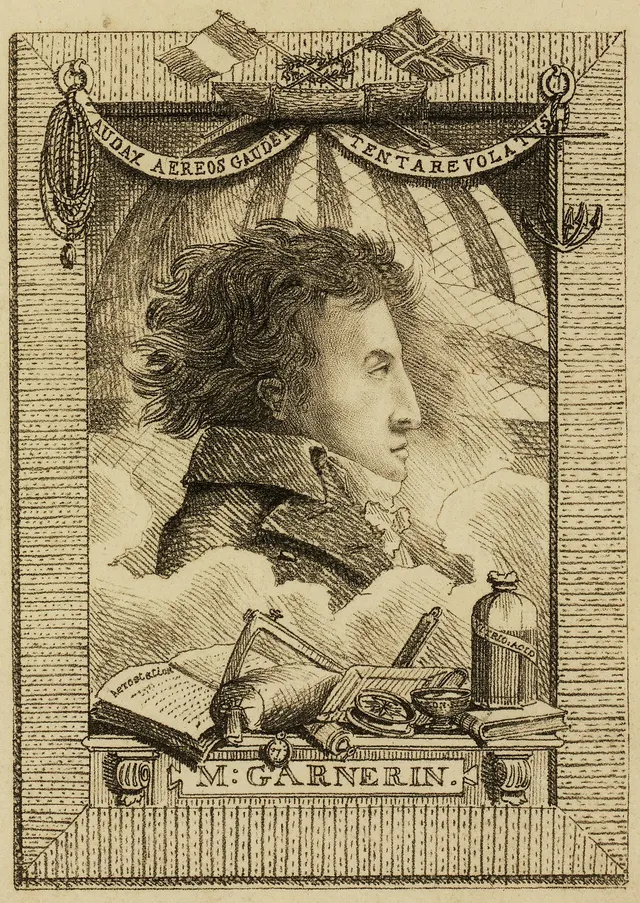
André-Jacques Garnerin in an engraved portrait of 1802, with a balloon behind him.
Image creditEdward Hawke Locker · Public domainResized and cropped for display.

The first parachute jump

On 22 October 1797 André-Jacques Garnerin rose over the Parc Monceau in Paris under a hydrogen balloon, cut himself loose at about a thousand metres and came down under a canvas parachute roughly seven metres across. It was the first recorded parachute descent by a person.

The canopy had no vent, so it swung violently on the way down and Garnerin was badly shaken by the time he landed — a problem later solved by cutting a hole in the top. A commemorative medal struck for the jump records the place and the date.

Read the full storyHistory & Timeline →Source: Smithsonian National Air and Space Museum: Medal, André-Jacques Garnerin ↗
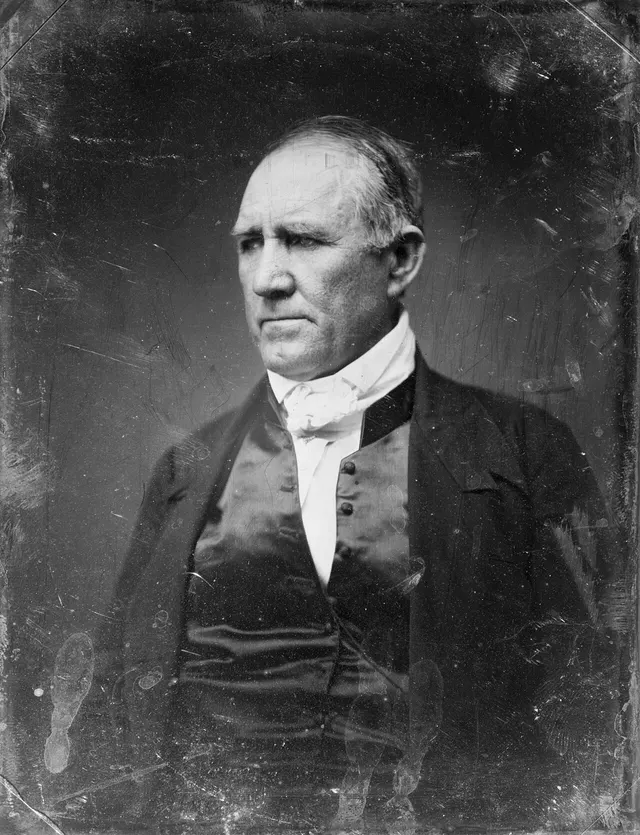
Sam Houston.
Sam Houston.
Image creditOldag07 (talk) · Public domainResized and cropped for display.

Sam Houston is sworn in as president of Texas

On 22 October 1836 Sam Houston took the oath of office before a joint session of the Texan Congress at Columbia, becoming the first elected president of the Republic of Texas. The ad interim government formed during the revolution came to an end the same day.

Houston had beaten Stephen F. Austin in the election. In his inaugural address he pressed the case for treaties with the Indian nations and for vigilance towards Mexico. His first term ran until December 1838.

Read the full storyHistory & Timeline →Source: Texas State Historical Association: Inauguration of Sam Houston ↗
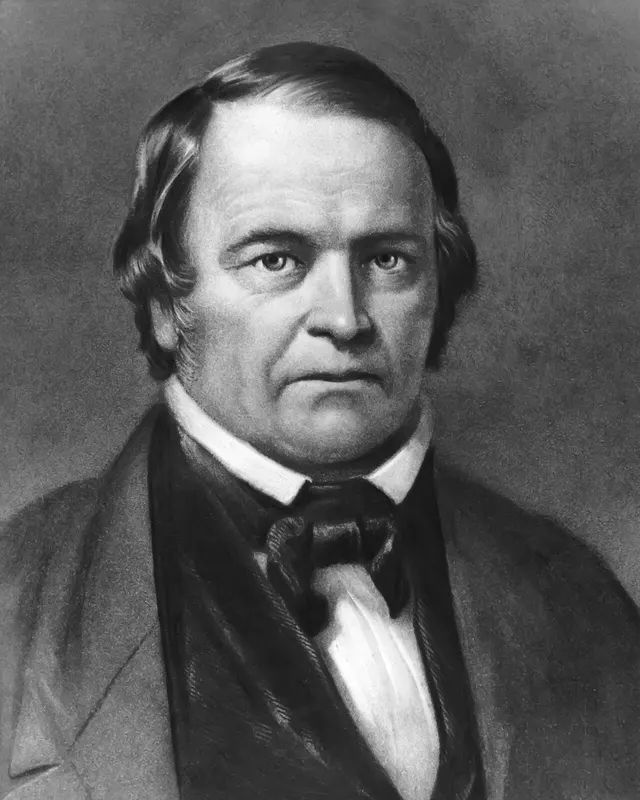
William Miller, the preacher whose reading of the Book of Daniel began the movement.
Image creditUnknown authorUnknown author · Public domainResized and cropped for display.

The Great Disappointment

Tens of thousands of Americans had been told to expect the return of Christ on 22 October 1844. The date came from followers of William Miller, a farmer-turned-preacher who had worked out from the Book of Daniel that the Second Coming was close; when his own window of March 1843 to March 1844 passed, associates settled on the October day.

Nothing happened, and the day became known as the Great Disappointment. Many of Miller’s followers left him. Others regrouped around Hiram Edson and James and Ellen White, and in 1863 formally organised the denomination now known as the Seventh-day Adventists.

Read the full storyHistory & Timeline →Source: Encyclopaedia Britannica: Millerism ↗
♙
PEOPLE

Born Today

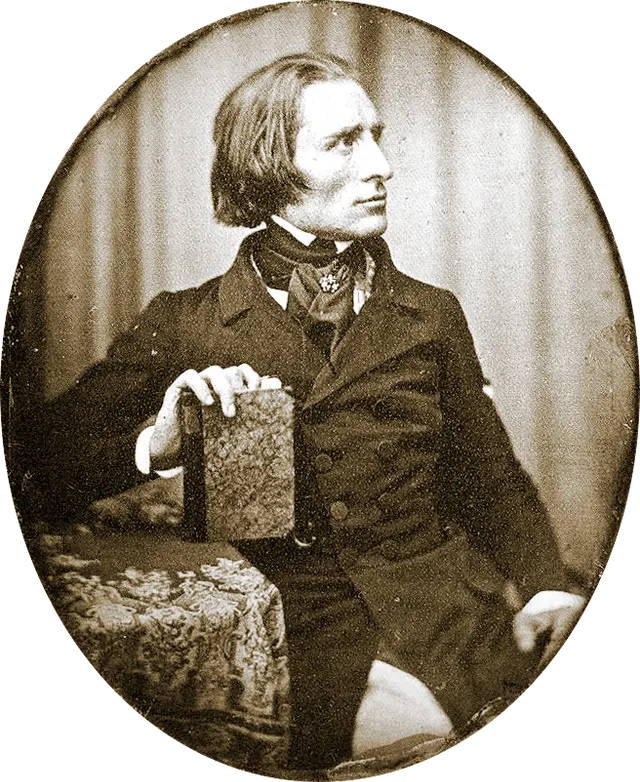
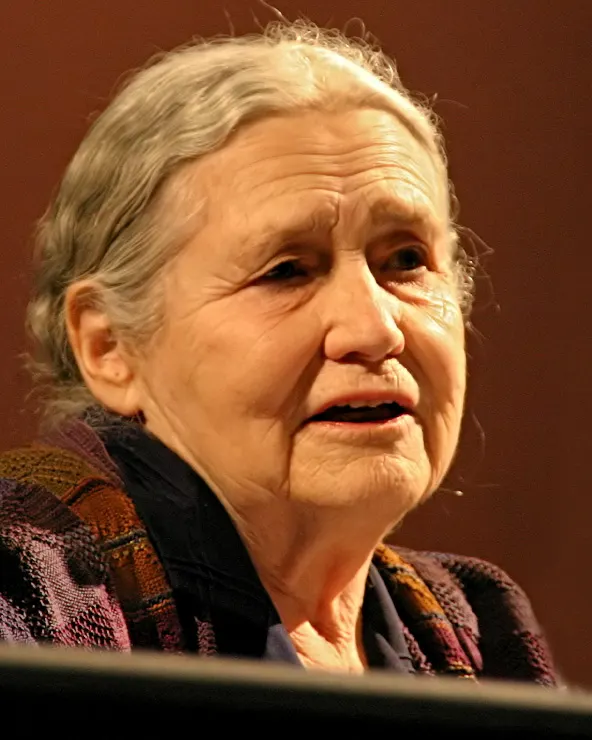
Franz Liszt
Image creditHerman Biow · Public domainResized and cropped for display.

Franz Liszt

Hungarian composer and the most celebrated pianist of his century, who invented the solo piano recital as we know it.

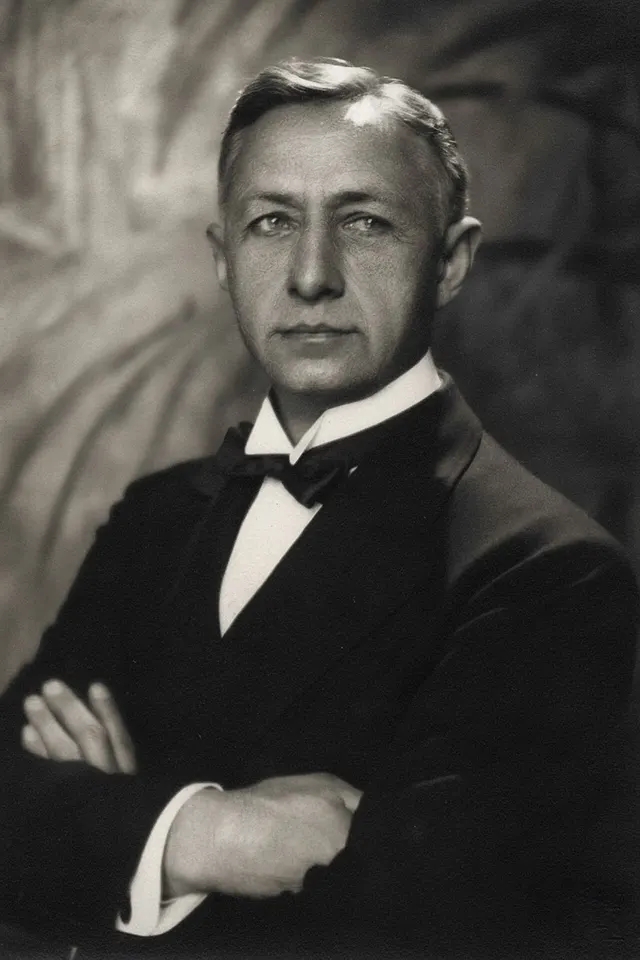
Ivan Bunin
Image creditUnknown authorUnknown author · CC BY 4.0Resized and cropped for display.

Ivan Bunin

Russian writer and poet, and in 1933 the first Russian to win the Nobel Prize in Literature.

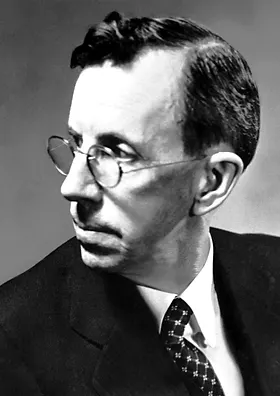
Clinton Davisson
Image creditNobel foundation · Public domainResized and cropped for display.

Clinton Davisson

American physicist who showed that electrons behave as waves, and shared the 1937 Nobel Prize in Physics for it.

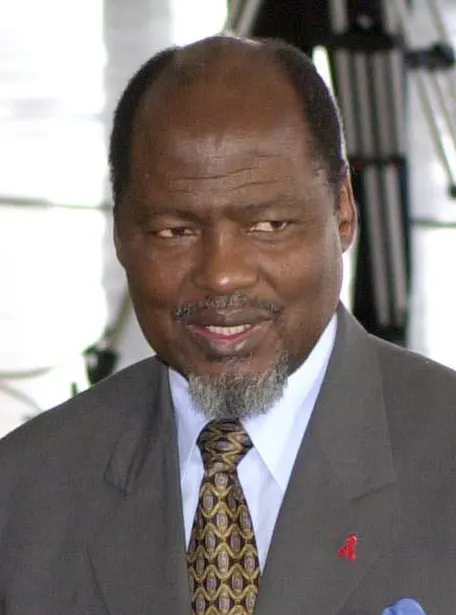
Joaquim Chissano
Image creditRoberto Barroso/ABr · CC BY 3.0 brResized and cropped for display.

Joaquim Chissano

Mozambican politician who became the country’s second president and helped negotiate the end of its civil war.

Catherine Deneuve
Image creditMartin Kraft · CC BY-SA 3.0Resized and cropped for display.

Catherine Deneuve

French actress, known for Les Parapluies de Cherbourg and Belle de Jour.

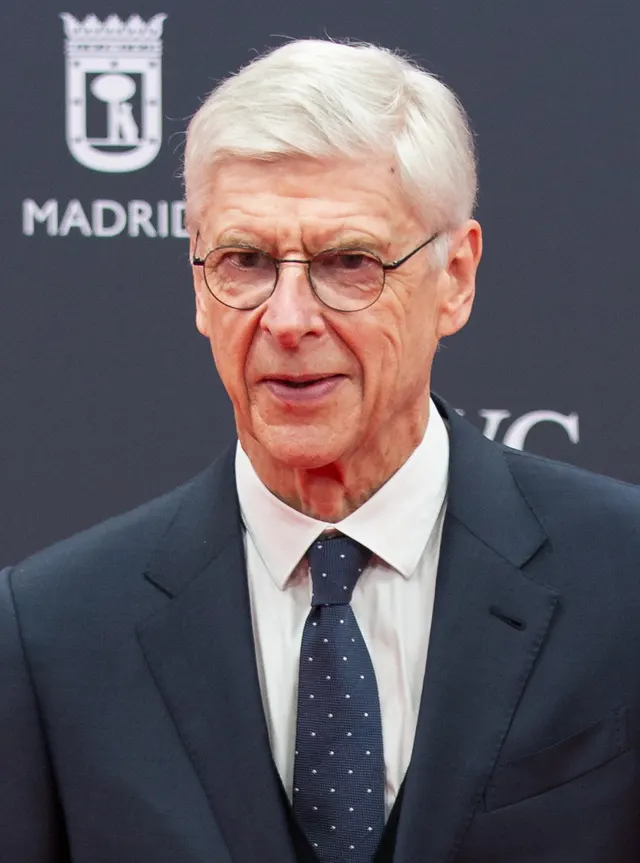
Arsène Wenger
Image creditBarcex · CC BY-SA 4.0Resized and cropped for display.

Arsène Wenger

French football manager who spent twenty-two years at Arsenal and changed how English clubs train and eat.

Ichiro Suzuki
Image creditJeffrey Hayes · CC BY 2.0Resized and cropped for display.

Ichiro Suzuki

Japanese baseball player who set a major-league record of 262 hits in a single season.

◉
IDEAS THAT CHANGED THINGS

Firsts, Science & Discoveries

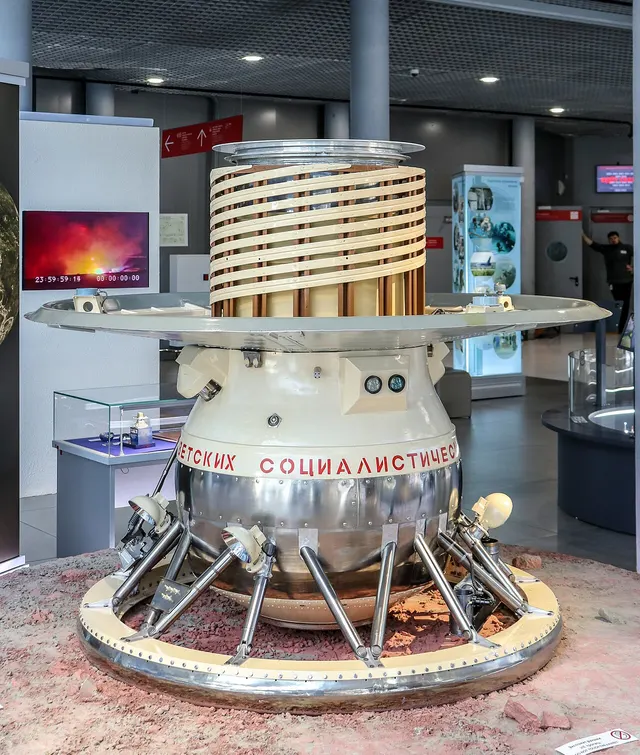
A Venera 9 lander on museum display.
Image creditStolbovsky · CC BY 4.0Resized and cropped for display.

The first photograph from the surface of another planet

The Soviet lander Venera 9 touched down on Venus at 05:13 UT on 22 October 1975 and worked for fifty-three minutes in an atmosphere hot enough to melt lead. In that time it sent back the first photograph ever taken from the surface of another planet.

The picture showed a field of angular, partly weathered rocks about thirty to forty centimetres across, many of them half buried in soil. One of the two camera covers failed to release, so instead of the intended full circle the spacecraft returned only half a panorama.

Read the full storyHistory & Timeline →Source: NASA Science: First look at Venus ↗
Chandrayaan-1 mapped water on the Moon; this image marks where the evidence was found.
Image creditCredits: ISRO/NASA/JPL-Caltech/USGS/Brown Univ. · Public domainResized and cropped for display.

India launches its first mission to the Moon

At 06:22 Indian Standard Time on 22 October 2008 a PSLV-C11 rocket lifted off from Sriharikota carrying Chandrayaan-1, the 1,380-kilogram spacecraft that became India’s first mission beyond Earth orbit.

It carried eleven instruments built in India and five other countries. One of them, NASA’s Moon Mineralogy Mapper, found the signature of water molecules bound into the lunar soil — a result that changed how scientists think about the Moon.

Read the full storyHistory & Timeline →Source: Indian Space Research Organisation: PSLV-C11 ↗
♫
MUSIC • FILM • BOOKS • CULTURE

Culture Stories

Jean-Paul Sartre.
Jean-Paul Sartre.
Image creditUnknown authorUnknown author · CC BY-SA 3.0 nlResized and cropped for display.

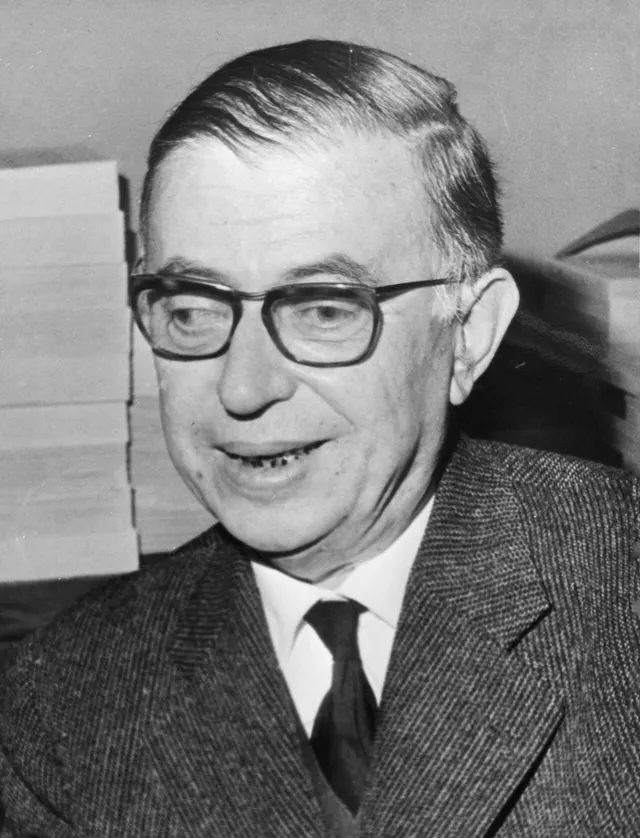
Sartre turns down the Nobel Prize

The Swedish Academy announced on 22 October 1964 that the Nobel Prize in Literature had gone to Jean-Paul Sartre, for work ‘rich in ideas and filled with the spirit of freedom and the quest for truth’. Sartre refused it.

He had written to the Academy in advance, not realising its decisions could not be withdrawn. In a statement printed the next day he explained that he had always declined official honours — the Legion of Honour among them — because a writer who accepts them lets himself be turned into an institution.

Read the full storyHistory & Timeline →Source: The Nobel Prize: The Nobel Prize in Literature 1964, press release ↗
✦
LIVES REMEMBERED

Remembered Today

Charles Martel
Image creditUnknown authorUnknown author · Public domainResized and cropped for display.

Charles Martel

Frankish ruler whose victory near Poitiers in 732 checked Muslim expansion into Gaul; grandfather of Charlemagne. His death is recorded under the Julian calendar.

Pablo Casals
Image creditBain News Service · Public domainResized and cropped for display.

Pablo Casals

Catalan cellist and conductor who brought Bach’s cello suites back into the concert hall and refused to play in Franco’s Spain.

☉
AROUND THE WORLD

Observances & Anniversaries

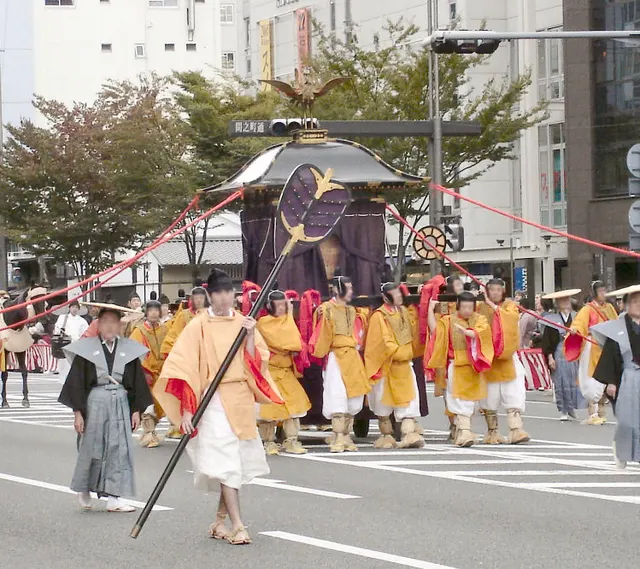
The gohoren, the sacred palanquins, carried in the Jidai Matsuri procession through Kyoto.
Image creditPlusMinus · CC BY-SA 3.0Resized and cropped for display.

Jidai Matsuri, the Festival of the Ages

Kyoto’s Jidai Matsuri has been held on 22 October since 1896, the anniversary of the day the imperial capital was moved to Heian-kyo — the city that became Kyoto — in 794. The festival and the Heian Shrine were created in 1895 for the eleven-hundredth anniversary of that move.

The procession works backwards through Japanese history, from the Meiji Restoration of the nineteenth century to the Heian period of the eighth, with around two thousand people in period costume. Sacred palanquins carry the spirits of Emperor Kanmu, who moved the capital, and Emperor Komei, the last emperor to rule from Kyoto.

Source: Kyoto City Official Travel Guide: Jidai Matsuri Festival ↗
HISTORY & TIMELINE

Finished the highlights?

Follow 22 October chronologically, from the Middle Ages to the modern day, with 10 verified events and the sources behind them.

This day through time →