Explore 24 October

Explore 24 October: the United Nations Charter comes into force, Wall Street has its first day of panic, Zambia becomes independent, the Thirty Years’ War ends at Münster — and, fifty-five years apart, an amateur astronomer finds two moons of Uranus and Concorde makes its last commercial flight.

This day through time →8 verified events across 4 eras

The flag of the United Nations.
Image creditSee File history below for details. Denelson83, Zscout370 ve Madden · Public domainResized and cropped for display.

The United Nations comes into being

The Charter of the United Nations entered into force on 24 October 1945, once it had been ratified by the five permanent members of the Security Council and a majority of the other signatories. That is the day the organisation legally began.

The Charter itself had been signed on 26 June 1945 in San Francisco, at the end of a conference attended by delegates of fifty countries. It opens with the promise to save succeeding generations from the scourge of war.

The anniversary has been kept as United Nations Day ever since.

Read the full storyHistory & Timeline →Source: United Nations: UN Charter ↗
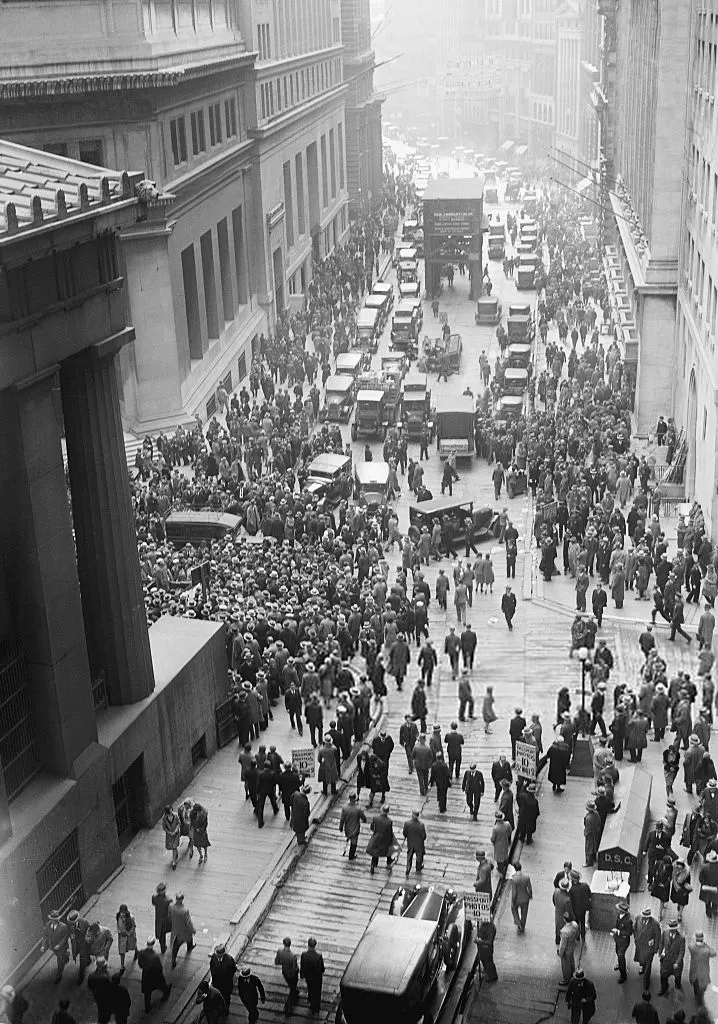
The crowd outside the New York Stock Exchange during the crash of 1929.
Image creditUS-gov · Public domainResized and cropped for display.

Black Thursday on Wall Street

Thursday 24 October 1929 was the first day of the Wall Street crash. Nearly 12.9 million shares changed hands, beating the previous one-day record by about four million, after prices had already fallen 4.6 per cent the day before.

Brokers’ telephones and ticker tape could not keep up, so reports ran late and wrong, which made the panic worse. Police were sent to the exchange in case of rioting while Wall Street’s leading bankers tried to steady the market by buying.

It held for a few days. The heavier falls came the following week, on Black Monday and Black Tuesday, and the slump that followed became the Great Depression.

Read the full storyHistory & Timeline →Source: Federal Reserve History: Stock market crash of 1929 ↗
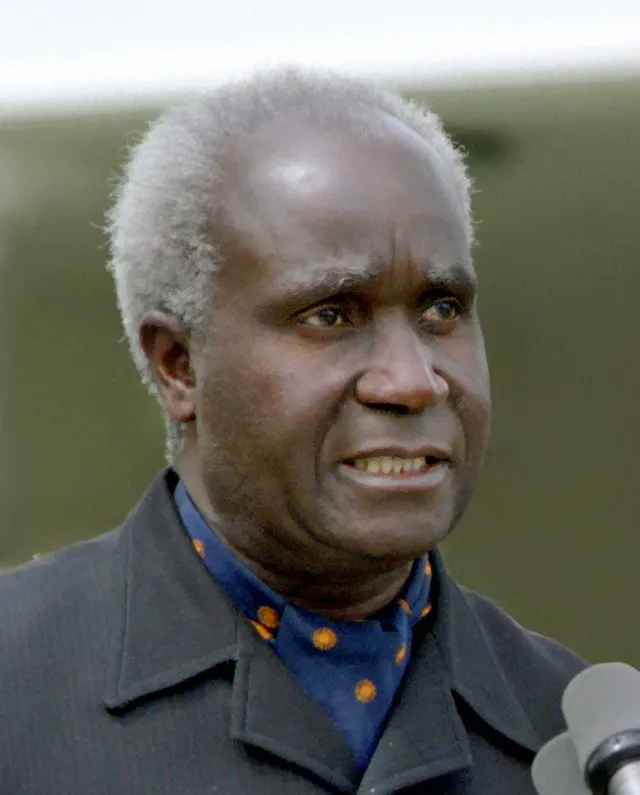
Kenneth Kaunda, Zambia's first president.
Kenneth Kaunda, Zambia’s first president.
Image creditUnknown photographer · Public domainResized and cropped for display.

Zambia becomes independent

Northern Rhodesia became the Republic of Zambia on 24 October 1964, a republic within the Commonwealth, with Kenneth Kaunda as its first president. The territory had been a British protectorate since 1924.

Kaunda, a former teacher, had broken away from the older Congress in 1958 to found what became the United National Independence Party, and campaigned hard against the federation of Northern and Southern Rhodesia and Nyasaland, which was dissolved at the end of 1963.

Copper prices were rising, and within a few years the new country was the world’s third-largest producer. Kaunda stayed in office until 1991.

Read the full storyHistory & Timeline →Source: Encyclopaedia Britannica: History of Zambia, independent Zambia ↗
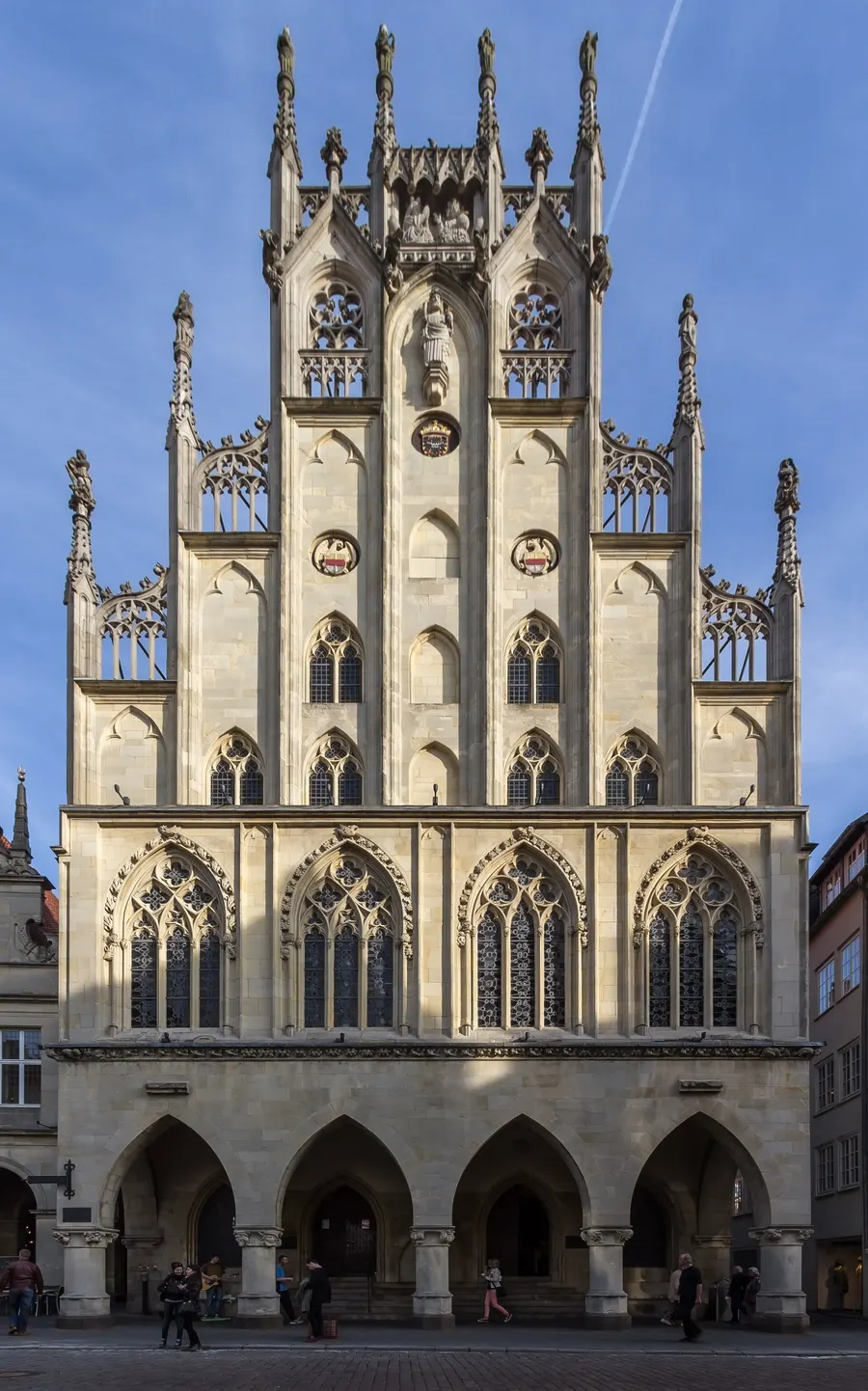
The historic town hall at Münster, one of the two towns where the peace was negotiated.
Image creditDietmar Rabich · CC BY-SA 4.0Resized and cropped for display.

The Thirty Years’ War ends

On 24 October 1648 the treaties between Emperor Ferdinand III, the German princes, France and Sweden were signed in the Westphalian towns of Münster and Osnabrück, ending the Thirty Years’ War. Talks had been going on since 1644; a separate treaty between Spain and the Dutch had been signed in January.

The settlement gave Sweden control of much of the Baltic coast and France a firm frontier west of the Rhine, confirmed the independence of the Dutch Republic and the Swiss Confederation, and extended the religious toleration of the Peace of Augsburg to the Reformed churches.

Historians of international relations often treat the Peace of Westphalia as the beginning of the modern system of sovereign states.

Read the full storyHistory & Timeline →Source: Encyclopaedia Britannica: Peace of Westphalia ↗
♙
PEOPLE

Born Today

Domitian
Image creditUnknown · CC BY 2.5Resized and cropped for display.

Domitian

Roman emperor from AD 81 to 96, an efficient administrator and an autocrat, assassinated in a palace plot. His birth date is recorded under the Julian calendar.

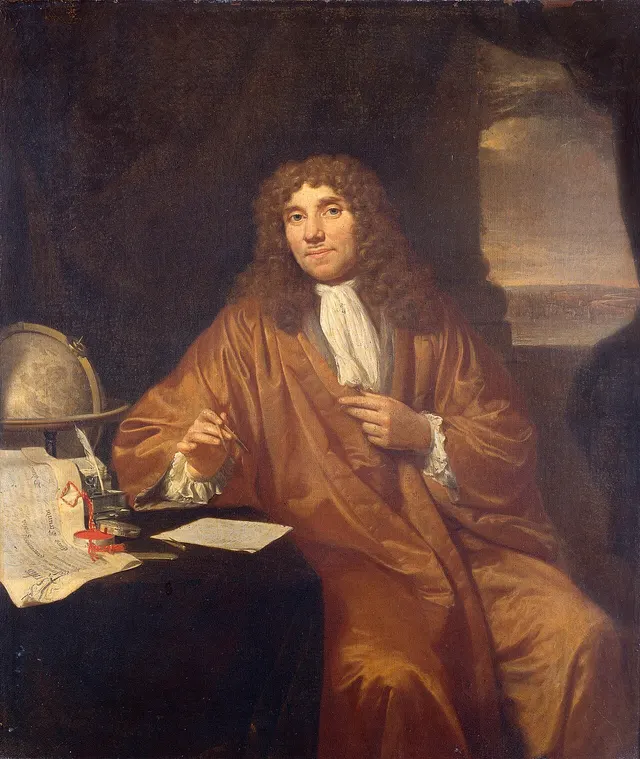
Antonie van Leeuwenhoek
Image creditJan Verkolje · Public domainResized and cropped for display.

Antonie van Leeuwenhoek

Dutch draper and self-taught microscopist, the first person to see bacteria and protozoa, and the father of microbiology.

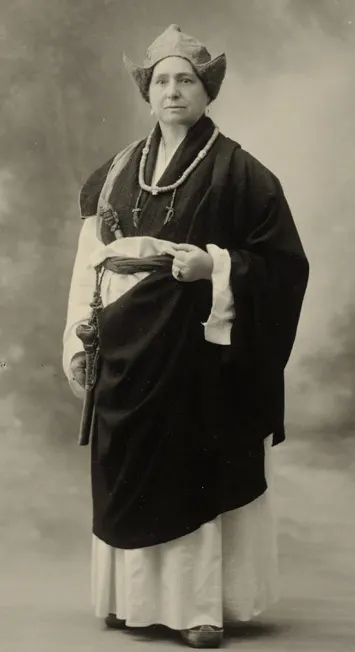
Alexandra David-Néel
Image creditPreus museum · CC BY 2.0Resized and cropped for display.

Alexandra David-Néel

Belgian-French explorer and writer on Buddhism who reached Lhasa in disguise in 1924 and lived to a hundred.

Robert Mundell
Image creditEconomicforum · CC BY-SA 3.0Resized and cropped for display.

Robert Mundell

Canadian economist whose work on currency areas shaped the case for the euro; Nobel laureate in 1999.

Drake
Image creditGabboT · CC BY-SA 2.0Resized and cropped for display.

Drake

Canadian rapper and singer, one of the most commercially successful recording artists of his generation.

◉
IDEAS THAT CHANGED THINGS

Firsts, Science & Discoveries

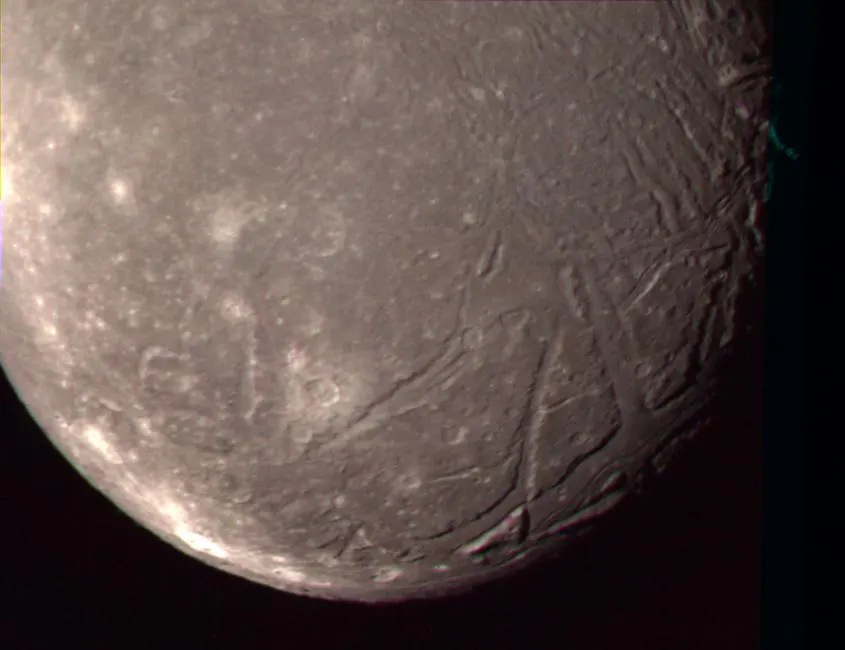
Ariel, photographed by Voyager 2 in 1986.
Image creditNASA/JPL · Public domainResized and cropped for display.

Two moons of Uranus are found in one night

On 24 October 1851 the English astronomer William Lassell discovered Ariel and Umbriel, two moons of Uranus, on the same night.

Lassell was an amateur: he made his money in the Liverpool brewing trade and spent it on building his own reflecting telescopes, with which he had already found Neptune’s moon Triton in 1846. Ariel and Umbriel were not seen close up until Voyager 2 passed Uranus in 1986.

Read the full storyHistory & Timeline →Source: NASA Science: Ariel ↗
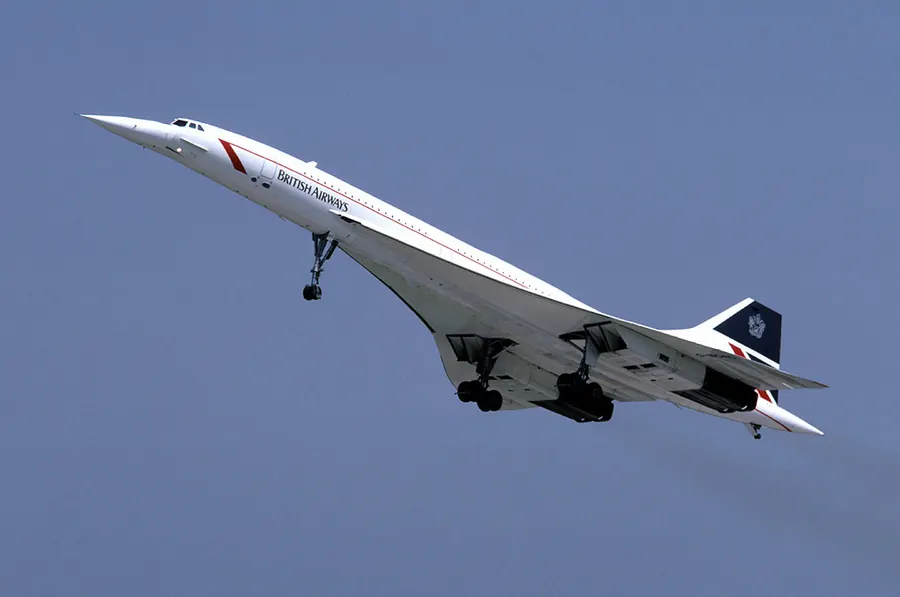
British Airways Concorde G-BOAC.
Image creditEduard Marmet · CC BY-SA 3.0Resized and cropped for display.

Concorde’s last commercial flight

British Airways flew Concorde commercially for the last time on 24 October 2003, bringing the aircraft home from New York to a farewell at Heathrow. Air France had already stopped in May.

Twenty-seven years of supersonic passenger service ended for ordinary commercial reasons: a Concorde burned roughly a tonne of fuel per seat, tickets cost around twelve thousand dollars, and transatlantic travel fell away sharply after 2001.

Read the full storyHistory & Timeline →Source: British Airways: Celebrating Concorde ↗
✦
LIVES REMEMBERED

Remembered Today

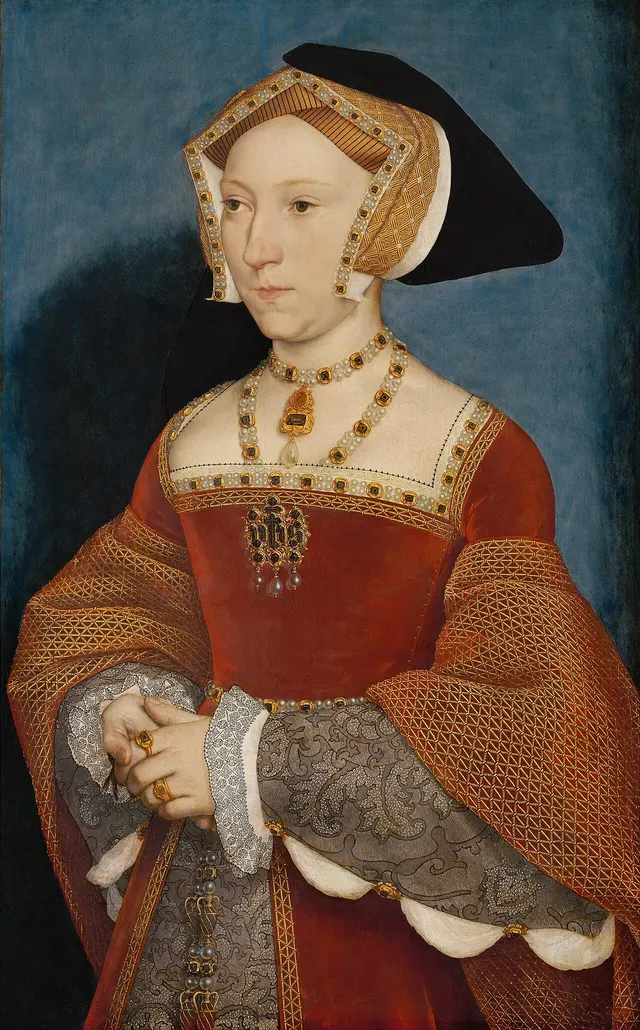
Jane Seymour
Image creditHans Holbein the Younger · Public domainResized and cropped for display.

Jane Seymour

Third wife of Henry VIII, who died days after giving birth to the future Edward VI. Her death is recorded under the Julian calendar.

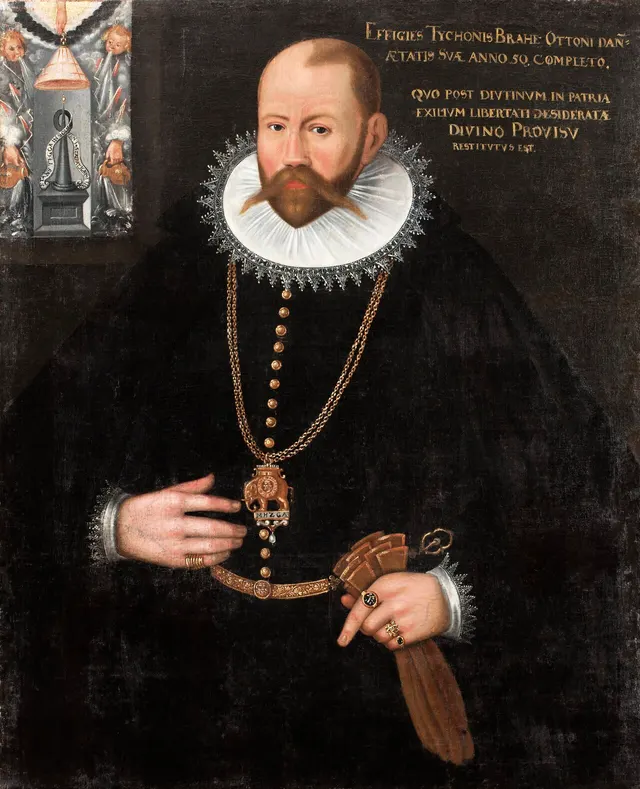
Tycho Brahe
Image creditUnknown authorUnknown author · Public domainResized and cropped for display.

Tycho Brahe

Danish astronomer whose observations, the most accurate made before the telescope, gave Kepler the data for his laws of planetary motion.

David Oistrakh
Image creditHarry Pot for Anefo · CC0Resized and cropped for display.

David Oistrakh

Soviet violinist of extraordinary tone, for whom Shostakovich and Prokofiev wrote concertos.

Rosa Parks
Image creditUnknown authorUnknown author · Public domainResized and cropped for display.

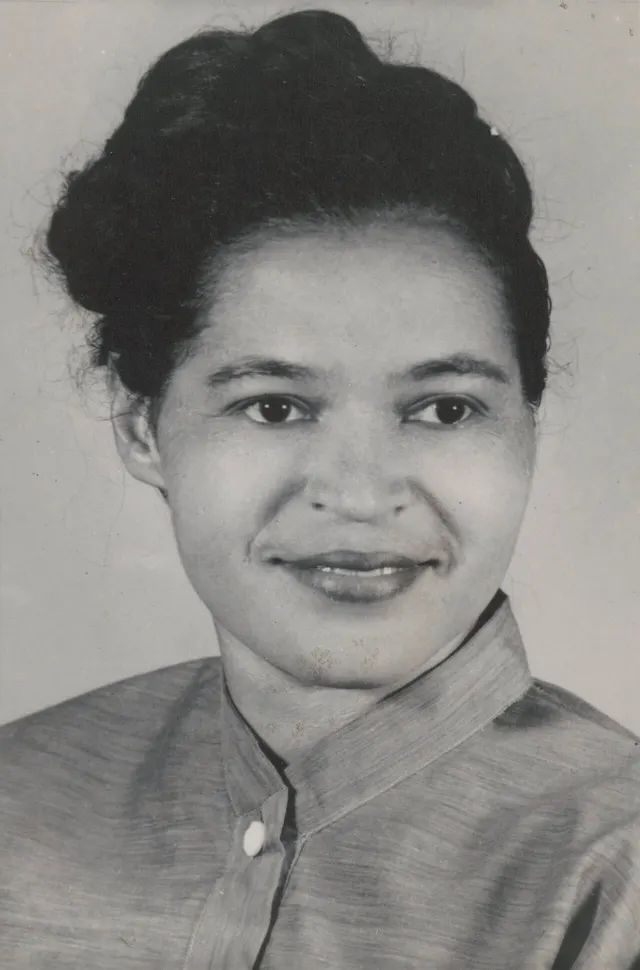
Rosa Parks

American civil rights campaigner whose refusal to give up her bus seat in 1955 began the Montgomery bus boycott.

☉
AROUND THE WORLD

Observances & Anniversaries

The Japanese Peace Bell in the grounds of the United Nations headquarters in New York.
Image creditThe original uploader was Rodsan18 at English Wikipedia. · CC BY-SA 2.5Resized and cropped for display.

United Nations Day

United Nations Day marks the entry into force of the UN Charter on 24 October 1945. It has been observed since 1948 and is kept in member states around the world.

The Peace Bell at the United Nations headquarters in New York, cast from coins donated by people in more than sixty countries, is traditionally rung on the day.

Source: United Nations: United Nations Day ↗
HISTORY & TIMELINE

Finished the highlights?

Follow 24 October chronologically, from the Middle Ages to the modern day, with 8 verified events and the sources behind them.

This day through time →