HISTORY & TIMELINE
24 October

A journey through
24 October in history

From the treaty that ended Europe’s most destructive war to the day supersonic passenger flight came to a stop, 24 October is a date of endings and beginnings. This timeline follows it from 1648 to 2003.

III
A CHANGING WORLD

Early Modern Era

Exploration, political change, scientific development and expanding global connections.

1648
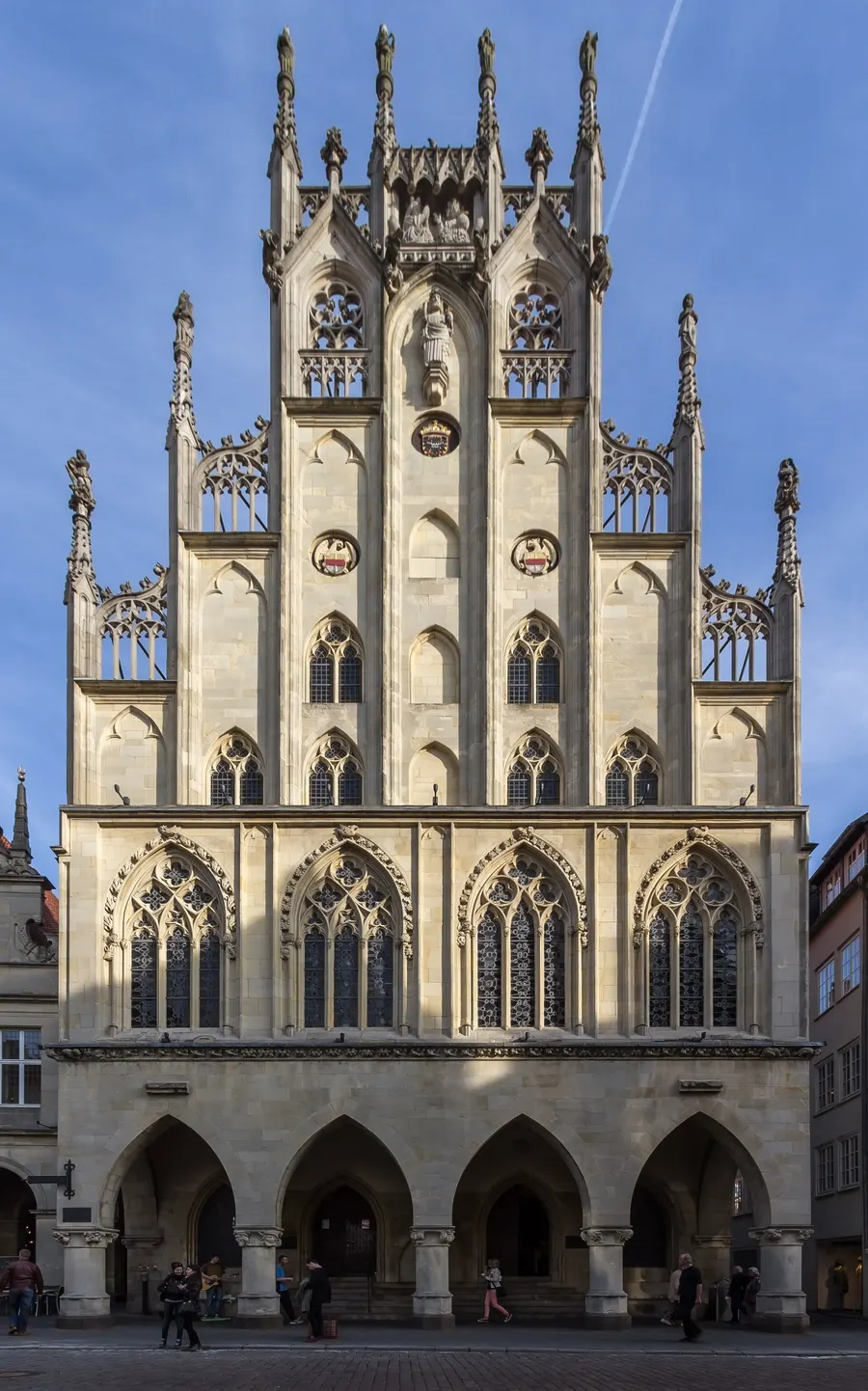
The historic town hall at Münster, one of the two towns where the peace was negotiated.The historic town hall at Münster, one of the two towns where the peace was negotiated.Image: Dietmar Rabich · CC BY-SA 4.0
politics · Europe

The Thirty Years’ War ends

The treaties signed at Münster and Osnabrück on 24 October 1648 ended the Thirty Years’ War, confirmed Dutch and Swiss independence and are often treated as the foundation of the modern system of sovereign states.

Source: Encyclopaedia Britannica: Peace of Westphalia ↗

IV
THE NINETEENTH CENTURY

The 1800s

Industry, empire, invention, reform and a century of enormous transformation.

1851
Ariel, photographed by Voyager 2 in 1986.Ariel, photographed by Voyager 2 in 1986.Image: NASA/JPL · Public domain
science · Europe

Two moons of Uranus are found in one night

On 24 October 1851 the English astronomer William Lassell discovered Ariel and Umbriel, two moons of Uranus, on the same night. Lassell was an amateur: he made his money in the Liverpool brewing trade and spent it on building his own reflecting telescopes, with which he had already found Neptune’s moon Triton in 1846. Ariel and Umbriel were not seen close up until Voyager 2 passed Uranus in 1986.

Source: NASA Science: Ariel ↗
V
THE TWENTIETH CENTURY

The 1900s

War and peace, technological leaps, social change, politics, sport and popular culture.

1917
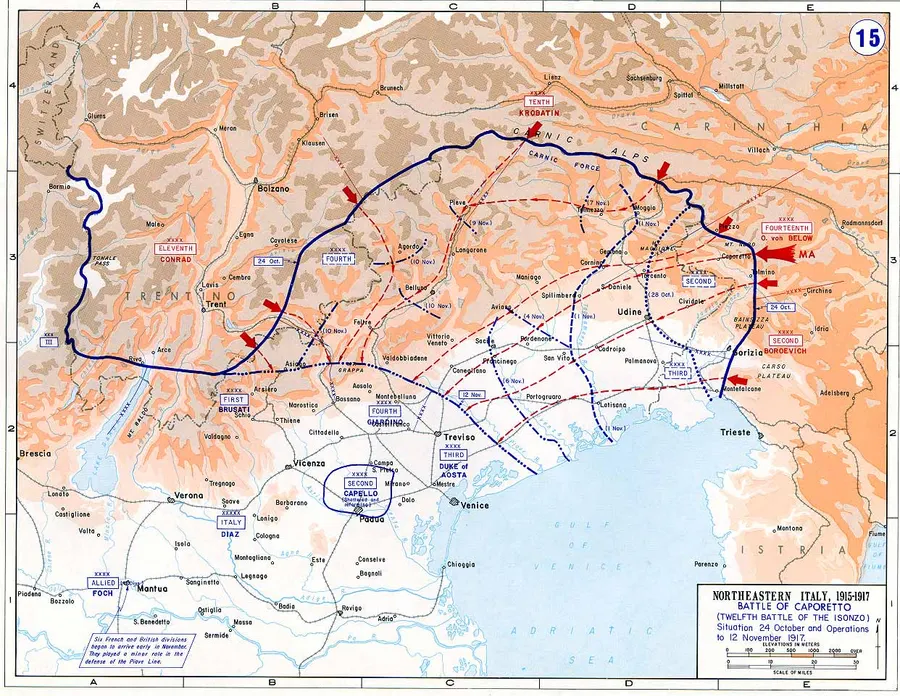
A map of the Caporetto offensive from the atlas of the United States Military Academy at West Point.A map of the Caporetto offensive from the atlas of the United States Military Academy at West Point.Image: History Department of the US Military Academy West Point · Public domain
world · Europe

The Italian line breaks at Caporetto

An Austro-German offensive on the Isonzo front in north-eastern Italy opened on 24 October 1917 after a heavy bombardment, and broke through at Caporetto — now Kobarid in Slovenia. The Italian retreat did not stop until the Piave, more than a hundred kilometres back; some 250,000 men were taken prisoner and twice as many were casualties or deserted. The name has been a byword for military collapse in Italy ever since.

Source: Encyclopaedia Britannica: Battle of Caporetto ↗
1929
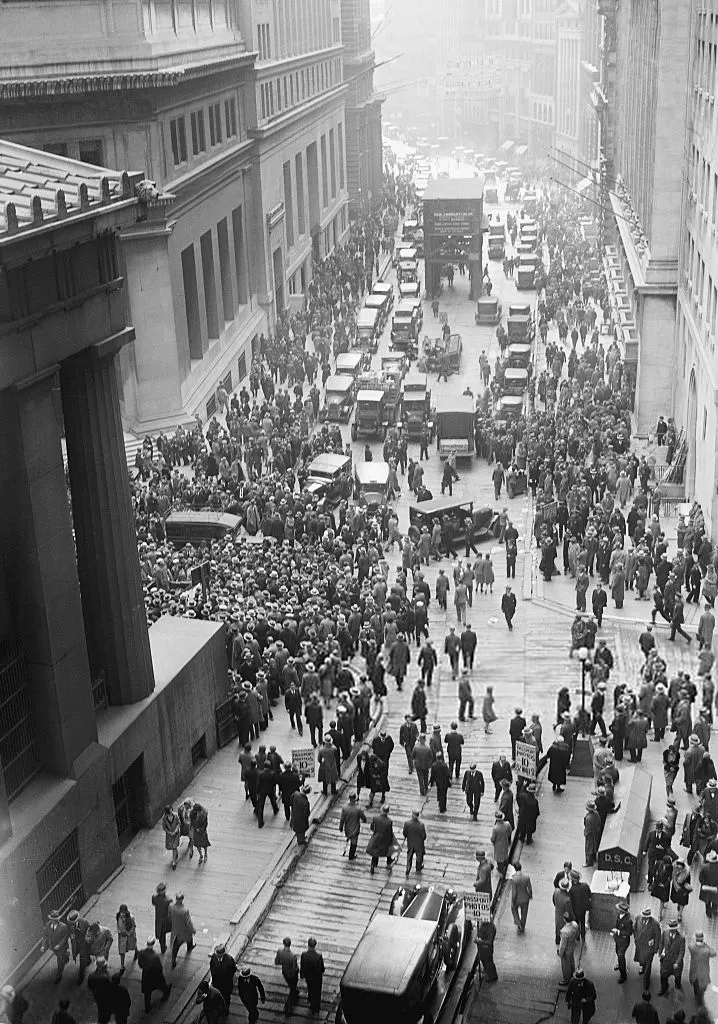
The crowd outside the New York Stock Exchange during the crash of 1929.The crowd outside the New York Stock Exchange during the crash of 1929.Image: US-gov · Public domain

world · Americas

Black Thursday on Wall Street

The Wall Street crash began on Thursday 24 October 1929, when nearly 12.9 million shares were traded in a day of panic selling — a record by some four million. Heavier falls followed the next week.

Source: Federal Reserve History: Stock market crash of 1929 ↗
1960
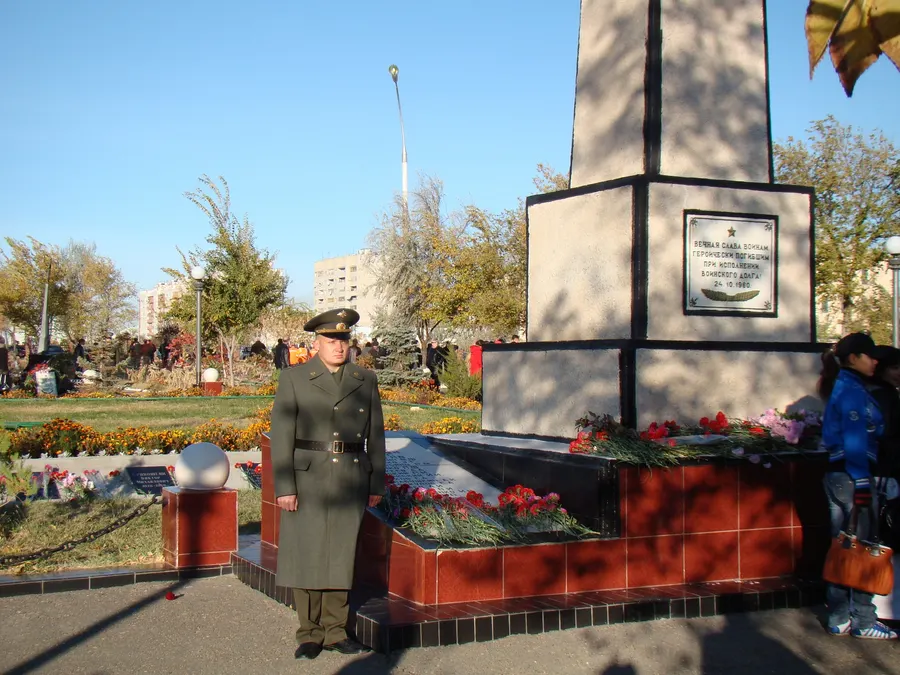
The memorial gathering held at Baikonur each 24 October for those killed.The memorial gathering held at Baikonur each 24 October for those killed.Image: Yuriy75 · CC BY-SA 3.0

science · Asia

The Nedelin catastrophe

A prototype R-16 intercontinental missile exploded on its launch pad at the Baikonur Cosmodrome, in what is now Kazakhstan, on 24 October 1960. Electrical work was under way when a switch was reset, short-circuiting the second-stage engine into life; its exhaust tore open the first-stage fuel tank. Estimates of the dead range from about sixty to a hundred and twenty, among them Marshal Mitrofan Nedelin, who had pressed for the test to be hurried. It is the worst accident in the history of rocketry, and the Soviet Union did not acknowledge it until 1989.

Source: Encyclopaedia Britannica: Baikonur launchpad explosion ↗
VI
2000 TO TODAY

Modern Day

The events of recent decades that have already become part of the historical record.

2003
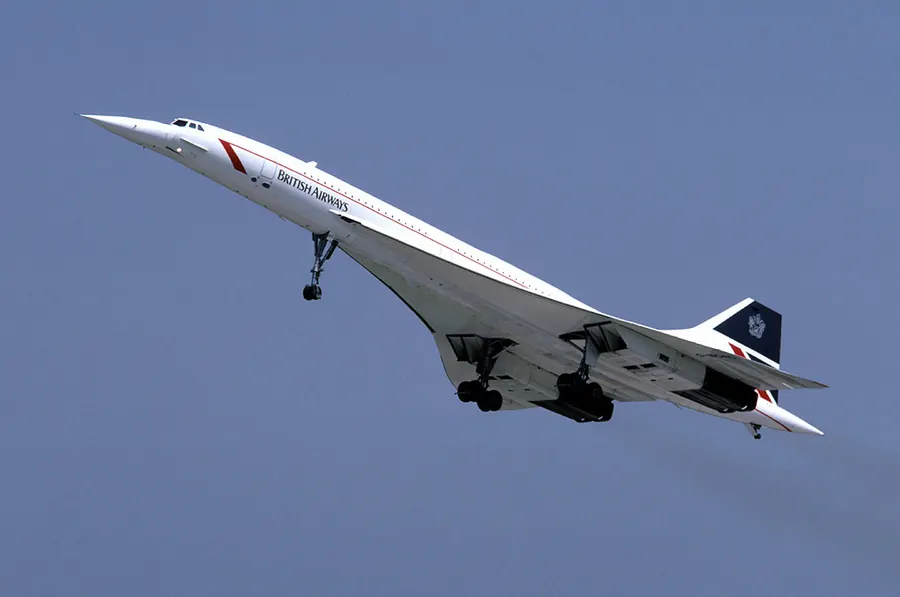
British Airways Concorde G-BOAC.British Airways Concorde G-BOAC.Image: Eduard Marmet · CC BY-SA 3.0
science · Europe

Concorde’s last commercial flight

British Airways flew Concorde commercially for the last time on 24 October 2003, bringing the aircraft home from New York to a farewell at Heathrow. Air France had already stopped in May. Twenty-seven years of supersonic passenger service ended for ordinary commercial reasons: a Concorde burned roughly a tonne of fuel per seat, tickets cost around twelve thousand dollars, and transatlantic travel fell away sharply after 2001.

Source: British Airways: Celebrating Concorde ↗
WHY THESE MOMENTS?

Significance before volume

This page is not the longest possible list of events. It is a chronological journey through 24 October, where each entry is chosen for historical significance, human interest and reliability.

Facts are checked against authoritative museums, archives, universities and reference works. Where sources disagree, the page says so.

EXPLORED THE DEEPER STORY?

Return to the highlights of 24 October

Discover the lighter side of the date with famous birthdays, culture, firsts and lives remembered.

Explore This Day →
← PREVIOUS DAY23 October
HISTORY & TIMELINE24 October
NEXT DAY →25 October