HISTORY & TIMELINE
23 October

A journey through
23 October in history

From a battle in eleventh-century Spain to an earthquake in eastern Turkey, 23 October has been a day of turning points. This timeline follows the date from 1086 to 2011.

JUMP THROUGH TIME
II
THE MIDDLE AGES

Medieval History

Kingdoms, conflict, faith, power and the changing medieval world.

1086
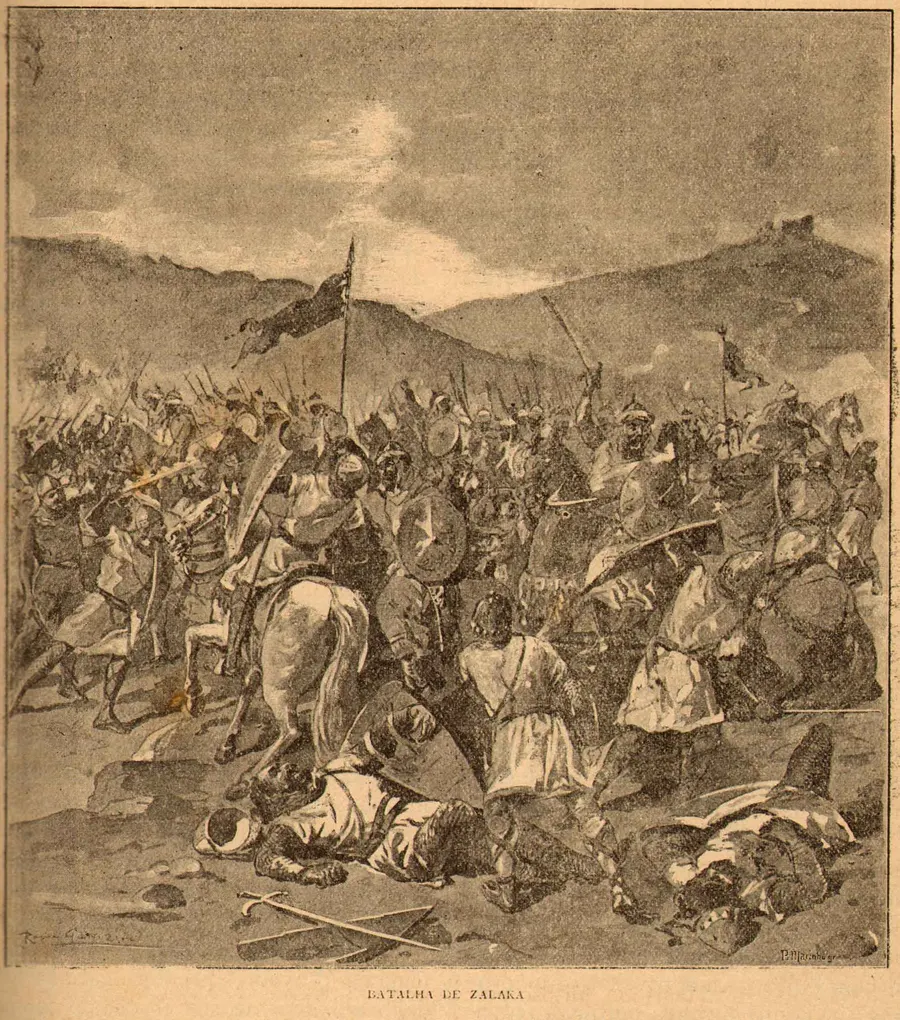
The battle of Zallaqa as imagined by the Portuguese illustrator Roque Gameiro.The battle of Zallaqa as imagined by the Portuguese illustrator Roque Gameiro.Image: Roque Gameiro · Public domain
world · Europe

The Almoravids halt the Reconquista at Zallaqa

The Almoravid emir Yūsuf ibn Tāshufīn defeated Alfonso VI of León and Castile at al-Zallāqah, near Badajoz, on 23 October 1086, checking the Christian advance and establishing an Almoravid foothold in Spain.

Source: Encyclopaedia Britannica: Battle of al-Zallāqah ↗
V
THE TWENTIETH CENTURY

The 1900s

War and peace, technological leaps, social change, politics, sport and popular culture.

1944
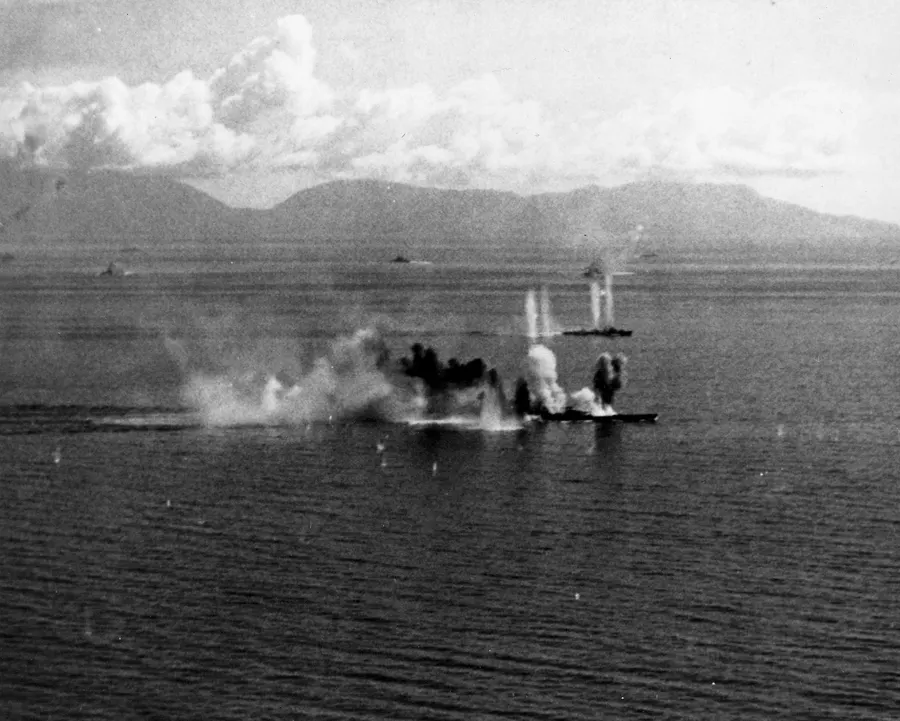
The Japanese battleship Musashi and a destroyer under air attack in the Sibuyan Sea on 24 October 1944, the day after the battle opened.The Japanese battleship Musashi and a destroyer under air attack in the Sibuyan Sea on 24 October 1944, the day after the battle opened.Image: Unknown · Public domain
world · Asia

The Battle of Leyte Gulf begins

The largest naval battle of the Second World War opened on 23 October 1944, when the American submarines Darter and Dace attacked a Japanese fleet moving through the Palawan Passage towards Leyte and sank the heavy cruisers Atago and Maya. Over the next three days nearly 200,000 men and 282 ships fought four separate engagements across 100,000 square miles of sea. The battle crippled the Japanese Combined Fleet and secured the American landings in the Philippines.

Source: Naval History and Heritage Command: The Battle of Leyte Gulf ↗
1956
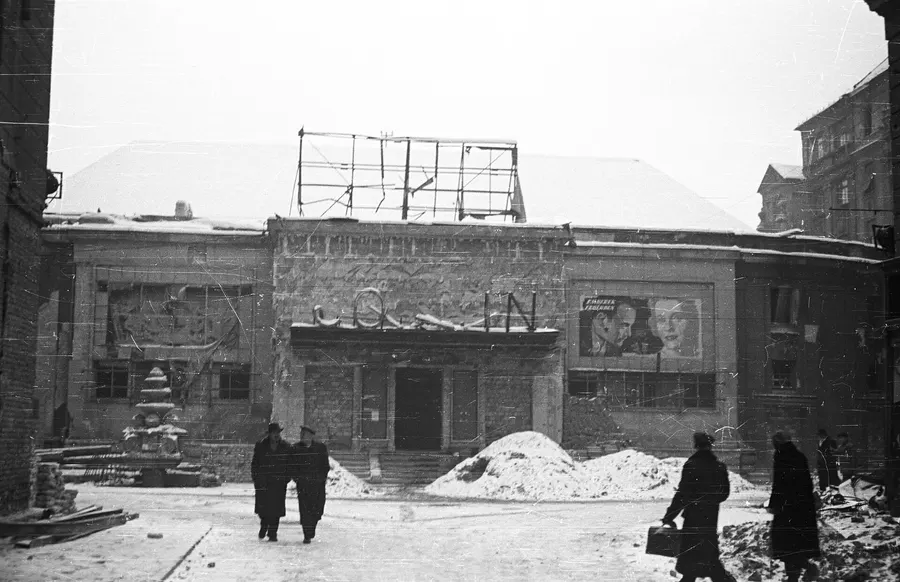
The Corvin Passage in Budapest, the centre of the fighting in 1956.The Corvin Passage in Budapest, the centre of the fighting in 1956.Image: FOTO:Fortepan — ID 24782: Adományozó/Donor: Nagy Gyula. archive copy at the Wayback Machine · CC BY-SA 3.0
politics · Europe

A student march becomes the Hungarian Revolution

A student procession in Budapest on 23 October 1956 grew into a national uprising after the security police fired on the crowd outside the radio building. The army joined the rebels and Soviet troops intervened the following day.

Source: Encyclopaedia Britannica: Hungarian Revolution, 1956 ↗
1983
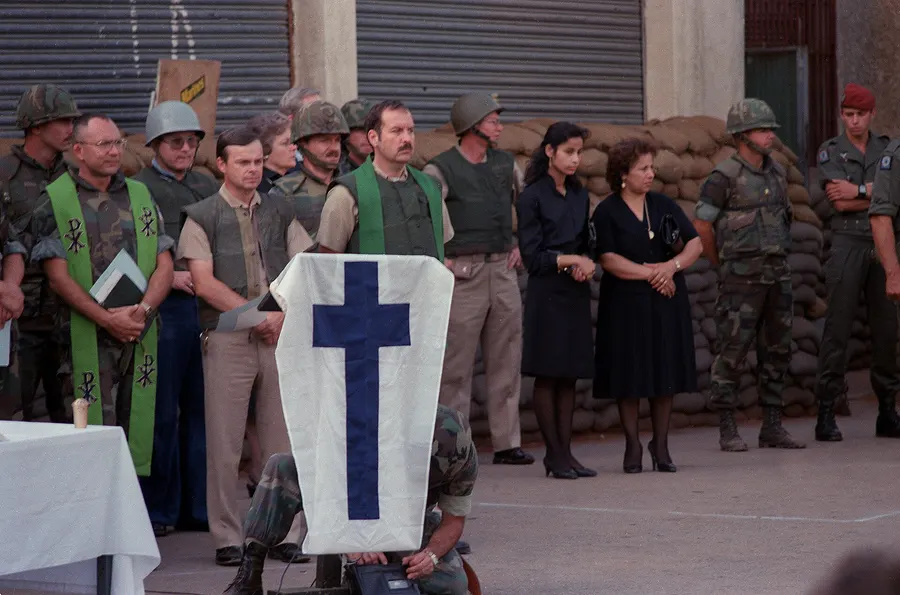
Marines, chaplains and families observe a moment of silence at a memorial service for those killed in Beirut.Marines, chaplains and families observe a moment of silence at a memorial service for those killed in Beirut.Image: Gunnery Sgt. R.D. Lucas · Public domain

politics · Asia

The Beirut barracks bombings

Two lorry bombs struck the American and French contingents of the multinational peacekeeping force in Beirut on the morning of 23 October 1983, killing 241 United States service personnel, 58 French paratroopers and six Lebanese civilians.

Source: United States Marine Corps University: The Beirut bombing, thirty years later ↗
VI
2000 TO TODAY

Modern Day

The events of recent decades that have already become part of the historical record.

2001
A third-generation iPod of 2003 in its dock; no freely licensed photograph of the original 2001 model exists.A third-generation iPod of 2003 in its dock; no freely licensed photograph of the original 2001 model exists.Image: Unknown · CC BY-SA 3.0
science · Americas

A thousand songs in your pocket

Apple introduced the iPod on 23 October 2001: a 6.5-ounce music player with a five-gigabyte hard drive that held about a thousand CD-quality songs. Steve Jobs summed it up in five words — ‘a thousand songs in your pocket’. It went on sale on 10 November at $399. Apple claimed it had invented a new category of digital music player; within a few years the iPod had reshaped the recording industry and set the company on the path to the iPhone.

Source: Apple Newsroom: Apple presents iPod, 23 October 2001 ↗
2011
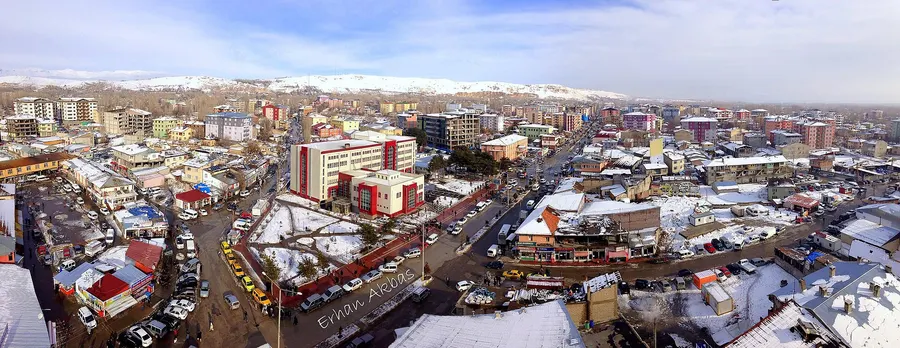
The town of Erciş, on the shore of Lake Van, photographed after the rebuilding.The town of Erciş, on the shore of Lake Van, photographed after the rebuilding.Image: Medeni65 · CC BY-SA 4.0
world · Asia

An earthquake strikes Van province

A magnitude 7.1 earthquake struck about 27 kilometres north-north-east of the city of Van, in eastern Turkey, on the afternoon of 23 October 2011. More than 570 people were killed and thousands of buildings were destroyed or made uninhabitable, worst of all in the town of Erciş. Around twenty strong aftershocks followed, and a second earthquake on 9 November raised the total death toll further.

Source: United States Geological Survey: M 7.1 — 27 km NNE of Van, Turkey ↗
WHY THESE MOMENTS?

Significance before volume

This page is not the longest possible list of events. It is a chronological journey through 23 October, where each entry is chosen for historical significance, human interest and reliability.

Facts are checked against authoritative museums, archives, universities and reference works. Where sources disagree, the page says so.

EXPLORED THE DEEPER STORY?

Return to the highlights of 23 October

Discover the lighter side of the date with famous birthdays, culture, firsts and lives remembered.

Explore This Day →
← PREVIOUS DAY22 October
HISTORY & TIMELINE23 October
NEXT DAY →24 October