Explore 23 October

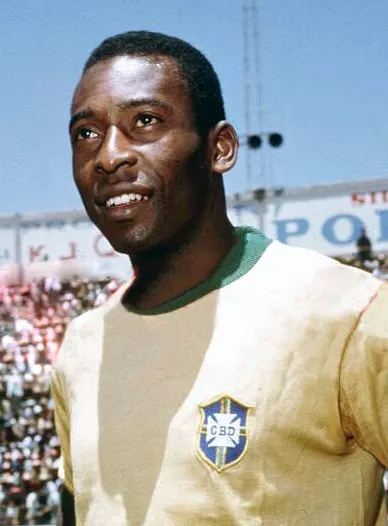
Explore 23 October: a student march in Budapest turns into a revolution, a thousand guns open fire at El Alamein, Apple puts a thousand songs in your pocket, and the Almoravids halt the Reconquista at Zallaqa. Pelé, Ang Lee and Paul Kagame were born on this date.

This day through time →7 verified events across 3 eras

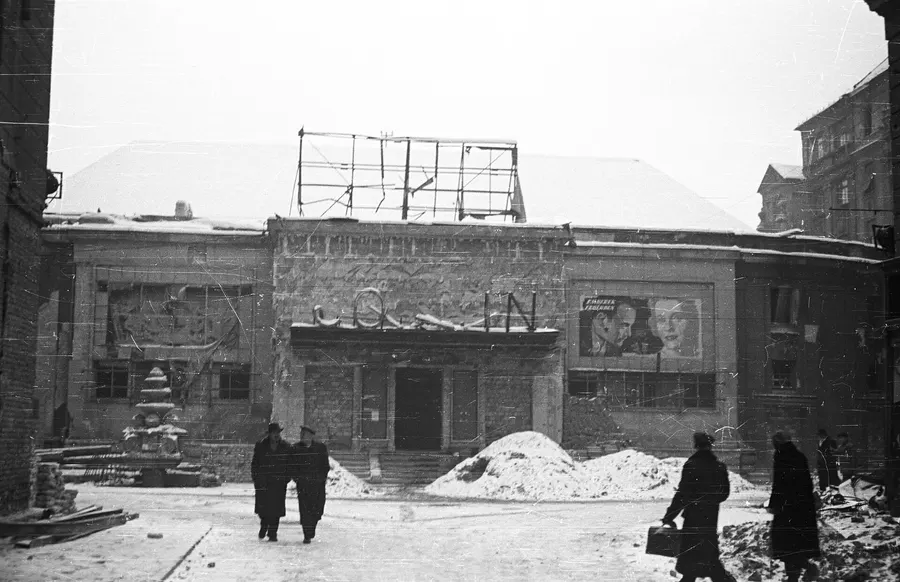
The Corvin Passage in Budapest, the centre of the fighting in 1956.
Image creditFOTO:Fortepan — ID 24782: Adományozó/Donor: Nagy Gyula. archive copy at the Wayback Machine · CC BY-SA 3.0Resized and cropped for display.

A student march becomes the Hungarian Revolution

On 23 October 1956 students in Budapest formed a procession to present a petition of national grievances. Crowds poured out of the side streets to join them, and the march split — towards Parliament, towards the radio building, and towards the City Park, where a giant statue of Stalin stood.

That evening the party leader Ernő Gerő made a hard-line broadcast, and the security police fired into the crowd outside the radio building. The shooting turned a demonstration into an uprising: soldiers changed sides, arms depots opened and Soviet troops in Hungary were called in the next day.

The revolution was crushed by a second Soviet intervention in November, but 23 October is now Hungary’s national day.

Read the full storyHistory & Timeline →Source: Encyclopaedia Britannica: Hungarian Revolution, 1956 ↗
A Kittyhawk of No. 250 Squadron RAF in Egypt, 1942.
Image creditRoyal Air Force official photographer · Public domainResized and cropped for display.

The guns open at El Alamein

At 9.40 on the night of Friday 23 October 1942, near the western edge of Egypt, Bernard Montgomery’s Eighth Army began the Second Battle of El Alamein with an artillery and air bombardment that ran for four hours and was heard sixty miles away in Alexandria.

In the early hours of the 24th, infantry and engineers began Operation Lightfoot, clearing two lanes through the German and Italian minefields for the armour to follow. The fighting lasted until 4 November and ended in a decisive Axis defeat.

El Alamein was the turning point of the North African campaign, and the first clear British land victory of the war.

Read the full storyHistory & Timeline →Source: Imperial War Museums: A five-minute history of the Second Battle of El Alamein ↗
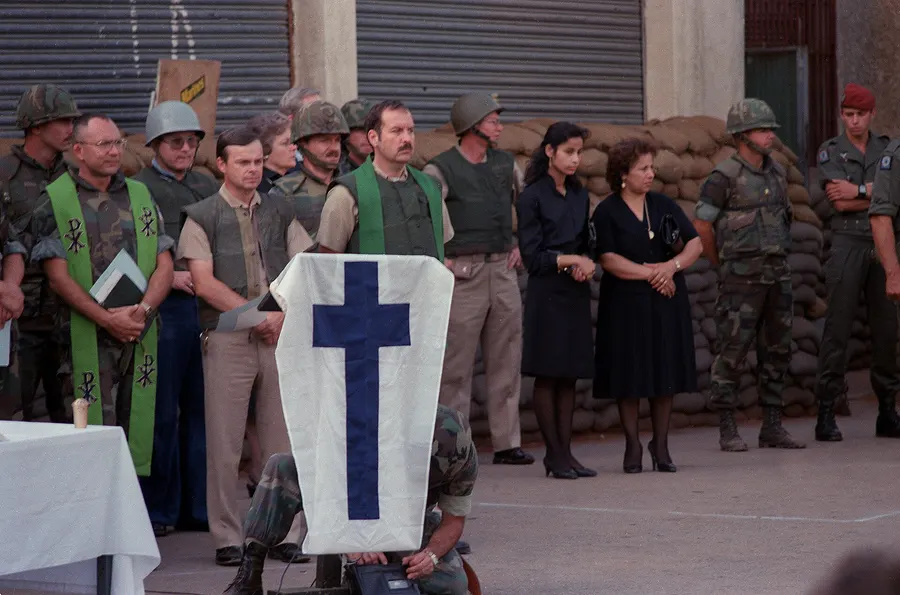
Marines, chaplains and families observe a moment of silence at a memorial service for those killed in Beirut.
Image creditGunnery Sgt. R.D. Lucas · Public domainResized and cropped for display.

The Beirut barracks bombings

At 6.22 in the morning of 23 October 1983 a lorry loaded with explosives drove through the perimeter at Beirut International Airport and detonated beneath the building housing a United States Marine battalion. Two hundred and forty-one American service personnel were killed — 220 Marines, 18 sailors and three soldiers.

Minutes later a second bomber struck the French contingent, killing 58 paratroopers. Six Lebanese civilians also died. It remains the deadliest single day for the United States Marine Corps since Iwo Jima.

The two attacks led to the withdrawal of the multinational peacekeeping force from Lebanon early the following year, and to the creation of the American Diplomatic Security Service.

Read the full storyHistory & Timeline →Source: United States Marine Corps University: The Beirut bombing, thirty years later ↗
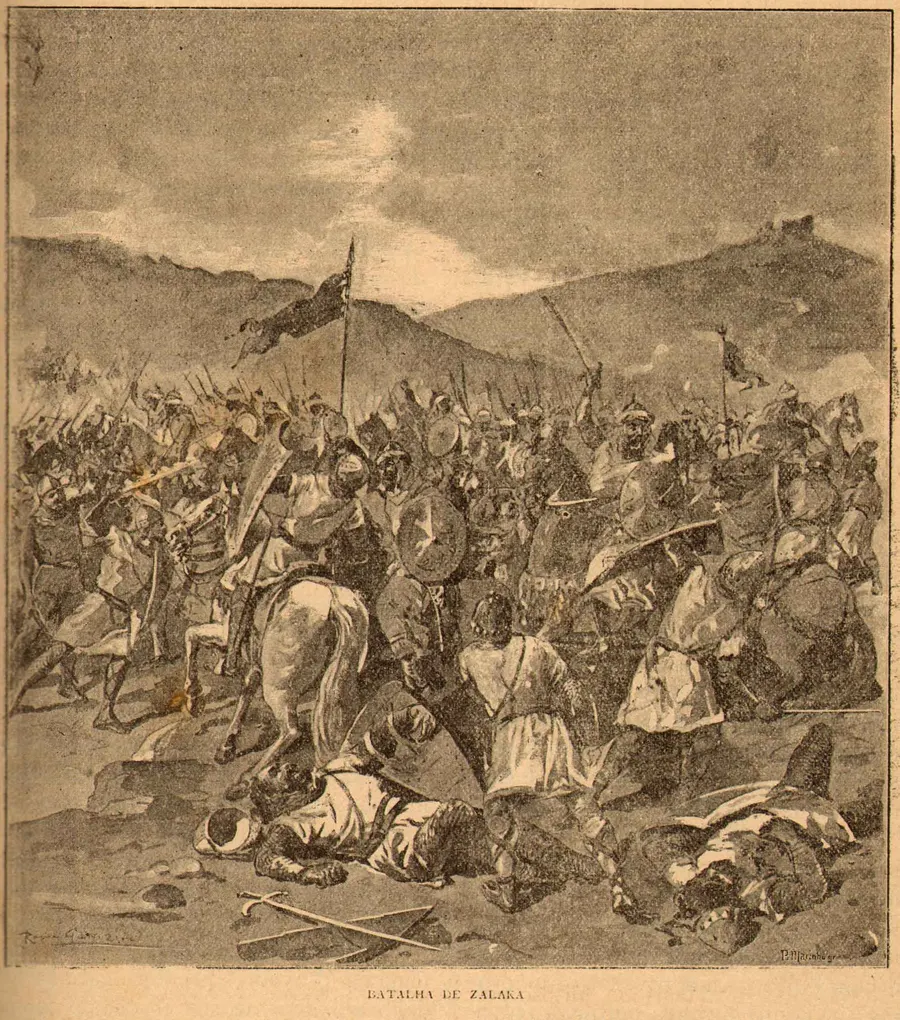
The battle of Zallaqa as imagined by the Portuguese illustrator Roque Gameiro.
Image creditRoque Gameiro · Public domainResized and cropped for display.

The Almoravids halt the Reconquista at Zallaqa

On 23 October 1086, on a plain near Badajoz known as al-Zallāqah — Sagrajas in Spanish — the Almoravid emir Yūsuf ibn Tāshufīn inflicted a heavy defeat on Alfonso VI of León and Castile.

Alfonso had been squeezing the small Muslim taifa kingdoms of Spain for tribute, hoping to weaken them into surrender. Al-Muʿtamid of Seville appealed instead to the Almoravids of North Africa, whose emir landed at Algeciras in July and marched north.

The victory restored a measure of unity to Muslim Spain and put Alfonso on the defensive. Yūsuf returned to Morocco soon afterwards, but the Almoravids were now a power in the peninsula.

Read the full storyHistory & Timeline →Source: Encyclopaedia Britannica: Battle of al-Zallāqah ↗
♙
PEOPLE

Born Today

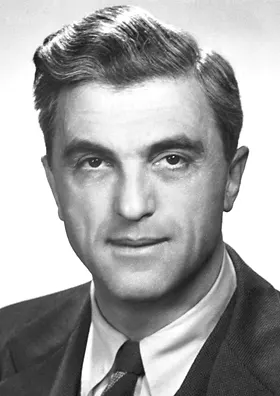
Felix Bloch
Image creditUnknown authorUnknown author · Public domainResized and cropped for display.

Felix Bloch

Swiss-American physicist whose work on nuclear magnetic resonance, which won him the 1952 Nobel Prize, underlies the MRI scanner.

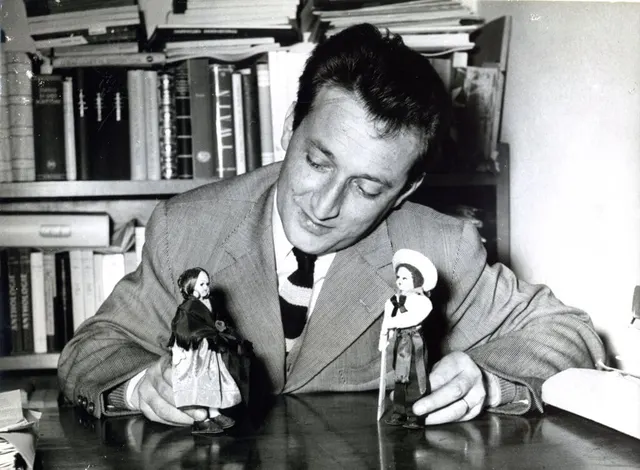
Gianni Rodari
Image creditfamiglia Rodari · Public domainResized and cropped for display.

Gianni Rodari

Italian children’s writer, the only Italian to win the Hans Christian Andersen Award.

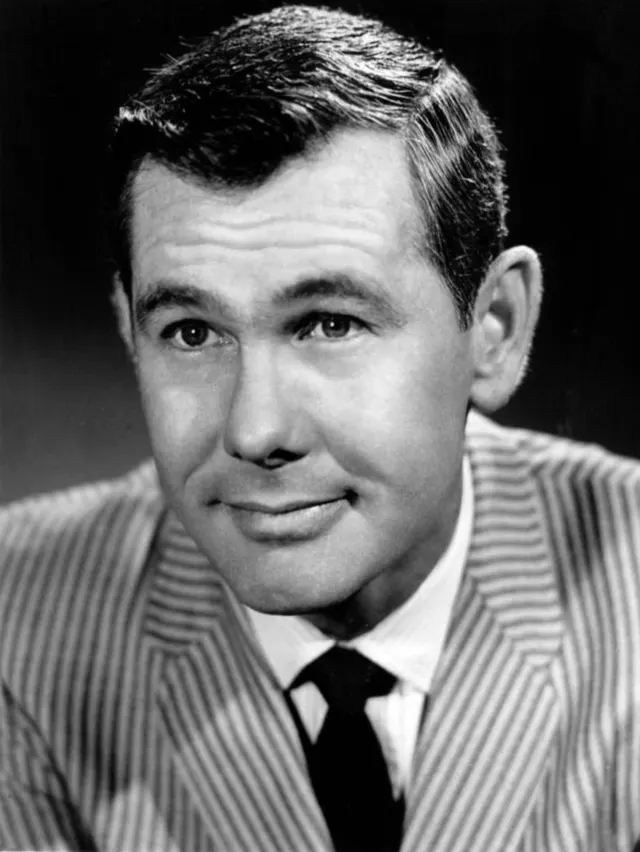
Johnny Carson
Image creditNBC Television · Public domainResized and cropped for display.

Johnny Carson

American broadcaster who hosted The Tonight Show for thirty years and shaped the American chat show.

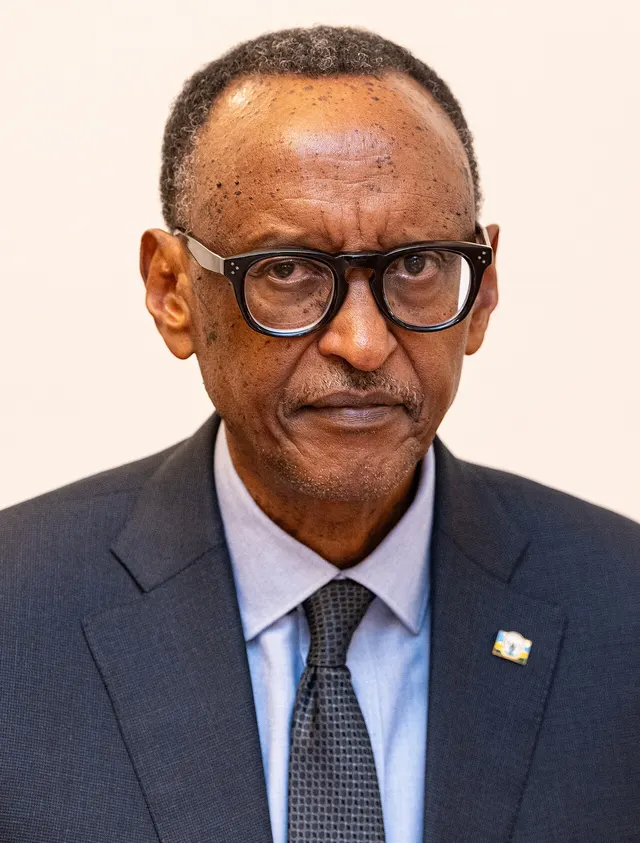
Paul Kagame
Image creditSaeima · CC BY-SA 2.0Resized and cropped for display.

Paul Kagame

Rwandan soldier and politician who has led the country since the genocide of 1994 and has been its president since 2000.

◉
IDEAS THAT CHANGED THINGS

Firsts, Science & Discoveries

A third-generation iPod of 2003 in its dock; no freely licensed photograph of the original 2001 model exists.
Image creditUnknown · CC BY-SA 3.0Resized and cropped for display.

A thousand songs in your pocket

Apple introduced the iPod on 23 October 2001: a 6.5-ounce music player with a five-gigabyte hard drive that held about a thousand CD-quality songs. Steve Jobs summed it up in five words — ‘a thousand songs in your pocket’.

It went on sale on 10 November at $399. Apple claimed it had invented a new category of digital music player; within a few years the iPod had reshaped the recording industry and set the company on the path to the iPhone.

Read the full storyHistory & Timeline →Source: Apple Newsroom: Apple presents iPod, 23 October 2001 ↗
✦
LIVES REMEMBERED

Remembered Today

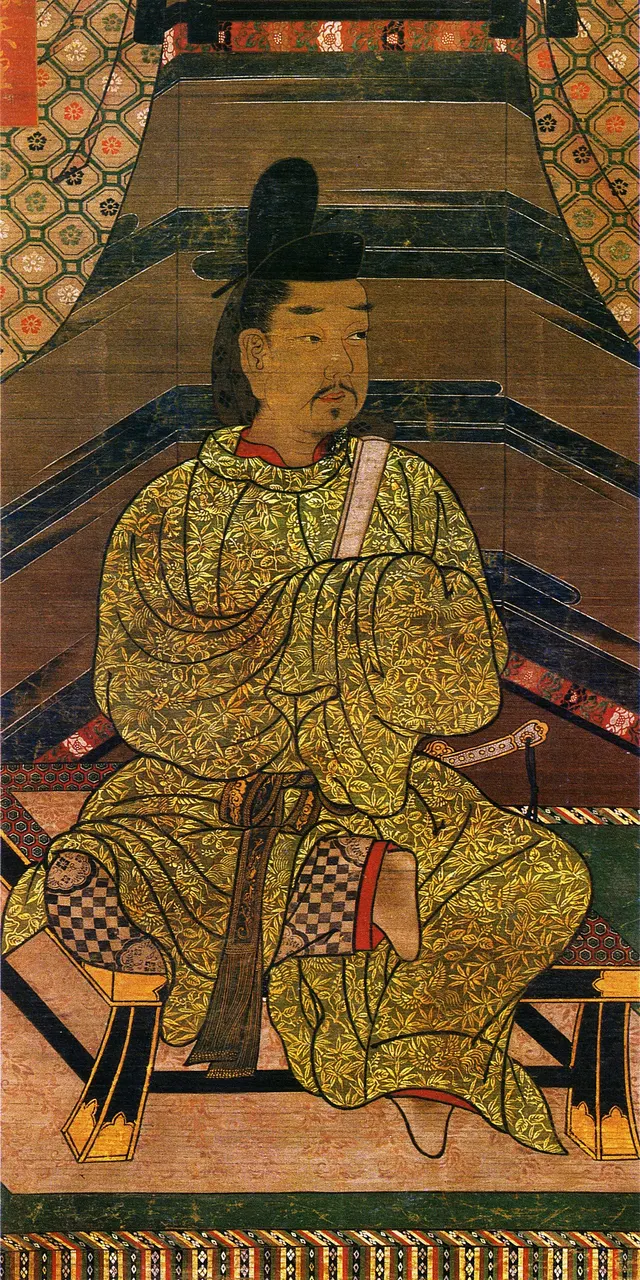
Emperor Daigo
Image creditUnknown artistUnknown artist · Public domainResized and cropped for display.

Emperor Daigo

Sixtieth emperor of Japan, who reigned for thirty-three years in the Heian period. His death is recorded under the Julian calendar.

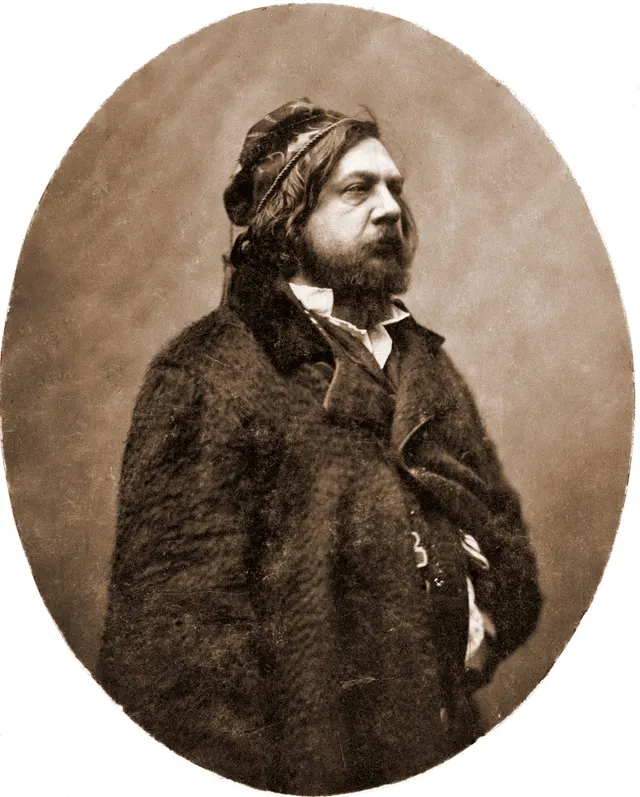
Théophile Gautier
Image creditNadar · Public domainResized and cropped for display.

Théophile Gautier

French poet, novelist and critic, and an early champion of art for art’s sake.

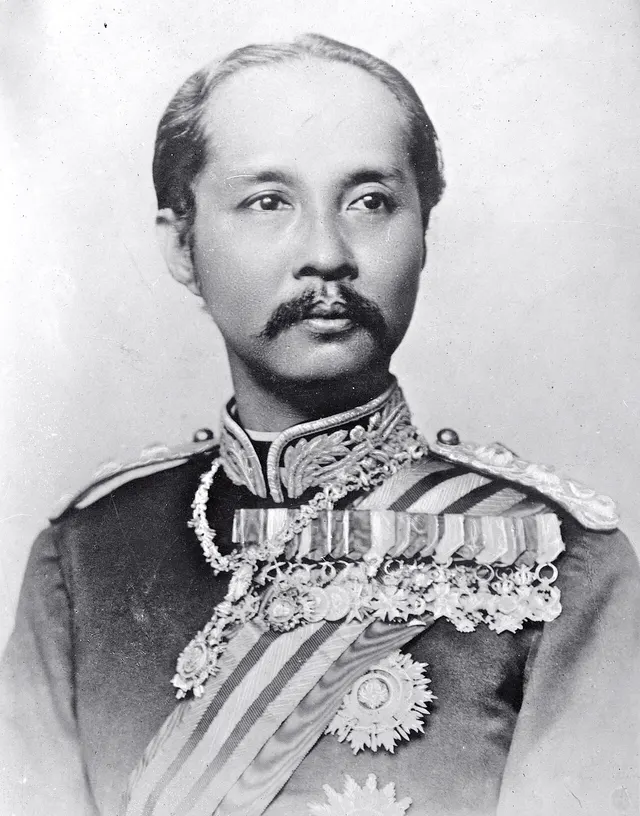
Chulalongkorn
Image creditBain News Service, publisher. · Public domainResized and cropped for display.

Chulalongkorn

King Rama V of Siam, who abolished slavery, reformed the state and kept his country independent between the British and French empires.

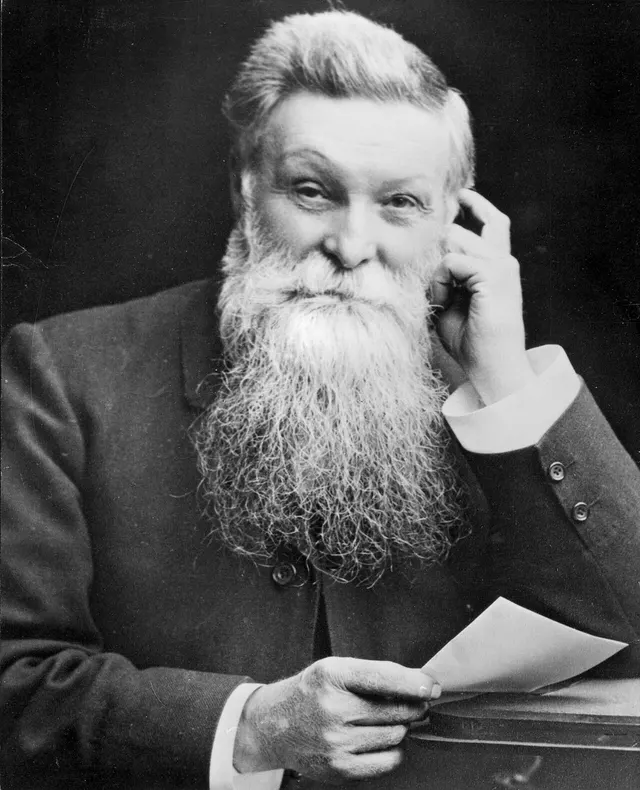
John Boyd Dunlop
Image creditUnknown · Public domainResized and cropped for display.

John Boyd Dunlop

Scottish vet who reinvented the pneumatic tyre in 1888 after making one for his son’s tricycle.

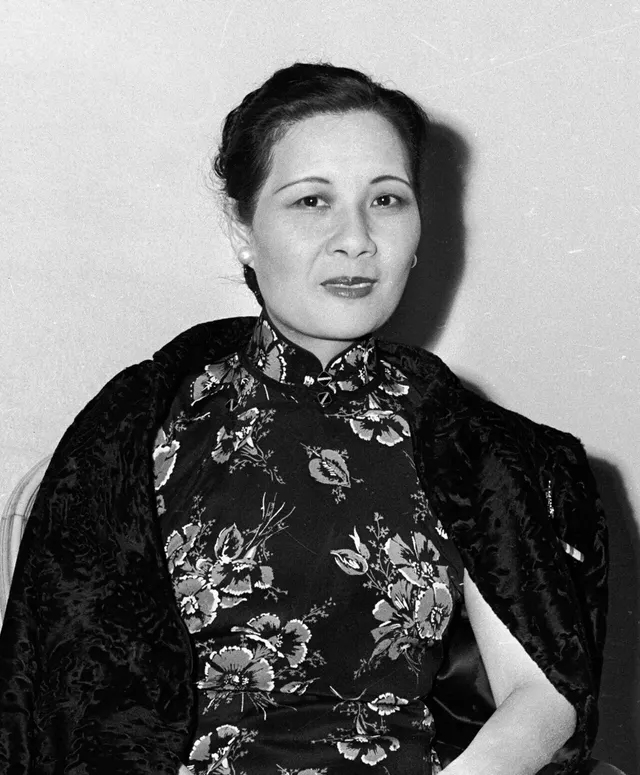
Soong Mei-ling
Image creditLos Angeles Times · CC BY 4.0Resized and cropped for display.

Soong Mei-ling

Chinese political figure and wife of Chiang Kai-shek, who addressed the United States Congress in 1943 and lived to 105.

☉
AROUND THE WORLD

Observances & Anniversaries

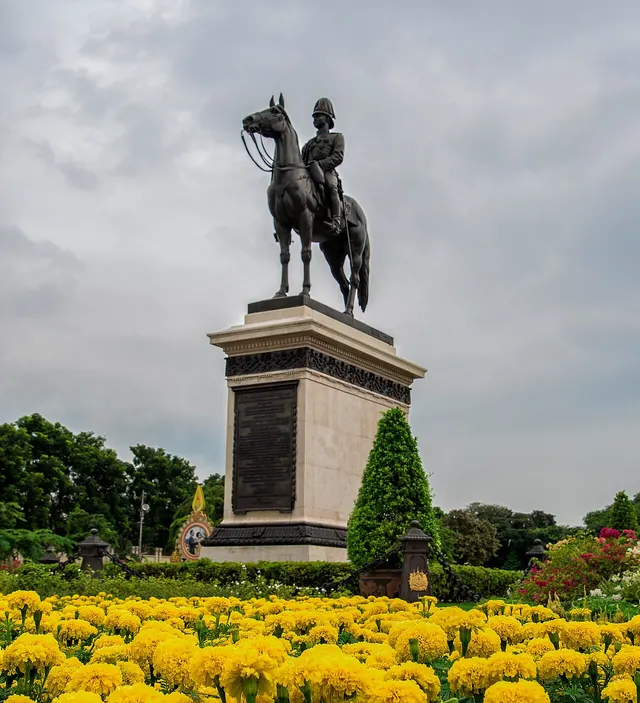
The equestrian statue of King Chulalongkorn at the Royal Plaza in Bangkok.
Image creditNawit science · CC BY-SA 4.0Resized and cropped for display.

Chulalongkorn Day

Thailand marks Chulalongkorn Day each 23 October, the anniversary of the death of King Chulalongkorn — Rama V — in 1910 after forty-two years on the throne.

He came to the throne at fifteen and is remembered for abolishing slavery, founding the country’s first university and modernising the administration, and for keeping Siam independent while its neighbours were colonised. Wreaths are laid at his equestrian statue at the Royal Plaza in Bangkok.

Source: Royal Thai Ministry of Foreign Affairs: In remembrance of His Majesty King Chulalongkorn ↗
HISTORY & TIMELINE

Finished the highlights?

Follow 23 October chronologically, from the Middle Ages to the modern day, with 7 verified events and the sources behind them.

This day through time →