Explore 30 October

Explore 30 October: the Ottoman Empire leaves the First World War, Quebec votes by a whisker to stay in Canada, and 23 nations sign the trade deal that became the WTO. Plus the Tsar Bomba, The War of the Worlds and the Rumble in the Jungle.

This day through time →10 verified events across 2 eras

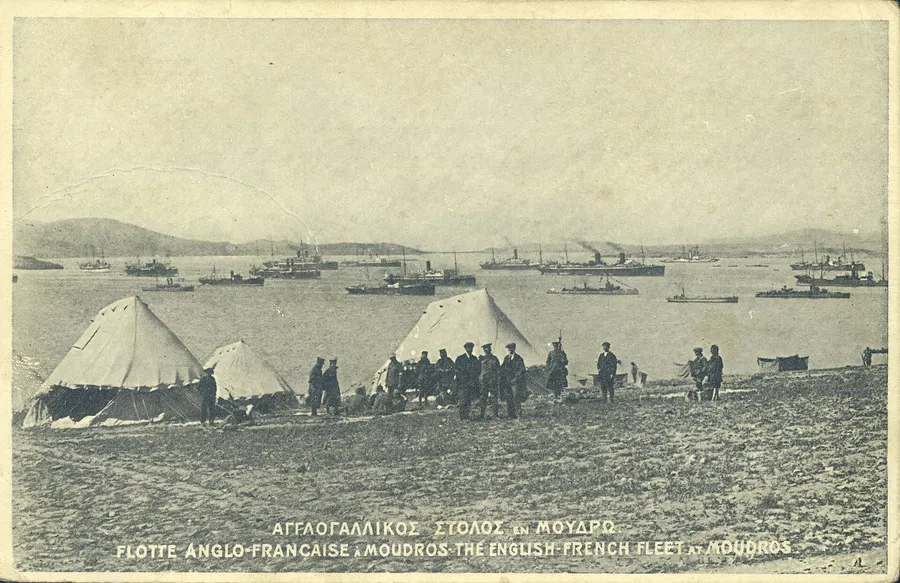
The British and French fleet at Mudros, on a Greek postcard of about 1918.
Image creditThe postcard was published by Aspiotis in c. 1918. · Public domainResized and cropped for display.

The Ottoman Empire signs the Armistice of Mudros

On 30 October 1918 representatives of the Ottoman Empire and of Great Britain, acting for the Allies, signed an armistice on board the battleship HMS Agamemnon, anchored in the harbour of Mudros on the Aegean island of Lemnos. It took the Ottomans out of the First World War.

The terms were severe. The Ottomans had to open the Dardanelles and the Bosphorus to Allied ships, demobilise their army, surrender their remaining garrisons in Arabia, Syria and Mesopotamia, and let the Allies occupy any strategic point they chose. Within five years the empire that had lasted six centuries was gone.

Read the full storyHistory & Timeline →Source: Encyclopaedia Britannica: Armistice of Mudros ↗
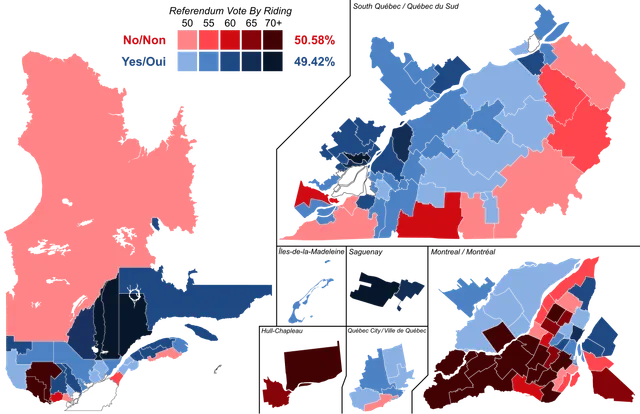
Results of the 1995 referendum by electoral district.
Image creditDrRandomFactor · CC BY-SA 4.0Resized and cropped for display.

Quebec votes by a whisker to stay in Canada

On 30 October 1995 voters in Quebec were asked whether the province should become sovereign. The No side won with 50.58 per cent of the vote against 49.42 per cent for Yes, a margin of fewer than 55,000 votes. Turnout was 93.5 per cent, one of the highest ever recorded in Canada.

It was the province’s second referendum on the question, after one in 1980, and far closer. The result was followed by arguments over rejected ballots and the voters’ list, and it shaped Canadian politics for years afterwards.

Read the full storyHistory & Timeline →Source: The Canadian Encyclopedia: Quebec Referendum (1995) ↗
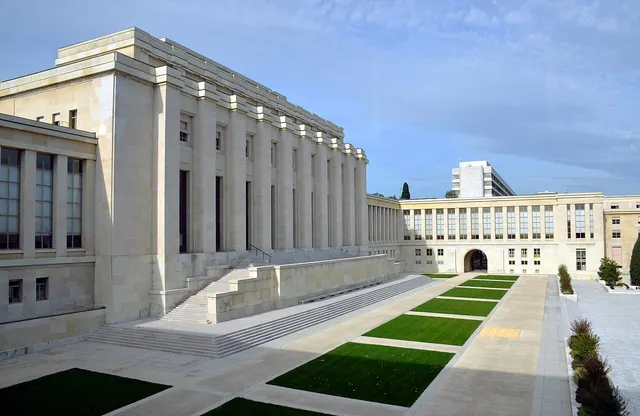
The Palais des Nations in Geneva, where the agreement was signed.
Image creditVassil · CC0Resized and cropped for display.

Twenty-three nations sign the GATT

On 30 October 1947, at the Palais des Nations in Geneva, 23 countries signed the Final Act of the General Agreement on Tariffs and Trade. Twelve were developed economies and eleven developing ones. The agreement bound them to the tariff cuts negotiated that year and to rules meant to stop those cuts being undone by other barriers.

Its central idea was trade without discrimination: each member would open its market to all the others on equal terms. The GATT took effect on 1 January 1948 and served as the framework for world trade for almost half a century, until the World Trade Organization replaced it in 1995.

Read the full storyHistory & Timeline →Source: World Trade Organization: GATT 1947 and the grueling task of signing ↗
♙
PEOPLE

Born Today

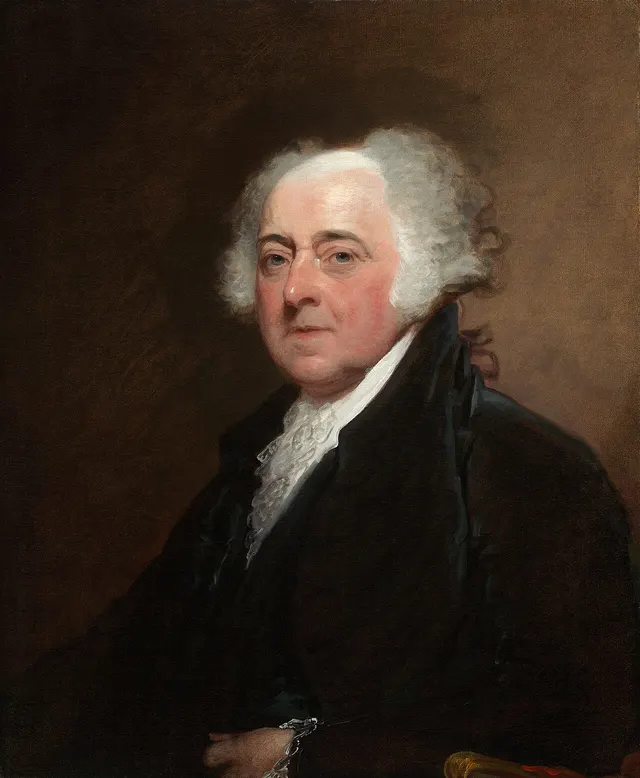
John Adams
Image creditGilbert Stuart · Public domainResized and cropped for display.

John Adams

Founding Father and second president of the United States. He was born on 19 October under the Old Style calendar then used in the British colonies.

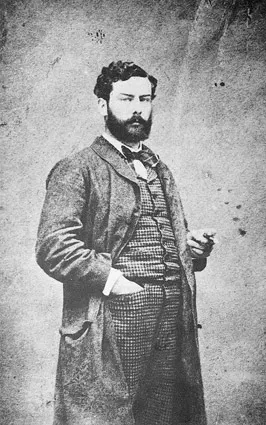
Alfred Sisley
Image creditUnknown authorUnknown author · Public domainResized and cropped for display.

Alfred Sisley

Impressionist painter of the rivers and villages around Paris, born in Paris to English parents.

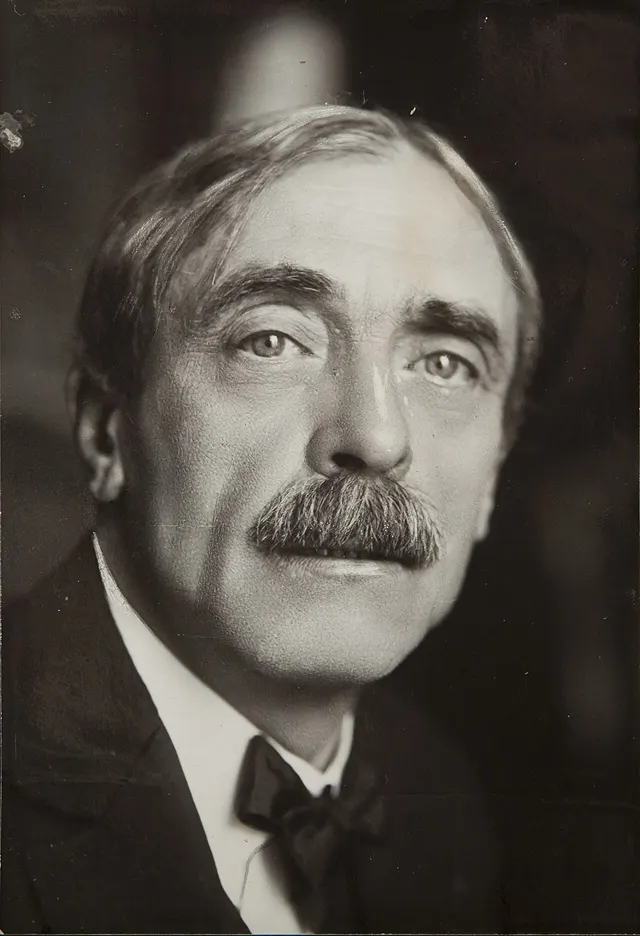
Paul Valéry
Image creditHenri Manuel · Public domainResized and cropped for display.

Paul Valéry

French poet and essayist, author of Le Cimetière marin.

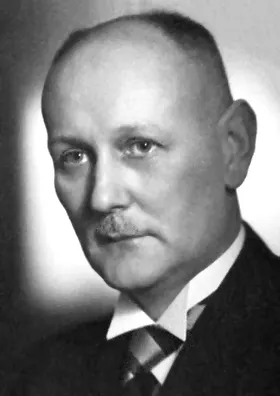
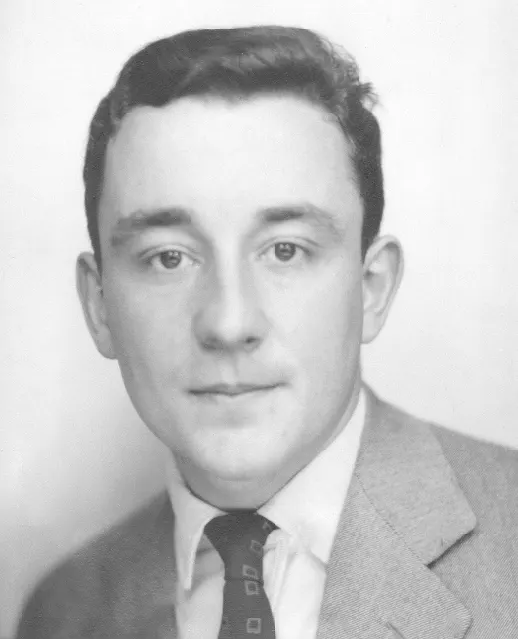
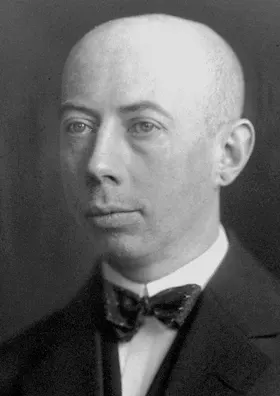
Gerhard Domagk
Image creditUnknown authorUnknown author · Public domainResized and cropped for display.

Gerhard Domagk

German bacteriologist who discovered the first sulfa drug and won the 1939 Nobel Prize in Physiology or Medicine.

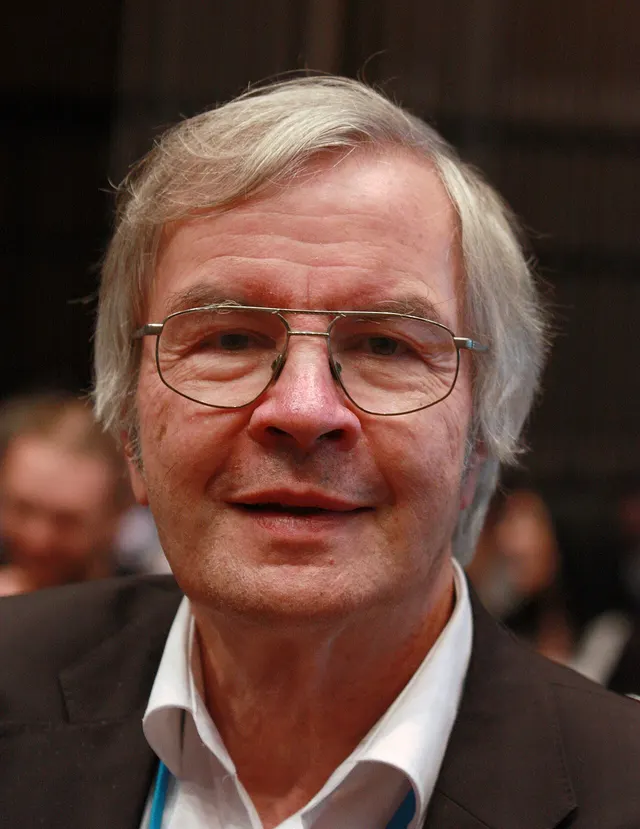
Theodor W. Hänsch
Image creditMarkus Pössel (User: Mapos) · CC BY-SA 3.0Resized and cropped for display.

Theodor W. Hänsch

German physicist who shared the 2005 Nobel Prize in Physics for work on precision laser spectroscopy.

◉
IDEAS THAT CHANGED THINGS

Firsts, Science & Discoveries

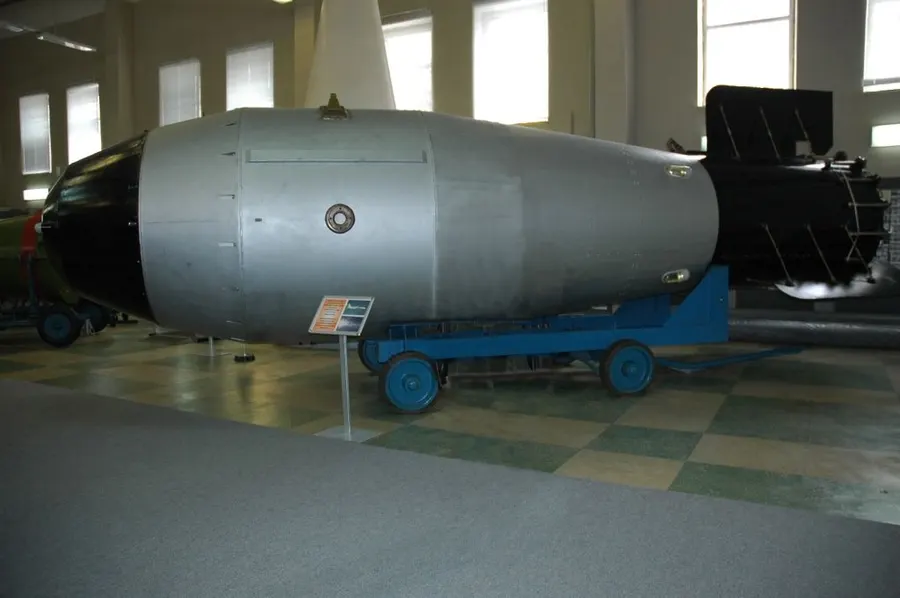
The casing of an RDS-202, a bomb of the same type as the Tsar Bomba, at the atomic weapons museum in Sarov.
Image creditUser:Croquant with modifications by User:Hex · CC BY-SA 3.0Resized and cropped for display.

The Tsar Bomba, the largest explosion ever made

On 30 October 1961 the Soviet Union exploded a thermonuclear bomb about 4 km above Novaya Zemlya, an island in the Arctic Ocean. With a yield of about 50 megatons, the power of roughly 3,800 Hiroshima bombs, it remains the most powerful explosion ever caused by human beings.

The mushroom cloud rose more than 60 km and the flash was seen about 1,000 km away. The design, on which Andrei Sakharov worked, could have reached 100 megatons, but the yield was halved to limit fallout. Too large to be a practical weapon, it was a demonstration of strength at a tense moment of the Cold War.

Read the full storyHistory & Timeline →Source: Encyclopaedia Britannica: Tsar Bomba ↗
☆
SPORTING HISTORY

Sporting Moments

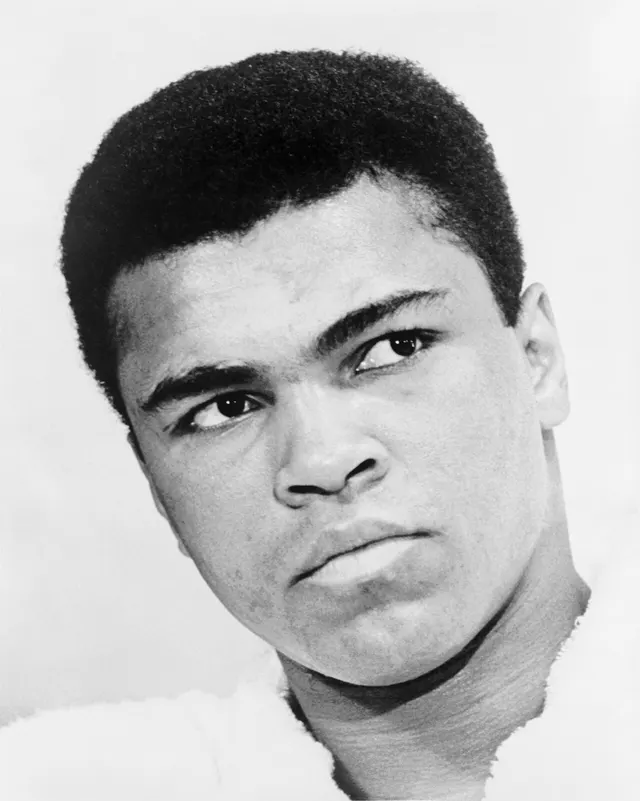
Muhammad Ali in 1967.
Image creditIra Rosenberg · Public domainResized and cropped for display.

The Rumble in the Jungle

On 30 October 1974 Muhammad Ali fought the heavyweight champion George Foreman in Kinshasa, Zaire, now the Democratic Republic of the Congo. The bout was arranged by the promoter Don King and paid for by Zaire’s ruler, Mobutu Sese Seko. About 60,000 people watched in the stadium and perhaps a billion on television.

Foreman was the clear favourite. Ali spent round after round leaning on the ropes and letting Foreman punch himself out, the tactic he called rope-a-dope, then knocked him out in the eighth round to win back the world title.

Read the full storyHistory & Timeline →Source: Encyclopaedia Britannica: Rumble in the Jungle ↗
♫
MUSIC • FILM • BOOKS • CULTURE

Culture Stories

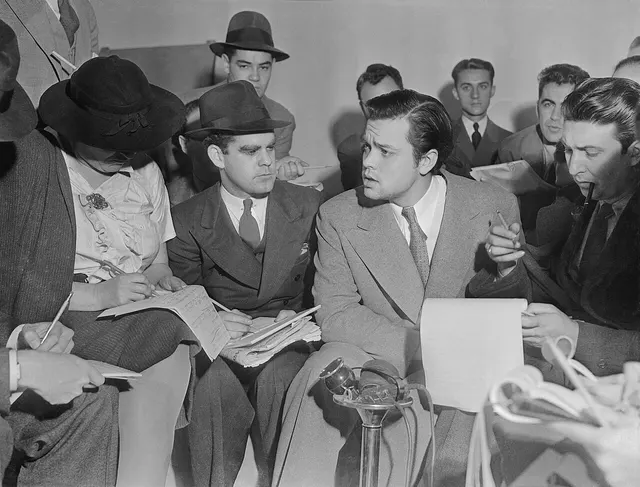
Orson Welles meets reporters after the broadcast, 31 October 1938.
Image creditAcme News Photos · Public domainResized and cropped for display.

The War of the Worlds goes out on the radio

On the evening of 30 October 1938 Orson Welles and the Mercury Theatre on the Air broadcast an adaptation of H. G. Wells’s novel The War of the Worlds on CBS radio. Instead of telling the story straight, they presented it as a run of breaking news bulletins interrupting a dance-music programme, reporting a Martian landing in New Jersey.

Some listeners took the bulletins for real and rang police stations and newspapers, and the press reported a nationwide panic. How many people were actually fooled is still disputed. The broadcast made the 23-year-old Welles famous overnight.

Read the full storyHistory & Timeline →Source: Library of Congress, National Recording Registry: The War of the Worlds (1938) ↗
✦
LIVES REMEMBERED

Remembered Today

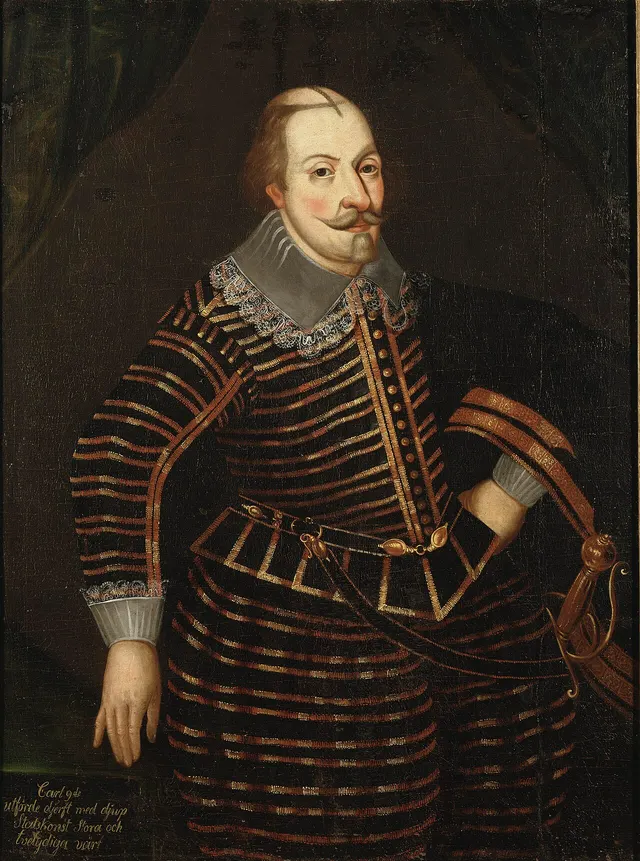
Charles IX of Sweden
Image creditUnidentified painter · Public domainResized and cropped for display.

Charles IX of Sweden

King of Sweden from 1604 and father of Gustavus Adolphus. His death is recorded under the Julian calendar then used in Sweden.

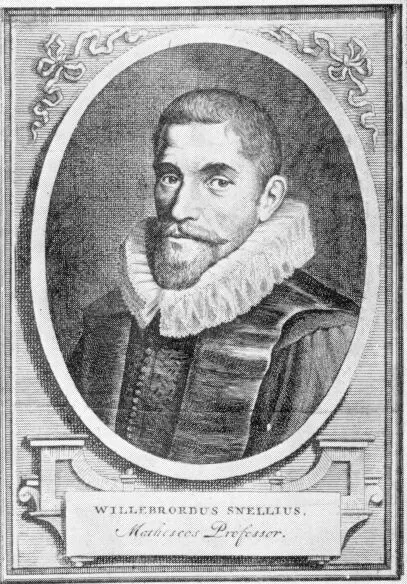
Willebrord Snellius
Image creditUnknown · Public domainResized and cropped for display.

Willebrord Snellius

Dutch mathematician and astronomer remembered for the law of refraction that bears his name.

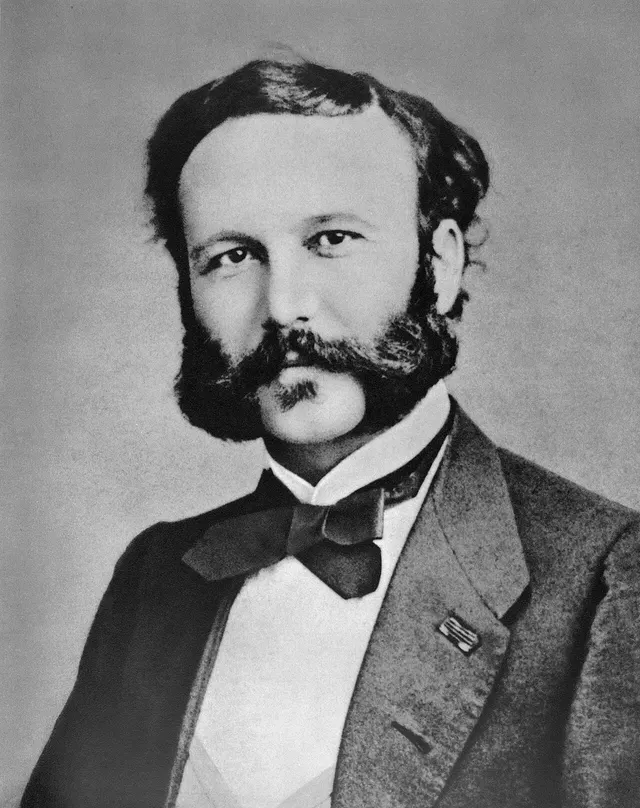
Henry Dunant
Image creditFrédéric Boissonnas · Public domainResized and cropped for display.

Henry Dunant

Swiss founder of the Red Cross and joint winner of the first Nobel Peace Prize in 1901.

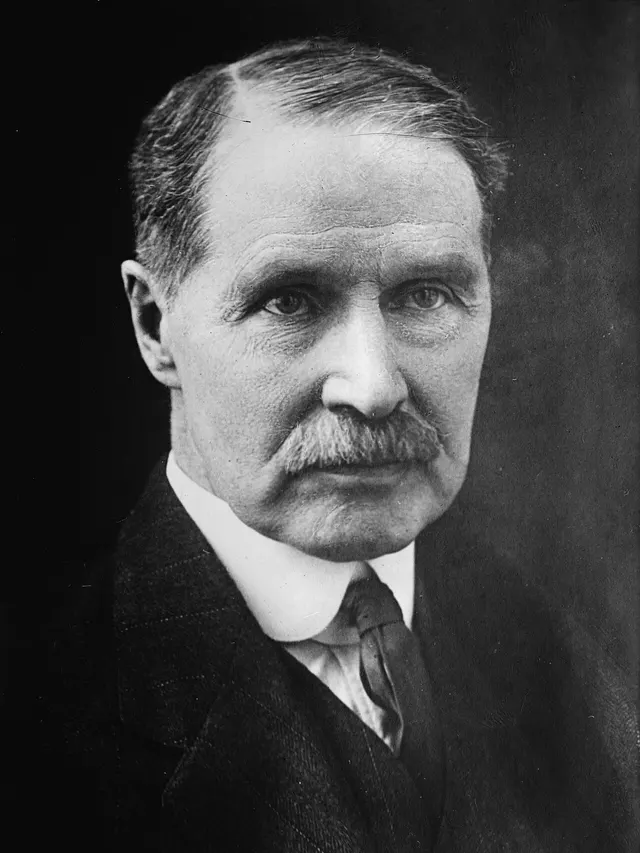
Bonar Law
Image creditBain News Service · Public domainResized and cropped for display.

Bonar Law

Canadian-born British prime minister whose term of 1922 to 1923 was one of the shortest.

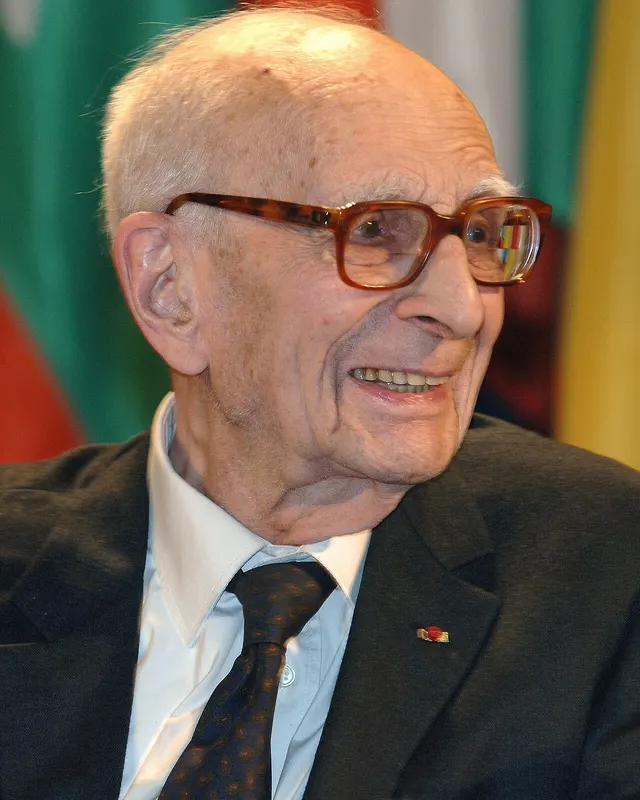
Claude Lévi-Strauss
Image creditUNESCO/Michel Ravassard · CC BY 3.0Resized and cropped for display.

Claude Lévi-Strauss

French anthropologist and founder of structural anthropology.

HISTORY & TIMELINE

Finished the highlights?

Follow 30 October chronologically, from the Middle Ages to the modern day, with 10 verified events and the sources behind them.

This day through time →