Explore 28 October

Explore 28 October: the Statue of Liberty is unveiled in New York harbour, Greece answers Mussolini with a single word, Czechoslovakia is proclaimed in Prague and Khrushchev agrees to take the missiles out of Cuba. Erasmus, Jonas Salk and Bill Gates were born on this date.

This day through time →8 verified events across 5 eras

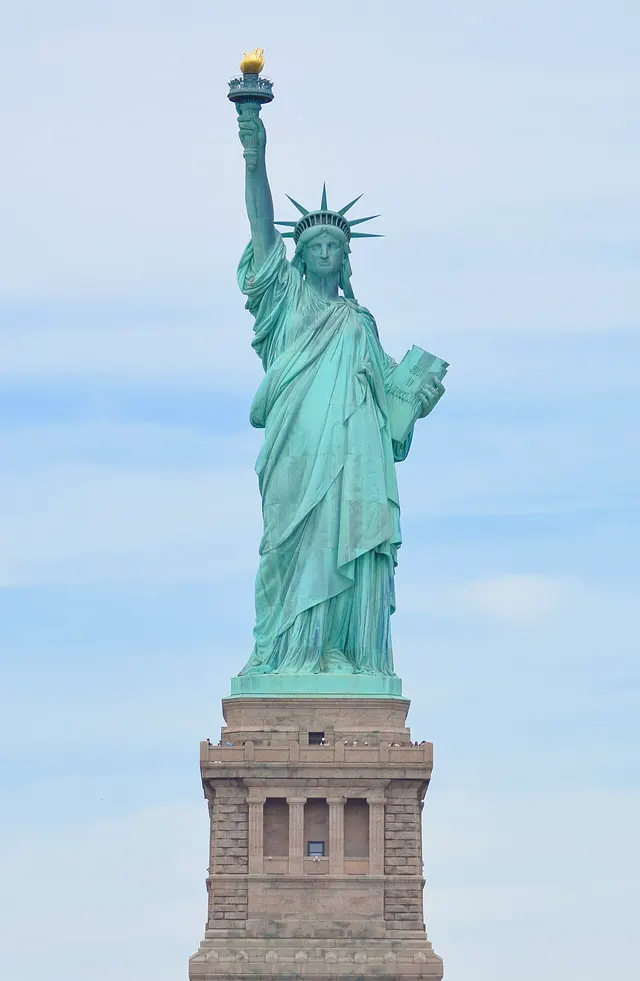
The Statue of Liberty.
Image creditAskALotl · CC0Resized and cropped for display.

The Statue of Liberty is unveiled

President Grover Cleveland dedicated the Statue of Liberty on Bedloe’s Island in New York harbour on 28 October 1886, formally accepting the 225-ton copper and steel figure as a gift from the people of France.

That morning some 20,000 people marched through Manhattan towards the harbour, watched by several million more. ‘We will not forget’, Cleveland said, ‘that Liberty has made here her home.’

The island was renamed Liberty Island in the twentieth century. For the millions who arrived by sea in the decades that followed, the statue was the first thing they saw.

Read the full storyHistory & Timeline →Source: National Park Service: Liberty Island, a chronology ↗
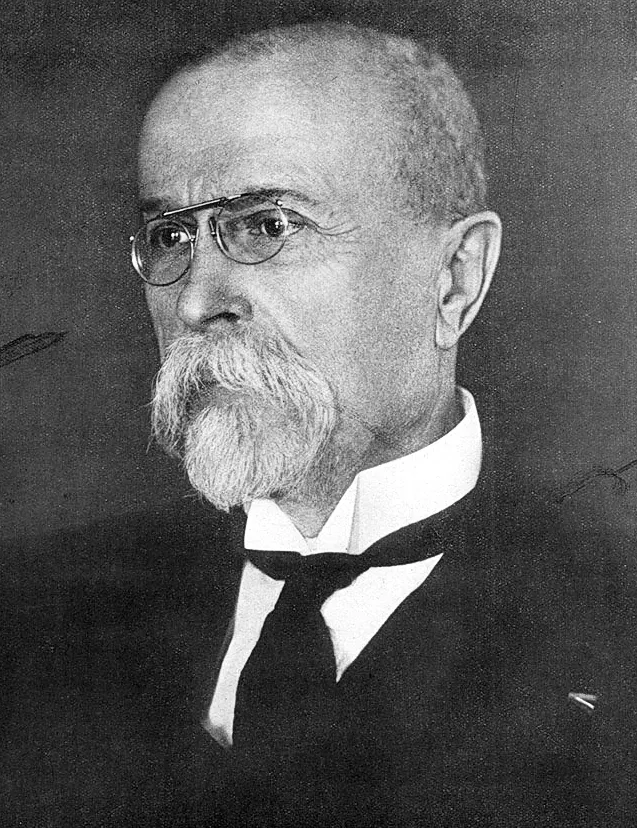
Tomáš Garrigue Masaryk, the first president of Czechoslovakia.
Image creditUnknown authorUnknown author · Public domainResized and cropped for display.

Czechoslovakia is proclaimed

The Prague National Committee proclaimed an independent Czechoslovak state on 28 October 1918, as Austria-Hungary collapsed at the end of the First World War. Two days later the Slovak National Council at Turčiansky Svätý Martin joined the proclamation.

The takeover in Prague was peaceful. The country’s leaders — Tomáš Garrigue Masaryk, Edvard Beneš and Milan Rastislav Štefánik — were still abroad: Masaryk was elected president on 14 November while in the United States and did not reach Prague until December.

The date is still the national day of the Czech Republic.

Read the full storyHistory & Timeline →Source: Encyclopaedia Britannica: Czechoslovak history, the struggle for independence ↗
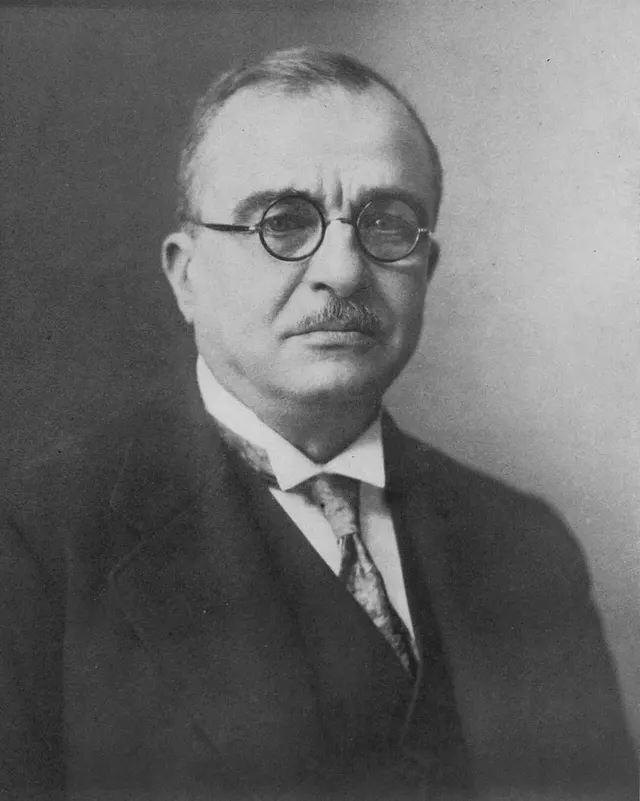
Ioannis Metaxas, who rejected the ultimatum.
Image creditThe Archaeological Society at Athens / εν Aθήναις Aρχαιολογική Eταιρεία, 1937 · Public domainResized and cropped for display.

Greece says no

In the small hours of 28 October 1940 the Italian ambassador in Athens delivered an ultimatum demanding that Italian troops be allowed to occupy strategic points in Greece. The Greek leader, Ioannis Metaxas, refused. Greeks have remembered the answer ever since as a single word: ochi — no.

Italian divisions crossed from occupied Albania within hours. Mussolini had expected a quick success to match his ally’s; instead the Greeks drove the invaders back out of Greece and into southern Albania within weeks.

Germany invaded in April 1941 to finish what Italy could not. The 28th is a national holiday in Greece.

Read the full storyHistory & Timeline →Source: Encyclopaedia Britannica: Greece, the Metaxas regime and World War II ↗
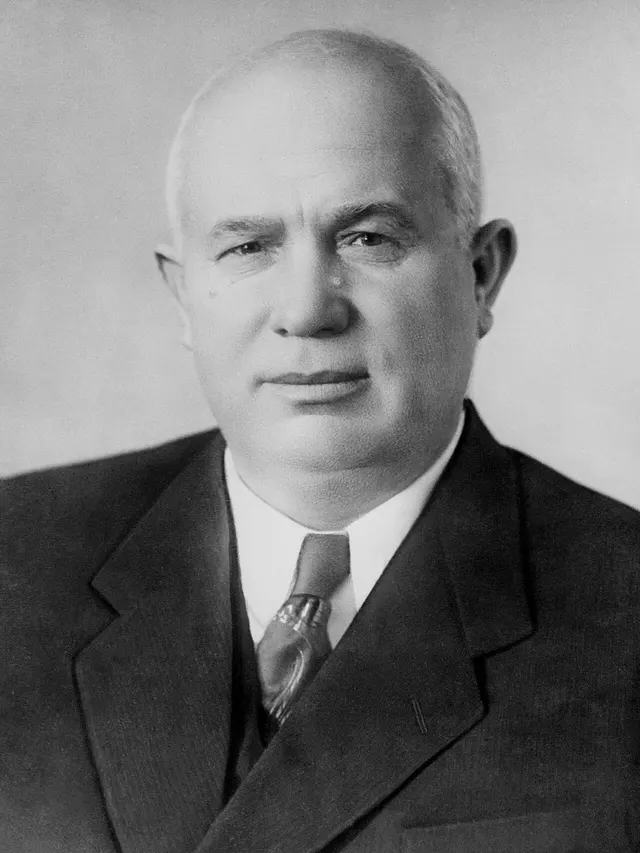
Nikita Khrushchev.
Nikita Khrushchev.
Image creditTASS · Public domainResized and cropped for display.

Khrushchev backs down over Cuba

On the morning of 28 October 1962 Radio Moscow broadcast the text of a letter from Nikita Khrushchev: work on the missile sites in Cuba would stop and the missiles already there would be shipped home.

In exchange the United States undertook not to invade Cuba. Kennedy also secretly agreed to withdraw American missiles from Turkey. The thirteen days of the crisis were over, although the naval quarantine stayed in force until the Soviet Il-28 bombers were removed on 20 November.

It was the closest the Cold War came to nuclear war, and it led directly to the Washington-Moscow hotline and the test-ban treaty of 1963.

Read the full storyHistory & Timeline →Source: US Department of State, Office of the Historian: The Cuban Missile Crisis, October 1962 ↗
♙
PEOPLE

Born Today

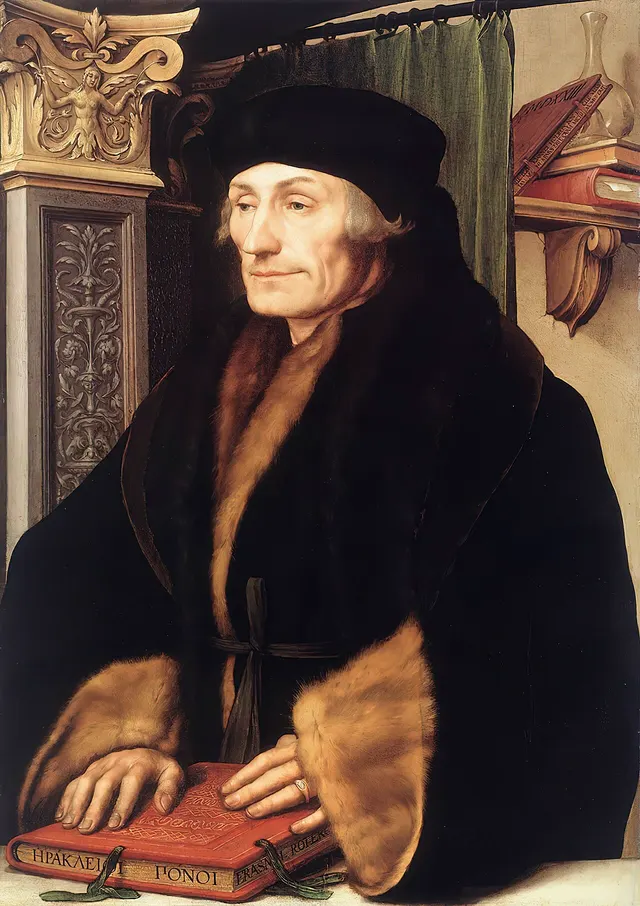
Erasmus
Image creditHans Holbein the Younger · Public domainResized and cropped for display.

Erasmus

Dutch humanist and priest, editor of the Greek New Testament and the most influential scholar of the northern Renaissance. His birth is recorded under the Julian calendar.

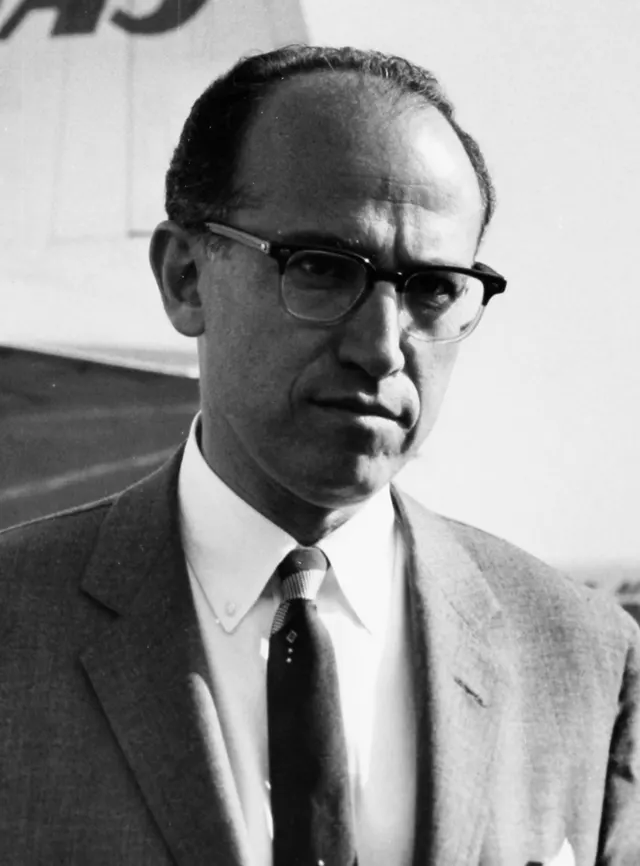
Jonas Salk
Image creditSAS Scandinavian Airlines · Public domainResized and cropped for display.

Jonas Salk

American virologist who developed the first effective polio vaccine and refused to patent it.

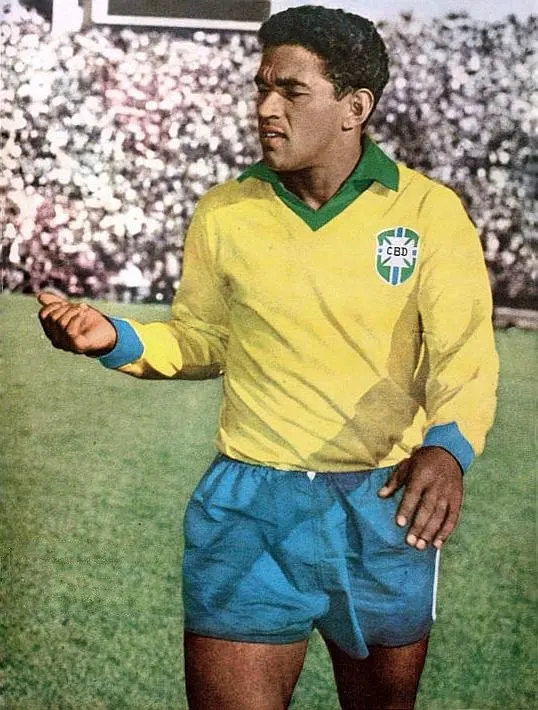
Garrincha
Image creditEl Gráfico, n° 2233 · Public domainResized and cropped for display.

Garrincha

Brazilian winger, twice a World Cup winner, and for many Brazilians the most loved player of all.

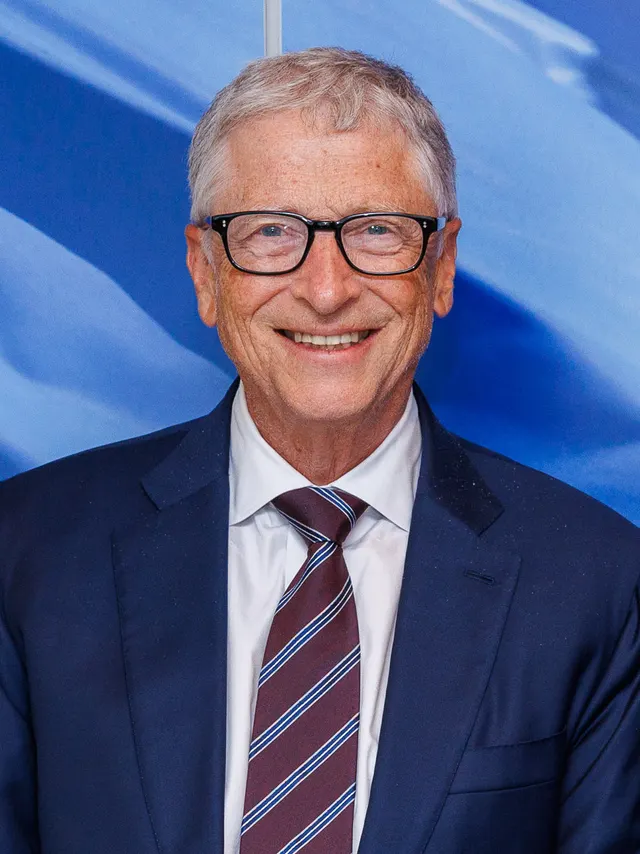
Bill Gates
Image creditBogdan Hoyaux / European Union · CC BY 4.0Resized and cropped for display.

Bill Gates

American software entrepreneur who co-founded Microsoft and later turned to philanthropy.

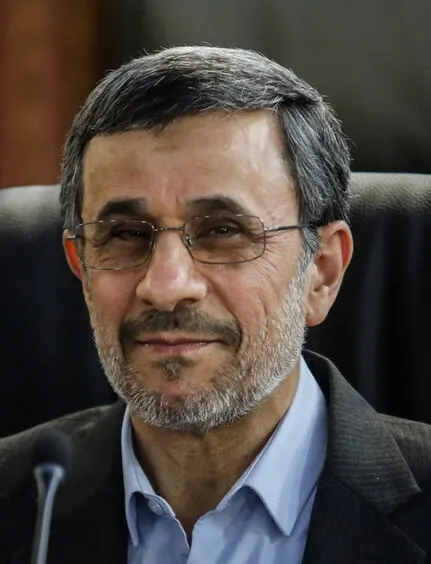
Mahmoud Ahmadinejad
Image creditMajid Haghdoust · CC BY 4.0Resized and cropped for display.

Mahmoud Ahmadinejad

Iranian politician and president of Iran from 2005 to 2013.

Julia Roberts
Image creditColleen Sturtevant · CC BY-SA 4.0Resized and cropped for display.

Julia Roberts

American actress and one of the defining film stars of the 1990s.

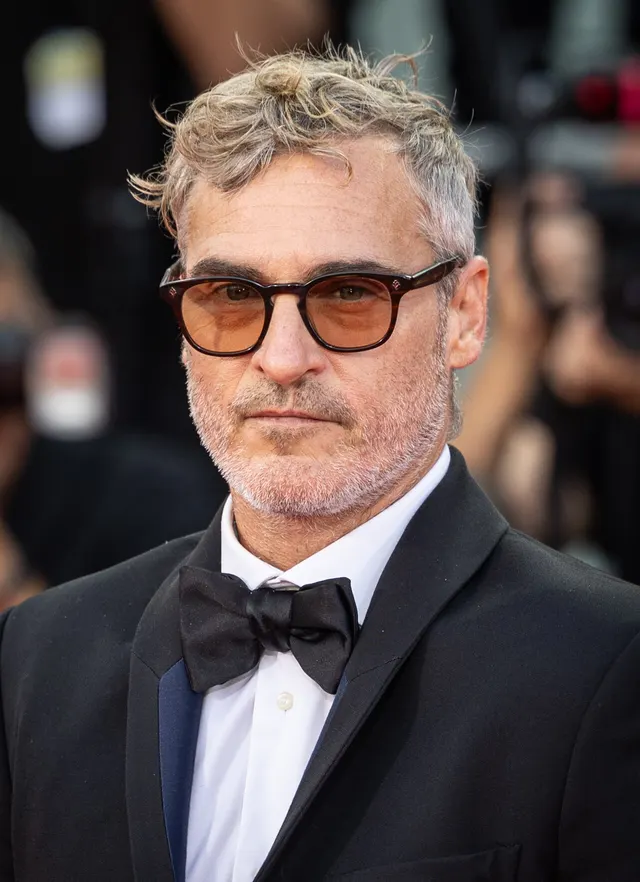
Joaquin Phoenix
Image creditHarald Krichel · CC BY-SA 4.0Resized and cropped for display.

Joaquin Phoenix

American actor, known for Gladiator, Walk the Line and Joker.

♫
MUSIC • FILM • BOOKS • CULTURE

Culture Stories

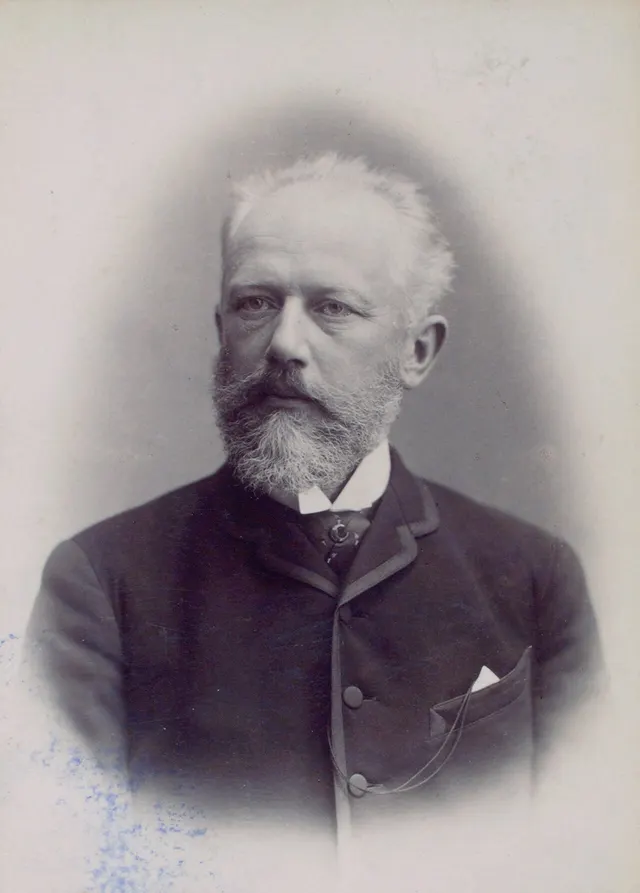
Pyotr Ilyich Tchaikovsky.
Image creditÉmile Reutlinger · Public domainResized and cropped for display.

Tchaikovsky conducts the Pathétique

Tchaikovsky conducted the first performance of his Sixth Symphony in the Hall of Nobles in St Petersburg on 28 October 1893. He had begun it in February and finished it at the end of August, and dedicated it to his nephew Vladimir Davydov.

The symphony ends not in triumph but in a long, sinking adagio. Nine days after the premiere Tchaikovsky was dead at fifty-three, of what was recorded as cholera — which has given the Pathétique the reputation of a farewell, deserved or not.

Read the full storyHistory & Timeline →Source: Boston Symphony Orchestra: Tchaikovsky, Symphony No. 6, Pathétique ↗
✦
LIVES REMEMBERED

Remembered Today

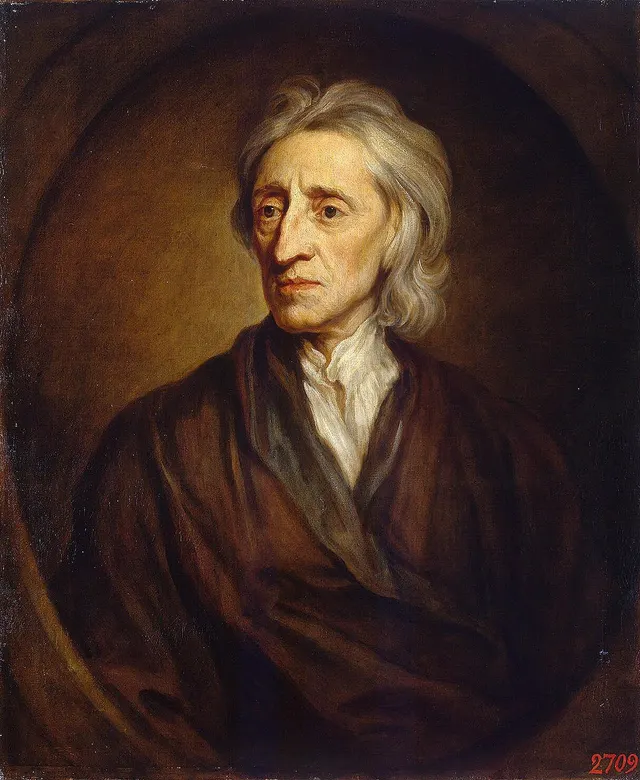
John Locke
Image creditGodfrey Kneller · Public domainResized and cropped for display.

John Locke

English philosopher and physician whose writing on government, toleration and the mind shaped the Enlightenment and the American founding.

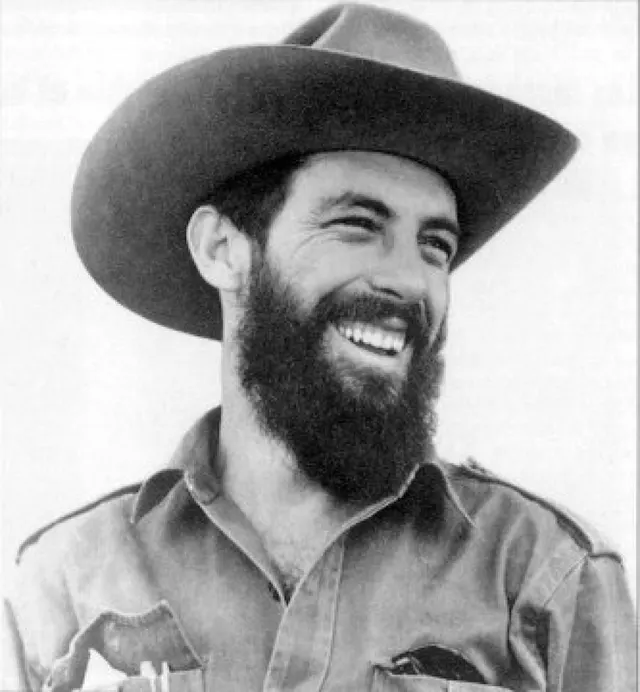
Camilo Cienfuegos
Image creditUnknown author. · Public domainResized and cropped for display.

Camilo Cienfuegos

Cuban revolutionary commander who disappeared in a light aircraft over the sea months after the revolution.

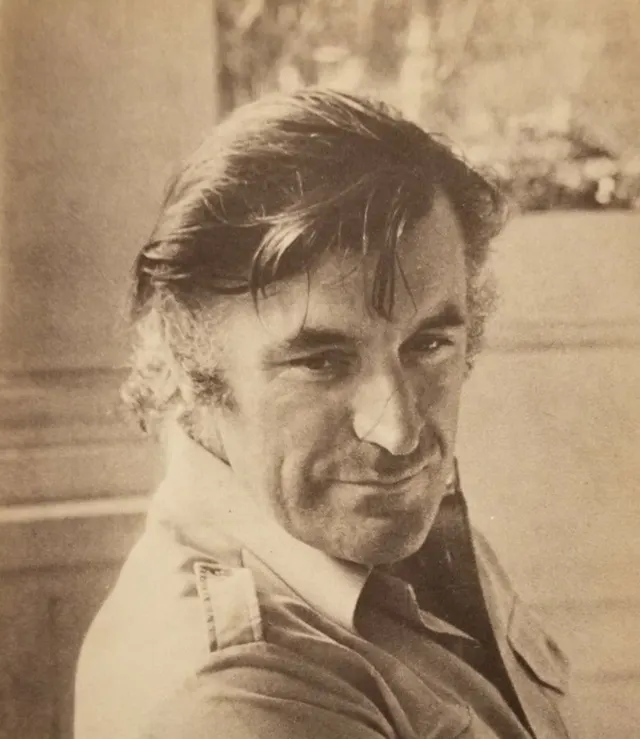
Ted Hughes
Image creditLayle Silbert · Public domainResized and cropped for display.

Ted Hughes

English poet and Poet Laureate, author of Crow and Birthday Letters.

☉
AROUND THE WORLD

Observances & Anniversaries

Ioannis Metaxas, whose refusal gave the day its name.
Image creditThe Archaeological Society at Athens / εν Aθήναις Aρχαιολογική Eταιρεία, 1937 · Public domainResized and cropped for display.

Ochi Day

Ochi Day — ‘No Day’ — is kept in Greece and Cyprus each 28 October, marking the rejection of the Italian ultimatum of 1940 and the start of Greece’s war.

There are military and school parades in towns across both countries, and Greek flags are hung from balconies.

Source: Hellenic Ministry of Foreign Affairs: National holiday of 28 October ↗
HISTORY & TIMELINE

Finished the highlights?

Follow 28 October chronologically, from the Middle Ages to the modern day, with 8 verified events and the sources behind them.

This day through time →