Explore 27 October

Explore 27 October: the name Amsterdam is written down for the first time, a doctor who described the circulation of the blood is burned as a heretic, New York goes underground, and the Cuban Missile Crisis reaches its most dangerous hour.

This day through time →6 verified events across 3 eras

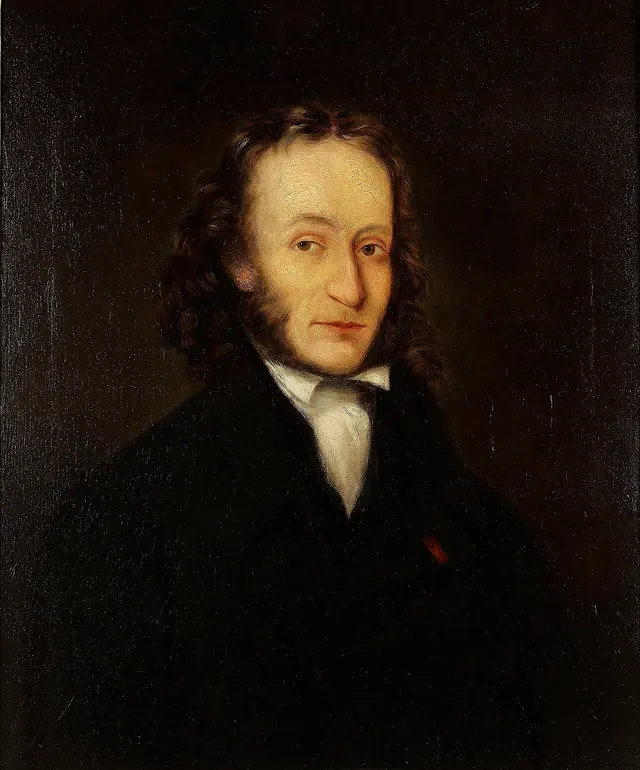
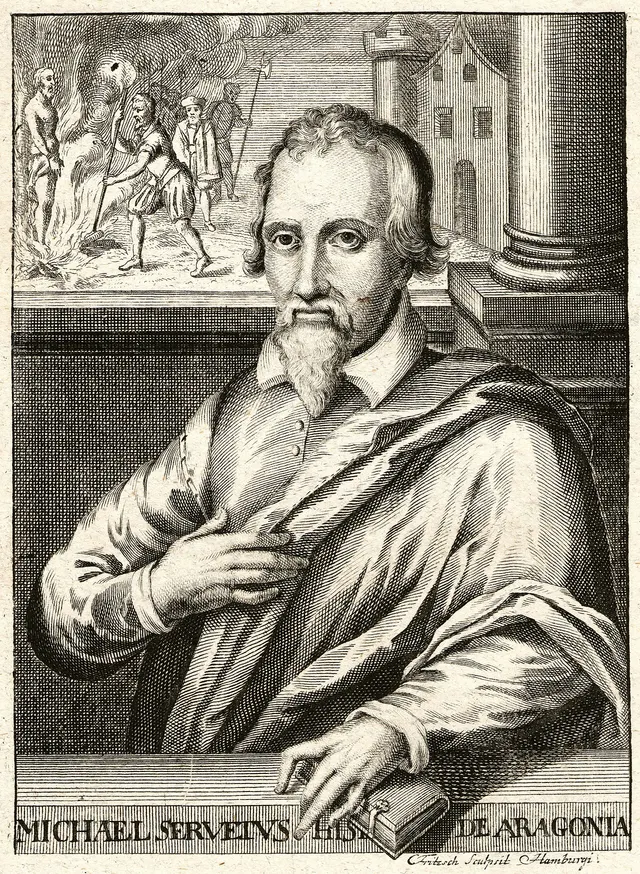
Michael Servetus.
Michael Servetus.
Image creditChristian Fritzsch · Public domainResized and cropped for display.

Michael Servetus is burned at Geneva

Michael Servetus was burned at the stake at Champel, outside Geneva, on 27 October 1553, condemned as a heretic. A Spanish physician and theologian, he had denied the doctrine of the Trinity in print — in De Trinitatis erroribus in 1531 and again in Christianismi restitutio, published in the year of his death.

He was arrested in Geneva, where John Calvin took a leading part in his trial. The execution divided Protestants and became one of the first arguments in Europe about whether the state should kill people for their beliefs; it fed directly into the emergence of Unitarianism.

The same book that condemned him contains the first accurate European description of the circulation of the blood through the lungs.

Read the full storyHistory & Timeline →Source: Encyclopaedia Britannica: Michael Servetus ↗
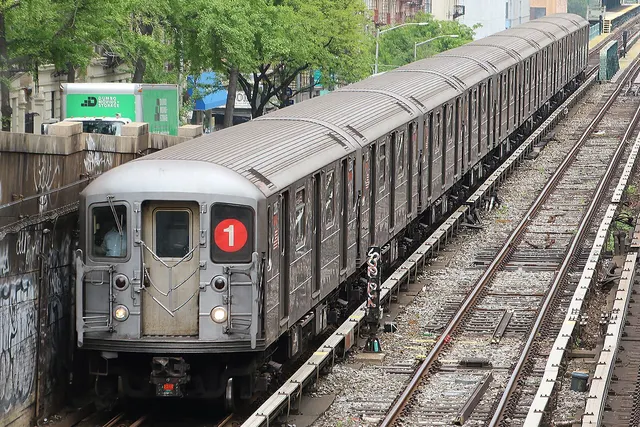
A 1 train leaving the 125th Street station in New York.
Image creditMtattrain · CC BY-SA 4.0Resized and cropped for display.

New York opens its subway

The first line of the New York City Subway opened on 27 October 1904, running twenty-two miles from City Hall up to 145th Street and Lenox Avenue. It was built and run by the Interborough Rapid Transit Company; the City Hall station, with its vaulted tilework, was the showpiece.

Mayor George B. McClellan was given the controls of the first train as a ceremony, enjoyed himself, and refused to hand them over — driving it as far as 103rd Street in Harlem.

The system now carries millions of passengers a day and runs all night, one of very few in the world that does.

Read the full storyHistory & Timeline →Source: Library of Congress: Opening ceremonies, New York subway, 27 October 1904 ↗
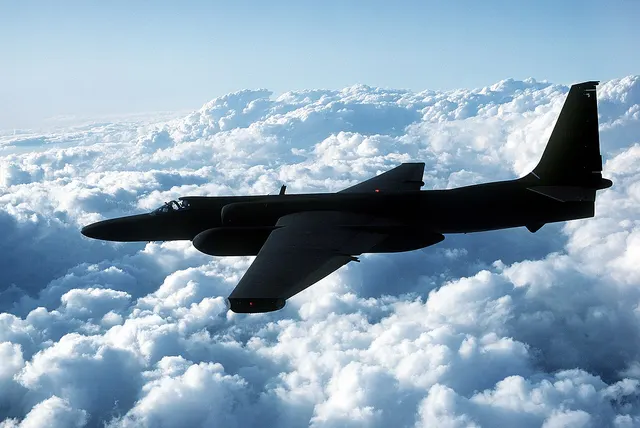
A Lockheed U-2, the type Major Anderson was flying.
Image creditUnited States Department of the Air Force · Public domainResized and cropped for display.

The most dangerous day of the Cuban Missile Crisis

Saturday 27 October 1962 was the worst day of the Cuban Missile Crisis. A Soviet surface-to-air missile shot down an American U-2 over Cuba, killing its pilot, Major Rudolf Anderson — the only person to die in combat in the whole crisis.

Kennedy’s advisers read the shooting-down as deliberate escalation by Moscow. The Joint Chiefs wanted to strike the missile site and then invade; the president held back. Elsewhere that day a Soviet submarine under depth-charge harassment came close to using a nuclear torpedo.

Anderson was posthumously awarded the first Air Force Cross. The following morning Khrushchev agreed to withdraw the missiles.

Read the full storyHistory & Timeline →Source: John F. Kennedy Presidential Library: 27 October 1962, Cuban Missile Crisis ↗
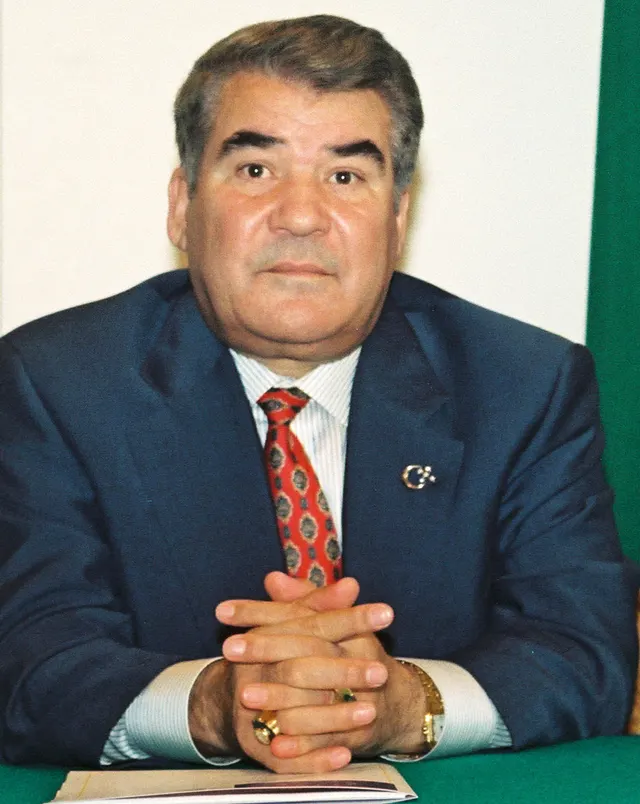
Saparmurat Niyazov, Turkmenistan's first president.
Saparmurat Niyazov, Turkmenistan’s first president.
Image creditDanny Gys · CC BY 4.0Resized and cropped for display.

Turkmenistan becomes independent

Turkmenistan declared its independence on 27 October 1991, as the Soviet Union came apart. It had been the Turkmen Soviet Socialist Republic since 1925, and the Russian conquest of the Turkmen lands had been completed in the 1880s.

Saparmurat Niyazov, the republic’s Communist Party leader, became the new state’s first president and ruled until his death in 2006. A new constitution followed in May 1992. The country holds some of the world’s largest natural gas reserves.

Read the full storyHistory & Timeline →Source: Encyclopaedia Britannica: Turkmenistan ↗
♙
PEOPLE

Born Today

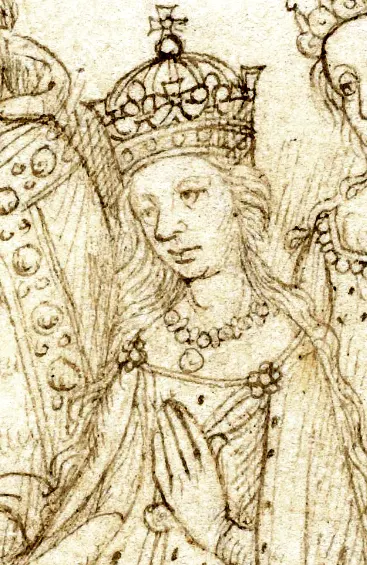
Catherine of Valois
Image creditCaxton Master, "The Beauchamp Pageants" · Public domainResized and cropped for display.

Catherine of Valois

French princess who married Henry V after Agincourt; through her second marriage she became grandmother to Henry VII. Her birth is recorded under the Julian calendar.

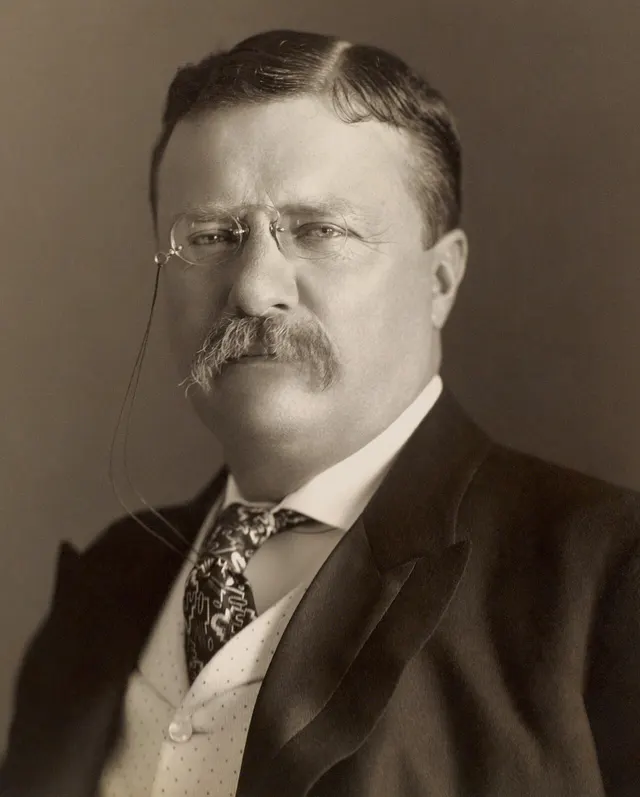
Theodore Roosevelt
Image creditAdam Cuerden · Public domainResized and cropped for display.

Theodore Roosevelt

Twenty-sixth president of the United States, trust-buster, conservationist and the first American to win the Nobel Peace Prize.

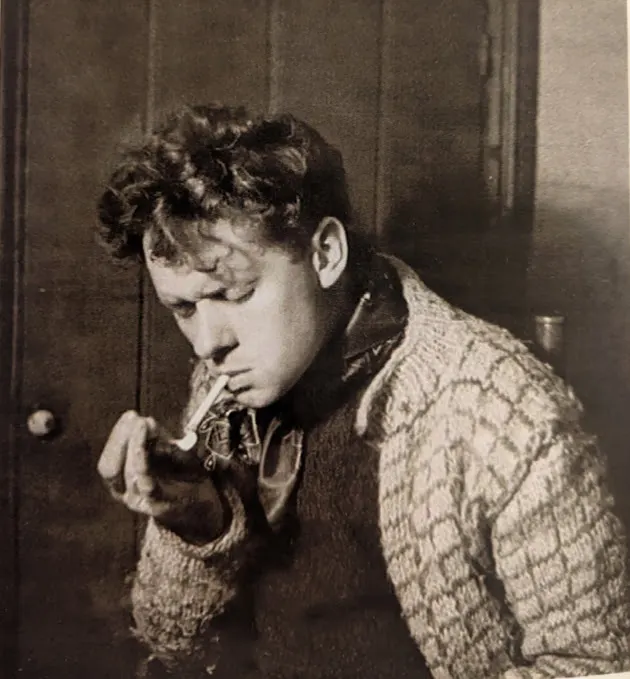
Dylan Thomas
Image creditNora Summers · Public domainResized and cropped for display.

Dylan Thomas

Welsh poet, author of Under Milk Wood and ‘Do not go gentle into that good night’.

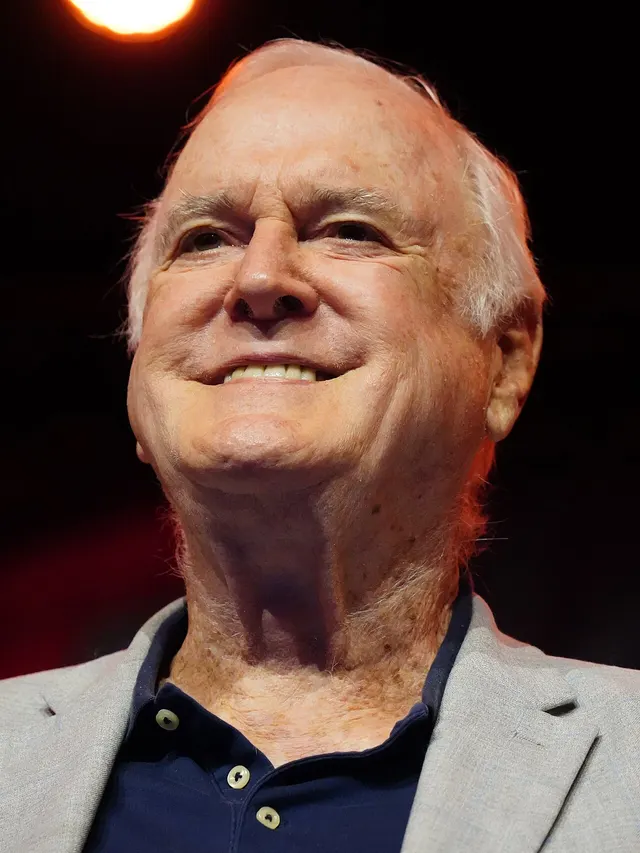
John Cleese
Image creditMiguel Discart & Kiri Karma · CC BY-SA 4.0Resized and cropped for display.

John Cleese

English comedian and writer, a founder of Monty Python and the creator of Fawlty Towers.

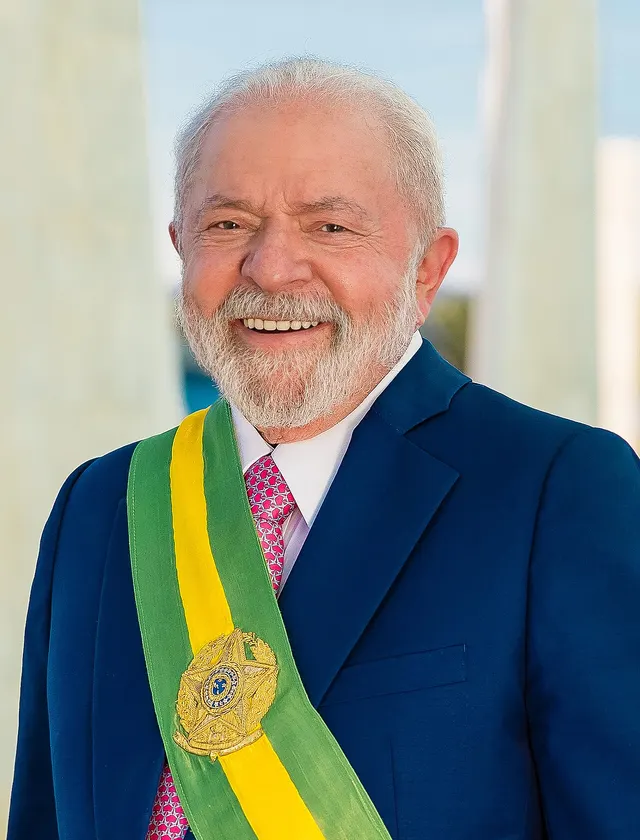
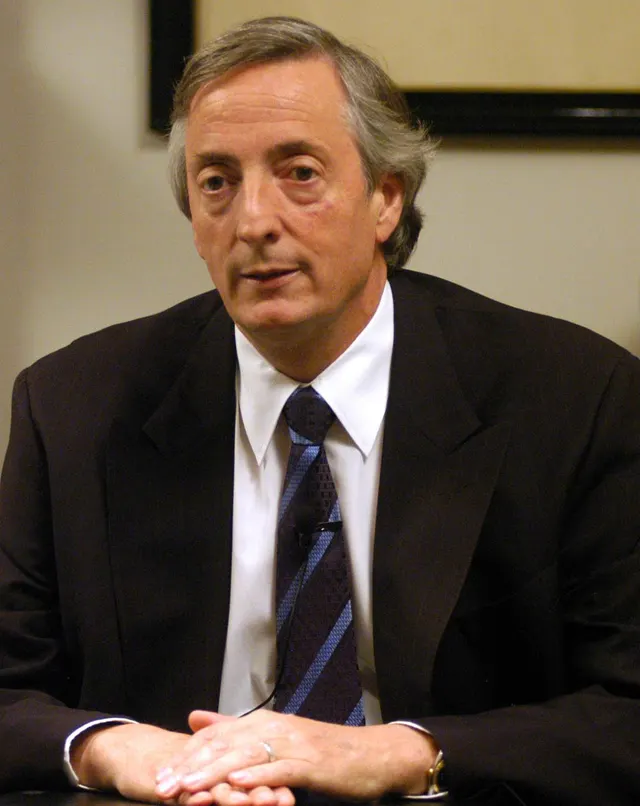
Luiz Inácio Lula da Silva
Image creditRicardo Stuckert/PR · CC BY 2.0Resized and cropped for display.

Luiz Inácio Lula da Silva

Brazilian metalworker and trade unionist who became president of Brazil, in office from 2003 to 2011 and again from 2023.

✦
LIVES REMEMBERED

Remembered Today

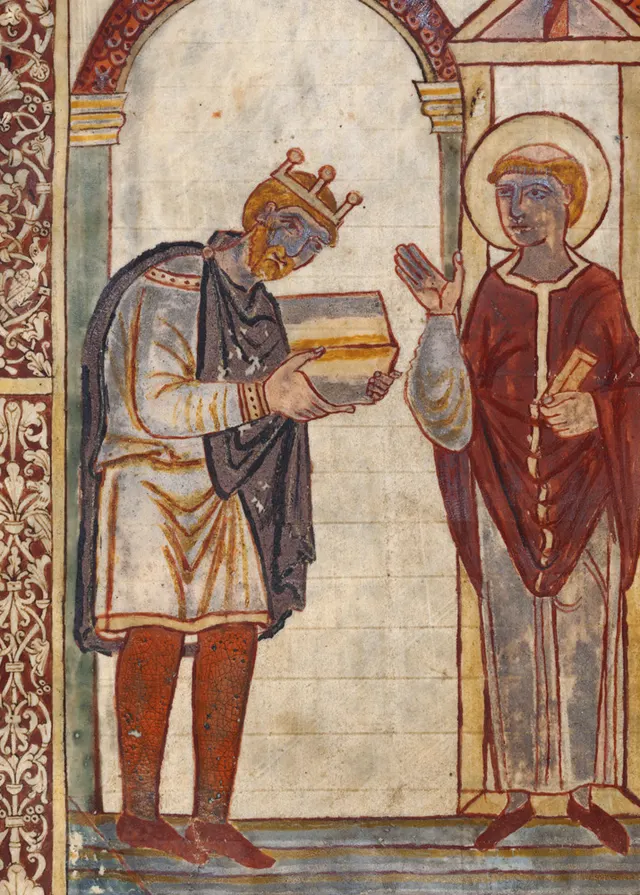
Æthelstan
Image creditSee description · Public domainResized and cropped for display.

Æthelstan

King of Wessex and the first king of all England, who defeated a combined army of Scots, Norse and Britons at Brunanburh. His death is recorded under the Julian calendar.

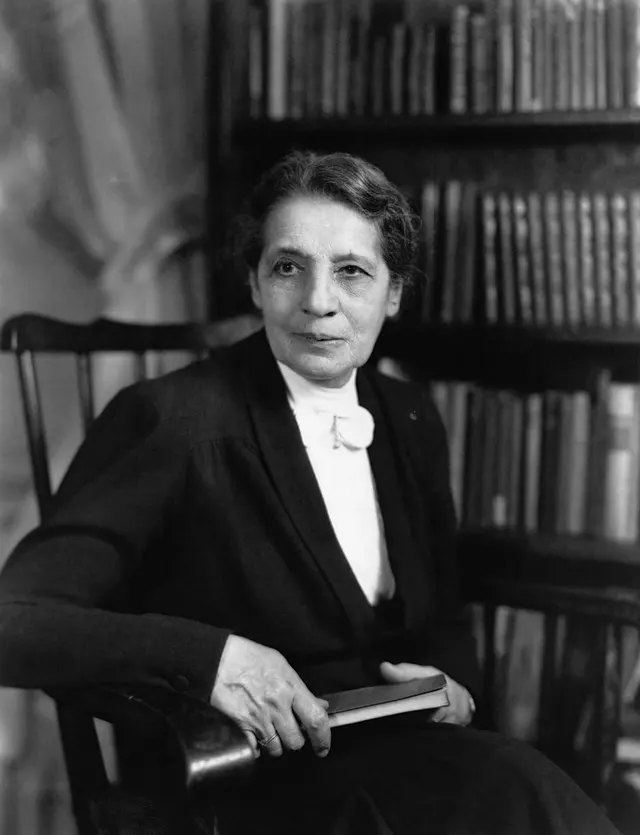
Lise Meitner
Image creditHarris & Ewing · Public domainResized and cropped for display.

Lise Meitner

Austrian-Swedish physicist who, with Otto Frisch, first explained nuclear fission — and was left out of the Nobel Prize awarded for it.

Lou Reed
Image credit.dannynorton · CC BY 2.0Resized and cropped for display.

Lou Reed

American songwriter and guitarist, the voice of the Velvet Underground.

HISTORY & TIMELINE

Finished the highlights?

Follow 27 October chronologically, from the Middle Ages to the modern day, with 6 verified events and the sources behind them.

This day through time →