Explore 2 November

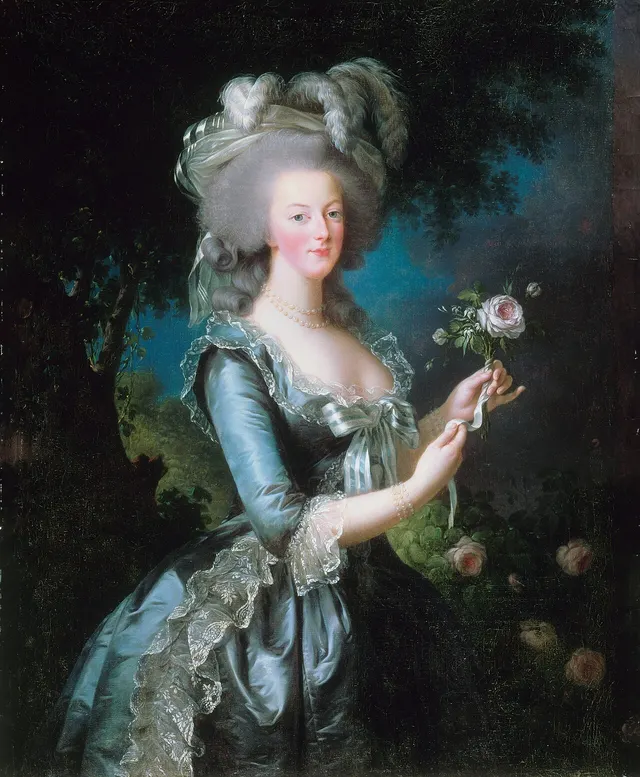
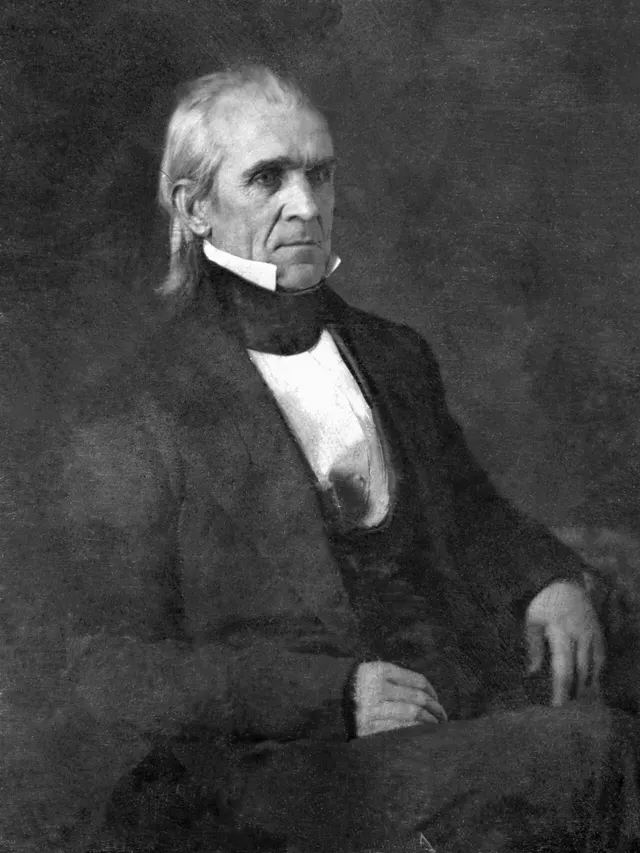
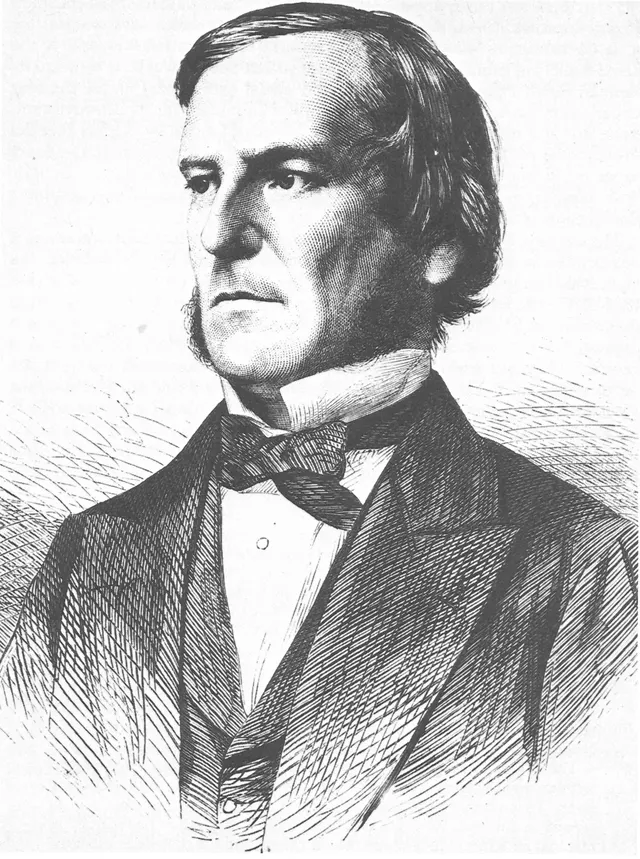
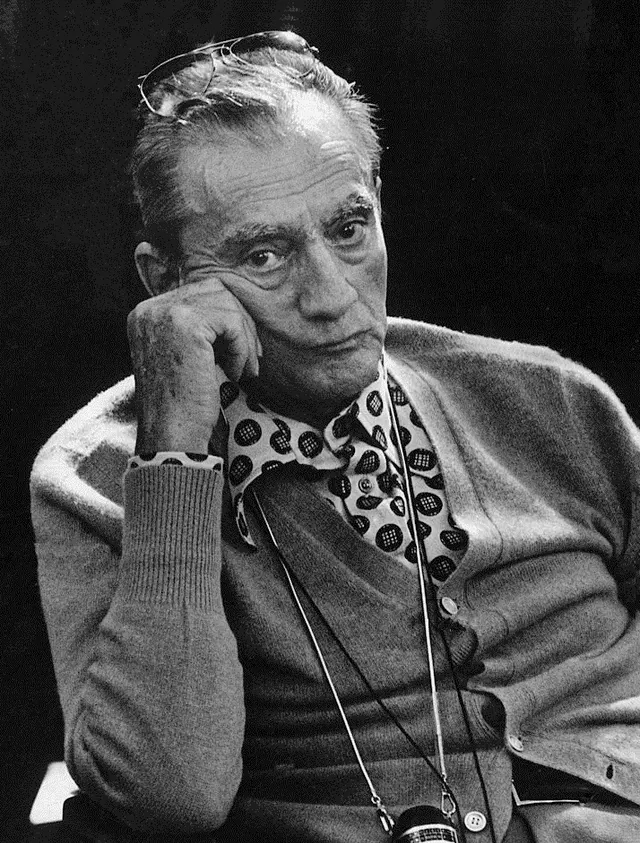
Explore 2 November: Britain issues the Balfour Declaration, Haile Selassie is crowned Emperor of Ethiopia, and the BBC starts the world’s first regular high-definition television service. Meet Marie Antoinette, George Boole and Shah Rukh Khan, born on this date.

This day through time →8 verified events across 2 eras

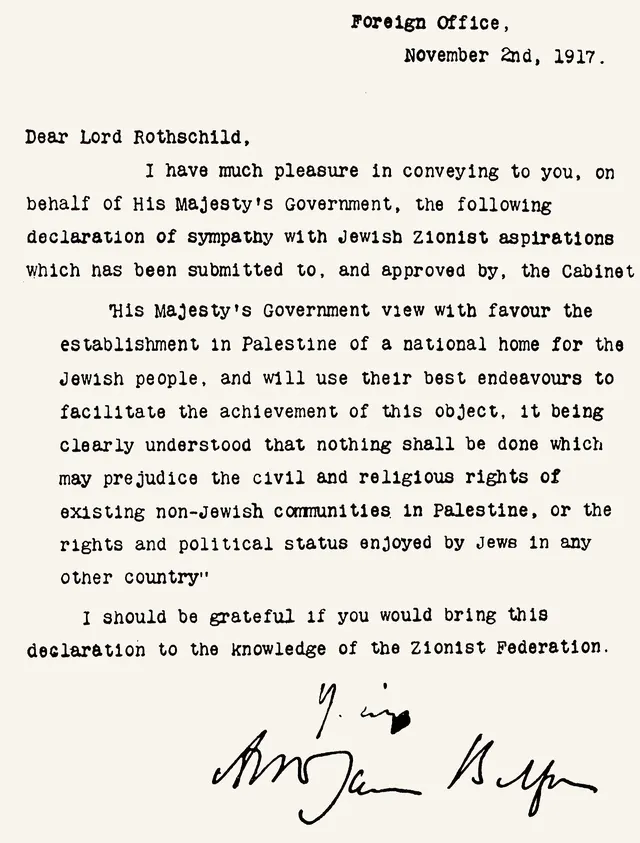
The Balfour Declaration: Arthur Balfour's letter to Lord Rothschild, 2 November 1917.
The Balfour Declaration: Arthur Balfour’s letter to Lord Rothschild, 2 November 1917.
Image creditUnited Kingdom Government signed by Arthur Balfour · Public domainResized and cropped for display.

Britain issues the Balfour Declaration

On 2 November 1917 the British foreign secretary, Arthur Balfour, wrote to Lord Rothschild, a leader of the Jewish community in Britain, to pass on a statement approved by the Cabinet. It said that the government viewed with favour the establishment in Palestine of a national home for the Jewish people, and would work to bring it about.

The letter added that nothing should be done to prejudice the civil and religious rights of the existing non-Jewish communities in Palestine. The declaration was written into the British mandate for Palestine approved by the League of Nations in 1922, and its promises remain at the heart of the Israeli-Palestinian conflict.

Read the full storyHistory & Timeline →Source: Encyclopaedia Britannica: Balfour Declaration ↗
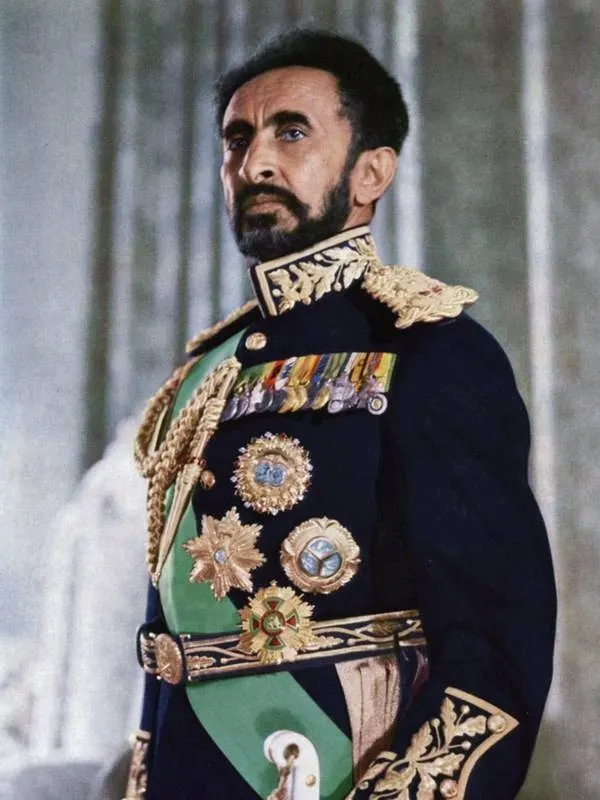
Haile Selassie is crowned Emperor of Ethiopia

On 2 November 1930, after the death of Empress Zewditu, Ras Tafari Makonnen was crowned emperor in Addis Ababa, taking the name Haile Selassie I, ‘Might of the Trinity’. He had been regent since 1916 and king since 1928.

He ruled Ethiopia until 1974. He led it into the League of Nations and the United Nations, lived in exile during the Italian occupation, and made Addis Ababa the home of the Organization of African Unity. In Jamaica, the Rastafari movement came to regard him as divine.

Read the full storyHistory & Timeline →Source: Encyclopaedia Britannica: Haile Selassie I ↗
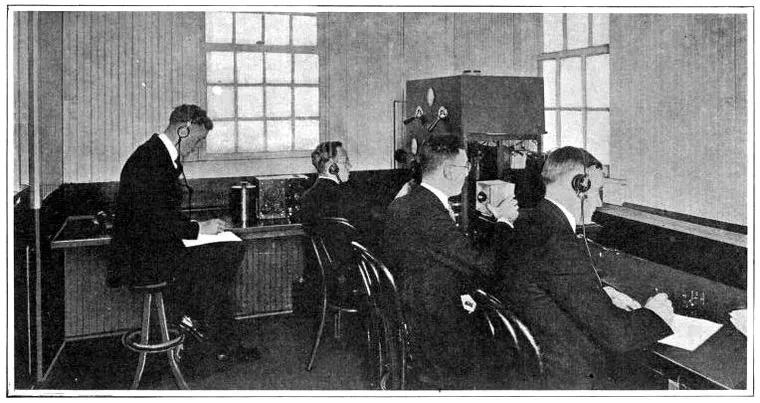
An early KDKA studio in East Pittsburgh, in a photograph of about 1921.
Image creditAustin C. Lescarboura · Public domainResized and cropped for display.

KDKA broadcasts the election results

At 8 o’clock on the evening of 2 November 1920 the Westinghouse station KDKA in East Pittsburgh began broadcasting the returns of the presidential race between Warren Harding and James Cox. The news came in by telephone from a newspaper office and was read out from a shack on the roof of a Westinghouse factory, on 100 watts of power.

It is counted as the start of commercial radio broadcasting. Listeners hundreds of miles away heard Harding’s victory before they could read it in the papers, and within a few years stations were springing up across the United States.

Read the full storyHistory & Timeline →Source: Encyclopaedia Britannica: KDKA ↗
♙
PEOPLE

Born Today

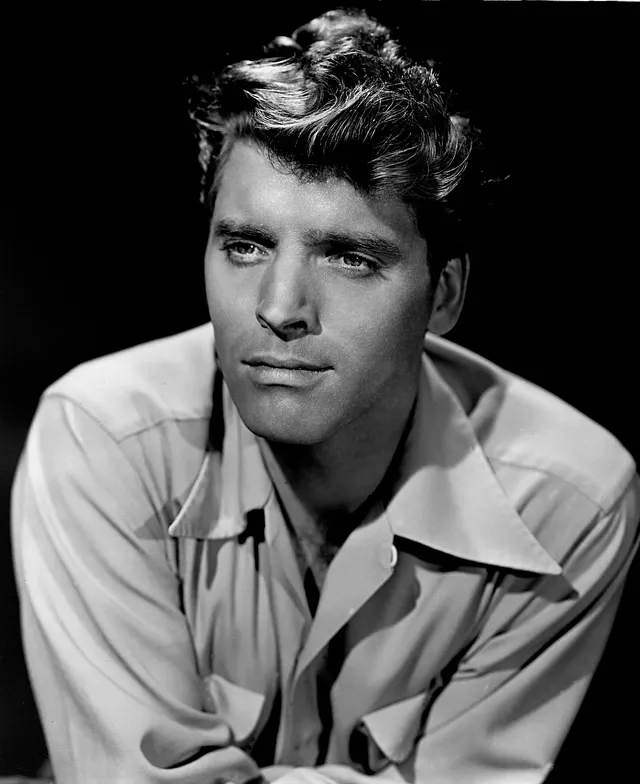
Burt Lancaster
Image creditHal Wallis Productions · Public domainResized and cropped for display.

Burt Lancaster

American actor, a former circus acrobat, who won an Oscar for Elmer Gantry.

Shah Rukh Khan
Image creditBollywood Hungama · CC BY 3.0Resized and cropped for display.

Shah Rukh Khan

Indian actor and producer, one of the biggest stars of Hindi cinema.

◉
IDEAS THAT CHANGED THINGS

Firsts, Science & Discoveries

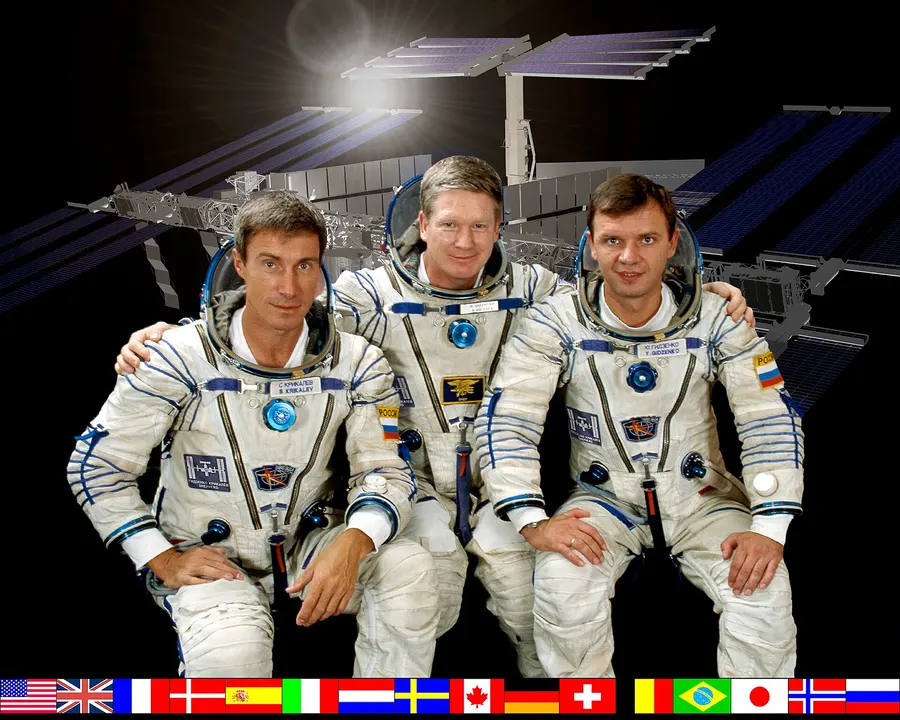
The Expedition 1 crew in training, October 2000: Sergei Krikalev, Bill Shepherd and Yuri Gidzenko.
Image creditNASA · Public domainResized and cropped for display.

The first crew moves into the space station

On 2 November 2000 a Soyuz spacecraft carrying the American astronaut Bill Shepherd and the Russian cosmonauts Yuri Gidzenko and Sergei Krikalev docked with the International Space Station, two days after launching from Baikonur in Kazakhstan. About an hour later they opened the hatch and went aboard.

It was the start of a continuous human presence in orbit that has not been broken since. The first crew spent four months bringing the station’s life-support and communications systems to life and helping three space shuttle crews to extend it.

Read the full storyHistory & Timeline →Source: NASA: Space Station 20th, Expedition 1 arrives at the International Space Station ↗
☆
SPORTING HISTORY

Sporting Moments

Lewis Hamilton celebrates his world title at the Brazilian Grand Prix, 2 November 2008.
Image creditdiogo dubiella from Rio de Janeiro, Brazil · CC BY-SA 2.0Resized and cropped for display.

Lewis Hamilton wins the title on the last corner

At the Brazilian Grand Prix on 2 November 2008 the local driver Felipe Massa won the race and, for a few seconds, the world championship. Lewis Hamilton needed fifth place, and he took it by passing Timo Glock in the closing moments of the final lap.

Hamilton became world champion by a single point, at 23 years and 300 days then the youngest in the history of Formula One, and the first Black driver to win the title.

Read the full storyHistory & Timeline →Source: Formula 1: Greatest races, Lewis Hamilton snatches his first title on the final corner of the final lap, Brazil 2008 ↗
♫
MUSIC • FILM • BOOKS • CULTURE

Culture Stories

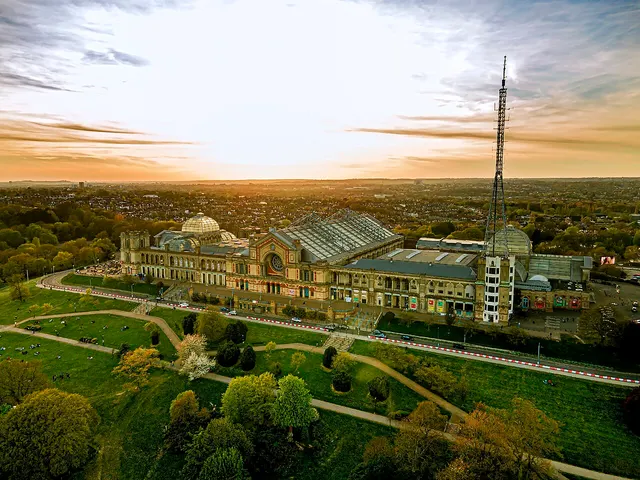
Alexandra Palace in north London, home of the first BBC television studios, photographed in 2021.
Image creditJack Rose · CC BY-SA 4.0Resized and cropped for display.

BBC television goes on the air

On 2 November 1936 the BBC opened its television service from studios in the east wing of Alexandra Palace in north London, the world’s first regular ‘high-definition’ service. The announcer Leslie Mitchell welcomed viewers with the words ‘This is direct television from the studios at Alexandra Palace.’

Only a few hundred sets could receive it. At first the service alternated between two rival systems, Baird’s and Marconi-EMI’s; the Marconi-EMI 405-line system proved better and was adopted the following year.

Read the full storyHistory & Timeline →Source: Alexandra Palace: the BBC at Alexandra Palace ↗
✦
LIVES REMEMBERED

Remembered Today

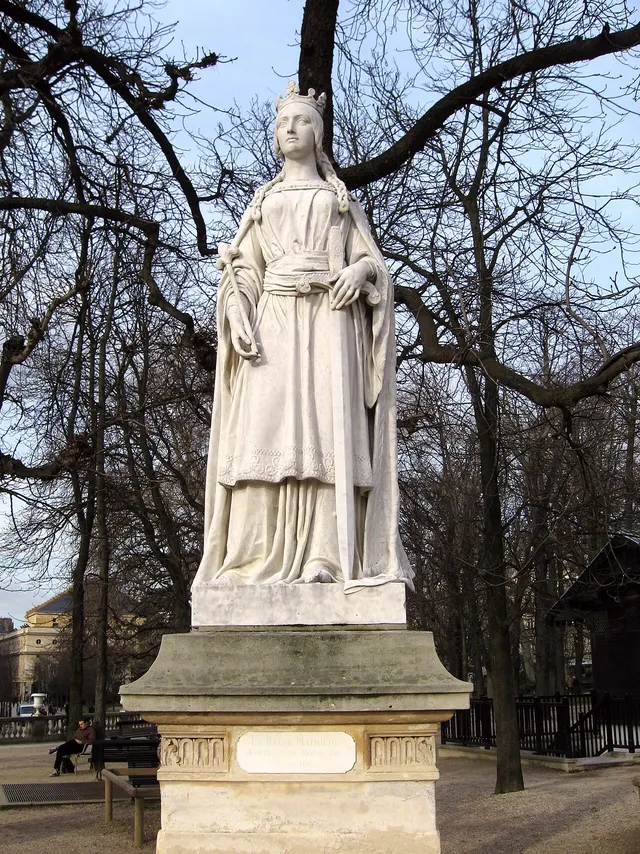
Matilda of Flanders
Image creditTosca · CC BY-SA 3.0Resized and cropped for display.

Matilda of Flanders

Queen of England as wife of William the Conqueror. Her death is recorded under the Julian calendar.

Jenny Lind
Image creditEduard Magnus · Public domainResized and cropped for display.

Jenny Lind

Swedish soprano, the ‘Swedish Nightingale’, one of the most celebrated singers of the nineteenth century.

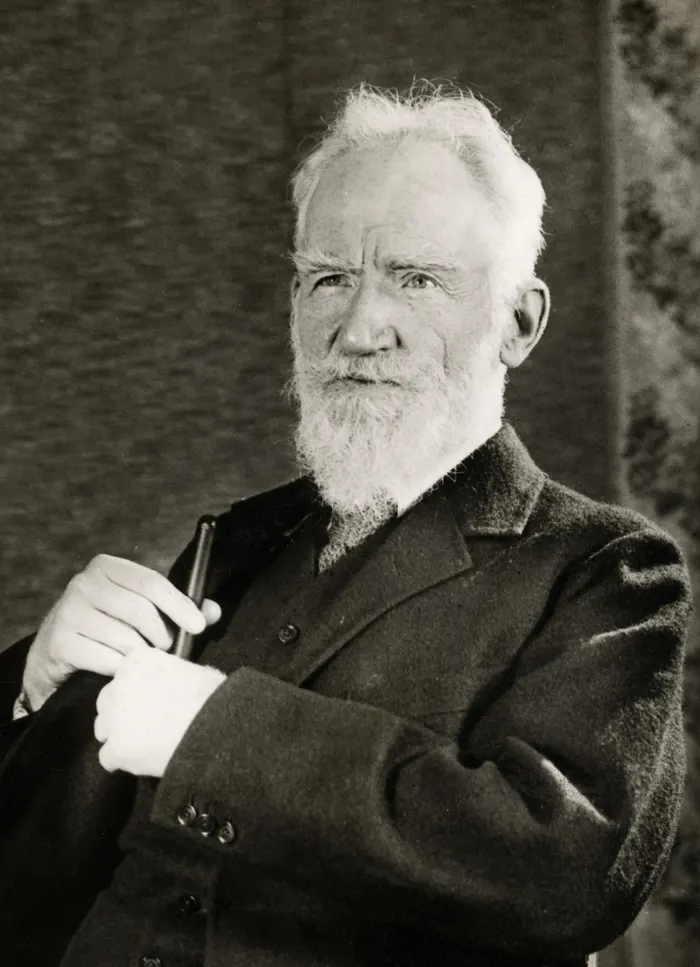
George Bernard Shaw
Image creditUnknown authorUnknown author · Public domainResized and cropped for display.

George Bernard Shaw

Irish playwright of Pygmalion and Saint Joan and winner of the 1925 Nobel Prize in Literature.

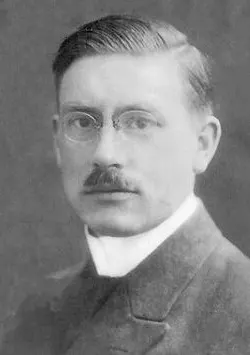
Peter Debye
Image creditUnknown authorUnknown author · Public domainResized and cropped for display.

Peter Debye

Dutch-American physical chemist who won the 1936 Nobel Prize in Chemistry for work on molecular structure.

☉
AROUND THE WORLD

Observances & Anniversaries

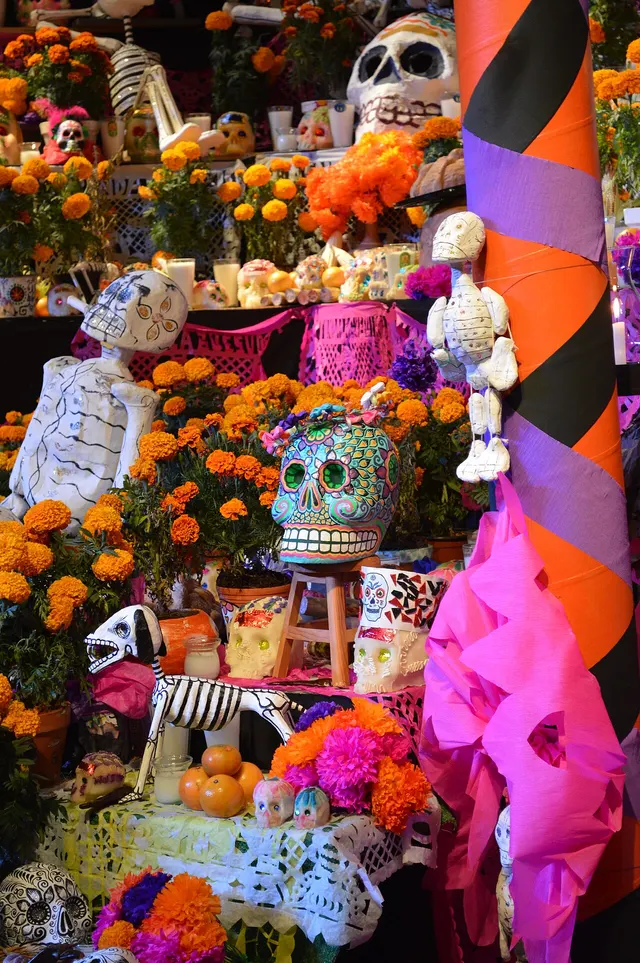
A Day of the Dead altar decorated with marigolds, candles, painted skulls and cut-paper banners.
Image creditPaolaricaurte · CC BY-SA 4.0Resized and cropped for display.

Day of the Dead

In Mexico the Day of the Dead, Día de Muertos, is kept on 1 and 2 November. By tradition 1 November is for children who have died and 2 November for adults. Families lay paths of marigold petals and candles from the cemetery to their homes and set out the favourite food of the dead on home altars, to welcome back their souls.

The festival, which also marks the end of the maize harvest, was added to UNESCO’s list of the Intangible Cultural Heritage of Humanity in 2008. Across the Christian world 2 November is All Souls’ Day.

Source: UNESCO Intangible Cultural Heritage: Indigenous festivity dedicated to the dead ↗
HISTORY & TIMELINE

Finished the highlights?

Follow 2 November chronologically, from the Middle Ages to the modern day, with 8 verified events and the sources behind them.

This day through time →