Explore 9 November

Explore 9 November: the Berlin Wall opens, Napoleon seizes power in Paris, Cambodia celebrates its independence and the first Saturn V Moon rocket flies. Meet Carl Sagan, Hedy Lamarr and Muhammad Iqbal, born on this date.

This day through time →10 verified events across 4 eras

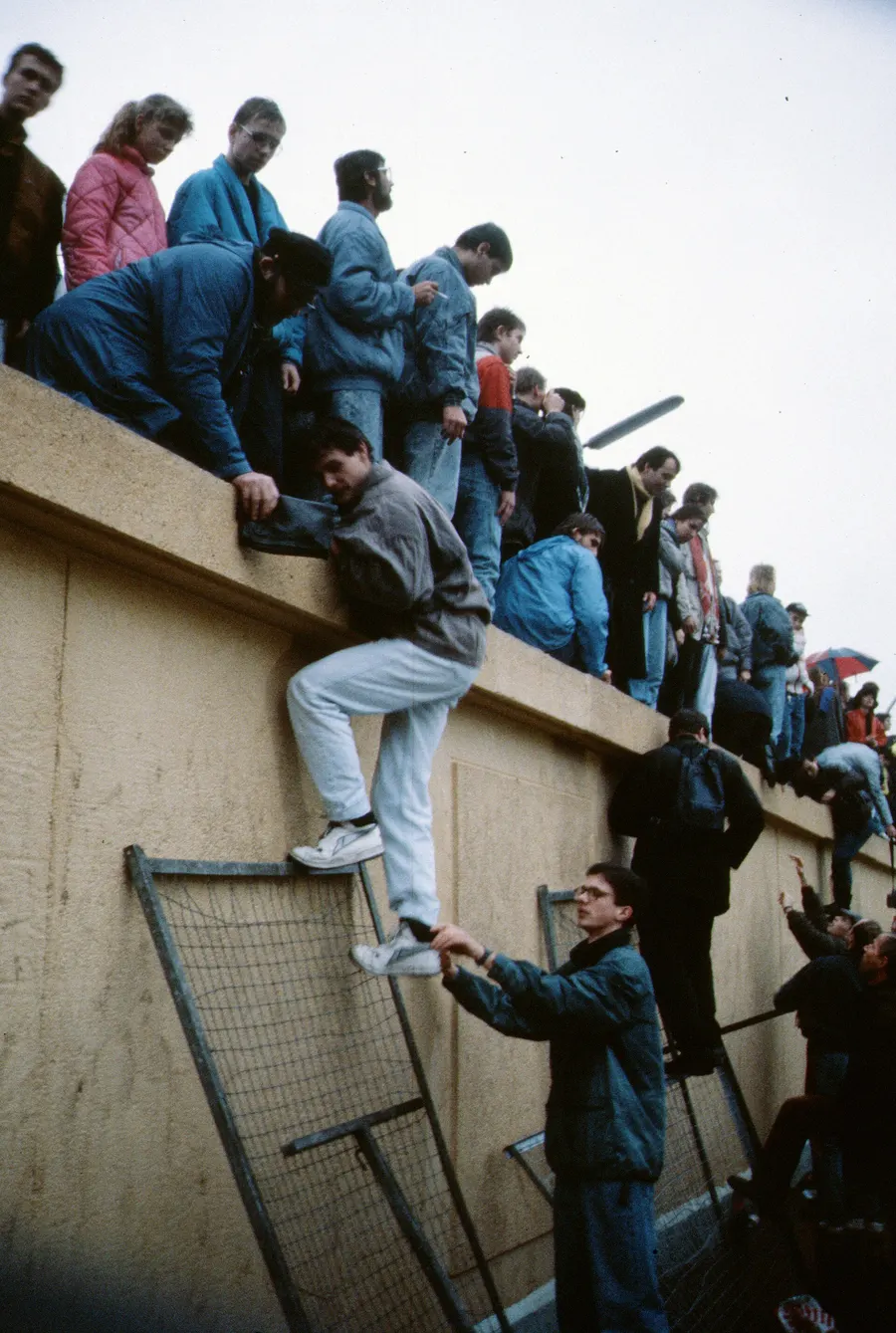
People climb on to the Berlin Wall as it opens, November 1989.
Image creditRaphaël Thiémard from Belgique · CC BY-SA 2.0Resized and cropped for display.

The Berlin Wall opens

Shortly before 7 p.m. on 9 November 1989, at the end of a long press conference, the East German Politburo member Günter Schabowski read out new rules allowing citizens to travel abroad. Asked when they took effect, he answered: ‘Immediately, without delay.’

Thousands of East Berliners hurried to the border crossings. At Bornholmer Straße the guards, with no orders and facing a growing crowd, let the first people through at about 9.20 p.m. and raised the barrier at 11.30. Within hours every crossing in the city was open and people were dancing on the Wall. Less than a year later, Germany was reunited.

Read the full storyHistory & Timeline →Source: Berlin.de, the official website of Berlin: Opening and fall of the Berlin Wall ↗
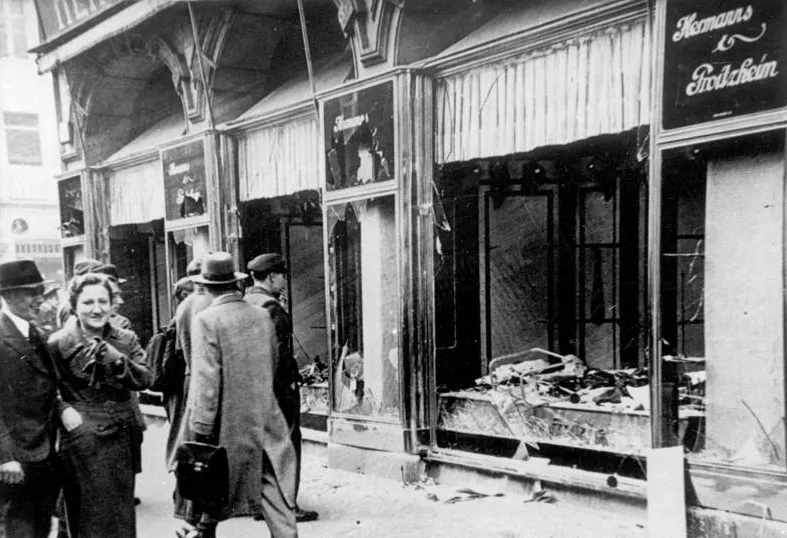
A Jewish-owned shop in Magdeburg wrecked during the pogrom of November 1938.
Image creditUnknownUnknown Agentur Georg Pahl · CC BY-SA 3.0 deResized and cropped for display.

Kristallnacht: the November pogrom

On the night of 9 to 10 November 1938 Nazi Party members and stormtroopers attacked Jewish communities across Germany, Austria and the Sudetenland. The regime claimed it was a spontaneous response to the killing of a German diplomat in Paris by a young Polish Jew, Herschel Grynszpan, but the violence was organised by the state.

More than 1,400 synagogues were burned and thousands of Jewish shops and homes wrecked. Ninety-one Jews were murdered and some 30,000 Jewish men were sent to concentration camps. The Jewish community was then made to pay a collective ‘fine’ of one billion Reichsmarks. The pogrom, named for the broken glass that filled the streets, marked a turning point towards the Holocaust.

Read the full storyHistory & Timeline →Source: United States Holocaust Memorial Museum, Holocaust Encyclopedia: Kristallnacht ↗
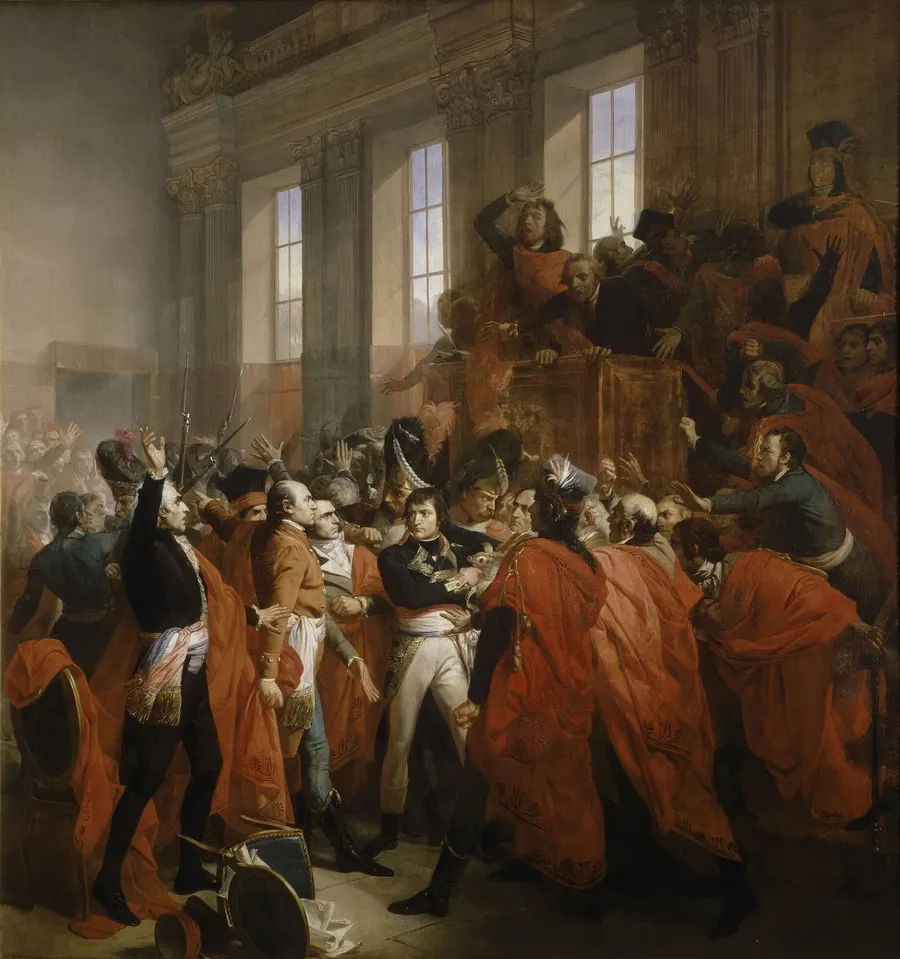
General Bonaparte in the Council of Five Hundred at Saint-Cloud, painted by François Bouchot.
Image creditFrançois Bouchot · Public domainResized and cropped for display.

Napoleon’s coup of 18 Brumaire

On 18 Brumaire in the Year VIII of the French revolutionary calendar, 9 November 1799, the Council of Ancients in Paris, alarmed by rumours of a Jacobin plot, voted to move both chambers of the legislature to the palace of Saint-Cloud outside the city. It was the first step of a coup planned by the politician Emmanuel-Joseph Sieyès with General Napoleon Bonaparte, newly back from Egypt.

The next day, surrounded by Bonaparte’s troops, the councils were forced to give way, and the government of the Directory was replaced by three consuls. Within weeks Bonaparte was First Consul and master of France, and the coup is often seen as the end of the French Revolution.

Read the full storyHistory & Timeline →Source: Fondation Napoléon, napoleon.org: The coup d’état of 18 Brumaire An VIII (9 and 10 November 1799) ↗
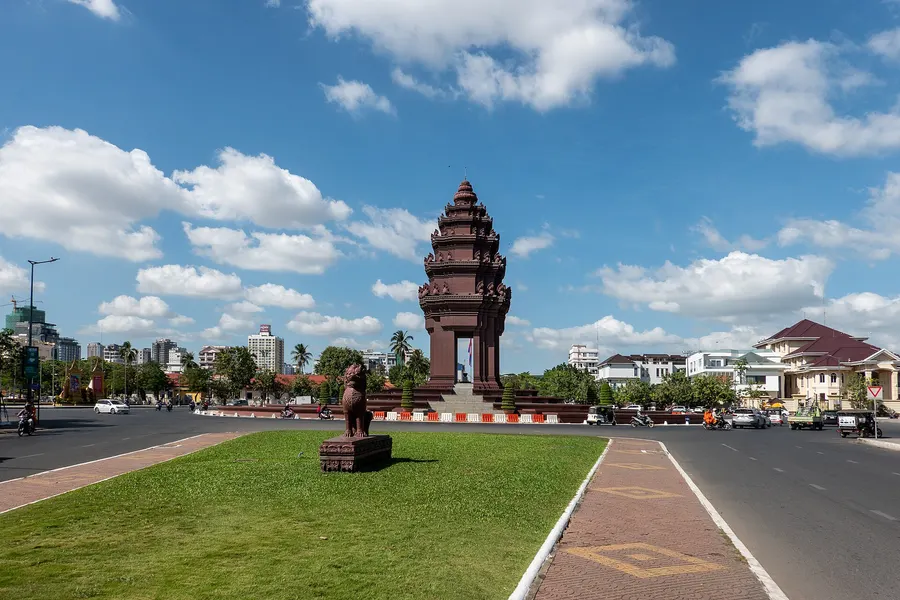
The Independence Monument in Phnom Penh, photographed in 2019.
Image creditPsamatheM · CC BY-SA 4.0Resized and cropped for display.

Cambodia becomes independent

In 1953 King Norodom Sihanouk toured the world in what he called a ‘Royal Crusade’, pressing France to give Cambodia full independence. France handed over the police and courts in August and the command of the army in October, and on 9 November 1953 Cambodia celebrated its independence.

Sihanouk was hailed as the ‘father of independence’, and 9 November is Cambodia’s national day. The Independence Monument in Phnom Penh, in the form of a lotus-shaped Angkorian tower, stands as its memorial.

Read the full storyHistory & Timeline →Source: Ministry of Foreign Affairs and International Cooperation of Cambodia: Commemoration of Independence Day, 9 November 1953 ↗
♙
PEOPLE

Born Today

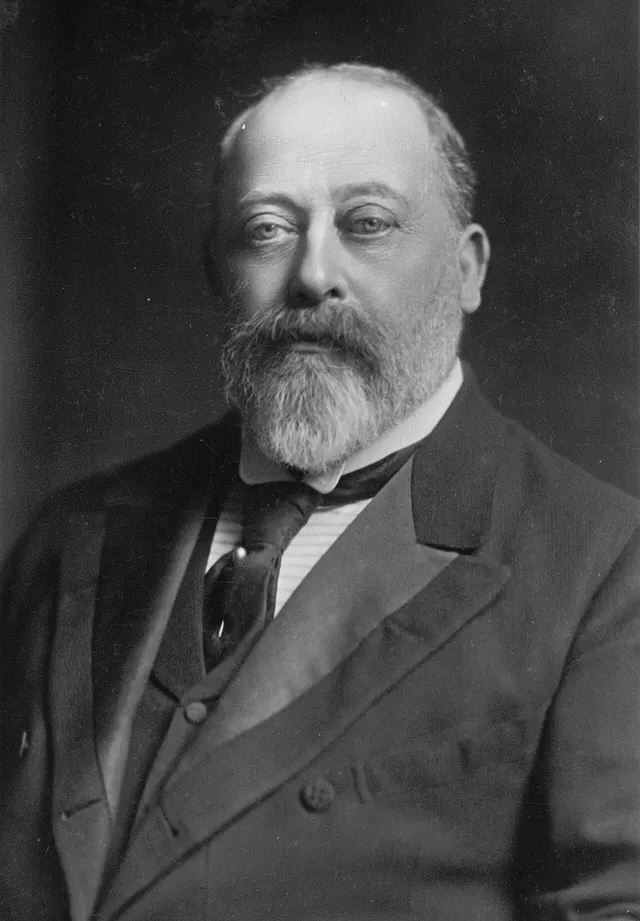
Edward VII
Image creditW. & D. Downey · Public domainResized and cropped for display.

Edward VII

King of the United Kingdom from 1901 to 1910, the eldest son of Queen Victoria.

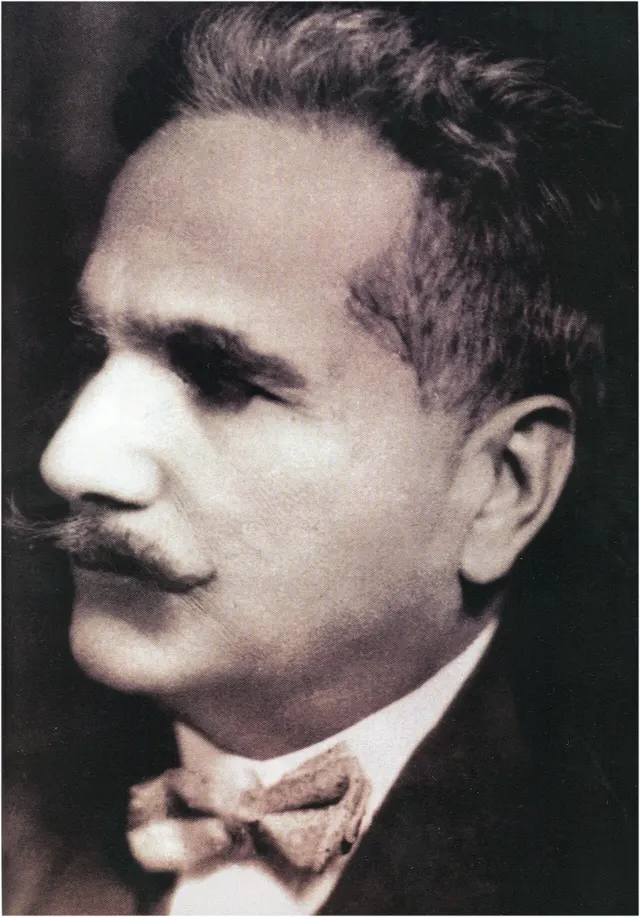
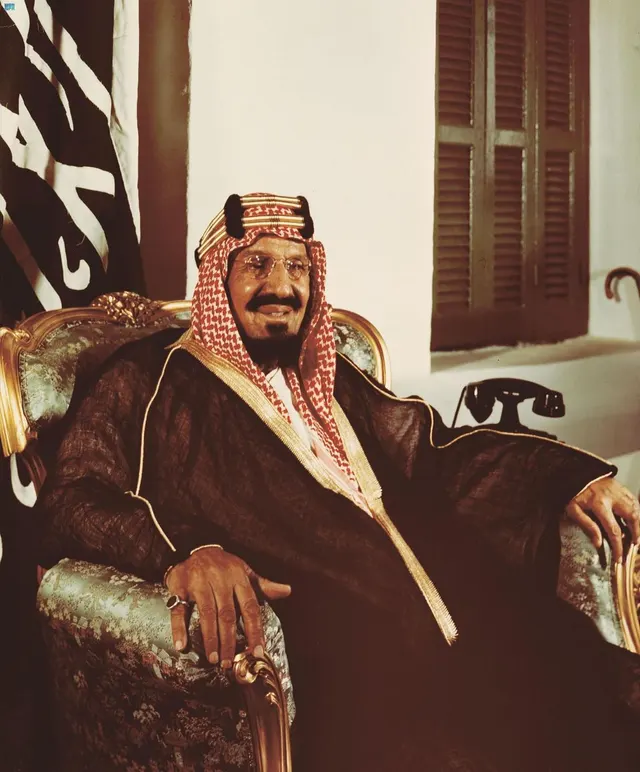
Muhammad Iqbal
Image creditIqbal Academy Pakistan · Public domainResized and cropped for display.

Muhammad Iqbal

Poet and philosopher writing in Urdu and Persian, honoured as the national poet of Pakistan, where his birthday is Iqbal Day.

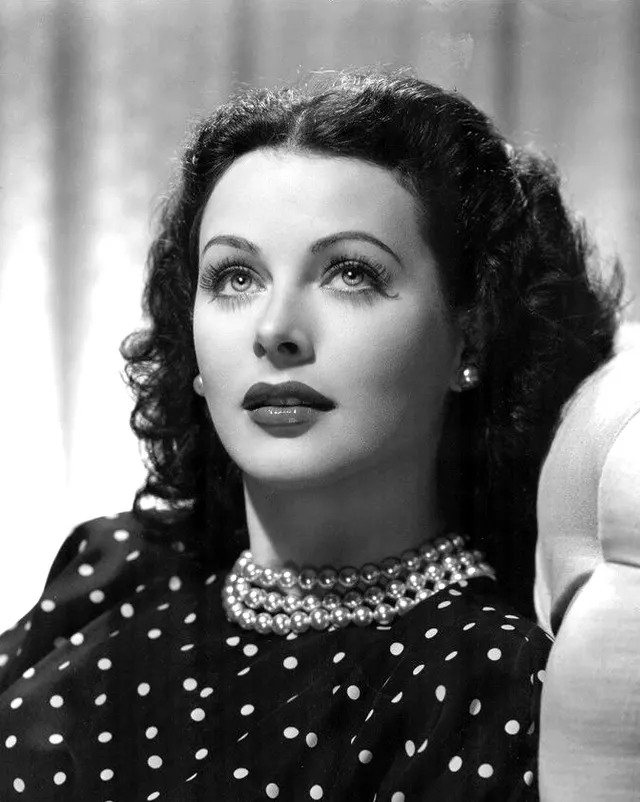
Hedy Lamarr
Image creditUnknown authorUnknown author · Public domainResized and cropped for display.

Hedy Lamarr

Austrian-born Hollywood actress who co-invented a frequency-hopping radio system during the Second World War.

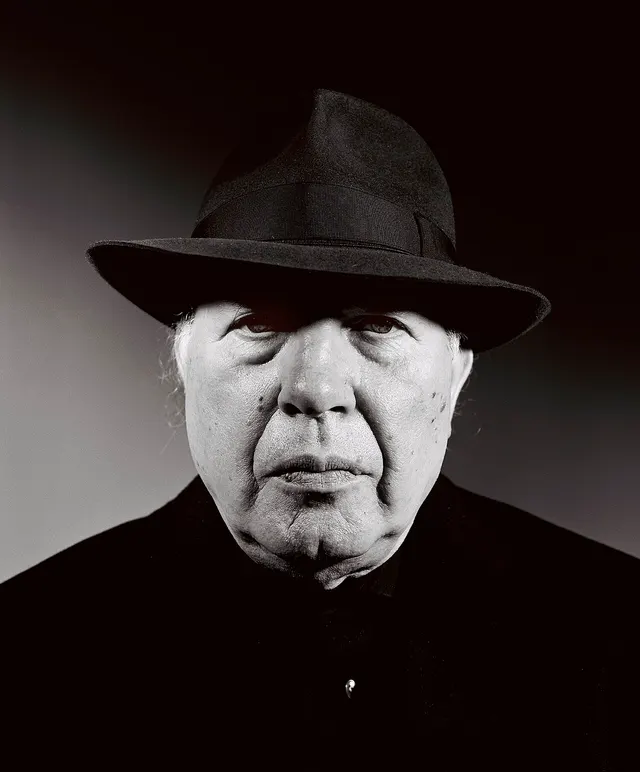
Imre Kertész
Image creditUnknown · CC BY-SA 4.0Resized and cropped for display.

Imre Kertész

Hungarian novelist and Auschwitz survivor, awarded the Nobel Prize in Literature in 2002.

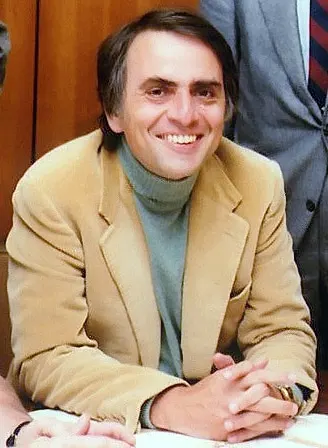
Carl Sagan
Image creditNASA/JPL · Public domainResized and cropped for display.

Carl Sagan

American astronomer and writer who brought science to millions through his television series Cosmos.

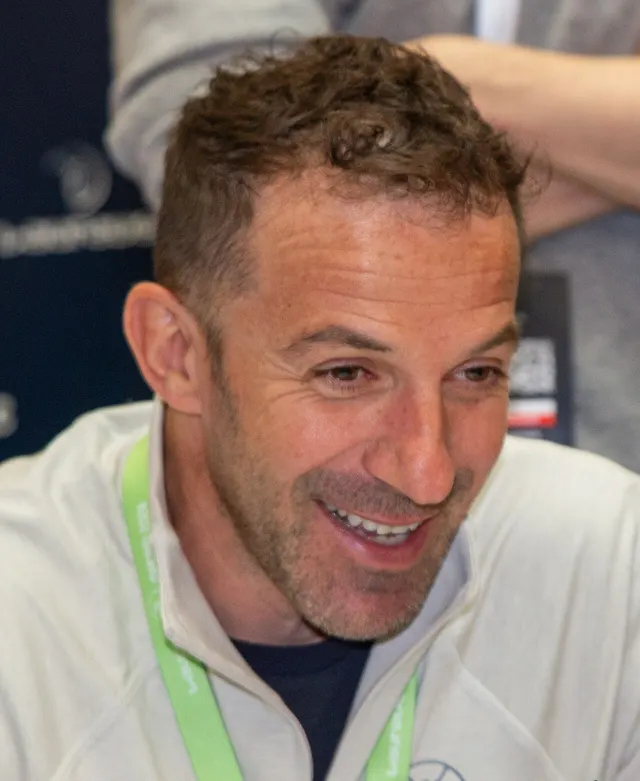
Alessandro Del Piero
Image creditBarcex · CC BY-SA 4.0Resized and cropped for display.

Alessandro Del Piero

Italian footballer, Juventus’s record goalscorer and a World Cup winner in 2006.

◉
IDEAS THAT CHANGED THINGS

Firsts, Science & Discoveries

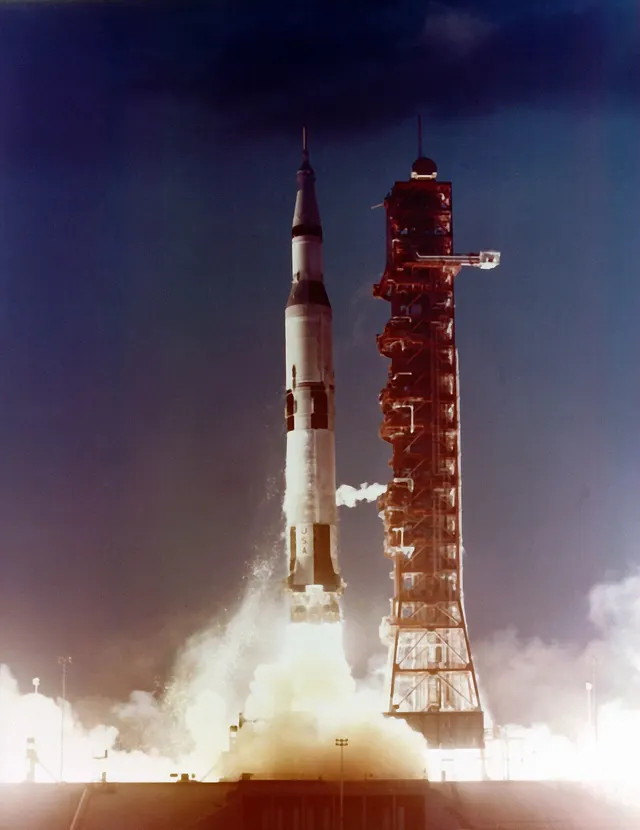
The first Saturn V lifts off with Apollo 4 from the Kennedy Space Center, 9 November 1967.
Image creditNASA · Public domainResized and cropped for display.

The first Saturn V Moon rocket flies

At 7 a.m. on 9 November 1967 the five engines of the first Saturn V fired at the Kennedy Space Center in Florida, producing 7.5 million pounds of thrust. The uncrewed Apollo 4 mission was the first test of the whole three-stage rocket, and the first launch from the centre’s new Launch Complex 39. Its roar was one of the loudest noises people had ever made.

The Apollo spacecraft was sent out on a long loop around Earth and then driven back into the atmosphere at the speed of a craft returning from the Moon, to test its heat shield. It splashed down in the Pacific after 8 hours 37 minutes, having done everything asked of it. Twenty months later a Saturn V carried Apollo 11 to the Moon.

Read the full storyHistory & Timeline →Source: NASA: 55 years ago, Apollo 4, the first flight of the Saturn V ↗
☆
SPORTING HISTORY

Sporting Moments

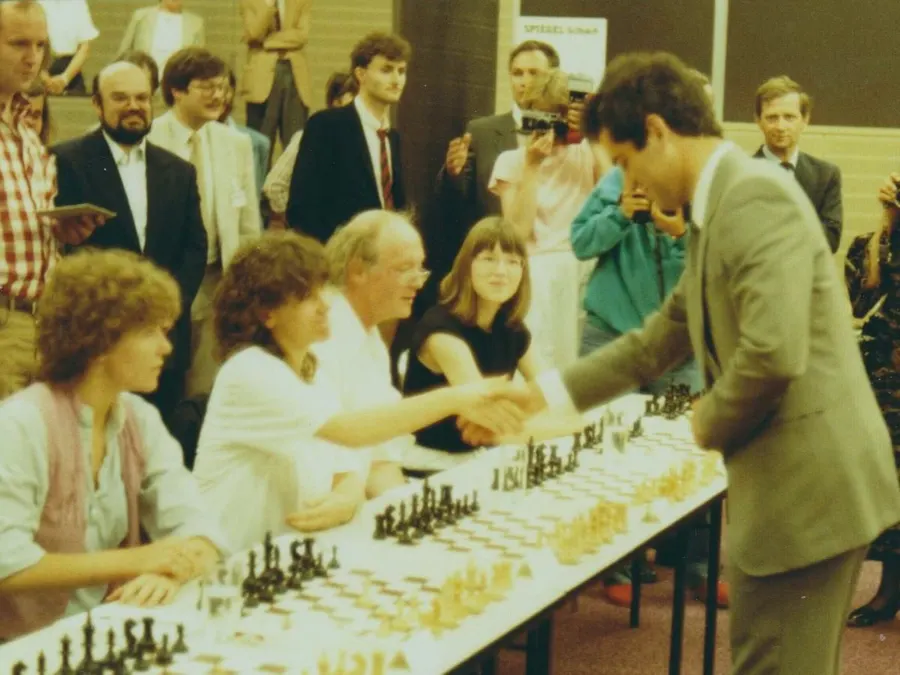
Garry Kasparov playing a simultaneous exhibition in Hamburg in 1985.
Image creditGFHund · CC BY 3.0Resized and cropped for display.

Kasparov becomes the youngest world chess champion

On 9 November 1985 in Moscow, playing Black with a Sicilian Defence, the 22-year-old Garry Kasparov won the 24th and final game of his world championship match against Anatoly Karpov, taking the title by 13 points to 11.

He was the youngest world champion in the history of the game. Kasparov held the title until 2000 and remained the world’s top-rated player for most of two decades.

Read the full storyHistory & Timeline →Source: Encyclopaedia Britannica: Garry Kasparov ↗
♫
MUSIC • FILM • BOOKS • CULTURE

Culture Stories

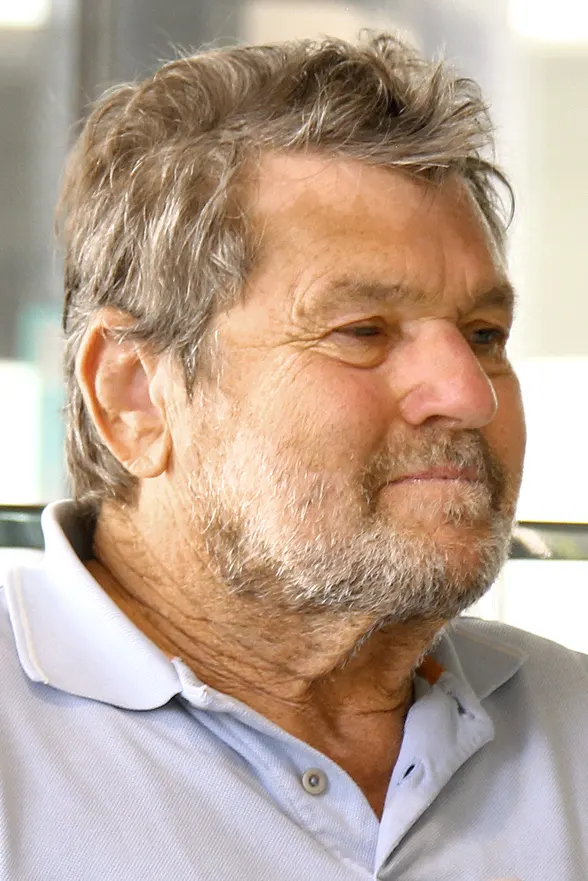
Jann Wenner, the magazine's founder, at the Texas Tribune Festival in Austin in 2022.
Jann Wenner, the magazine’s founder, at the Texas Tribune Festival in Austin in 2022.
Image creditLarry D. Moore · CC BY 4.0Resized and cropped for display.

The first issue of Rolling Stone

The first issue of Rolling Stone appeared in San Francisco on 9 November 1967, priced at 25 cents. It had been founded by Jann Wenner, a 21-year-old former Berkeley student, and Ralph Gleason, a jazz critic at the San Francisco Chronicle. The cover showed John Lennon in costume for the film How I Won the War.

Wenner meant the magazine to reflect the music, art and politics of his generation. It grew into one of the most influential magazines of rock music and popular culture.

Read the full storyHistory & Timeline →Source: Encyclopaedia Britannica: Rolling Stone ↗
✦
LIVES REMEMBERED

Remembered Today

Guillaume Apollinaire
Image creditUnknownUnknown · Public domainResized and cropped for display.

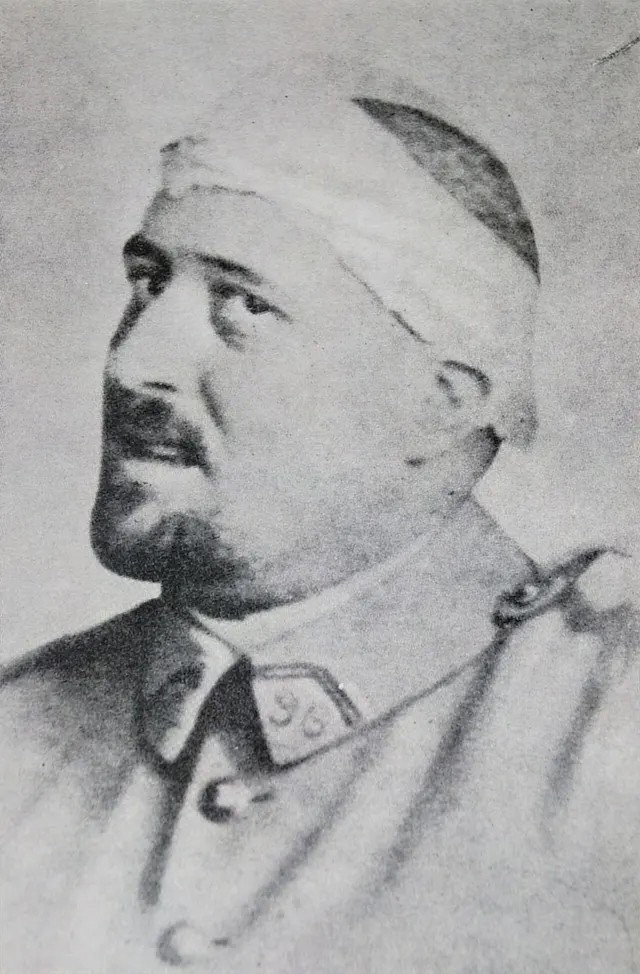
Guillaume Apollinaire

French poet and champion of Cubism, who died in the influenza pandemic two days before the Armistice.

Neville Chamberlain
Image creditBassano Ltd · Public domainResized and cropped for display.

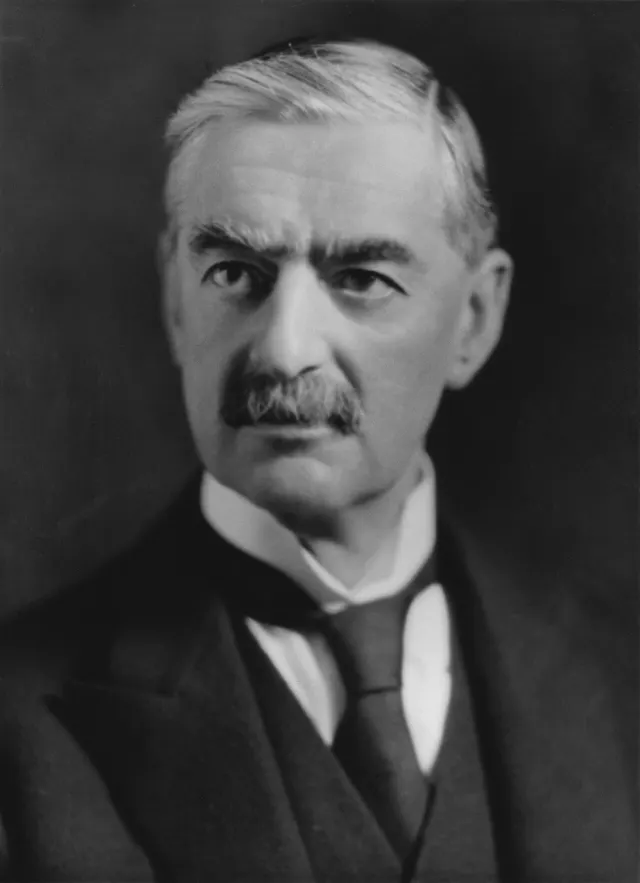
Neville Chamberlain

British prime minister from 1937 to 1940, remembered for the Munich Agreement with Hitler.

Chaim Weizmann
Image creditHugo Mendelson · CC BY-SA 3.0Resized and cropped for display.

Chaim Weizmann

Chemist and Zionist leader who became the first president of Israel.

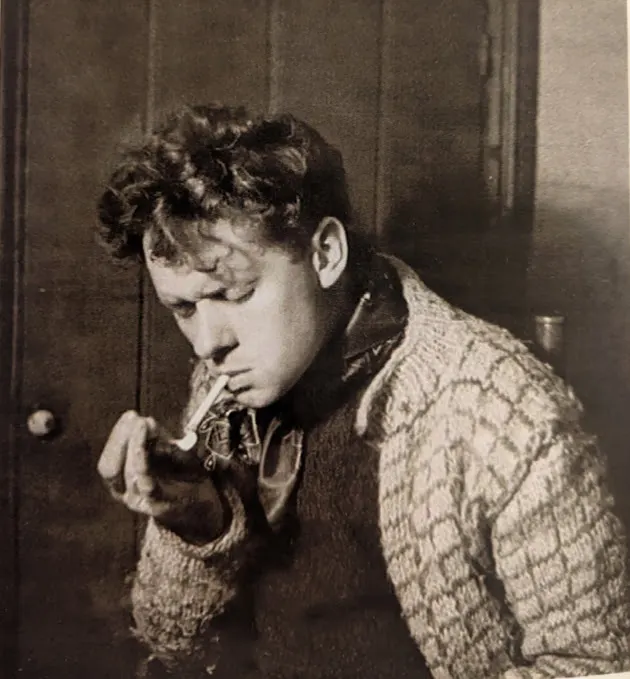
Dylan Thomas
Image creditNora Summers · Public domainResized and cropped for display.

Dylan Thomas

Welsh poet, the author of Under Milk Wood and ‘Do not go gentle into that good night’.

HISTORY & TIMELINE

Finished the highlights?

Follow 9 November chronologically, from the Middle Ages to the modern day, with 10 verified events and the sources behind them.

This day through time →