Explore 11 November

Explore 11 November: the guns fall silent on the Western Front, Angola becomes independent, Rhodesia’s white minority government breaks from Britain and Tycho Brahe sees a new star. Meet Fyodor Dostoevsky and Kurt Vonnegut, born on this date.

This day through time →10 verified events across 3 eras

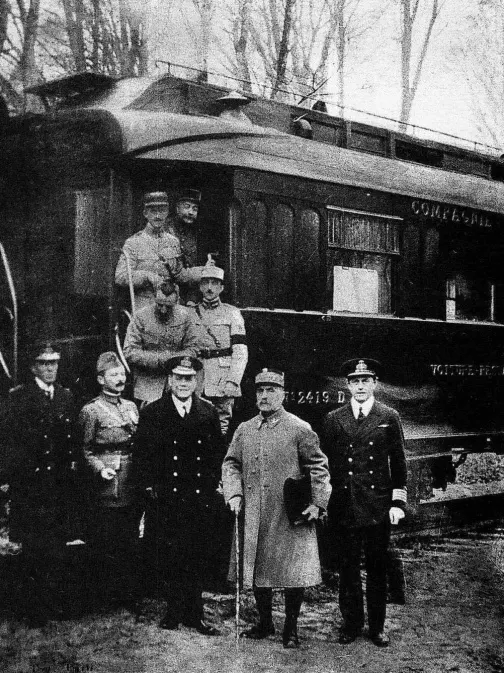
Marshal Ferdinand Foch (second from right) and Allied officers beside his railway carriage in the forest of Compiègne after the armistice was agreed, 11 November 1918.
Image creditUnknown authorUnknown author · Public domainResized and cropped for display.

The Armistice ends the fighting on the Western Front

In the early hours of 11 November 1918, in Marshal Ferdinand Foch’s railway carriage in the forest of Compiègne, north of Paris, German delegates signed an armistice with the Allies. It was agreed that the fighting would stop at 11 a.m., the eleventh hour of the eleventh day of the eleventh month.

Men went on being killed until the last minutes. Then the guns on the Western Front fell silent after more than four years of war. The peace itself was settled at Versailles the following year, and 11 November became a day of remembrance across much of the world.

Read the full storyHistory & Timeline →Source: Imperial War Museums: The Armistice and the end of the First World War ↗
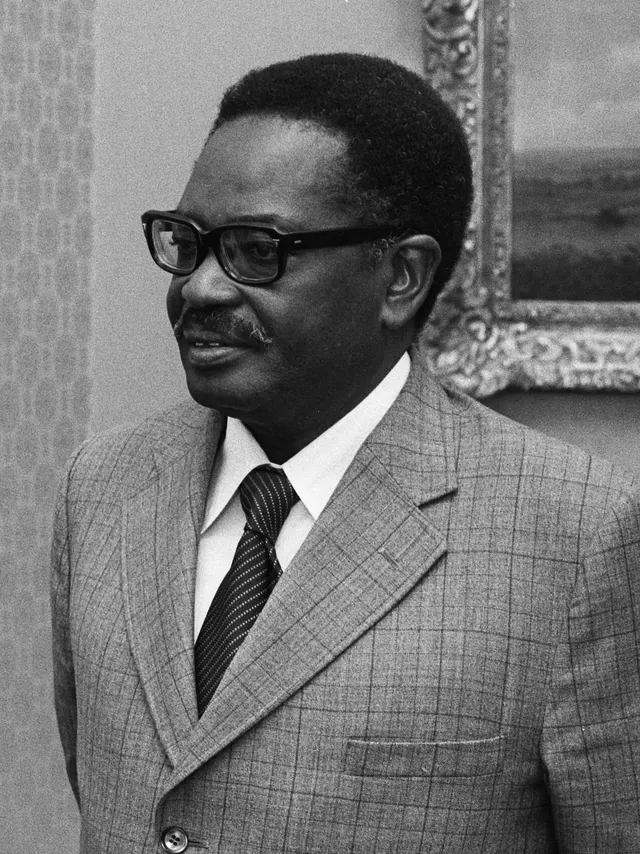
Agostinho Neto, leader of the MPLA and Angola's first president, in The Hague in April 1975.
Agostinho Neto, leader of the MPLA and Angola’s first president, in The Hague in April 1975.
Image creditRob Mieremet / Anefo · CC0Resized and cropped for display.

Angola becomes independent

After fourteen years of war against Portuguese rule, Angola became independent on 11 November 1975. Portugal, whose own revolution of 1974 had ended its dictatorship, withdrew without handing power to any of the three rival liberation movements, and nearly all the Portuguese settlers left.

In Luanda, Agostinho Neto of the MPLA proclaimed the People’s Republic of Angola and became its first president, while the rival FNLA and UNITA declared a government of their own. The country slid into a civil war, drawn into the Cold War by foreign backers, that lasted until 2002.

Read the full storyHistory & Timeline →Source: Encyclopaedia Britannica: Angola, independence and civil war ↗
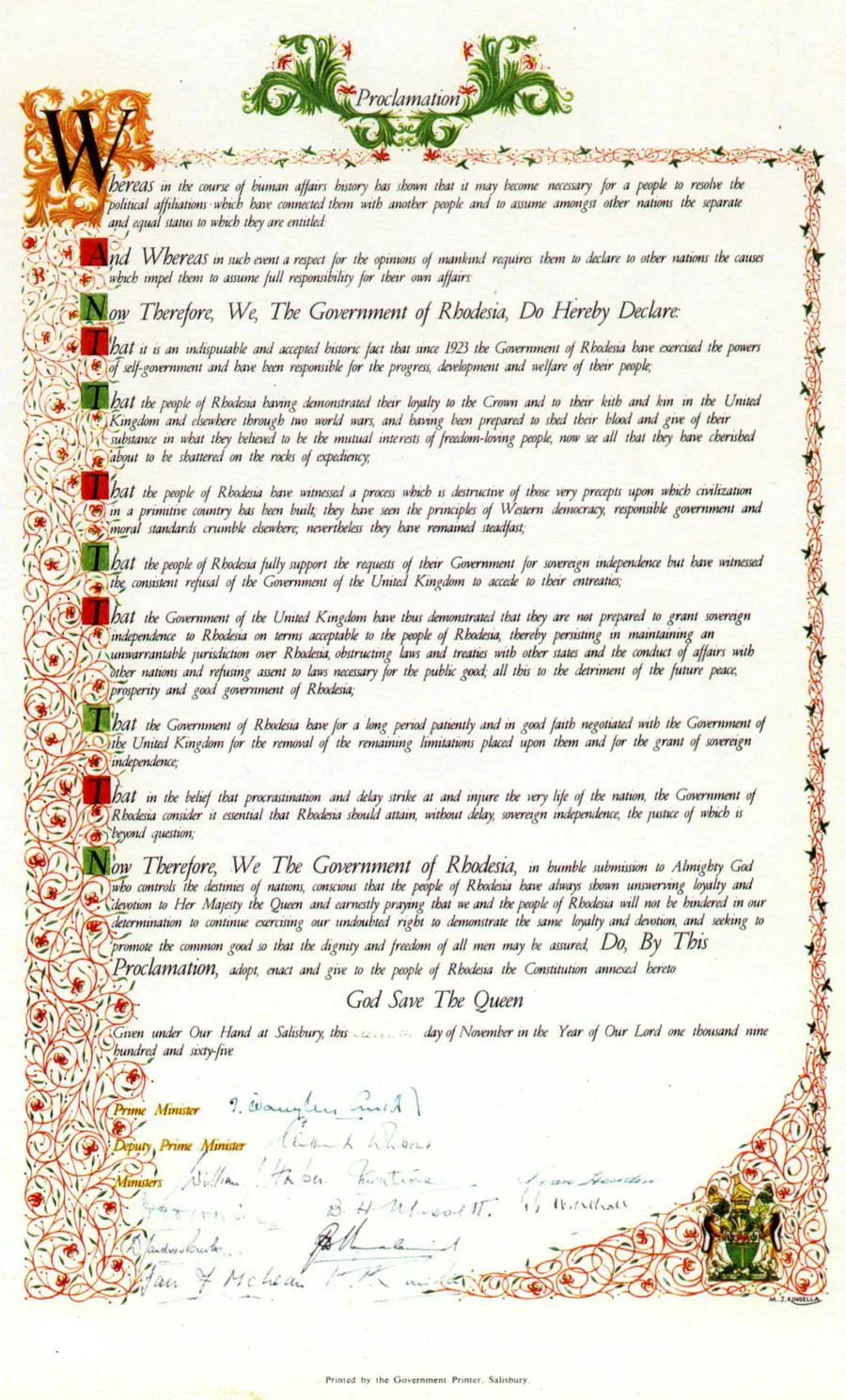
The Unilateral Declaration of Independence, issued by the Rhodesian government in 1965.
Image creditGovernment of Rhodesia · Public domainResized and cropped for display.

Rhodesia declares independence to keep minority rule

Britain would only grant independence to its colony of Southern Rhodesia on terms that led towards rule by the Black majority. On 11 November 1965 the prime minister, Ian Smith, whose government represented the country’s small white minority, broke off talks and issued a Unilateral Declaration of Independence.

Britain called the declaration illegal, and in 1966 the United Nations Security Council imposed mandatory economic sanctions on a state for the first time. Rhodesia held out through years of sanctions and a guerrilla war, until the settlement that created an independent Zimbabwe under majority rule in 1980.

Read the full storyHistory & Timeline →Source: South African History Online: Rhodesian Prime Minister Ian Smith issues a Unilateral Declaration of Independence ↗
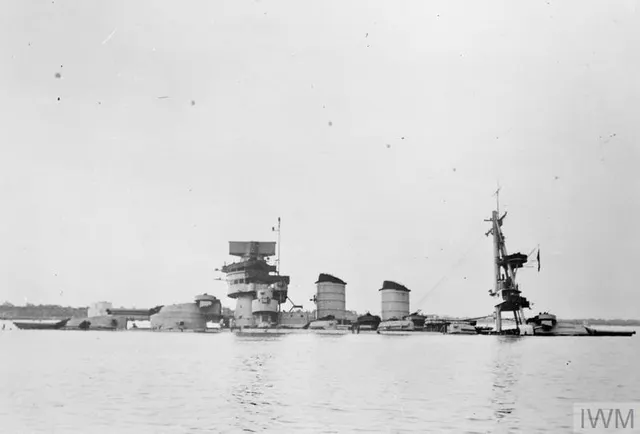
The Italian battleship Conte di Cavour, sunk in Taranto harbour in the attack.
Image creditPhotographer not identified. "Official photograph". · Public domainResized and cropped for display.

The air attack on Taranto

On the night of 11 November 1940, twenty-one Swordfish biplanes flew off the British aircraft carrier HMS Illustrious in two waves and attacked the Italian fleet at anchor in its base at Taranto, in the heel of Italy, with torpedoes and bombs.

The battleship Conte di Cavour was sunk and two others, Littorio and Caio Duilio, badly damaged, putting half of Italy’s battleships out of action for a time. Two aircraft were lost. It was the first great strike on a fleet made entirely by carrier aircraft, and it showed what naval air power could do.

Read the full storyHistory & Timeline →Source: Imperial War Museums: The Fleet Air Arm strike on Taranto, 11 November 1940 ↗
♙
PEOPLE

Born Today

Fyodor Dostoevsky
Image creditVasily Perov · Public domainResized and cropped for display.

Fyodor Dostoevsky

Russian novelist, author of Crime and Punishment and The Brothers Karamazov.

Victor Emmanuel III
Image creditMario Nunes Vais · Public domainResized and cropped for display.

Victor Emmanuel III

King of Italy from 1900 to 1946, who appointed Mussolini prime minister in 1922.

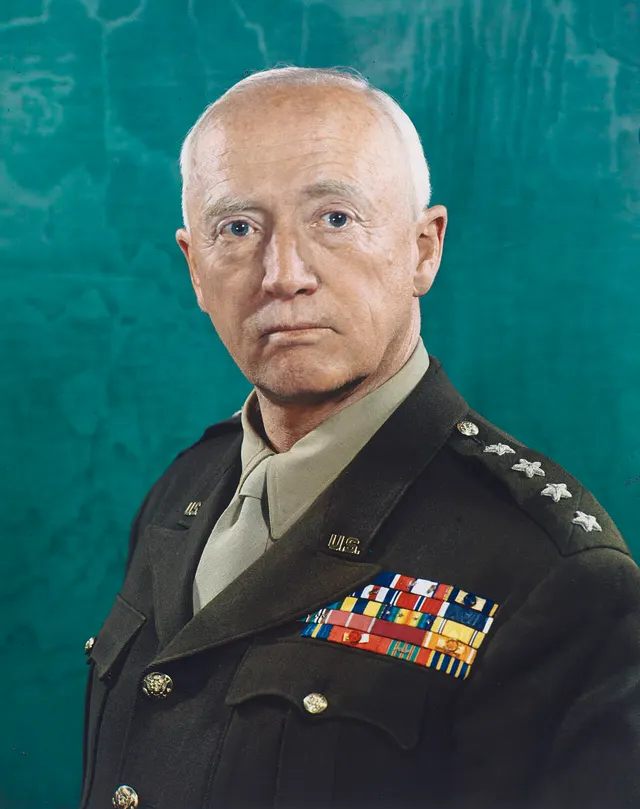
George S. Patton
Image creditRobert F. Cranston / Harry Warnecke · CC0Resized and cropped for display.

George S. Patton

American general who commanded the Third Army across France and Germany in 1944 and 1945.

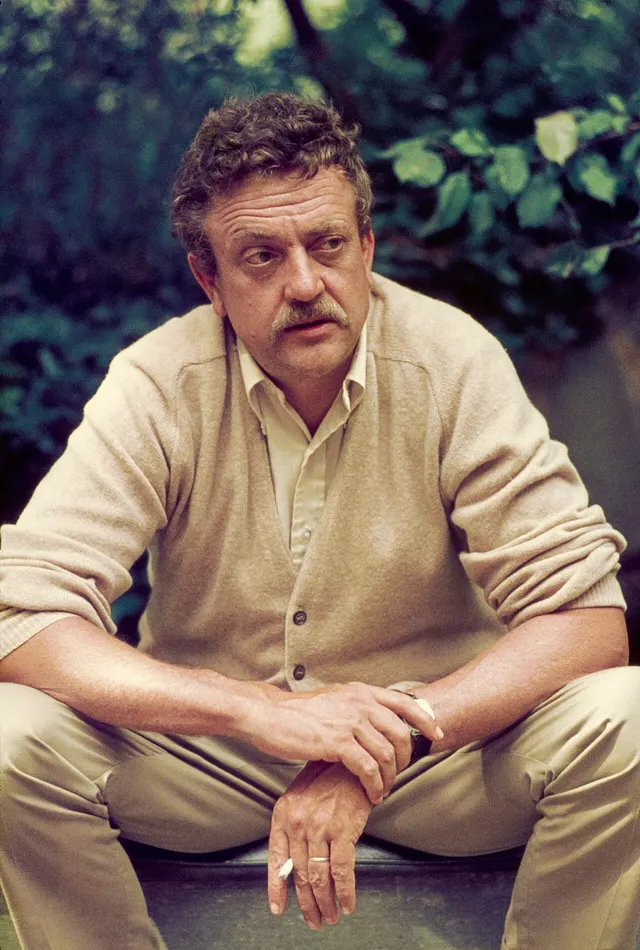
Kurt Vonnegut
Image creditBernard Gotfryd / Adam Cuerden · Public domainResized and cropped for display.

Kurt Vonnegut

American novelist who survived the bombing of Dresden as a prisoner of war and wrote about it in Slaughterhouse-Five.

Leonardo DiCaprio
Image creditRaph_PH · CC BY 4.0Resized and cropped for display.

Leonardo DiCaprio

American actor, star of Titanic, who won an Oscar for The Revenant.

◉
IDEAS THAT CHANGED THINGS

Firsts, Science & Discoveries

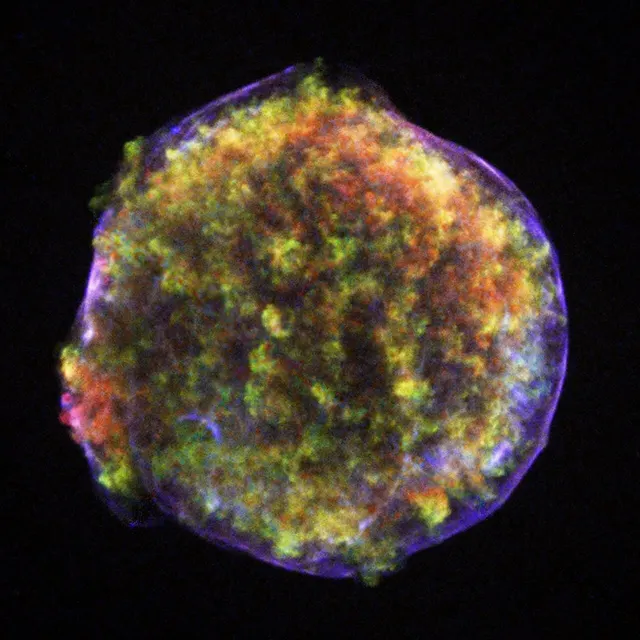
The remains of the star that Tycho saw, photographed in X-rays by NASA's Chandra observatory.
The remains of the star that Tycho saw, photographed in X-rays by NASA’s Chandra observatory.
Image creditSmithsonian Institution from United States · Public domainResized and cropped for display.

Tycho Brahe sees a new star

On the evening of 11 November 1572 (Julian calendar) the young Danish astronomer Tycho Brahe noticed a brilliant star in the constellation Cassiopeia where none had been before. At its brightest it outshone Jupiter and could be seen in daylight. Others had spotted it a few days earlier, but Tycho measured it with great care.

He found that it did not move against the other stars, so it could not be close to Earth, like a comet. The heavens beyond the Moon, thought to be unchanging, had changed. Tycho’s book De Nova Stella made his name, and astronomers now know that the star was a supernova, the explosion of a white dwarf.

Read the full storyHistory & Timeline →Source: Encyclopaedia Britannica: Tycho’s Nova ↗
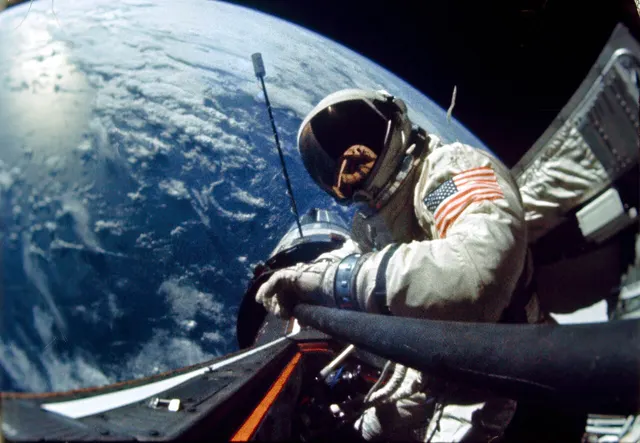
Buzz Aldrin standing in the open hatch of Gemini 12 on 12 November 1966, photographed by Jim Lovell.
Image creditNASA/Jim Lovell · Public domainResized and cropped for display.

Gemini 12 teaches astronauts to work in space

Gemini 12, the last flight of NASA’s Gemini programme, was launched from Cape Canaveral on 11 November 1966 with Jim Lovell and Buzz Aldrin on board. On earlier flights, astronauts working outside their spacecraft had quickly become exhausted and overheated.

Using new handholds, foot restraints and frequent rests, Aldrin spent five and a half hours working in open space over three excursions, proving that people could do useful work outside a spacecraft. The lessons were vital for the Apollo Moon landings.

Read the full storyHistory & Timeline →Source: NASA: Gemini XII ↗
♫
MUSIC • FILM • BOOKS • CULTURE

Culture Stories

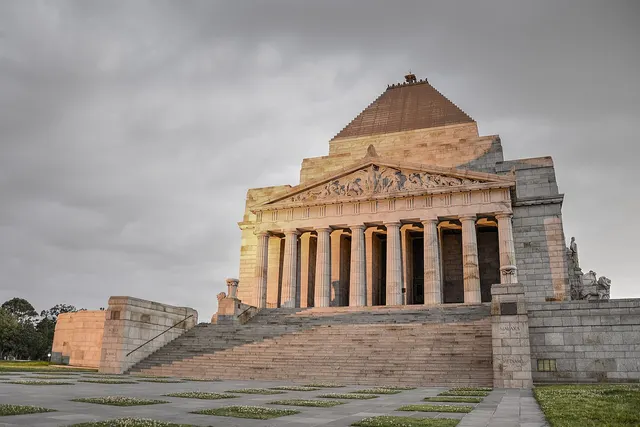
The Shrine of Remembrance in Melbourne.
Image creditJorge Láscar from Australia · CC BY 2.0Resized and cropped for display.

Melbourne’s Shrine of Remembrance is dedicated

Victoria’s great memorial to the men and women who served in the First World War was designed by two returned soldiers, the architects Philip Hudson and James Wardrop, and built between 1927 and 1934 on rising ground south of Melbourne’s city centre. Its foundation stone had been laid on Armistice Day 1927.

On 11 November 1934 the Duke of Gloucester dedicated the Shrine before a crowd of about 300,000 people. Inside, a ray of sunlight falls on the Stone of Remembrance at 11 a.m. every 11 November.

Read the full storyHistory & Timeline →Source: Shrine of Remembrance: History of the Shrine ↗
✦
LIVES REMEMBERED

Remembered Today

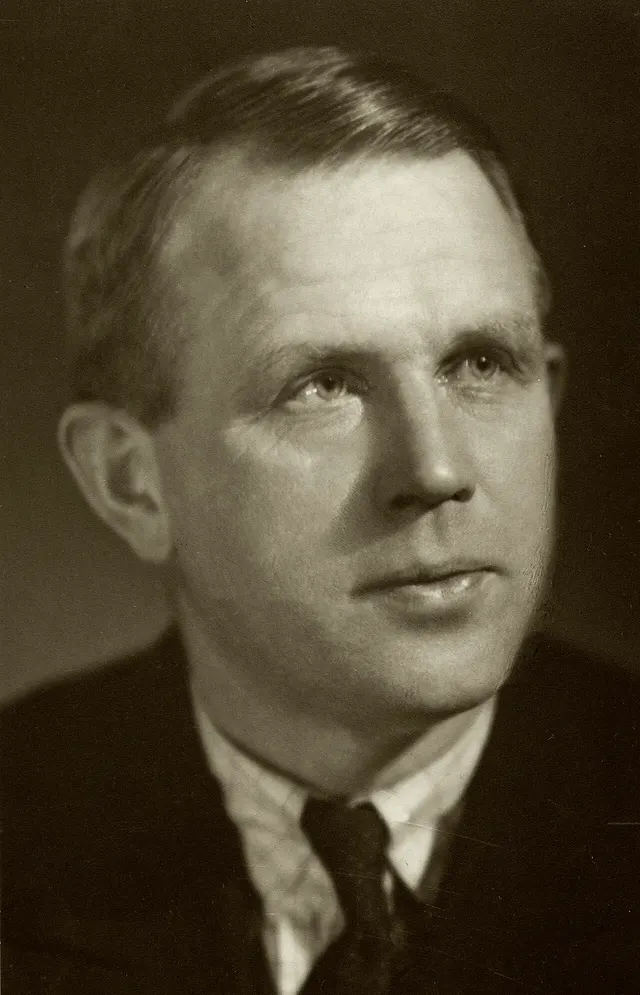
Artturi Ilmari Virtanen
Image creditAnonymousUnknown author · CC BY 4.0Resized and cropped for display.

Artturi Ilmari Virtanen

Finnish chemist who won the 1945 Nobel Prize in Chemistry for a method of preserving cattle fodder.

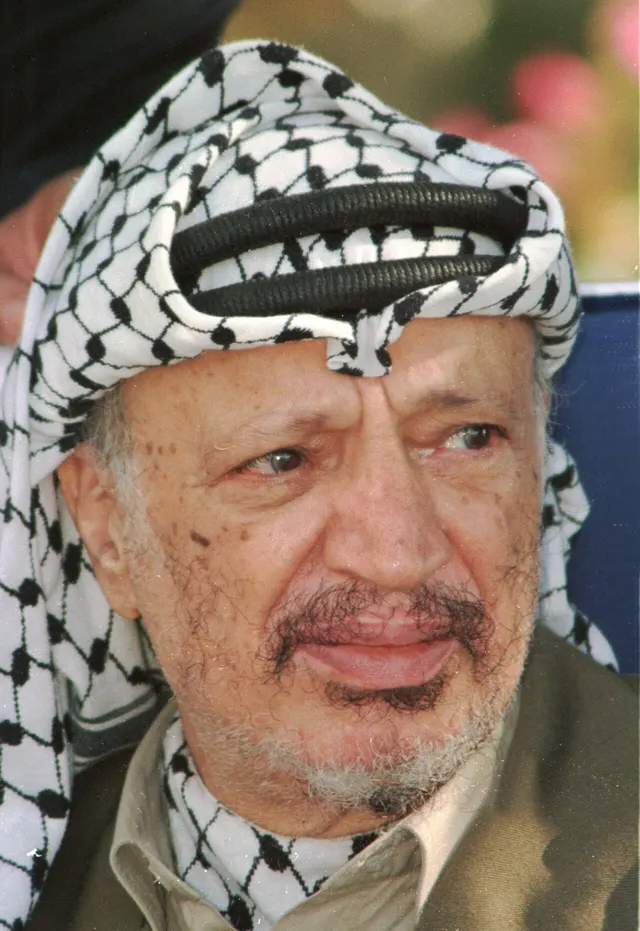
Yasser Arafat
Image creditGideon Markowiz · CC BY 4.0Resized and cropped for display.

Yasser Arafat

Chairman of the Palestine Liberation Organization and first president of the Palestinian Authority, who shared the 1994 Nobel Peace Prize.

Peter Drucker
Image creditJeff McNeill · CC BY-SA 2.0Resized and cropped for display.

Peter Drucker

Austrian-born American writer on business, often called the founder of modern management.

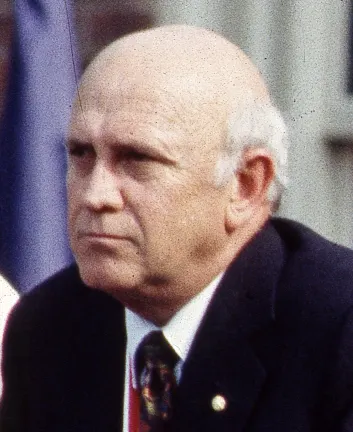
F. W. de Klerk
Image creditCarol M. Highsmith · Public domainResized and cropped for display.

F. W. de Klerk

South African president who released Nelson Mandela, ended apartheid and shared the 1993 Nobel Peace Prize with him.

☉
AROUND THE WORLD

Observances & Anniversaries

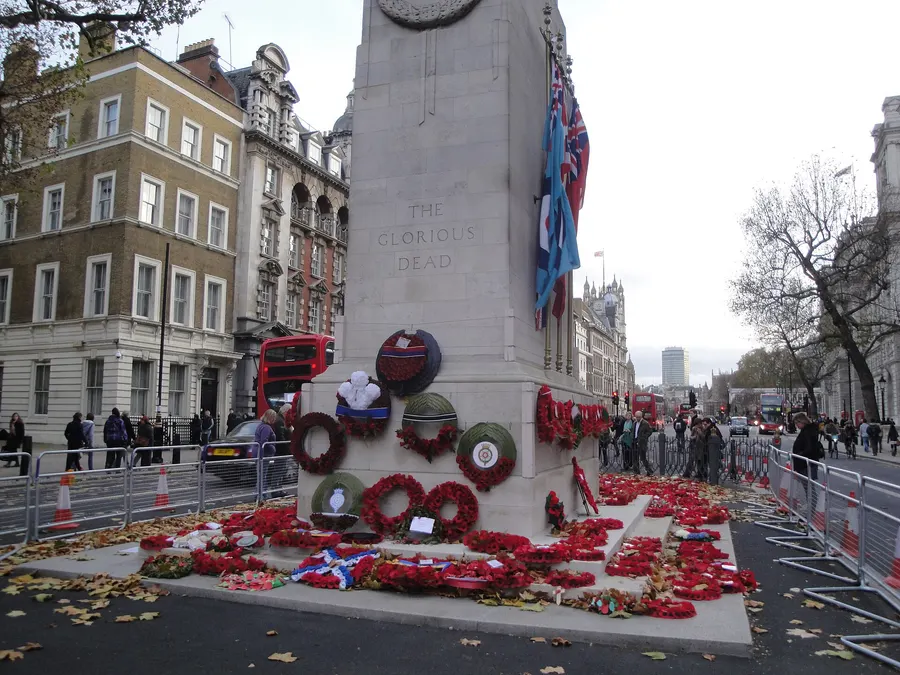
Poppy wreaths at the Cenotaph in London, November 2011.
Image creditEditor5807 · CC BY 3.0Resized and cropped for display.

Remembrance Day and Armistice Day

Across the Commonwealth, in France, Belgium and elsewhere, 11 November marks the end of the First World War and honours those who died in it and in later wars, often with two minutes’ silence at 11 a.m. In the United States it is Veterans Day.

Source: Encyclopaedia Britannica: Armistice Day ↗
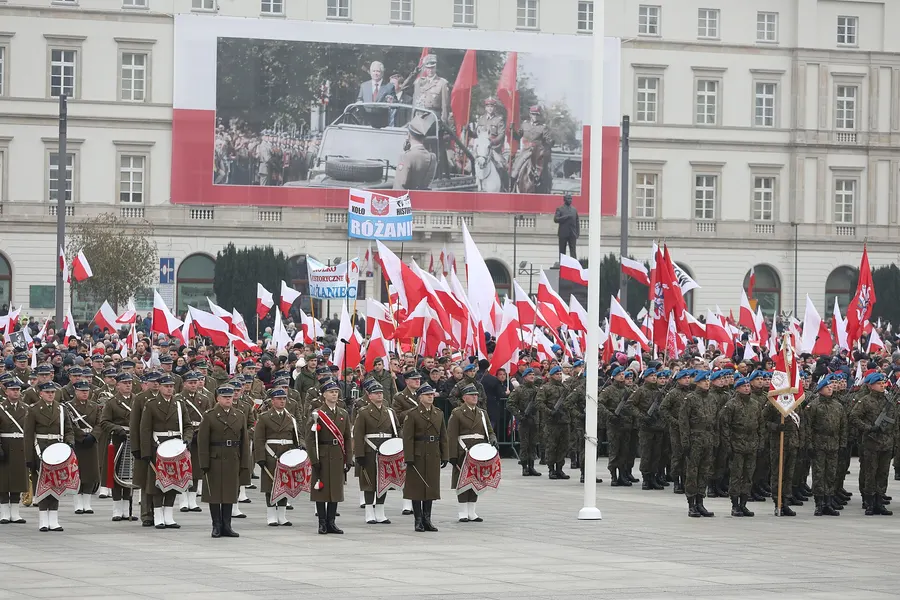
Soldiers on Piłsudski Square in Warsaw for the centenary of independence, 2018.
Image creditKancelaria Sejmu · CC BY 2.0Resized and cropped for display.

National Independence Day in Poland

On 11 November 1918, after 123 years of partition between Russia, Prussia and Austria, Józef Piłsudski took command of the new Polish army in Warsaw. Poland keeps the day as its National Independence Day.

Source: Institute of National Remembrance, Poland: On 11 November Poland celebrates National Independence Day ↗
HISTORY & TIMELINE

Finished the highlights?

Follow 11 November chronologically, from the Middle Ages to the modern day, with 10 verified events and the sources behind them.

This day through time →