
HISTORY & TIMELINE
11 November

A journey through
11 November in history

From Tycho Brahe’s new star of 1572 to Angola’s independence in 1975, 11 November has marked endings and beginnings. Above all it is the day the First World War ended, remembered each year at the eleventh hour. This timeline follows the date across four centuries.

JUMP THROUGH TIME
III
A CHANGING WORLD

Early Modern Era

Exploration, political change, scientific development and expanding global connections.

1572
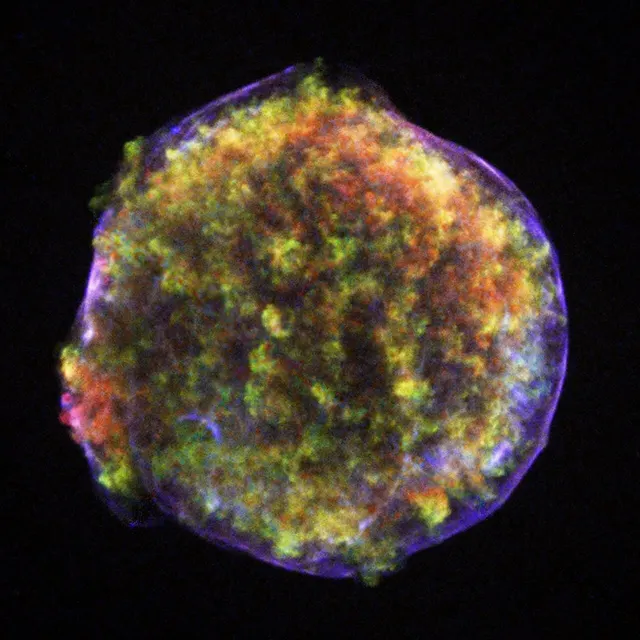
The remains of the star that Tycho saw, photographed in X-rays by NASA's Chandra observatory.The remains of the star that Tycho saw, photographed in X-rays by NASA’s Chandra observatory.Image: Smithsonian Institution from United States · Public domain
science · Europe

Tycho Brahe sees a new star

On the evening of 11 November 1572 (Julian calendar) the young Danish astronomer Tycho Brahe noticed a brilliant star in the constellation Cassiopeia where none had been before. At its brightest it outshone Jupiter and could be seen in daylight. Others had spotted it a few days earlier, but Tycho measured it with great care. He found that it did not move against the other stars, so it could not be close to Earth, like a comet. The heavens beyond the Moon, thought to be unchanging, had changed. Tycho’s book De Nova Stella made his name, and astronomers now know that the star was a supernova, the explosion of a white dwarf.

Source: Encyclopaedia Britannica: Tycho’s Nova ↗
IV
THE NINETEENTH CENTURY

The 1800s

Industry, empire, invention, reform and a century of enormous transformation.

1880
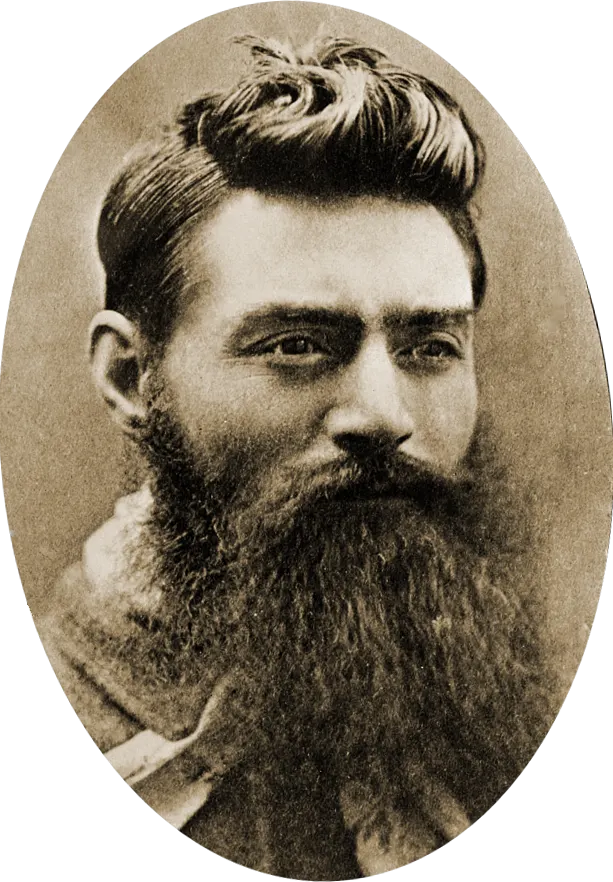
Ned Kelly photographed on 10 November 1880, the day before his execution.Ned Kelly photographed on 10 November 1880, the day before his execution.Image: Australian News and Information Bureau, Canberra · Public domain
world · Oceania

Ned Kelly is hanged in Melbourne

The bushranger Ned Kelly, captured in his home-made armour after a shoot-out with police at Glenrowan in June 1880, was convicted of murdering a police constable and sentenced to death by Judge Redmond Barry. He was hanged at the Old Melbourne Gaol on 11 November 1880. His last words were reported as ‘Ah well, I suppose it has come to this.’ Outlaw or folk hero, he remains one of the best-known figures in Australian history.

Source: State Library Victoria: Ned Kelly information sheet ↗
1889
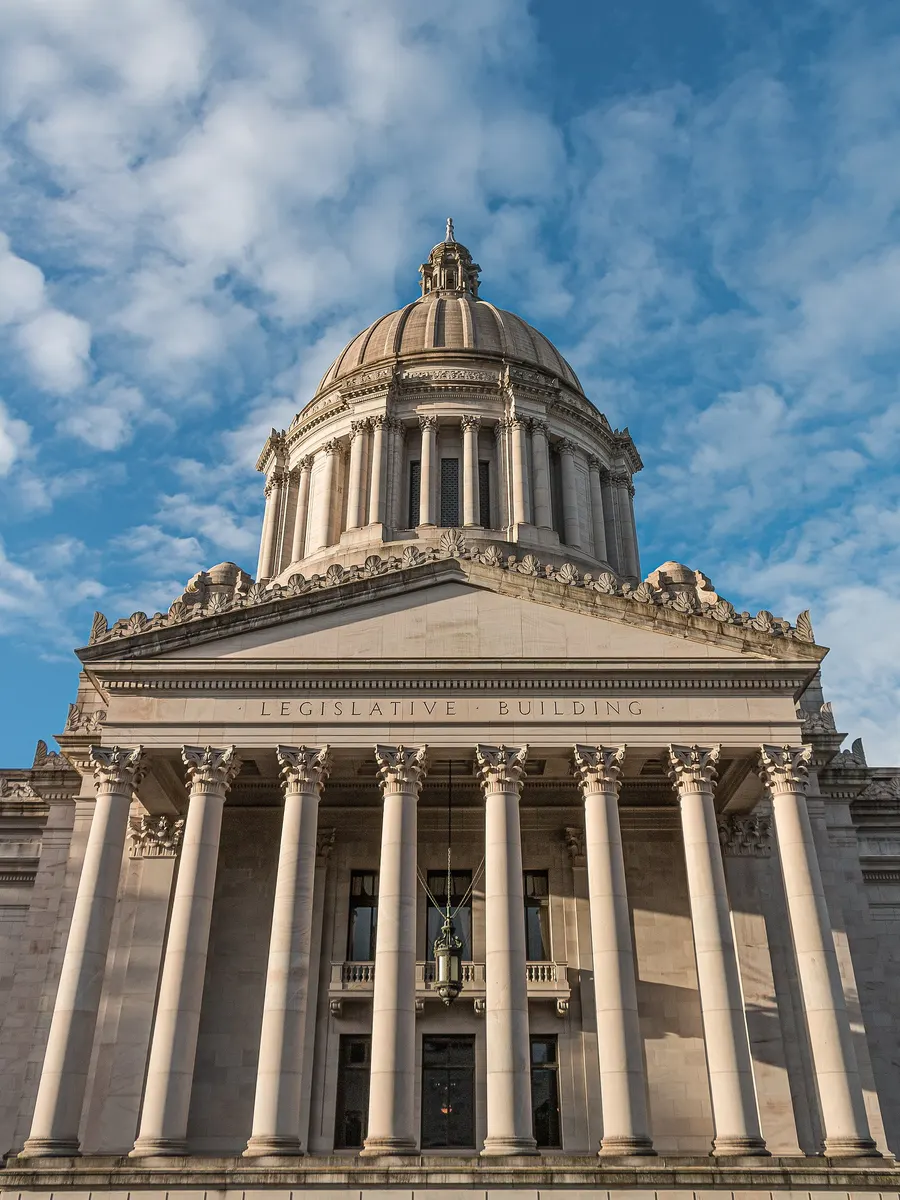
The Legislative Building of the Washington State Capitol in Olympia.The Legislative Building of the Washington State Capitol in Olympia.Image: Martin Kraft · CC BY-SA 4.0
politics · Americas

Washington becomes the 42nd state

At 5.27 p.m. on 11 November 1889 President Benjamin Harrison signed the proclamation admitting Washington to the Union as the 42nd state, after 36 years as a territory. The Secretary of State telegraphed the news to the territorial governor, and celebrations began in the capital, Olympia. The state’s voters had approved their constitution on 1 October.

Source: HistoryLink.org: Washington is admitted as the 42nd state on November 11, 1889 ↗
V
THE TWENTIETH CENTURY

The 1900s

War and peace, technological leaps, social change, politics, sport and popular culture.

1918
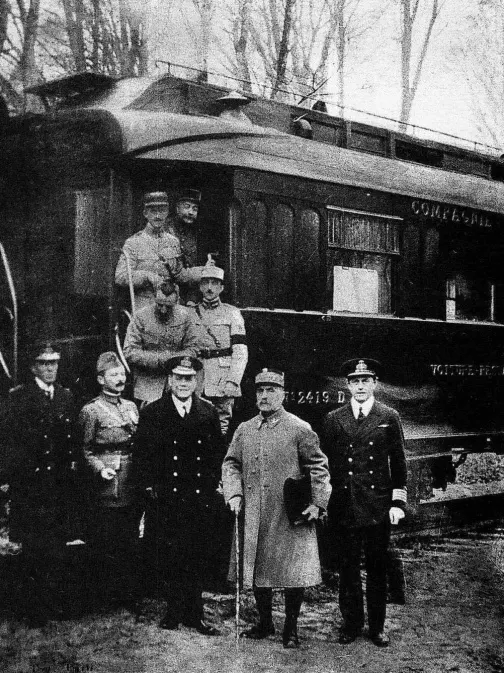
Marshal Ferdinand Foch (second from right) and Allied officers beside his railway carriage in the forest of Compiègne after the armistice was agreed, 11 November 1918.Marshal Ferdinand Foch (second from right) and Allied officers beside his railway carriage in the forest of Compiègne after the armistice was agreed, 11 November 1918.Image: Unknown authorUnknown author · Public domain
world · Europe

The Armistice ends the fighting on the Western Front

In the early hours of 11 November 1918, in Marshal Ferdinand Foch’s railway carriage in the forest of Compiègne, north of Paris, German delegates signed an armistice with the Allies. It was agreed that the fighting would stop at 11 a.m., the eleventh hour of the eleventh day of the eleventh month. Men went on being killed until the last minutes. Then the guns on the Western Front fell silent after more than four years of war. The peace itself was settled at Versailles the following year, and 11 November became a day of remembrance across much of the world.

Source: Imperial War Museums: The Armistice and the end of the First World War ↗
1918
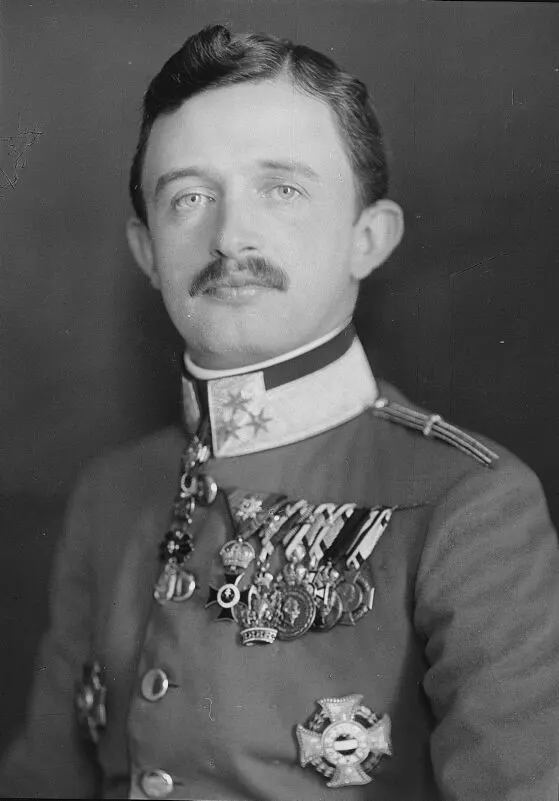
Emperor Charles I of Austria, photographed by Hermann Clemens Kosel.Emperor Charles I of Austria, photographed by Hermann Clemens Kosel.Image: Hermann Clemens Kosel · Public domain
politics · Europe

The last Habsburg emperor steps aside

On 11 November 1918, in the Blue Chinese Salon of Schönbrunn Palace in Vienna, Emperor Charles I of Austria signed a declaration giving up ‘every participation in the affairs of state’ and accepting whatever form of state German-Austria chose. He never formally abdicated, but the declaration ended more than six centuries of Habsburg rule, and the next day the Republic of German-Austria was proclaimed.

Source: Die Welt der Habsburger: The final days of the Monarchy ↗
1934
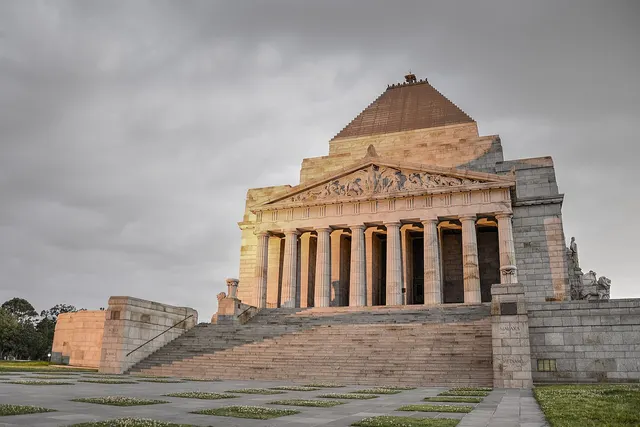
The Shrine of Remembrance in Melbourne.The Shrine of Remembrance in Melbourne.Image: Jorge Láscar from Australia · CC BY 2.0
culture · Oceania

Melbourne’s Shrine of Remembrance is dedicated

Victoria’s great memorial to the men and women who served in the First World War was designed by two returned soldiers, the architects Philip Hudson and James Wardrop, and built between 1927 and 1934 on rising ground south of Melbourne’s city centre. Its foundation stone had been laid on Armistice Day 1927. On 11 November 1934 the Duke of Gloucester dedicated the Shrine before a crowd of about 300,000 people. Inside, a ray of sunlight falls on the Stone of Remembrance at 11 a.m. every 11 November.

Source: Shrine of Remembrance: History of the Shrine ↗
1940
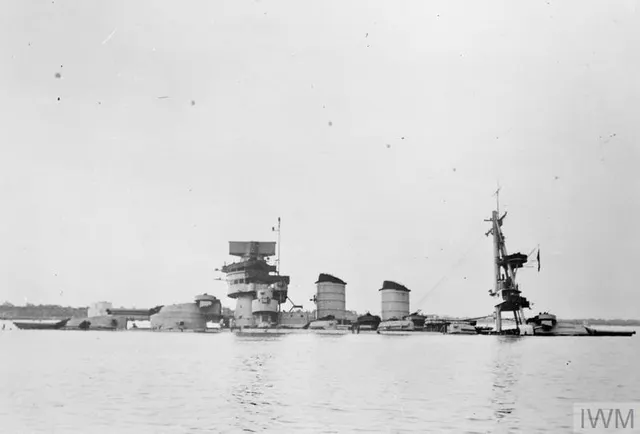
The Italian battleship Conte di Cavour, sunk in Taranto harbour in the attack.The Italian battleship Conte di Cavour, sunk in Taranto harbour in the attack.Image: Photographer not identified. "Official photograph". · Public domain
world · Europe

The air attack on Taranto

On the night of 11 November 1940, twenty-one Swordfish biplanes flew off the British aircraft carrier HMS Illustrious in two waves and attacked the Italian fleet at anchor in its base at Taranto, in the heel of Italy, with torpedoes and bombs. The battleship Conte di Cavour was sunk and two others, Littorio and Caio Duilio, badly damaged, putting half of Italy’s battleships out of action for a time. Two aircraft were lost. It was the first great strike on a fleet made entirely by carrier aircraft, and it showed what naval air power could do.

Source: Imperial War Museums: The Fleet Air Arm strike on Taranto, 11 November 1940 ↗
1965
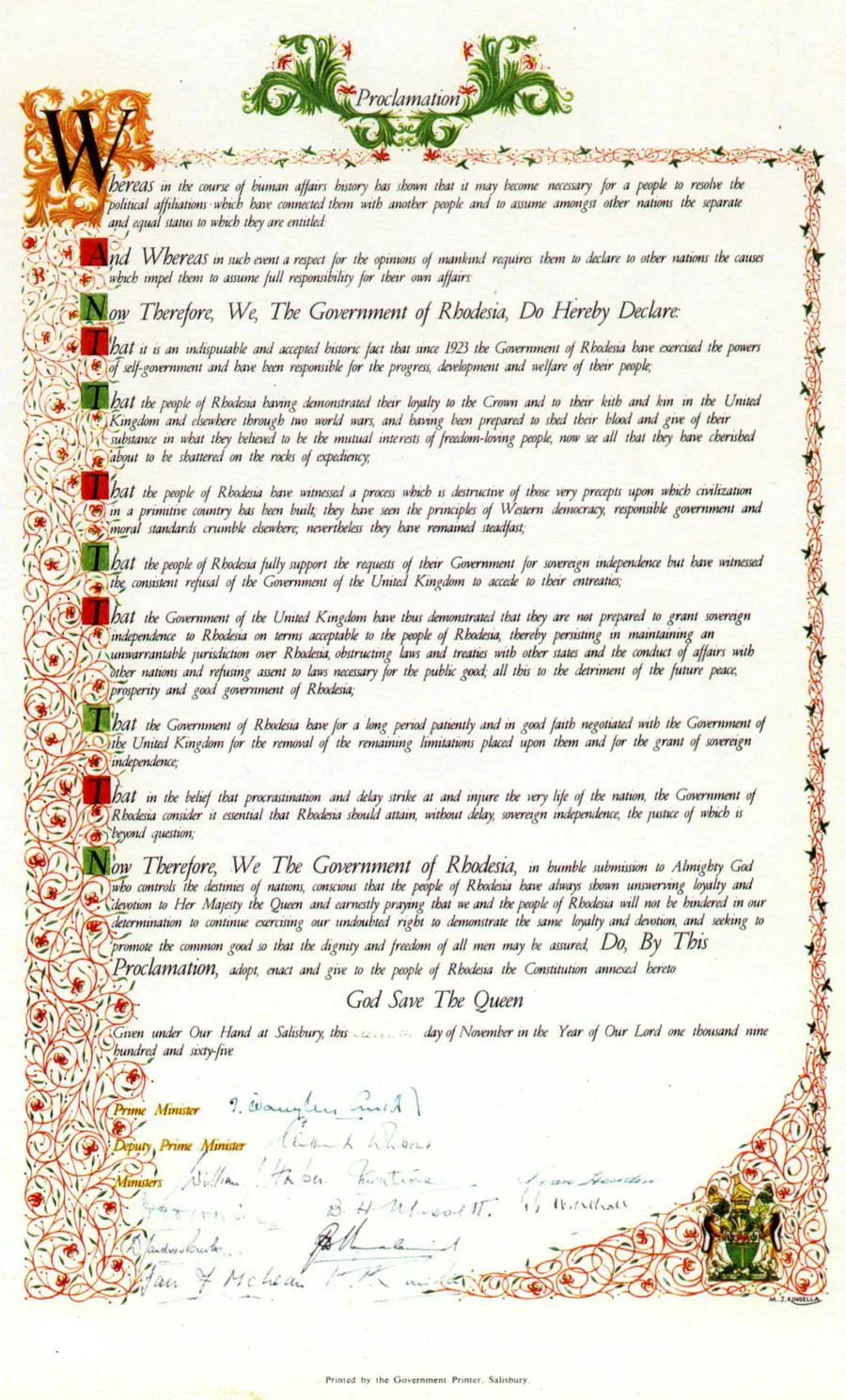
The Unilateral Declaration of Independence, issued by the Rhodesian government in 1965.The Unilateral Declaration of Independence, issued by the Rhodesian government in 1965.Image: Government of Rhodesia · Public domain
politics · Africa

Rhodesia declares independence to keep minority rule

Britain would only grant independence to its colony of Southern Rhodesia on terms that led towards rule by the Black majority. On 11 November 1965 the prime minister, Ian Smith, whose government represented the country’s small white minority, broke off talks and issued a Unilateral Declaration of Independence. Britain called the declaration illegal, and in 1966 the United Nations Security Council imposed mandatory economic sanctions on a state for the first time. Rhodesia held out through years of sanctions and a guerrilla war, until the settlement that created an independent Zimbabwe under majority rule in 1980.

Source: South African History Online: Rhodesian Prime Minister Ian Smith issues a Unilateral Declaration of Independence ↗
1966
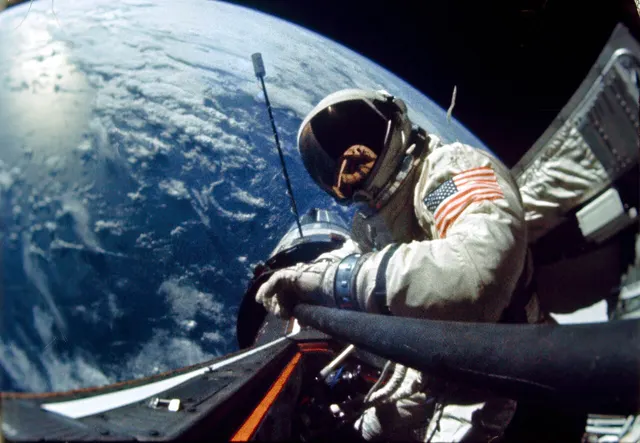
Buzz Aldrin standing in the open hatch of Gemini 12 on 12 November 1966, photographed by Jim Lovell.Buzz Aldrin standing in the open hatch of Gemini 12 on 12 November 1966, photographed by Jim Lovell.Image: NASA/Jim Lovell · Public domain
science · Americas

Gemini 12 teaches astronauts to work in space

Gemini 12, the last flight of NASA’s Gemini programme, was launched from Cape Canaveral on 11 November 1966 with Jim Lovell and Buzz Aldrin on board. On earlier flights, astronauts working outside their spacecraft had quickly become exhausted and overheated. Using new handholds, foot restraints and frequent rests, Aldrin spent five and a half hours working in open space over three excursions, proving that people could do useful work outside a spacecraft. The lessons were vital for the Apollo Moon landings.

Source: NASA: Gemini XII ↗
1975
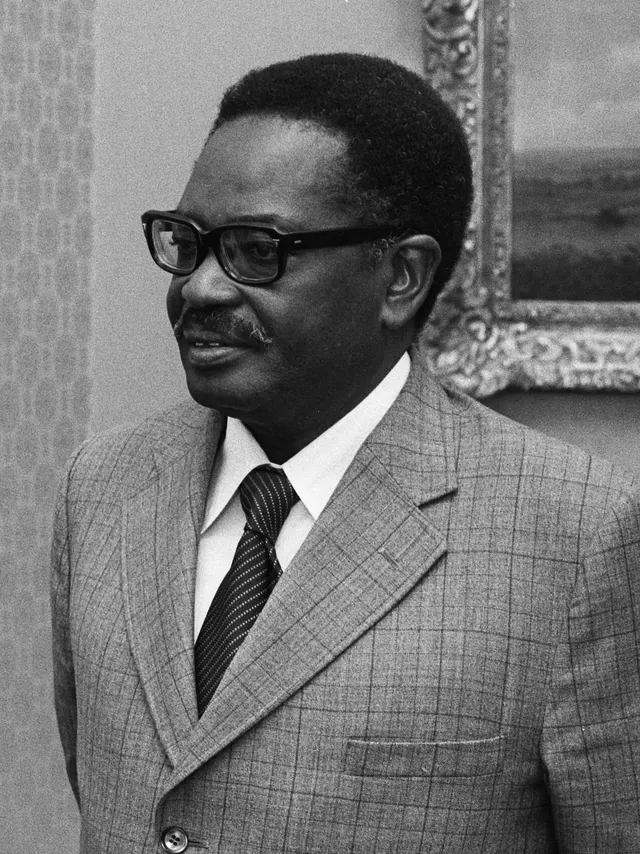
Agostinho Neto, leader of the MPLA and Angola's first president, in The Hague in April 1975.Agostinho Neto, leader of the MPLA and Angola’s first president, in The Hague in April 1975.Image: Rob Mieremet / Anefo · CC0
politics · Africa

Angola becomes independent

After fourteen years of war against Portuguese rule, Angola became independent on 11 November 1975. Portugal, whose own revolution of 1974 had ended its dictatorship, withdrew without handing power to any of the three rival liberation movements, and nearly all the Portuguese settlers left. In Luanda, Agostinho Neto of the MPLA proclaimed the People’s Republic of Angola and became its first president, while the rival FNLA and UNITA declared a government of their own. The country slid into a civil war, drawn into the Cold War by foreign backers, that lasted until 2002.

Source: Encyclopaedia Britannica: Angola, independence and civil war ↗
WHY THESE MOMENTS?

Significance before volume

This page is not the longest possible list of events. It is a chronological journey through 11 November, where each entry is chosen for historical significance, human interest and reliability.

Facts are checked against authoritative museums, archives, universities and reference works. Where sources disagree, the page says so.

EXPLORED THE DEEPER STORY?

Return to the highlights of 11 November

Discover the lighter side of the date with famous birthdays, culture, firsts and lives remembered.

Explore This Day →