Explore 4 November

Explore 4 November: Howard Carter’s team finds the first step down to Tutankhamun’s tomb, Soviet tanks crush the Hungarian uprising, and students seize the US embassy in Tehran. Plus the first issue of Nature and Naples’ Teatro di San Carlo.

This day through time →11 verified events across 4 eras

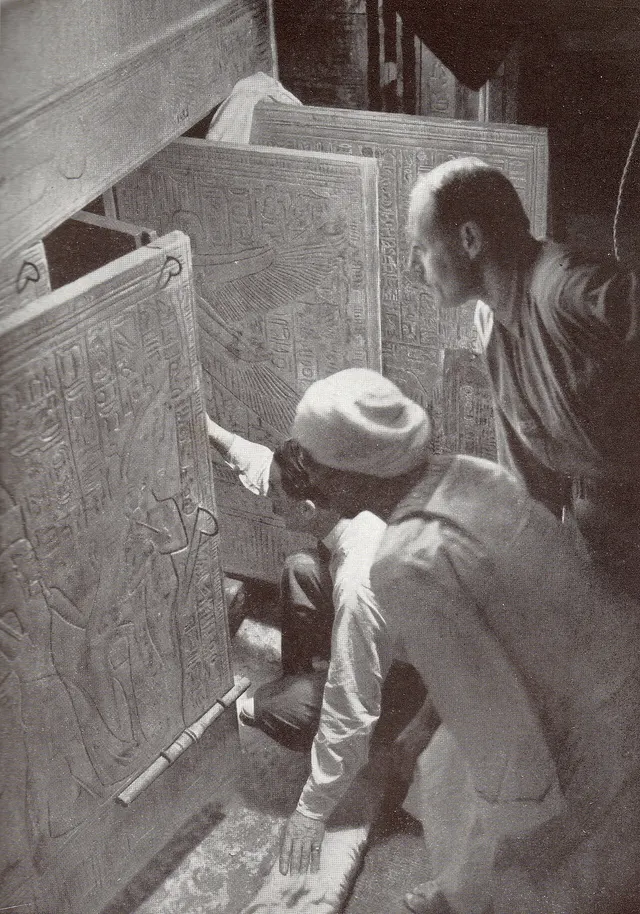
Howard Carter, kneeling, with an Egyptian workman and Arthur Callender at the doors of the burial shrines inside the tomb, January 1924.
Image creditHarry Burton · Public domainResized and cropped for display.

The first step down to Tutankhamun’s tomb

At about ten o’clock on the morning of 4 November 1922, in the Valley of the Kings, Howard Carter’s largely Egyptian team uncovered a step cut into the bedrock beneath the remains of some workmen’s huts, just below the entrance to the tomb of Ramesses VI. Digging on, they found a sunken staircase of the kind used for royal tombs of the Eighteenth Dynasty.

Carter covered it up again to wait for his patron, Lord Carnarvon, to arrive from England. On 26 November they reached a second sealed doorway and looked through into rooms crammed with treasures: the almost untouched tomb of the boy-king Tutankhamun.

Read the full storyHistory & Timeline →Source: Griffith Institute, University of Oxford: Howard Carter’s excavation journals, 1922 ↗
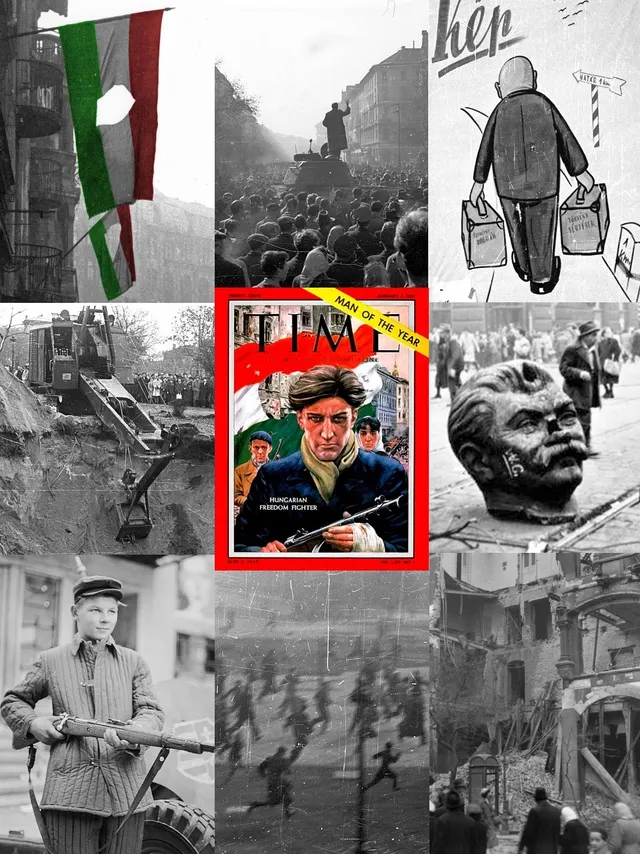
Scenes from the Hungarian revolution of 1956: the flag with the Communist emblem cut out, and a speaker on an abandoned Soviet tank.
Image creditГлавцентроархив · CC0Resized and cropped for display.

Soviet forces crush the Hungarian uprising

At 4.15 in the morning of 4 November 1956 Soviet forces launched a massive attack on Hungary to put down the national uprising that had begun twelve days earlier. An hour later the prime minister, Imre Nagy, told the nation of the invasion in a radio broadcast of thirty-five seconds.

By 8 November the Soviets had taken control of Budapest. About 200,000 Hungarians fled abroad. Nagy took refuge in the Yugoslav embassy, was seized when he left it, and was executed after a secret trial in 1958.

Read the full storyHistory & Timeline →Source: National Security Archive, George Washington University: Hungarian Revolution, 1956 ↗
Iranian students climb the gates of the US embassy in Tehran, 4 November 1979.
Image creditUnknown authorUnknown author · Public domainResized and cropped for display.

Students seize the US embassy in Tehran

On 4 November 1979 several hundred Iranian students stormed the United States embassy in Tehran and took more than fifty Americans hostage, from the chargé d’affaires to the most junior staff. They were protesting that the deposed Shah had been allowed into the United States for medical treatment.

Ayatollah Khomeini’s revolutionary government backed them. The hostages were held for 444 days, through a failed American rescue mission, and were released on 20 January 1981, minutes after President Ronald Reagan took office.

Read the full storyHistory & Timeline →Source: US Department of State, Office of the Historian: The Iranian hostage crisis ↗
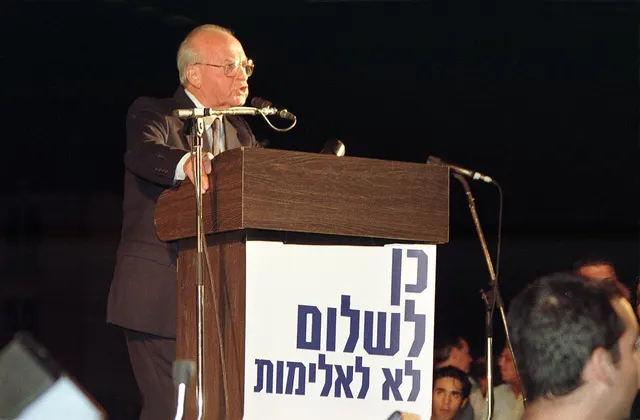
Yitzhak Rabin addresses the peace rally in Tel Aviv on the evening of 4 November 1995.
Image creditIsrael Press and Photo Agency (I.P.P.A.) photographer · CC BY 4.0Resized and cropped for display.

Yitzhak Rabin is assassinated

On the evening of 4 November 1995 a crowd of tens of thousands gathered in a Tel Aviv square under the slogan ‘Yes to peace, no to violence’ to support the Oslo peace process. As the Israeli prime minister, Yitzhak Rabin, walked to his car after addressing them, he was shot twice by Yigal Amir, a Jewish extremist opposed to the Oslo Accords. He died in hospital that night.

Rabin, a former army chief of staff, had shared the 1994 Nobel Peace Prize with Shimon Peres and Yasser Arafat. The square where he was killed is now Rabin Square.

Read the full storyHistory & Timeline →Source: Encyclopaedia Britannica: Assassination of Yitzhak Rabin ↗
♙
PEOPLE

Born Today

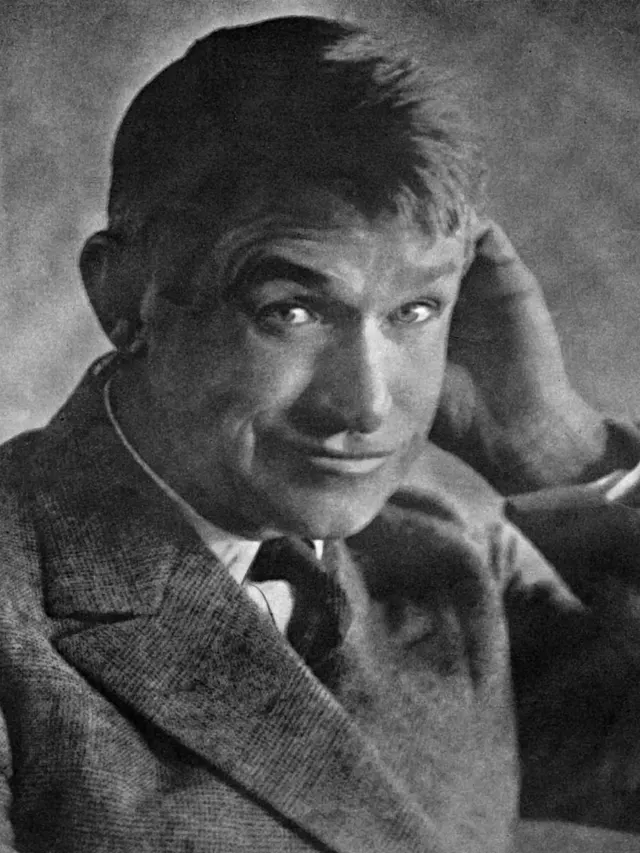
Will Rogers
Image creditMelbourne Spurr · Public domainResized and cropped for display.

Will Rogers

American humorist, cowboy performer and film star, a Cherokee citizen from Oklahoma.

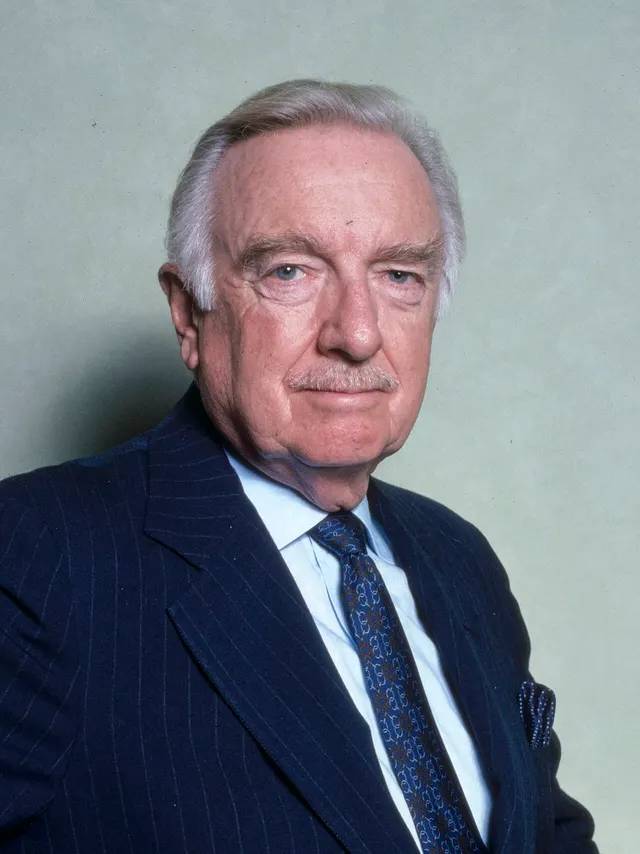
Walter Cronkite
Image creditBernard Gotfryd · Public domainResized and cropped for display.

Walter Cronkite

American television journalist who anchored the CBS Evening News for nineteen years.

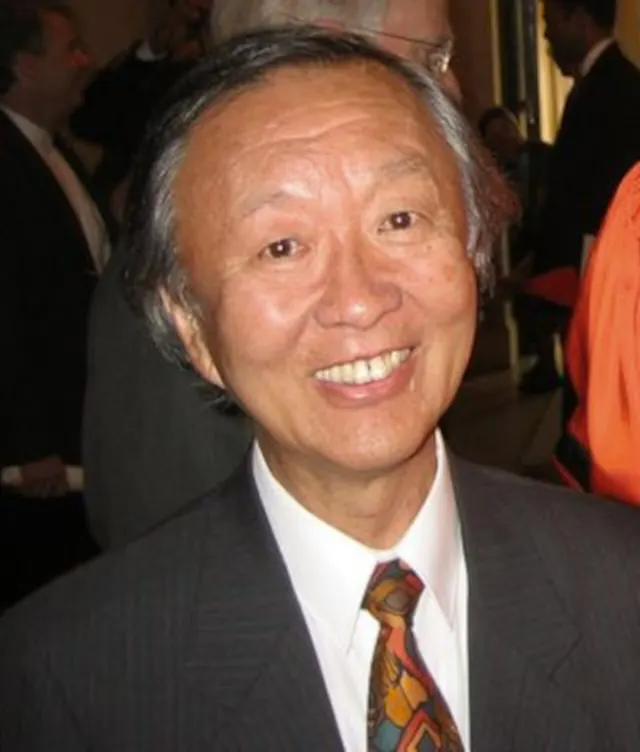
Charles K. Kao
Image creditDavid Dobkin [1] · CC BY-SA 3.0Resized and cropped for display.

Charles K. Kao

Shanghai-born physicist who showed that glass fibres could carry light over long distances, and shared the 2009 Nobel Prize in Physics.

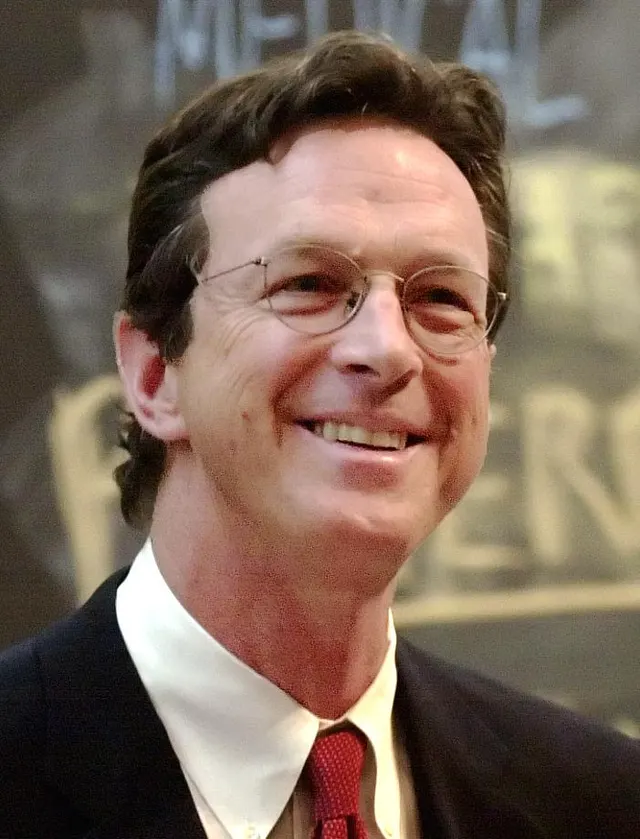
Matthew McConaughey
Image creditGabriel Hutchinson · CC BY-SA 4.0Resized and cropped for display.

Matthew McConaughey

American actor who won an Oscar for Dallas Buyers Club.

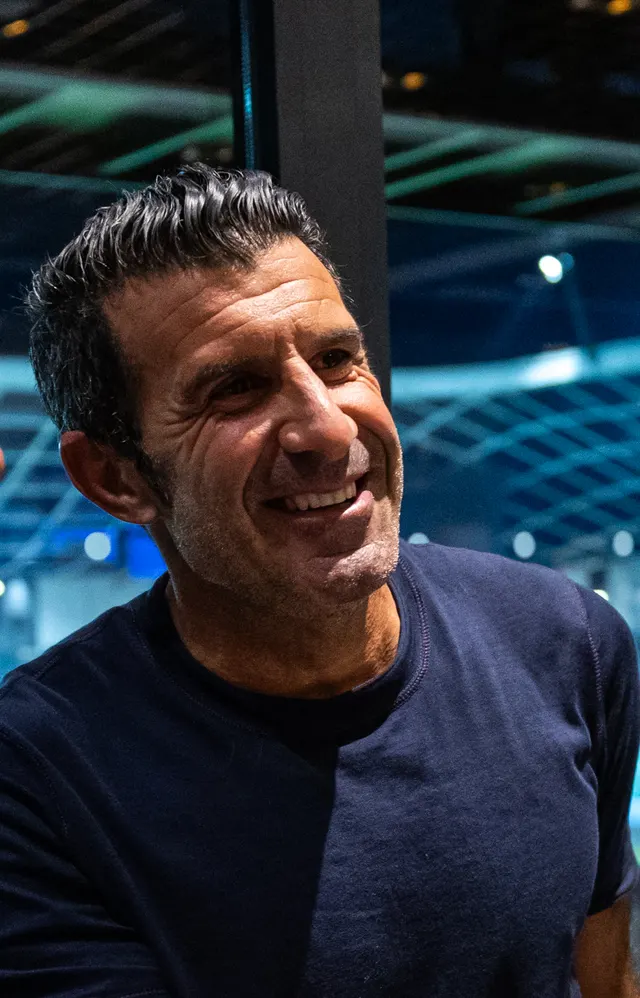
Luís Figo
Image creditŽan Kolman · Public domainResized and cropped for display.

Luís Figo

Portuguese winger, world footballer of the year in 2001.

◉
IDEAS THAT CHANGED THINGS

Firsts, Science & Discoveries

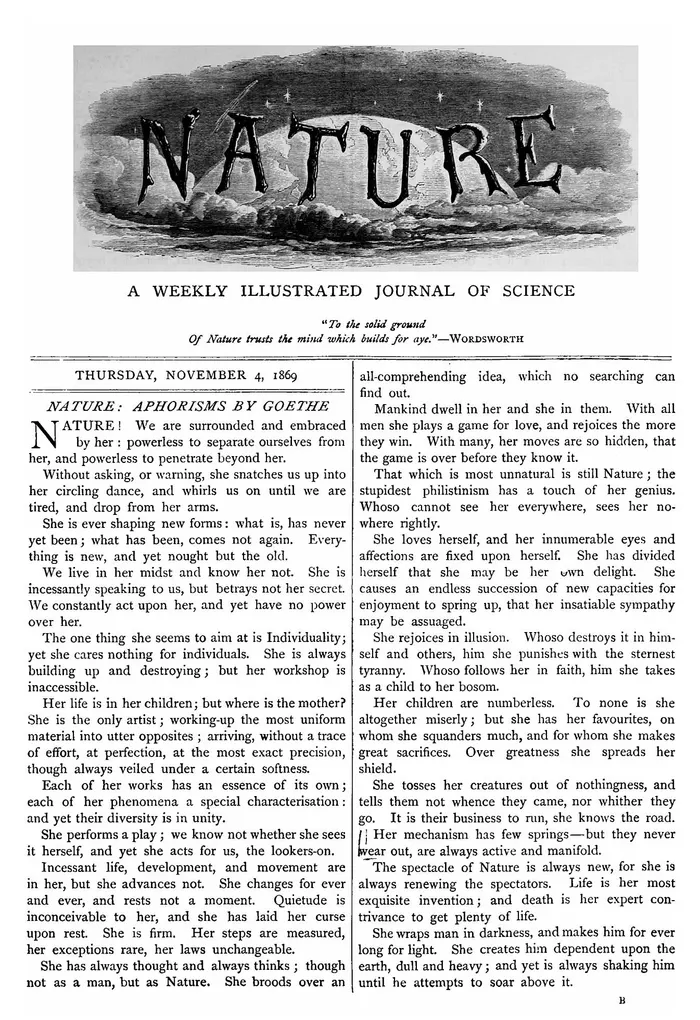
The cover of the first issue of Nature, 4 November 1869.
Image creditNature journal · Public domainResized and cropped for display.

The first issue of Nature

The first issue of Nature, ‘a weekly illustrated journal of science’, was published in London on 4 November 1869 by Macmillan, with the astronomer Norman Lockyer as editor. Lockyer wanted scientists to write about their work for a general readership.

The journal lost money for three decades and survived only because its publisher, Alexander Macmillan, stood by it. Lockyer edited it for fifty years. It went on to publish some of the most important discoveries of modern science, among them the structure of DNA in 1953.

Read the full storyHistory & Timeline →Source: Nature: History of Nature ↗
♫
MUSIC • FILM • BOOKS • CULTURE

Culture Stories

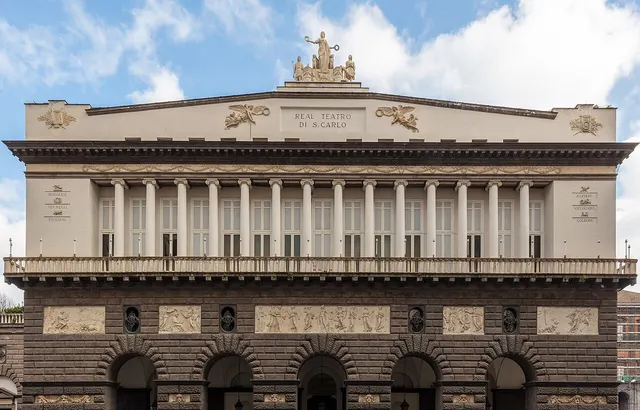
The Teatro di San Carlo in Naples today.
Image creditDiego Delso · CC BY-SA 4.0Resized and cropped for display.

The Teatro di San Carlo opens in Naples

The Teatro di San Carlo in Naples opened on the evening of 4 November 1737 with Achille in Sciro, an opera by Domenico Sarro to a libretto by Metastasio. It was built for Charles of Bourbon, the new king of Naples, and named after his patron saint.

It became one of the largest and most important opera houses in Europe, where Rossini and Donizetti premiered many of their works, and it is one of the oldest in the world still in use.

Read the full storyHistory & Timeline →Source: Teatro di San Carlo: the theatre and its history ↗
✦
LIVES REMEMBERED

Remembered Today

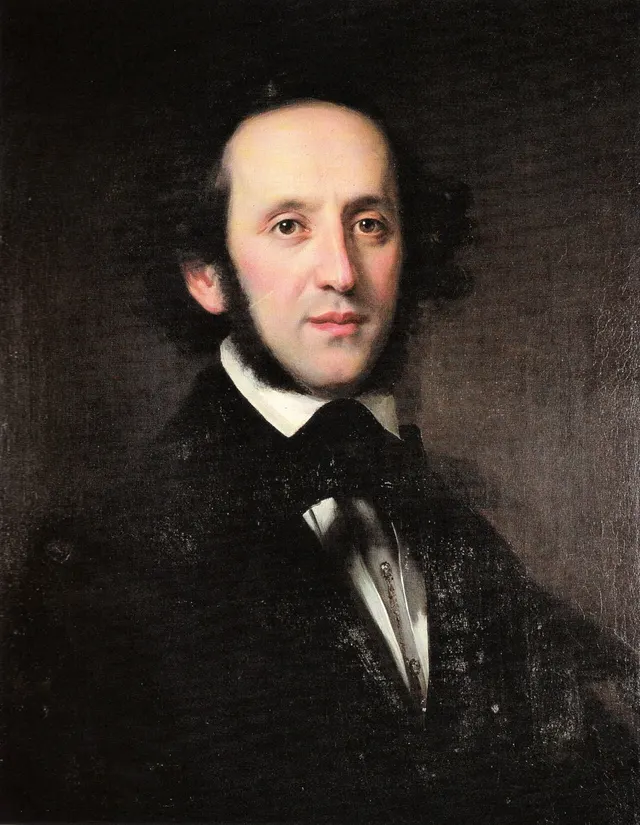
Felix Mendelssohn
Image creditEduard Magnus · Public domainResized and cropped for display.

Felix Mendelssohn

German composer of the Italian Symphony and A Midsummer Night’s Dream, who revived the music of Bach.

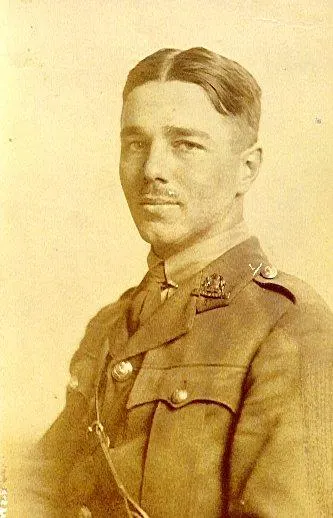
Wilfred Owen
Image creditAllex Langié · CC BY-SA 3.0Resized and cropped for display.

Wilfred Owen

English poet of the First World War, killed in action a week before the Armistice.

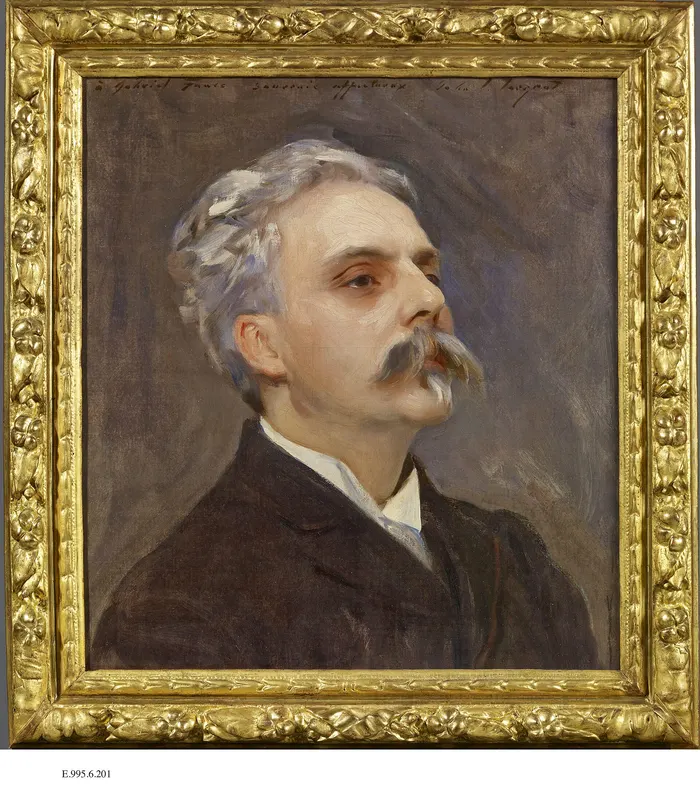
Gabriel Fauré
Image creditJohn Singer Sargent · Public domainResized and cropped for display.

Gabriel Fauré

French composer of the Requiem and a master of the French art song.

☉
AROUND THE WORLD

Observances & Anniversaries

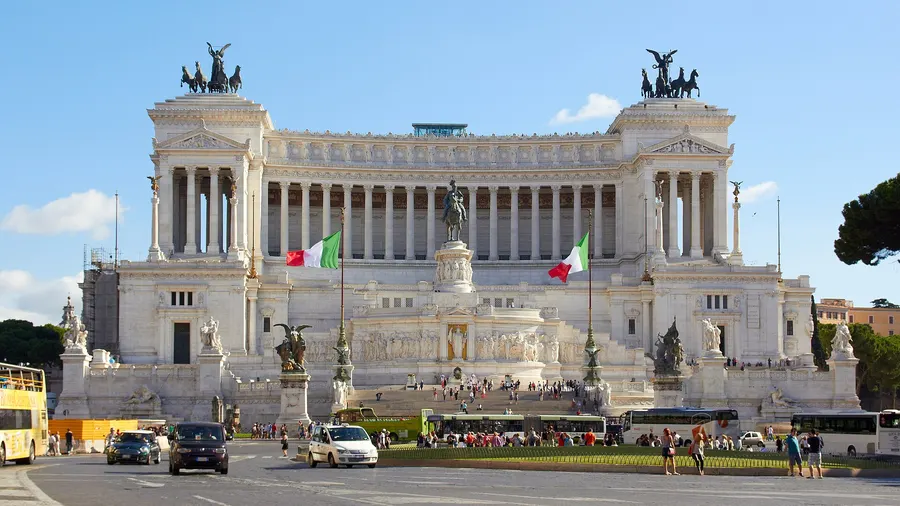
The Vittoriano in Rome, where the Tomb of the Unknown Soldier lies.
Image creditMax_Ryazanov · CC BY-SA 3.0Resized and cropped for display.

National Unity and Armed Forces Day, Italy

Italy marks 4 November as the Day of National Unity and of the Armed Forces. It remembers the day in 1918 when the Armistice of Villa Giusti took effect, ending Italy’s war with Austria-Hungary and bringing Trento and Trieste into the country.

The day was first declared a national holiday in 1922. It honours the more than 600,000 Italians who died in the First World War.

Source: Italian Ministry of Defence: 4 November, historical background ↗
HISTORY & TIMELINE

Finished the highlights?

Follow 4 November chronologically, from the Middle Ages to the modern day, with 11 verified events and the sources behind them.

This day through time →