Explore 1 November

Explore 1 November: an earthquake destroys Lisbon, the European Union comes into being, and Algeria’s war of independence begins. Plus Michelangelo’s Sistine ceiling, the first hydrogen bomb and the founding of Juventus.

This day through time →12 verified events across 3 eras

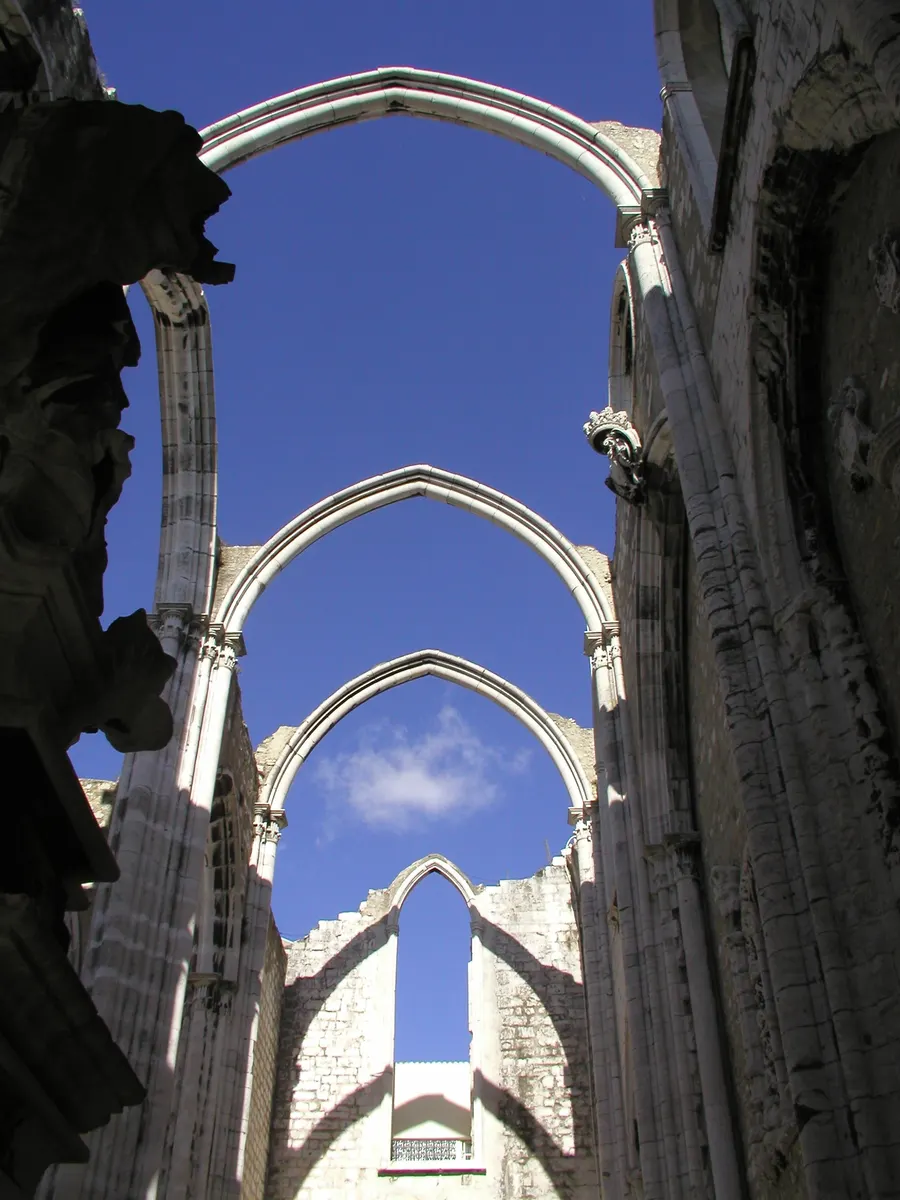
The ruins of the Convento do Carmo in Lisbon, left unroofed since the earthquake.
Image creditChris Adams · CC BY-SA 3.0Resized and cropped for display.

The great Lisbon earthquake

On the morning of 1 November 1755, All Saints’ Day, a great earthquake struck Lisbon while much of the city was at Mass. Churches collapsed on their congregations, a tsunami swept the waterfront where survivors had gathered, and fires then burned for days. The earthquake is thought to have been of magnitude 8.5 or more, the most destructive in European history.

About 30,000 people are thought to have died in Lisbon, and some estimates are twice that. The waves were felt as far away as the Caribbean. The disaster shook the thinkers of the Enlightenment, and the rebuilding of the city’s centre under the Marquis of Pombal gave Lisbon the grid of streets it has today.

Read the full storyHistory & Timeline →Source: Encyclopaedia Britannica: Lisbon earthquake of 1755 ↗
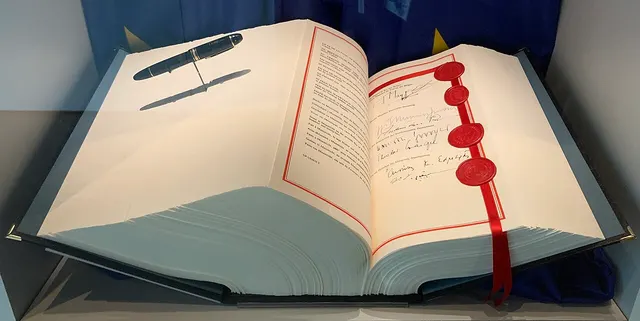
The signed text of the Treaty of Maastricht.
Image creditUser:Mateus2019 · CC BY 2.0 deResized and cropped for display.

The European Union comes into being

The Treaty on European Union, signed at Maastricht in the Netherlands in February 1992, came into force on 1 November 1993, and with it the European Union was formally established.

The treaty made every citizen of a member state a citizen of the Union, set the path to a central bank and a single currency, the euro, and committed the members to common foreign and security policies and closer work on justice and home affairs.

Read the full storyHistory & Timeline →Source: European Parliament: Maastricht Treaty ↗
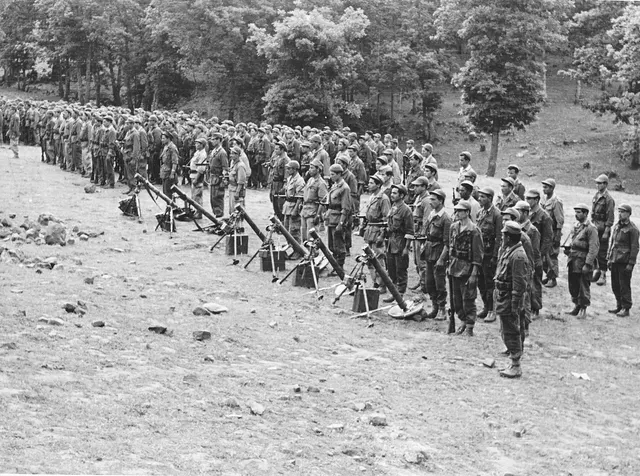
Soldiers of the National Liberation Army during the war, 1958.
Image creditZdravko Pečar · CC BY-SA 4.0Resized and cropped for display.

Algeria’s war of independence begins

In the early hours of 1 November 1954 the newly formed National Liberation Front (FLN) launched about seventy attacks across Algeria, then ruled by France. Eight people were killed. The French called the night Toussaint rouge, Red All Saints’ Day.

It was the start of a war that lasted almost eight years and cost hundreds of thousands of lives. A ceasefire was agreed at Évian in March 1962, and Algeria became independent that July. Algerians mark 1 November as the anniversary of their revolution.

Read the full storyHistory & Timeline →Source: Encyclopaedia Britannica: Algerian War of Independence ↗
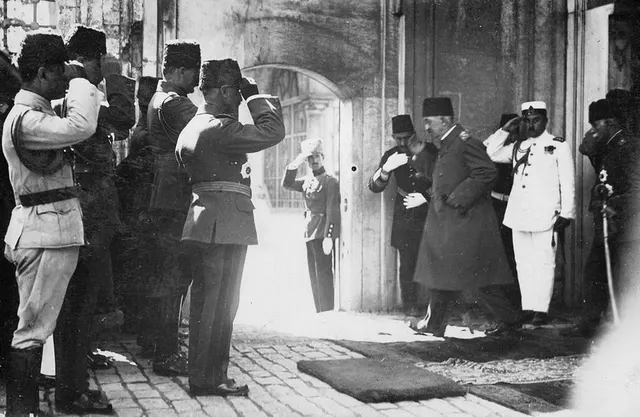
Mehmed VI, the last Ottoman sultan, leaves the Dolmabahçe Palace in Istanbul in 1922, shortly before his exile.
Image creditUnknown authorUnknown author · Public domainResized and cropped for display.

The Ottoman sultanate is abolished

On 1 November 1922, at the urging of Mustafa Kemal, Turkey’s Grand National Assembly in Ankara voted to abolish the Ottoman sultanate, ending more than six centuries of rule by the house of Osman.

Sixteen days later the last sultan, Mehmed VI, left Istanbul on a British warship for exile in Malta. His cousin Abdülmecid II was chosen as caliph, a religious office only, and within a year the Republic of Turkey was proclaimed.

Read the full storyHistory & Timeline →Source: Encyclopaedia Britannica: Mehmed VI ↗
♙
PEOPLE

Born Today

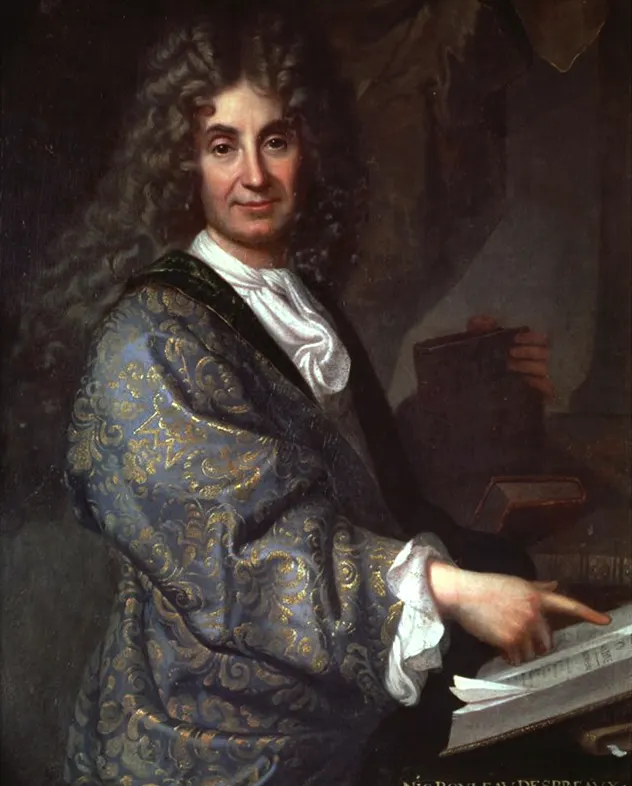
Nicolas Boileau-Despréaux
Image creditJean-Baptiste Santerre · Public domainResized and cropped for display.

Nicolas Boileau-Despréaux

French poet and critic whose Art poétique set out the rules of classical French verse.

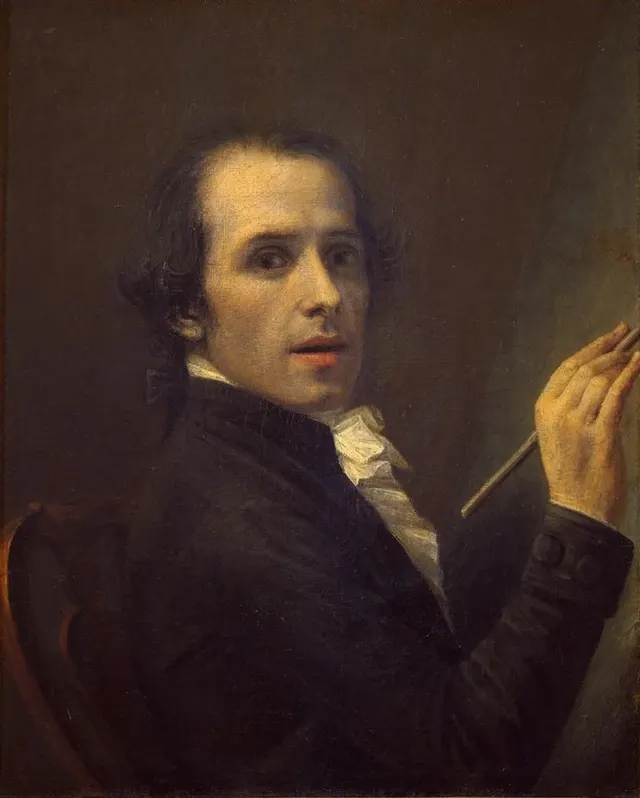
Antonio Canova
Image creditAntonio Canova · Public domainResized and cropped for display.

Antonio Canova

Italian sculptor, the leading figure of Neoclassical sculpture.

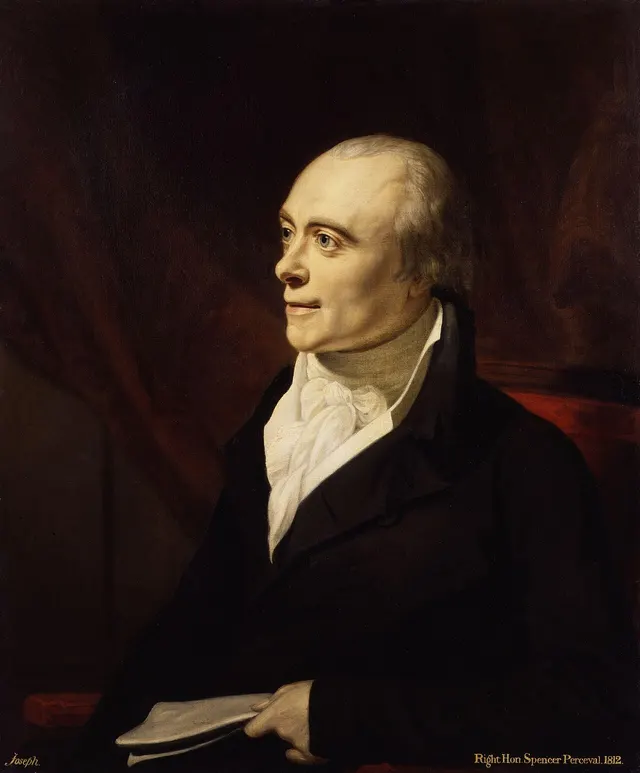
Spencer Perceval
Image creditGeorge Francis Joseph · Public domainResized and cropped for display.

Spencer Perceval

British prime minister from 1809, the only one to have been assassinated.

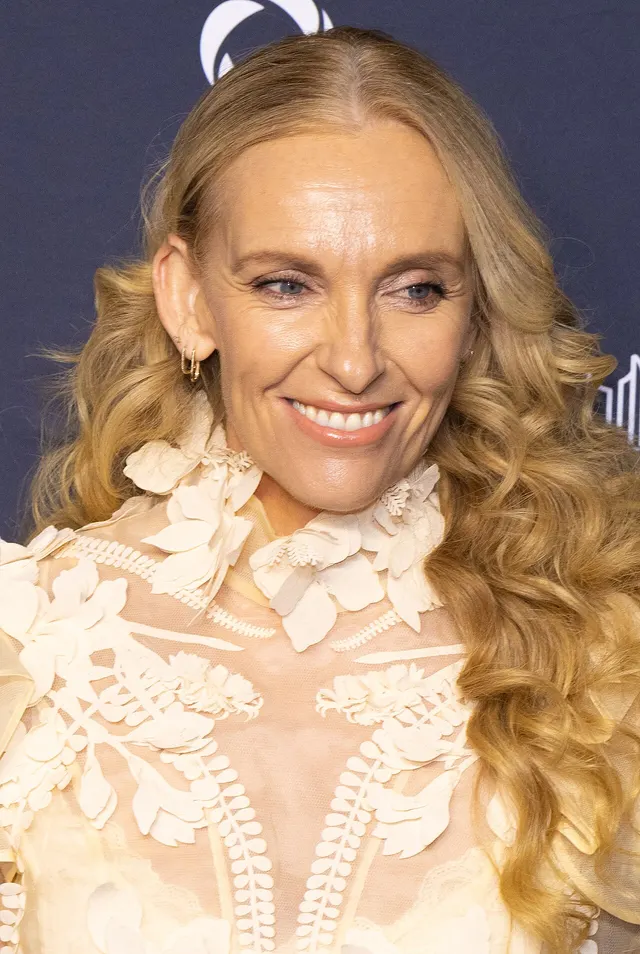
Toni Collette
Image creditDesmond Herzfelder · CC BY 4.0Resized and cropped for display.

Toni Collette

Australian actress of Muriel’s Wedding and The Sixth Sense.

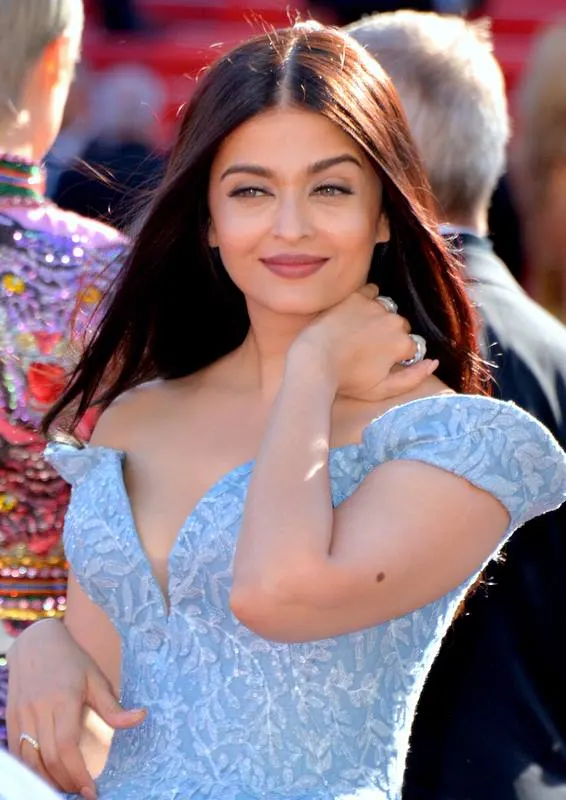
Aishwarya Rai
Image creditGeorges Biard · CC BY-SA 3.0Resized and cropped for display.

Aishwarya Rai

Indian actress and former Miss World, a star of Hindi and Tamil cinema.

◉
IDEAS THAT CHANGED THINGS

Firsts, Science & Discoveries

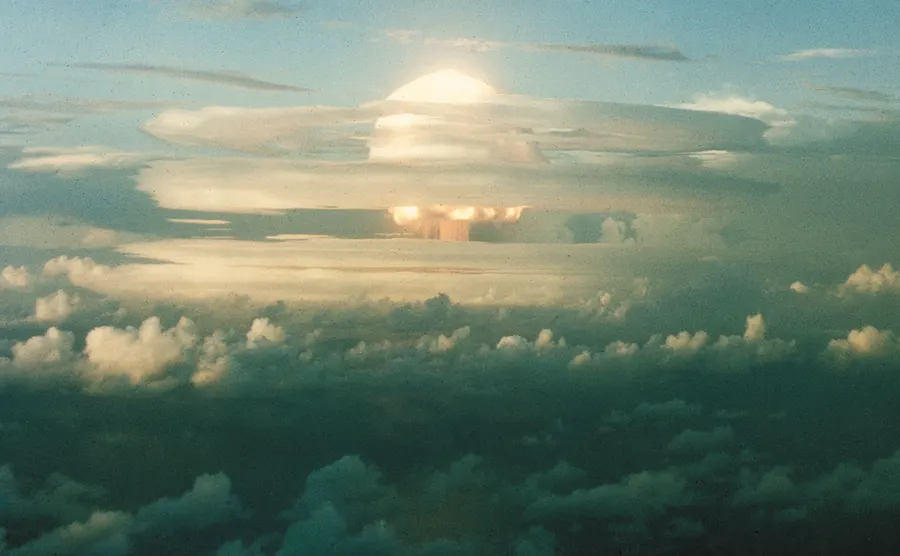
The Ivy Mike explosion on Enewetak Atoll, 1 November 1952 local time (31 October in the United States).
Image creditFederal government of the United States · Public domainResized and cropped for display.

The first hydrogen bomb is tested

On 1 November 1952 the United States exploded the first thermonuclear device, code-named Mike, on the island of Elugelab in Enewetak Atoll in the Marshall Islands. It yielded 10.4 megatons, about 500 times the power of the bomb dropped on Nagasaki.

The device weighed about 82 tons and needed a building-sized plant to keep its hydrogen fuel liquid, so it was not a usable weapon. Elugelab was vaporised, leaving a crater in the reef. The test was kept secret at first so that the Soviet Union could learn nothing from it.

Read the full storyHistory & Timeline →Source: CTBTO Preparatory Commission: 1 November 1952, Ivy Mike ↗
☆
SPORTING HISTORY

Sporting Moments

The Juventus first team in the 1899 season.
Image creditUnknown authorUnknown author · Public domainResized and cropped for display.

Juventus is founded in Turin

On 1 November 1897 a group of pupils from the Liceo Massimo d’Azeglio, a classical grammar school in Turin, founded a sports club. They called it Juventus, Latin for youth, because none of them was older than seventeen.

The club won its first Italian championship in 1905 and went on to become the most successful in the history of Italian football.

Read the full storyHistory & Timeline →Source: Juventus FC: the story of a legend ↗
♫
MUSIC • FILM • BOOKS • CULTURE

Culture Stories

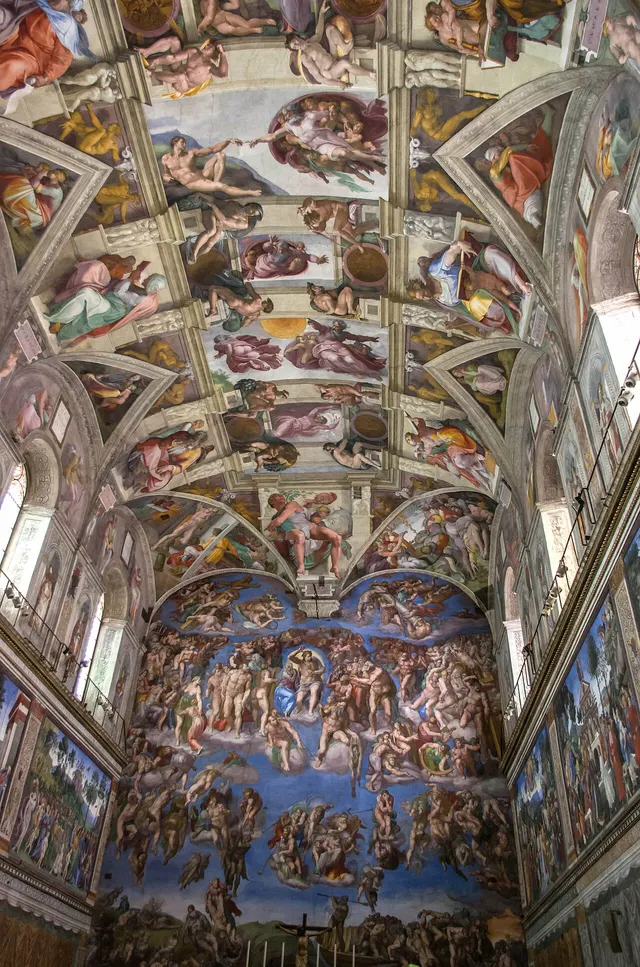
Michelangelo's ceiling of the Sistine Chapel.
Michelangelo’s ceiling of the Sistine Chapel.
Image creditAntoine Taveneaux · CC BY-SA 3.0Resized and cropped for display.

The Sistine Chapel ceiling is unveiled

Pope Julius II commissioned Michelangelo to paint the ceiling of the Sistine Chapel in 1508. The work was finished by the end of October 1512, and on 1 November, the feast of All Saints, the Pope celebrated Mass in the chapel beneath it.

Michelangelo, who thought of himself as a sculptor rather than a painter, filled the vault with scenes from Genesis, among them the Creation of Adam, surrounded by prophets, sibyls and the ancestors of Christ. He returned more than twenty years later to paint the Last Judgement on the altar wall.

Read the full storyHistory & Timeline →Source: Vatican Museums: the Sistine Chapel ceiling ↗
✦
LIVES REMEMBERED

Remembered Today

Charles II of Spain
Image creditJuan Carreño de Miranda · Public domainResized and cropped for display.

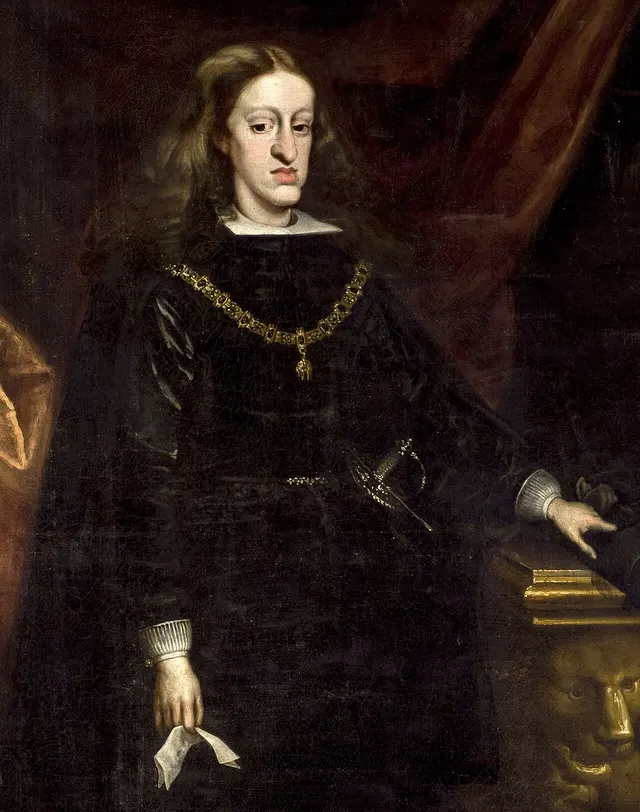
Charles II of Spain

Last Habsburg king of Spain, whose death without an heir led to the War of the Spanish Succession.

Severo Ochoa
Image creditIrwin Gooen (NY University) · Public domainResized and cropped for display.

Severo Ochoa

Spanish-American biochemist who shared the 1959 Nobel Prize in Physiology or Medicine for work on the synthesis of RNA.

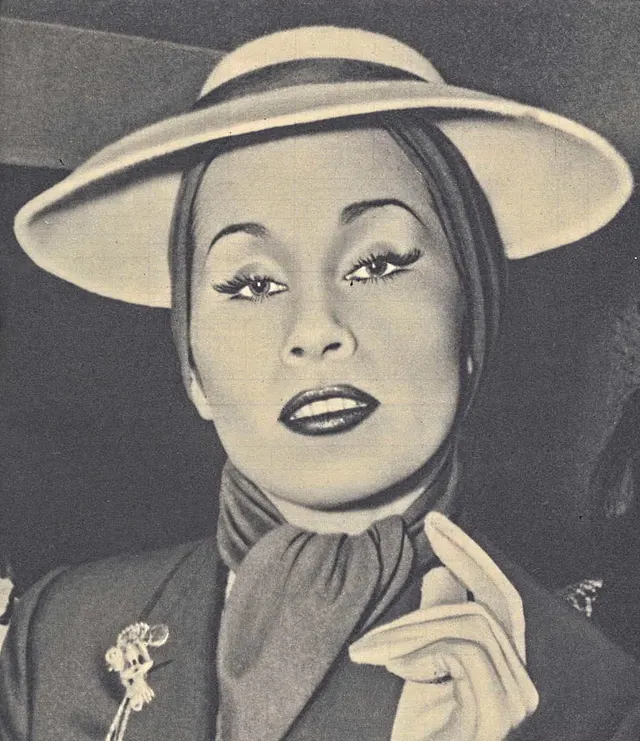
Yma Sumac
Image creditFoto Brosio · Public domainResized and cropped for display.

Yma Sumac

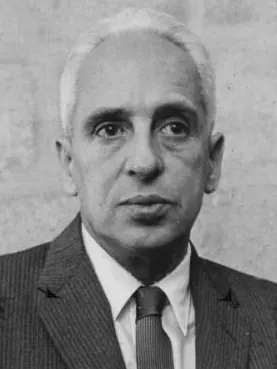
Peruvian singer famous for a vocal range of more than four octaves.

☉
AROUND THE WORLD

Observances & Anniversaries

Candles on graves at Holy Cross Cemetery, Gniezno, Poland, on All Saints' Day 2017.
Candles on graves at Holy Cross Cemetery, Gniezno, Poland, on All Saints’ Day 2017.
Image creditDiego Delso · CC BY-SA 4.0Resized and cropped for display.

All Saints’ Day

Western Christian churches keep 1 November as All Saints’ Day, honouring all the saints, known and unknown. In much of Europe and Latin America it is a public holiday.

In countries such as Poland, families visit cemeteries on this day and light candles on the graves of their relatives, turning them into fields of light after dark.

Source: Encyclopaedia Britannica: All Saints’ Day ↗
HISTORY & TIMELINE

Finished the highlights?

Follow 1 November chronologically, from the Middle Ages to the modern day, with 12 verified events and the sources behind them.

This day through time →