Explore 26 October

Explore 26 October: the Erie Canal opens and changes the map of America, eight men in a London tavern invent the Football Association, Israel and Jordan make peace, and thirty seconds of gunfire in Tombstone become the most famous shoot-out in the West.

This day through time →6 verified events across 2 eras

Sunset over the Erie Canal at North Tonawanda, New York.
Image creditJoshua Karn · CC BY-SA 3.0Resized and cropped for display.

The Erie Canal opens

The Erie Canal opened on 26 October 1825, eight years and four months after work began. Governor DeWitt Clinton boarded the packet boat Seneca Chief at Buffalo with two barrels of Lake Erie water and set off along the 363-mile cut to the Hudson.

Eight days later he poured the water into the Atlantic at New York in a ceremony called the Wedding of the Waters. The canal linked the Great Lakes to the sea, made New York the leading American port, and pulled settlement and trade westwards. Albany, Utica, Syracuse and Buffalo all grew along its banks.

Read the full storyHistory & Timeline →Source: Library of Congress: Opening of the Erie Canal ↗
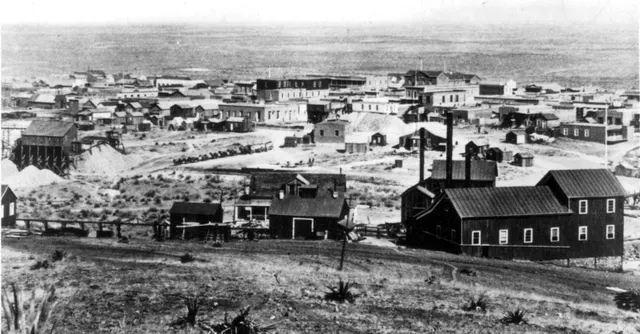
Tombstone, Arizona Territory, photographed probably in 1881.
Image creditC. S. Fly · Public domainResized and cropped for display.

Thirty seconds at the O.K. Corral

The gunfight at the O.K. Corral took place in Tombstone, Arizona Territory, on 26 October 1881, and lasted about half a minute. On one side were the town’s lawmen — Virgil, Wyatt and Morgan Earp — with their friend John ‘Doc’ Holliday; on the other, members of the loose outlaw grouping known as the Cowboys.

It is still unclear who fired first. When it stopped, Billy Clanton and Tom and Frank McLaury were dead and Ike Clanton had run. The feud went on into 1882 and killed Morgan Earp before Wyatt and Virgil left Arizona.

Thirty seconds of shooting in a mining town became the best-known episode of the American West, retold in film for more than a century.

Read the full storyHistory & Timeline →Source: Encyclopaedia Britannica: Gunfight at the O.K. Corral ↗
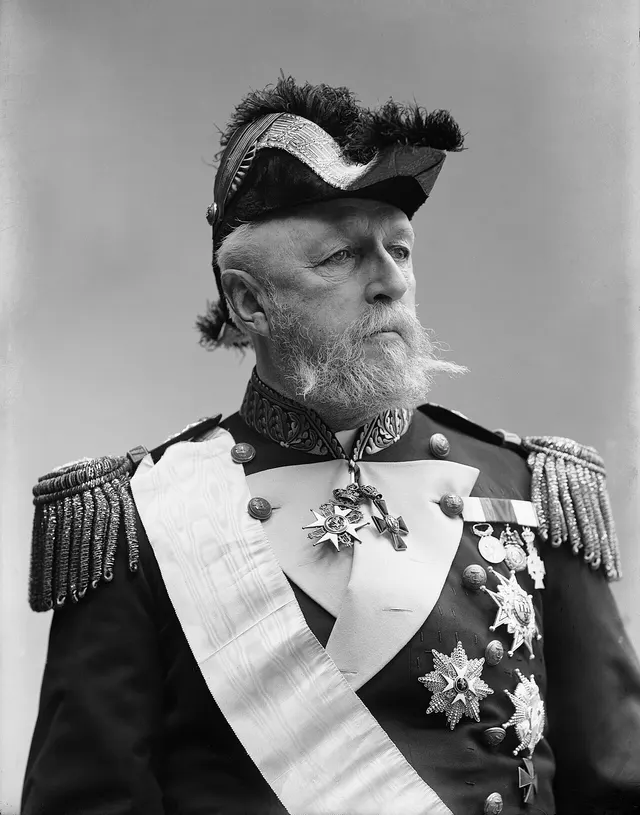
Oscar II, king of Sweden and, until 1905, of Norway.
Image creditLars Larsson · Public domainResized and cropped for display.

Sweden lets Norway go

On 26 October 1905 Sweden formally recognised Norwegian independence, and King Oscar II gave up his claim to the Norwegian throne. The union of the two crowns, in place since 1814, was over.

The break had begun as a quarrel about consulates: the Storting wanted Norway’s own consular service, Oscar II refused to sanction it, the Norwegian government resigned and the king could not appoint another. On 7 June the Storting declared the union dissolved.

It ended without a shot. Norway then offered the crown to a Danish prince, who took the name Haakon VII.

Read the full storyHistory & Timeline →Source: The Royal House of Norway: Dissolution of the union, 1905 ↗
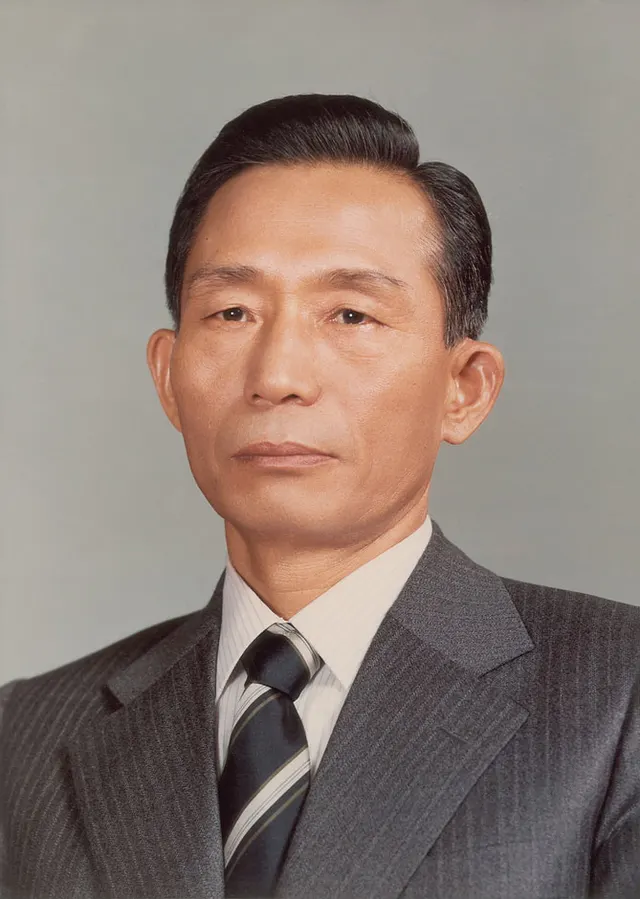
Park Chung Hee.
Park Chung Hee.
Image creditKorea.net / Korean Culture and Information Service · CC BY-SA 2.0Resized and cropped for display.

The killing of Park Chung Hee

Park Chung Hee, who had ruled South Korea since taking power in 1961, was shot dead on 26 October 1979 at a private dinner by Kim Jae Kyu, the head of the Korean Central Intelligence Agency and a long-standing friend. Park’s chief bodyguard, Cha Chi Chol, was killed too.

Kim said at his trial that he had acted to prevent a massacre of Park’s opponents and to restore democracy; the investigation, run by General Chun Doo Hwan, concluded that he had acted to save his own position. Kim was executed.

Park’s eighteen years had transformed the South Korean economy and suppressed political opposition. His death did not bring democracy: Chun seized power within months.

Read the full storyHistory & Timeline →Source: Encyclopaedia Britannica: Park Chung-Hee ↗
Yitzhak Rabin, who signed for Israel.
Image creditYaakov Saar · CC BY-SA 3.0Resized and cropped for display.

Israel and Jordan make peace

Israel and Jordan signed a peace treaty on 26 October 1994 at a ceremony in the Arava valley, near the border crossing north of Eilat. Prime Minister Yitzhak Rabin signed for Israel and Prime Minister Abdul-Salam Majali for Jordan.

Jordan became the second Arab state, after Egypt, to make peace with Israel. The treaty runs to thirty articles and five annexes, settling the international boundary, sharing the waters of the Jordan and Yarmouk rivers and the Arava groundwater, and providing for open border crossings.

Read the full storyHistory & Timeline →Source: United Nations Peacemaker: Treaty of peace between the State of Israel and the Hashemite Kingdom of Jordan ↗

♙
PEOPLE

Born Today

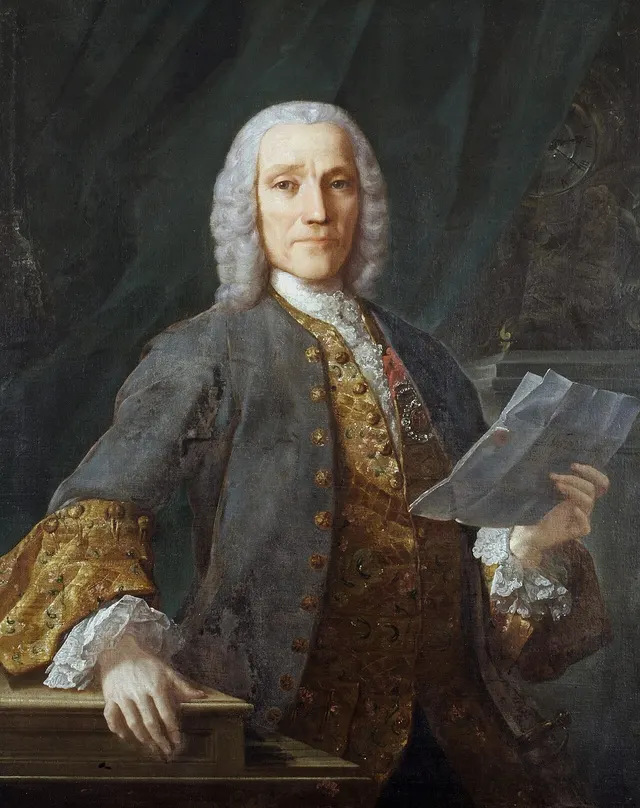
Domenico Scarlatti
Image creditDomingo Antonio Velasco · Public domainResized and cropped for display.

Domenico Scarlatti

Italian composer who wrote more than five hundred keyboard sonatas, most of them in Spain and Portugal.

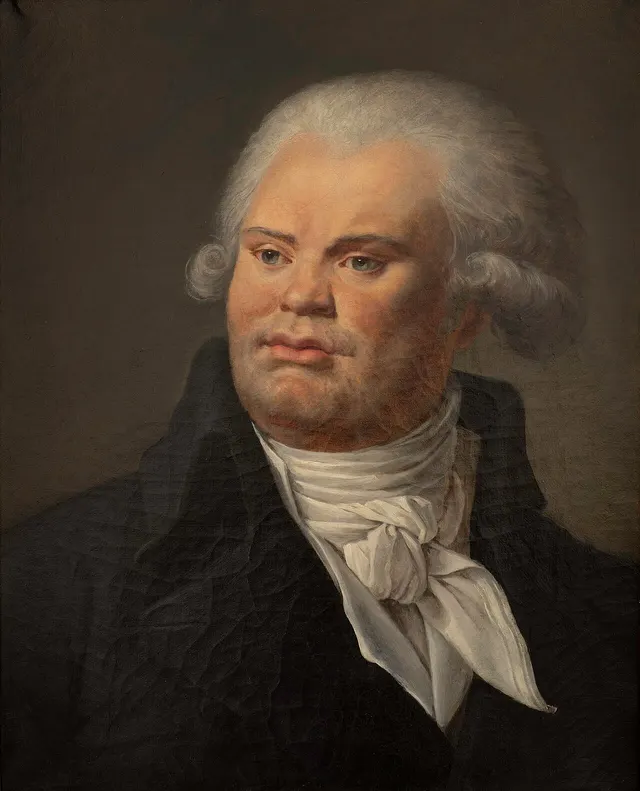
Georges Danton
Image creditanonymous · CC0Resized and cropped for display.

Georges Danton

French revolutionary and orator, an architect of the Republic who was guillotined during the Terror he had helped to build.

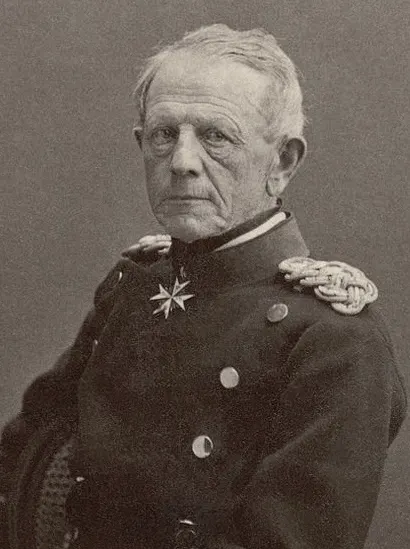
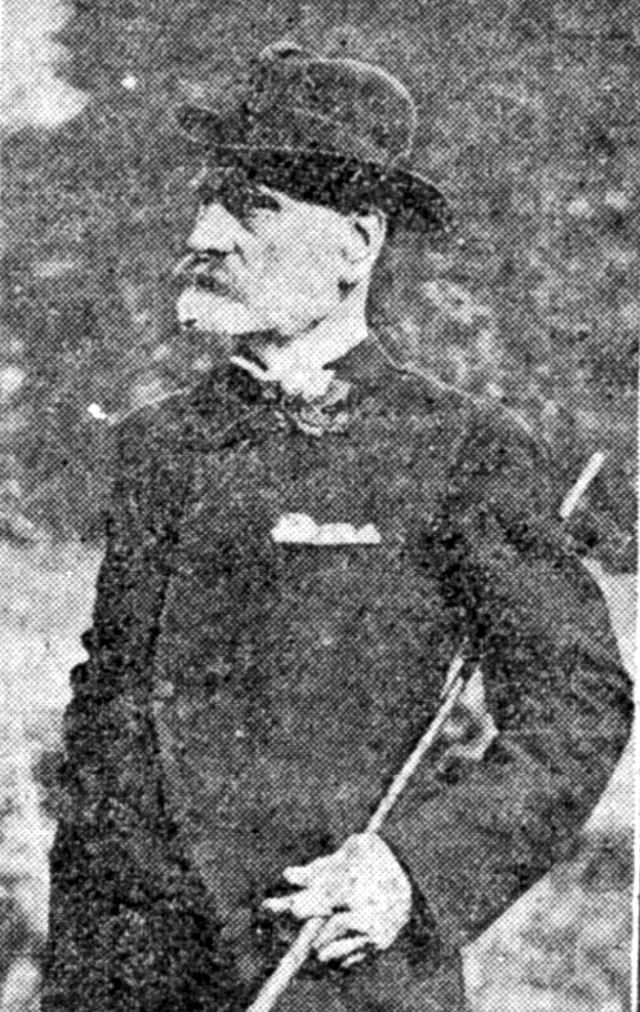
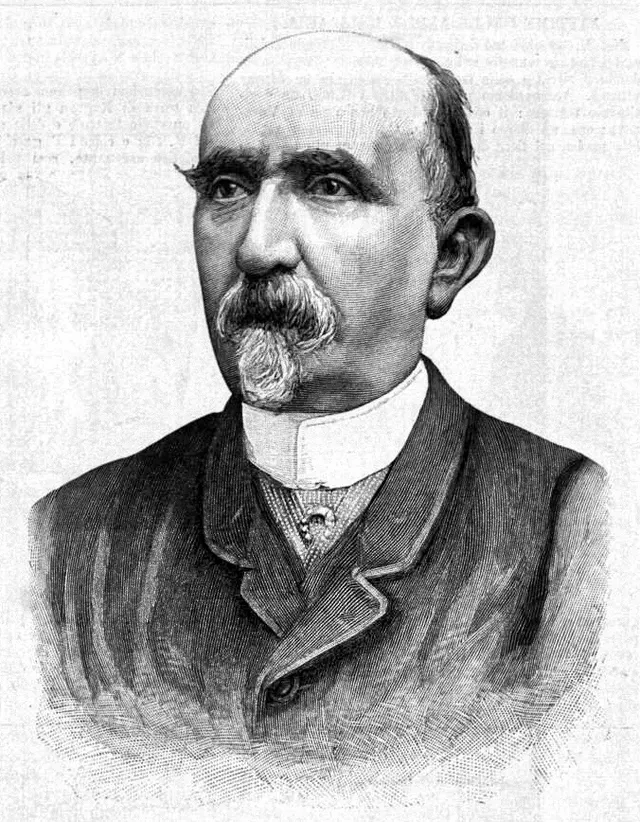
Helmuth von Moltke the Elder
Image creditCarl Günther · Public domainResized and cropped for display.

Helmuth von Moltke the Elder

Prussian field marshal who reorganised the general staff and won the wars that made Germany.

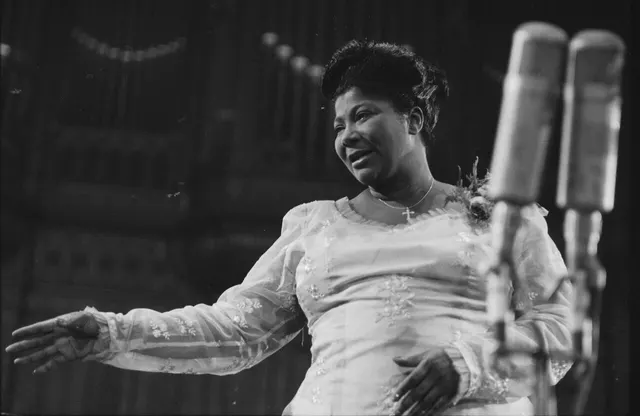
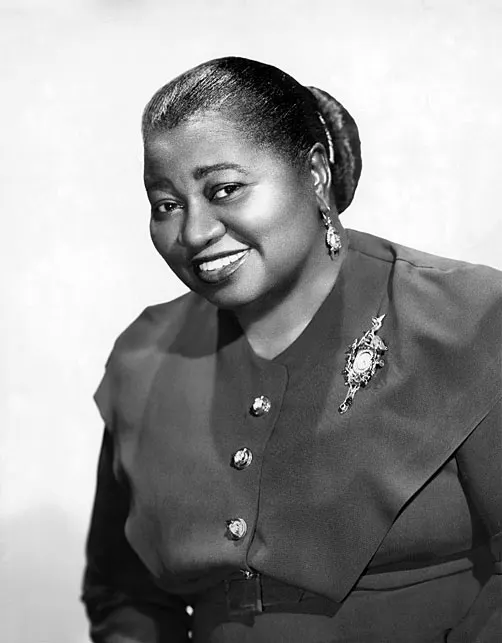
Mahalia Jackson
Image creditComet Photo AG (Zürich) · CC BY-SA 4.0Resized and cropped for display.

Mahalia Jackson

American gospel singer, whose voice was heard at the March on Washington in 1963.

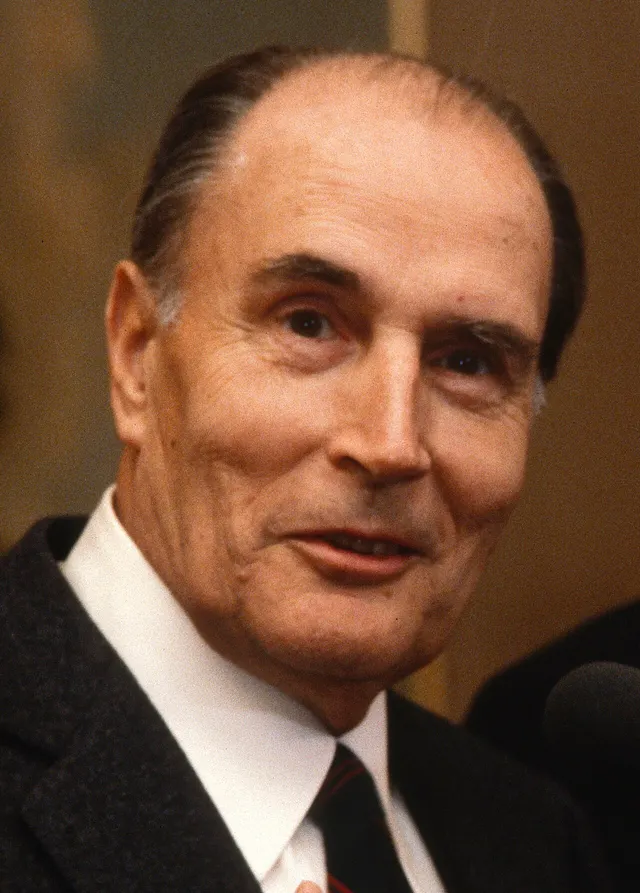
François Mitterrand
Image creditComet Photo AG (Zürich) · CC BY-SA 4.0Resized and cropped for display.

François Mitterrand

French politician and the first socialist president of the Fifth Republic, in office for fourteen years.

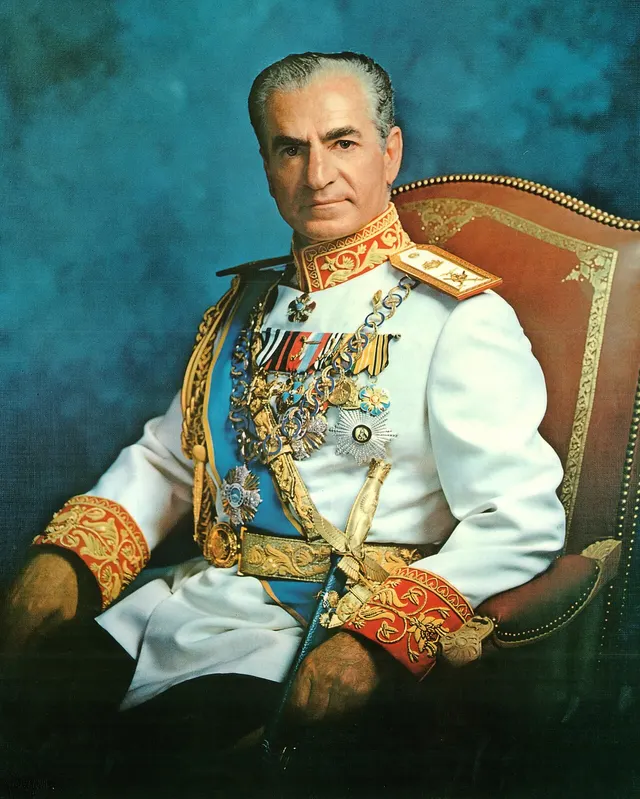
Mohammad Reza Pahlavi
Image creditGhazarians · Public domainResized and cropped for display.

Mohammad Reza Pahlavi

The last shah of Iran, on the throne from 1941 until the revolution of 1979.

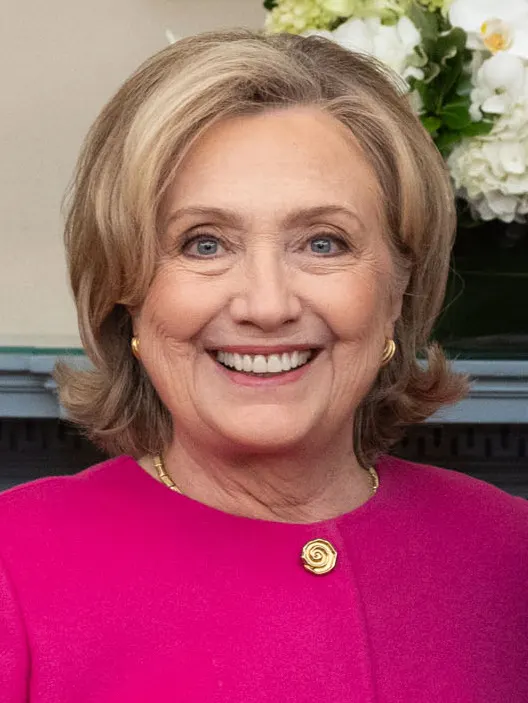
Hillary Clinton
Image creditU.S. Department of State · Public domainResized and cropped for display.

Hillary Clinton

American lawyer and politician, US secretary of state and the first woman nominated for president by a major party.

Evo Morales
Image creditEneasMx · CC BY-SA 4.0Resized and cropped for display.

Evo Morales

Bolivian trade unionist and the country’s first president of indigenous descent.

☆
SPORTING HISTORY

Sporting Moments

Ebenezer Cobb Morley, who drafted the first laws of the game.
Image credit"L.N.A." · Public domainResized and cropped for display.

Football gets its rules

Eight men met at the Freemasons’ Tavern in Great Queen Street, London, on the evening of Monday 26 October 1863, and founded the Football Association. Among them was Ebenezer Cobb Morley, who had drafted thirteen laws of the game at his home in Barnes.

Those laws, agreed over the following weeks, separated association football from the handling game that became rugby. The tavern was demolished in 1927 and its front was built into the Connaught Rooms, which still stand on the site.

Read the full storyHistory & Timeline →Source: The Football Association: The history of The FA ↗
✦
LIVES REMEMBERED

Remembered Today

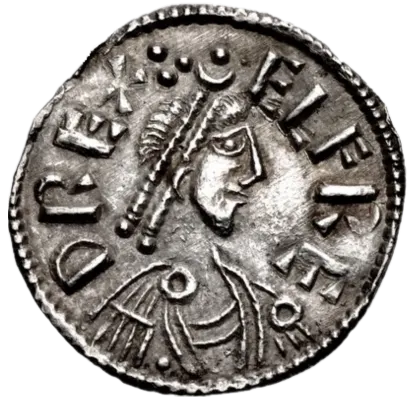
Alfred the Great
Image creditCNG - Classical Numismatic Group · CC BY-SA 2.5Resized and cropped for display.

Alfred the Great

King of Wessex, who held off the Danish invasions and founded English learning and law. His death is recorded under the Julian calendar.

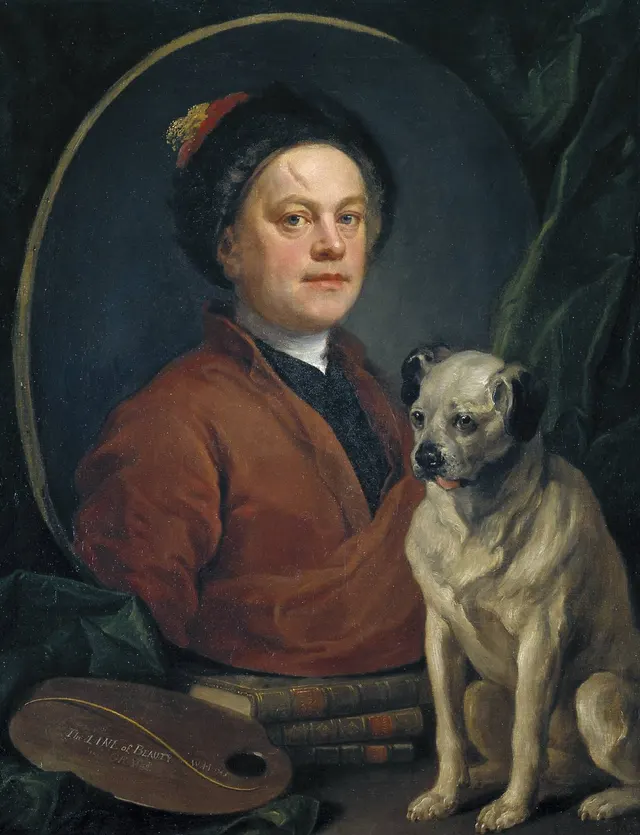
William Hogarth
Image creditUnknown · Public domainResized and cropped for display.

William Hogarth

English painter and engraver whose satirical series, such as A Rake’s Progress, invented a kind of visual storytelling.

☉
AROUND THE WORLD

Observances & Anniversaries

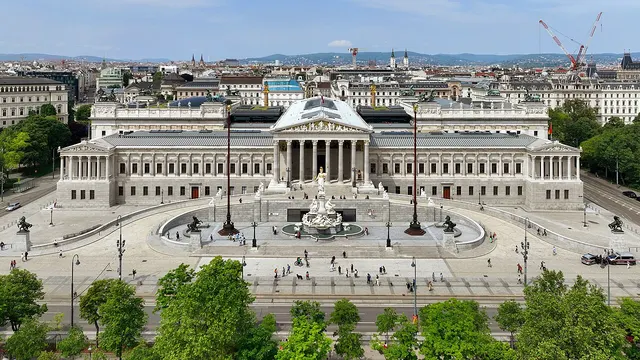
The Austrian Parliament Building in Vienna.
Image creditC.Stadler/Bwag · CC BY-SA 4.0Resized and cropped for display.

Austrian National Day

Austria’s national day marks 26 October 1955, the day its National Council passed the constitutional law by which the country declared its permanent neutrality and undertook never to join a military alliance.

The law followed the Austrian State Treaty of May 1955, which restored Austrian sovereignty and set the terms for the withdrawal of the occupying powers. The day has been kept as the national day since 1965.

Source: Austrian Parliament: 1955 — State Treaty and neutrality ↗
HISTORY & TIMELINE

Finished the highlights?

Follow 26 October chronologically, from the Middle Ages to the modern day, with 6 verified events and the sources behind them.

This day through time →