Explore 19 October

Explore 19 October: a Vandal king takes Carthage and Rome loses its granary, a British army marches out of Yorktown to a French tune, Napoleon turns for home out of a burnt Moscow, and Wall Street loses a fifth of its value between breakfast and the closing bell. Meet Subrahmanyan Chandrasekhar, John le Carré and Peter Tosh, born on this date.

This day through time →9 verified events across 5 eras

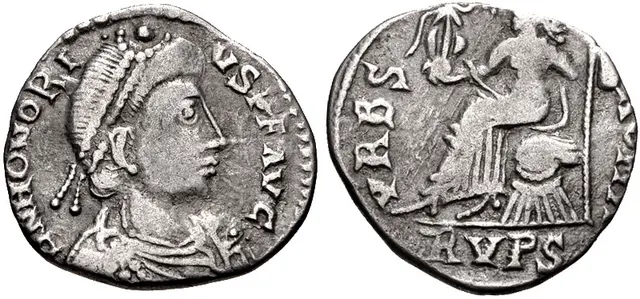
A silver Vandal coin bearing the name of Gaiseric.
A silver coin of Gaiseric, king of the Vandals and Alans.
Image creditUnknown authorUnknown author · CC BY-SA 2.5Resized and cropped for display.

The Vandals take Carthage

On 19 October 439 Gaiseric, king of the Vandals, took Carthage and threw off the arrangement under which he had nominally held North Africa on Rome’s behalf. He made the city his capital. His people - some 80,000 of them, by the figure the sources give - had crossed from Spain into Africa ten years earlier and had met very little that could stop them.

It was a heavier blow than the size of the army suggests. Roman Africa was the western empire’s granary and one of its richest tax provinces, and Carthage was its second city. With it Gaiseric acquired a fleet, and with the fleet the western Mediterranean; in 455 he sacked Rome itself. Rome recognised the Vandal kingdom by treaty in 442. Byzantium did not take Africa back for nearly a century.

Read the full storyHistory & Timeline →Source: Encyclopaedia Britannica: Gaiseric ↗
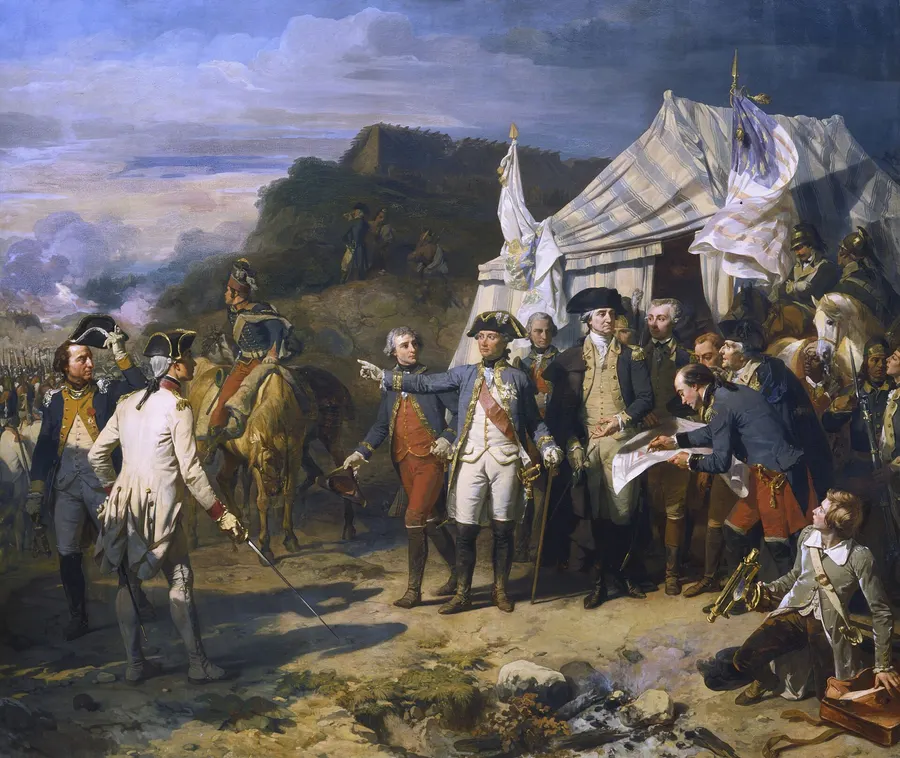
Auguste Couder's painting of the siege of Yorktown.
Auguste Couder’s painting of the siege of Yorktown.
Image creditUnknown · Public domainResized and cropped for display.

Cornwallis gives up at Yorktown

Lord Cornwallis had taken his army onto a peninsula in Virginia to wait for the Royal Navy. The navy did not come: Admiral de Grasse’s French fleet held the mouth of the Chesapeake, and about 17,000 American and French troops under Washington and Rochambeau dug siege lines around the town. After three weeks of bombardment, Cornwallis surrendered some 8,000 men on 19 October 1781.

Washington refused the traditional honours of war, because the British had refused them to the Americans at Charleston the year before, so the defeated army marched out with its colours cased. Cornwallis pleaded illness and sent his second-in-command. Fighting dragged on elsewhere for two more years, but Yorktown effectively ended the war in North America, and the Treaty of Paris followed in 1783.

Read the full storyHistory & Timeline →Source: Encyclopaedia Britannica: Siege of Yorktown ↗
Adolph Northen's nineteenth-century painting of the retreat from Moscow.
Adolph Northen’s nineteenth-century painting of the retreat from Moscow.
Image creditAdolph Northen · Public domainResized and cropped for display.

Napoleon turns back from Moscow

Napoleon had held Moscow for a month, in a city largely burnt and empty, waiting for a Russian offer of terms that never came. Wintering there was impossible and politically dangerous. On 19 October 1812 the Grande Armée - by then about 110,000 men - marched out and began to go home.

He intended to take a southern route through country his army had not already stripped, but Kutuzov blocked him at Maloyaroslavets on 24 October and he turned back onto the road he had come by. What followed is one of the worst military catastrophes on record: hunger, typhus, Cossack raids, the crossing of the Berezina and an early, brutal winter. Of roughly 600,000 men who had entered Russia in June, something like 112,000 came out.

Read the full storyHistory & Timeline →Source: Encyclopaedia Britannica: Napoleonic Wars, the retreat from Moscow ↗
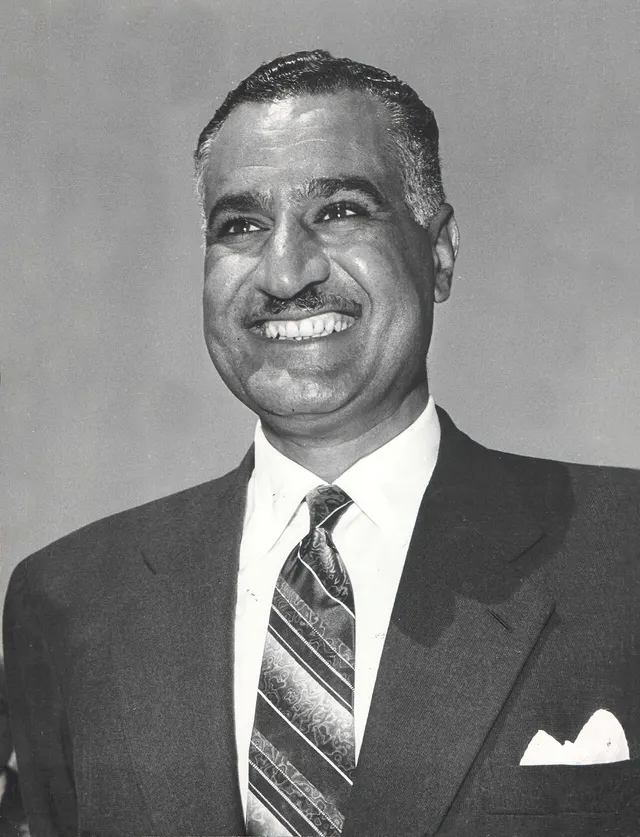
Gamal Abdel Nasser, who signed the 1954 agreement for Egypt.
Image creditStevan Kragujević · CC BY-SA 3.0Resized and cropped for display.

Britain agrees to leave the Suez Canal zone

On 19 October 1954 Egypt and the United Kingdom signed an agreement in Cairo that replaced the Anglo-Egyptian treaty of 1936 and set a timetable for withdrawing British forces from the Suez Canal base. It was the end, on paper, of seventy-two years of British military presence in Egypt. The last troops left in June 1956.

Egyptian nationalists were divided on it: the agreement allowed for British forces to return if the canal zone were attacked, which to some looked like the old arrangement in new clothes. The Muslim Brotherhood attacked it, and an attempt on Nasser’s life that October gave him the occasion to break the movement. Two months after the last British soldier left, Nasser nationalised the canal company, and Britain came back at the end of the year - briefly, and with results nobody in 1954 had planned for.

Read the full storyHistory & Timeline →Source: Encyclopaedia Britannica: Anglo-Egyptian Agreement ↗
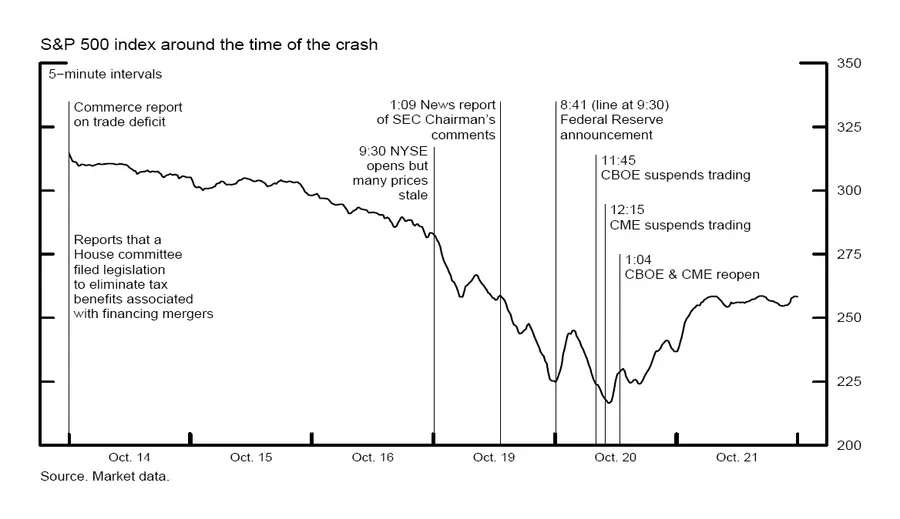
The S&P 500 index around the crash of October 1987, charted by the Federal Reserve.
Image creditMark Carlson, US Federal Reserve Board of Governors · Public domainResized and cropped for display.

The worst day in the history of the stock market

On Monday 19 October 1987 the Dow Jones Industrial Average fell 508 points - 22.6 per cent - in a single session. It is still the largest one-day fall the index has ever recorded, and it wiped out something like 500 billion dollars. Nothing obvious had happened: no war, no bank failure, no default.

What there was instead was a new kind of machinery. Portfolio insurance programmes were designed to sell automatically as prices fell, which made prices fall further, which triggered more selling. The panic went round the world in hours: Australia lost more than 40 per cent, New Zealand nearly two-thirds from its peak. The Federal Reserve said publicly that it would supply whatever liquidity was needed, and the American market recovered about 60 per cent of the loss within two sessions. The Dow ended 1987 slightly up on the year.

Read the full storyHistory & Timeline →Source: Federal Reserve History: stock market crash of 1987 ↗

♙
PEOPLE

Born Today

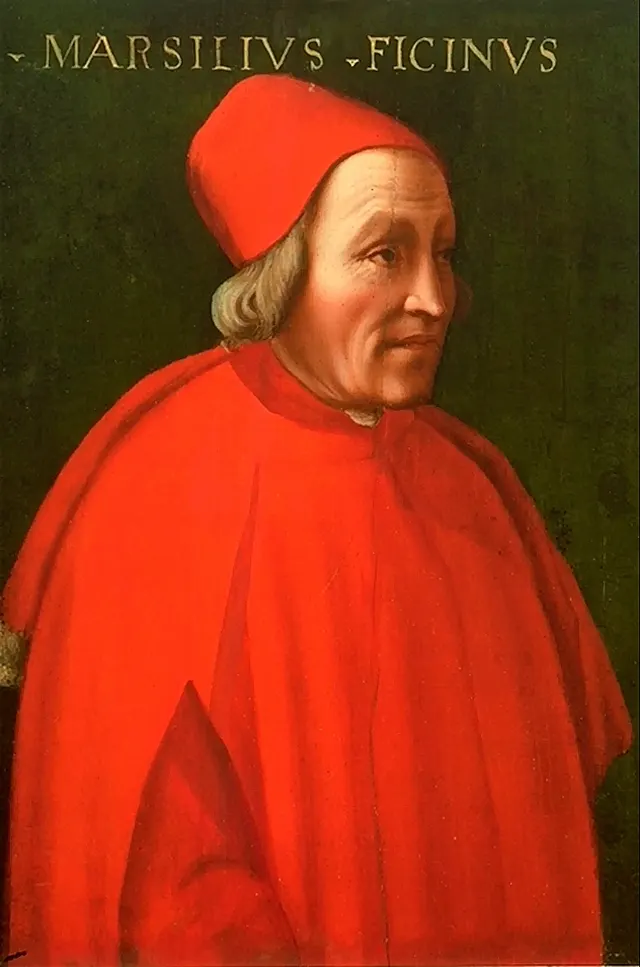
Marsilio Ficino
Image credit1521-1552 · Public domainResized and cropped for display.

Marsilio Ficino

Florentine philosopher and priest who translated the whole of Plato into Latin and made him available to the Renaissance. The date is given in the Julian calendar.

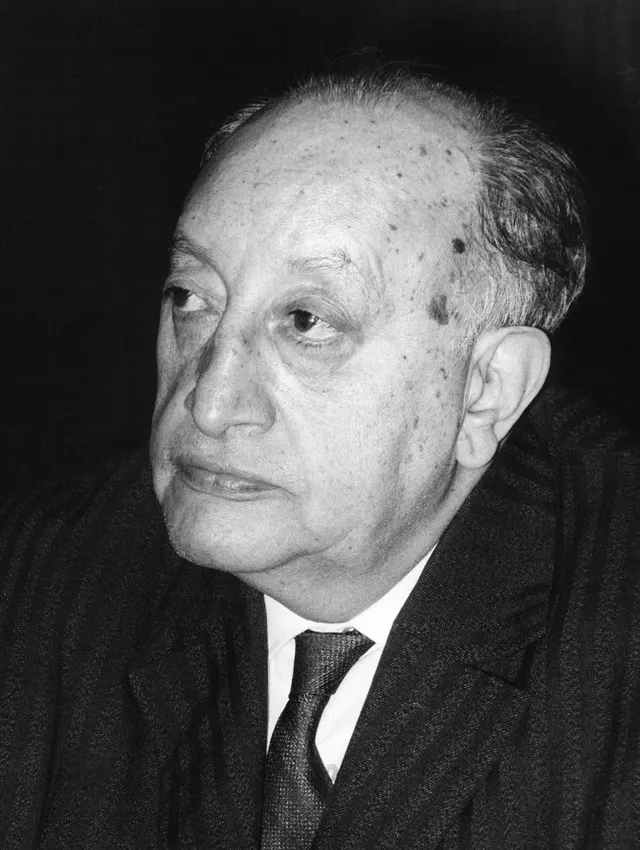
Miguel Ángel Asturias
Image creditDominique Roger · CC BY-SA 3.0 igoResized and cropped for display.

Miguel Ángel Asturias

Guatemalan novelist and diplomat, a pioneer of Latin American magical realism and winner of the Nobel Prize in Literature in 1967.

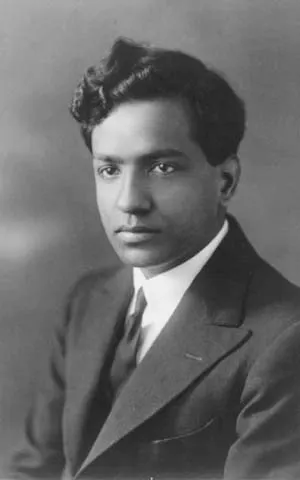
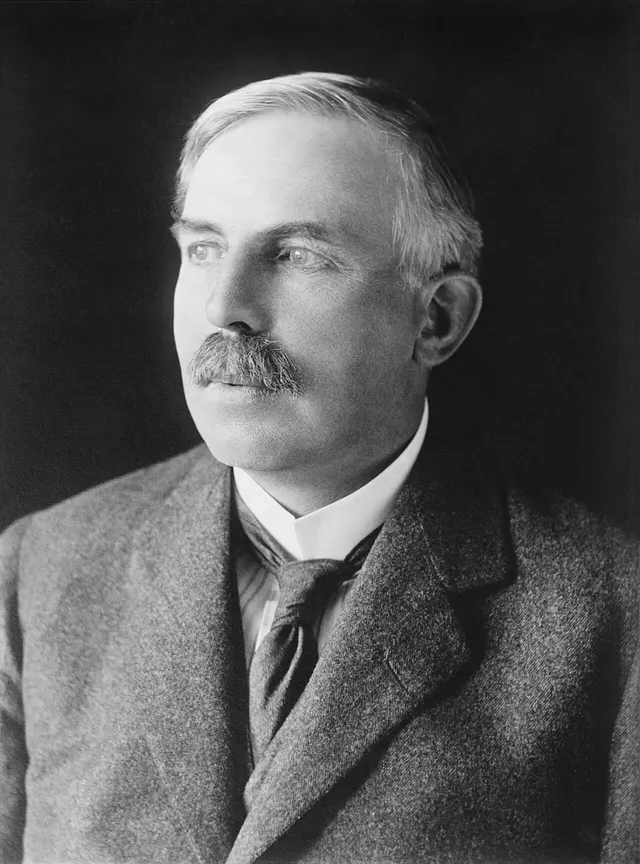
Subrahmanyan Chandrasekhar
Image creditAIP · Public domainResized and cropped for display.

Subrahmanyan Chandrasekhar

Indian-American astrophysicist who worked out, at nineteen, the mass limit above which a dying star cannot settle into a white dwarf; he shared the 1983 Nobel Prize in Physics.

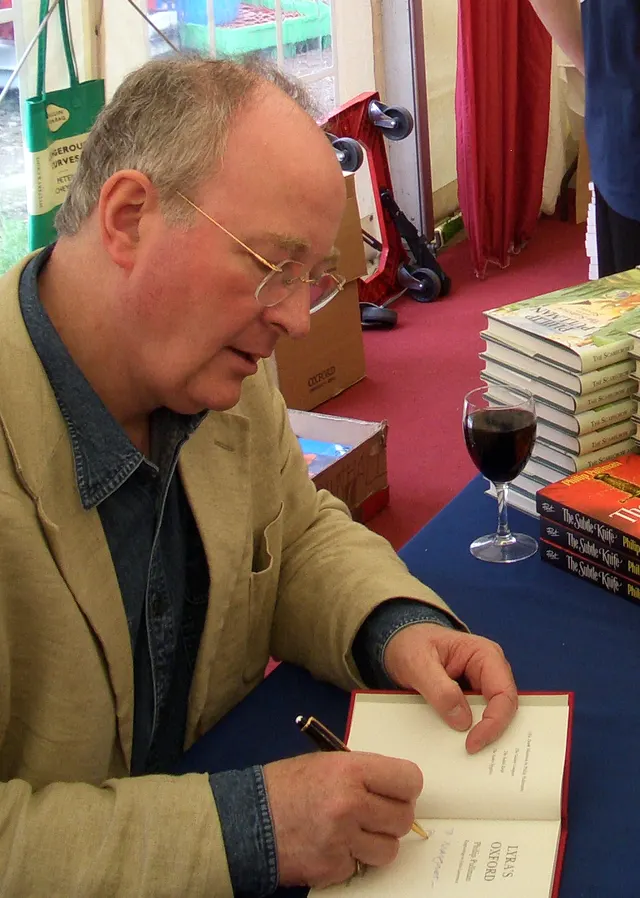
John le Carré
Image creditKrimidoedel · CC BY 3.0Resized and cropped for display.

John le Carré

British novelist and former intelligence officer whose spy fiction took the glamour out of the trade and put the moral cost back in.

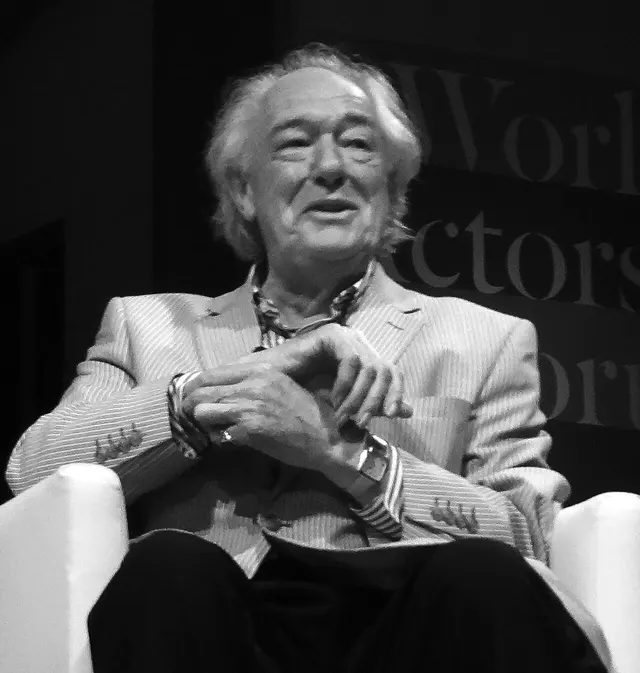
Michael Gambon
Image creditIamIrishwikiuser · CC BY-SA 3.0Resized and cropped for display.

Michael Gambon

Irish-English actor of enormous range, from The Singing Detective to Dumbledore in the Harry Potter films.

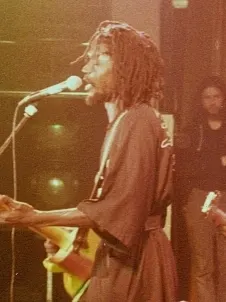
Peter Tosh
Image creditTimDuncan · CC BY 3.0Resized and cropped for display.

Peter Tosh

Jamaican musician, a founder member of the Wailers with Bob Marley, and an uncompromising political voice in reggae.

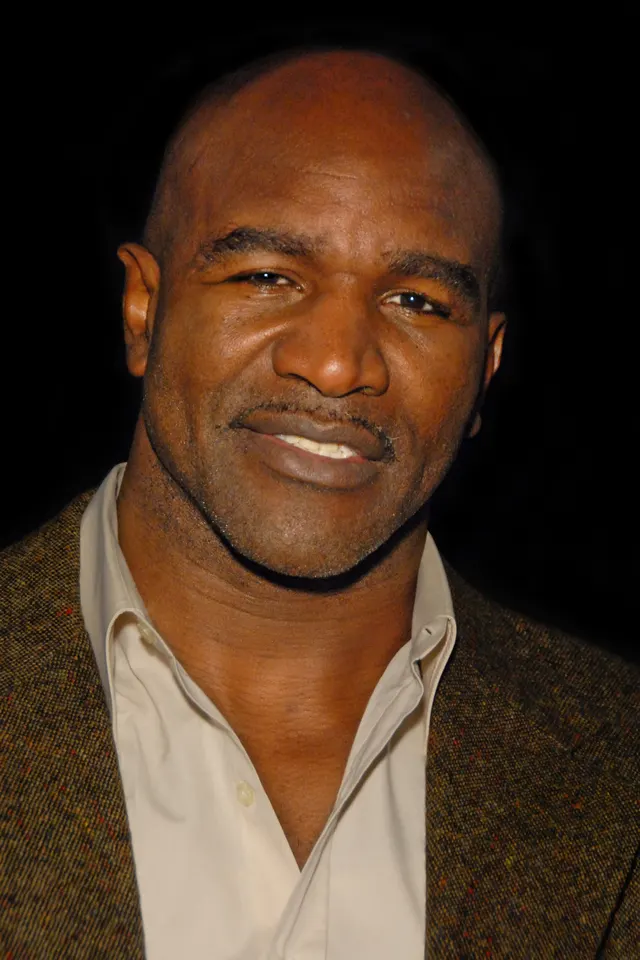
Evander Holyfield
Image creditToglenn · CC BY-SA 3.0Resized and cropped for display.

Evander Holyfield

American boxer, the only man to have been undisputed champion at both cruiserweight and heavyweight.

◉
IDEAS THAT CHANGED THINGS

Firsts, Science & Discoveries

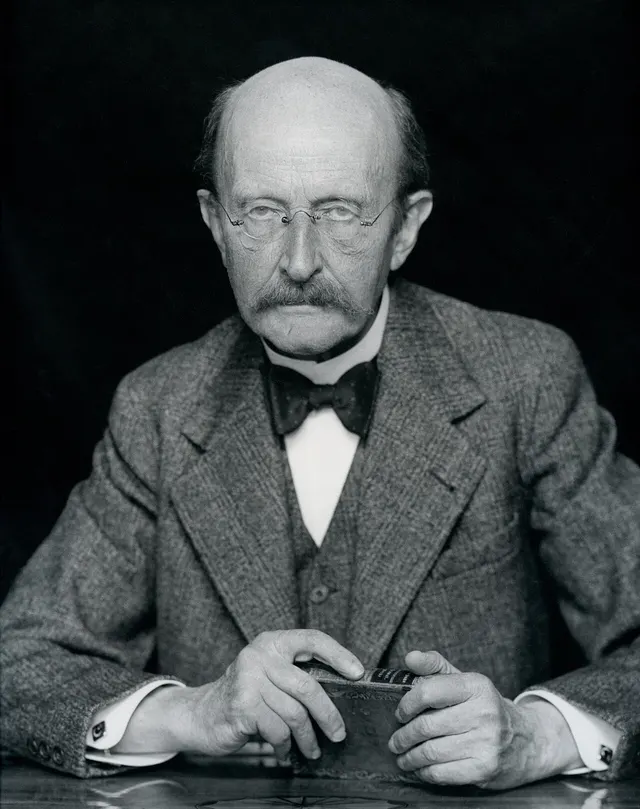
Max Planck, photographed by Hugo Erfurth.
Image creditHugo Erfurth · Public domainResized and cropped for display.

A three-page paper that started quantum physics

On 19 October 1900 Max Planck read a short paper to the German Physical Society in Berlin, under the modest title ‘On an improvement of the Wien spectral equation’. New measurements had shown that the accepted formula for the radiation given off by a hot body went wrong at low frequencies. Planck offered a corrected formula that fitted the data at every wavelength.

He had, at that stage, only guessed it. Deriving it forced him to do something he disliked: to assume that energy came in discrete lumps of a fixed size, which he presented to the same society on 14 December 1900. He regarded it as a mathematical trick and spent years trying to get rid of it. Those lumps are quanta, and the constant he introduced, h, is now one of the fixed numbers on which the metric system is built.

Read the full storyHistory & Timeline →Source: Max Planck Society: energy in packets - what did Max Planck discover? ↗
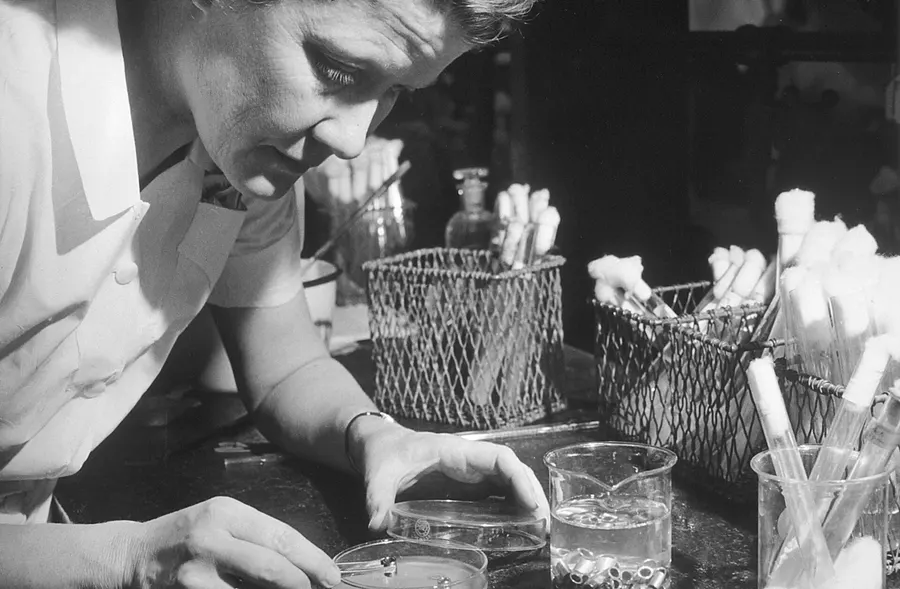
A laboratory assay of streptomycin.
Image creditUnknown photographer · Public domainResized and cropped for display.

The first drug that cured tuberculosis

On 19 October 1943, in Selman Waksman’s soil microbiology laboratory at Rutgers, a graduate student named Albert Schatz isolated an antibiotic from the bacterium Streptomyces griseus. They called it streptomycin. It was the first drug effective against tuberculosis, which was then still killing more people than almost anything else, and it also worked against plague and several other infections penicillin could not touch.

The credit was fought over for decades. The 1944 paper carried three names - Schatz, Elizabeth Bugie and Waksman - but the 1952 Nobel Prize in Physiology or Medicine went to Waksman alone. Schatz sued over the patent royalties and was legally recognised as co-discoverer in 1950, though it took Rutgers until 1994 to honour him publicly.

Read the full storyHistory & Timeline →Source: Rutgers University: streptomycin and the legacy of Selman Waksman ↗
✦
LIVES REMEMBERED

Remembered Today

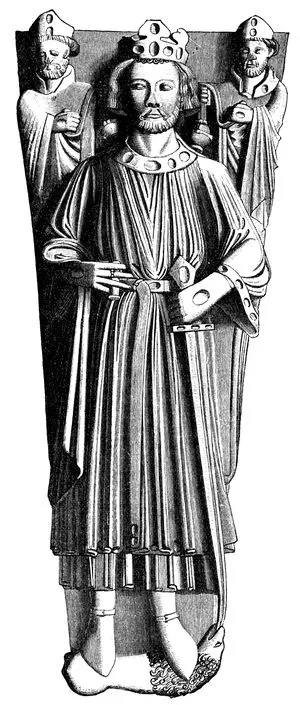
John, King of England
Image creditHISTORY OF ENGLAND by SAMUEL R. GARDINER · Public domainResized and cropped for display.

John, King of England

King of England, forced to seal Magna Carta in 1215, who died of dysentery at Newark with half his kingdom in French hands. The date is Julian, and some chroniclers give 18 October.

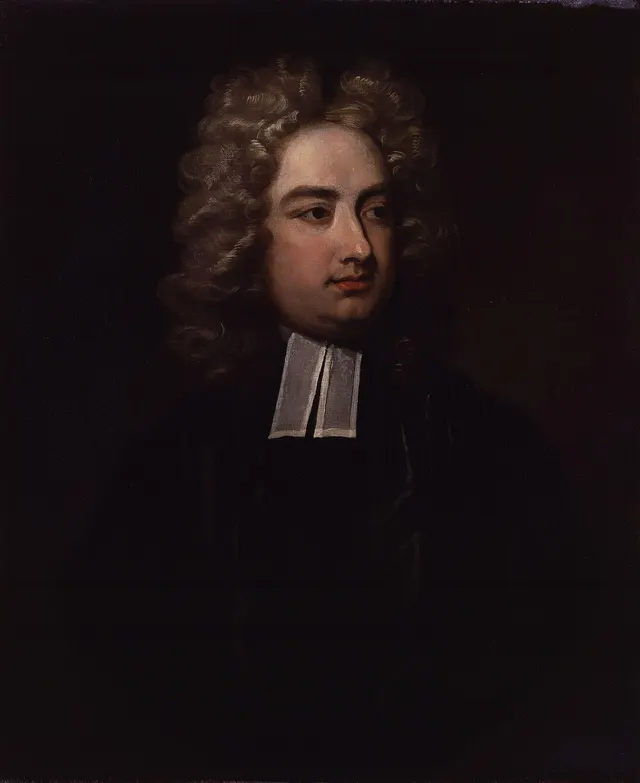
Jonathan Swift
Image creditCharles Jervas · Public domainResized and cropped for display.

Jonathan Swift

Anglo-Irish satirist and dean of St Patrick’s, Dublin, who wrote Gulliver’s Travels and A Modest Proposal.

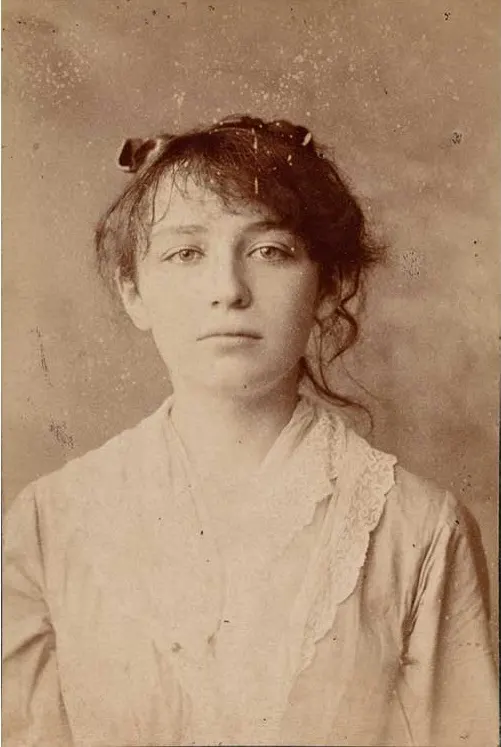
Camille Claudel
Image creditCésar · Public domainResized and cropped for display.

Camille Claudel

French sculptor of great originality, held in an asylum for the last thirty years of her life at her family’s insistence.

HISTORY & TIMELINE

Finished the highlights?

Follow 19 October chronologically, from the Middle Ages to the modern day, with 9 verified events and the sources behind them.

This day through time →