Explore 17 October

Explore 17 October: a British army lays down its arms in upstate New York and brings France into the American war, the founder of independent Haiti is killed on the road out of his own capital, Al Capone is convicted of paperwork, and Arab oil producers turn the taps down and change the price of everything. Meet Arthur Miller, Rita Hayworth and Zhao Ziyang, born on this date.

This day through time →10 verified events across 4 eras

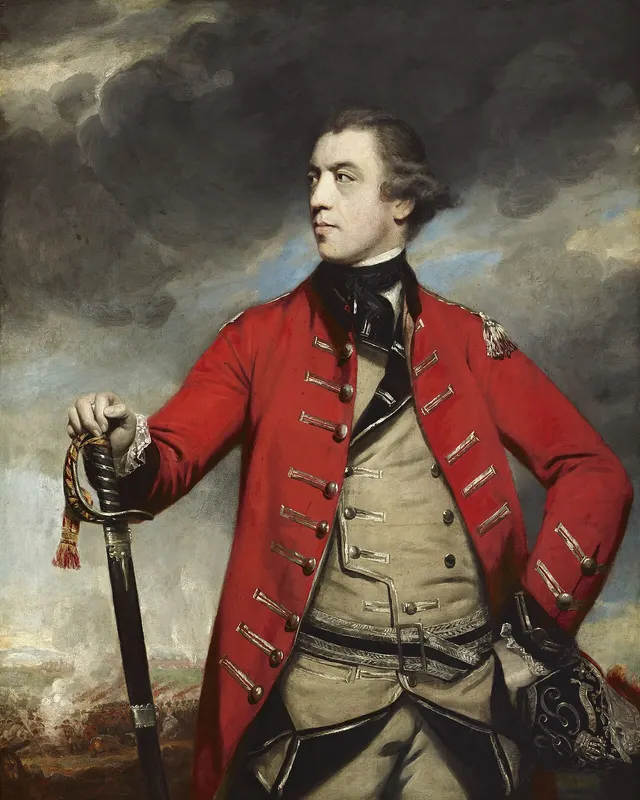
General John Burgoyne, painted by Joshua Reynolds.
Image creditJoshua Reynolds · Public domainResized and cropped for display.

A British army surrenders at Saratoga

General John Burgoyne had marched south from Canada in the summer of 1777 expecting to cut New England off from the rest of the rebellious colonies. By October he was outnumbered, surrounded and out of supplies on the west bank of the Hudson. On 17 October his army of about 6,000 men marched out of camp with the honours of war and stacked its weapons along the riverbank.

The terms were set out in the Convention of Saratoga, negotiated with the American commander Horatio Gates: the British were to be shipped home on parole rather than held as prisoners, a promise Congress later declined to honour. The military consequence was significant; the diplomatic consequence was decisive. News of Saratoga reached Paris that winter, and in February 1778 France signed a treaty of alliance with the United States.

Read the full storyHistory & Timeline →Source: National Park Service: Saratoga surrender site ↗
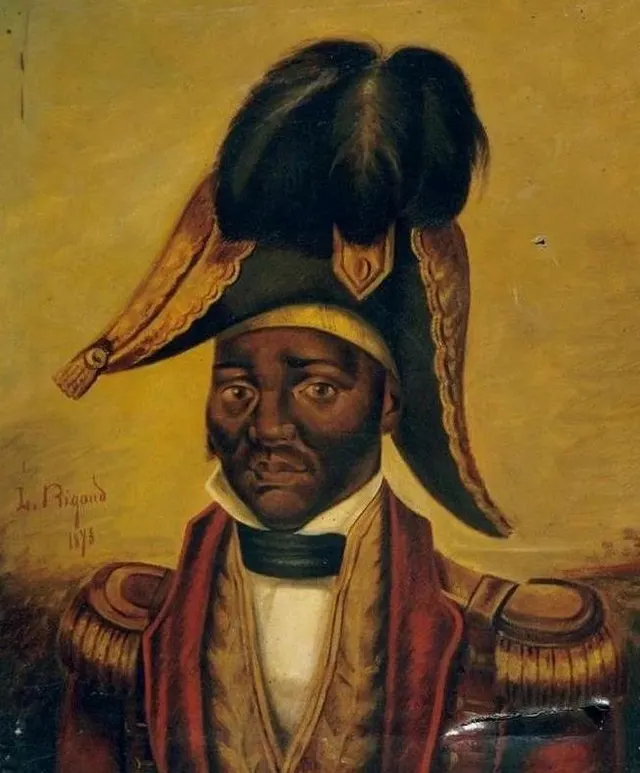
Jean-Jacques Dessalines, who declared Haiti independent in 1804.
Image creditLouis Rigaud · Public domainResized and cropped for display.

The founder of Haiti is killed at Pont Rouge

Jean-Jacques Dessalines had been born into slavery, fought his way up through the Haitian revolution and, on 1 January 1804, declared the independence of the first state in the world created by a successful revolt of enslaved people. He crowned himself Emperor Jacques I that September. On 17 October 1806 he was killed at Pont Rouge, just outside Port-au-Prince, on his way to put down a revolt.

His rule had made enemies fast: a forced-labour system on the plantations that looked uncomfortably like the one it replaced, and a land policy that set him against the free mixed-race elite. After his death Alexandre Pétion and Henry Christophe divided the country between a southern republic and a northern kingdom. Haiti’s national anthem is named after him.

Read the full storyHistory & Timeline →Source: Encyclopaedia Britannica: Jean-Jacques Dessalines ↗
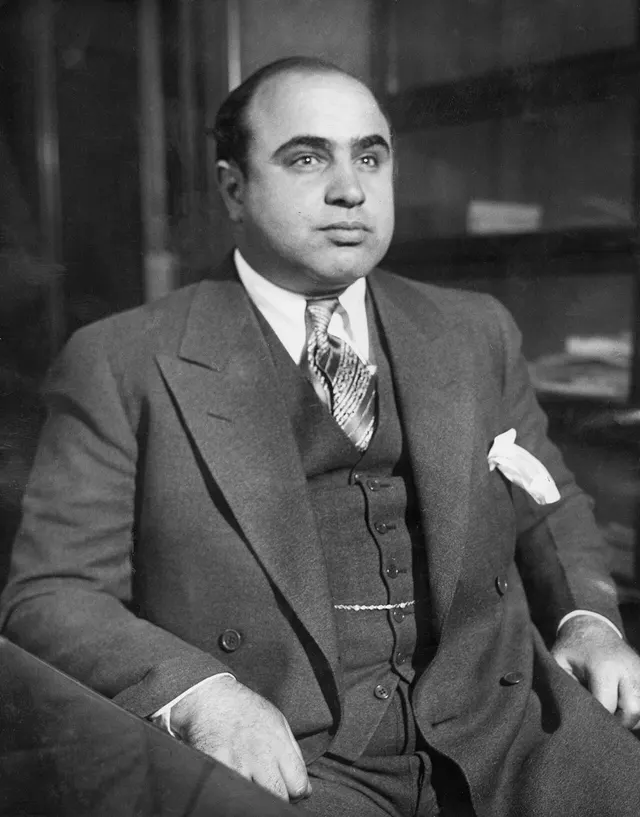
Al Capone, photographed by the Federal Bureau of Investigation.
Image creditChicago Bureau (Federal Bureau of Investigation) - Wide World Photos. · Public domainResized and cropped for display.

They got Capone on his tax return

After nearly nine hours a federal jury in Chicago found Al Capone guilty on 17 October 1931 - three felony counts and two misdemeanours, all of them for failing to pay or file income tax between 1925 and 1929. He was 32 and had run the city’s biggest criminal organisation for years without being convicted of anything that mattered.

The strategy belonged to the Treasury: prove what he had spent, since nobody could prove what he had earned. The evidence included his own lawyer’s offer to settle the tax bill, which amounted to an admission of income. He was sentenced in November to eleven years, fined 50,000 dollars and sent eventually to Alcatraz. He was released in 1939, his health destroyed by untreated syphilis, and died in Florida in 1947.

Read the full storyHistory & Timeline →Source: National Archives (US): Al Capone’s guilty verdict ↗
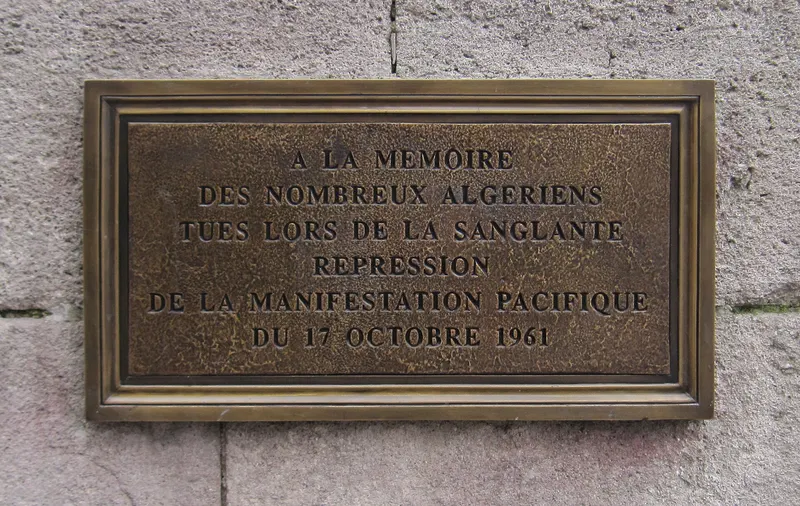
A memorial plaque in Paris to the Algerians killed on 17 October 1961.
Image creditFSouici · CC BY-SA 4.0Resized and cropped for display.

A massacre in Paris, and a press blackout

On 17 October 1961 tens of thousands of Algerians walked into central Paris to protest peacefully against a curfew imposed on them alone. The demonstration had been banned. The police, under the prefect Maurice Papon, broke it up with extreme violence: around 12,000 people were arrested and held in sports stadiums, and an unknown number - several dozen at least - were killed, some beaten and thrown into the Seine.

The French government imposed a press blackout and the event vanished from official memory for decades. Papon, who had also organised deportations of Jews from Bordeaux under Vichy, was convicted of complicity in crimes against humanity in 1998 for that earlier record. France did not formally acknowledge the massacre until 2012, and a president attended a commemoration for the first time in 2021.

Read the full storyHistory & Timeline →Source: Présidence de la République française: commemoration of the sixtieth anniversary of 17 October 1961 ↗
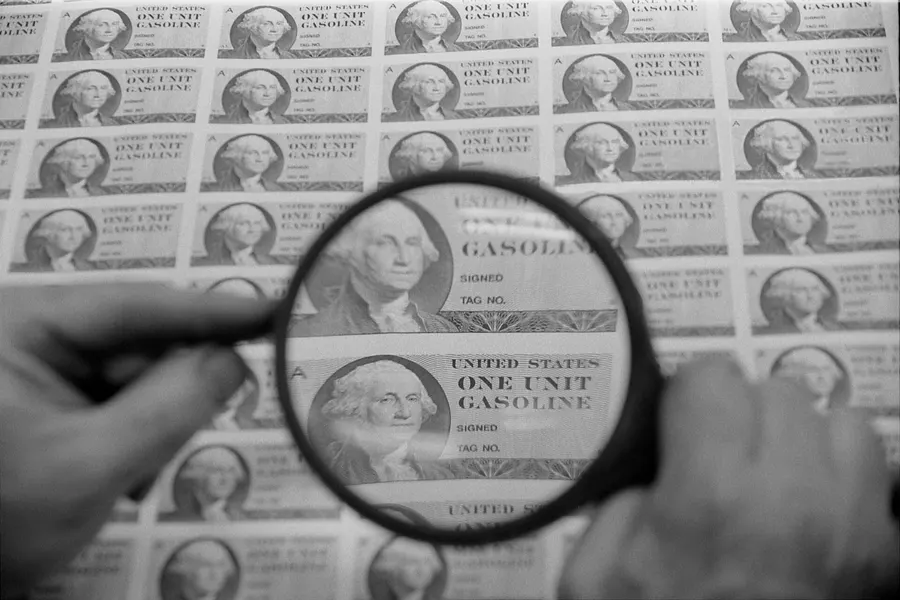
Petrol ration coupons printed in the United States during the 1973-74 oil crisis.
Image creditWarren K. Leffler, U.S. News & World Report Magazine · Public domainResized and cropped for display.

The day oil became a weapon

Eleven days into the Yom Kippur War, on 17 October 1973, the Organization of Arab Petroleum Exporting Countries met in Kuwait and agreed to cut oil production immediately by five per cent, and by a further five per cent every month until Israel withdrew from the territories it had occupied in 1967. Deliveries to ‘friendly’ countries would continue; states that armed Israel were threatened with a total embargo.

An embargo on the United States and the Netherlands followed within days. The price of crude roughly quadrupled within months. Western economies that had grown up on cheap energy met queues at petrol pumps, speed limits, three-day weeks and a decade of inflation, and governments began, for the first time, to think seriously about where their energy came from. The embargo was lifted in March 1974.

Read the full storyHistory & Timeline →Source: US Department of State, Office of the Historian: oil embargo, 1973-1974 ↗
♙
PEOPLE

Born Today

Henri de Saint-Simon
Image creditAfter Adélaïde Labille-Guiard · Public domainResized and cropped for display.

Henri de Saint-Simon

French aristocrat who fought in the American war and then argued that society should be run by scientists and industrialists; an early socialist thinker.

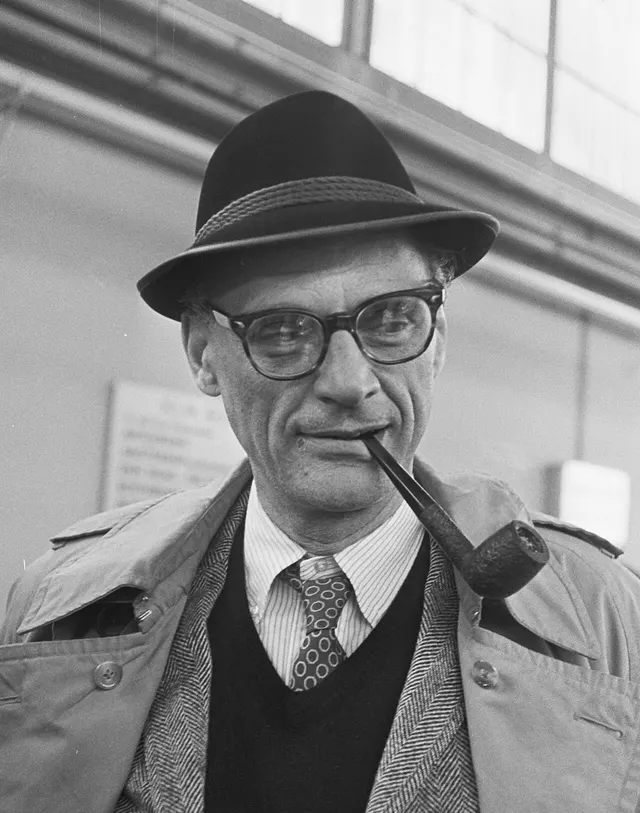
Arthur Miller
Image creditEric Koch for Anefo · CC0Resized and cropped for display.

Arthur Miller

American playwright of Death of a Salesman and The Crucible, who refused to name names to the House Un-American Activities Committee.

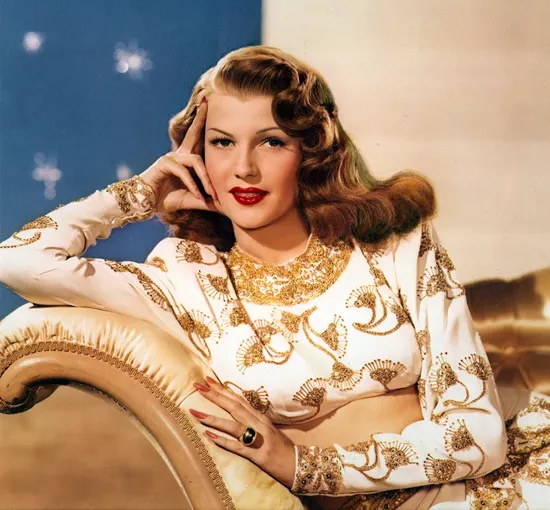
Rita Hayworth
Image creditRobert Coburn · Public domainResized and cropped for display.

Rita Hayworth

American dancer and actress, the star of Gilda, and one of the defining screen presences of the 1940s.

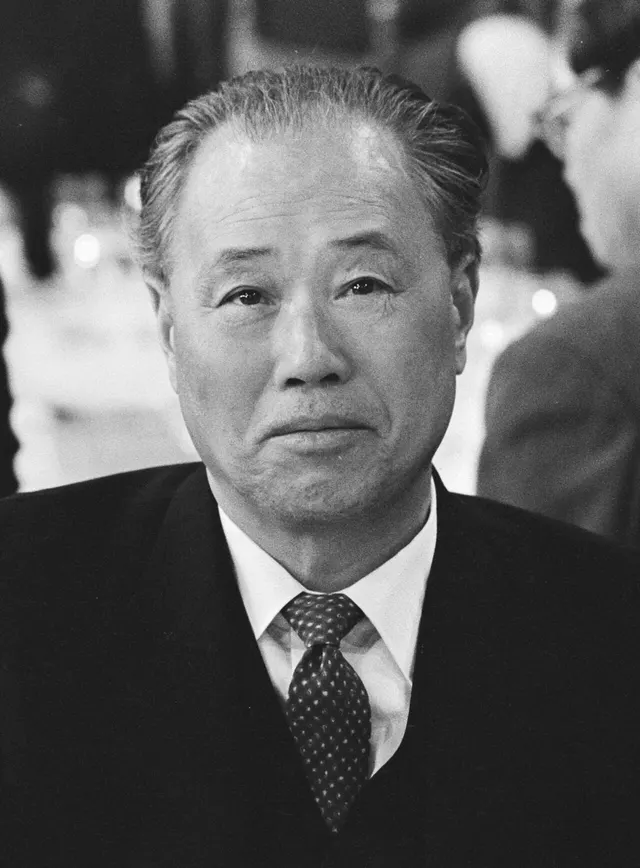
Zhao Ziyang
Image creditRob Bogaerts / Anefo · CC0Resized and cropped for display.

Zhao Ziyang

Chinese reformer and party general secretary, removed and held under house arrest for fifteen years after opposing the crackdown of 1989.

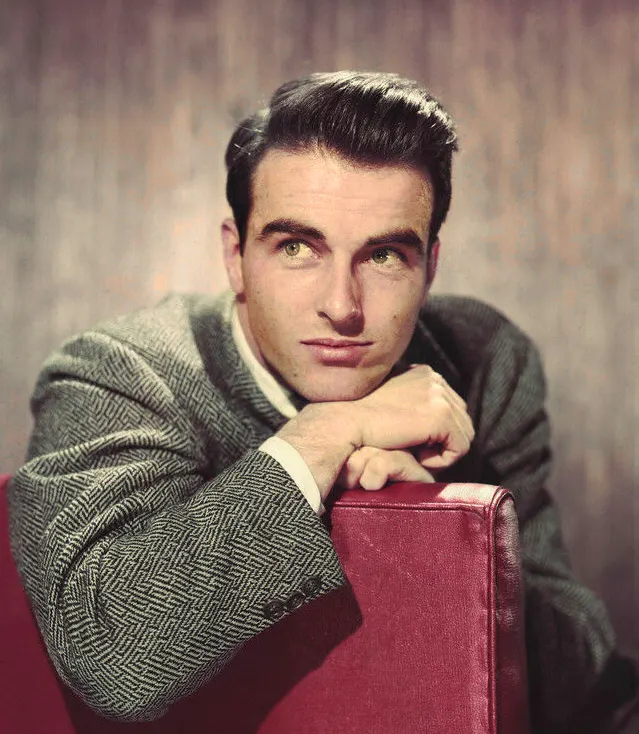
Montgomery Clift
Image creditStudio Publicity · Public domainResized and cropped for display.

Montgomery Clift

American actor who brought a quieter, interior style to Hollywood in the late 1940s and influenced a generation of it.

Wyclef Jean
Image creditMaryland GovPics · CC BY 2.0Resized and cropped for display.

Wyclef Jean

Haitian-American musician and producer, a founder member of the Fugees.

Eminem
Image creditBrendan_linden · CC0Resized and cropped for display.

Eminem

American rapper and producer from Detroit, one of the best-selling recording artists of any genre.

Kimi Räikkönen
Image creditXaviYuahanda · CC BY-SA 4.0Resized and cropped for display.

Kimi Räikkönen

Finnish racing driver, Formula One world champion in 2007 and the holder of the record for the most Grand Prix starts.

◉
IDEAS THAT CHANGED THINGS

Firsts, Science & Discoveries

The remnant of the 1604 supernova, imaged by the Hubble, Spitzer and Chandra telescopes.
Image creditNASA/ESA/JHU/R.Sankrit & W.Blair · Public domainResized and cropped for display.

Kepler starts watching a new star

A new star appeared in the constellation Ophiuchus in October 1604. Lodovico delle Colombe saw it in Italy on the 9th; Johannes Kepler, in Prague, began his own observations on 17 October and followed it for more than a year. At its brightest it outshone Jupiter and could be seen in daylight for weeks. It faded away in March 1606.

Kepler published his measurements in 1606, which is why the star carries his name. It mattered because Aristotle had taught that the heavens beyond the Moon were unchanging, and this was the second new star in a generation, after Tycho Brahe’s of 1572. Astronomers now class it as SN 1604, a type Ia supernova - a white dwarf destroying itself - and it remains the most recent supernova seen with the naked eye in our own galaxy.

Read the full storyHistory & Timeline →Source: NASA: 420 years ago, astronomer Johannes Kepler observes a supernova ↗
✦
LIVES REMEMBERED

Remembered Today

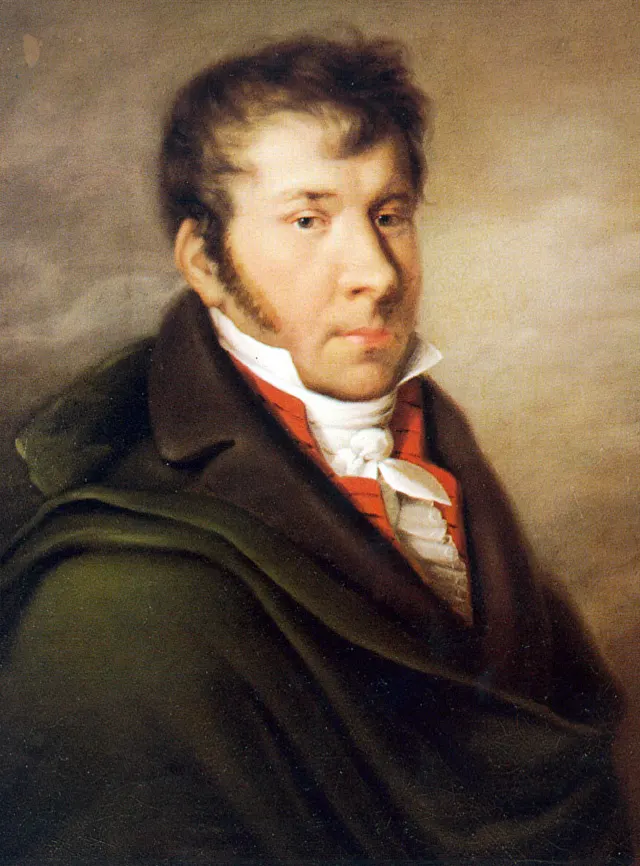
Johann Nepomuk Hummel
Image creditMöller? · Public domainResized and cropped for display.

Johann Nepomuk Hummel

Austrian composer and pianist, a pupil of Mozart who lived in his house, and one of the great improvisers of his day.

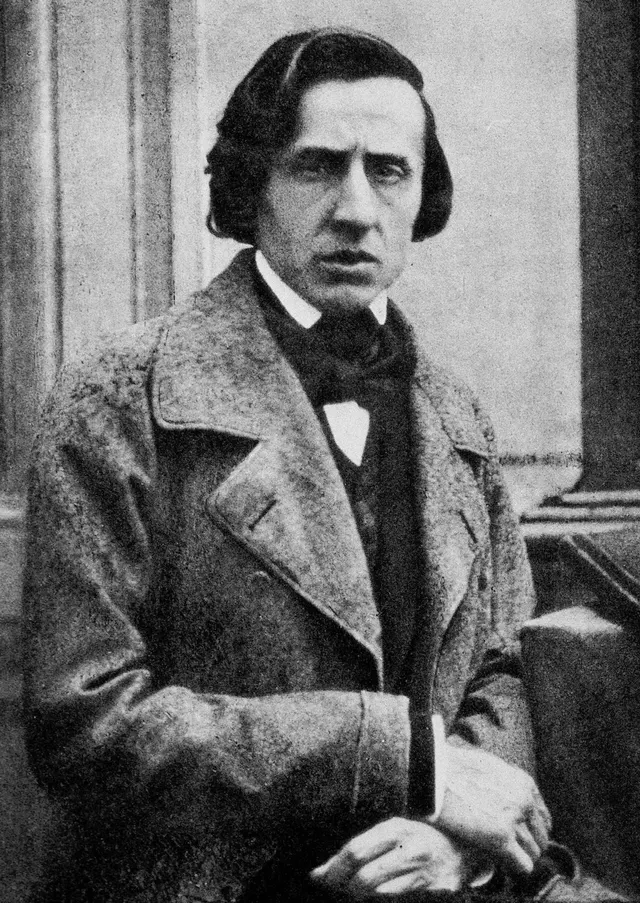
Frédéric Chopin
Image creditLouis-Auguste Bisson · Public domainResized and cropped for display.

Frédéric Chopin

Polish composer and pianist who wrote almost entirely for the piano and died in Paris at thirty-nine.

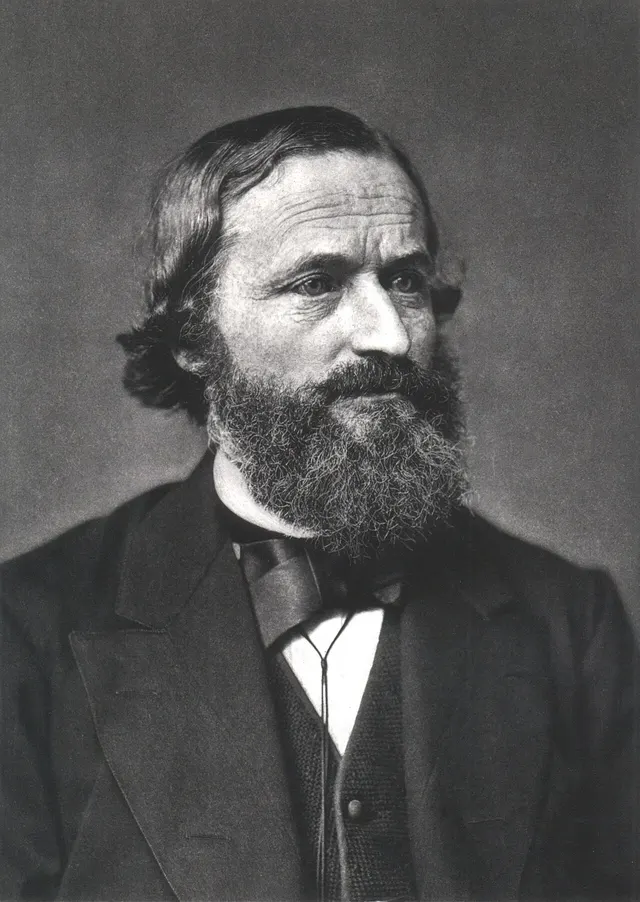
Gustav Kirchhoff
Image creditUnknown authorUnknown author · Public domainResized and cropped for display.

Gustav Kirchhoff

German physicist whose circuit laws are still taught to every engineer, and who helped found spectroscopy with Bunsen.

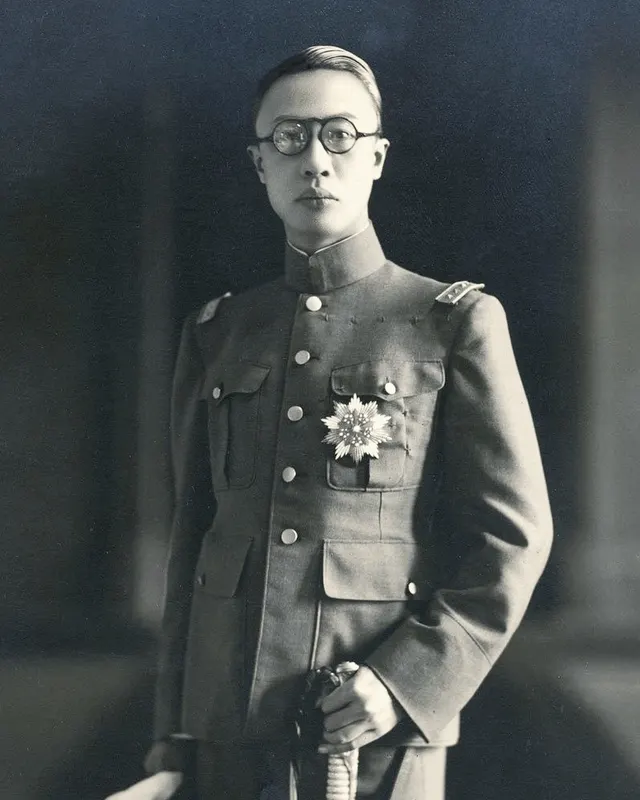
Puyi
Image creditUnknown authorUnknown author · Public domainResized and cropped for display.

Puyi

The last emperor of China, put on the throne at two, deposed at six, later installed by Japan in Manchuria and finally a gardener in Beijing.

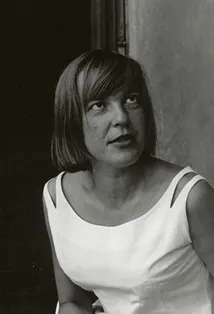
Ingeborg Bachmann
Image creditMario Dondero · Public domainResized and cropped for display.

Ingeborg Bachmann

Austrian poet and novelist, one of the most admired German-language writers of the post-war years.

☉
AROUND THE WORLD

Observances & Anniversaries

A replica of the commemorative stone in honour of the victims of extreme poverty.
Image creditGiovanni T · CC BY-SA 4.0Resized and cropped for display.

International Day for the Eradication of Poverty

On 17 October 1987 more than a hundred thousand people gathered at the Trocadéro in Paris to honour the victims of extreme poverty, hunger and violence, and unveiled a commemorative stone there. The United Nations General Assembly made the date an international day in December 1992, and replicas of the stone now stand in many countries, including in the garden at UN headquarters in New York.

Source: United Nations: International Day for the Eradication of Poverty, background ↗
HISTORY & TIMELINE

Finished the highlights?

Follow 17 October chronologically, from the Middle Ages to the modern day, with 10 verified events and the sources behind them.

This day through time →