
1346
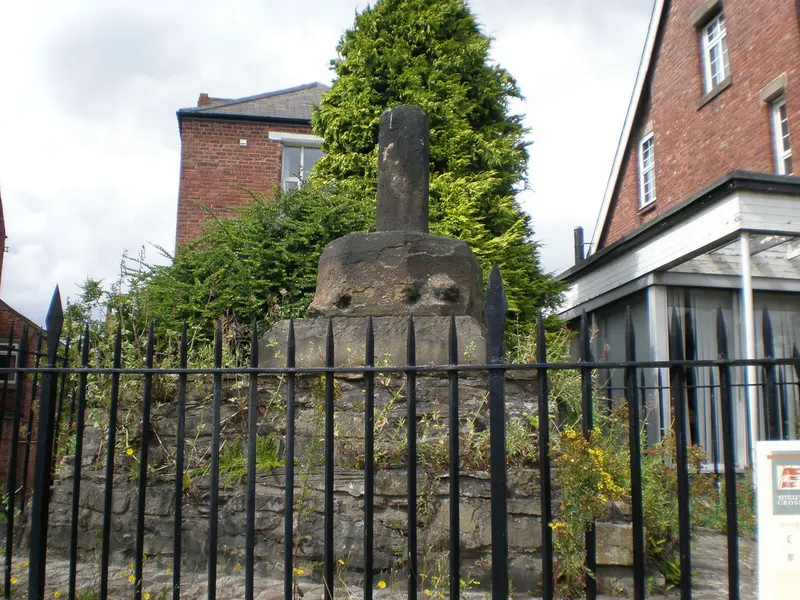 The monument that marks the site of the battle of Neville’s Cross at Durham.Image: Boffy · CC BY-SA 3.0
world · Europe
A Scottish king is captured outside Durham
David II of Scotland invaded northern England in the autumn of 1346 as an ally of France, hoping to pull Edward III away from the siege of Calais. Edward had foreseen it and left a strong force in the northern shires. On 17 October the two armies met at Neville’s Cross, just west of Durham. The Scots were beaten, and David - wounded twice in the face by arrows - was taken prisoner. He spent eleven years in English captivity and was released in 1357 for a ransom of 100,000 merks, payable in nine annual instalments, a burden that shaped Scottish politics for a generation.
Source: Encyclopaedia Britannica: Battle of Neville’s Cross ↗ The remnant of the 1604 supernova, imaged by the Hubble, Spitzer and Chandra telescopes.Image:
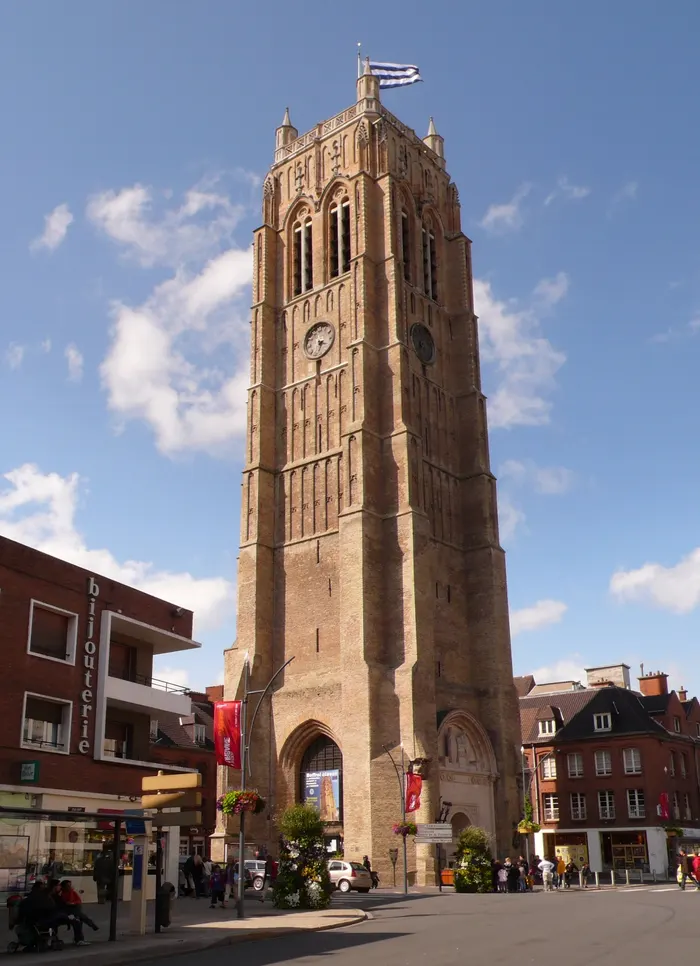 The belfry at Dunkirk, in the port Charles II sold to France.Image:
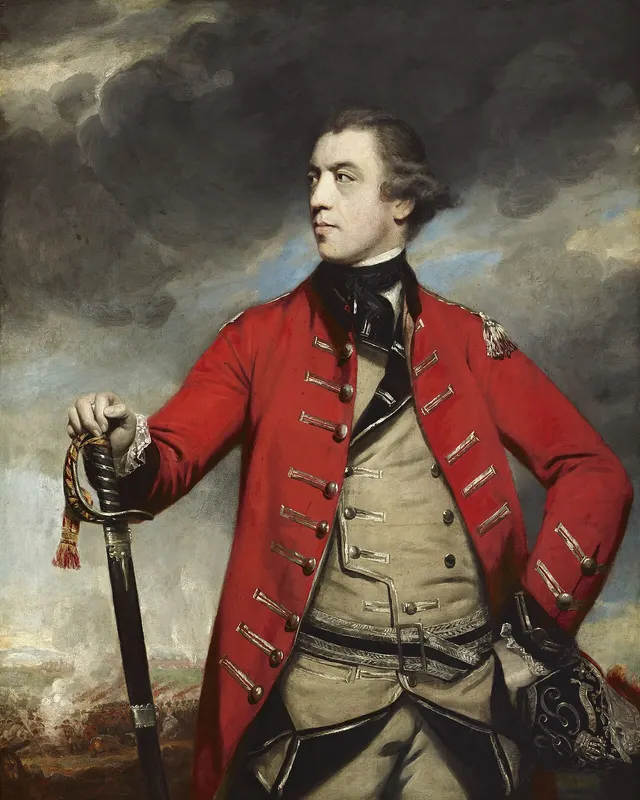 General John Burgoyne, painted by Joshua Reynolds.Image:
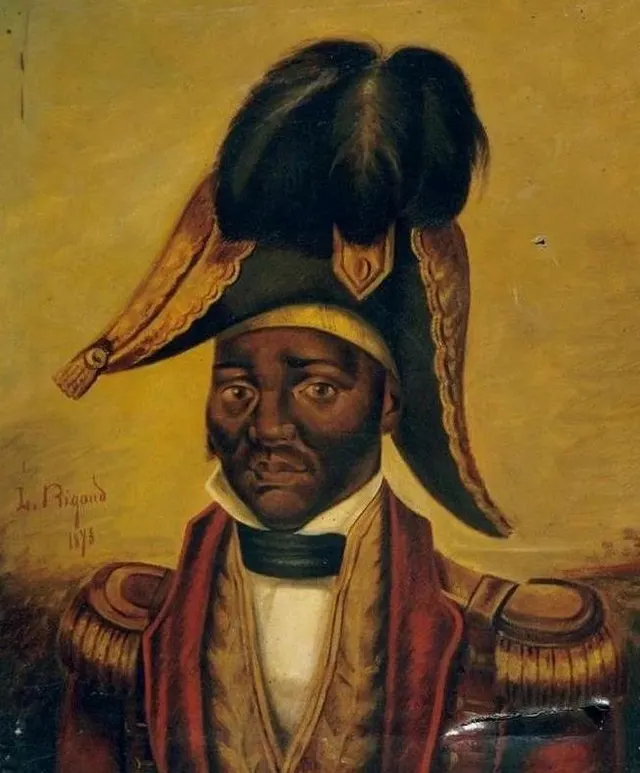 Jean-Jacques Dessalines, who declared Haiti independent in 1804.Image:
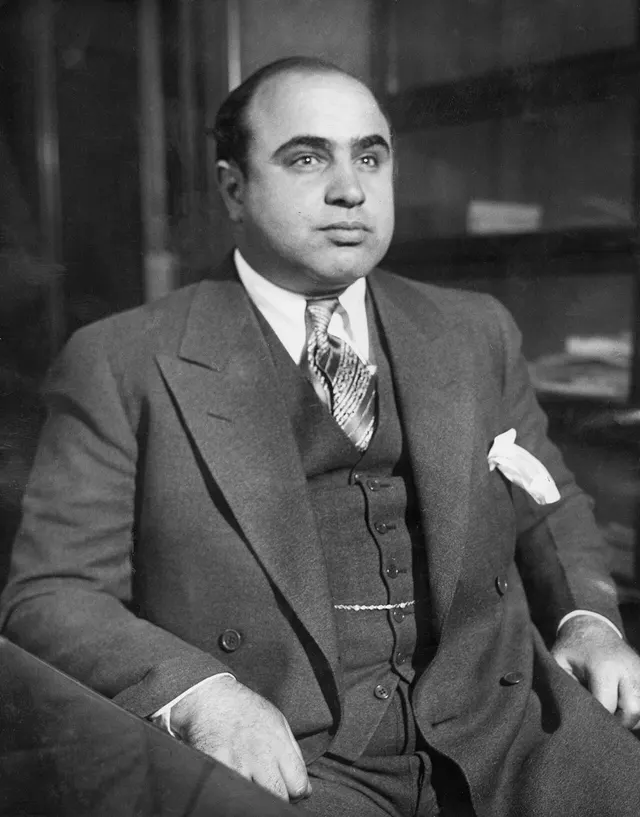 Al Capone, photographed by the Federal Bureau of Investigation.Image:
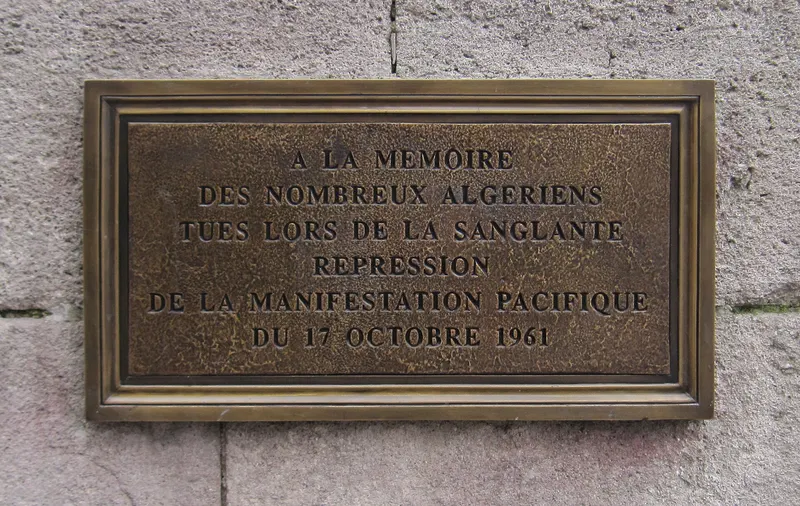 A memorial plaque in Paris to the Algerians killed on 17 October 1961.Image:
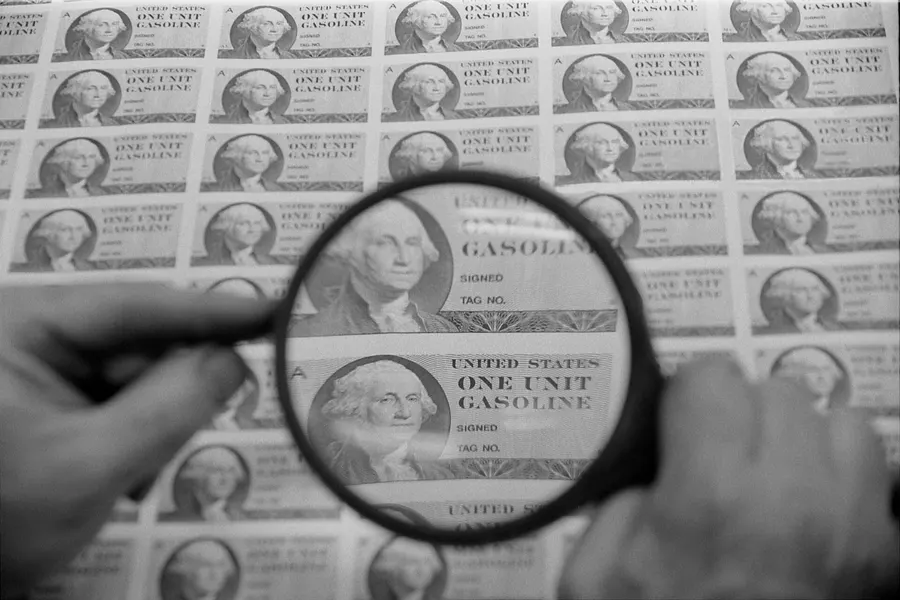 Petrol ration coupons printed in the United States during the 1973-74 oil crisis.Image:
 Mother Teresa, awarded the Nobel Peace Prize in 1979.Image:
 The collapsed Cypress Street viaduct in Oakland, photographed by the US Geological Survey.Image: