Explore 16 October

Explore 16 October: a queen of France is taken to the guillotine in a cart, a Boston dentist proves that surgery need not hurt, a Polish cardinal steps out onto the balcony of St Peter’s, and a Chilean general is arrested in a London clinic on a Spanish warrant. Meet Oscar Wilde, David Ben-Gurion and Eugene O’Neill, born on this date.

This day through time →11 verified events across 4 eras

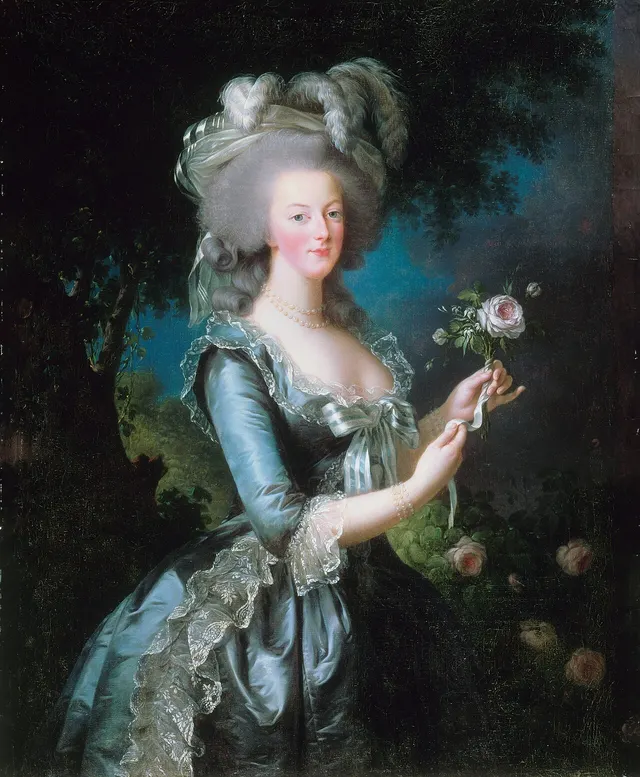
Marie-Antoinette, painted by Élisabeth Vigée Le Brun.
Image creditÉlisabeth Louise Vigée Le Brun · Public domainResized and cropped for display.

The last queen of France goes to the scaffold

Marie-Antoinette was brought before the Revolutionary Tribunal on 14 October 1793 and guillotined two days later, on 16 October, in the Place de la Révolution - now the Place de la Concorde. She was 37. Her husband Louis XVI had been executed in January. She was taken to the scaffold in an open cart rather than the closed carriage he had been given, and observers on both sides agreed that she walked the last steps with composure.

The charges were conspiracy with foreign powers and depleting the treasury, with a final accusation against her as a mother that was invented for effect and that she refused to dignify. The trial lasted two days and the verdict was not in doubt. The ‘let them eat cake’ remark she is remembered for was in circulation before she ever arrived in France.

Read the full storyHistory & Timeline →Source: Château de Versailles: Marie-Antoinette ↗
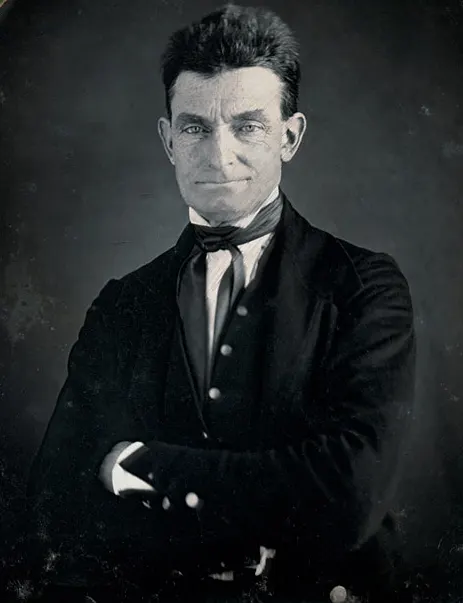
John Brown, photographed by Augustus Washington around 1846-47.
Image creditAugustus Washington · Public domainResized and cropped for display.

John Brown seizes the armoury at Harpers Ferry

On the night of 16 October 1859 the abolitionist John Brown led twenty-one men - his two sons, fourteen other white men and five Black men - into Harpers Ferry in Virginia and took the federal armoury and rifle works. He intended to arm enslaved people across the South and start a war against slavery. He also took about sixty local men hostage, among them a great-grandnephew of George Washington.

The rising he expected did not come. Fighting went on around the armoury for two days before Brown and his surviving followers barricaded themselves in the fire-engine house and were overrun on 18 October by federal troops under Colonel Robert E. Lee. Brown was tried for treason and hanged on 2 December. Northern opinion split between condemning his methods and honouring his cause; Southern opinion read the raid as proof of what it had long feared. The Civil War began seventeen months later.

Read the full storyHistory & Timeline →Source: National Park Service: John Brown’s raid ↗
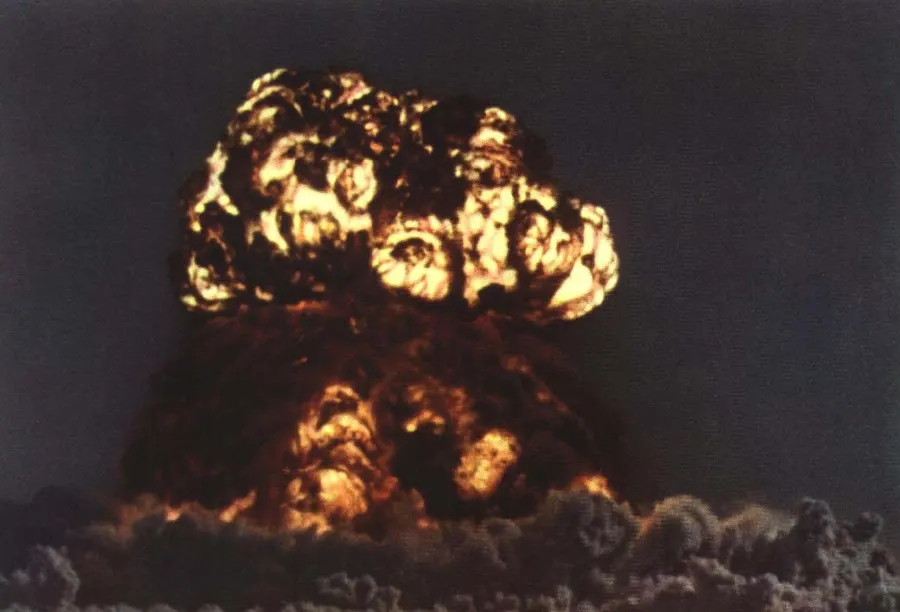
China's first atomic bomb test, photographed for People's Pictorial.
China’s first atomic bomb test, photographed for People’s Pictorial.
Image credit《人民画报》 · Public domainResized and cropped for display.

China joins the nuclear club

On 16 October 1964 an implosion device on a steel tower at Lop Nur, in the Gobi desert of Xinjiang, was detonated with a yield of about 22 kilotonnes. The project had the plain code name 59-6, after the year and month in which the Soviet Union had promised - and then refused - to supply a prototype. China had built its own.

It made China the fifth nuclear power, after the United States, the Soviet Union, Britain and France, and it came two days after Khrushchev’s removal in Moscow. Forty-four more Chinese tests followed at Lop Nur, twenty-two of them in the atmosphere, until the last in 1996. China declared on the day of the first test that it would never be the first to use a nuclear weapon.

Read the full storyHistory & Timeline →Source: Preparatory Commission for the CTBTO: 16 October 1964, first Chinese nuclear test ↗
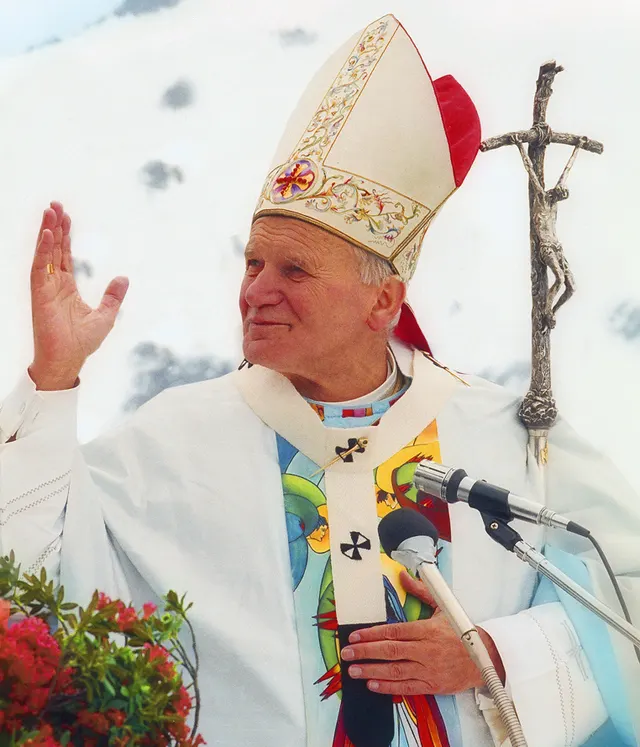
Pope John Paul II, elected in October 1978.
Image creditGregorini Demetrio · CC BY-SA 3.0Resized and cropped for display.

A pope from a country behind the Iron Curtain

The cardinals had already met once that year, in August, after the death of Paul VI; the man they chose, John Paul I, died thirty-three days later. When they met again in October the Italian candidates were deadlocked, and on 16 October 1978 they elected Karol Wojtyła, the 58-year-old archbishop of Kraków - the first non-Italian pope in 455 years and the first ever from a Slavic country.

He took the name John Paul II and began his ministry on 22 October. A Polish pope changed the political arithmetic of eastern Europe; his visit to Poland the following June drew crowds that made the point without anyone having to say it out loud. He reigned for nearly twenty-seven years, travelled further than any of his predecessors and was canonised in 2014.

Read the full storyHistory & Timeline →Source: The Holy See: biographical profile of John Paul II ↗
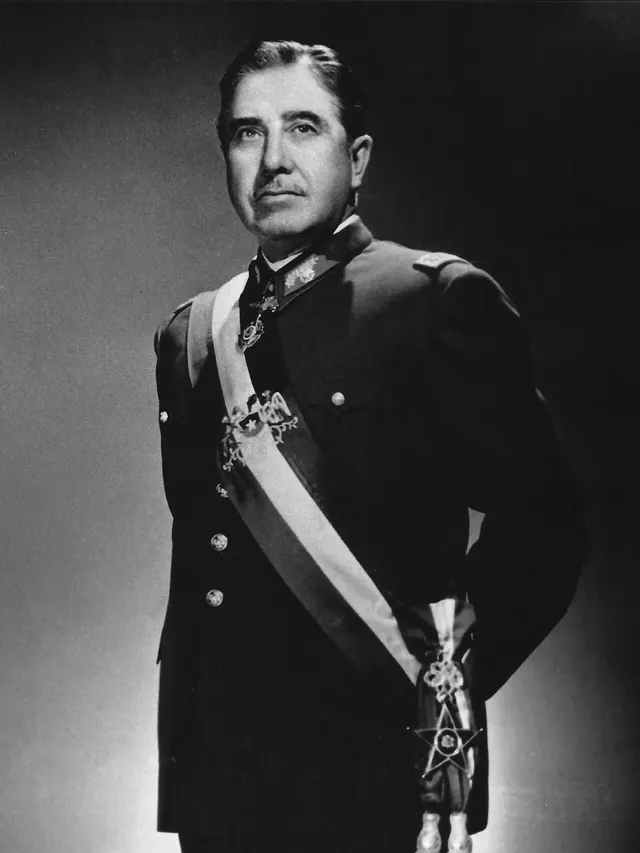
Augusto Pinochet, who governed Chile from 1973 to 1990.
Image creditMinisterio de Relaciones Exteriores de Chile. · CC BY 2.0 clResized and cropped for display.

A former head of state is arrested in London

Augusto Pinochet, who had ruled Chile for seventeen years and was in England for back surgery, was arrested in a London clinic on 16 October 1998. The warrant came from a magistrates’ court in Madrid; Spain wanted him extradited over the torture of Spanish citizens in Chile. Nothing like it had happened to a former head of state before.

The case ran for sixteen months and produced a landmark ruling from the House of Lords: a former head of state’s immunity covers acts done in an official capacity, and torture, being a crime under international law, cannot be one of them. Pinochet was sent home in March 2000 on medical grounds and died in 2006 without being convicted of anything. The precedent outlived him, and so did the effect in Chile, where courts that had left the question alone for a decade began to open cases.

Read the full storyHistory & Timeline →Source: UK Parliament, House of Lords judgment: In re Pinochet ↗
♙
PEOPLE

Born Today

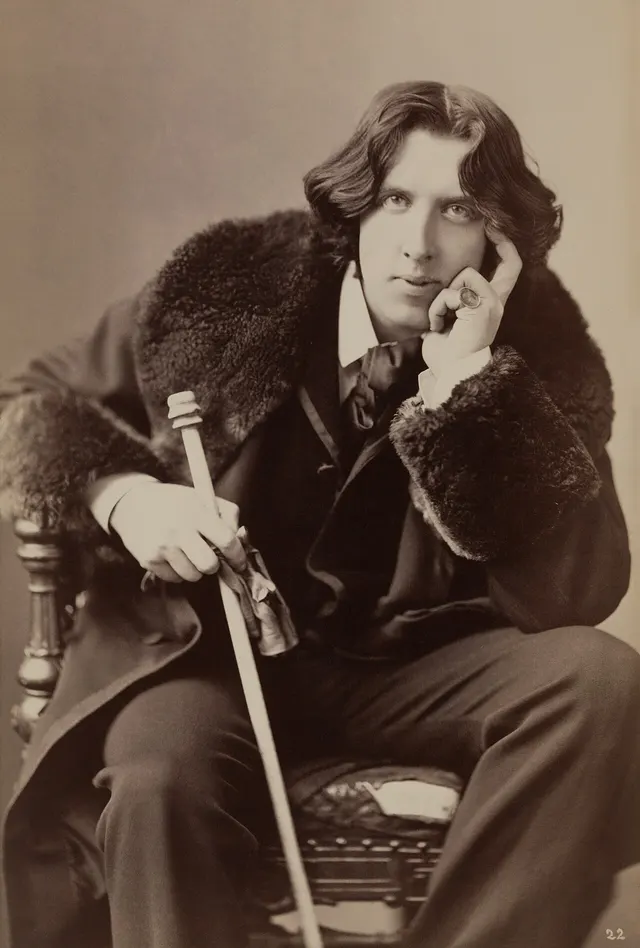
Oscar Wilde
Image creditNapoleon Sarony / Adam Cuerden · Public domainResized and cropped for display.

Oscar Wilde

Irish playwright, poet and wit, author of The Importance of Being Earnest, imprisoned for two years for his relationships with men.

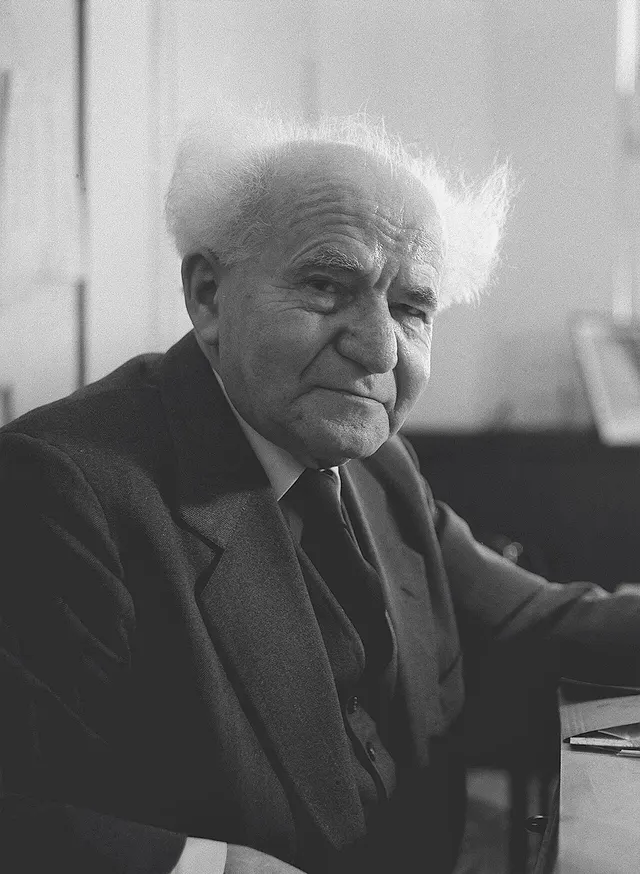
David Ben-Gurion
Image creditFritz Cohen · Public domainResized and cropped for display.

David Ben-Gurion

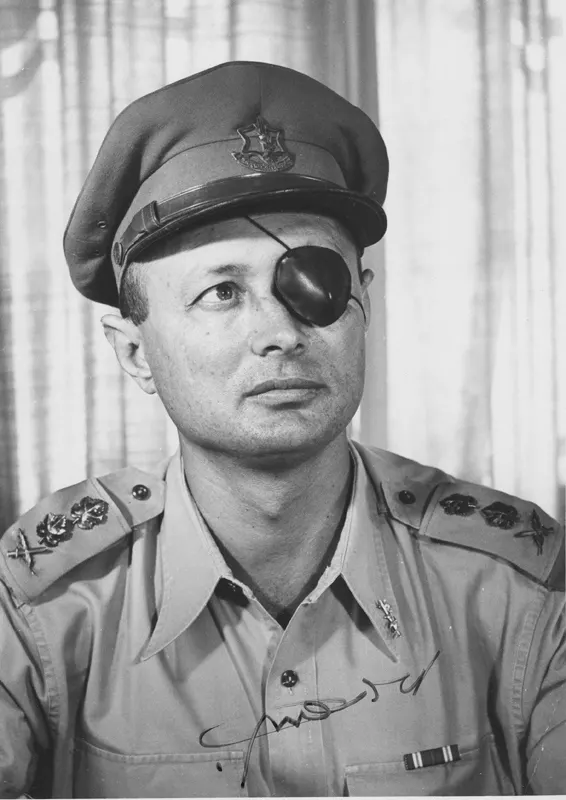
Polish-born Zionist leader who declared the state of Israel in 1948 and served as its first prime minister.

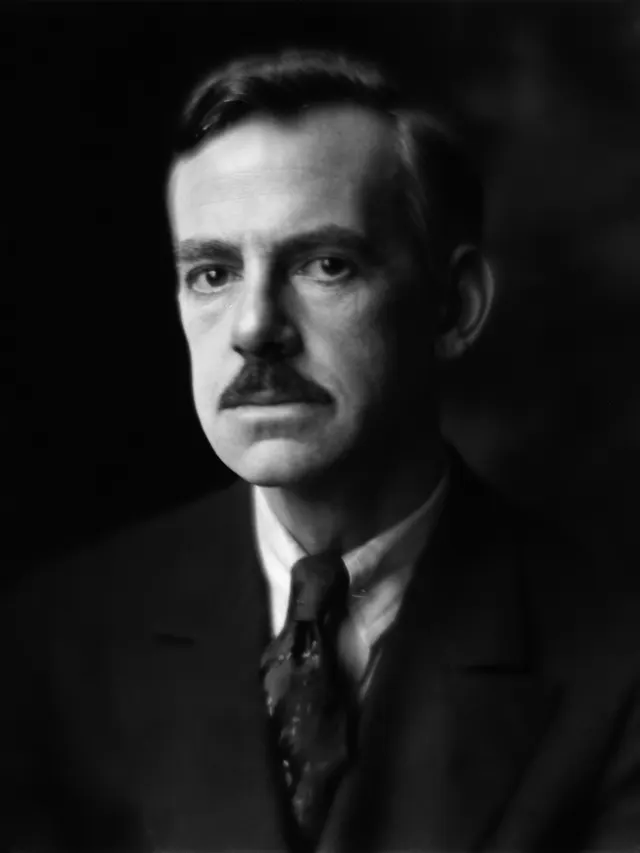
Eugene O'Neill
Image creditAlice Boughton · Public domainResized and cropped for display.

Eugene O’Neill

American playwright who brought tragedy into the American theatre and won the Nobel Prize in Literature in 1936.

Michael Collins
Image creditUnknown authorUnknown author · Public domainResized and cropped for display.

Michael Collins

Irish revolutionary and negotiator of the 1921 treaty, killed in the civil war that followed it, aged thirty-one.

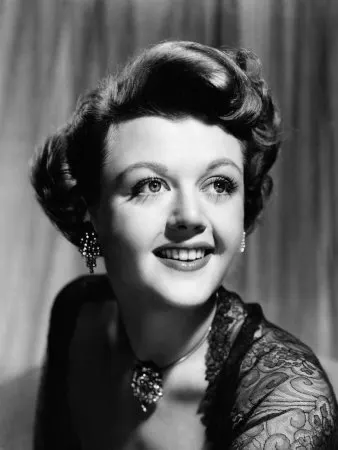
Angela Lansbury
Image creditUnknown authorUnknown author · Public domainResized and cropped for display.

Angela Lansbury

British-American actress whose career ran from Gaslight in 1944 to Broadway musicals and twelve years of Murder, She Wrote.

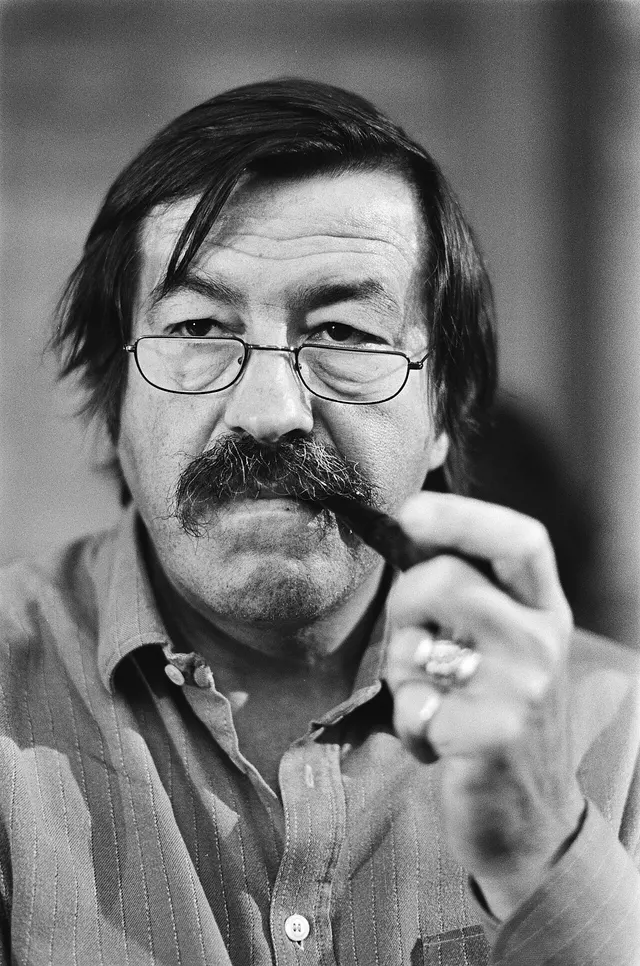
Günter Grass
Image creditMarcel Antonisse / Anefo · CC0Resized and cropped for display.

Günter Grass

German novelist of The Tin Drum, a Nobel laureate who late in life disclosed his wartime service in the Waffen-SS.

Tim Robbins
Image creditSiebbi · CC BY 3.0Resized and cropped for display.

Tim Robbins

American actor and director, best known for The Shawshank Redemption and for the films he has made himself.

◉
IDEAS THAT CHANGED THINGS

Firsts, Science & Discoveries

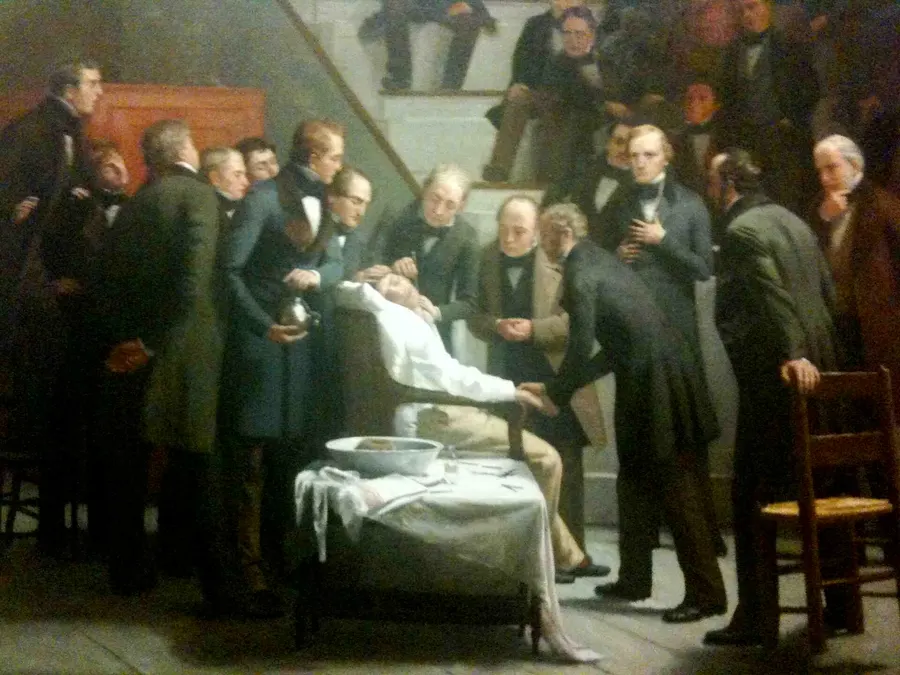
Robert Hinckley's painting of the first operation under ether at Massachusetts General Hospital.
Robert Hinckley’s painting of the first operation under ether at Massachusetts General Hospital.
Image creditRobert C. Hinckley · Public domainResized and cropped for display.

The day surgery stopped hurting

On 16 October 1846, in the operating theatre on the top floor of the Bulfinch building at Massachusetts General Hospital, a Boston dentist named William Morton gave a printer called Gilbert Abbott a gas he was calling Letheon, and the surgeon John Collins Warren cut a tumour from Abbott’s neck. The patient did not cry out. Warren turned to the audience and said that this was no humbug.

The gas was ether, and Morton had been trying to keep its identity secret so that he could patent it. The secret lasted weeks; the demonstration changed surgery within months. Operations had until then been a matter of speed and restraint, performed on conscious patients, and there was a limit to what a surgeon could attempt. The room is still called the Ether Dome.

Read the full storyHistory & Timeline →Source: Massachusetts General Hospital: ether and the Ether Dome ↗
☆
SPORTING HISTORY

Sporting Moments

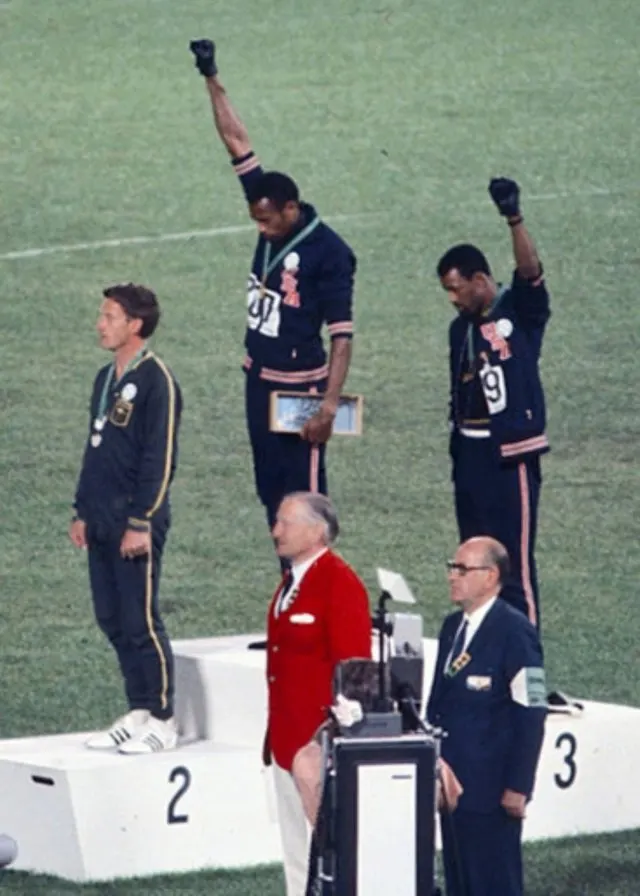
Tommie Smith and John Carlos on the podium with Peter Norman, Mexico City, October 1968.
Image creditAngelo Cozzi (Mondadori Publishers) · Public domainResized and cropped for display.

Two gloved fists on an Olympic podium

Tommie Smith won the 200 metres in Mexico City on 16 October 1968 in 19.83 seconds, the first time anyone had run the distance in under twenty. John Carlos took bronze. On the podium, as the American anthem played, both men bowed their heads and raised a black-gloved fist; both stood in black socks without shoes, to stand for poverty.

The Australian silver medallist Peter Norman, who had asked what it was about and agreed with it, wore the same Olympic Project for Human Rights badge. Smith and Carlos were ordered out of Mexico by the United States Olympic Committee, and all three men paid for it at home for years. The photograph has outlasted every argument about it.

Read the full storyHistory & Timeline →Source: Smithsonian National Museum of African American History and Culture: what’s missing from the John Carlos statue ↗
♫
MUSIC • FILM • BOOKS • CULTURE

Culture Stories

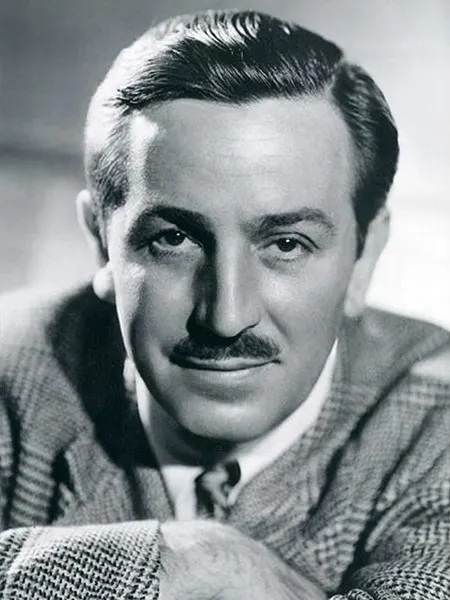
Walt Disney, who founded the studio with his brother Roy in 1923.
Image creditBoy Scouts of America · Public domainResized and cropped for display.

Two brothers and a four-page contract

On 16 October 1923 Walt Disney, aged 21 and recently bankrupt in Kansas City, signed a contract with the New York cartoon distributor Margaret Winkler for a series of Alice shorts. He and his brother Roy set up in a garage on Kingswell Avenue in Hollywood. The company dates its founding from that contract.

It was called the Disney Brothers Cartoon Studio, then the Walt Disney Studio, then Walt Disney Productions. Mickey Mouse arrived in 1928 with sound; the first feature-length cartoon, Snow White, in 1937; the first theme park in 1955. Margaret Winkler, who gave the brothers their start, was one of the few women running a film distribution business at the time.

Read the full storyHistory & Timeline →Source: The Walt Disney Company: how a four-page contract started the company ↗
✦
LIVES REMEMBERED

Remembered Today

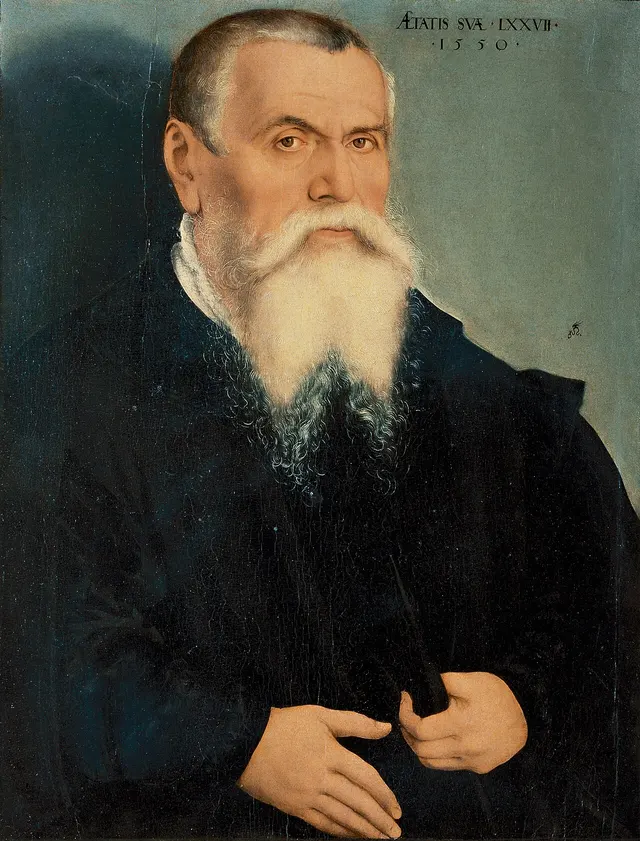
Lucas Cranach the Elder
Image creditLucas Cranach the Younger · Public domainResized and cropped for display.

Lucas Cranach the Elder

German painter and printmaker, court artist in Wittenberg and a close friend of Martin Luther. The date is given in the Julian calendar.

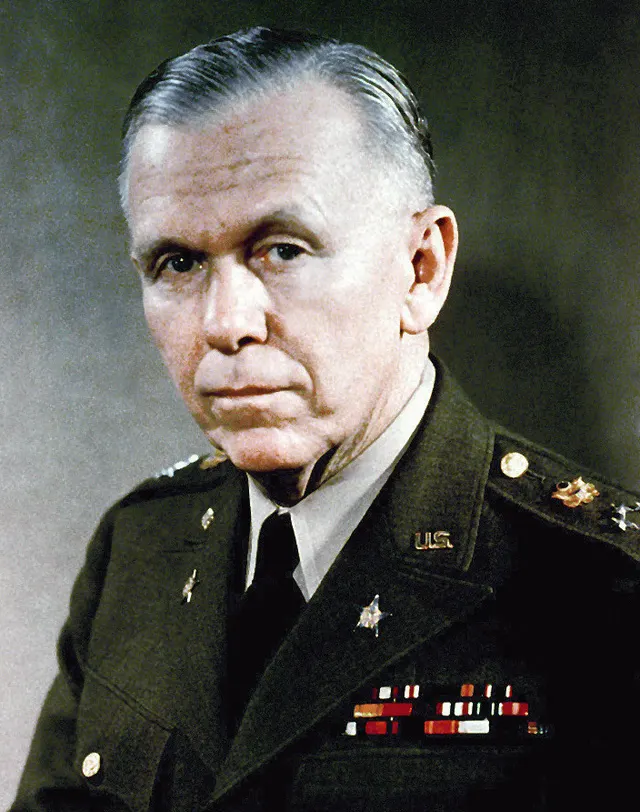
George C. Marshall
Image creditUnknown authorUnknown author · Public domainResized and cropped for display.

George C. Marshall

American army chief of staff in the Second World War and author of the plan to rebuild Europe that bears his name.

Deborah Kerr
Image creditUnknown authorUnknown author · Public domainResized and cropped for display.

Deborah Kerr

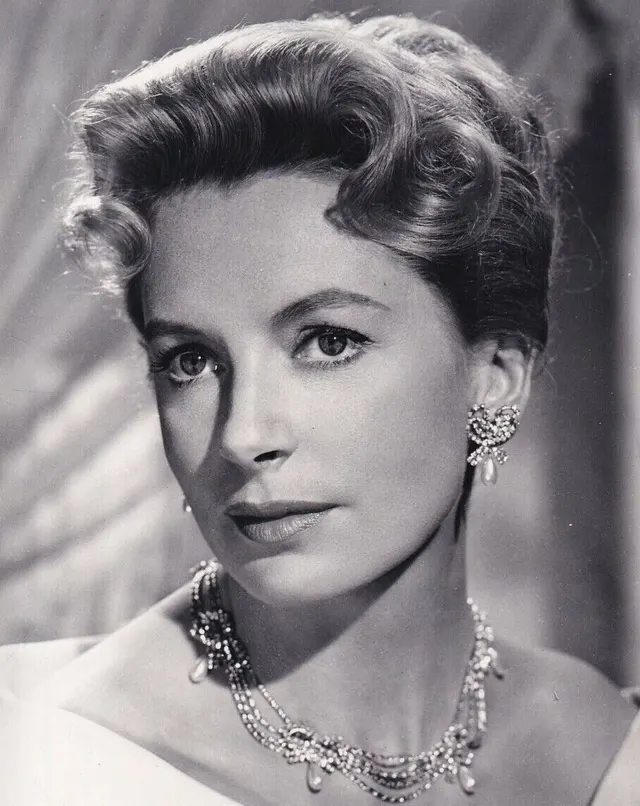
Scottish actress of The King and I and From Here to Eternity, nominated for six Academy Awards and awarded an honorary one.

☉
AROUND THE WORLD

Observances & Anniversaries

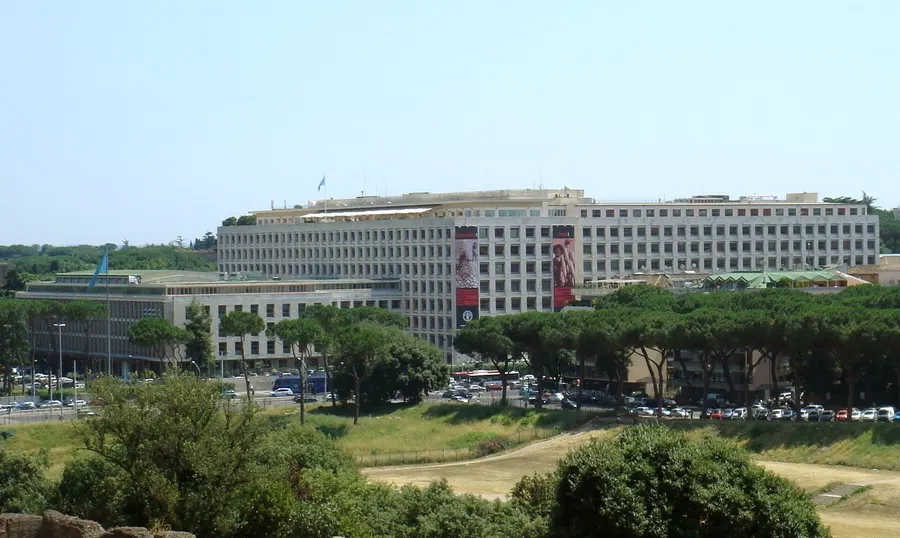
The headquarters of the Food and Agriculture Organization in Rome.
Image creditScopritore · CC BY-SA 3.0Resized and cropped for display.

World Food Day

World Food Day marks the founding of the Food and Agriculture Organization of the United Nations, created by forty-two countries at the Château Frontenac in Quebec City on 16 October 1945. The day is kept in more than 150 countries and is the FAO’s main campaign against hunger and malnutrition.

Source: Food and Agriculture Organization of the United Nations: World Food Day background ↗
HISTORY & TIMELINE

Finished the highlights?

Follow 16 October chronologically, from the Middle Ages to the modern day, with 11 verified events and the sources behind them.

This day through time →