1827An accidental battle that made Greece
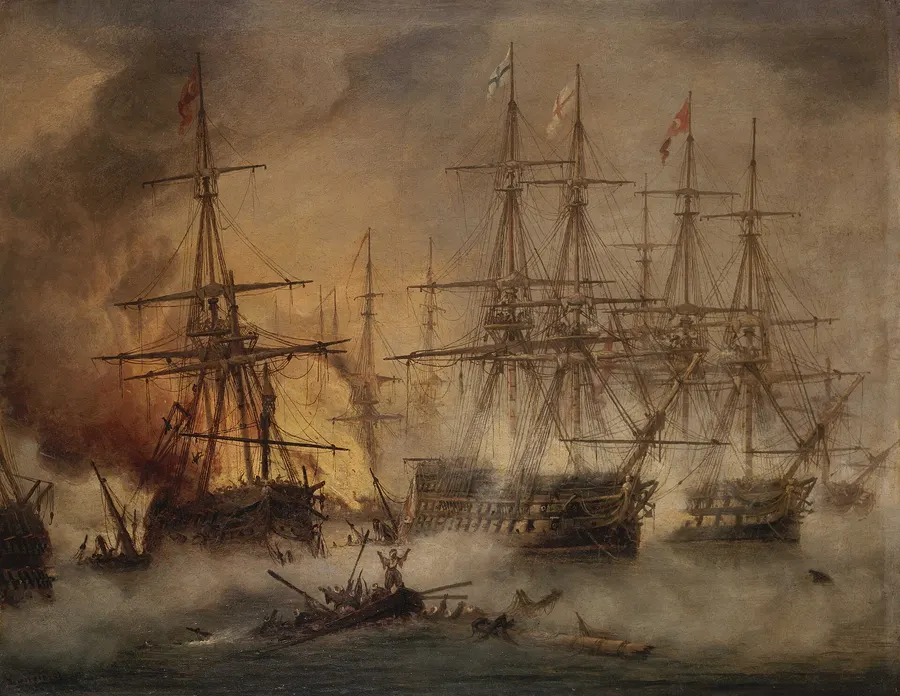
Britain, France and Russia had sent squadrons to the eastern Mediterranean to press for an armistice in the Greek war of independence, with orders to make a friendly demonstration of force. On 20 October 1827 Admiral Sir Edward Codrington took the allied ships into Navarino Bay, where the Ottoman and Egyptian fleet lay at anchor. A skirmish between small boats started the shooting, and within hours the bay was a wreck.
It was the last major engagement fought entirely under sail. Around sixty Turkish and Egyptian ships were destroyed and some 6,000 men killed or wounded, against about 700 allied casualties. Nobody in London had wanted a battle - the government called it an untoward event - but it settled the matter: Ottoman forces left Greece within ten months and the Kingdom of Greece was recognised in 1832.
Read the full storyHistory & Timeline →Source: Royal Museums Greenwich: the Battle of Navarino, 20 October 1827 ↗
1944MacArthur comes back to the Philippines
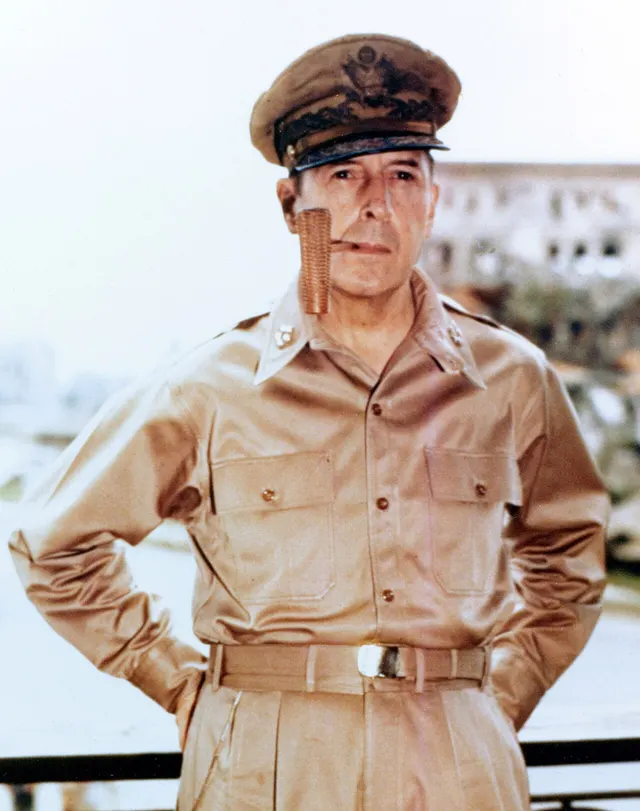
Four divisions of the US Sixth Army went ashore on the island of Leyte on 20 October 1944. That afternoon General Douglas MacArthur waded in from a landing craft with the Philippine president Sergio Osmeña beside him, and broadcast to the country he had left in 1942: ‘People of the Philippines, I have returned.’
The landing began one of the hardest campaigns of the Pacific war and drew the Japanese fleet into the Battle of Leyte Gulf, the largest naval engagement of the twentieth century, three days later. The Philippines were not declared liberated until July 1945, at enormous cost to Filipino civilians, the capital Manila among the most destroyed cities of the war.
Read the full storyHistory & Timeline →Source: National WWII Museum: MacArthur returns to the Philippines ↗
1962China attacks across the Himalayan border
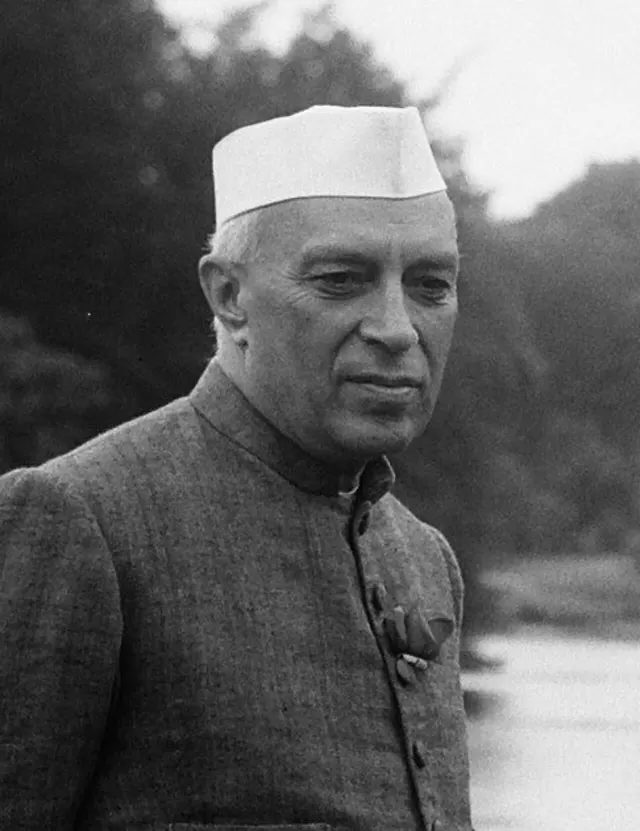
On 20 October 1962 the People’s Liberation Army attacked simultaneously in Ladakh in the west and across the McMahon Line in the east, opening a month-long war with India. The border had never been agreed; the two sides had been skirmishing since 1959, when India granted asylum to the Dalai Lama after the rising in Tibet.
Indian forces, badly equipped for high-altitude fighting and strung out along the passes, were quickly beaten; about 7,000 men were killed or captured, and the way into the Assam lowlands lay open. China declared a unilateral ceasefire on 20 November and pulled back in the east, keeping most of Aksai Chin in the west. The shock ended Nehru’s standing as the leader of non-alignment, and the border remains disputed.
Read the full storyHistory & Timeline →Source: Encyclopaedia Britannica: Sino-Indian War ↗
1973The Saturday Night Massacre
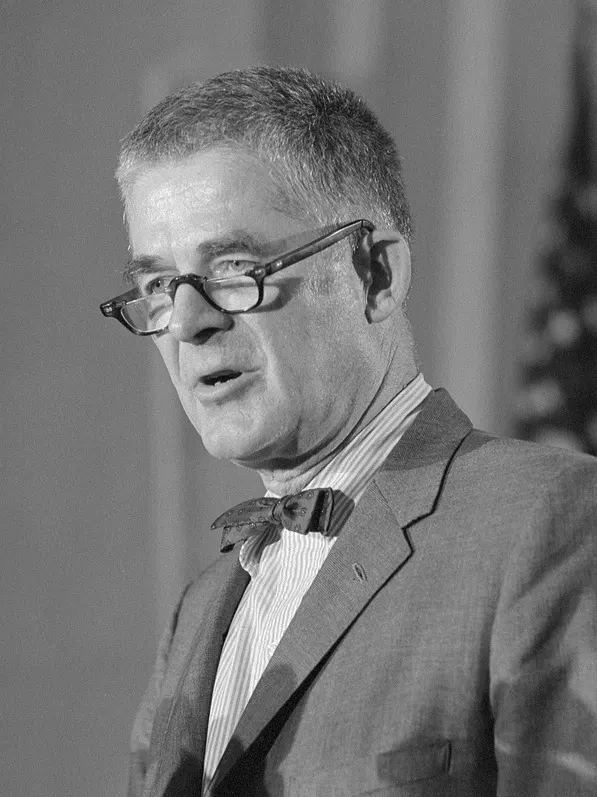
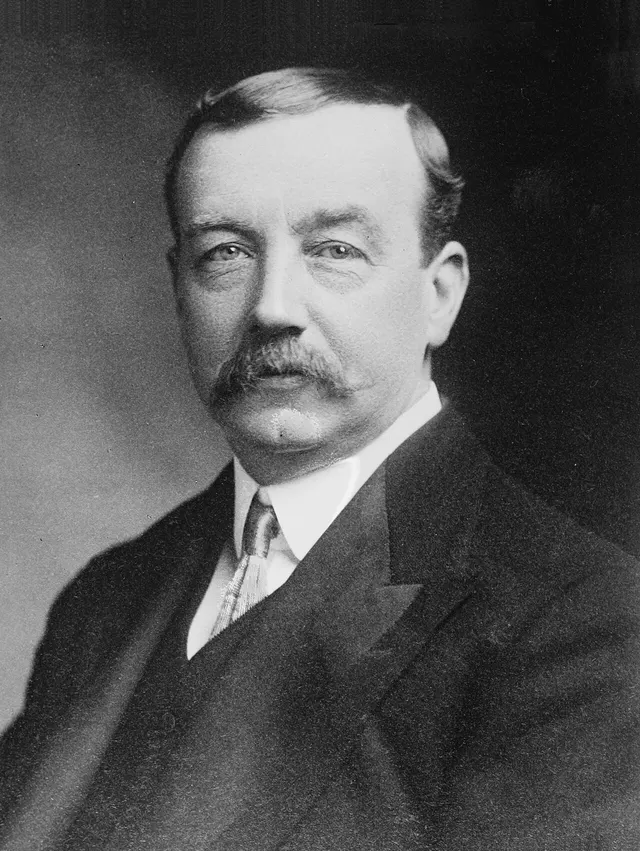
Archibald Cox, the special prosecutor investigating Watergate, had subpoenaed the tapes President Nixon had made of his own White House conversations. Nixon offered summaries instead; Cox refused them. On the evening of Saturday 20 October 1973 Nixon ordered the attorney general, Elliot Richardson, to fire him. Richardson resigned. His deputy, William Ruckelshaus, resigned rather than do it. The solicitor general, Robert Bork, carried out the order.
The White House also had the special prosecutor’s offices sealed. The reaction was immediate and enormous - a firestorm of telegrams to Congress, and the first serious impeachment resolutions. A federal court later ruled the dismissal illegal, a new special prosecutor was appointed, and the tapes went to the Supreme Court. Nixon resigned the following August.
Read the full storyHistory & Timeline →Source: Encyclopaedia Britannica: Saturday Night Massacre ↗
1973The Queen opens the Sydney Opera House
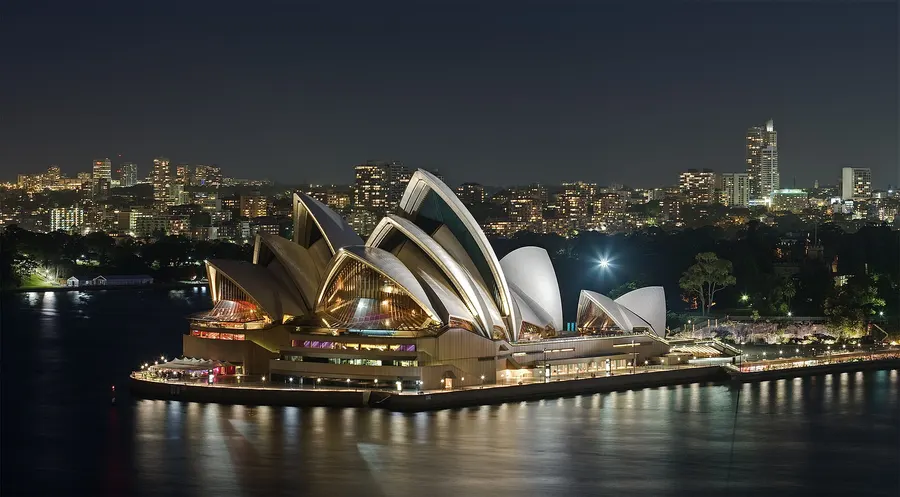
Elizabeth II opened the Sydney Opera House on Bennelong Point on 20 October 1973, standing in the wind to congratulate Sydney on a remarkable addition to its architecture. Building had begun in 1959 and had been expected to take four years; it took fourteen, and cost roughly fifteen times the original estimate, most of it raised by a state lottery.
The design came from an unknown Danish architect, Jørn Utzon, whose entry had been pulled out of a rejected pile. He resigned in 1966 after a change of state government and a dispute over money and control, left Australia and never saw the finished building; an Australian team led by Peter Hall completed the interiors. Utzon was reconciled with the Opera House in the 1990s and it became a World Heritage Site in 2007, one of very few listed in its architect’s lifetime.
Read the full storyHistory & Timeline →Source: Sydney Opera House: fifty years of extraordinary moments ↗