Explore 25 October

Explore 25 October: Henry V’s archers win at Agincourt on St Crispin’s Day, the Light Brigade charges the wrong guns at Balaclava, the United Nations gives China’s seat to Beijing and American troops land on Grenada. Pablo Picasso and Évariste Galois were born on this date.

This day through time →8 verified events across 5 eras

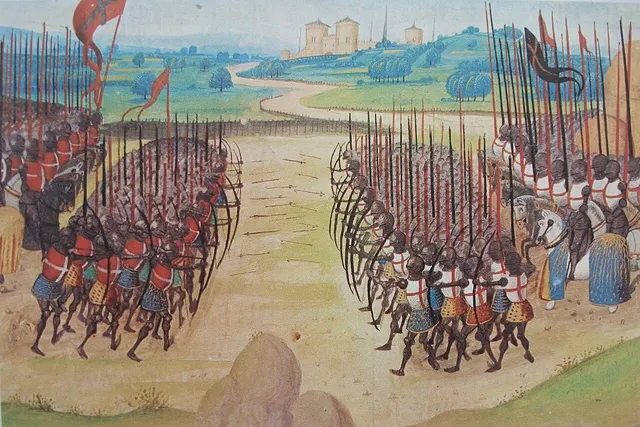
The Battle of Agincourt in a fifteenth-century miniature.
Image creditUnknown · Public domainResized and cropped for display.

Agincourt

Early on 25 October 1415 — the feast of Saint Crispin — Henry V drew up his army on a newly ploughed field between two woods in northern France. He had perhaps 6,000 men, some 5,000 of them archers; the French numbered somewhere between 20,000 and 30,000.

Fighting began about eleven in the morning, when the English longbows came within killing range of the advancing French knights. The narrow, muddy ground gave the French no room to use their numbers. In about three hours it was over: English losses were around 400, French losses around 6,000.

The victory strengthened Henry’s claim to the French crown and led on to the Treaty of Troyes, which named him heir to it. Shakespeare gave the day its second life.

Read the full storyHistory & Timeline →Source: Encyclopaedia Britannica: Battle of Agincourt ↗
The Charge of the Light Brigade, in a lithograph after the war artist William Simpson.
Image creditWilliam Simpson (painter, 1823-1899) E. Walker (lithographer, unknown) Published by Goupil & Cie, Paris, and Day & Son, London. · Public domainResized and cropped for display.

The Charge of the Light Brigade

The Battle of Balaclava was fought in the Crimea on 25 October 1854. It produced two of the most retold episodes in British military history on the same morning: the ‘thin red line’ of the 93rd Highlanders standing against Russian cavalry, and the Charge of the Light Brigade.

The charge came from a garbled order. Lord Raglan wanted the guns the Russians had captured earlier recovered; what the Light Brigade understood, partly through Captain Nolan’s delivery of the message, was an order to ride straight at the Russian batteries at the end of the valley. Of the 673 who set off, more than 260 were killed or wounded.

The battle itself ended in stalemate. Tennyson’s poem, written within weeks, made the blunder immortal.

Read the full storyHistory & Timeline →Source: National Army Museum: Battle of Balaklava ↗
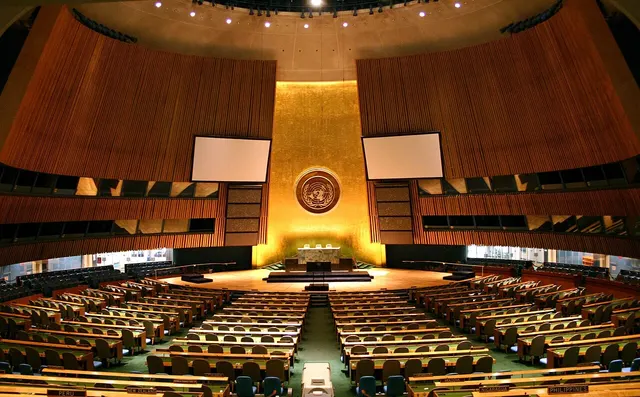
The General Assembly hall at the United Nations headquarters in New York.
Image creditPatrick Gruban, cropped and downsampled by Pine · CC BY-SA 2.0Resized and cropped for display.

China’s seat at the United Nations changes hands

On 25 October 1971 the United Nations General Assembly adopted Resolution 2758, recognising the representatives of the People’s Republic of China as the only lawful representatives of China at the United Nations and as one of the five permanent members of the Security Council.

The vote was 76 in favour, 35 against and 17 abstentions. Until then China had been represented at the UN by the government of the Republic of China, on Taiwan.

A representative of the People’s Republic took part in the Security Council for the first time on 23 November 1971.

Read the full storyHistory & Timeline →Source: United Nations Digital Library: Resolution 2758 (XXVI), restoration of the lawful rights of the People’s Republic of China in the United Nations ↗
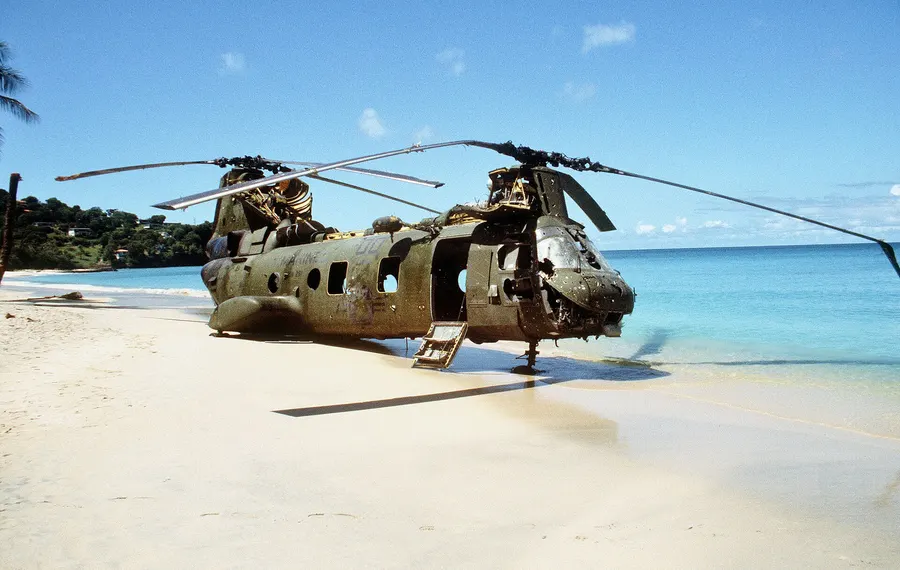
A United States Marine Corps CH-46 Sea Knight helicopter on Grenada in 1983.
Image creditSPEC. Long · Public domainResized and cropped for display.

American forces land on Grenada

United States forces began landing on Grenada on 25 October 1983, six days after the Caribbean island’s prime minister, Maurice Bishop, was deposed and shot by hardliners within his own New Jewel Movement.

Army Rangers went in first, followed by the 82nd Airborne Division and the Marines, with about 300 soldiers from the Organisation of Eastern Caribbean States. The legal case for the operation rested largely on a request for help from Grenada’s governor-general, Sir Paul Scoon, and from the OECS.

Resistance from Cuban construction workers and Grenadian troops was stiff in places, but the island was secured by 27 October. Nineteen Americans were killed.

Read the full storyHistory & Timeline →Source: US Army Center of Military History: Operation Urgent Fury, the invasion of Grenada ↗
♙
PEOPLE

Born Today

Évariste Galois
Image creditUnknown authorUnknown author · Public domainResized and cropped for display.

Évariste Galois

French mathematician who founded group theory as a teenager and was killed in a duel at twenty.

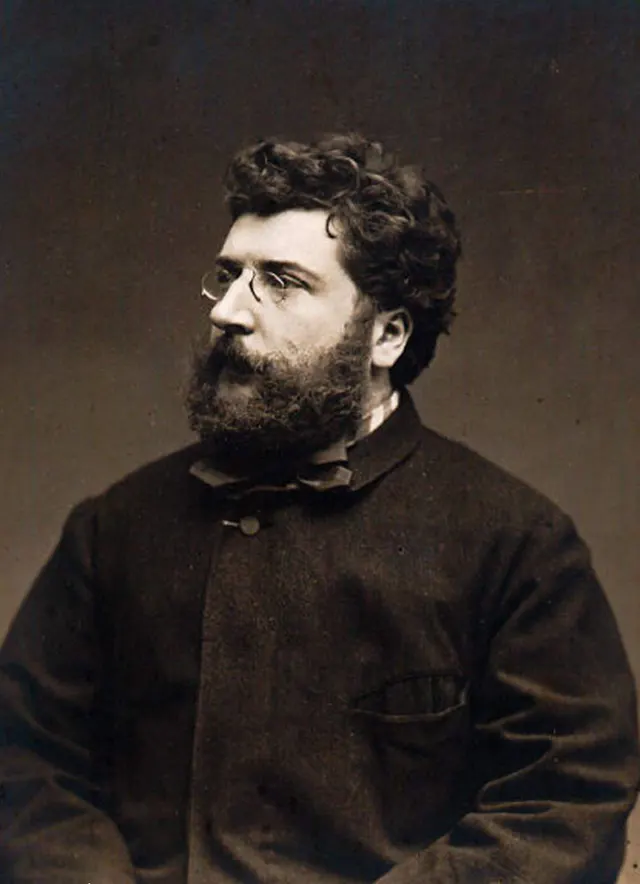
Georges Bizet
Image creditÉtienne Carjat · Public domainResized and cropped for display.

Georges Bizet

French composer of Carmen, which was a failure at its premiere and became one of the most performed operas in the world.

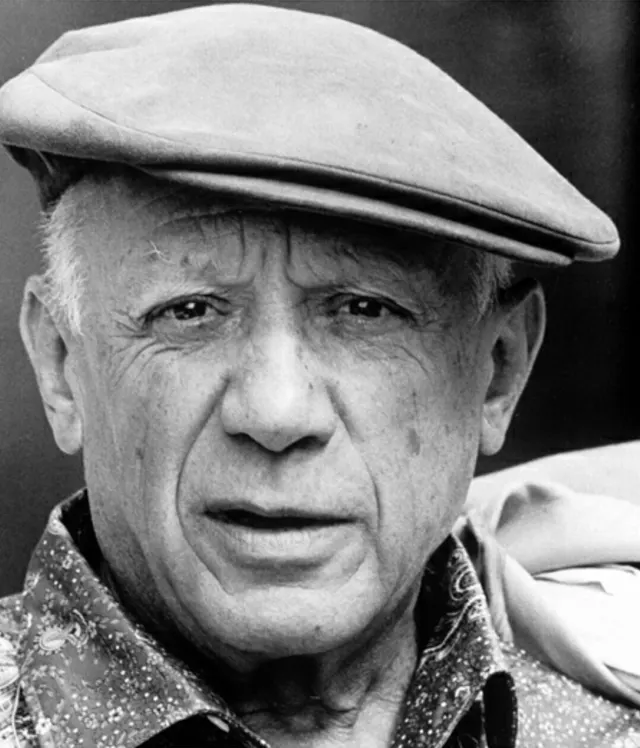
Pablo Picasso
Image creditArgentina. Revista Vea y Lea · Public domainResized and cropped for display.

Pablo Picasso

Spanish painter and sculptor, co-founder of Cubism and the most restlessly inventive artist of the twentieth century.

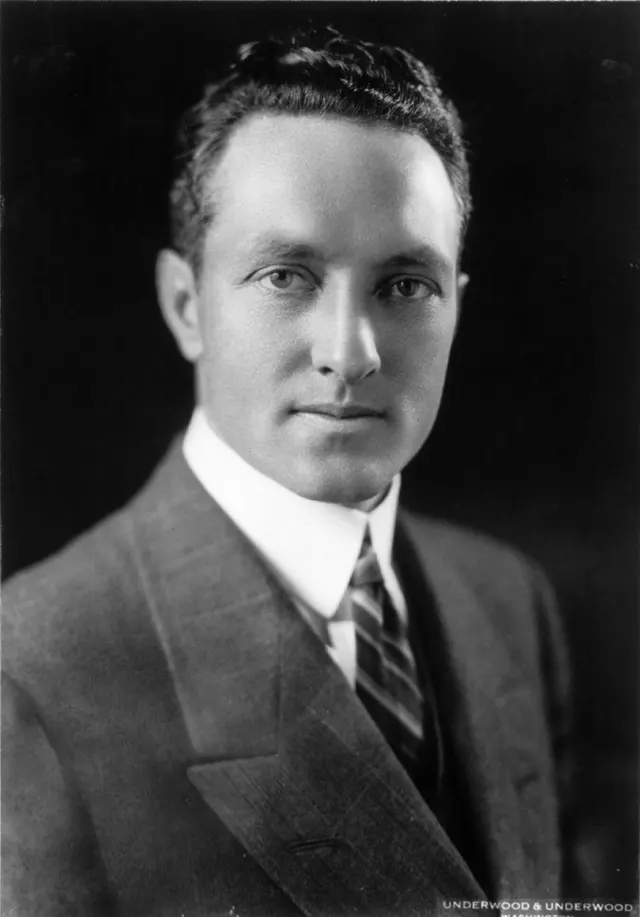
Richard E. Byrd
Image creditUnderwood & Underwood · Public domainResized and cropped for display.

Richard E. Byrd

American naval officer and polar explorer who led five Antarctic expeditions.

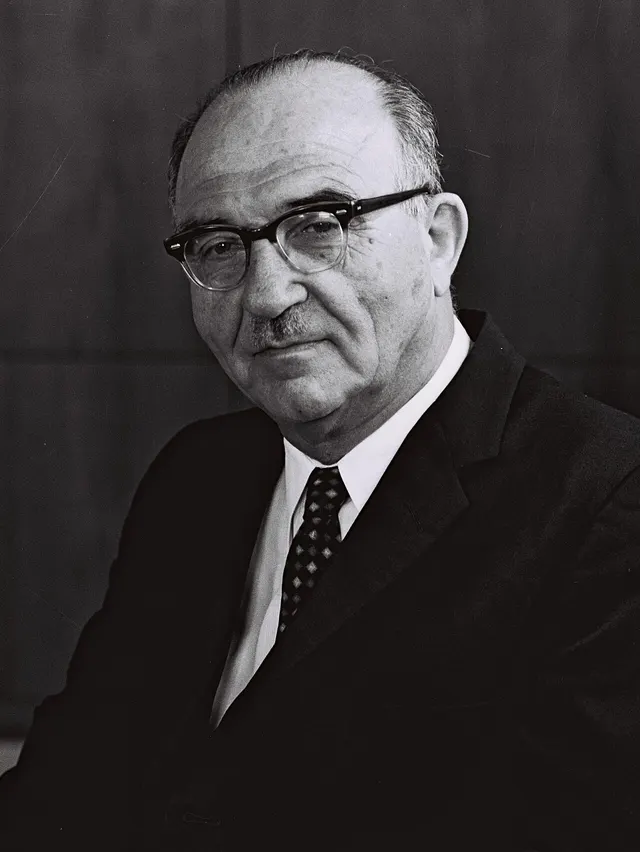
Levi Eshkol
Image creditDavid Eldan · CC BY-SA 4.0Resized and cropped for display.

Levi Eshkol

Israeli politician and the country’s third prime minister, in office during the Six-Day War.

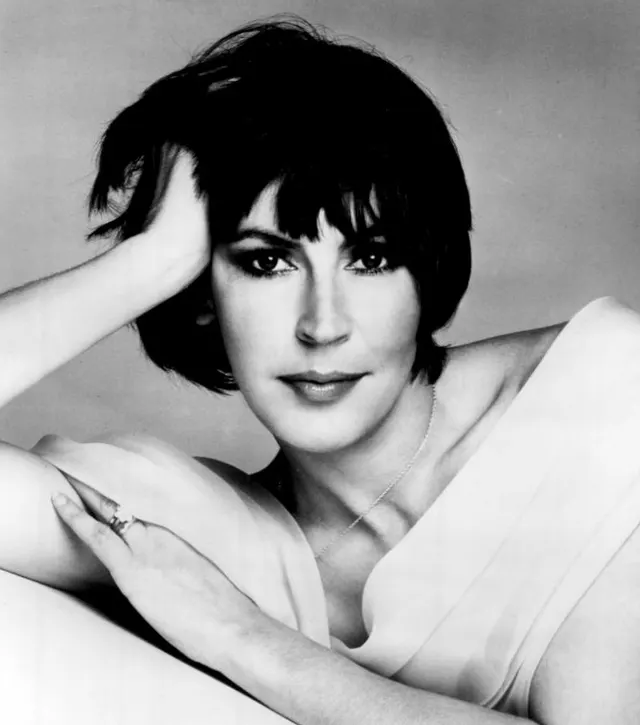
Helen Reddy
Image creditFrancesco Scavullo · Public domainResized and cropped for display.

Helen Reddy

Australian singer whose ‘I Am Woman’ became an anthem of the women’s movement.

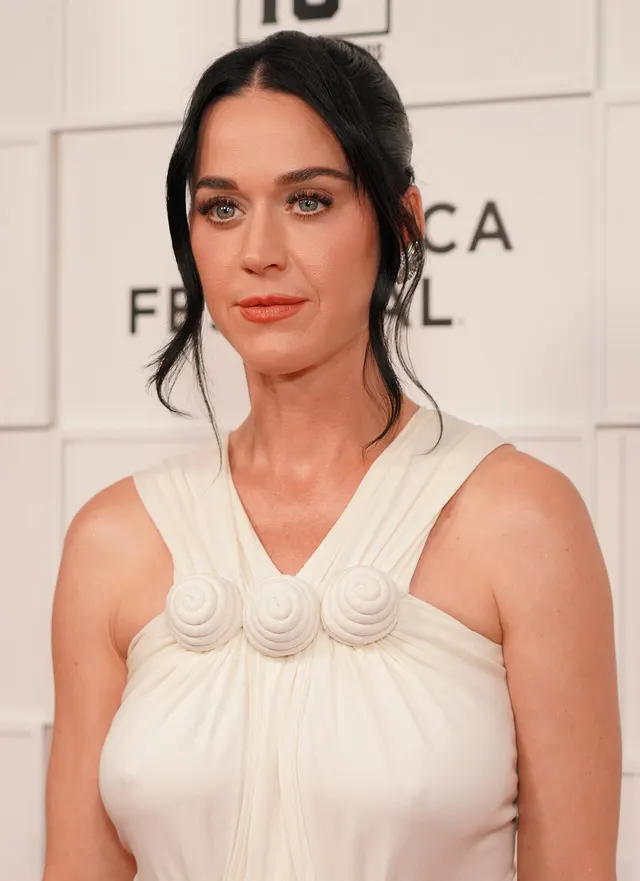
Katy Perry
Image creditColleen Sturtevant · CC BY-SA 4.0Resized and cropped for display.

Katy Perry

American singer and songwriter, one of the best-selling recording artists of the 2010s.

◉
IDEAS THAT CHANGED THINGS

Firsts, Science & Discoveries

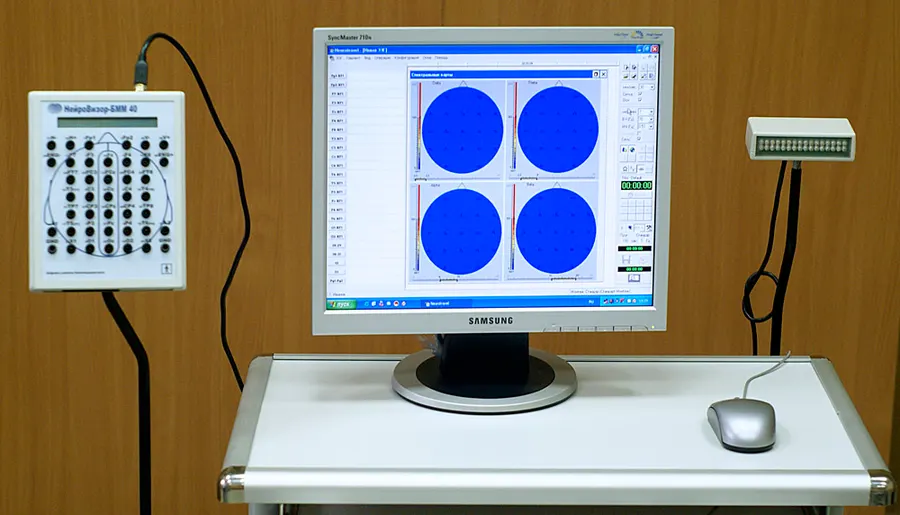
An electroencephalograph running Windows XP, its taskbar visible at the foot of the screen; no freely licensed picture of the 2001 launch exists.
Image creditЮрий Петрович Маслобоев / Yury Petrovich Masloboev · CC BY-SA 3.0Resized and cropped for display.

Windows XP goes on sale

Microsoft launched Windows XP worldwide on 25 October 2001 with an event in Times Square in New York, where Bill Gates gave the keynote address.

XP was the first consumer version of Windows built on the more robust Windows NT foundations rather than the old MS-DOS line. It proved extraordinarily long-lived: more than 400 million copies were in use by early 2006, and machines were still running it years after support ended.

Read the full storyHistory & Timeline →Source: Microsoft: Windows XP is here! ↗
♫
MUSIC • FILM • BOOKS • CULTURE

Culture Stories

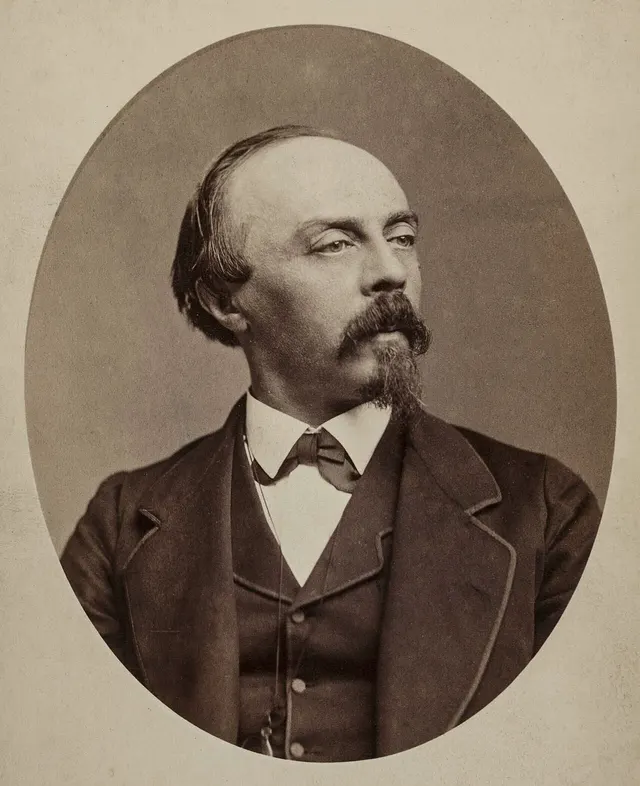
Hans von Bülow, who gave the first performance.
Image creditGeorge Kendall Warren · Public domainResized and cropped for display.

Tchaikovsky’s First Piano Concerto is heard for the first time — in Boston

Tchaikovsky’s Piano Concerto No. 1 in B flat minor had its first performance at the Music Hall in Boston on 25 October 1875, with Hans von Bülow as soloist and Benjamin Johnson Lang conducting.

The composer had hoped his friend Nikolai Rubinstein would introduce it; Rubinstein told him it was worthless and unplayable. Von Bülow took it up instead, and the American premiere was a success. It is now among the most played of all piano concertos.

Read the full storyHistory & Timeline →Source: Boston Symphony Orchestra: Tchaikovsky, Piano Concerto No. 1 in B flat minor, Opus 23 ↗
✦
LIVES REMEMBERED

Remembered Today

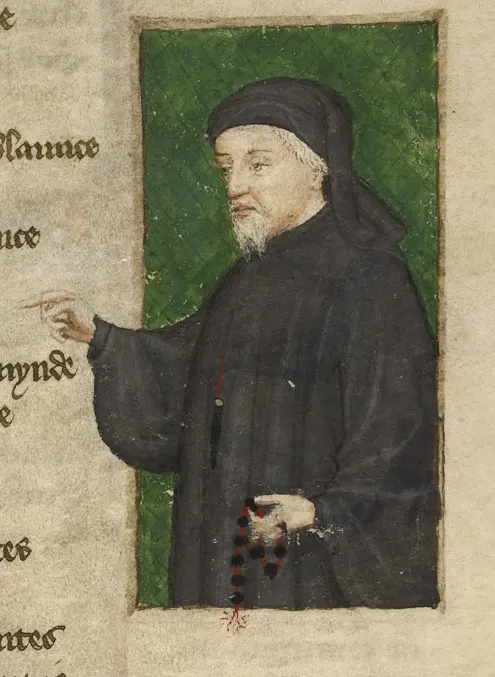
Geoffrey Chaucer
Image creditUnknown authorUnknown author · Public domainResized and cropped for display.

Geoffrey Chaucer

English poet, author of The Canterbury Tales and the first writer buried in what became Poets’ Corner. His death is recorded under the Julian calendar.

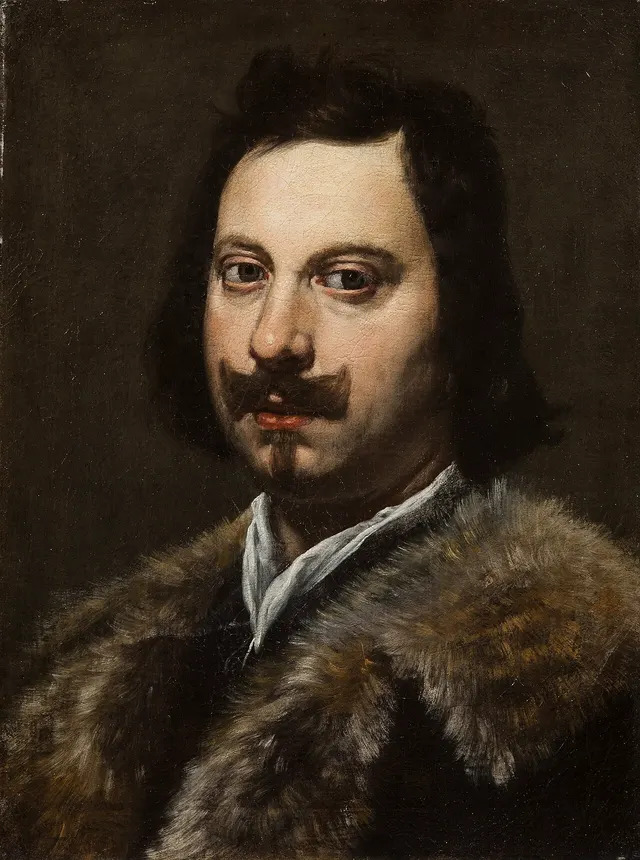
Evangelista Torricelli
Image creditLorenzo Lippi · Public domainResized and cropped for display.

Evangelista Torricelli

Italian physicist who invented the barometer and showed that the atmosphere has weight.

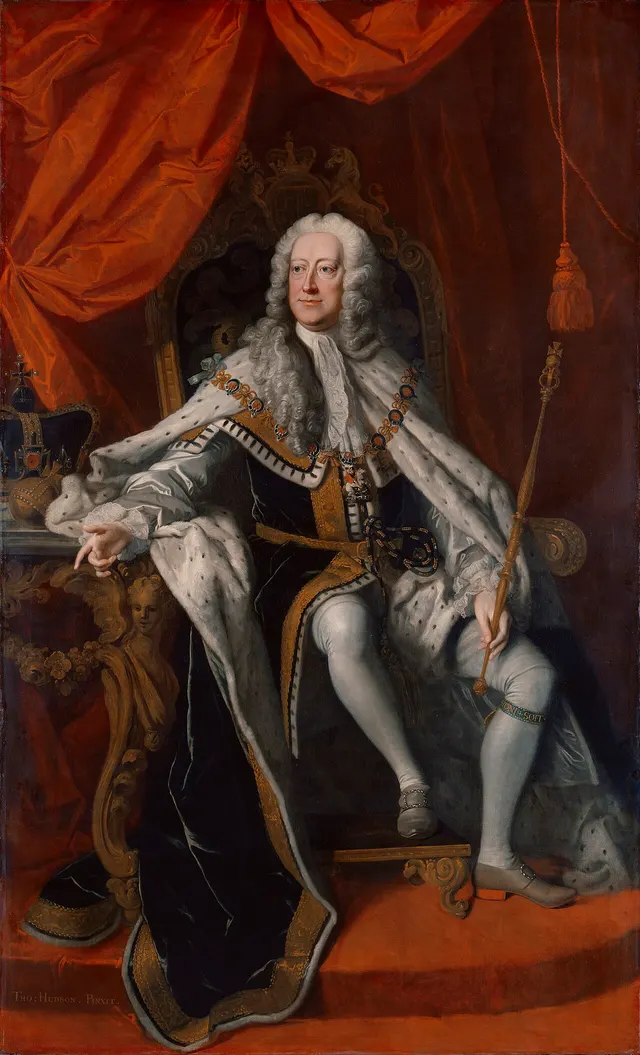
George II
Image creditThomas Hudson · Public domainResized and cropped for display.

George II

King of Great Britain and Ireland for thirty-three years, and the last British monarch to lead an army in the field.

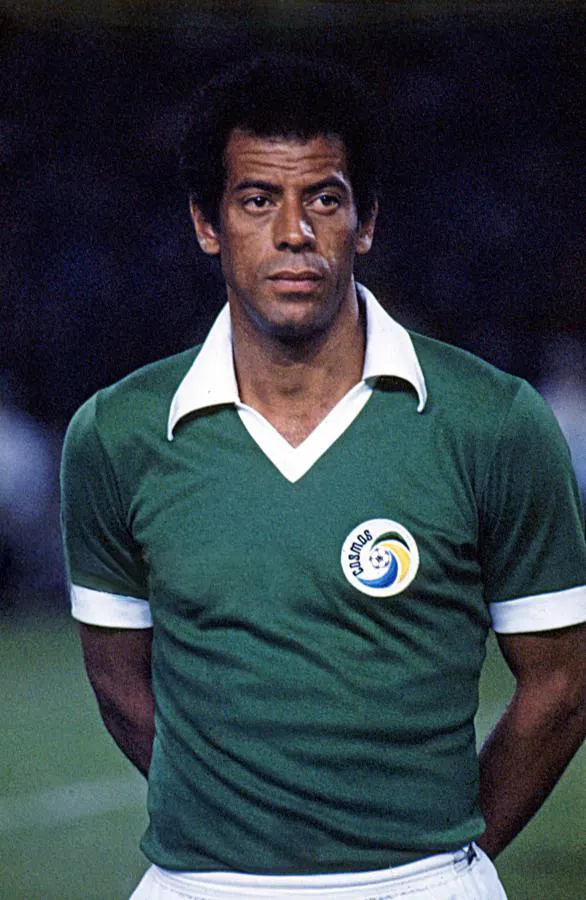
Carlos Alberto Torres
Image creditUnknown authorUnknown author · Public domainResized and cropped for display.

Carlos Alberto Torres

Brazilian defender who captained the 1970 World Cup side and scored the last goal of that final.

HISTORY & TIMELINE

Finished the highlights?

Follow 25 October chronologically, from the Middle Ages to the modern day, with 8 verified events and the sources behind them.

This day through time →