Explore 29 October

Explore 29 October: the Turkish republic is proclaimed at Ankara, Israeli troops cross into Sinai and start the Suez Crisis, Wall Street has its blackest day, and two letters travel between two computers and begin the internet.

This day through time →7 verified events across 3 eras

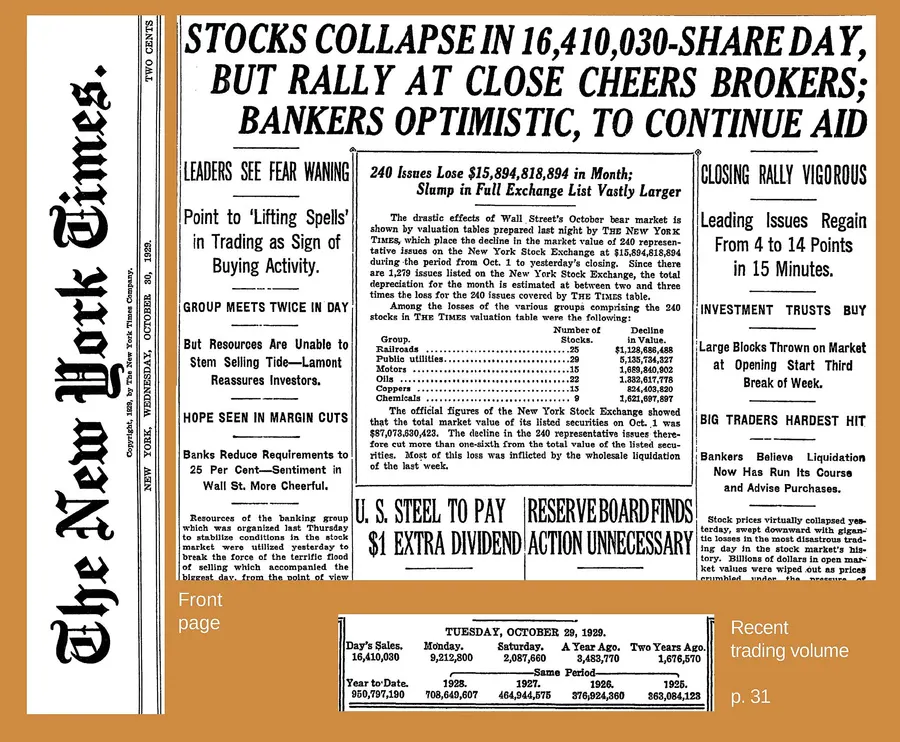
The New York Times front page of 30 October 1929, reporting the previous day's trading.
The New York Times front page of 30 October 1929, reporting the previous day’s trading.
Image creditWork for hire of The New York Times · Public domainResized and cropped for display.

Black Tuesday

Tuesday 29 October 1929 was the day the panic peaked on the New York Stock Exchange. A record 16.4 million shares changed hands and the Dow fell another 12 per cent, closing at 198 — down 183 points in less than two months.

Over the four trading days from Black Thursday on the 24th to Black Tuesday, the Dow lost about a quarter of its value. It is generally taken as the last day of the crash, but not of the fall: by mid-November the index had lost almost half its value, and it kept sliding until the summer of 1932, when it closed at 41.22 — 89 per cent below its peak.

The crash did not on its own cause the Great Depression, but it marked the end of the boom and the start of the decade that followed.

Read the full storyHistory & Timeline →Source: Federal Reserve History: Stock market crash of 1929 ↗
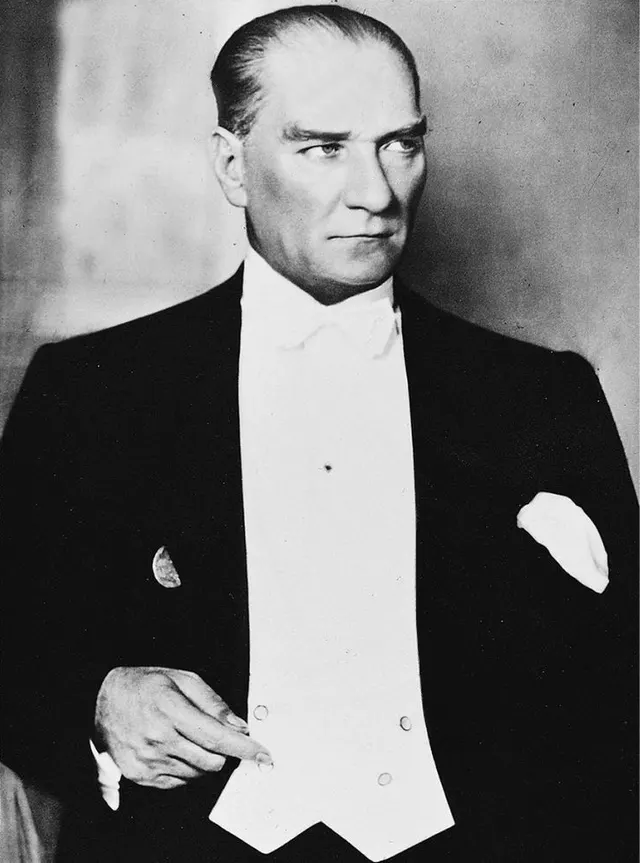
Mustafa Kemal Atatürk.
Image creditUnknown authorUnknown author · Public domainResized and cropped for display.

The Turkish republic is proclaimed

The Grand National Assembly at Ankara declared Turkey a republic on 29 October 1923 and elected Mustafa Kemal — later Atatürk — as its first president. The Ottoman sultanate had already been abolished; the caliphate followed in March 1924.

The assembly itself had been created in 1920, after Allied forces occupied Istanbul and dissolved the Ottoman parliament, and had run the war of independence from Anatolia.

A republican constitution was adopted in April 1924. It kept Islam as the state religion until 1928, when the clause was removed and the republic became formally secular. The day is Turkey’s national holiday.

Read the full storyHistory & Timeline →Source: Encyclopaedia Britannica: Turkey, declaration of the Turkish republic ↗
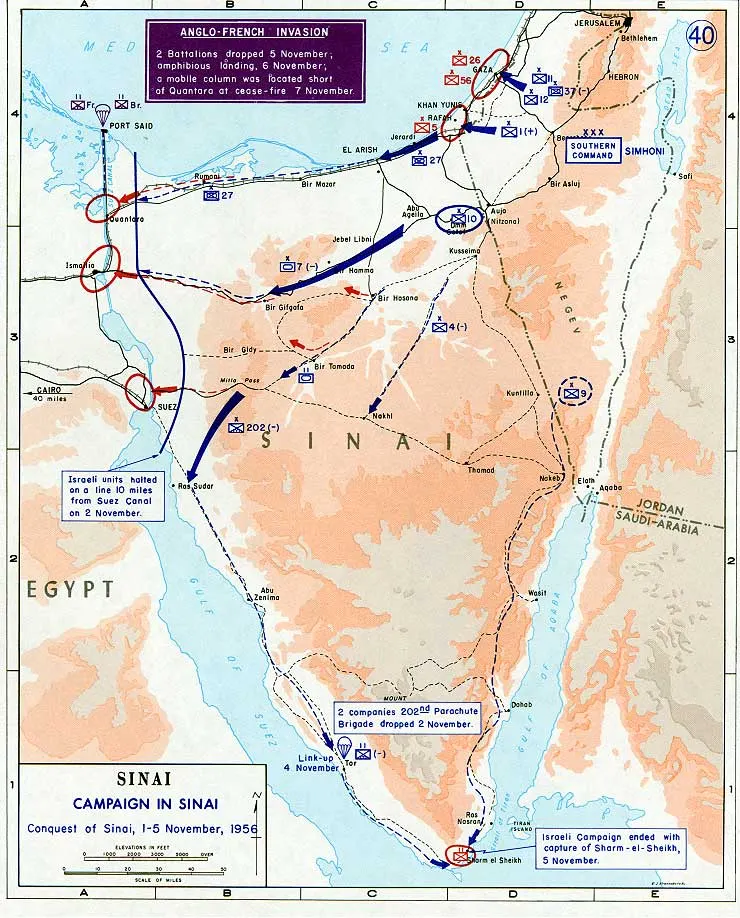
A map of the Israeli advance across Sinai in 1956.
Image creditUnknown · Public domainResized and cropped for display.

The Suez Crisis begins

Israeli forces crossed into Egypt’s Sinai peninsula on 29 October 1956 and advanced to within ten miles of the Suez Canal. Within five days they had taken Gaza, Rafah and al-Arish and most of the peninsula east of the canal.

The invasion was agreed in secret with Britain and France, who had lost control of the canal when Nasser nationalised it in July. The plan was that Israel would attack, and the two European powers would then intervene as peacemakers and occupy the waterway.

It worked militarily and failed completely in every other way. American pressure and resolutions at the United Nations forced a ceasefire on 6-7 November. British and French troops left in December, Israeli forces in March 1957. The crisis is usually treated as the moment Britain’s standing as a world power ended.

Read the full storyHistory & Timeline →Source: US Department of State, Office of the Historian: The Suez Crisis, 1956 ↗
♙
PEOPLE

Born Today

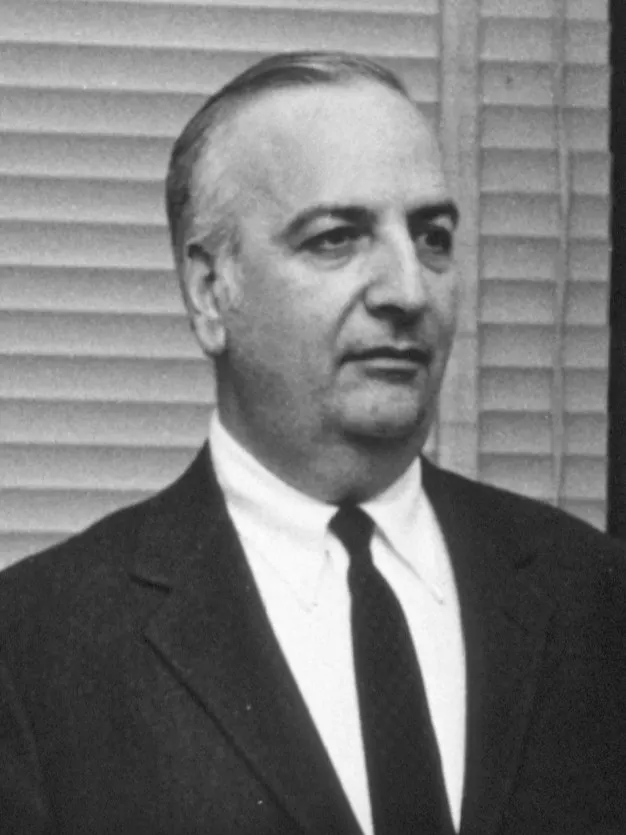
Baruj Benacerraf
Image creditUnknown authorUnknown author · Public domainResized and cropped for display.

Baruj Benacerraf

Venezuelan-American immunologist who shared the 1980 Nobel Prize for showing how genes govern the immune response.

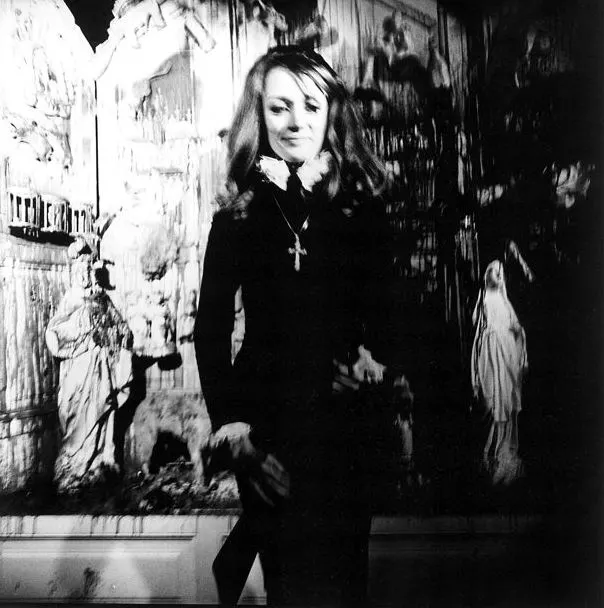
Niki de Saint Phalle
Image creditLothar Wolleh · CC BY-SA 3.0Resized and cropped for display.

Niki de Saint Phalle

French-American artist of the vast, brightly coloured Nanas and of the Tarot Garden in Tuscany.

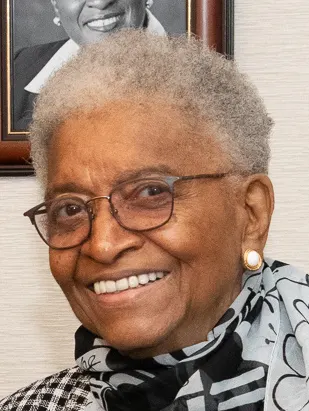
Ellen Johnson Sirleaf
Image creditPMO Barbados · Public domainResized and cropped for display.

Ellen Johnson Sirleaf

Liberian economist and president, the first woman elected head of state in Africa, and a Nobel peace laureate.

Edwin van der Sar
Image creditWeb Summit · CC BY 2.0Resized and cropped for display.

Edwin van der Sar

Dutch goalkeeper who won the Champions League with Ajax and Manchester United.

Winona Ryder
Image creditHarald Krichel · CC BY-SA 4.0Resized and cropped for display.

Winona Ryder

American actress, from Heathers and Beetlejuice to Stranger Things.

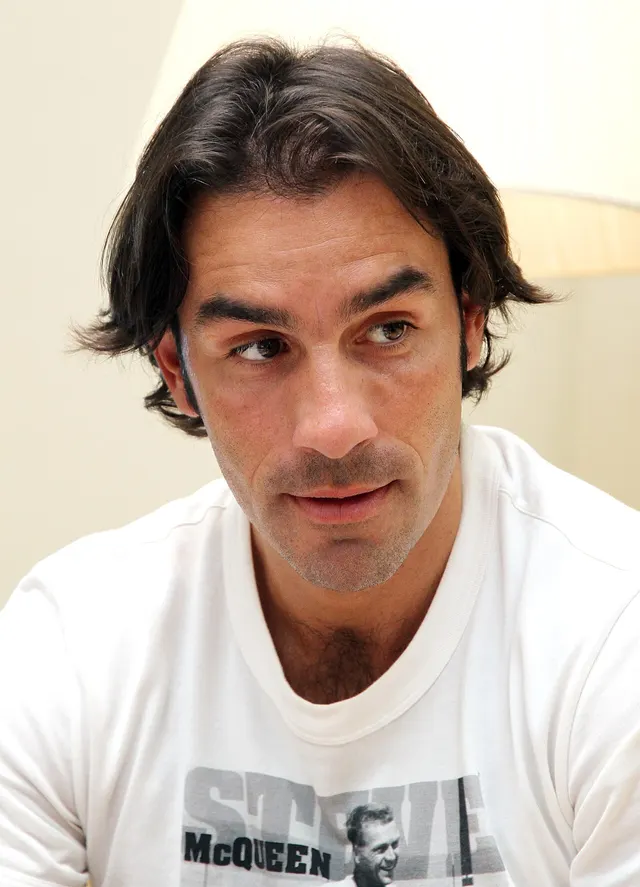
Robert Pires
Image creditDoha Stadium Plus Qatar · CC BY 2.0Resized and cropped for display.

Robert Pires

French midfielder, a World Cup winner in 1998 and part of Arsenal’s unbeaten league season.

◉
IDEAS THAT CHANGED THINGS

Firsts, Science & Discoveries

An Interface Message Processor, the refrigerator-sized machine that connected each ARPANET site.
Image creditSteve Jurvetson from Menlo Park, USA · CC BY 2.0Resized and cropped for display.

The first message on the ARPANET

On 29 October 1969 a student called Charley Kline, working with Leonard Kleinrock in room 3420 of UCLA’s Boelter Hall, tried to send the word LOGIN to a machine at the Stanford Research Institute in Menlo Park. The system crashed after two letters.

‘LO’, Kleinrock later said, turned out to be a good first word — as in lo and behold. The link was restored shortly afterwards and the full message went through.

Two computers talking to each other over a distance is now unremarkable. That evening it was the first time it had happened on the network that became the internet.

Read the full storyHistory & Timeline →Source: UCLA: Leonard Kleinrock ↗
♫
MUSIC • FILM • BOOKS • CULTURE

Culture Stories

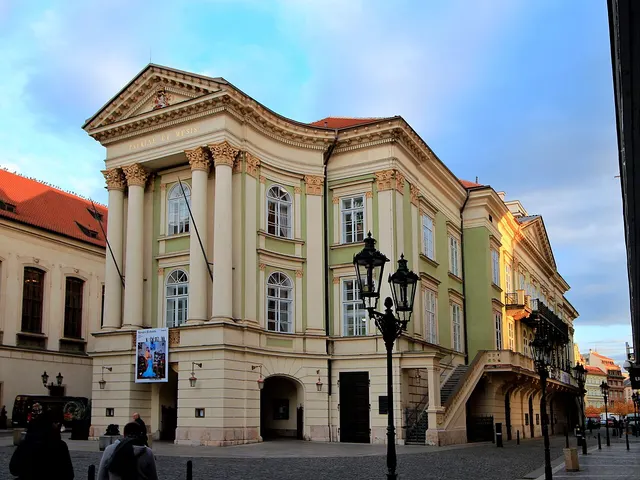
The Estates Theatre in Prague, where Mozart conducted the first performance.
Image creditVitVit · CC BY-SA 4.0Resized and cropped for display.

Don Giovanni opens in Prague

Mozart conducted the first performance of Don Giovanni at the Estates Theatre in Prague on 29 October 1787, to a libretto by Lorenzo da Ponte. Prague had taken to Figaro in a way Vienna had not, and the new opera was commissioned for the city.

It was a great success, and went on from there to the rest of Europe. The Estates Theatre still stands and still works — the only surviving theatre in which Mozart conducted the premiere of one of his own operas.

Read the full storyHistory & Timeline →Source: National Theatre, Prague: The Estates Theatre, history ↗
✦
LIVES REMEMBERED

Remembered Today

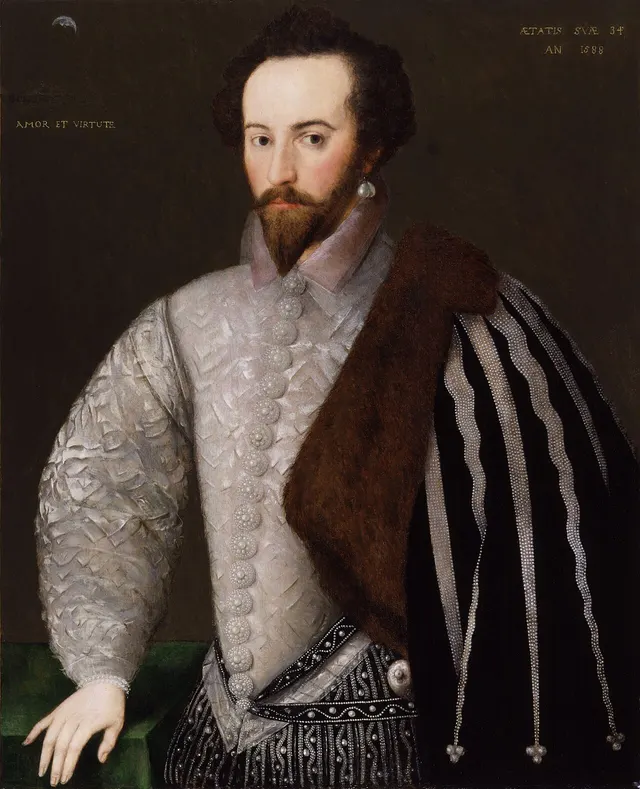
Walter Raleigh
Image creditanonymous · Public domainResized and cropped for display.

Walter Raleigh

English soldier, courtier, explorer and writer, beheaded at Westminster on a charge revived after fifteen years. His death is recorded under the Julian calendar.

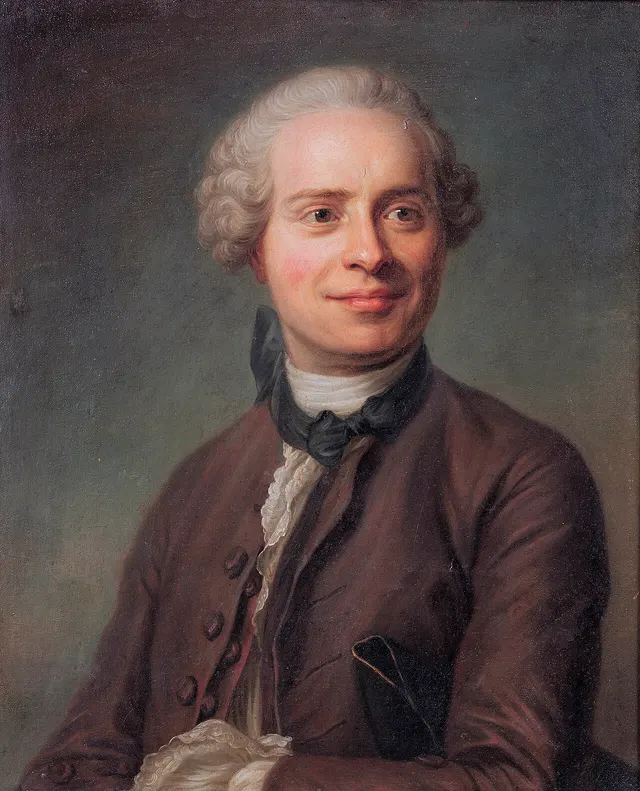
Jean Le Rond d'Alembert
Image creditAfter Maurice Quentin de La Tour · Public domainResized and cropped for display.

Jean Le Rond d’Alembert

French mathematician and philosopher, co-editor of the Encyclopédie and the author of its Preliminary Discourse.

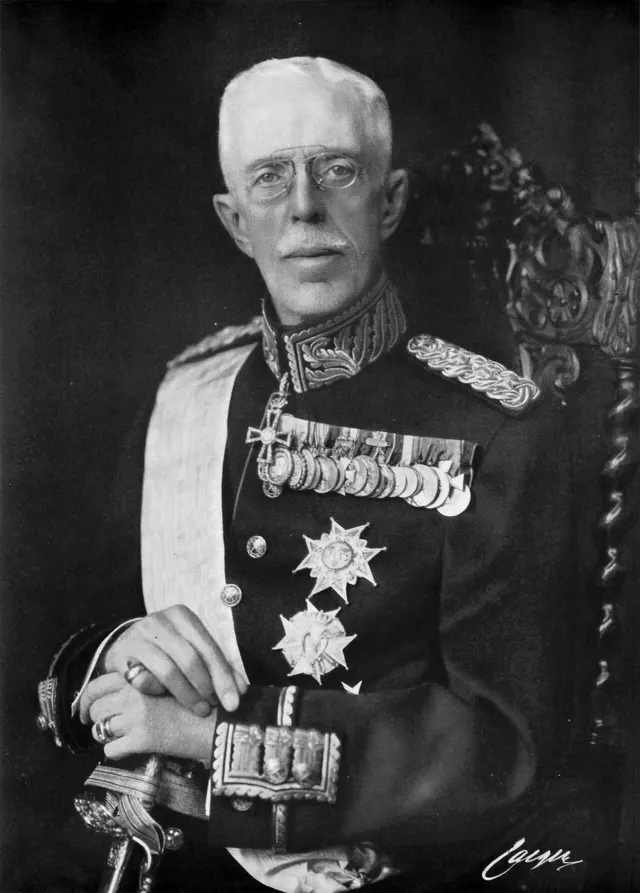
Gustaf V
Image creditHerrman Sylwander · Public domainResized and cropped for display.

Gustaf V

King of Sweden for forty-three years, through two world wars in which his country stayed neutral.

Georges Brassens
Image creditRoger Pic · Public domainResized and cropped for display.

Georges Brassens

French singer and poet, the wry, anarchic master of the chanson.

HISTORY & TIMELINE

Finished the highlights?

Follow 29 October chronologically, from the Middle Ages to the modern day, with 7 verified events and the sources behind them.

This day through time →