Explore 10 October

Explore 10 October: Fiji takes back its independence on the anniversary of losing it, a mutiny in Wuchang topples the last Chinese dynasty, Cuba’s long fight with Spain begins and Tokyo opens the first Olympics carried live by satellite. Meet Fridtjof Nansen, Harold Pinter and Henry Cavendish, born on this date.

This day through time →9 verified events across 4 eras

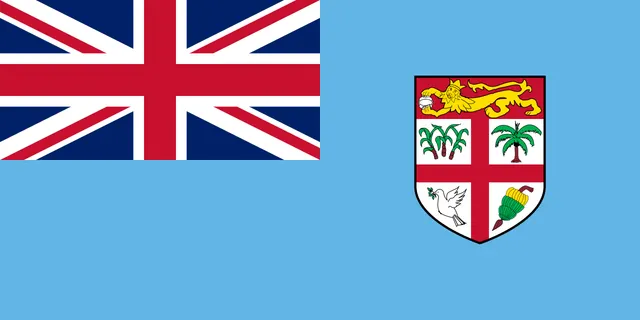
The flag of Fiji, adopted at independence in 1970.
Image creditTessa Mackenzie · Public domainResized and cropped for display.

Fiji chooses the anniversary of its own annexation

Fiji became independent of Britain on 10 October 1970 and stayed in the Commonwealth. The date was deliberate: it was exactly ninety-six years since the Deed of Cession of 10 October 1874, when Fiji had become a British crown colony.

The cession itself had followed an offer from Cakobau and the Council of Chiefs, who in August 1874 gave Fiji ‘unreservedly to the Queen of Britain’. The 1970 constitution kept the protection of Fijian land rights that the Deed had promised, and gave the chiefs an effective veto over changes affecting Fijians.

Read the full storyHistory & Timeline →Source: Encyclopaedia Britannica: History of Fiji ↗
Beiyang Army troops under Yuan Shikai on their way to Hankou to fight the revolutionaries, from a postcard published in 1911.
Image creditUnknown authorUnknown author · Public domainResized and cropped for display.

A mutiny in Wuchang ends two thousand years of empire

On 10 October 1911 soldiers of the imperial garrison at Wuchang, one of the three cities that make up Wuhan, mutinied. It was hastily arranged and entirely local: a bomb had gone off by accident the day before, a list of conspirators had been found, and a number of junior officers had to choose between arrest and revolt. Within a day the rebels held the arsenal and the governor-general’s offices.

The anger behind it had been building since May, when the court nationalised two railway lines and borrowed against them from a consortium of foreign banks, ruining local investors in Sichuan. City after city now declared against the Qing. On 12 February 1912 the boy emperor Puyi abdicated, ending both the dynasty and imperial rule in China. The date is still kept as Double Ten Day.

Read the full storyHistory & Timeline →Source: Encyclopaedia Britannica: Chinese Revolution of 1911-12 ↗
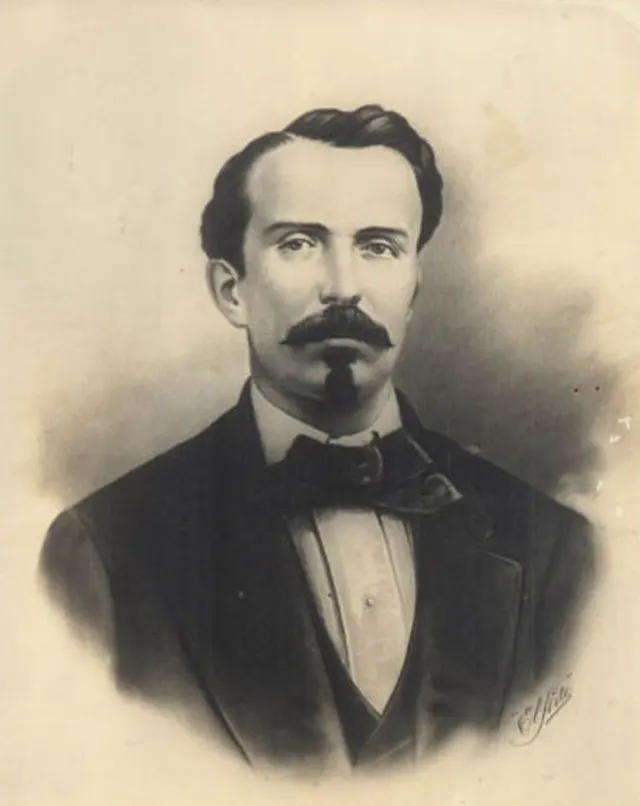
Carlos Manuel de Céspedes, who freed his own slaves and called for Cuban independence.
Image creditElfisie · Public domainResized and cropped for display.

Cuba’s ten-year war against Spain begins

On 10 October 1868 Carlos Manuel de Céspedes, a planter in eastern Cuba, issued the declaration known as the Grito de Yara - the Cry of Yara - proclaiming Cuban independence. He had about 147 poorly armed men. By the end of the month he had 12,000 volunteers and some striking successes.

The Ten Years’ War that followed was driven by different hopes: landowners wanted economic and political independence from a corrupt and heavily taxing administration, while farmers and labourers wanted slavery abolished. It ended in an armistice in 1878 on promises of reform that were largely not kept, and Céspedes is remembered in Cuba as the father of the country.

Read the full storyHistory & Timeline →Source: Encyclopaedia Britannica: Ten Years’ War ↗
♙
PEOPLE

Born Today

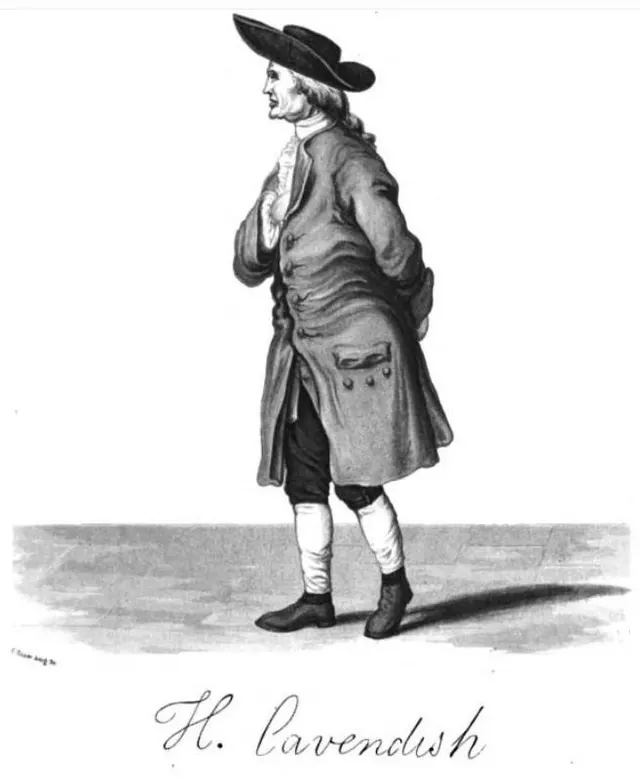
Henry Cavendish
Image creditGeorge Wilson · Public domainResized and cropped for display.

Henry Cavendish

English natural philosopher who identified hydrogen and, almost as a private hobby, weighed the Earth.

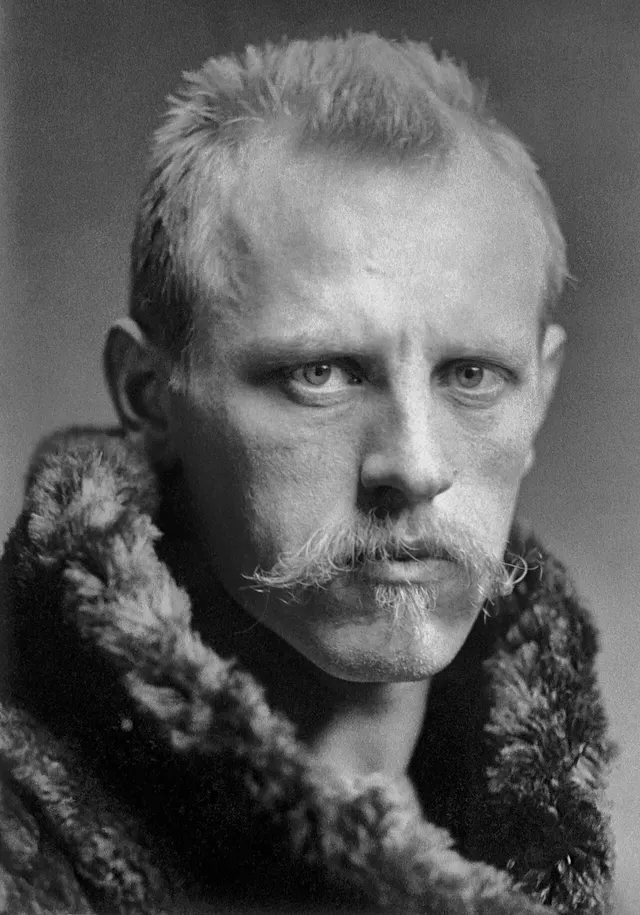
Fridtjof Nansen
Image creditHenry Van der Weyde · Public domainResized and cropped for display.

Fridtjof Nansen

Norwegian polar explorer who later organised relief for refugees and prisoners of war, and won the 1922 Nobel Peace Prize.

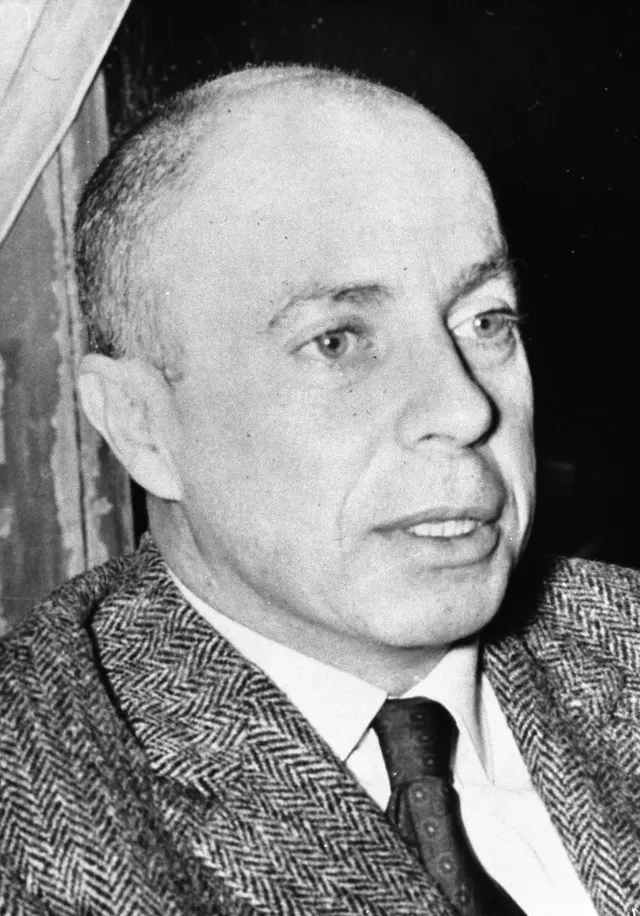
Harold Pinter
Image creditJack de Nijs for Anefo · CC0Resized and cropped for display.

Harold Pinter

English playwright whose pauses became as famous as his dialogue; he won the 2005 Nobel Prize in Literature.

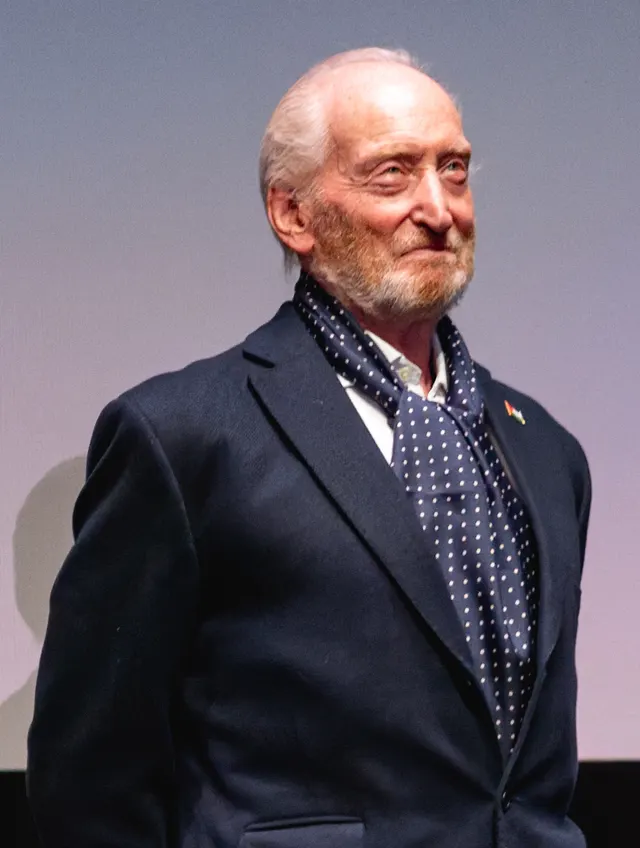
Charles Dance
Image creditRaph_PH · CC BY 4.0Resized and cropped for display.

Charles Dance

English actor of stage and screen, from The Jewel in the Crown to Game of Thrones.

Tony Adams
Image creditJade Moulds · Public domainResized and cropped for display.

Tony Adams

English footballer who captained Arsenal for fourteen years and played sixty-six times for England.

Xherdan Shaqiri
Image creditАнтон Зайцев · CC BY-SA 3.0Resized and cropped for display.

Xherdan Shaqiri

Swiss footballer, born in Kosovo, who has played for Bayern Munich, Liverpool and his country at four World Cups.

◉
IDEAS THAT CHANGED THINGS

Firsts, Science & Discoveries

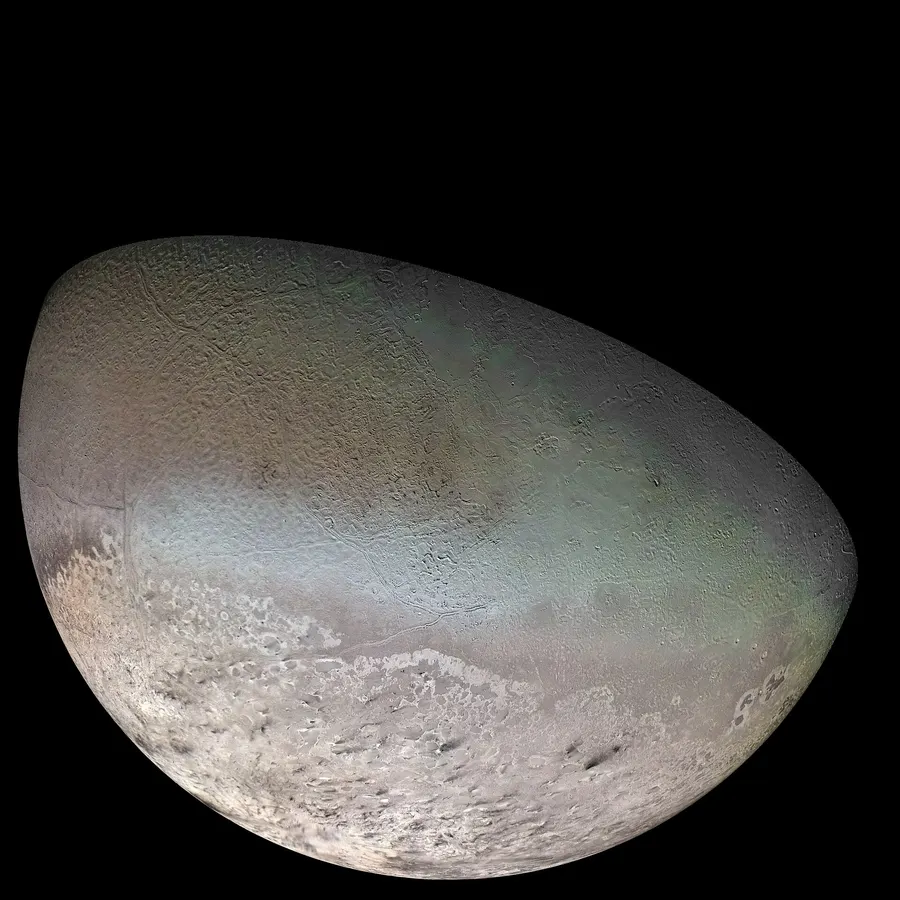
Triton, photographed by Voyager 2 in 1989 and assembled into a mosaic by the US Geological Survey.
Image creditNASA / Jet Propulsion Lab / U.S. Geological Survey · Public domainResized and cropped for display.

Neptune turns out to have a moon

On 10 October 1846 the English astronomer William Lassell, a brewer who built his own telescopes, was looking at the newly discovered planet Neptune, trying to confirm what he thought was a ring around it. The ring turned out to be a distortion produced by his own instrument. The moon he saw instead was real. Neptune had been found only seventeen days earlier.

Triton is the largest of Neptune’s moons and one of the strangest objects in the solar system: it is the only large moon that goes round its planet backwards, against the planet’s own rotation. Astronomers now think it was a Kuiper Belt object that strayed too close and was captured.

Read the full storyHistory & Timeline →Source: NASA Science: Triton ↗
☆
SPORTING HISTORY

Sporting Moments

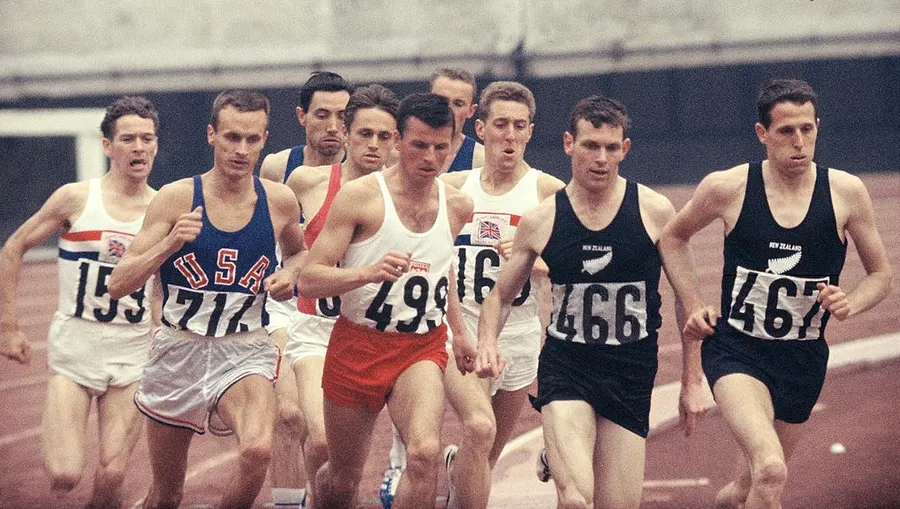
The men's 1500 metres final at the National Stadium during the Tokyo Games, 21 October 1964.
The men’s 1500 metres final at the National Stadium during the Tokyo Games, 21 October 1964.
Image creditUnknown (Asahi Shinbun) · Public domainResized and cropped for display.

Tokyo opens the first Olympics carried live by satellite

The Games of the XVIII Olympiad opened in Tokyo on 10 October 1964, the first to be held in Asia and the first whose opening ceremony was relayed live around the world by satellite. Somewhere between 600 and 800 million people are thought to have watched.

The Japanese government worked with NASA to use a communications satellite designed for telephone traffic, with new compression techniques that let it carry television pictures to North America and Europe in real time. These were also the first Games shown in colour. For Japan, nineteen years after the war, they were a deliberate demonstration that the country had rebuilt itself.

Read the full storyHistory & Timeline →Source: International Olympic Committee: Technological innovations at the Olympic Games Tokyo 1964 ↗
✦
LIVES REMEMBERED

Remembered Today

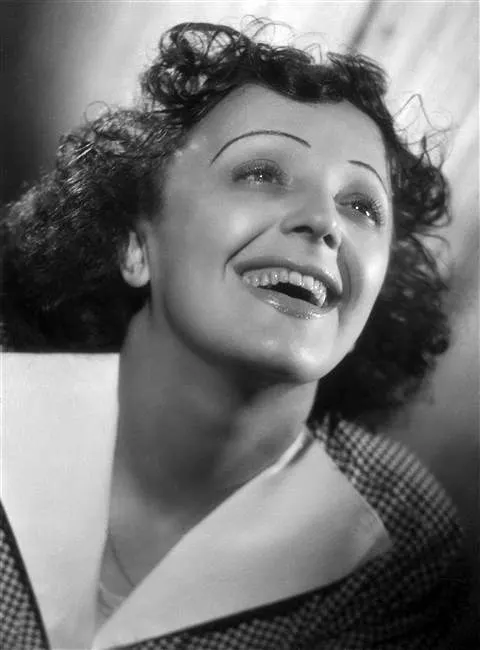
Édith Piaf
Image creditStudio Harcourt · Public domainResized and cropped for display.

Édith Piaf

French singer whose voice, and ‘Non, je ne regrette rien’, became part of the idea of Paris.

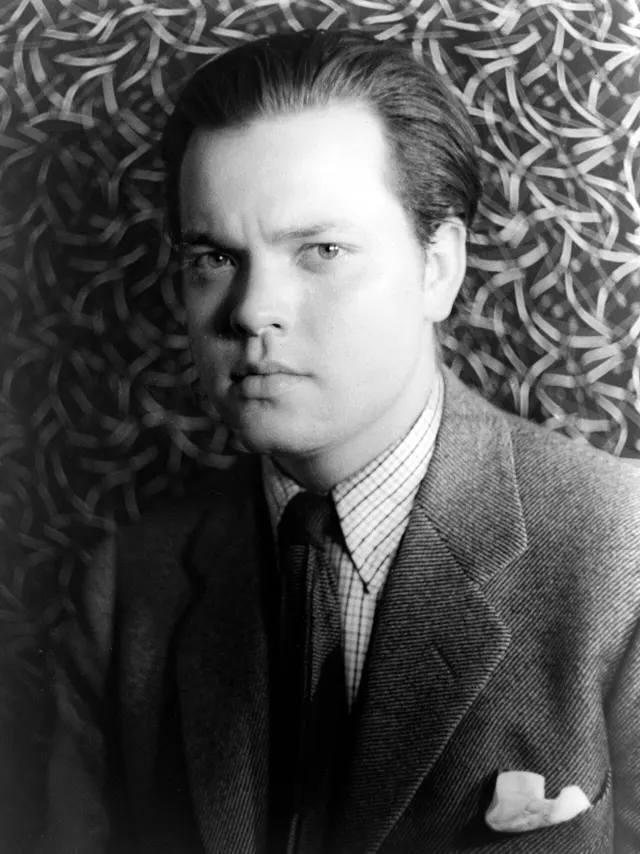
Orson Welles
Image creditCarl Van Vechten · Public domainResized and cropped for display.

Orson Welles

American director and actor who made Citizen Kane at twenty-five and spent his life fighting for the next film.

Christopher Reeve
Image creditJbfrankel · CC BY-SA 3.0Resized and cropped for display.

Christopher Reeve

American actor who played Superman and, after being paralysed in a riding accident, campaigned for spinal injury research.

☉
AROUND THE WORLD

Observances & Anniversaries

HISTORY & TIMELINE

Finished the highlights?

Follow 10 October chronologically, from the Middle Ages to the modern day, with 9 verified events and the sources behind them.

This day through time →