Explore 7 October

Explore 7 October: the galleys meet at Lepanto in 1571, East Germany is founded, Mother Teresa’s order begins in Calcutta and a Soviet camera sees the far side of the Moon for the first time. Meet Desmond Tutu, Niels Bohr and Yo-Yo Ma, born on this date.

This day through time →8 verified events across 4 eras

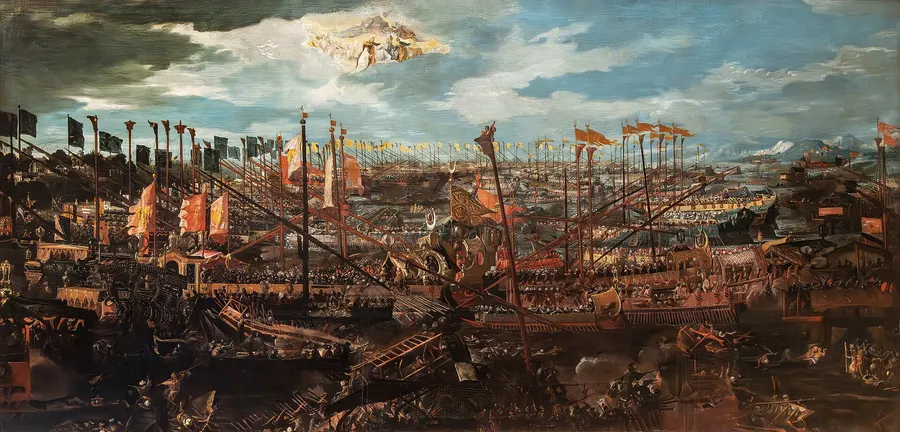
Andrea Vicentino's painting of the battle of Lepanto, in the Correr Museum, Venice.
Andrea Vicentino’s painting of the battle of Lepanto, in the Correr Museum, Venice.
Image creditDidier Descouens · Public domainResized and cropped for display.

The last great battle of the galleys

The fleets of the Holy League and of the Ottoman Empire met off south-western Greece on 7 October 1571. The League - Venice, Spain and the Papal States, with ships from Genoa, Malta and Savoy - was commanded by Don Juan de Austria; the Ottoman fleet by Ali Pasha. The fighting followed an Ottoman campaign to take the Venetian island of Cyprus.

After about four hours the League had won, capturing 117 galleys. It was the first substantial defeat of an Ottoman fleet by a Christian one, and it was the last great battle fought almost entirely by oared ships. It did not, however, win back Cyprus.

Read the full storyHistory & Timeline →Source: Encyclopaedia Britannica: Battle of Lepanto ↗
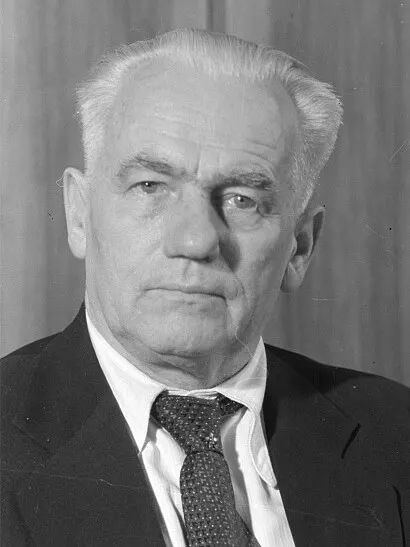
Wilhelm Pieck, who became the first president of the German Democratic Republic.
Image creditAbraham Pisarek · CC BY-SA 3.0 deResized and cropped for display.

East Germany is founded

On 7 October 1949 a constitution came into effect in the Soviet occupation zone of Germany, and the zone became the German Democratic Republic, with its capital in the Soviet sector of Berlin. Four months earlier the western zones had become the Federal Republic. Germany now had two states.

The People’s Congress was renamed the People’s Chamber, and on 11 October it made Wilhelm Pieck president; Otto Grotewohl became premier the next day. On paper it was a parliamentary democracy. In practice power lay with the Socialist Unity Party and with Walter Ulbricht, and the state lasted until unification in 1990.

Read the full storyHistory & Timeline →Source: Encyclopaedia Britannica: Formation of the German Democratic Republic ↗
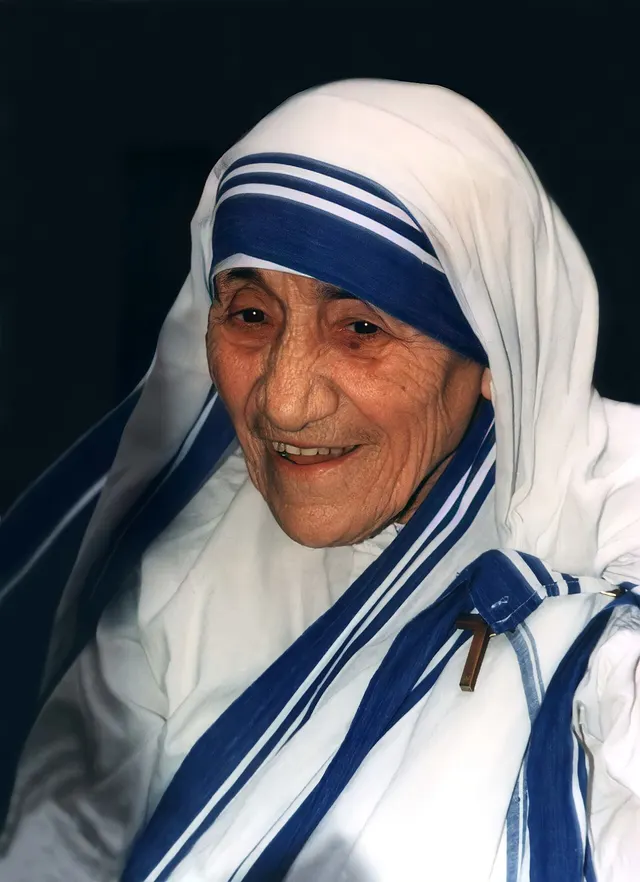
Mother Teresa, who founded the Missionaries of Charity in Calcutta.
Image creditKingkongphoto & www.celebrity-photos.com from Laurel Maryland, USA · CC BY-SA 2.0Resized and cropped for display.

Mother Teresa’s order begins in Calcutta

On 7 October 1950, in a small chapel at 14 Creek Lane in Calcutta, Archbishop Ferdinand Perier established Mother Teresa and her first eleven companions as a religious congregation of diocesan right. She had left her teaching post two years earlier to work among the city’s poorest.

The Missionaries of Charity set out to care for people nobody else was willing to look after, opening schools, dispensaries and homes for the dying. The congregation became a pontifical one in 1965 and spread worldwide; its founder was awarded the Nobel Peace Prize in 1979.

Read the full storyHistory & Timeline →Source: The Nobel Prize: Mother Teresa, biographical ↗
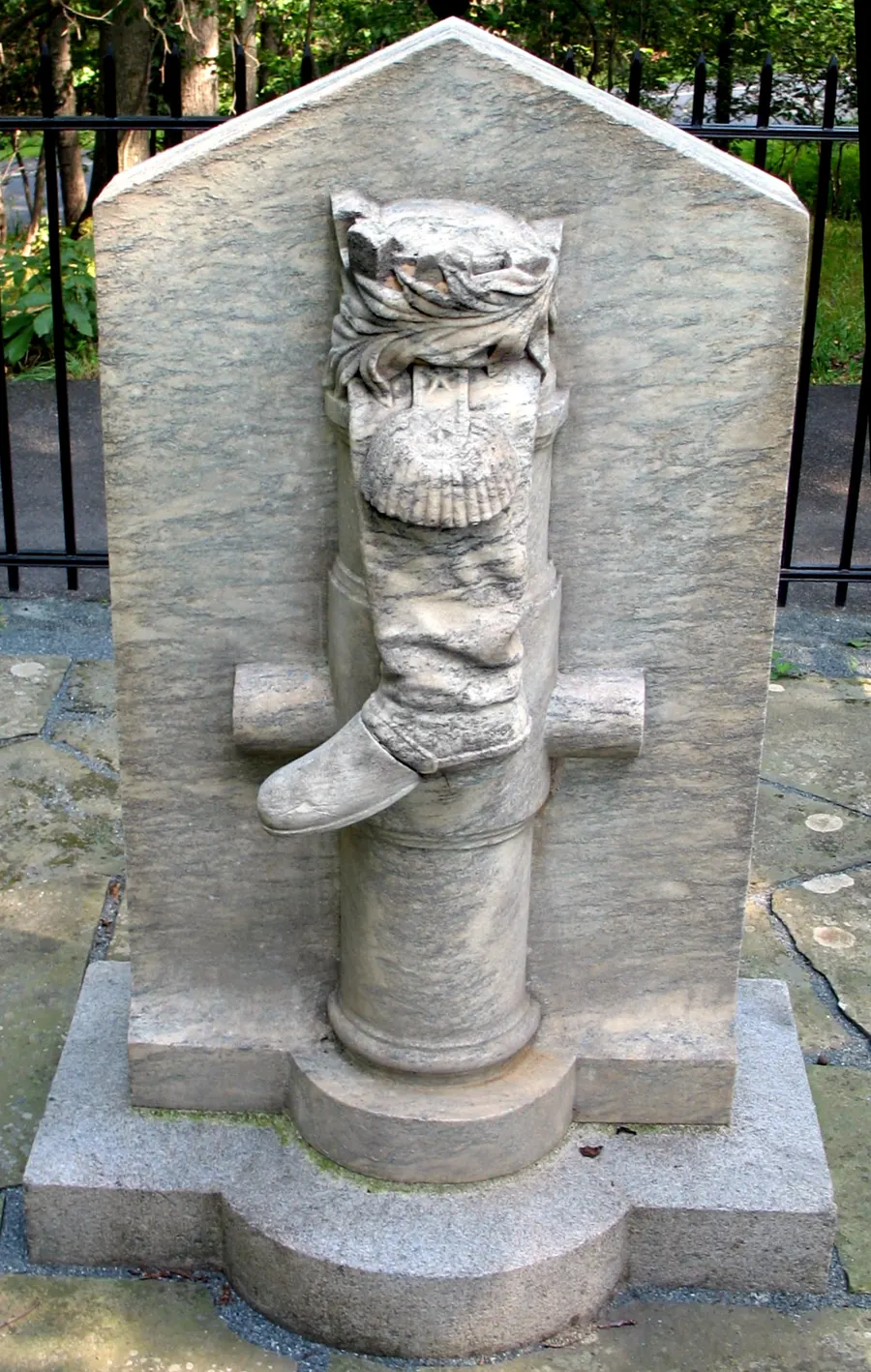
The Boot Monument at Saratoga National Historical Park, which commemorates the leg Benedict Arnold had wounded in the battle.
Image creditThe original uploader was Americasroof at English Wikipedia. · Public domainResized and cropped for display.

Burgoyne is stopped at Bemis Heights

On the morning of 7 October 1777 General John Burgoyne sent about 1,500 men, nearly a third of his army, against the American left at Bemis Heights on the Hudson. American troops under Horatio Gates held them, sharpshooters cut down the British officers, and a counter-attack in which Benedict Arnold took a leading part drove the British back to their redoubts.

Burgoyne pulled out that night and retreated north. On 17 October he surrendered his army of some 5,000 men - the first time a British army had surrendered in the field. The news helped persuade France to enter the war on the American side.

Read the full storyHistory & Timeline →Source: Encyclopaedia Britannica: Battle of Bemis Heights ↗
♙
PEOPLE

Born Today

Desmond Tutu
Image creditBenny Gool · Public domainResized and cropped for display.

Desmond Tutu

South African archbishop who campaigned against apartheid, won the 1984 Nobel Peace Prize and chaired the Truth and Reconciliation Commission.

Yo-Yo Ma
Image creditJoi Ito · CC BY 2.0Resized and cropped for display.

Yo-Yo Ma

American cellist, born in Paris to Chinese parents, known for the Bach suites and for work across many musical traditions.

Toni Braxton
Image creditUmusic · CC BY-SA 4.0Resized and cropped for display.

Toni Braxton

American singer and songwriter whose contralto voice carried a run of hits from the 1990s onwards.

Thom Yorke
Image creditRaph_PH · CC BY 4.0Resized and cropped for display.

Thom Yorke

English singer and songwriter, the voice of Radiohead.

◉
IDEAS THAT CHANGED THINGS

Firsts, Science & Discoveries

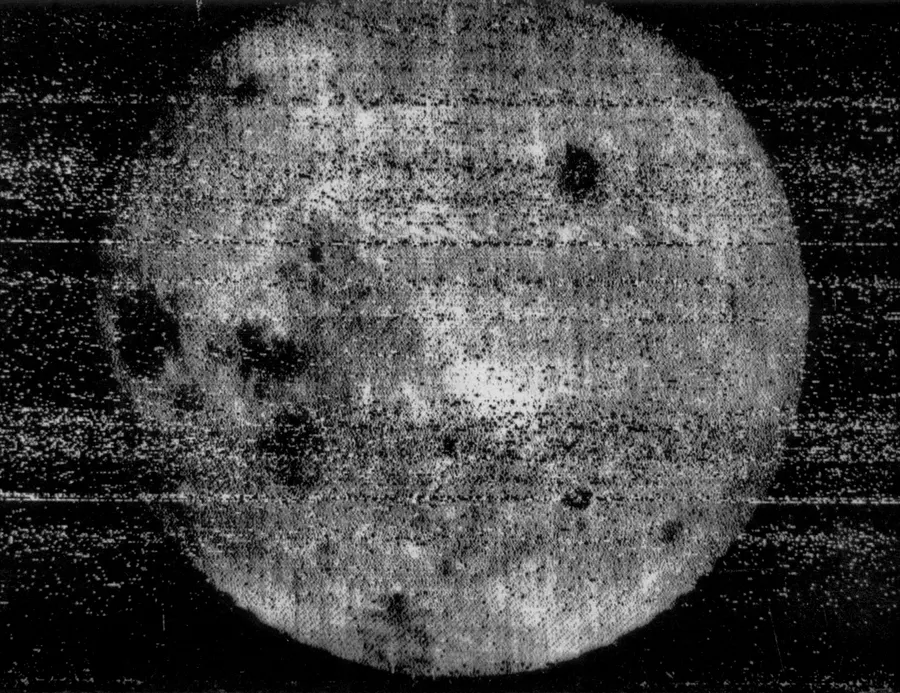
The first usable photograph of the Moon's far side, frame 29 from Luna 3, taken on 7 October 1959.
The first usable photograph of the Moon’s far side, frame 29 from Luna 3, taken on 7 October 1959.
Image creditOKB-1 · Public domainResized and cropped for display.

The first look at the far side of the Moon

At half past three in the morning, universal time, on 7 October 1959, the Soviet probe Luna 3 turned its camera on the sunlit far side of the Moon from about 63,500 km away. It was the first spacecraft to photograph the side of the Moon that never faces the Earth. Twenty-nine photographs were taken, covering about seventy per cent of it.

The pictures were developed on board and sent back by radio as the probe came closer to Earth; seventeen were usable, grainy but readable. They showed something nobody had predicted: almost none of the great dark plains of cooled lava that cover much of the near side. The far side is crowded with craters instead.

Read the full storyHistory & Timeline →Source: NASA Space Science Data Coordinated Archive: Luna 3 ↗
♫
MUSIC • FILM • BOOKS • CULTURE

Culture Stories

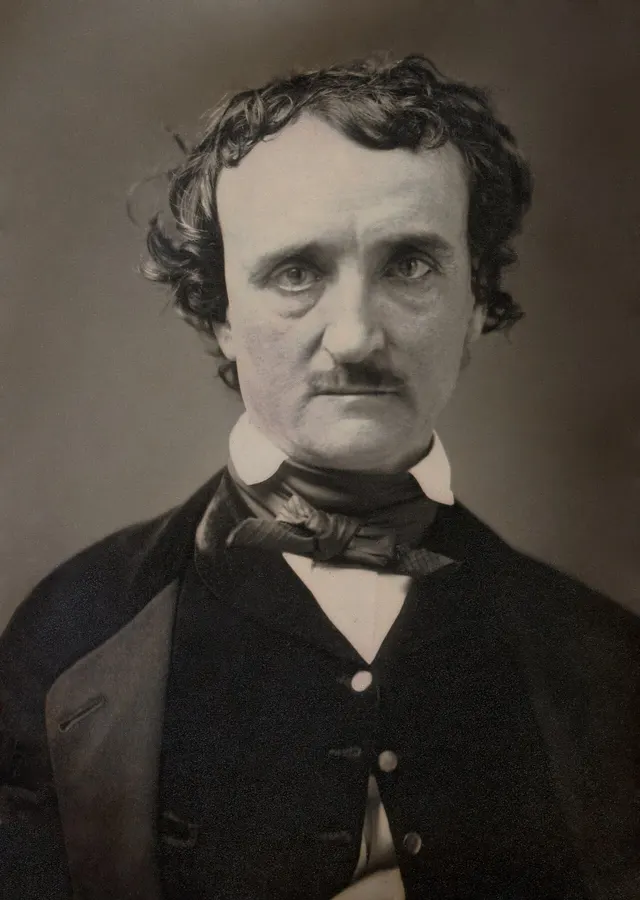
Edgar Allan Poe, photographed in 1849, the year he died.
Image creditUnknown authorUnknown author; Restored by Yann Forget and Adam Cuerden · Public domainResized and cropped for display.

Edgar Allan Poe dies in Baltimore

Edgar Allan Poe died before sunrise on Sunday 7 October 1849, aged forty, in a Baltimore hospital. He had set out from Richmond for New York and stopped in Baltimore on 28 September. On 3 October a printer, Joseph Walker, found him at Gunner’s Hall in great distress and sent for an acquaintance, who had him taken to hospital. He drifted in and out of consciousness for four days.

A local paper gave the cause as ‘congestion of the brain’. It has never been settled: alcohol, diabetes and heart failure have all been proposed, and the record is too thin to decide. The writer of ‘The Raven’ and the inventor of the detective story left behind one last mystery.

Read the full storyHistory & Timeline →Source: National Park Service: The mystery of Edgar Allan Poe’s death ↗
✦
LIVES REMEMBERED

Remembered Today

Charles the Simple
Image creditcgb.fr · CC BY-SA 3.0Resized and cropped for display.

Charles the Simple

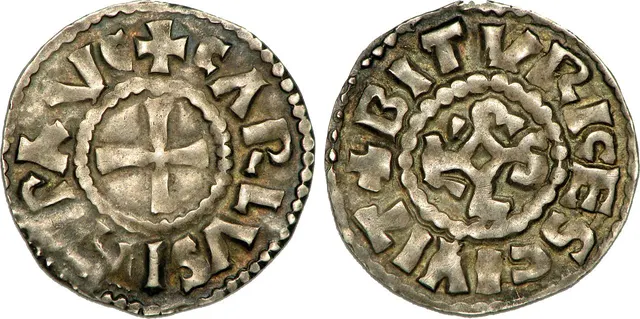
King of West Francia, who granted land to the Northmen and so began Normandy. The date is given in the Julian calendar.

Mario Lanza
Image creditMGM · Public domainResized and cropped for display.

Mario Lanza

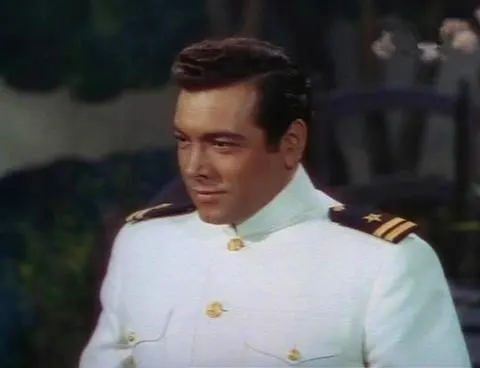
American tenor and film star whose recordings brought operatic singing to a mass audience.

Niels Kaj Jerne
Image creditNiels K. Jernes · Public domainResized and cropped for display.

Niels Kaj Jerne

Danish immunologist whose theories of how the immune system works won a share of the 1984 Nobel Prize.

Anna Politkovskaya
Image creditBlaues Sofa · CC BY 2.0Resized and cropped for display.

Anna Politkovskaya

Russian journalist known for her reporting on the war in Chechnya; she was shot dead in Moscow.

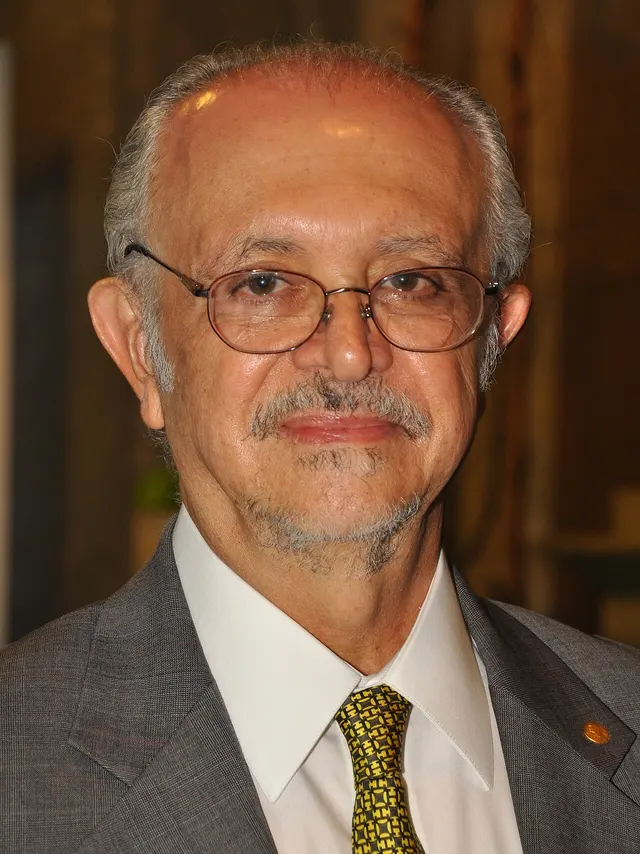
Mario Molina
Image creditJanwikifoto · CC BY-SA 3.0Resized and cropped for display.

Mario Molina

Mexican chemist who showed that CFCs were destroying the ozone layer, and shared the 1995 Nobel Prize in Chemistry.

☉
AROUND THE WORLD

Observances & Anniversaries

Our Lady of the Rosary

The Roman Catholic feast of Our Lady of the Rosary falls on 7 October. It was instituted after the battle of Lepanto, fought on that date in 1571, and was originally kept as Our Lady of Victory.

Source: Encyclopaedia Britannica: Battle of Lepanto ↗
HISTORY & TIMELINE

Finished the highlights?

Follow 7 October chronologically, from the Middle Ages to the modern day, with 8 verified events and the sources behind them.

This day through time →