
HISTORY & TIMELINE
7 October

A journey through
7 October in history

From a sea battle fought with oars to the first photographs of the Moon’s hidden face, 7 October has turned on moments that were hard to undo. This timeline follows the date across four and a half centuries.

III
A CHANGING WORLD

Early Modern Era

Exploration, political change, scientific development and expanding global connections.

1571
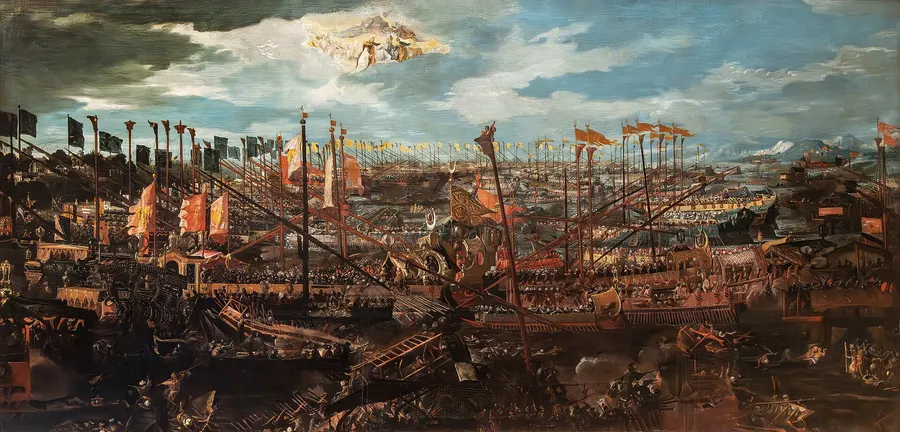
Andrea Vicentino's painting of the battle of Lepanto, in the Correr Museum, Venice.Andrea Vicentino’s painting of the battle of Lepanto, in the Correr Museum, Venice.Image: Didier Descouens · Public domain
world · Europe

The last great battle of the galleys

The fleets of the Holy League and of the Ottoman Empire met off south-western Greece on 7 October 1571. The League - Venice, Spain and the Papal States, with ships from Genoa, Malta and Savoy - was commanded by Don Juan de Austria; the Ottoman fleet by Ali Pasha. The fighting followed an Ottoman campaign to take the Venetian island of Cyprus. After about four hours the League had won, capturing 117 galleys. It was the first substantial defeat of an Ottoman fleet by a Christian one, and it was the last great battle fought almost entirely by oared ships. It did not, however, win back Cyprus.

Source: Encyclopaedia Britannica: Battle of Lepanto ↗
1777
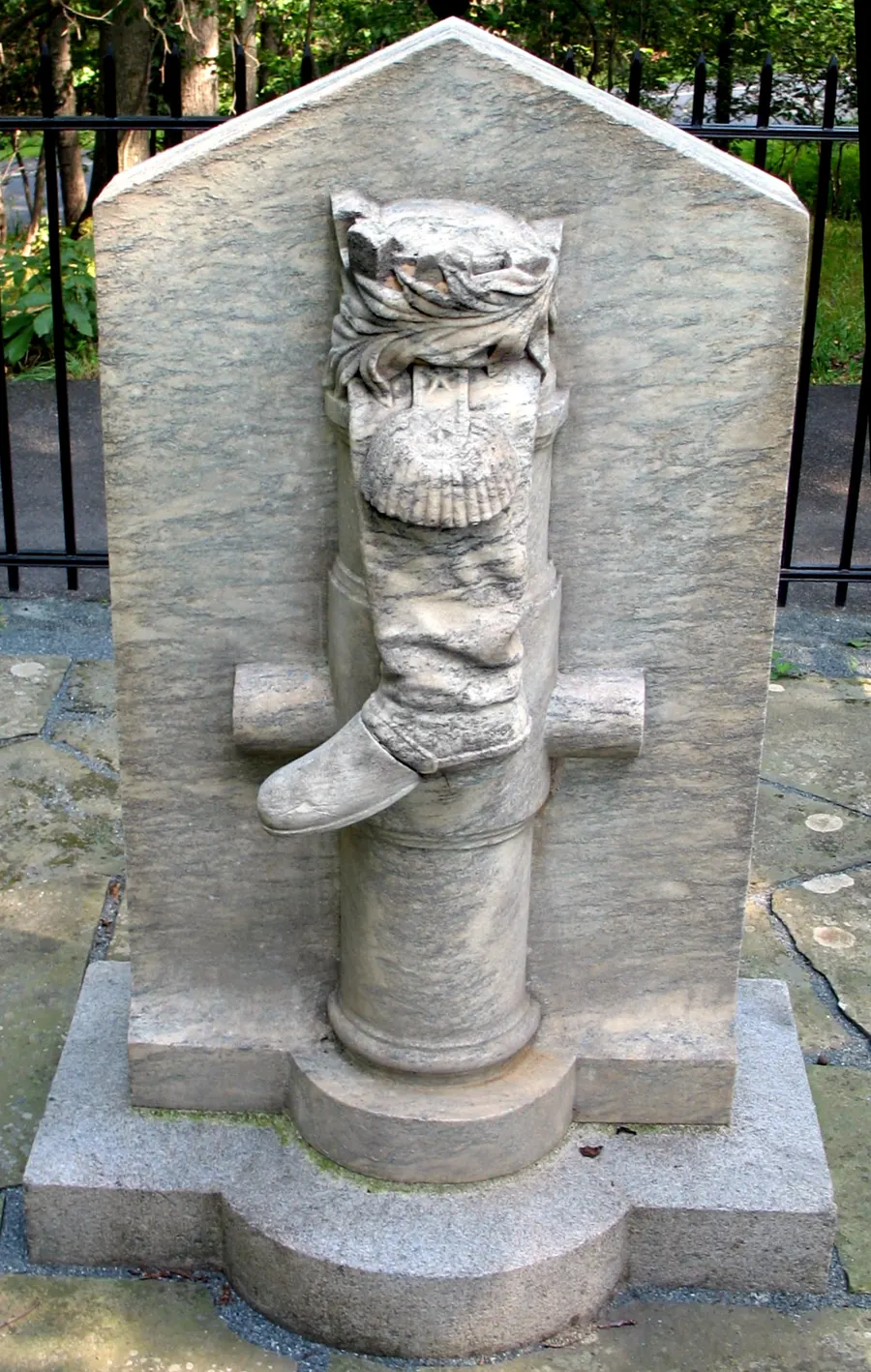
The Boot Monument at Saratoga National Historical Park, which commemorates the leg Benedict Arnold had wounded in the battle.The Boot Monument at Saratoga National Historical Park, which commemorates the leg Benedict Arnold had wounded in the battle.Image: The original uploader was Americasroof at English Wikipedia. · Public domain
world · Americas

Burgoyne is stopped at Bemis Heights

On the morning of 7 October 1777 General John Burgoyne sent about 1,500 men, nearly a third of his army, against the American left at Bemis Heights on the Hudson. American troops under Horatio Gates held them, sharpshooters cut down the British officers, and a counter-attack in which Benedict Arnold took a leading part drove the British back to their redoubts. Burgoyne pulled out that night and retreated north. On 17 October he surrendered his army of some 5,000 men - the first time a British army had surrendered in the field. The news helped persuade France to enter the war on the American side.

Source: Encyclopaedia Britannica: Battle of Bemis Heights ↗
IV
THE NINETEENTH CENTURY

The 1800s

Industry, empire, invention, reform and a century of enormous transformation.

1849
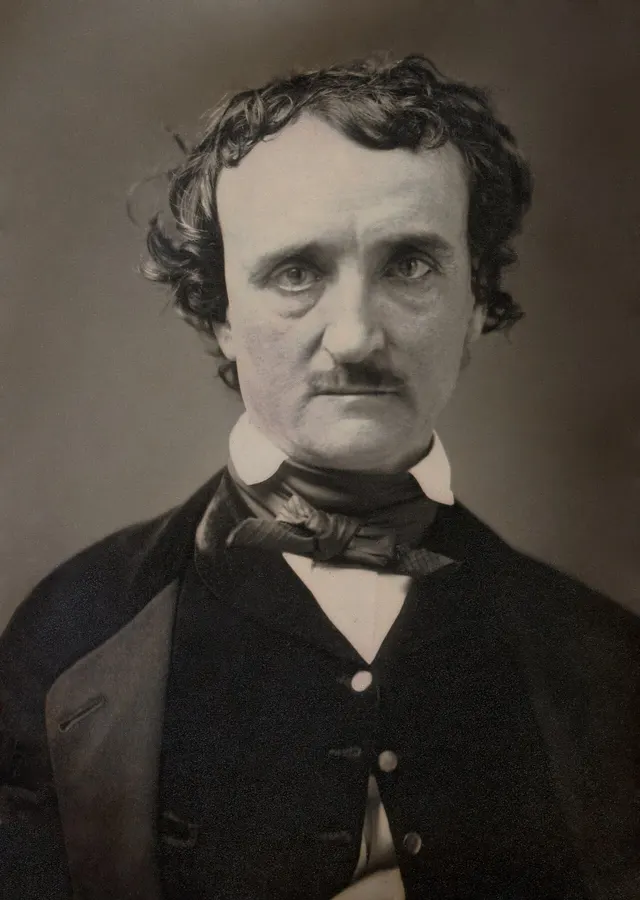
Edgar Allan Poe, photographed in 1849, the year he died.Edgar Allan Poe, photographed in 1849, the year he died.Image: Unknown authorUnknown author; Restored by Yann Forget and Adam Cuerden · Public domain
culture · Americas

Edgar Allan Poe dies in Baltimore

Edgar Allan Poe died before sunrise on Sunday 7 October 1849, aged forty, in a Baltimore hospital. He had set out from Richmond for New York and stopped in Baltimore on 28 September. On 3 October a printer, Joseph Walker, found him at Gunner’s Hall in great distress and sent for an acquaintance, who had him taken to hospital. He drifted in and out of consciousness for four days. A local paper gave the cause as ‘congestion of the brain’. It has never been settled: alcohol, diabetes and heart failure have all been proposed, and the record is too thin to decide. The writer of ‘The Raven’ and the inventor of the detective story left behind one last mystery.

Source: National Park Service: The mystery of Edgar Allan Poe’s death ↗
1879
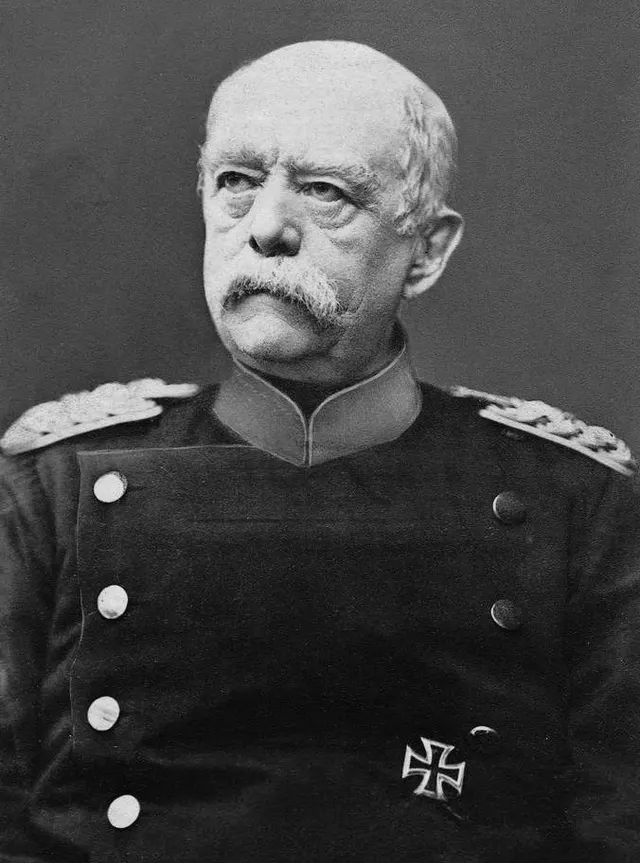
Otto von Bismarck, chancellor of the German Empire.Otto von Bismarck, chancellor of the German Empire.Image: Unknown authorUnknown author · Public domain
politics · Europe

Germany and Austria-Hungary sign the Dual Alliance

On 7 October 1879 Otto von Bismarck concluded a defensive alliance between the German Empire and Austria-Hungary. Each promised the other support if Russia attacked, and neutrality if anyone else did. Bismarck’s aim was to keep Germany from being isolated and to make a Russian war less likely by ensuring Russia would have to fight both empires at once. Italy joined in 1882, making it the Triple Alliance, and the arrangement shaped the foreign policy of both powers until 1918.

Source: Encyclopaedia Britannica: Austro-German Alliance ↗
V
THE TWENTIETH CENTURY

The 1900s

War and peace, technological leaps, social change, politics, sport and popular culture.

1949
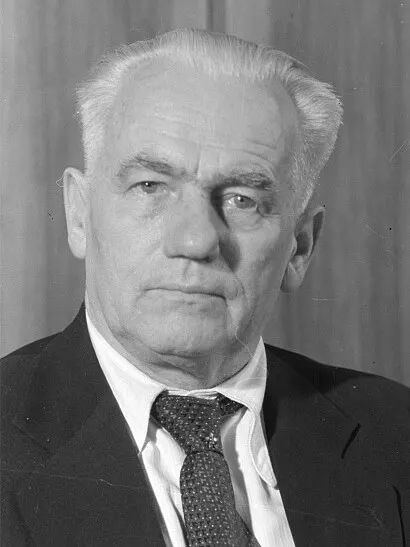
Wilhelm Pieck, who became the first president of the German Democratic Republic.Wilhelm Pieck, who became the first president of the German Democratic Republic.Image: Abraham Pisarek · CC BY-SA 3.0 de
politics · Europe

East Germany is founded

On 7 October 1949 a constitution came into effect in the Soviet occupation zone of Germany, and the zone became the German Democratic Republic, with its capital in the Soviet sector of Berlin. Four months earlier the western zones had become the Federal Republic. Germany now had two states. The People’s Congress was renamed the People’s Chamber, and on 11 October it made Wilhelm Pieck president; Otto Grotewohl became premier the next day. On paper it was a parliamentary democracy. In practice power lay with the Socialist Unity Party and with Walter Ulbricht, and the state lasted until unification in 1990.

Source: Encyclopaedia Britannica: Formation of the German Democratic Republic ↗
1950
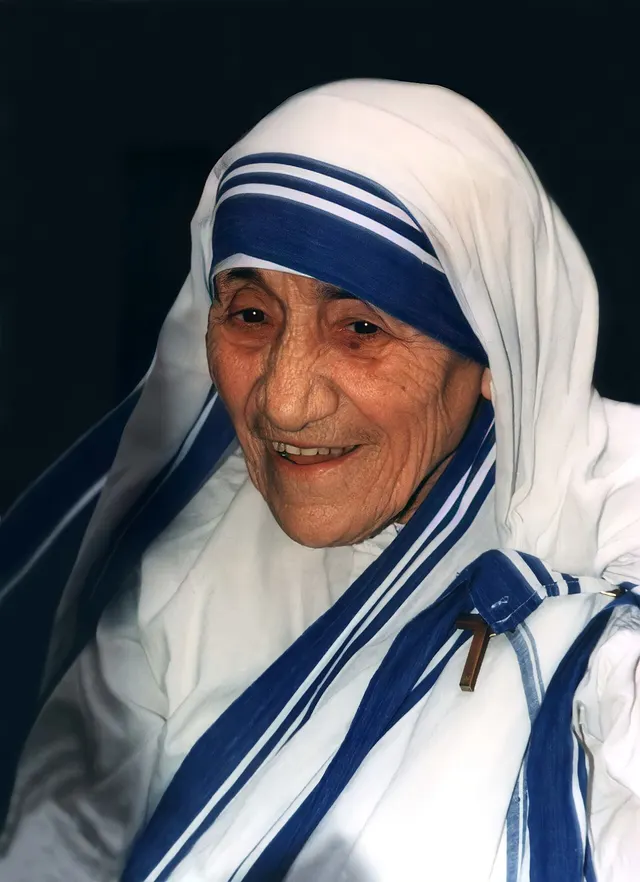
Mother Teresa, who founded the Missionaries of Charity in Calcutta.Mother Teresa, who founded the Missionaries of Charity in Calcutta.Image: Kingkongphoto & www.celebrity-photos.com from Laurel Maryland, USA · CC BY-SA 2.0
world · Asia

Mother Teresa’s order begins in Calcutta

On 7 October 1950, in a small chapel at 14 Creek Lane in Calcutta, Archbishop Ferdinand Perier established Mother Teresa and her first eleven companions as a religious congregation of diocesan right. She had left her teaching post two years earlier to work among the city’s poorest. The Missionaries of Charity set out to care for people nobody else was willing to look after, opening schools, dispensaries and homes for the dying. The congregation became a pontifical one in 1965 and spread worldwide; its founder was awarded the Nobel Peace Prize in 1979.

Source: The Nobel Prize: Mother Teresa, biographical ↗
1959
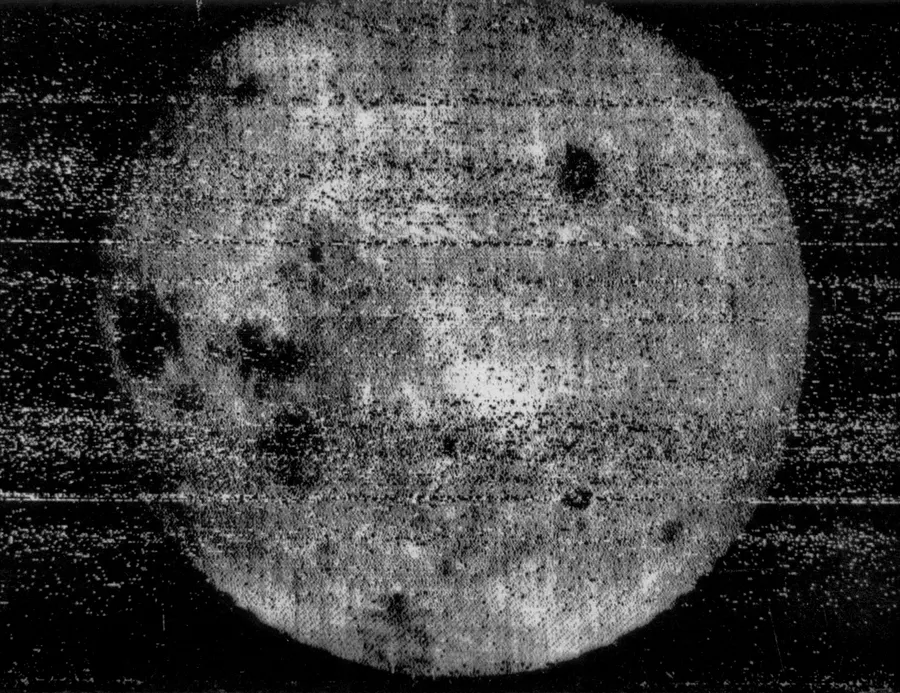
The first usable photograph of the Moon's far side, frame 29 from Luna 3, taken on 7 October 1959.The first usable photograph of the Moon’s far side, frame 29 from Luna 3, taken on 7 October 1959.Image: OKB-1 · Public domain
science · Europe

The first look at the far side of the Moon

At half past three in the morning, universal time, on 7 October 1959, the Soviet probe Luna 3 turned its camera on the sunlit far side of the Moon from about 63,500 km away. It was the first spacecraft to photograph the side of the Moon that never faces the Earth. Twenty-nine photographs were taken, covering about seventy per cent of it. The pictures were developed on board and sent back by radio as the probe came closer to Earth; seventeen were usable, grainy but readable. They showed something nobody had predicted: almost none of the great dark plains of cooled lava that cover much of the near side. The far side is crowded with craters instead.

Source: NASA Space Science Data Coordinated Archive: Luna 3 ↗
VI
2000 TO TODAY

Modern Day

The events of recent decades that have already become part of the historical record.

2004
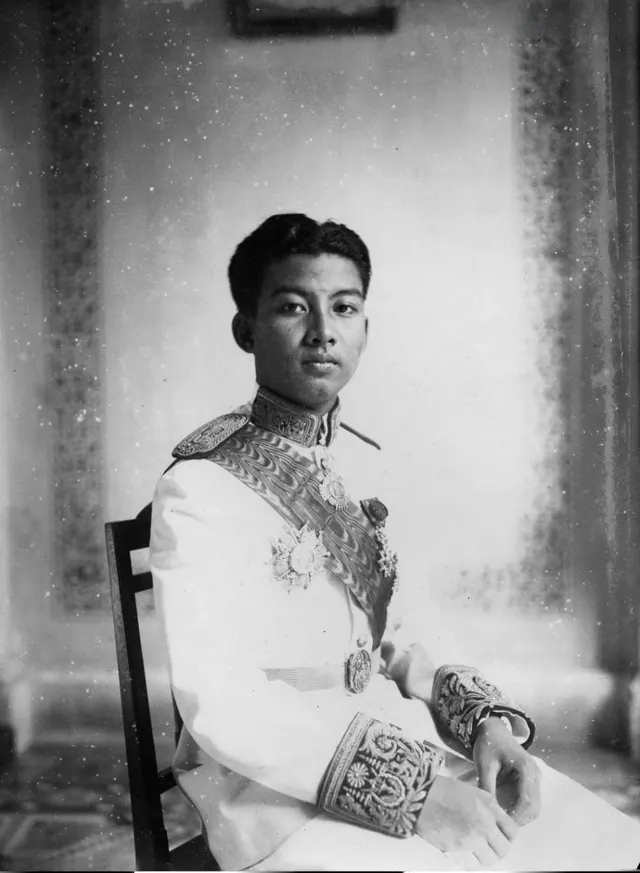
Norodom Sihanouk, king of Cambodia until his abdication in 2004.Norodom Sihanouk, king of Cambodia until his abdication in 2004.Image: (unknown, Abaca Press claims ownership but claim is doubtful) · Public domain
politics · Asia

Norodom Sihanouk gives up the throne of Cambodia

King Norodom Sihanouk abdicated on 7 October 2004, ending a public life that had run since 1941 and had taken him through independence from France, deposition, exile, the Khmer Rouge years and a restored monarchy. Cambodia’s nine-member Throne Council voted unanimously for his son Norodom Sihamoni, a former ballet dancer and cultural envoy with no political history, who was crowned on 29 October. The choice was read as his father’s wish for a successor untangled from the country’s politics.

Source: Encyclopaedia Britannica: Norodom Sihanouk ↗
WHY THESE MOMENTS?

Significance before volume

This page is not the longest possible list of events. It is a chronological journey through 7 October, where each entry is chosen for historical significance, human interest and reliability.

Facts are checked against authoritative museums, archives, universities and reference works. Where sources disagree, the page says so.

EXPLORED THE DEEPER STORY?

Return to the highlights of 7 October

Discover the lighter side of the date with famous birthdays, culture, firsts and lives remembered.

Explore This Day →
← PREVIOUS DAY6 October
HISTORY & TIMELINE7 October
NEXT DAY →8 October