Explore 6 October

Explore 6 October: war returns to Sinai and the Golan in 1973, Anwar Sadat is killed at a parade eight years later, China’s Gang of Four is arrested and the crowd brings the king of France back to Paris. Meet Le Corbusier, Thor Heyerdahl and George Westinghouse, born on this date.

This day through time →10 verified events across 4 eras

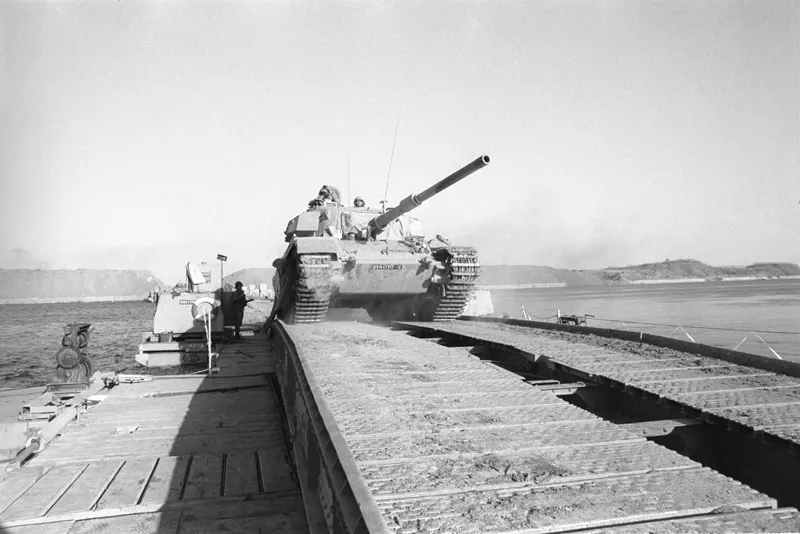
Israeli tanks of the 143rd Division on the west bank of the Suez Canal, 15-16 October 1973, nine days into the war.
Image creditIDF Spokesperson's Unit photographer · CC BY-SA 3.0Resized and cropped for display.

Egypt and Syria attack on Yom Kippur

At two o’clock in the afternoon of 6 October 1973, on the holiest day in the Jewish calendar, Egyptian and Syrian forces attacked Israeli positions at opposite ends of the country at the same moment. Egyptian troops crossed the Suez Canal into Sinai; Syrian armour pushed into the Golan Heights. Israeli intelligence had not read the months of preparation for what it was, and the surprise was close to complete.

The fighting ran until 26 October and changed the arithmetic of the region. Israel recovered and, by the middle of the month, had forces across the canal on the Egyptian side, but the early Arab successes altered the politics that followed. A ceasefire with Egypt was formalised on 11 November 1973 and with Syria on 31 May 1974.

Read the full storyHistory & Timeline →Source: Encyclopaedia Britannica: Yom Kippur War ↗
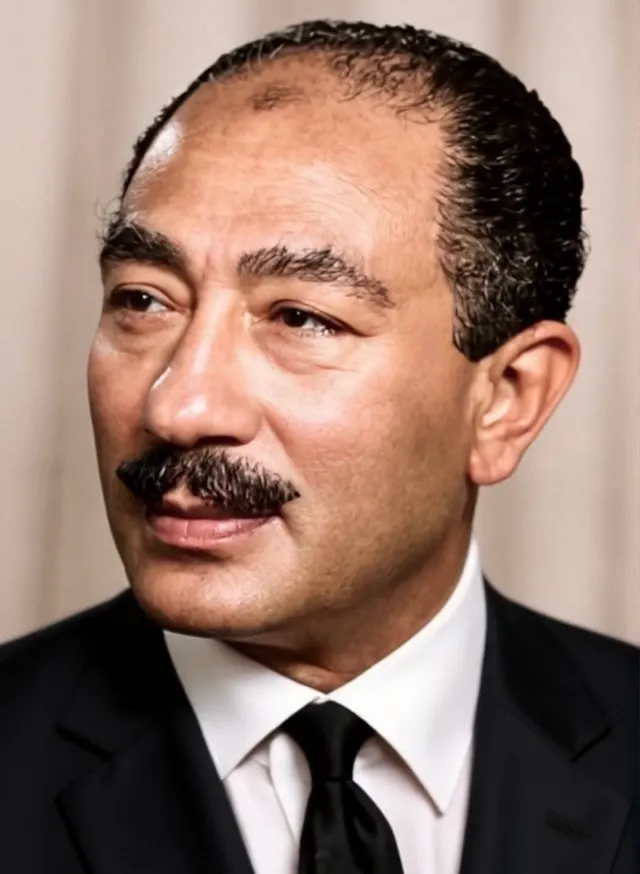
Anwar Sadat, president of Egypt from 1970 until his death in 1981.
Image creditGovernment · Public domainResized and cropped for display.

Anwar Sadat is killed at the October parade

President Anwar Sadat was shot dead in Cairo on 6 October 1981, at the parade marking the anniversary of the 1973 crossing of the Suez Canal. The gunmen were serving soldiers who belonged to Egyptian Islamic Jihad; they were led by Khalid al-Islambuli, whose brother had been arrested in Sadat’s recent sweep against his critics. The killing happened in front of television cameras.

Sadat had shared the 1978 Nobel Peace Prize for the settlement with Israel, and that settlement was one of the reasons his standing at home had fallen. A worsening economy and the jailing of opponents did the rest. He was succeeded by his vice-president, Hosni Mubarak.

Read the full storyHistory & Timeline →Source: Encyclopaedia Britannica: Anwar Sadat ↗
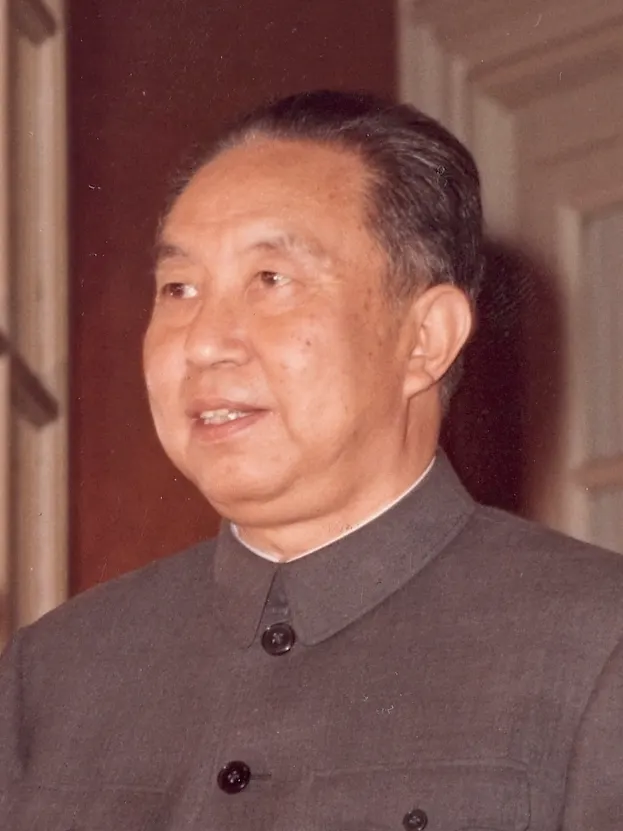
Hua Guofeng, who succeeded Mao Zedong and ordered the arrests.
Image creditSigismond Michalowski · CC BY-SA 4.0Resized and cropped for display.

China arrests the Gang of Four

Four weeks after Mao Zedong’s death, on 6 October 1976, his designated successor Hua Guofeng had four of the most powerful radicals in the Chinese leadership arrested: Mao’s widow Jiang Qing, Zhang Chunqiao, Wang Hongwen and Yao Wenyuan. They were soon being denounced in wall posters as the Gang of Four.

Hua acted with the support of party elders and of the army, above all Marshal Ye Jianying. The arrests are widely taken to mark the end of the Cultural Revolution, the decade of upheaval the four had helped to drive. They were tried in 1980-81.

Read the full storyHistory & Timeline →Source: Encyclopaedia Britannica: Gang of Four ↗
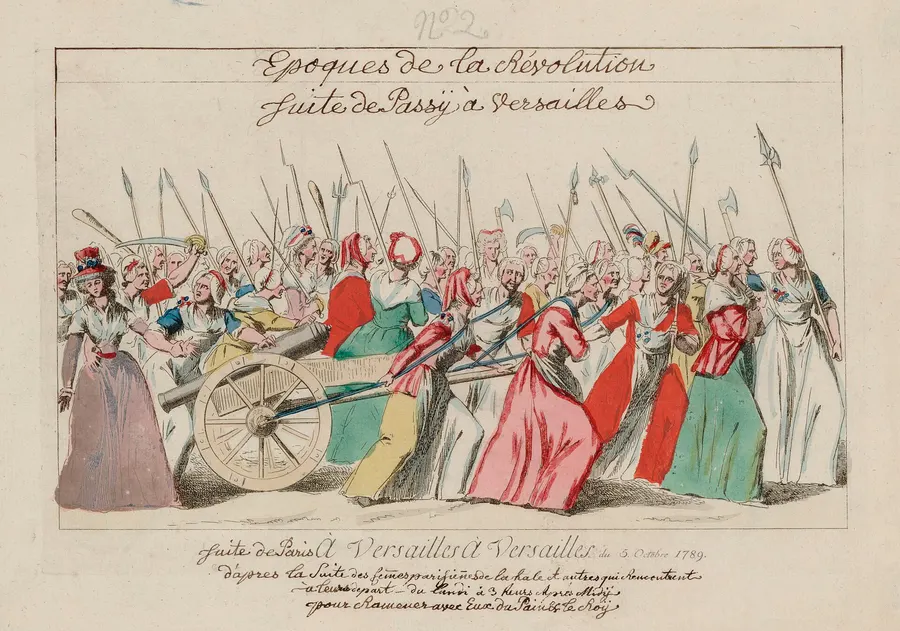
A print made in 1789 of the women's march on Versailles.
A print made in 1789 of the women’s march on Versailles.
Image creditUnknown authorUnknown author · Public domainResized and cropped for display.

The crowd brings the king back to Paris

A crowd, mostly women, set out from Paris for Versailles on 5 October 1789, angry at the price of bread and at a banquet the court had given for a newly arrived regiment. They reached the palace after midnight in the rain, and at six in the morning forced the gate of the Princes’ Courtyard and got into the queen’s apartments.

Louis XVI promised bread and agreed to go to Paris. At twenty-five past one on the afternoon of 6 October the royal party left Versailles, the crowd calling that it was bringing back ‘the baker, his wife and the boy’. The king never lived at Versailles again, and the palace ceased to be a royal residence.

Read the full storyHistory & Timeline →Source: Château de Versailles: Departure of the King, 1789 ↗
♙
PEOPLE

Born Today

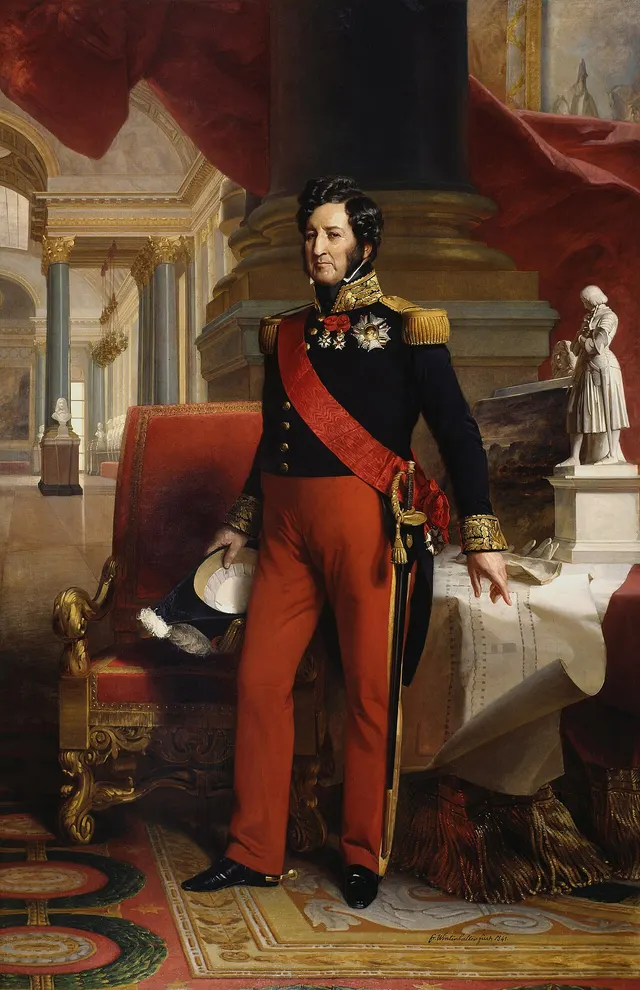
Louis Philippe I
Image creditFranz Xaver Winterhalter · Public domainResized and cropped for display.

Louis Philippe I

The ‘citizen king’ who ruled France from the revolution of 1830 until he was overthrown in 1848.

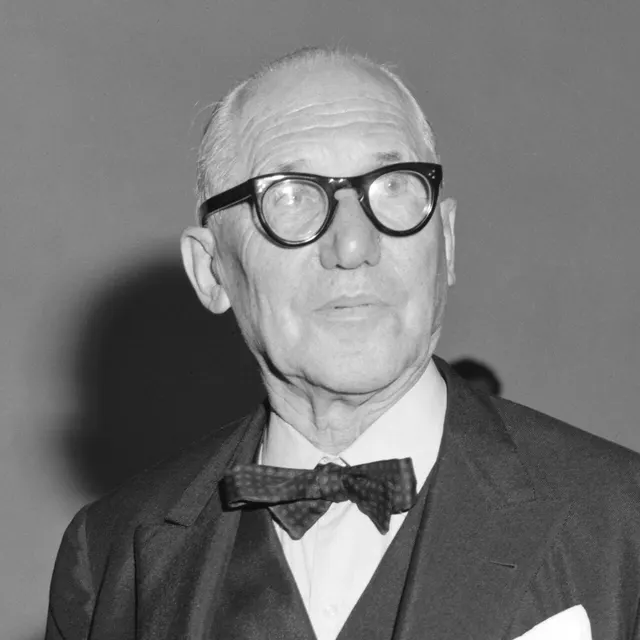
Le Corbusier
Image creditJoop van Bilsen for Anefo · CC0Resized and cropped for display.

Le Corbusier

Swiss-French architect and planner, one of the most influential and most argued-over figures in modern building.

Ernest Walton
Image creditNobel foundation · Public domainResized and cropped for display.

Ernest Walton

Irish physicist who, with John Cockcroft, first split the atomic nucleus by artificial means; they shared the 1951 Nobel Prize.

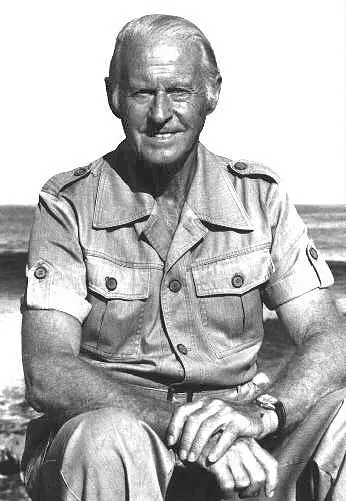
Thor Heyerdahl
Image credituncredited · Public domainResized and cropped for display.

Thor Heyerdahl

Norwegian adventurer who sailed the balsa raft Kon-Tiki from Peru to Polynesia in 1947 to test how the Pacific might have been settled.

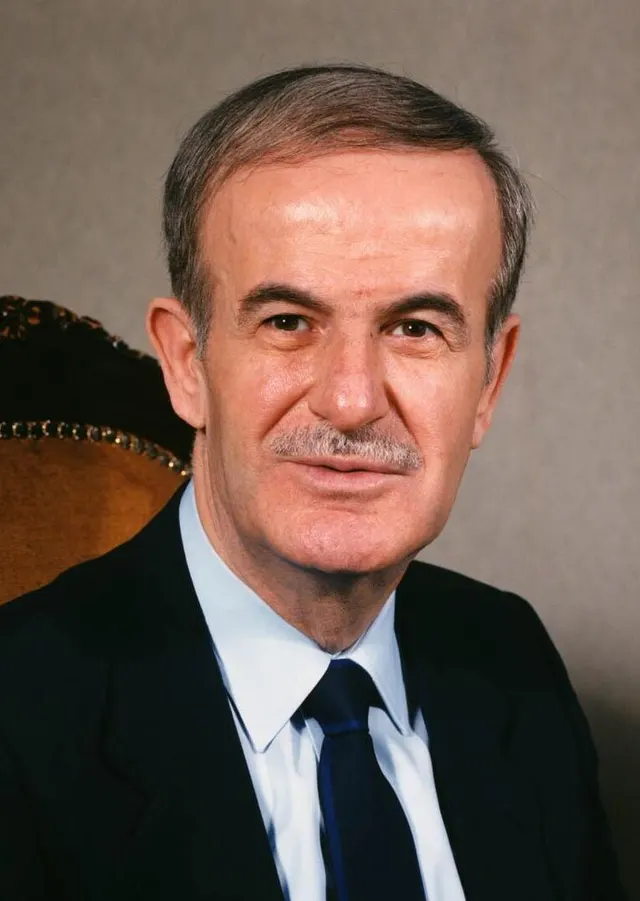
Hafez al-Assad
Image creditGovernment of Syria · Public domainResized and cropped for display.

Hafez al-Assad

President of Syria from 1971 until his death in 2000, after taking power in a coup.

Riccardo Giacconi
Image creditNASA/MSFC · Public domainResized and cropped for display.

Riccardo Giacconi

Italian-American astrophysicist who founded X-ray astronomy and shared the 2002 Nobel Prize in Physics.

◉
IDEAS THAT CHANGED THINGS

Firsts, Science & Discoveries

An artist's impression of 51 Pegasi b, made for the European Southern Observatory.
An artist’s impression of 51 Pegasi b, made for the European Southern Observatory.
Image creditESO/M. Kornmesser/Nick Risinger (skysurvey.org) · CC BY 4.0Resized and cropped for display.

The first planet found circling another sun

On 6 October 1995, at a conference in Florence, Michel Mayor and Didier Queloz of the Geneva Observatory announced that they had found a planet orbiting 51 Pegasi, an ordinary star about fifty light years away. It was the first planet detected around a sun-like star, and it was nothing like what anyone had expected: at least half the mass of Jupiter, but going round its star once every 4.2 days.

They had found it with the ELODIE spectrograph at the Haute-Provence Observatory in France, by measuring the tiny wobble the planet’s gravity produced in the star’s light. Mayor and Queloz shared the 2019 Nobel Prize in Physics for the work.

Read the full storyHistory & Timeline →Source: University of Geneva: The first exoplanet was discovered 30 years ago at UNIGE ↗
♫
MUSIC • FILM • BOOKS • CULTURE

Culture Stories

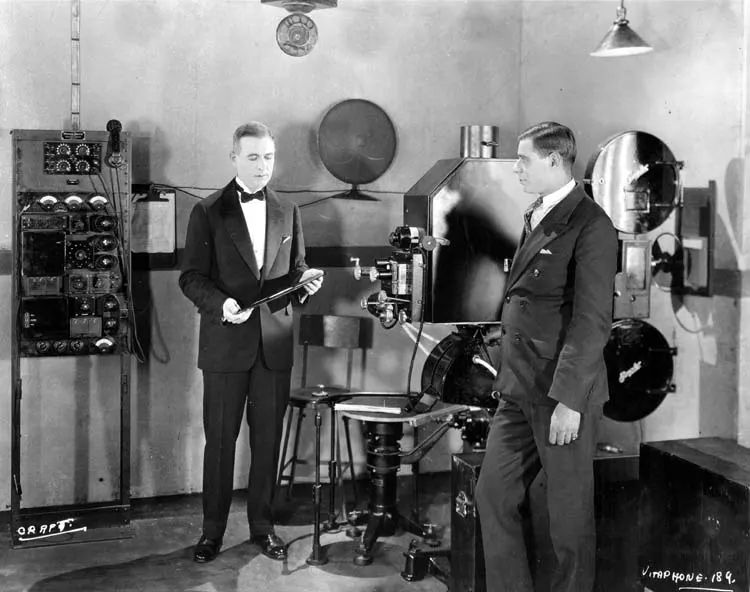
A 1926 photograph of Western Electric engineer E. B. Craft, on the left, demonstrating the Vitaphone sound system.
Image creditUnnamed photographer for Vitaphone / ATT · Public domainResized and cropped for display.

The Jazz Singer opens and the silent era ends

Warner Bros. released The Jazz Singer on 6 October 1927. It was the first feature film to carry synchronised dialogue, and although only about a quarter of it was recorded for sound - the songs and a few exchanges - that was enough. Audiences heard actors speak, and the silent era was over within a few years.

The sound came from Vitaphone, a system that played a disc in step with the projector; Warner Bros. had introduced it the year before with Don Juan. The studio was given an honorary Academy Award for the film, which turned a struggling company into a major one.

Read the full storyHistory & Timeline →Source: Encyclopaedia Britannica: The Jazz Singer ↗
Jules Chéret's poster for the Bal au Moulin Rouge, place Blanche, 1889.
Jules Chéret’s poster for the Bal au Moulin Rouge, place Blanche, 1889.
Image creditDidier Descouens · Public domainResized and cropped for display.

The Moulin Rouge opens in Montmartre

The Moulin Rouge opened at the foot of the hill of Montmartre at eight in the evening on 6 October 1889, with the building work not quite finished. It was the creation of Joseph Oller, helped by Charles Zidler, and the hall was full on the first night.

The red windmill and the dancers became one of the most recognisable images of Paris, carried around the world by poster artists - Jules Chéret first, then Henri de Toulouse-Lautrec, whose lithographs of the cabaret’s performers are now in museums everywhere.

Read the full storyHistory & Timeline →Source: Moulin Rouge: History, the great periods ↗
✦
LIVES REMEMBERED

Remembered Today

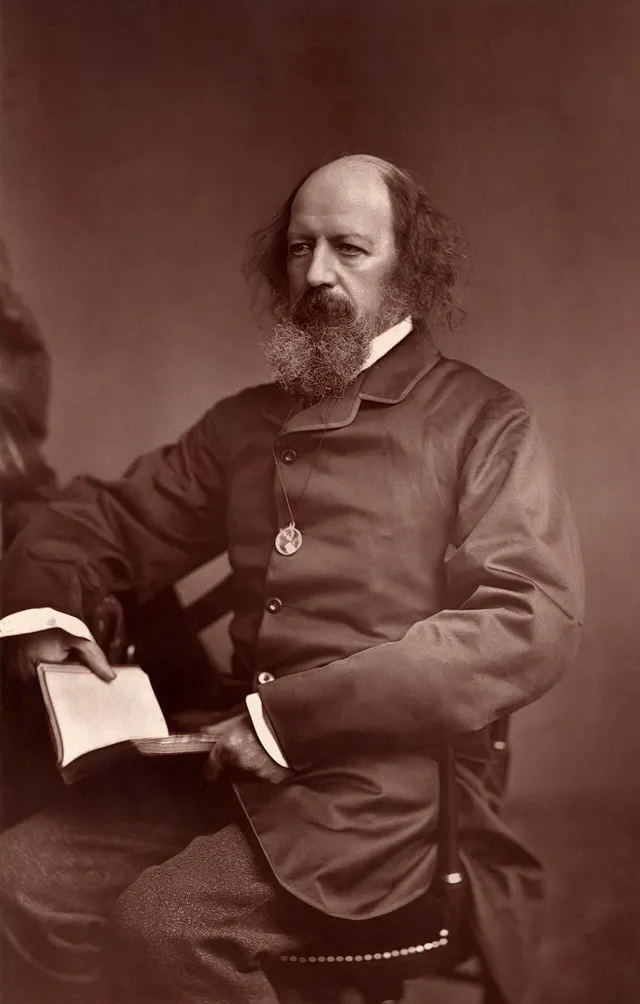
Alfred, Lord Tennyson
Image creditElliott & Fry · Public domainResized and cropped for display.

Alfred, Lord Tennyson

Poet Laureate for more than forty years and the defining poetic voice of Victorian Britain.

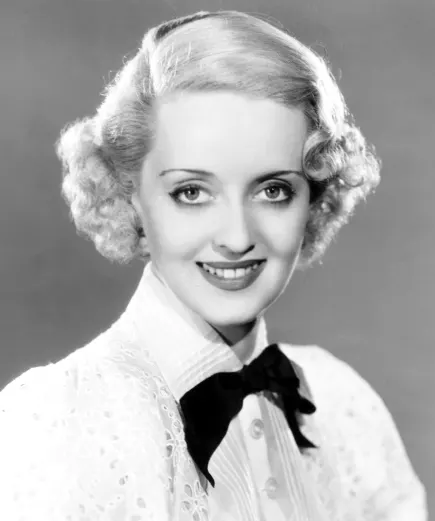
Bette Davis
Image creditStudio Publicity · Public domainResized and cropped for display.

Bette Davis

American actress of enormous range and two Academy Awards, who worked for more than fifty years.

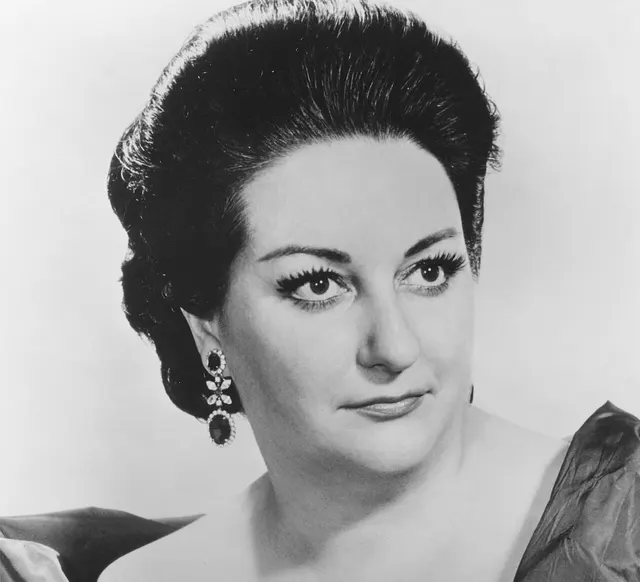
Montserrat Caballé
Image creditUnknown authorUnknown author · Public domainResized and cropped for display.

Montserrat Caballé

Spanish soprano celebrated for her bel canto roles, and for a duet with Freddie Mercury.

☉
AROUND THE WORLD

Observances & Anniversaries

HISTORY & TIMELINE

Finished the highlights?

Follow 6 October chronologically, from the Middle Ages to the modern day, with 10 verified events and the sources behind them.

This day through time →