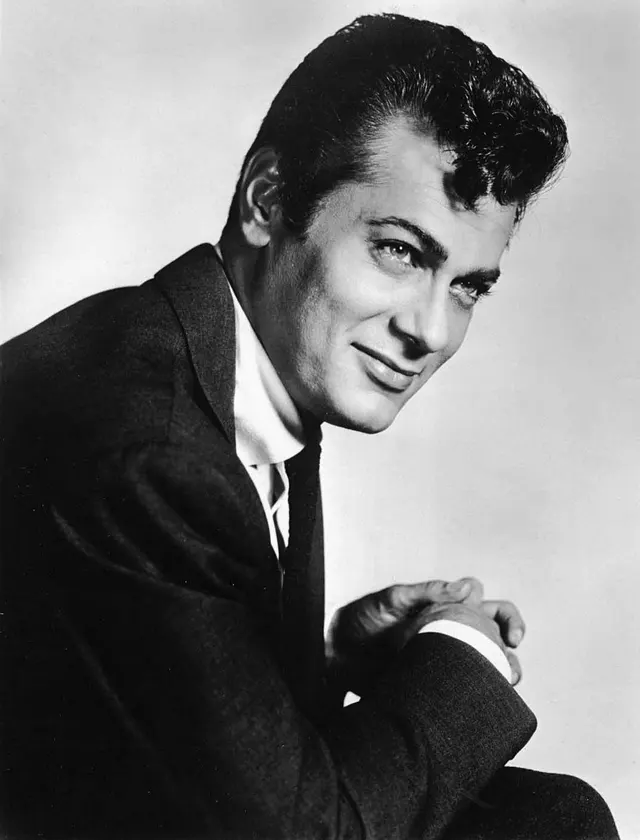
Explore 29 September

Explore 29 September: London’s Metropolitan Police go to work, CERN is born, Bulgaria leaves the First World War and Japan and China restore relations. Meet Nelson, Enrico Fermi and Lech Wałęsa, born on this date.

This day through time →9 verified events across 2 eras

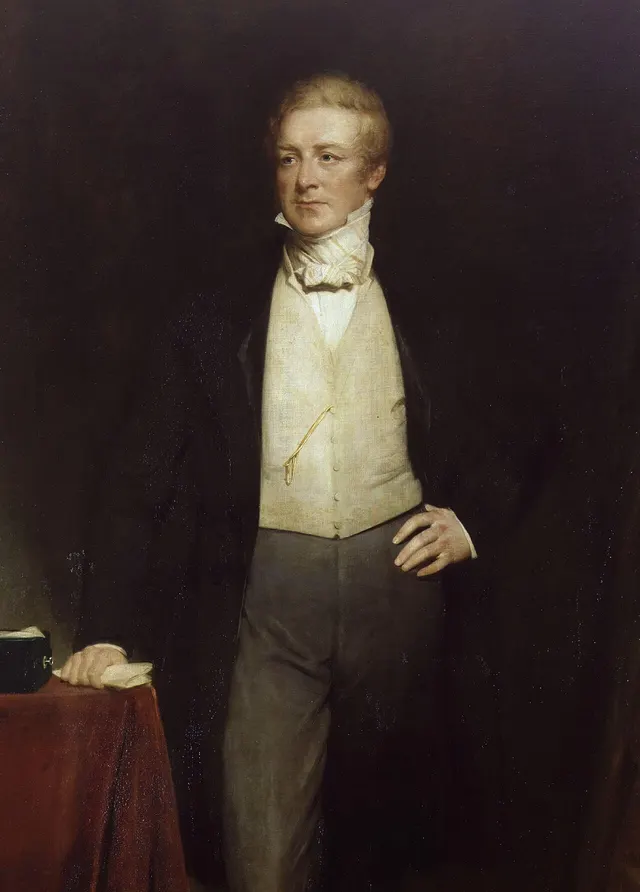
Sir Robert Peel, the Home Secretary who created the force, painted by Henry William Pickersgill.
Image creditHenry William Pickersgill · Public domainResized and cropped for display.

London’s Metropolitan Police begin work

On 29 September 1829 the new Metropolitan Police opened its headquarters at 4 Whitehall Place, in Westminster, and began work. Its public office at the back of the building faced a yard called Great Scotland Yard, which gave the force its famous nickname.

The force, created by the Home Secretary Robert Peel under an act of Parliament passed that year, had two commissioners, Charles Rowan and Richard Mayne, with eight superintendents, 20 inspectors, 88 sergeants and 895 constables. Londoners soon called its officers ‘bobbies’ or ‘peelers’ after him, and it became a model for police forces around the world.

Read the full storyHistory & Timeline →Source: Encyclopaedia Britannica: Scotland Yard ↗
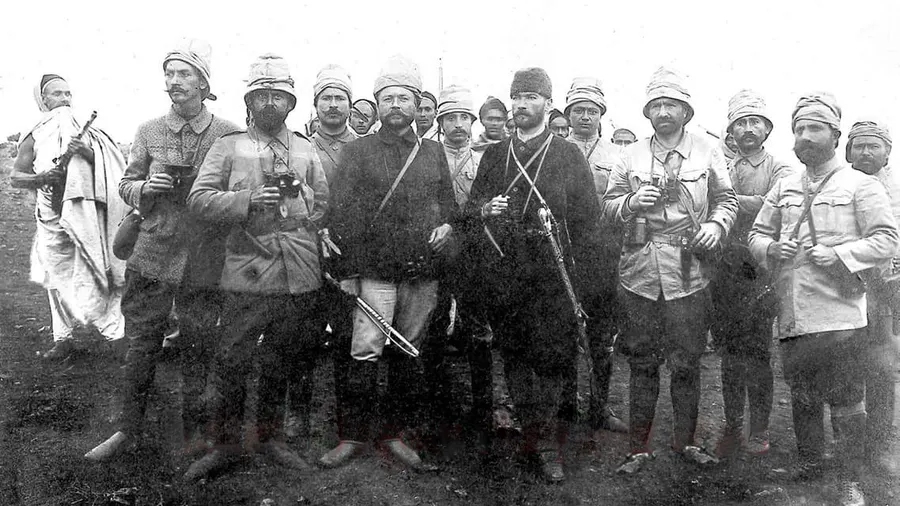
Mustafa Kemal, the future Atatürk, with Ottoman forces in Libya in 1912.
Image creditUnknown authorUnknown author · Public domainResized and cropped for display.

Italy declares war on the Ottoman Empire over Libya

On 29 September 1911 Italy declared war on the Ottoman Empire, after the Ottomans answered an Italian ultimatum by offering to negotiate. Its aim was to seize the Ottoman provinces of Tripolitania and Cyrenaica, in what is now Libya.

Italian troops landed at Tripoli on 4 October and met no resistance, but in the interior Ottoman officers and local Arab fighters held out. By the Treaty of Ouchy in October 1912 the Ottomans gave up the provinces, which became the Italian colony of Libya.

Read the full storyHistory & Timeline →Source: 1914-1918-Online, International Encyclopedia of the First World War: Italo-Turkish War 1911-1912 ↗
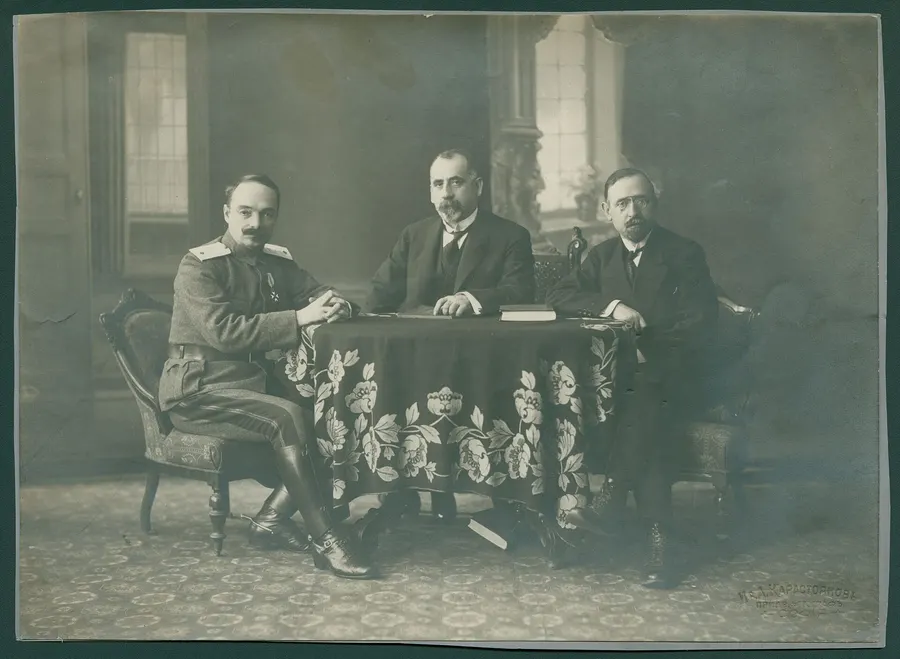
Andrey Lyapchev, Ivan Lukov and Simeon Radev, Bulgaria's negotiators, in 1918.
Andrey Lyapchev, Ivan Lukov and Simeon Radev, Bulgaria’s negotiators, in 1918.
Image creditUnknown authorUnknown author · Public domainResized and cropped for display.

Bulgaria leaves the First World War

On 29 September 1918, after the Allied offensive on the Macedonian front broke through its lines, Bulgaria signed an armistice with the Allies at Salonica (Thessaloniki). It came into force the next day, making Bulgaria the first of the Central Powers to leave the war.

Bulgaria had to evacuate the Greek and Serbian territory it occupied, demobilise most of its army and hand over its weapons. With Bulgaria out, the road to Constantinople lay open, and within six weeks the Ottoman Empire, Austria-Hungary and Germany had all agreed armistices of their own.

Read the full storyHistory & Timeline →Source: Encyclopaedia Britannica: Armistice of Salonika ↗
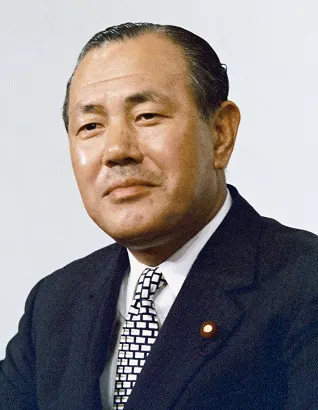
Kakuei Tanaka, prime minister of Japan from 1972 to 1974.
Image credit内閣官房内閣広報室 · CC BY 4.0Resized and cropped for display.

Japan and China restore diplomatic relations

On 29 September 1972, during a visit to Beijing by the Japanese prime minister Kakuei Tanaka at the invitation of Premier Zhou Enlai, Japan and the People’s Republic of China signed a joint communiqué establishing diplomatic relations from that day.

Japan recognised the People’s Republic as the sole legal government of China and said it ‘fully understands and respects’ Beijing’s position on Taiwan. It expressed deep remorse for the damage Japan had caused to the Chinese people through war, and China renounced its demand for war reparations.

Read the full storyHistory & Timeline →Source: Ministry of Foreign Affairs of Japan: Joint Communiqué of the Government of Japan and the Government of the People’s Republic of China ↗
♙
PEOPLE

Born Today

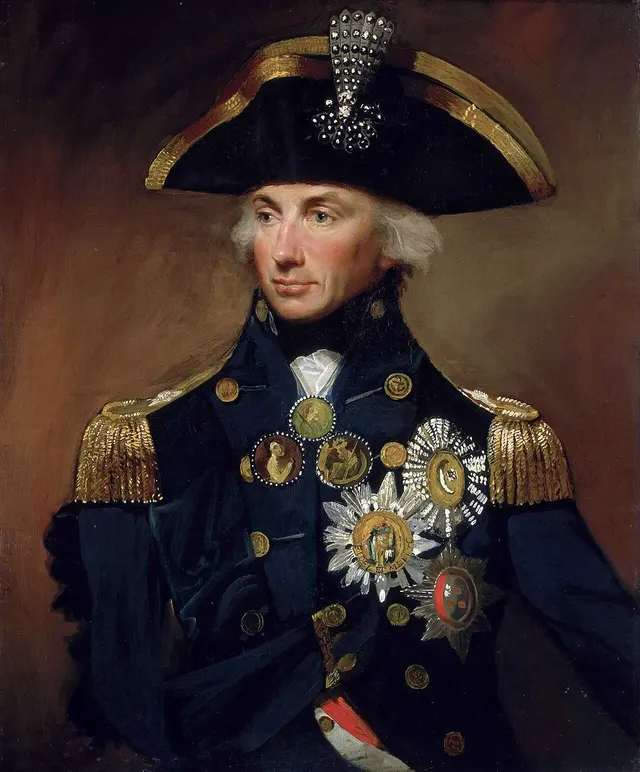
Horatio Nelson
Image creditLemuel Francis Abbott · Public domainResized and cropped for display.

Horatio Nelson

British admiral who won the Battles of the Nile and Copenhagen and was killed at his victory at Trafalgar in 1805.

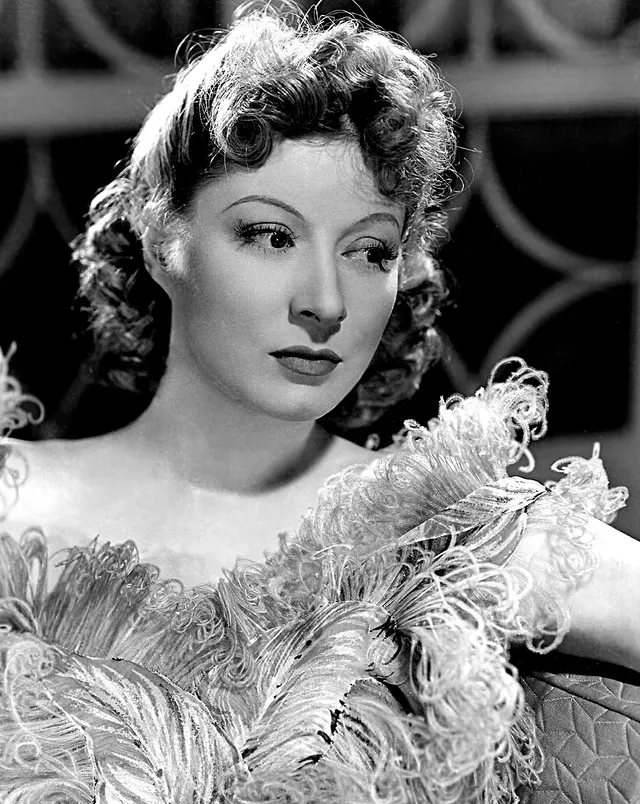
Greer Garson
Image creditMGM studio · Public domainResized and cropped for display.

Greer Garson

British-born actress who won the Academy Award for Best Actress for Mrs. Miniver.

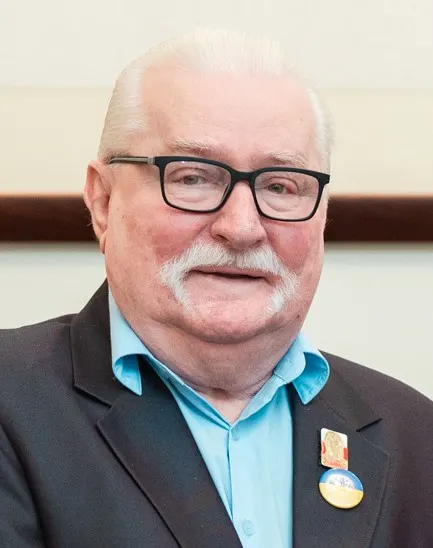
Lech Wałęsa
Image creditTaiwan Presidential Office · CC BY 4.0Resized and cropped for display.

Lech Wałęsa

Polish electrician who led the Solidarity trade union, won the 1983 Nobel Peace Prize and became president of Poland.

◉
IDEAS THAT CHANGED THINGS

Firsts, Science & Discoveries

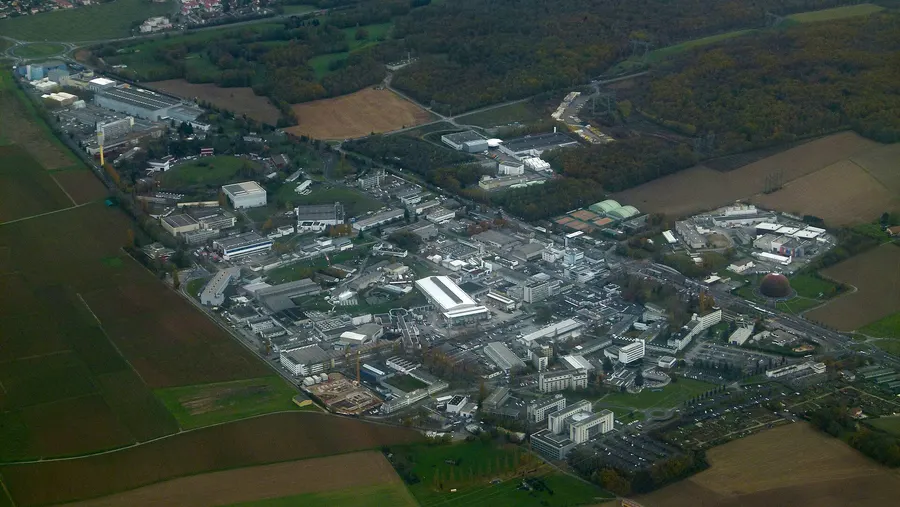
CERN's main site near Geneva, seen from the air in 2012.
CERN’s main site near Geneva, seen from the air in 2012.
Image creditBrücke-Osteuropa · CC0Resized and cropped for display.

CERN comes into being

The European Organization for Nuclear Research, CERN, officially came into being on 29 September 1954, when France and West Germany deposited their ratifications of its convention at UNESCO House in Paris. The convention had been signed by twelve founding states on 1 July 1953.

Built on the border of Switzerland and France near Geneva, CERN became the world’s largest particle physics laboratory. The World Wide Web was invented there in 1989, and in 2012 its Large Hadron Collider found the Higgs boson.

Read the full storyHistory & Timeline →Source: CERN: The European Organization for Nuclear Research is born ↗
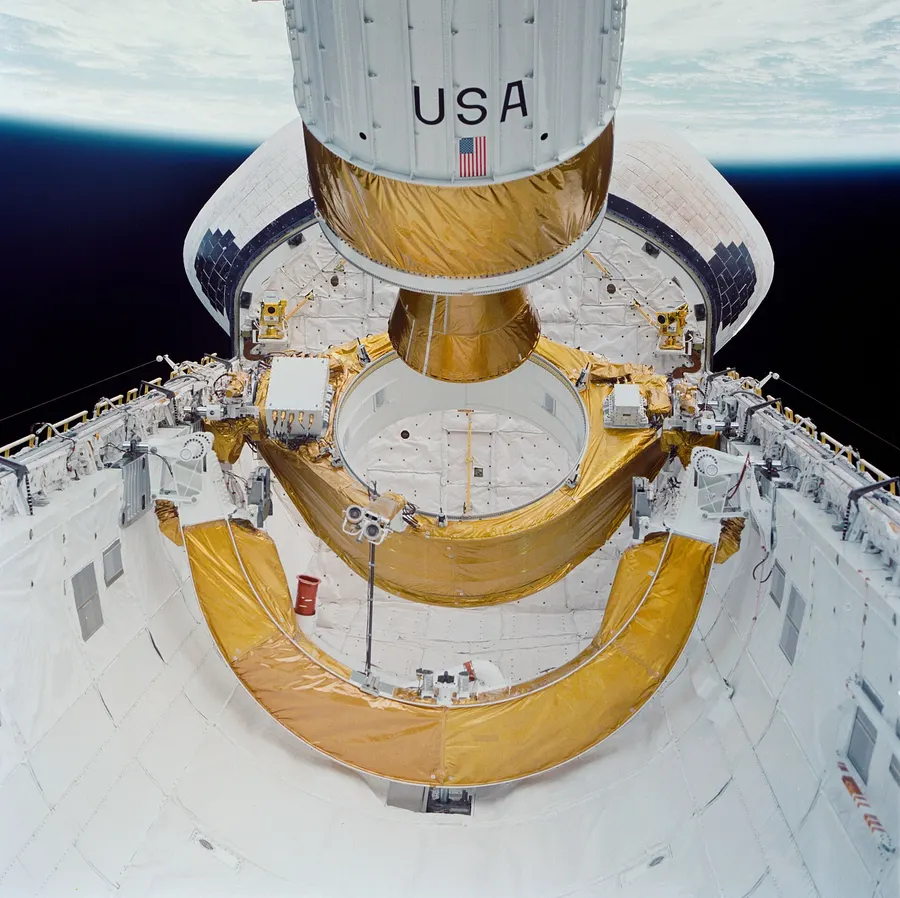
A NASA data-relay satellite rises from Discovery's payload bay during STS-26, 29 September 1988.
A NASA data-relay satellite rises from Discovery’s payload bay during STS-26, 29 September 1988.
Image creditNASA · Public domainResized and cropped for display.

The space shuttle returns to flight

On 29 September 1988 the space shuttle Discovery lifted off from the Kennedy Space Center in Florida on mission STS-26, the first American crewed flight since the loss of Challenger and its seven astronauts in January 1986, 32 months earlier.

NASA had spent the interval redesigning the booster joint that caused the accident. Discovery’s five-man crew deployed a tracking and data relay satellite and landed at Edwards Air Force Base in California on 3 October.

Read the full storyHistory & Timeline →Source: NASA: 35 years ago, STS-26 returns the space shuttle to flight ↗
♫
MUSIC • FILM • BOOKS • CULTURE

Culture Stories

A statue of Mafalda in the Campo de San Francisco park, Oviedo, Spain.
Image creditRosanaAG · CC BY-SA 4.0Resized and cropped for display.

Mafalda makes her first appearance

Mafalda, the sharp-witted little girl created by the Argentine cartoonist Quino (Joaquín Salvador Lavado), first appeared in print on 29 September 1964, in the Buenos Aires weekly magazine Primera Plana. Quino had first drawn her for an advertising campaign for household appliances that never ran.

The strip moved on to the newspaper El Mundo and the magazine Siete Días. Through Mafalda’s questions about the world, peace and grown-ups, it became one of the best-loved comic strips in the Spanish-speaking world and was translated into many languages.

Read the full storyHistory & Timeline →Source: Argentine Ministry of Culture: Mafalda, 56 years on ↗
✦
LIVES REMEMBERED

Remembered Today

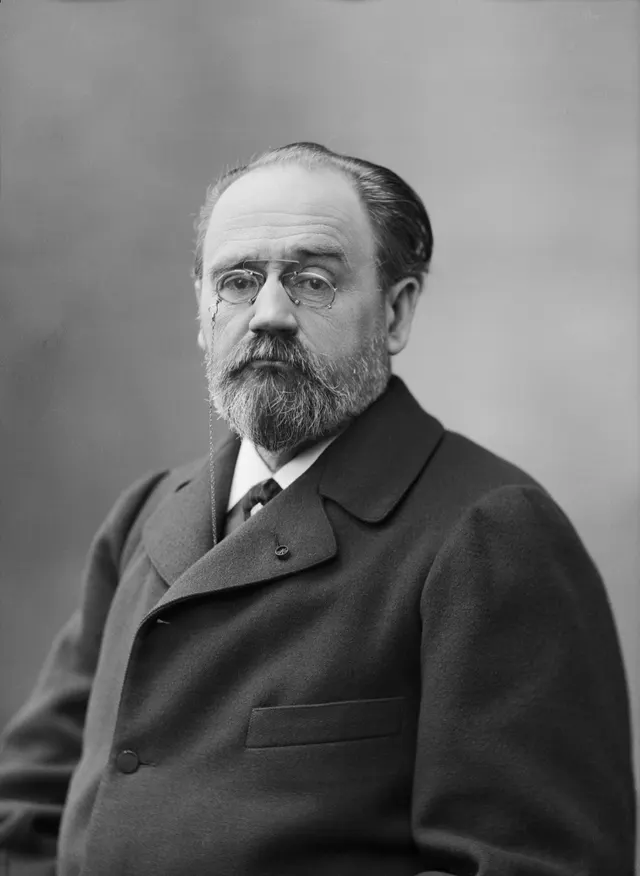
Émile Zola
Image creditNadar · Public domainResized and cropped for display.

Émile Zola

French novelist of the Rougon-Macquart cycle, whose open letter ‘J’accuse’ defended Alfred Dreyfus.

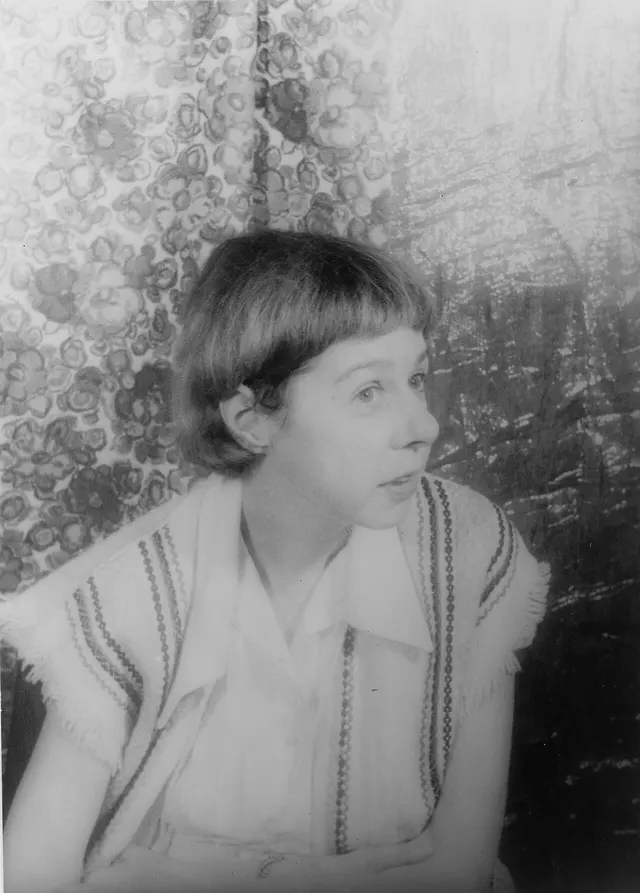
Carson McCullers
Image creditCarl Van Vechten · Public domainResized and cropped for display.

Carson McCullers

American writer of The Heart Is a Lonely Hunter.

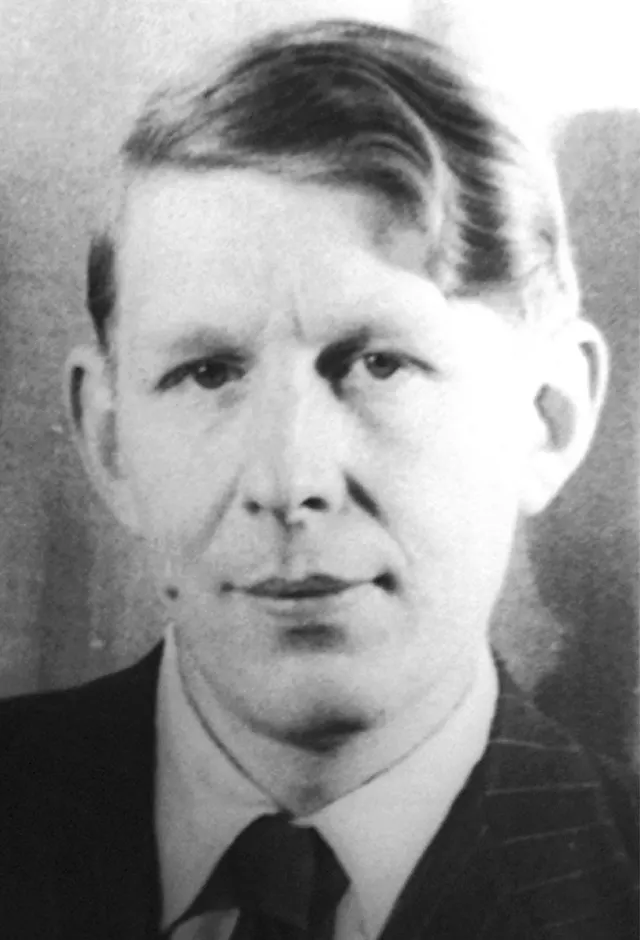
W. H. Auden
Image creditCarl Van Vechten · Public domainResized and cropped for display.

W. H. Auden

English-born poet, one of the leading voices of 20th-century poetry in English.

☉
AROUND THE WORLD

Observances & Anniversaries

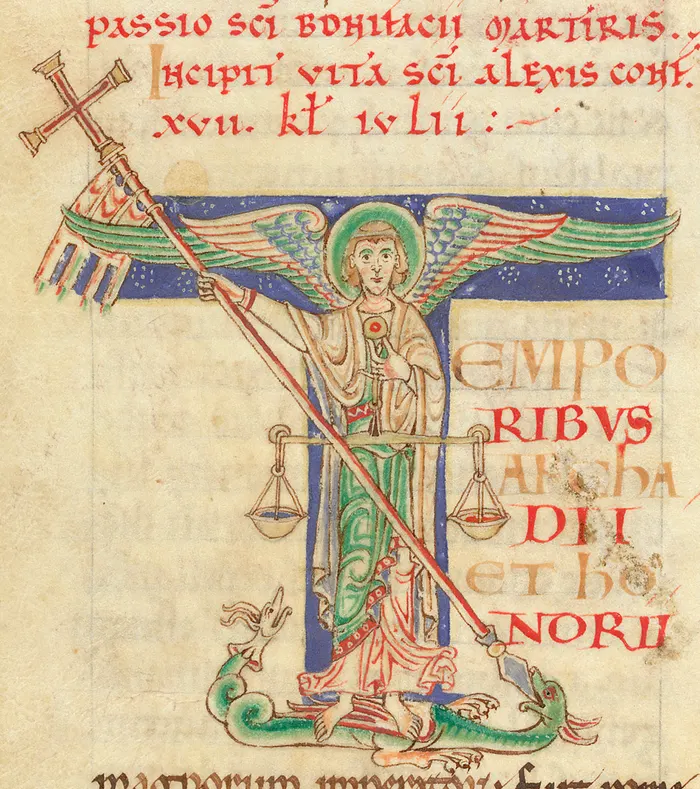
St Michael weighing souls and slaying a dragon, in a 12th-century English manuscript initial.
Image creditAnonymousUnknown author · CC0Resized and cropped for display.

Michaelmas

29 September is Michaelmas, the feast of St Michael the Archangel in the Western churches, known in the Church of England as St Michael and All Angels. In England it was one of the four quarter days, when rents fell due, and in the Middle Ages it was a great feast that coincided with the harvest.

Source: Encyclopaedia Britannica: Michaelmas ↗
HISTORY & TIMELINE

Finished the highlights?

Follow 29 September chronologically, from the Middle Ages to the modern day, with 9 verified events and the sources behind them.

This day through time →