Explore 2 October

Explore 2 October: Saladin retakes Jerusalem, Warsaw’s uprising ends, Guinea says no to France and Peanuts makes its debut. Meet Gandhi and Maria Ressa, born on this date.

This day through time →22 verified events across 5 eras

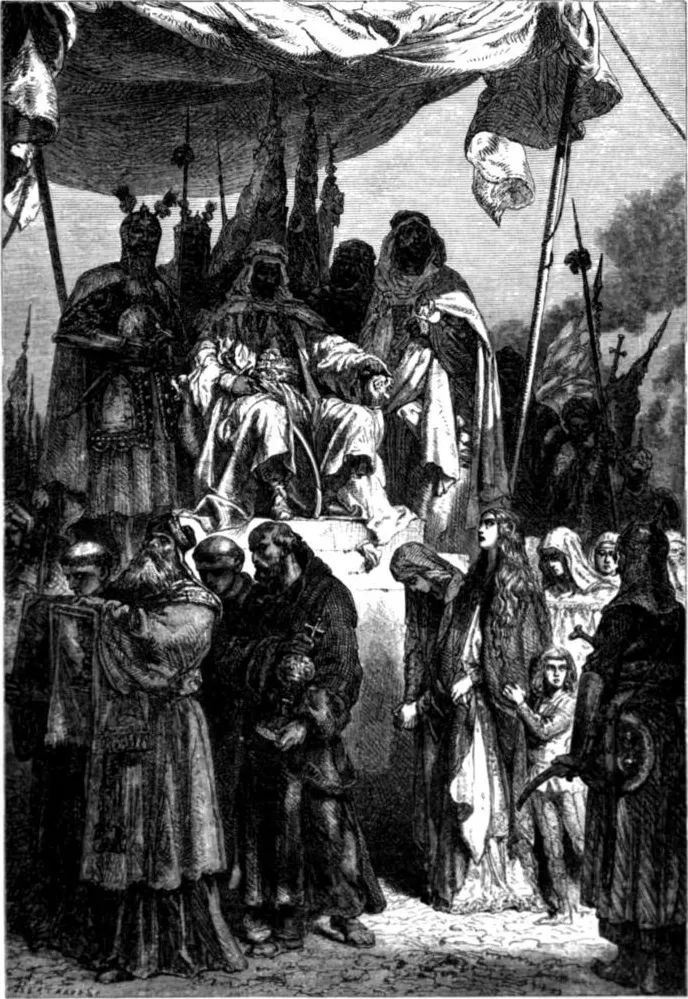
A 19th-century illustration of Christian townspeople appealing to Saladin
Christians before Saladin, a 19th-century illustration by Alphonse de Neuville.
Image creditAlphonse de Neuville · Public domainResized and cropped for display.

Saladin takes Jerusalem

On 2 October 1187 the Crusader city of Jerusalem surrendered to Saladin, after a siege that began on 20 September. The kingdom’s army had been crushed at the Battle of Hattin that July, leaving the city almost undefended.

The surrender was negotiated by Balian of Ibelin, and residents who could pay were allowed to buy their freedom. Saladin was widely remembered for sparing the Church of the Holy Sepulchre, and the loss of Jerusalem shocked Christian Europe and led to the Third Crusade.

Read the full storyHistory & Timeline →Source: World History Encyclopedia ↗
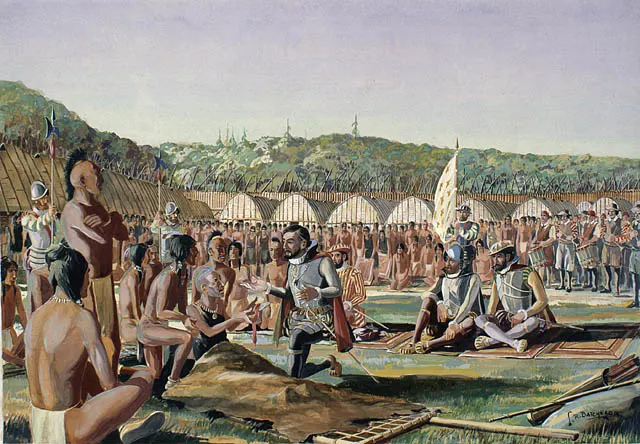
A painting of Jacques Cartier meeting the people of Hochelaga
Jacques Cartier at Hochelaga, painting by Lawrence R. Batchelor.
Image creditLawrence R. Batchelor · Public domainResized and cropped for display.

Cartier reaches Hochelaga

On 2 October 1535 the French explorer Jacques Cartier reached Hochelaga, a fortified Iroquoian village on the island of Montreal. Nearly 2,000 people lived there, and Cartier’s party was welcomed.

His hosts took him up the nearby hill, which he named Mount Royal. The name lives on in Montreal. Rapids upstream blocked any further progress westward, and relations with the Iroquois worsened over the winter.

Read the full storyHistory & Timeline →Source: Canadian Museum of History ↗
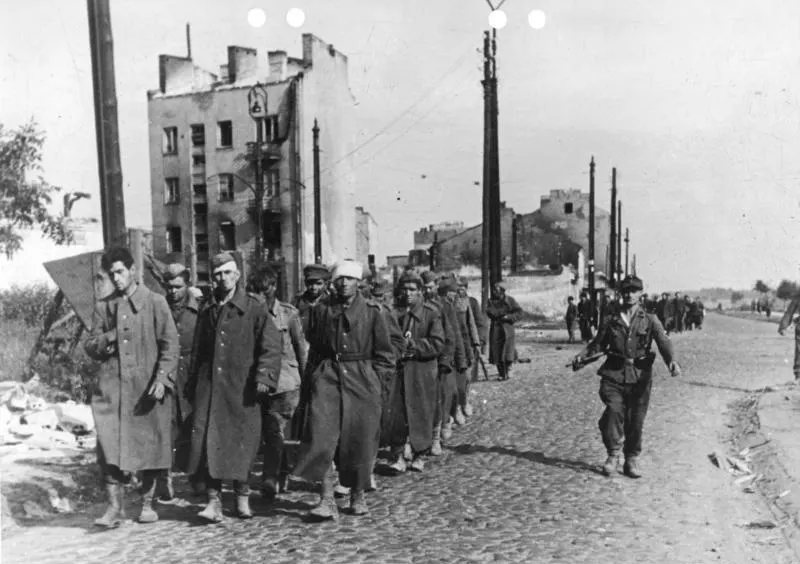
Polish and German officers photographed at the capitulation of the Warsaw Uprising
The capitulation of the Warsaw Uprising, October 1944.
Image creditAugust Ahrens / Bundesarchiv, Bild 146-2005-0039 · CC BY-SA 3.0 deResized and cropped for display.

The Warsaw Uprising ends

After 63 days of fighting, the Polish Home Army’s uprising against German occupation ended on 2 October 1944. General Tadeusz Bór-Komorowski agreed the capitulation with the German commander, Erich von dem Bach-Zelewski; some accounts place the formal signing in the early hours of 3 October.

More than 11,000 Home Army fighters became prisoners of war. Victims of the uprising are estimated at more than 180,000 people, and German troops destroyed most of the city and deported many of its civilians.

Read the full storyHistory & Timeline →Source: United States Holocaust Memorial Museum ↗
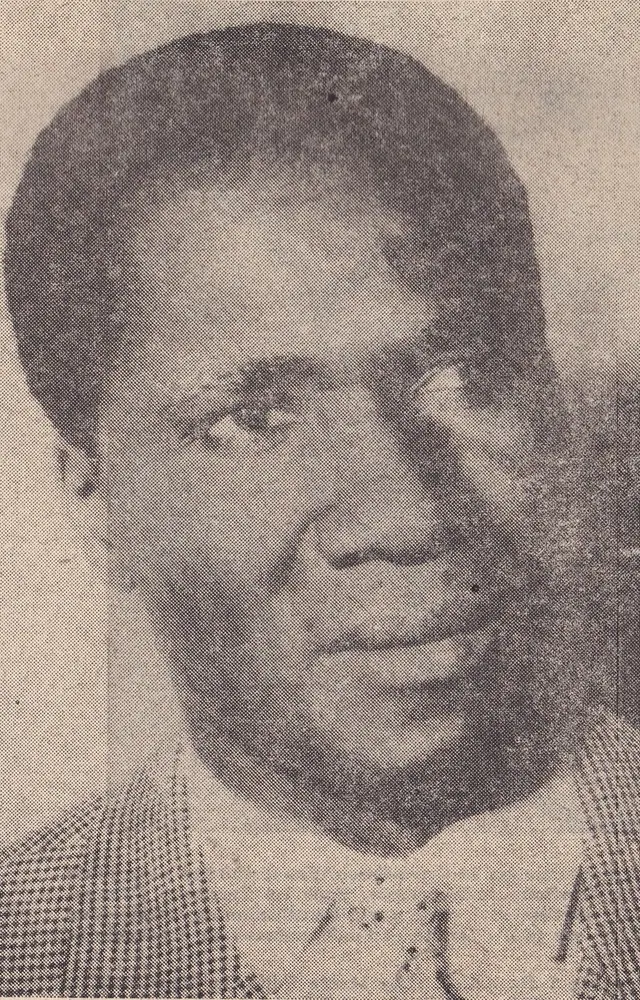
Portrait of Ahmed Sékou Touré in 1958
Ahmed Sékou Touré, Guinea’s first president, in 1958.
Image creditUnknown / Présence Congolaise · Public domainResized and cropped for display.

Guinea says no to France

Guinea became independent on 2 October 1958, days after voters answered ‘no’ in a referendum on staying in the French Community. It was the only French territory in Africa to reject the offer.

Its leader, Ahmed Sékou Touré, had argued that poverty in liberty was better than wealth in slavery. France withdrew its administration and aid, but Guinea’s example encouraged others: by November 1960 every French territory in Africa was independent.

Read the full storyHistory & Timeline →Source: EBSCO Research Starters ↗
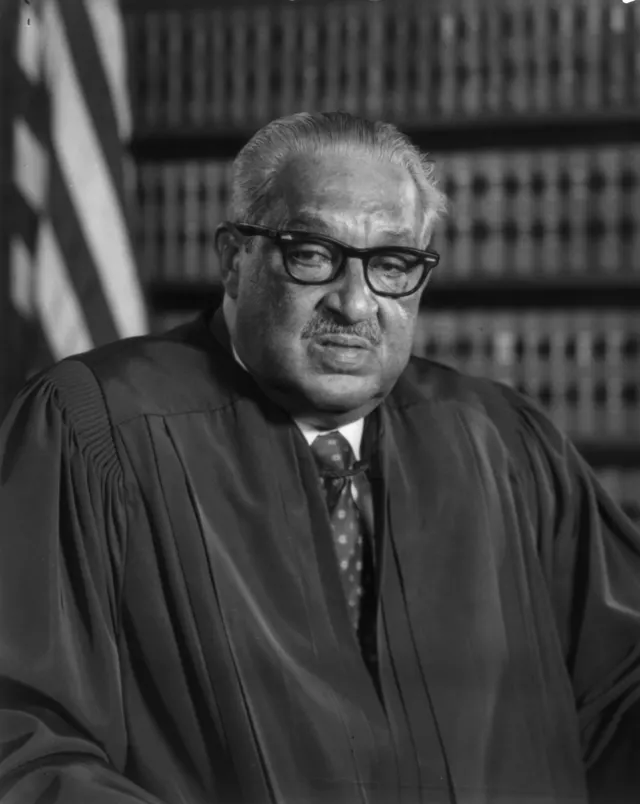
Official portrait of Justice Thurgood Marshall
Thurgood Marshall, official portrait.
Image creditRobert S. Oakes · Public domainResized and cropped for display.

Thurgood Marshall joins the Supreme Court

On 2 October 1967 Thurgood Marshall was sworn in as a justice of the United States Supreme Court, the first African American to serve on it. Chief Justice Earl Warren administered the oath.

Marshall had been nominated by President Lyndon Johnson that June and confirmed 69 to 11 in the Senate. He served for 24 years and retired in 1991 because of ill health.

Read the full storyHistory & Timeline →Source: Supreme Court of the United States ↗
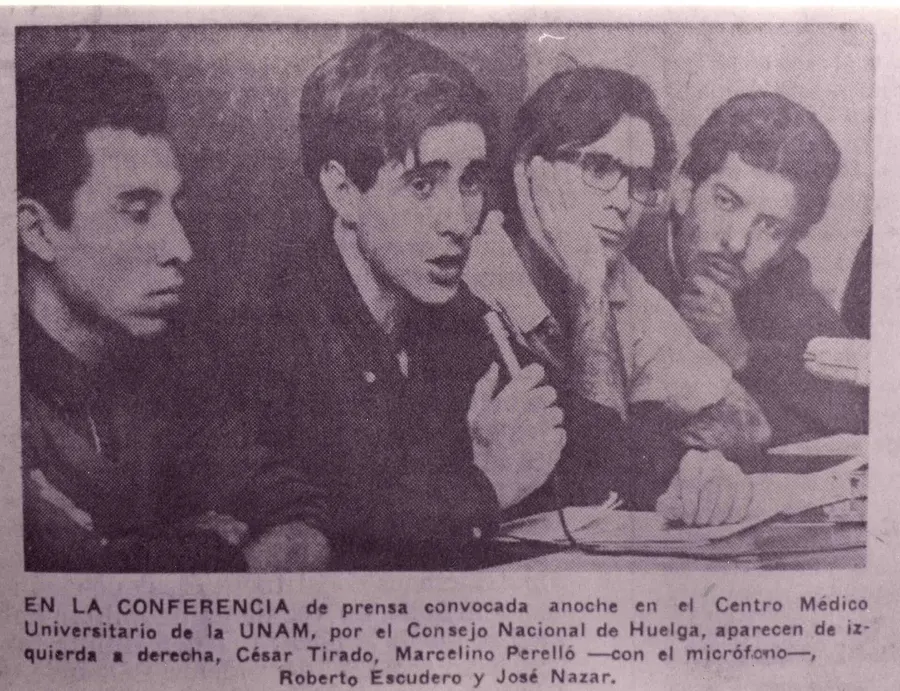
Press conference held after the Tlatelolco massacre, 5 October 1968
Press conference after the massacre, 5 October 1968.
Image creditMarcelino Perelló · Public domainResized and cropped for display.

Tlatelolco: a student protest ends in massacre

On the evening of 2 October 1968, soldiers and police opened fire on a student rally in Mexico City’s Plaza de las Tres Culturas at Tlatelolco. It came ten days before the Olympic Games opened in the same city.

The government acknowledged 44 deaths; other sources put the toll in the hundreds. The National Security Archive says the events of that day remain shrouded in a secrecy inappropriate for a modern democracy, and every year Mexicans march on 2 October in remembrance.

Read the full storyHistory & Timeline →Source: National Security Archive ↗
♙
PEOPLE

Born Today

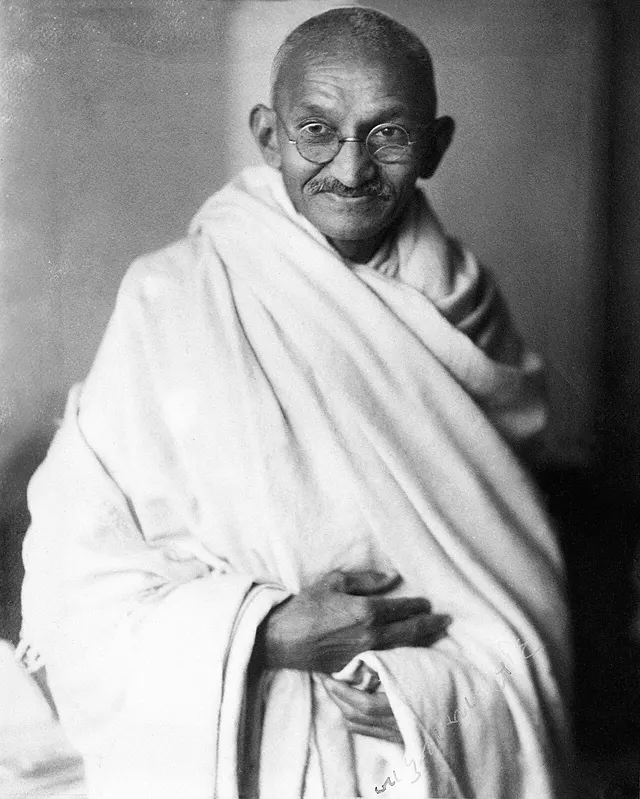
Mahatma Gandhi
Image creditElliott & Fry · Public domainResized and cropped for display.

Mahatma Gandhi

Leader of India’s non-violent independence movement. His birthday is marked in India as Gandhi Jayanti and worldwide as the International Day of Non-Violence.

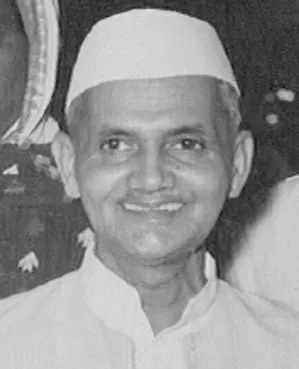
Lal Bahadur Shastri
Image creditViksb · CC BY-SA 3.0Resized and cropped for display.

Lal Bahadur Shastri

India’s second prime minister, in office from 1964 to 1966. He was born on the same date as Gandhi, 35 years later.

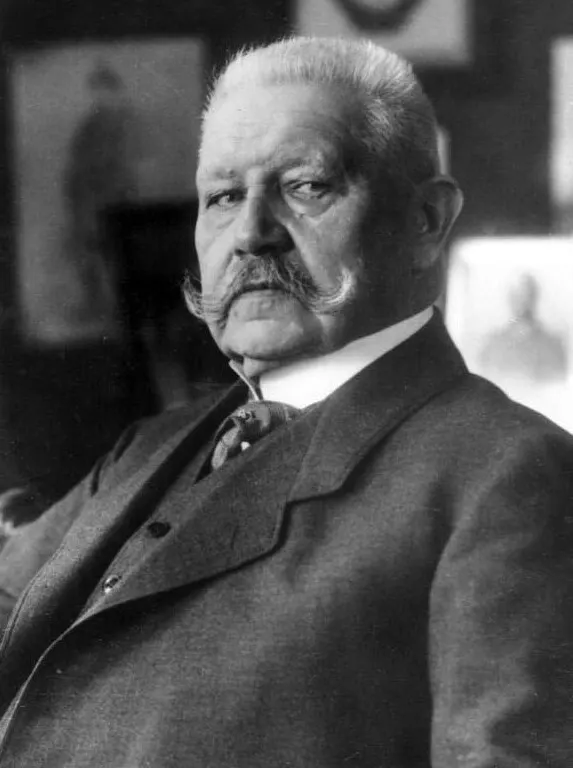
Paul von Hindenburg
Image creditBundesarchiv (unknown photographer) · CC BY-SA 3.0 deResized and cropped for display.

Paul von Hindenburg

German field marshal in the First World War and later president of the Weimar Republic, who appointed Adolf Hitler chancellor in January 1933.

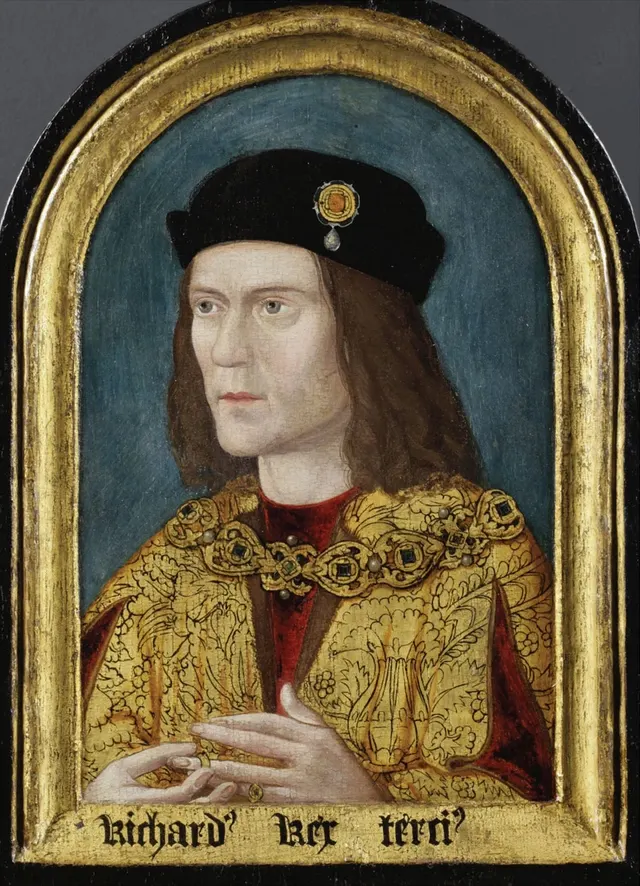
Richard III
Image creditBarthel ii · Public domainResized and cropped for display.

Richard III

King of England from 1483 to 1485. His remains were found in Leicester in 2012 and identified in 2013.

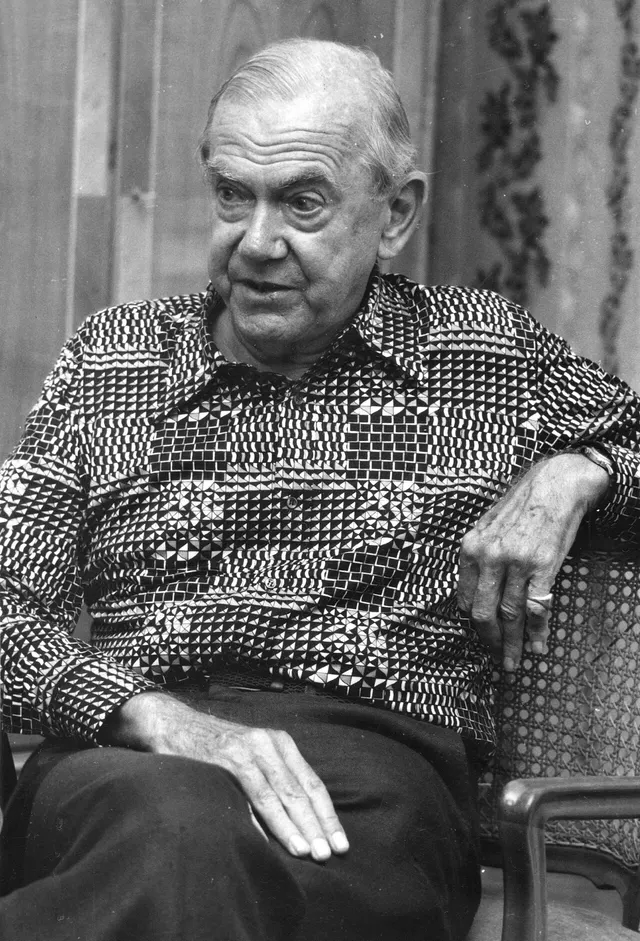
Graham Greene
Image creditFortepan / Magyar Hírek · CC BY-SA 3.0Resized and cropped for display.

Graham Greene

English novelist, author of ‘The Power and the Glory’ and ‘The Quiet American’ and the screenplay of the film ‘The Third Man’.

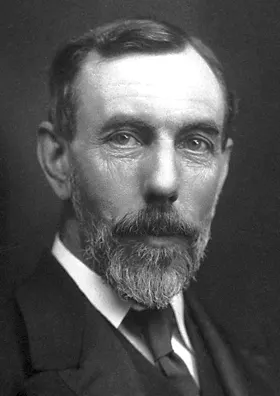
William Ramsay
Image creditElliott & Fry · Public domainResized and cropped for display.

William Ramsay

Scottish chemist who identified several of the noble gases, and won the Nobel Prize in Chemistry in 1904.

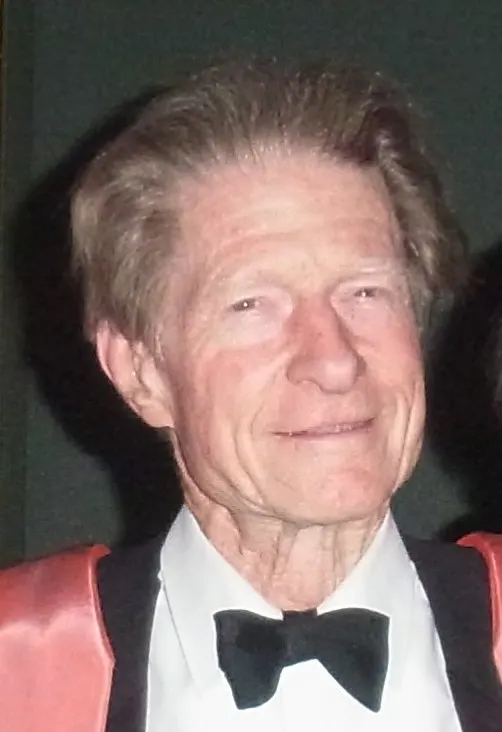
John Gurdon
Image creditDeryck Chan · CC BY-SA 3.0Resized and cropped for display.

John Gurdon

British developmental biologist whose frog-cloning experiments showed that specialised cells could be reprogrammed. He shared the 2012 Nobel Prize in Physiology or Medicine.

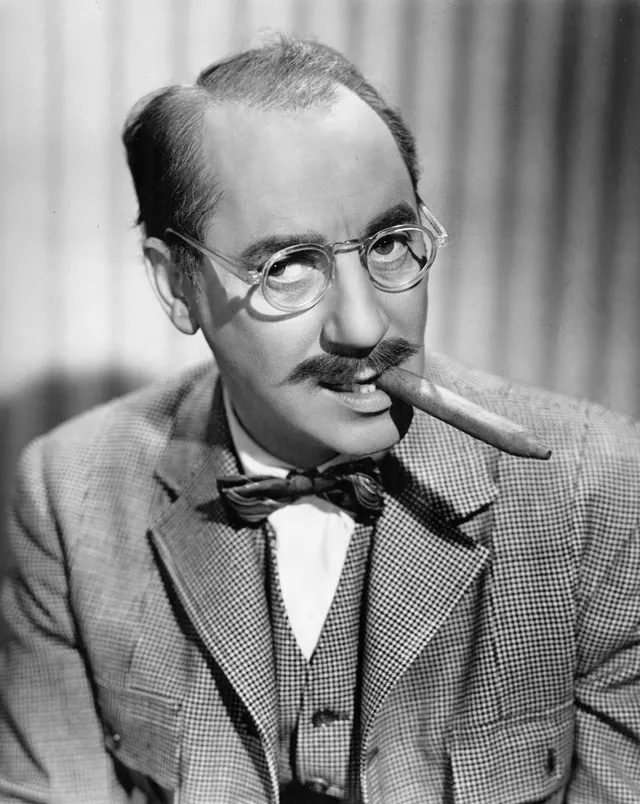
Groucho Marx
Image creditABC Photo · Public domainResized and cropped for display.

Groucho Marx

American comedian of the Marx Brothers, later the quick-witted host of the quiz show ‘You Bet Your Life’.

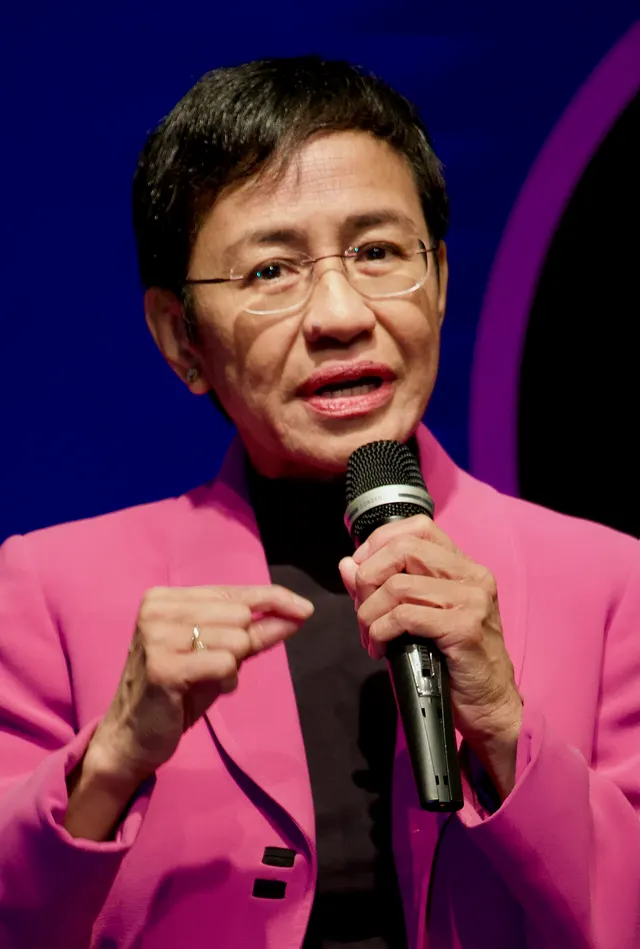
Maria Ressa
Image creditXuthoria · CC BY-SA 4.0Resized and cropped for display.

Maria Ressa

Filipino-American journalist and co-founder of Rappler. She shared the 2021 Nobel Peace Prize for efforts to safeguard freedom of expression.

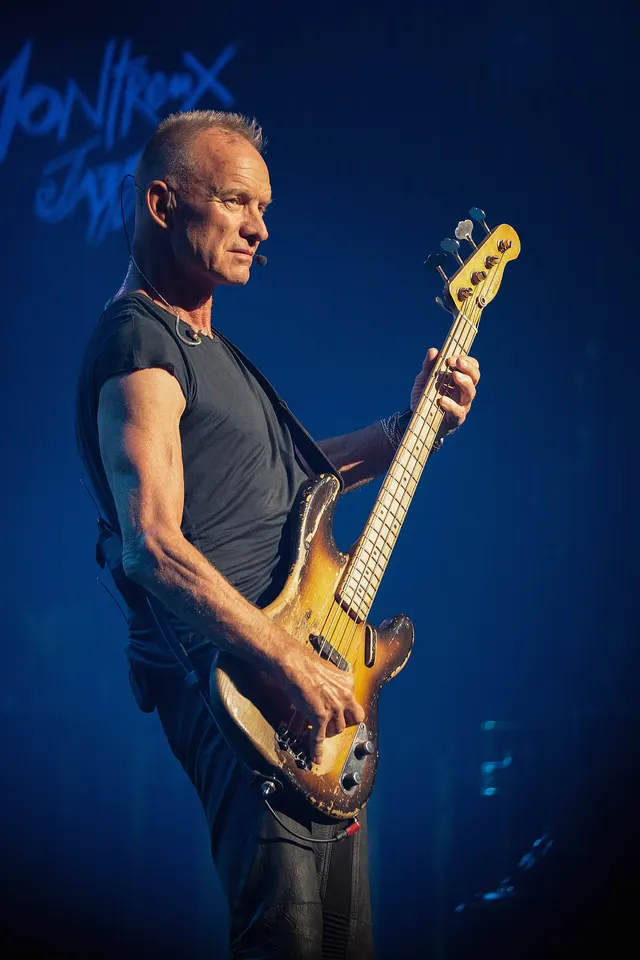
Sting
Image creditCamilaAlves.raf · CC BY-SA 4.0Resized and cropped for display.

Sting

English musician, lead singer and bassist of The Police before a long solo career.

◉
IDEAS THAT CHANGED THINGS

Firsts, Science & Discoveries

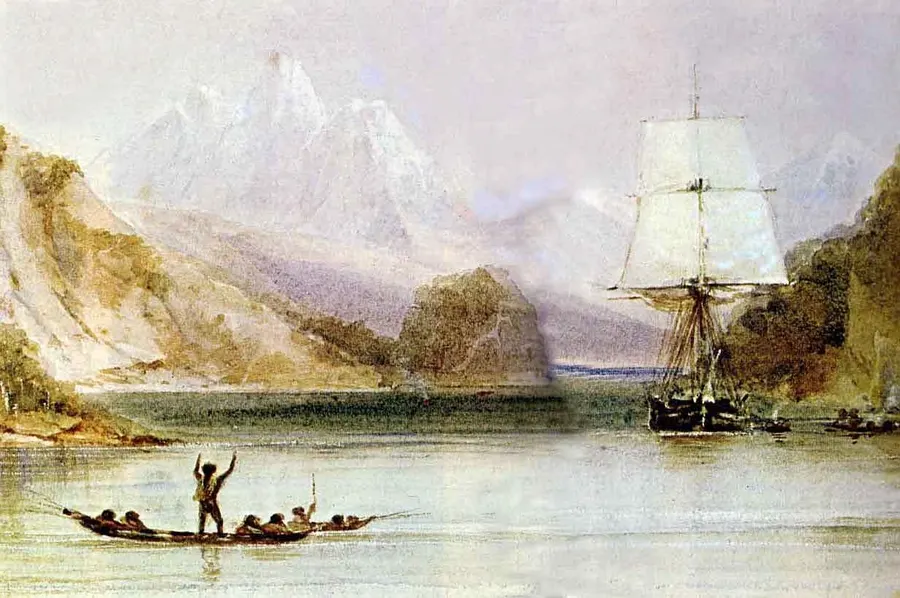
A painting of HMS Beagle at sea
HMS Beagle, painted by Conrad Martens.
Image creditConrad Martens · Public domainResized and cropped for display.

HMS Beagle returns with Darwin

HMS Beagle reached Falmouth on 2 October 1836 after a voyage of almost five years, originally planned to last two. Charles Darwin, its naturalist, did not linger: that same stormy night he took the mail coach for Shrewsbury and his family.

The specimens and notes he brought home shaped his work for the rest of his life, including ‘On the Origin of Species’, published in 1859.

Read the full storyHistory & Timeline →Source: National Maritime Museum Cornwall ↗
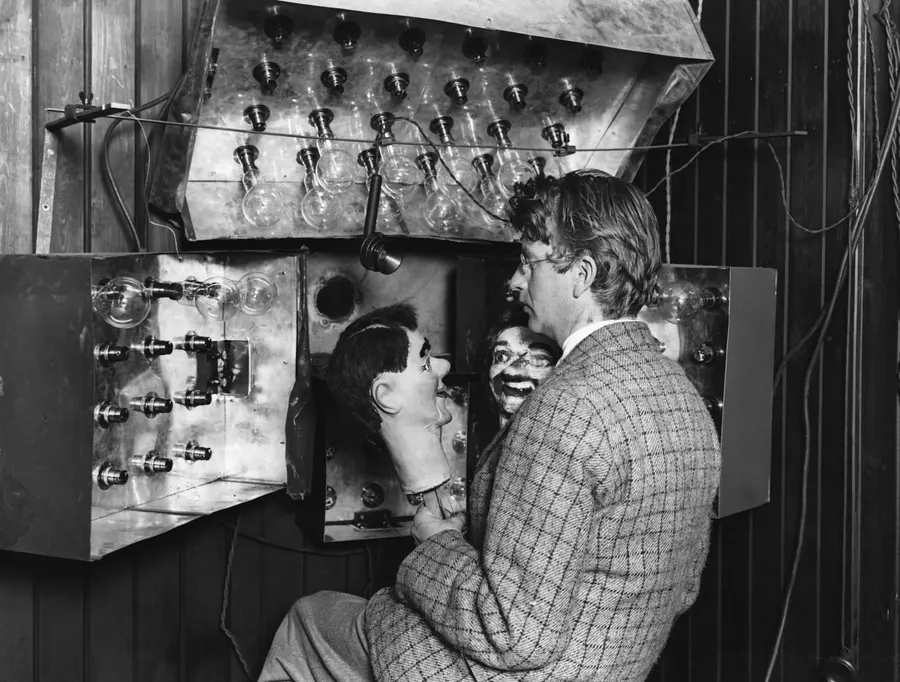
John Logie Baird with a ventriloquist's dummy used in his television experiments
John Logie Baird with ‘Stooky Bill’, the dummy used in his television experiments.
Image creditOrrin Dunlap, Jr. · Public domainResized and cropped for display.

Baird transmits the first television picture with tone

On 2 October 1925, in his attic laboratory at 22 Frith Street in London’s Soho, John Logie Baird transmitted the first television picture with tonal gradation. The subject was first a ventriloquist’s dummy’s head, then a human face.

The face belonged to William Edward Taynton, a 20-year-old office boy. A formal demonstration to members of the Royal Institution followed on 26 January 1926.

Read the full storyHistory & Timeline →Source: English Heritage ↗
☆
SPORTING HISTORY

Sporting Moments

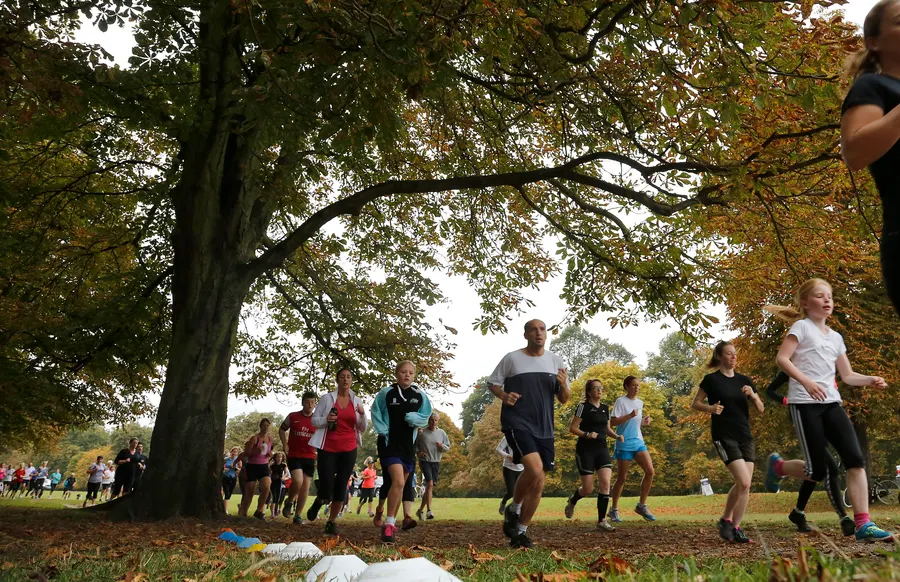
Runners at Bushy parkrun in London
Bushy parkrun, September 2014.
Image creditKevin Wood · CC BY 2.0Resized and cropped for display.

The first parkrun is held in Bushy Park

On 2 October 2004, 13 runners gathered in Bushy Park, Teddington, for what was then called the Bushy Park Time Trial, organised by Paul Sinton-Hewitt with three volunteers.

It became parkrun, a free, timed, weekly 5 km event that has since spread to locations across the world.

Read the full storyHistory & Timeline →Source: parkrun ↗
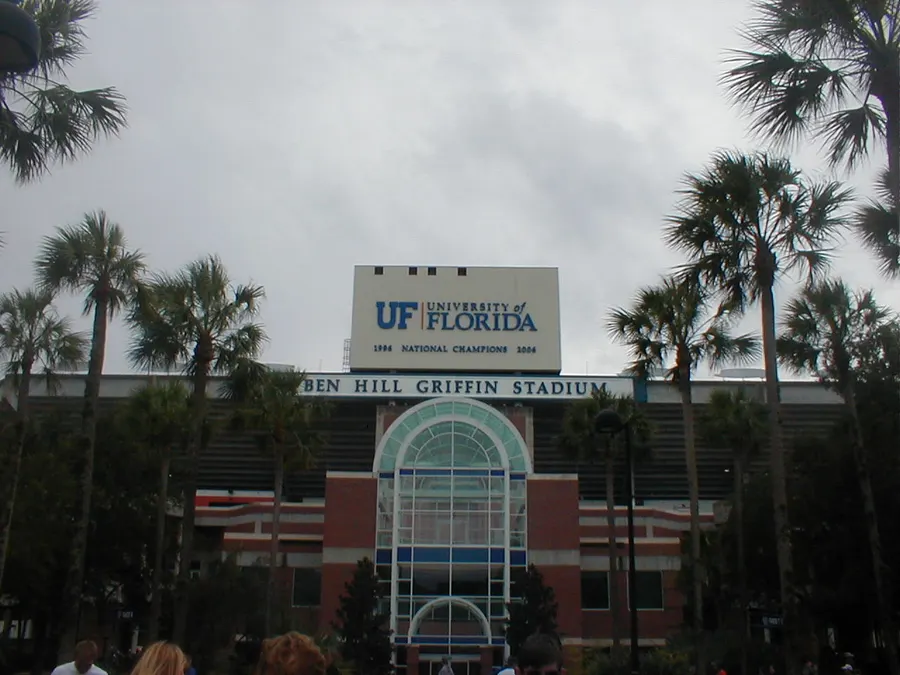
Florida Field, the University of Florida football stadium in Gainesville
Florida Field in Gainesville, where the Gators played on 2 October 1965.
Image creditChris Bohn from Gainesville, FL, USA · CC BY-SA 2.0Resized and cropped for display.

Gatorade makes its game-day debut

Gatorade was invented at the University of Florida’s College of Medicine by a team led by Dr Robert Cade, after tests on Florida football players showed that heat was leaving their electrolytes out of balance and their blood sugar and blood volume low.

After a trial with the freshman team on 1 October 1965, the drink was on the Gators’ sideline the next day, 2 October, when Florida beat fifth-ranked LSU 14-7 in Gainesville. It became a sports drink used by athletes around the world.

Read the full storyHistory & Timeline →Source: University of Florida Research ↗
♫
MUSIC • FILM • BOOKS • CULTURE

Culture Stories

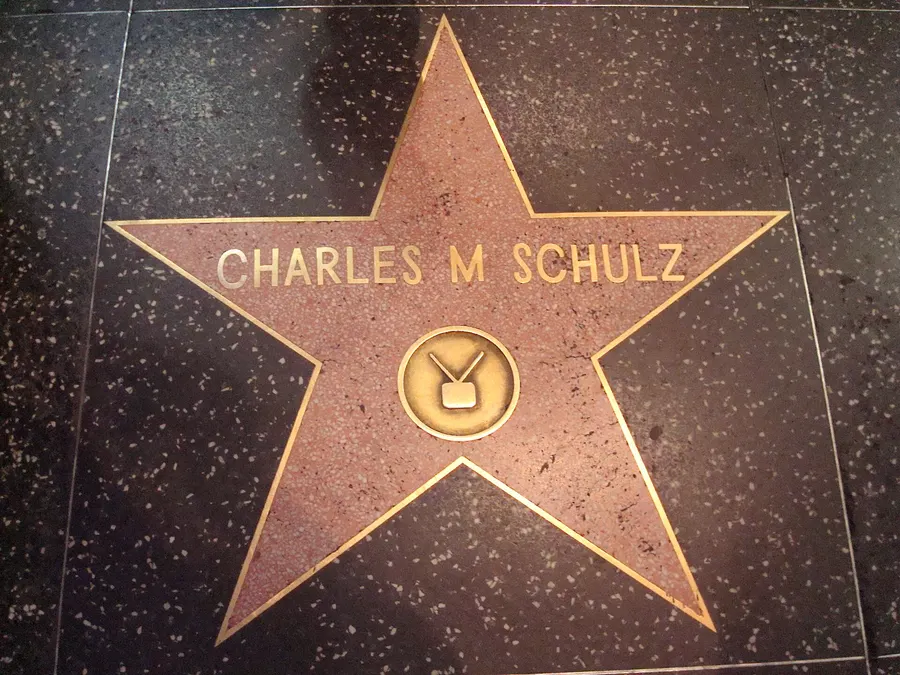
Charles M. Schulz's star on the Hollywood Walk of Fame
Charles M. Schulz’s star on the Hollywood Walk of Fame.
Image creditNeelix · Public domainResized and cropped for display.

Peanuts makes its newspaper debut

Charles M. Schulz’s Peanuts first appeared on 2 October 1950, as a four-panel strip in seven American newspapers, among them The Washington Post, the Chicago Tribune and The Seattle Times. Schulz was paid $90 for his first month.

The cast was small at first. Violet and Schroeder arrived in 1951, and Lucy and Linus in 1952.

Read the full storyHistory & Timeline →Source: Charles M. Schulz Museum ↗
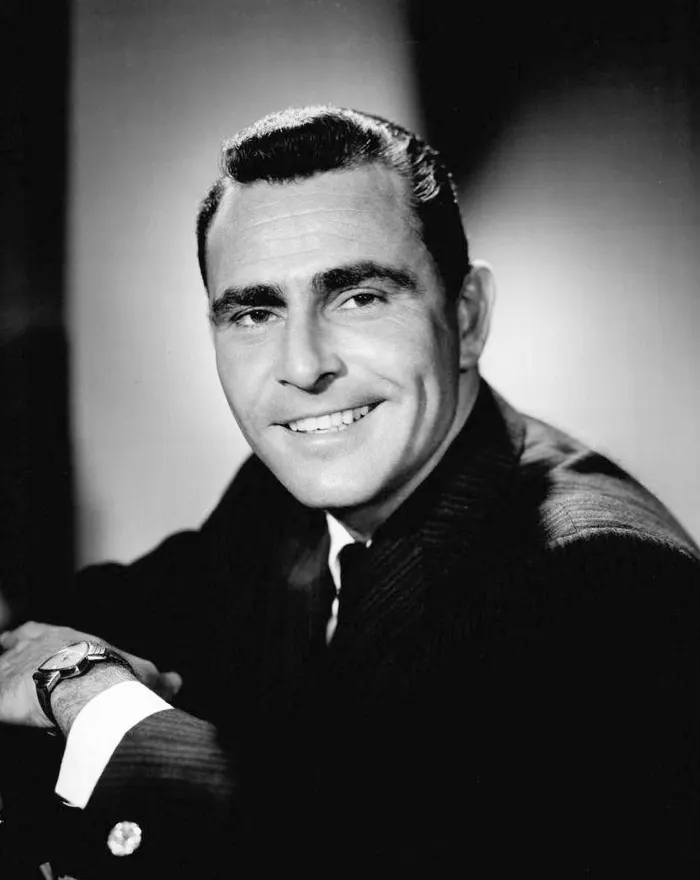
Rod Serling, creator and host of The Twilight Zone, in a 1959 CBS portrait
Rod Serling, creator and host of The Twilight Zone, in 1959.
Image creditCBS Television (portrait by Gabor Rona) · Public domainResized and cropped for display.

The Twilight Zone premieres on CBS

On 2 October 1959 CBS broadcast the first episode of The Twilight Zone. Its creator, Rod Serling, wrote for the series and appeared on screen as its host and narrator.

Serling used science fiction and fantasy to explore subjects such as racism and economic greed that sponsors had rejected in more realistic drama. The series ended in 1964, and syndication has kept it in front of new audiences ever since.

Read the full storyHistory & Timeline →Source: Television Academy ↗
✦
LIVES REMEMBERED

Remembered Today

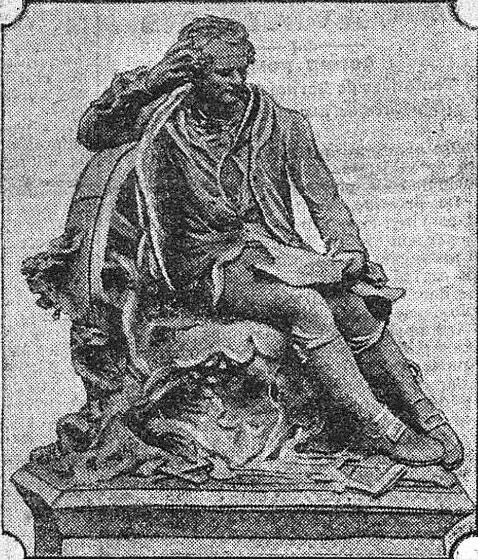
Nicolas-Joseph Cugnot
Image creditFosse / Le Petit Journal · Public domainResized and cropped for display.

Nicolas-Joseph Cugnot

French engineer who built a steam-powered artillery tractor around 1769, often regarded as the first self-propelled road vehicle.

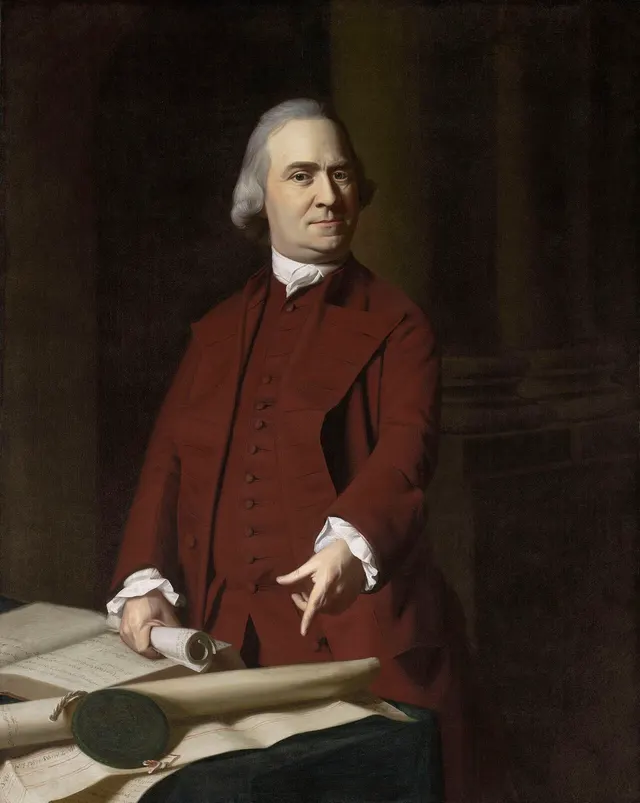
Samuel Adams
Image creditJohn Singleton Copley · Public domainResized and cropped for display.

Samuel Adams

Boston patriot who helped organise resistance to British rule, signed the Declaration of Independence and later became governor of Massachusetts.

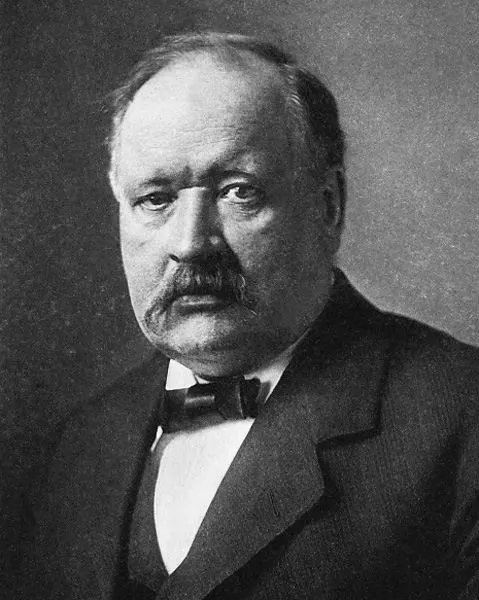
Svante Arrhenius
Image creditMeisenbach Riffarth & Co. · Public domainResized and cropped for display.

Svante Arrhenius

Swedish chemist and Nobel laureate who calculated in 1896 that carbon dioxide levels could change Earth’s temperature, an early insight into the greenhouse effect.

Marcel Duchamp
Image creditAlfred Stieglitz · Public domainResized and cropped for display.

Marcel Duchamp

French-American artist whose 1917 ‘Fountain’, a signed urinal, challenged what could count as art. He later devoted much of his time to chess.

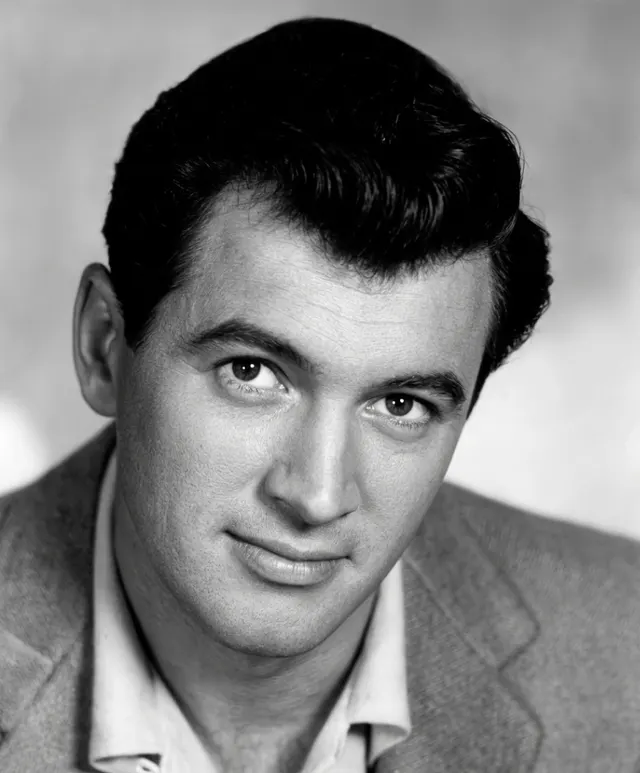
Rock Hudson
Image creditUniversal Pictures · Public domainResized and cropped for display.

Rock Hudson

American film star of the 1950s and 60s. His illness and death from an AIDS-related condition drew wide public attention to the epidemic.

Peter Medawar
Image creditUnknown · Public domainResized and cropped for display.

Peter Medawar

Brazilian-born British biologist who shared the 1960 Nobel Prize in Physiology or Medicine for work on immunological tolerance that underpins organ transplantation.

☉
AROUND THE WORLD

Observances & Anniversaries

Portrait of Mahatma Gandhi
Mahatma Gandhi, 1931.
Image creditElliott & Fry · Public domainResized and cropped for display.

International Day of Non-Violence

Observed on 2 October, Gandhi’s birthday, this United Nations day was established by General Assembly resolution 61/271 in June 2007. It encourages education and public awareness to spread the message of non-violence.

In India the same date is Gandhi Jayanti.

Source: United Nations ↗
HISTORY & TIMELINE

Finished the highlights?

Follow 2 October chronologically, from the Middle Ages to the modern day, with 22 verified events and the sources behind them.

This day through time →