HISTORY & TIMELINE
2 October

A journey through
2 October in history

From Saladin’s entry into Jerusalem in 1187 to the first parkrun in 2004, 2 October has carried surrender and independence, scientific milestones and quiet beginnings. This timeline follows the date across eight centuries, from the Middle Ages to the modern day.

II
THE MIDDLE AGES

Medieval History

Kingdoms, conflict, faith, power and the changing medieval world.

1187
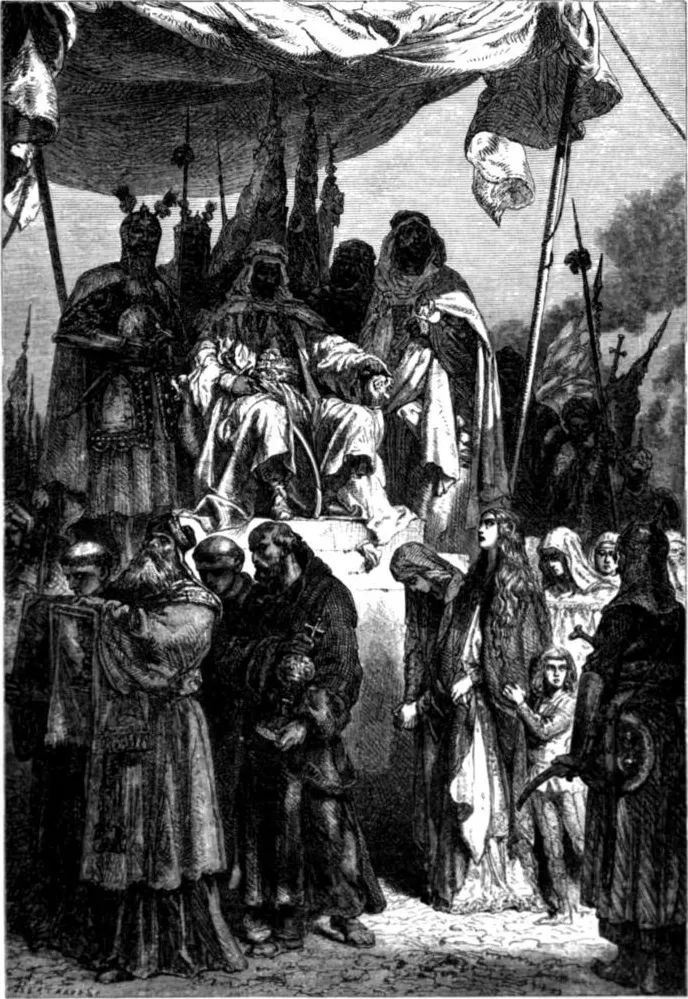
A 19th-century illustration of Christian townspeople appealing to SaladinChristians before Saladin, a 19th-century illustration by Alphonse de Neuville.Image: Alphonse de Neuville · Public domain
world · Middle East

Saladin takes Jerusalem

After a siege that began on 20 September, Jerusalem surrendered to Saladin on 2 October. The Crusader kingdom’s army had been destroyed at the Battle of Hattin three months earlier, and the city’s defence fell to Balian of Ibelin, who negotiated the terms. Inhabitants who could pay a ransom were allowed to leave, and Saladin declined to destroy the Church of the Holy Sepulchre. News of the fall reached Europe as a shock and helped prompt the Third Crusade (1189-1192). Jerusalem stayed under Muslim rule until 1917.

Source: World History Encyclopedia: Saladin’s Conquest of Jerusalem (1187 CE) ↗
1263
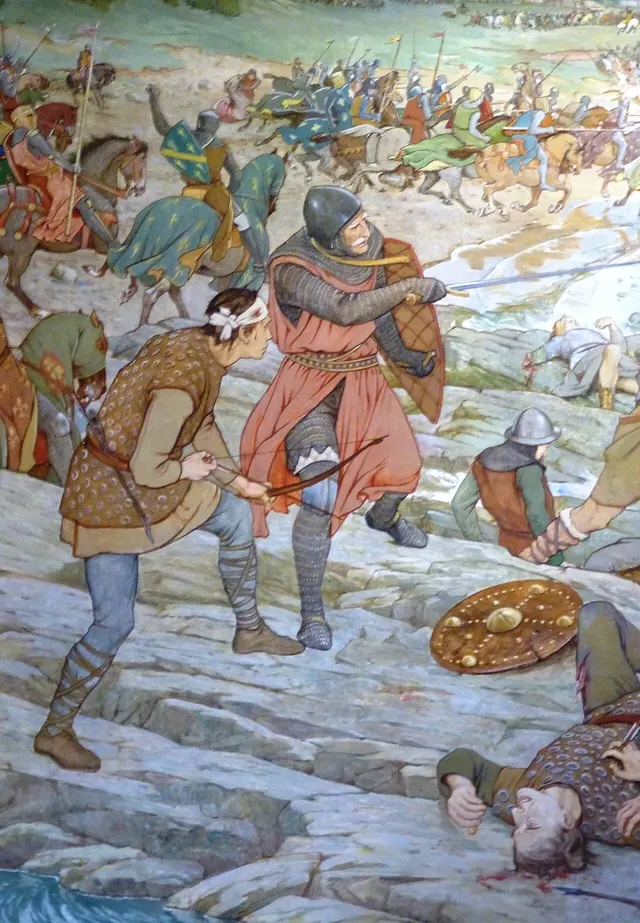
The Battle of Largs, from William Hole's painting of about 1899.The Battle of Largs, from William Hole’s painting of about 1899.Image: William Hole · CC BY-SA 3.0
world · Europe

The Battle of Largs

King Haakon IV of Norway had brought a fleet to the Scottish coast to defend Norwegian claims in the Hebrides and the Isle of Man. After a storm on 30 September wrecked many of his ships, his forces fought Scottish troops on the beach at Largs in Ayrshire on 2 October. The Norse withdrew, Haakon died that December, and the Treaty of Perth in 1266 gave Scotland the Western Isles and the Isle of Man.

Source: World History Encyclopedia: Alexander III of Scotland ↗
III
A CHANGING WORLD

Early Modern Era

Exploration, political change, scientific development and expanding global connections.

1535
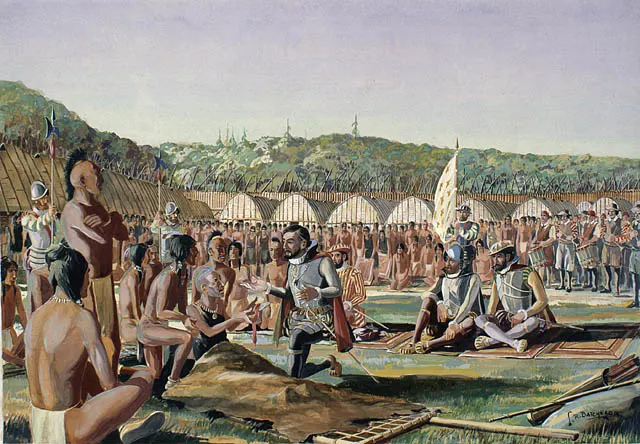
A painting of Jacques Cartier meeting the people of HochelagaJacques Cartier at Hochelaga, painting by Lawrence R. Batchelor.Image: Lawrence R. Batchelor · Public domain
world · Americas

Cartier reaches Hochelaga

Jacques Cartier, on his second voyage up the St Lawrence, reached the Iroquoian village of Hochelaga on 2 October 1535. The Canadian Museum of History records a settlement of nearly 2,000 people that received the French warmly. Cartier’s hosts guided him to the nearby mountain, which he called Mount Royal; rapids north and south of the island of Montreal stopped him going further west. When he returned to his winter quarters on the Saint-Charles River, relations with the Iroquois had become more strained.

Source: Canadian Museum of History: Jacques Cartier 1534-1542 ↗
1552
world · Europe

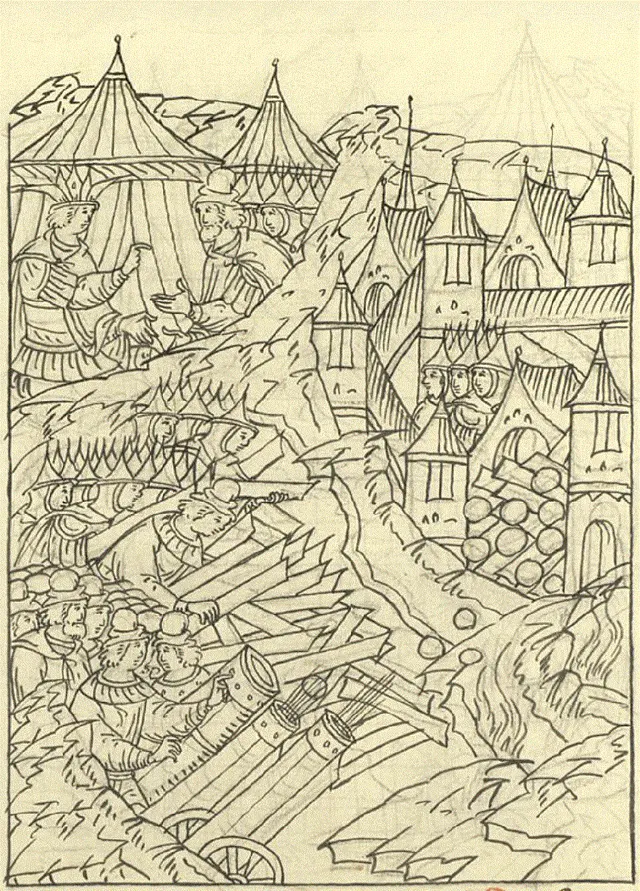
Ivan the Terrible captures Kazan

On 2 October 1552 a Muscovite army led in person by Ivan IV stormed Kazan, capital of the Kazan Tatars, after a siege that had begun in August. Sappers tunnelled under the walls and exploded mines before the final assault. The conquest was Moscow’s first major expansion to the east and opened the way for Russian power to grow across Asia.

Source: History Today: Kazan Falls to Ivan the Terrible ↗
1780
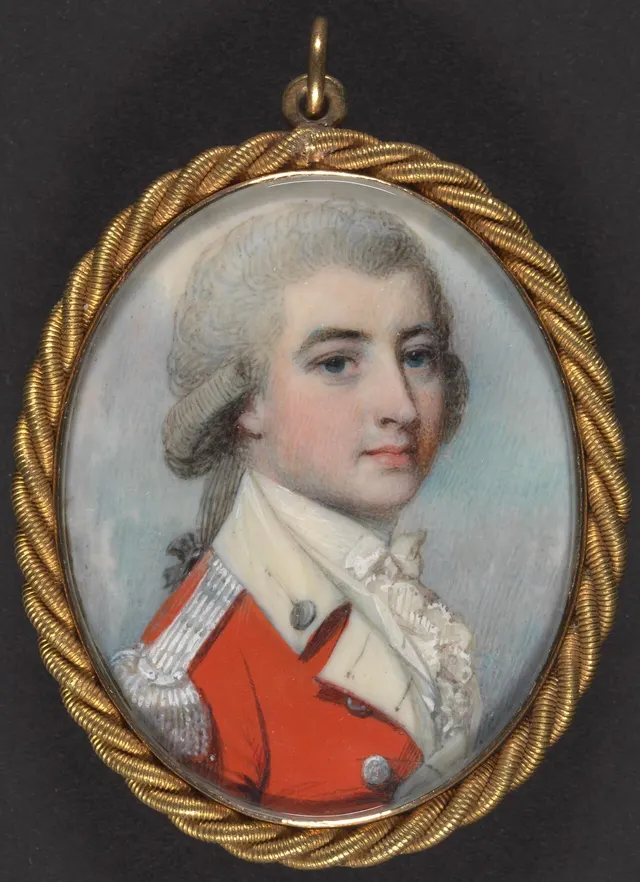
Major John André, in a miniature by George Engleheart.Major John André, in a miniature by George Engleheart.Image: George Engleheart · CC0
world · Americas

Major John André is hanged as a spy

The British officer John André was hanged as a spy at Tappan, New York, on 2 October 1780, at the age of 30. He had been captured in Westchester County carrying documents that revealed Benedict Arnold’s plot to surrender the fort at West Point to the British, and had acted as go-between for Arnold and British headquarters. André asked to be shot by a firing squad, as a courtesy of war; George Washington refused, and he went to the gallows after a brief military trial. His courage impressed many American officers, and Alexander Hamilton wrote that he ‘suffered death with more justice, or deserved it less’ than any man.

Source: American Battlefield Trust: John André ↗
1789
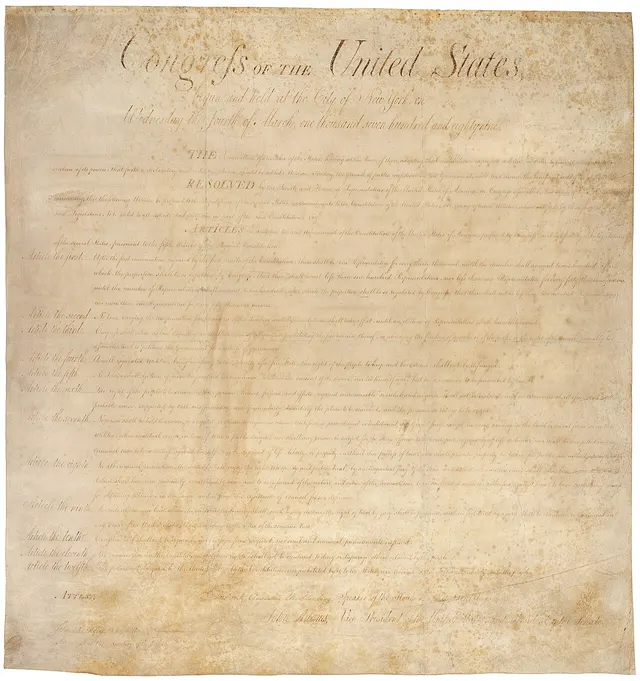
The twelve amendments passed by Congress in 1789 (National Archives).The twelve amendments passed by Congress in 1789 (National Archives).Image: National Archives and Records Administration. Office of the Federal Register. 4/1/1985 · Public domain
politics · Americas

The Bill of Rights is sent to the states

On 2 October 1789 President George Washington sent copies of the 12 amendments Congress had proposed on 25 September to the states for ratification. Ten of the twelve were ratified on 15 December 1791 and became the first ten amendments to the United States Constitution, known as the Bill of Rights.

Source: US National Archives: The Bill of Rights, how did it happen? ↗
IV
THE NINETEENTH CENTURY

The 1800s

Industry, empire, invention, reform and a century of enormous transformation.

1835
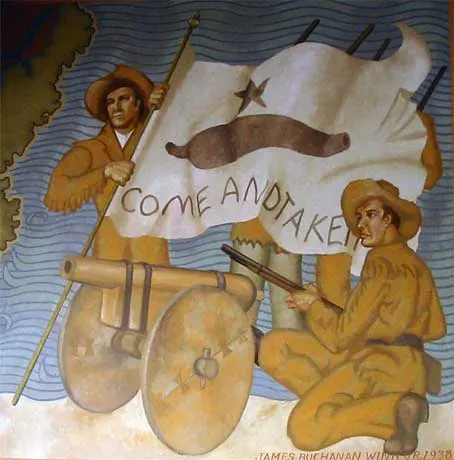
The 'Come and Take It' flag, in a mural at the museum in Gonzales, Texas.The ‘Come and Take It’ flag, in a mural at the museum in Gonzales, Texas.Image: Photograph by J. Williams (Jul. 6, 2003). This file is lacking author information. · Public domain
world · Americas

The Battle of Gonzales: ‘Come and Take It’

On the morning of 2 October 1835 Texan settlers at Gonzales refused to hand over a small bronze cannon to Mexican dragoons led by Francisco de Castañeda. A militia led by John Henry Moore clashed with them beneath a flag reading ‘Come and Take It’. It was a brief skirmish that ended with Castañeda’s retreat, but it marked a clear break between the American colonists and the Mexican government and is counted as the first battle of the Texas Revolution.

Source: Texas State Historical Association: The Battle of Gonzales ↗
1836
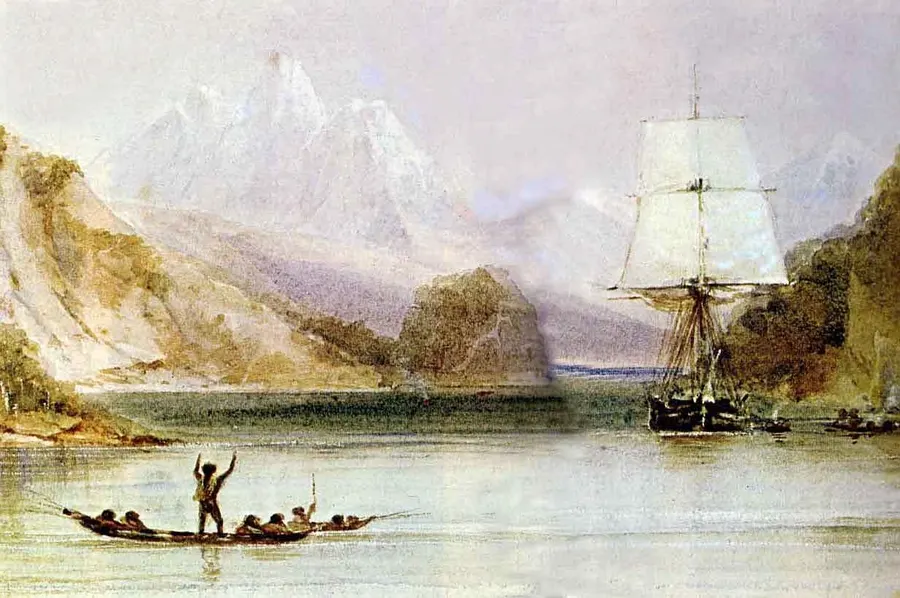
A painting of HMS Beagle at seaHMS Beagle, painted by Conrad Martens.Image: Conrad Martens · Public domain
science · Global

HMS Beagle returns with Darwin

HMS Beagle came to anchor at Falmouth late on 2 October 1836, ending a survey voyage under Captain Robert FitzRoy that had left Plymouth on 27 December 1831. Darwin, the ship’s naturalist, wrote of a short passage with some very heavy weather and left the same night by mail coach for Shrewsbury. He went on to publish an account of the voyage and, in 1859, ‘On the Origin of Species’.

Source: National Maritime Museum Cornwall: Following HMS Beagle to Falmouth ↗
V
THE TWENTIETH CENTURY

The 1900s

War and peace, technological leaps, social change, politics, sport and popular culture.

1919
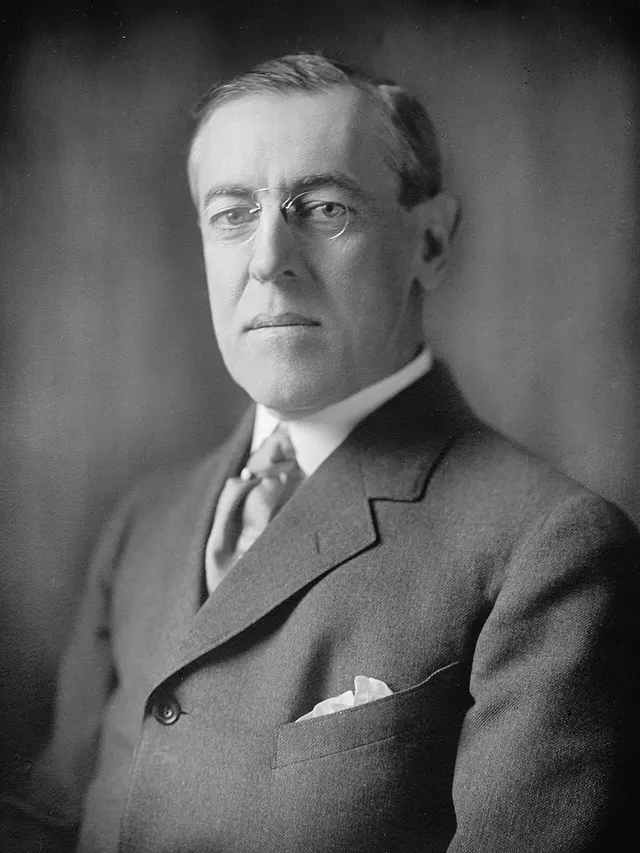
Woodrow Wilson, 28th president of the United States.Woodrow Wilson, 28th president of the United States.Image: Harris & Ewing, photographer · Public domain
politics · Americas

President Wilson suffers a stroke

On 2 October 1919 President Woodrow Wilson suffered a massive stroke while returning to Washington from a speaking tour to persuade the Senate to ratify the Treaty of Versailles, which included his League of Nations. It left him paralysed and unable to carry out his duties. Until January 1920 he had almost no contact with anyone beyond his family and doctors, and he did not meet his cabinet until April. His wife Edith and his physician restricted access to him and concealed the extent of his disability, and she decided which matters reached him; historians still dispute how far she shaped decisions. The crisis exposed a gap in the Constitution: there was no procedure for presidential disability until the 25th Amendment in 1967.

Source: Miller Center, University of Virginia: Edith Wilson ↗
1925
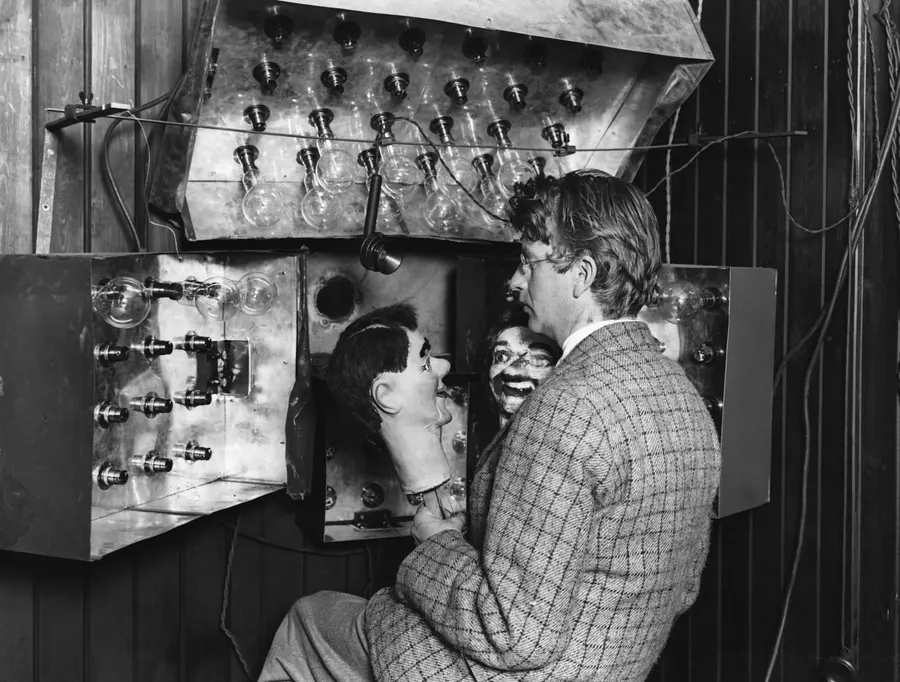
John Logie Baird with a ventriloquist's dummy used in his television experimentsJohn Logie Baird with ‘Stooky Bill’, the dummy used in his television experiments.Image: Orrin Dunlap, Jr. · Public domain
science · Europe

Baird transmits the first television picture with tone

Working in two attic rooms at 22 Frith Street, Soho, John Logie Baird managed on 2 October 1925 to transmit the first television picture with tone gradation, first using the head of a ventriloquist’s dummy and then a human face. His volunteer was William Edward Taynton, a 20-year-old office boy. Baird gave a formal public demonstration of his ‘televisor’ to 40 members of the Royal Institution on 26 January 1926.

Source: English Heritage: John Logie Baird, first television demonstration ↗
1928
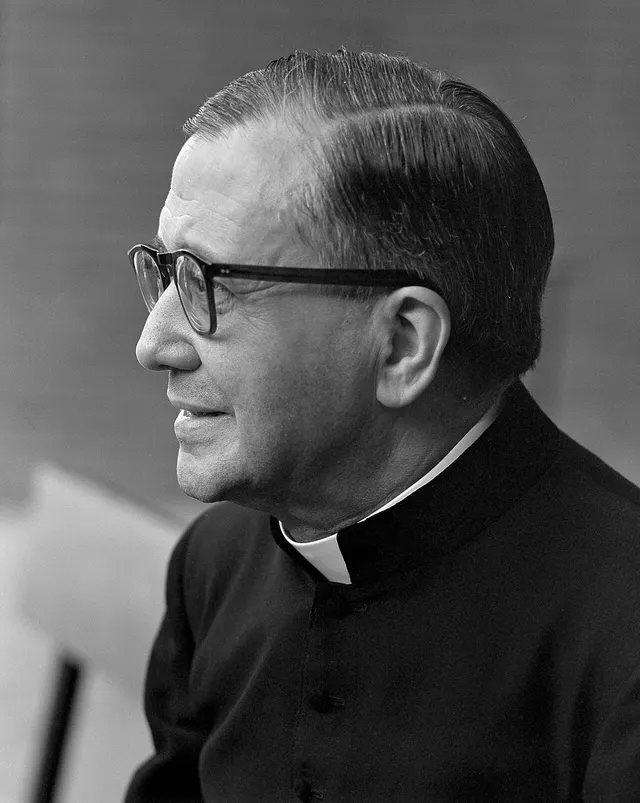
Josemaría Escrivá, founder of Opus Dei, in 1966.Josemaría Escrivá, founder of Opus Dei, in 1966.Image: Oficina de Información de la Prelatura del Opus Dei en España · CC BY-SA 2.0
culture · Europe

Opus Dei is founded in Madrid

On 2 October 1928, during a spiritual retreat in Madrid, the Spanish priest Josemaría Escrivá founded Opus Dei, an institution of the Catholic Church that encourages lay people to seek holiness through their ordinary work. A branch for women followed in 1930 and one for priests in 1943. Escrivá was canonised in 2002, and the organisation has also been a subject of public debate.

Source: Opus Dei: The founding of Opus Dei ↗
1941
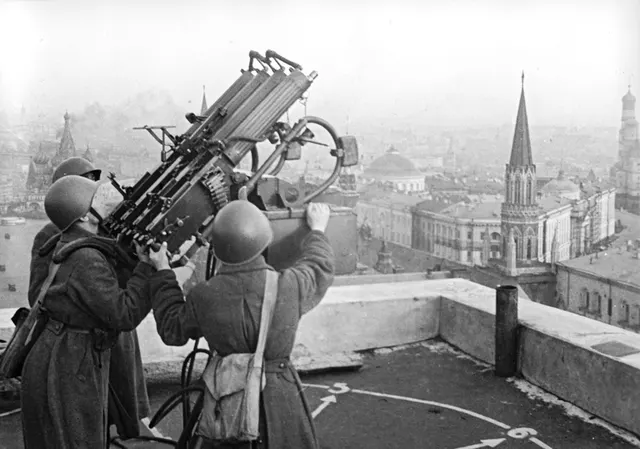
Anti-aircraft gunners on the roof of the Hotel Moskva, 1941.Anti-aircraft gunners on the roof of the Hotel Moskva, 1941.Image: Knorring / Олег Кнорринг · CC BY-SA 3.0
world · Europe

Operation Typhoon: the German drive on Moscow

On 2 October 1941 Germany launched Operation Typhoon, its offensive to capture Moscow, using a reinforced Army Group Centre of about a million men and 1,700 tanks. It began well, with more than 600,000 Soviet soldiers captured in encirclements near Bryansk and Vyazma, but autumn rains and stiffening resistance slowed the advance. In mid-November German panzers came within about 12 miles of the capital. On 5 December the Soviets launched a surprise counter-offensive that drove the Germans back by up to 150 miles.

Source: Imperial War Museums: Operation Barbarossa and Germany’s failure in the Soviet Union ↗
1942
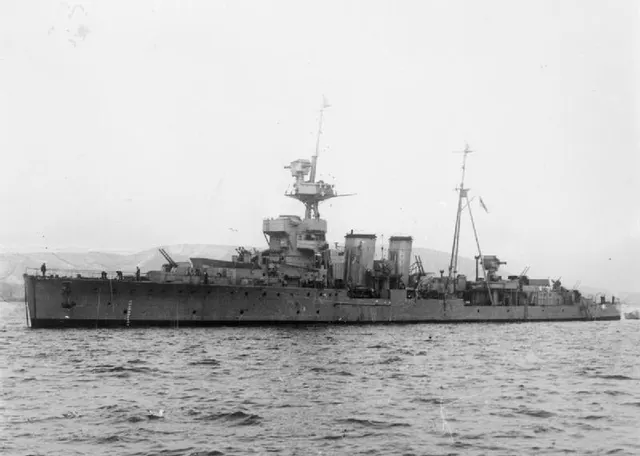
The cruiser HMS Curacoa during the Second World War.The cruiser HMS Curacoa during the Second World War.Image: Unknown authorUnknown author · Public domain
world · Europe

The Queen Mary sinks HMS Curacoa

On 2 October 1942, about forty miles north of Tory Island off Ireland, the liner Queen Mary, carrying more than 10,000 American troops and steaming at full speed on a zig-zag course, struck the escorting cruiser HMS Curacoa amidships and cut her in half. 337 officers and men, a little over three-quarters of the cruiser’s crew, died. The Admiralty suppressed news of the disaster until after the war, and a later inquiry assigned two-thirds of the blame to the cruiser and one-third to the liner.

Source: Royal Museums Greenwich: ‘Chippy’, the carpenter on HMS Curacoa ↗
1944
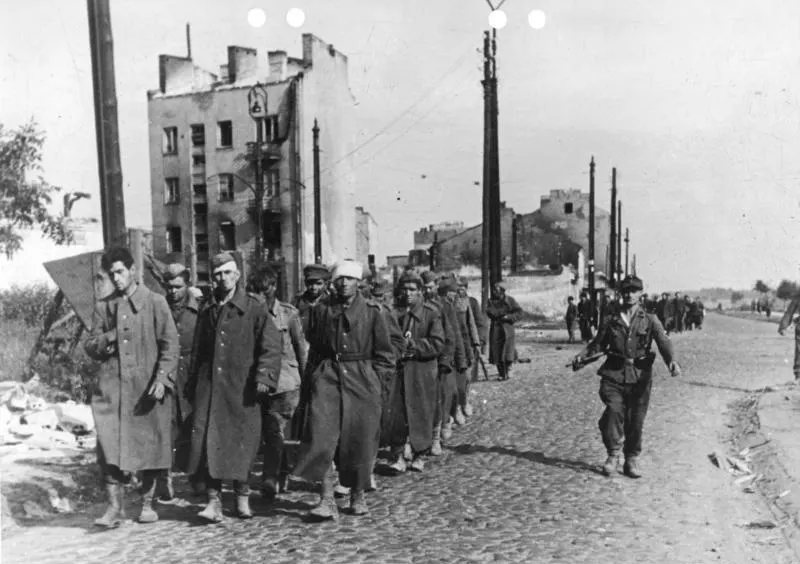
Polish and German officers photographed at the capitulation of the Warsaw UprisingThe capitulation of the Warsaw Uprising, October 1944.Image: August Ahrens / Bundesarchiv, Bild 146-2005-0039 · CC BY-SA 3.0 de
world · Europe

The Warsaw Uprising ends

The Warsaw Uprising, launched by the Polish Home Army on 1 August 1944, ended on 2 October after 63 days. The capitulation was agreed between General Tadeusz Bór-Komorowski and the German commander Erich von dem Bach-Zelewski; some accounts date the formal signing to the early hours of 3 October. More than 11,000 Home Army soldiers were taken prisoner. The United States Holocaust Memorial Museum estimates that victims exceeded 180,000 people, and German forces destroyed the majority of the city during and after the fighting, deporting many civilians to transit and concentration camps.

Source: US Holocaust Memorial Museum: The Warsaw Polish Uprising ↗
1950
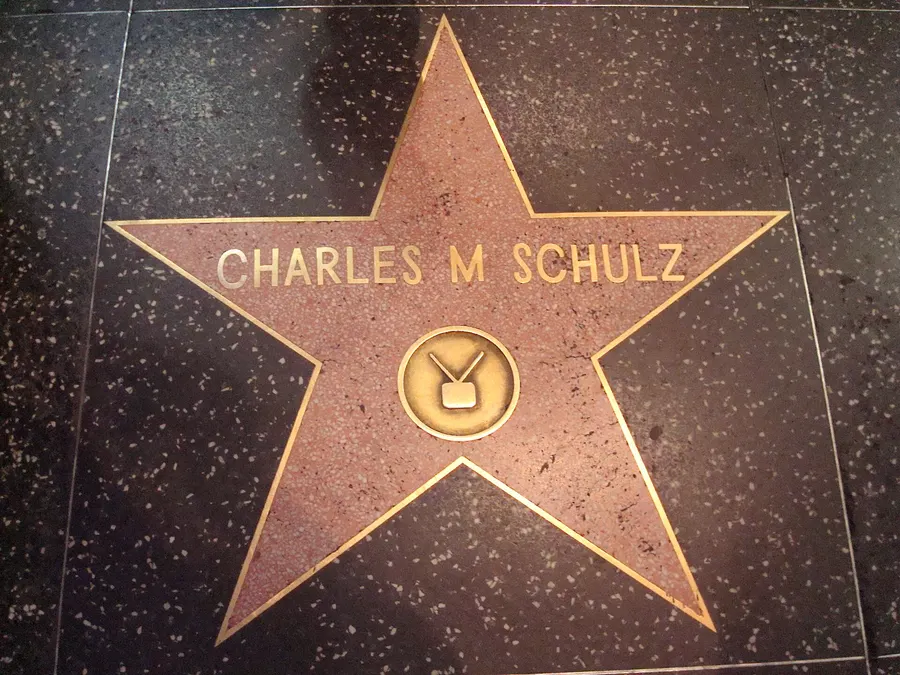
Charles M. Schulz's star on the Hollywood Walk of FameCharles M. Schulz’s star on the Hollywood Walk of Fame.Image: Neelix · Public domain
culture · Americas

Peanuts makes its newspaper debut

Peanuts debuted on 2 October 1950 in seven newspapers: The Washington Post, Chicago Tribune, Minneapolis Star-Tribune, Allentown Call-Chronicle, Bethlehem Globe-Times, Denver Post and Seattle Times. It ran in a four-panel format, six days a week until 1952, and Charles M. Schulz was paid $90 for his first month of strips. Violet Gray and Schroeder joined the cast in 1951, and Lucy and Linus Van Pelt in 1952.

Source: Charles M. Schulz Museum: Timeline ↗
1958
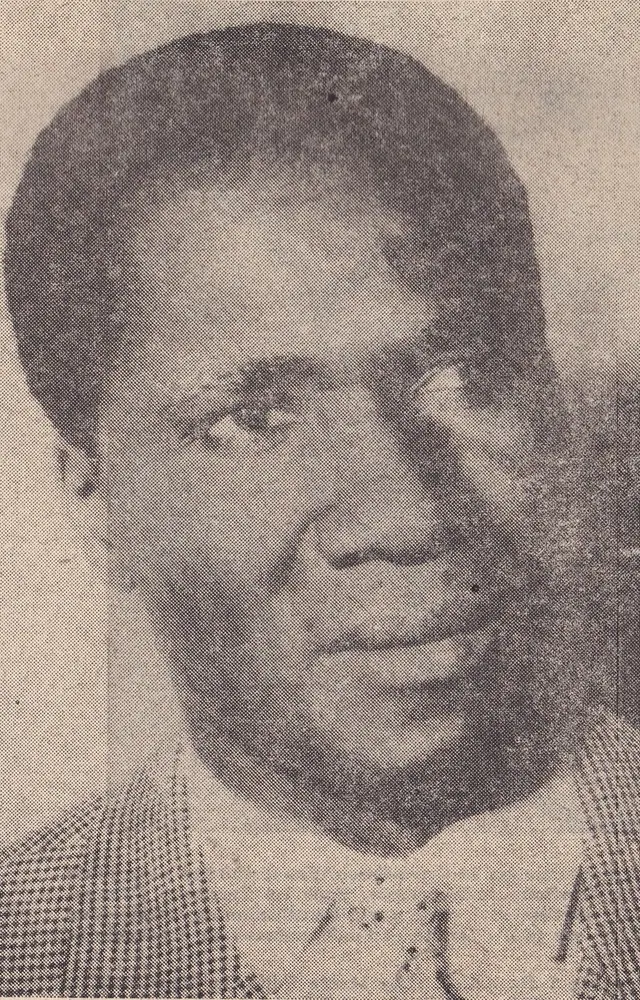
Portrait of Ahmed Sékou Touré in 1958Ahmed Sékou Touré, Guinea’s first president, in 1958.Image: Unknown / Présence Congolaise · Public domain
world · Africa

Guinea says no to France

In a referendum on 28 September 1958, Guineans rejected the constitution that would have kept the territory inside de Gaulle’s French Community, and independence followed on 2 October. Led by Ahmed Sékou Touré and his Democratic Party of Guinea, the country was the only French colony in Africa to refuse the offer. France quickly withdrew its administration, discontinued economic aid and technical assistance, and closed its market to Guinean goods. Ghana’s Kwame Nkrumah supported the new state with a loan, and by November 1960 all French territories in Africa had become independent.

Source: EBSCO Research Starters: Guinea Gains Independence from France ↗
1959
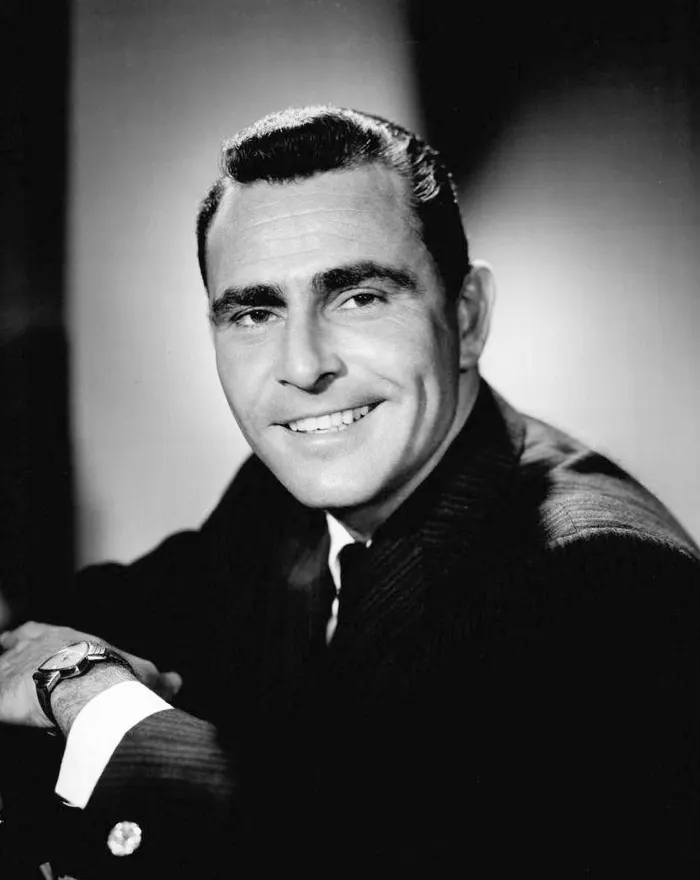
Rod Serling, creator and host of The Twilight Zone, in a 1959 CBS portraitRod Serling, creator and host of The Twilight Zone, in 1959.Image: CBS Television (portrait by Gabor Rona) · Public domain
culture · Americas

The Twilight Zone premieres on CBS

The Twilight Zone premiered on CBS on 2 October 1959 and ran until 8 May 1964. Rod Serling created the series, wrote many of its episodes and introduced each one on camera in his role as host and narrator. Working in science fiction and fantasy allowed him to tackle subjects such as racism, Nazism and economic greed that sponsors had rejected when he presented them as realistic drama. The Television Academy says the series permanently enlarged television’s canvas, and syndication has continued to bring it new generations of viewers.

Source: Television Academy: Rod Serling Hall of Fame tribute ↗
1965
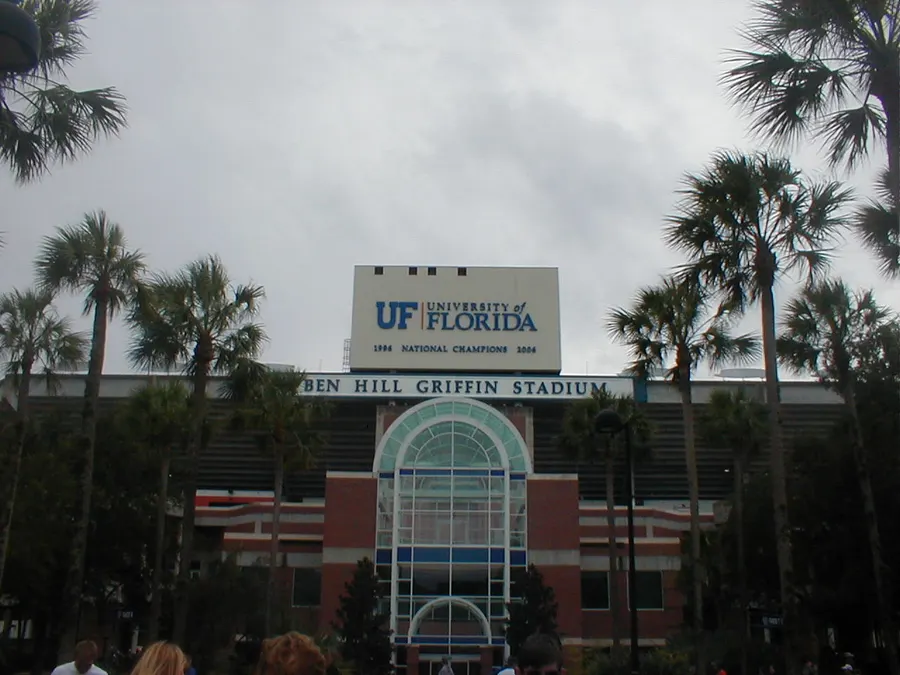
Florida Field, the University of Florida football stadium in GainesvilleFlorida Field in Gainesville, where the Gators played on 2 October 1965.Image: Chris Bohn from Gainesville, FL, USA · CC BY-SA 2.0
sport · Americas

Gatorade makes its game-day debut

Gatorade was developed at the University of Florida College of Medicine by a team led by Dr Robert Cade, prompted by concern about the effect of heat on football players whose electrolytes, blood sugar and blood volume tests showed to be depleted. The mixture of water, salts and sugars was first tried in a scrimmage between the freshman and varsity B teams on 1 October 1965. The next day, 2 October, it was on the sideline as Florida beat fifth-ranked LSU 14-7 in Gainesville. The University of Florida records that it was first used in an October 1965 Gator victory and that the product soon attracted international attention.

Source: University of Florida: Gatorade’s birthplace (historical marker) ↗
1967
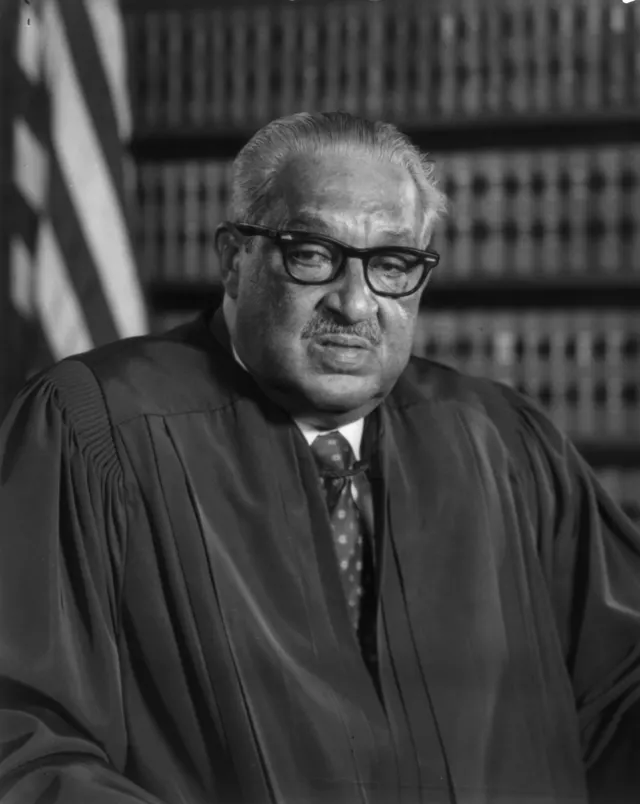
Official portrait of Justice Thurgood MarshallThurgood Marshall, official portrait.Image: Robert S. Oakes · Public domain
politics · Americas

Thurgood Marshall joins the Supreme Court

Thurgood Marshall was sworn in on 2 October 1967 as the 96th justice of the United States Supreme Court and its first African American member. President Lyndon Johnson had nominated the then Solicitor General in June, and the Senate confirmed him by 69 votes to 11 on 30 August. Chief Justice Earl Warren swore him in. Marshall served for 24 years, retiring in 1991.

Source: Supreme Court of the United States: Oath firsts and trivia ↗
1968
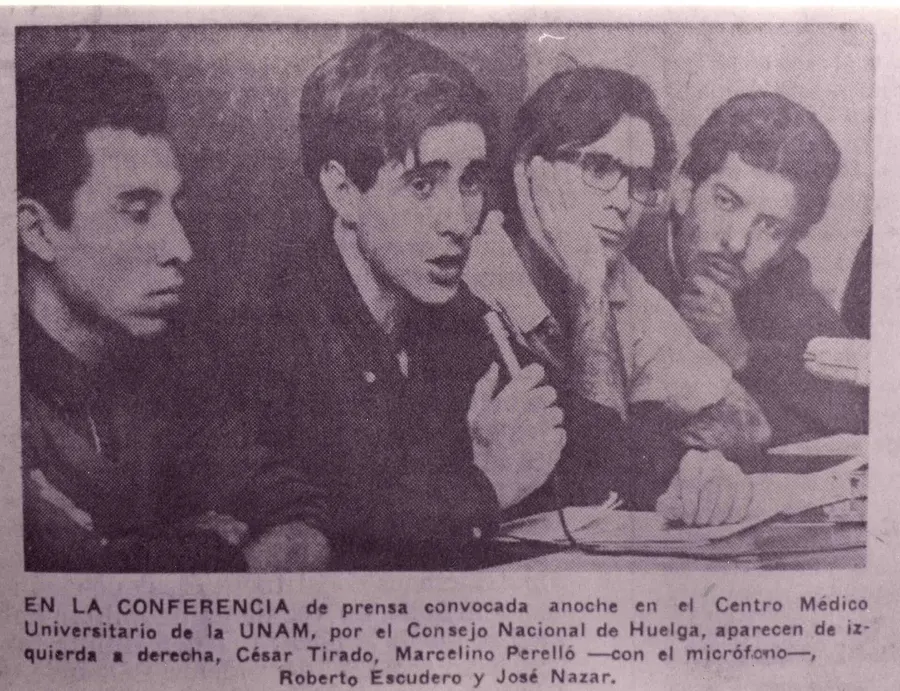
Press conference held after the Tlatelolco massacre, 5 October 1968Press conference after the massacre, 5 October 1968.Image: Marcelino Perelló · Public domain
world · Americas

Tlatelolco: a student protest ends in massacre

On the night of 2 October 1968, Mexican army and police forces fired on students and bystanders gathered in the Plaza de las Tres Culturas in the Tlatelolco district of Mexico City, ten days before the opening of the Olympic Games. Hundreds of people were killed or wounded according to the National Security Archive; the official count was 44 deaths, while other sources estimate the toll in the hundreds. Declassified documents showed that US intelligence had relied on high-level Mexican informants, including the president. The anniversary is commemorated each year with demonstrations across Mexico.

Source: National Security Archive: Tlatelolco Massacre, 1968 ↗
VI
2000 TO TODAY

Modern Day

The events of recent decades that have already become part of the historical record.

2004
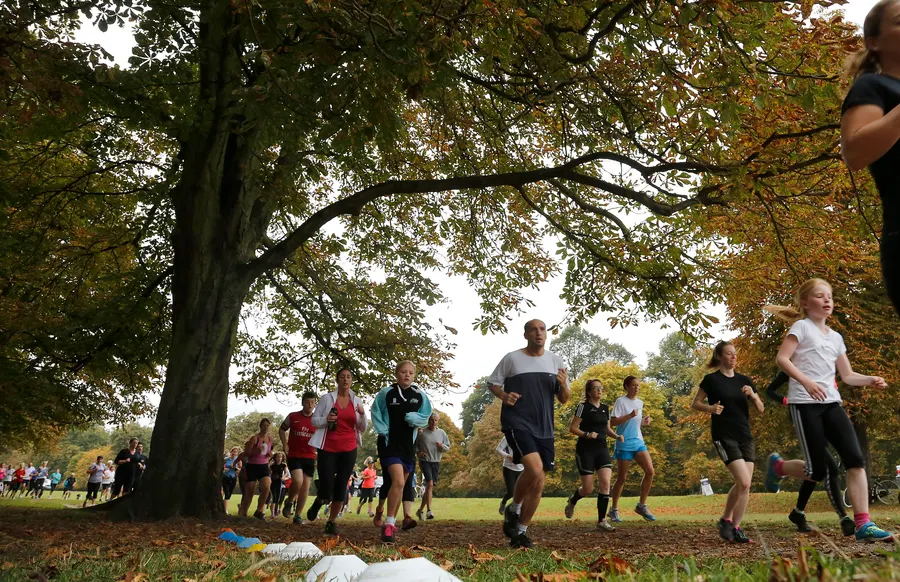
Runners at Bushy parkrun in LondonBushy parkrun, September 2014.Image: Kevin Wood · CC BY 2.0
sport · Europe

The first parkrun is held in Bushy Park

The first event took place in Bushy Park, Teddington, on 2 October 2004 under the name Bushy Park Time Trial. Its founder, Paul Sinton-Hewitt, organised it with three volunteers for 13 runners. The idea grew into parkrun, a free weekly timed run held at locations around the world.

Source: parkrun: Our story ↗
2018
Jamal Khashoggi in 2018.Jamal Khashoggi in 2018.Image: April Brady / POMED · CC BY 2.0
politics · Middle East

Journalist Jamal Khashoggi is killed in Istanbul

The Saudi journalist and Washington Post columnist Jamal Khashoggi was killed on 2 October 2018 inside the Saudi consulate in Istanbul. In 2019 the United Nations Special Rapporteur on extrajudicial executions, Agnès Callamard, concluded after a six-month inquiry that he was the victim of a premeditated extrajudicial execution for which the State of Saudi Arabia is responsible. The killing became a landmark case in the debate over press freedom and accountability.

Source: UN Human Rights Office: Inquiry into the killing of Mr. Jamal Khashoggi ↗
RESEARCH

Sources & Further Reading

Selected authoritative references supporting the events on this page.

World History Encyclopedia: Saladin’s Conquest of Jerusalem (1187 CE)↗History Hit: How Saladin Conquered Jerusalem↗World History Encyclopedia: Alexander III of Scotland↗Encyclopaedia Britannica: Haakon IV Haakonsson↗Canadian Museum of History: Jacques Cartier 1534-1542↗Wikipedia: Hochelaga (village)↗History Today: Kazan Falls to Ivan the Terrible↗Encyclopaedia Britannica: Kazan↗American Battlefield Trust: John André↗George Washington’s Mount Vernon: John André↗US National Archives: The Bill of Rights, how did it happen?↗Library of Congress: Demand for a Bill of Rights↗Texas State Historical Association: The Battle of Gonzales↗Texas Historical Commission: Texas Revolution↗National Maritime Museum Cornwall: Following HMS Beagle to Falmouth↗Darwin Online: Darwin’s Voyage of the Beagle↗Miller Center, University of Virginia: Edith Wilson↗White House Historical Association: Edith Wilson↗English Heritage: John Logie Baird, first television demonstration↗EDN: 1st test of a working television, October 2, 1925↗Opus Dei: The founding of Opus Dei↗Encyclopaedia Britannica: Opus Dei↗Imperial War Museums: Operation Barbarossa and Germany’s failure in the Soviet Union↗Encyclopaedia Britannica: Battle of Moscow↗Royal Museums Greenwich: ‘Chippy’, the carpenter on HMS Curacoa↗Imperial War Museums: Queen Mary and HMS Curacoa↗US Holocaust Memorial Museum: The Warsaw Polish Uprising↗British Library European Studies Blog: The Warsaw Uprising of 1944, Epilogue↗Charles M. Schulz Museum: Timeline↗MinnPost: Charles Schulz’s first Peanuts comic strip debuts on Oct. 2, 1950↗EBSCO Research Starters: Guinea Gains Independence from France↗Encyclopaedia Britannica: Sékou Touré↗Television Academy: Rod Serling Hall of Fame tribute↗Smithsonian Magazine: An early run-in with censors led Rod Serling to The Twilight Zone↗University of Florida: Gatorade’s birthplace (historical marker)↗Florida Gators: Gatorade and the Gators’ connection turns 60↗Supreme Court of the United States: Oath firsts and trivia↗Library of Congress: Justice Thurgood Marshall, 50th anniversary of his swearing-in↗National Security Archive: Tlatelolco Massacre, 1968↗Mexico News Daily: Remembering the Tlatelolco student massacre of 1968↗parkrun: Our story↗Wikipedia: Parkrun↗UN Human Rights Office: Inquiry into the killing of Mr. Jamal Khashoggi↗Committee to Protect Journalists: Justice for Jamal↗
WHY THESE MOMENTS?

Significance before volume

This page is not the longest possible list of events. It is a chronological journey through 2 October, where each entry is chosen for historical significance, human interest and reliability.

Facts are checked against authoritative museums, archives, universities and reference works. Where sources disagree, the page says so.

EXPLORED THE DEEPER STORY?

Return to the highlights of 2 October

Discover the lighter side of the date with famous birthdays, culture, firsts and lives remembered.

Explore This Day →
← PREVIOUS DAY1 October
HISTORY & TIMELINE2 October
NEXT DAY →3 October