HISTORY & TIMELINE
3 October

A journey through
3 October in history

From Washington’s first national Thanksgiving proclamation in 1789 to German reunification in 1990, 3 October has brought new states, new names and new weapons. This timeline follows the date across two centuries.

JUMP THROUGH TIME
IV
THE NINETEENTH CENTURY

The 1800s

Industry, empire, invention, reform and a century of enormous transformation.

1863
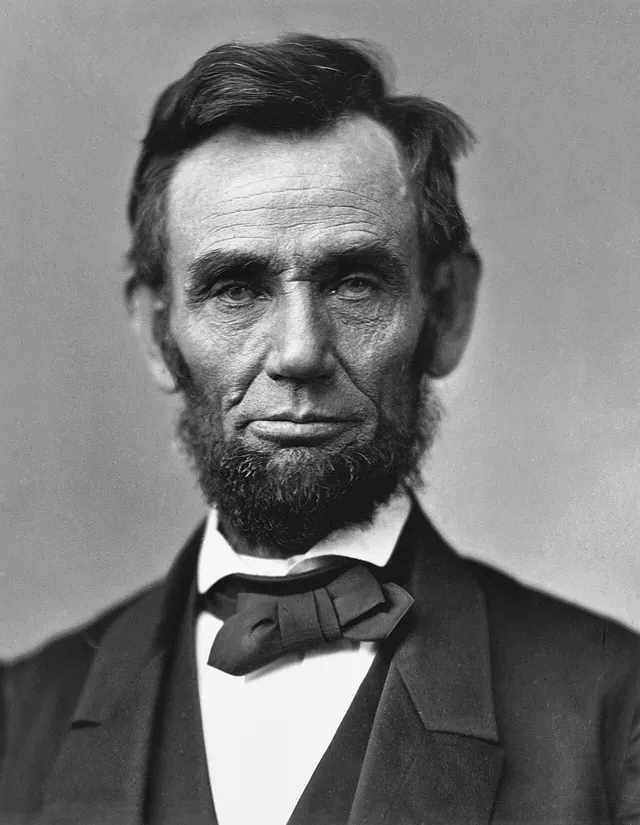
Abraham Lincoln, photographed by Alexander Gardner in November 1863.Abraham Lincoln, photographed by Alexander Gardner in November 1863.Image: Alexander Gardner · Public domain
politics · Americas

Two presidents proclaim a national Thanksgiving

On 3 October 1789 George Washington issued the first Thanksgiving proclamation under the new US Constitution, asking Americans to set aside Thursday 26 November as a day of public thanksgiving and prayer. Congress had asked him to recommend such a day. Exactly 74 years later, on 3 October 1863, in the middle of the Civil War, Abraham Lincoln proclaimed the last Thursday of November a national day of Thanksgiving and Praise. He acted after years of campaigning by the magazine editor Sarah Josepha Hale, and the holiday has been kept every year since.

Source: George Washington’s Mount Vernon: Thanksgiving Proclamation of 1789 ↗
V
THE TWENTIETH CENTURY

The 1900s

War and peace, technological leaps, social change, politics, sport and popular culture.

1929
politics · Europe

The Kingdom of Serbs, Croats and Slovenes becomes Yugoslavia

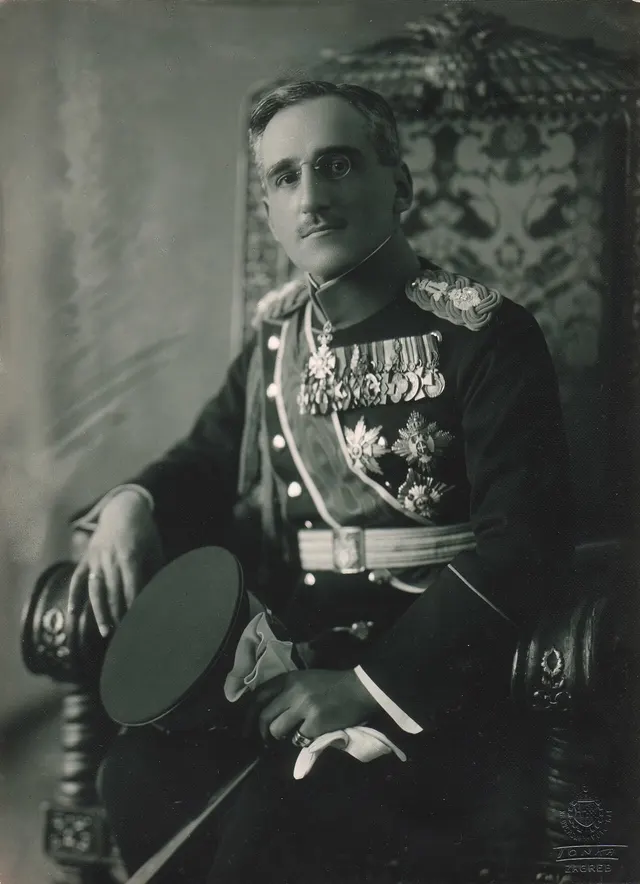
On 3 October 1929 King Alexander I renamed the Kingdom of Serbs, Croats and Slovenes the Kingdom of Yugoslavia, ‘land of the South Slavs’. Earlier that year he had suspended the constitution and ruled as a dictator, banning parties based on nationality, region or religion and redrawing the internal map, in the hope of replacing Serb, Croat and Slovene loyalties with a single Yugoslav one.

Source: Encyclopaedia Britannica: Kingdom of Serbs, Croats, and Slovenes ↗
1932
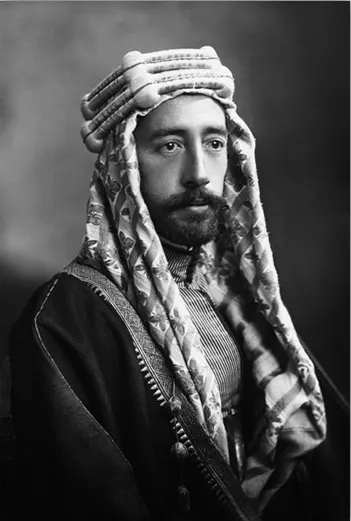
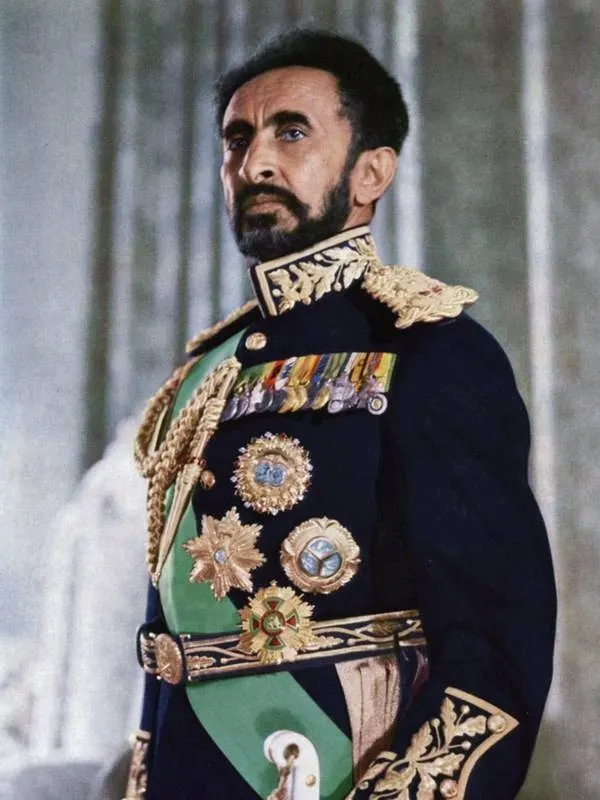
King Faisal I, Iraq's ruler from 1921 to 1933.King Faisal I, Iraq’s ruler from 1921 to 1933.Image: Unknown authorUnknown author · Public domain
politics · Asia

Iraq becomes independent

On 3 October 1932 the League of Nations Assembly voted unanimously to admit Iraq as a member, ending the British mandate that had governed the country since the First World War. Iraq was the first of the League’s mandated territories to become independent. Britain had announced in 1929 that the mandate would end, and a treaty of alliance signed in 1930 came into force on the same day, keeping close ties between the two countries. King Faisal I, who had ruled Iraq since 1921, died the following year.

Source: Encyclopaedia Britannica: Iraq, independence 1932-39 ↗
1935
world · Africa

Italy invades Ethiopia

On 3 October 1935 Italian forces under General Emilio De Bono crossed from Eritrea into Ethiopia, one of Africa’s last independent states, after Mussolini had rejected every offer of arbitration. On 7 October the Council of the League of Nations named Italy the aggressor. The League imposed economic sanctions, but they left out oil and had little effect. Italian troops took Addis Ababa on 5 May 1936 and Emperor Haile Selassie went into exile. The failure to stop Italy badly damaged the League and is often seen as one of the steps towards the Second World War.

Source: Encyclopaedia Britannica: Italo-Ethiopian War ↗
1942
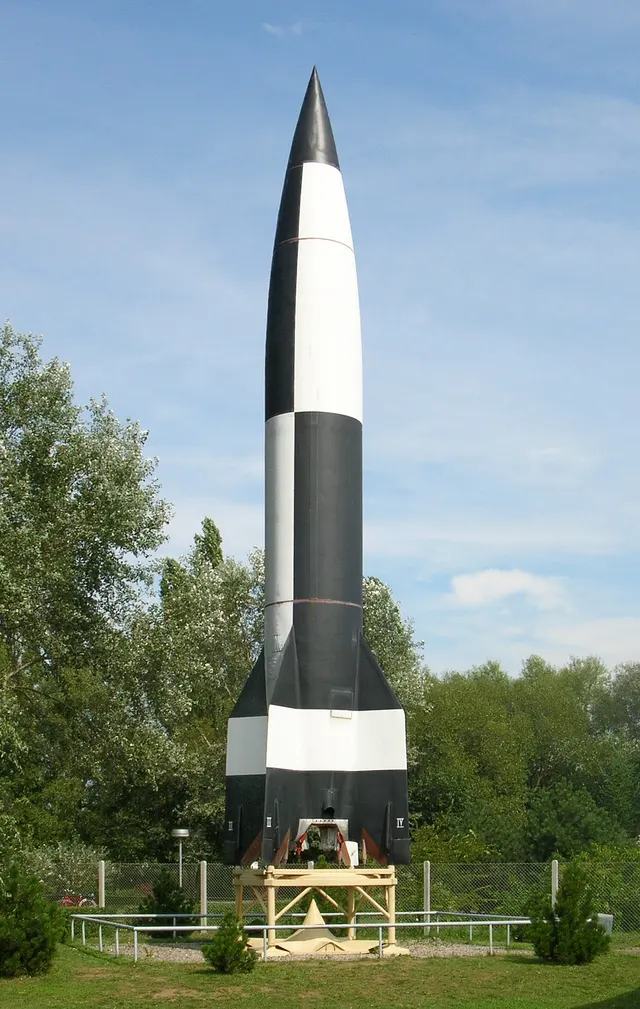
A V-2 rocket on display at the Peenemünde museum, Germany.A V-2 rocket on display at the Peenemünde museum, Germany.Image: AElfwine · CC BY-SA 3.0
science · Europe

The first successful V-2 rocket launch

On 3 October 1942, after two failures earlier that year, German army engineers at Peenemünde on the Baltic coast launched their first successful A-4 rocket, later known as the V-2. It climbed to about 85 km, far higher than anything built before; Walter Dornberger, head of the programme, later called it the beginning of the space age. From September 1944 thousands of V-2s were fired at London, Antwerp and other cities, many of them built by concentration-camp prisoners in brutal conditions. After the war the United States and the Soviet Union captured V-2s and their engineers, including Wernher von Braun, and used them to start their own rocket and space programmes.

Source: Smithsonian National Air and Space Museum: V-2 missile ↗
1952
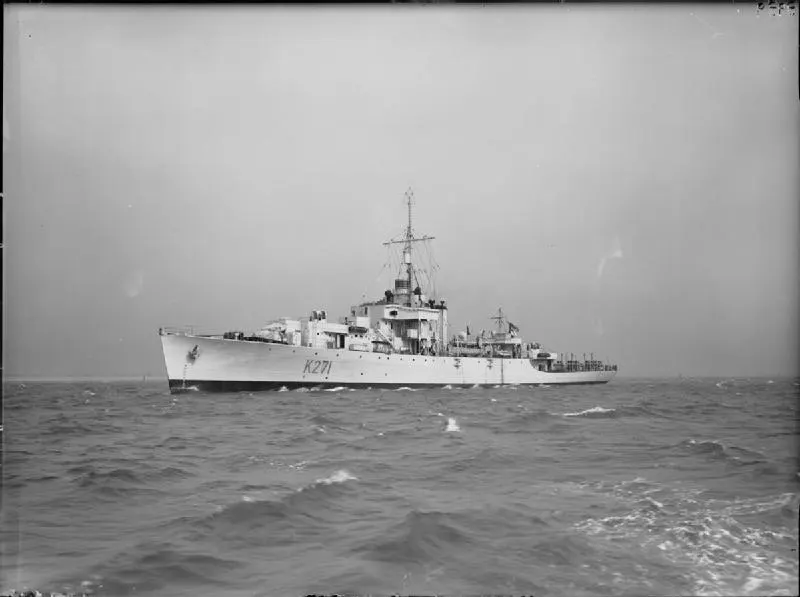
The frigate HMS Plym in 1943. The bomb was detonated inside her hull.The frigate HMS Plym in 1943. The bomb was detonated inside her hull.Image: Royal Navy official photographer · Public domain
science · Oceania

Britain tests its first atomic bomb

At 8 am on 3 October 1952 Britain exploded its first atomic bomb, codenamed Operation Hurricane, in the Montebello Islands off the coast of Western Australia. The 25-kiloton device had been placed in the hull of an old frigate, HMS Plym, which was vaporised by the blast. The test made the United Kingdom the third nuclear power, after the United States and the Soviet Union. It left a crater on the sea floor more than 300 metres wide and spread radioactive fallout over the islands and parts of the Australian mainland.

Source: National Archives of Australia: First British atomic bomb test on Montebello Islands ↗
1965
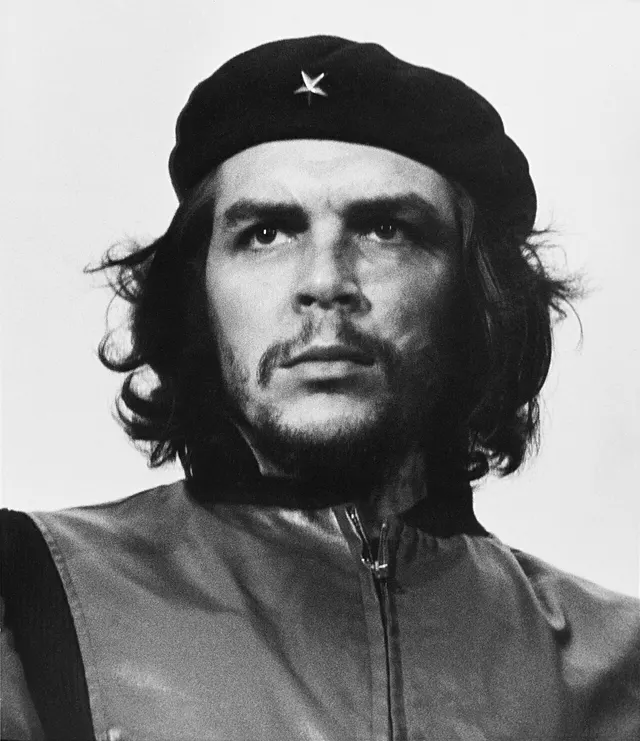
Che Guevara in 1960, in Alberto Korda's photograph Guerrillero Heroico.Che Guevara in 1960, in Alberto Korda’s photograph Guerrillero Heroico.Image: Alberto Korda, restored by Adam Cuerden · Public domain
politics · Americas

Castro reads Che Guevara’s farewell letter

On 3 October 1965, presenting the new Central Committee of the Cuban Communist Party in Havana, Fidel Castro read out a letter Che Guevara had written to him six months earlier. In it Guevara gave up his party posts, his ministry, his rank and his Cuban citizenship, saying that other lands called for his efforts. He had secretly left Cuba to fight in the Congo, and was killed in Bolivia two years later.

Source: Marxists Internet Archive: Speech by Fidel Castro at the presentation of the Central Committee, 3 October 1965 ↗
1990
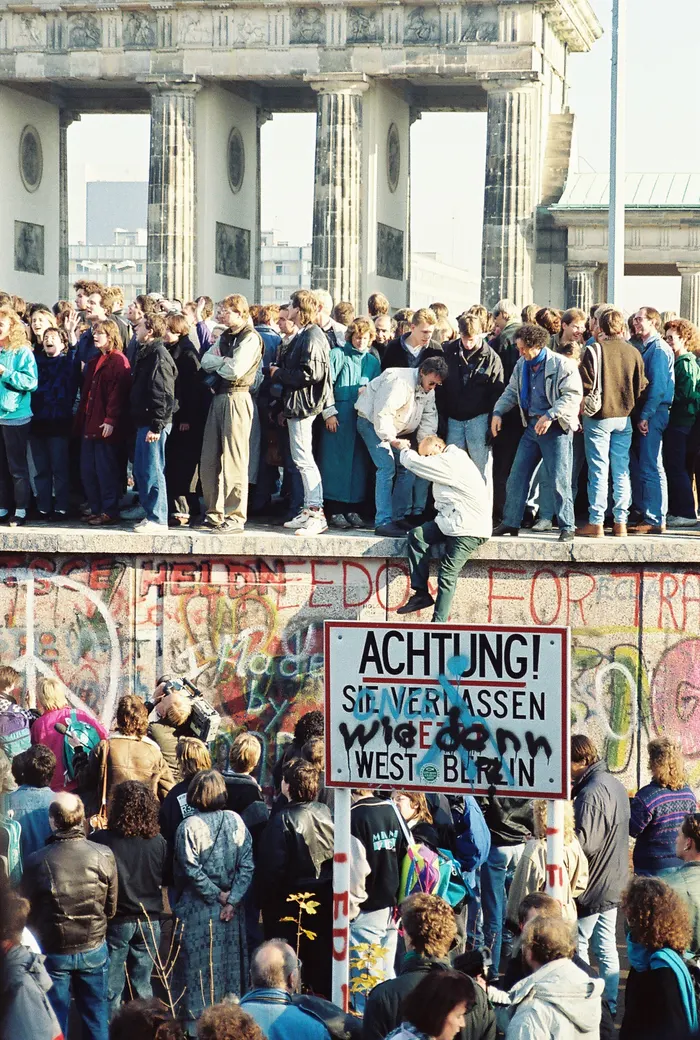
Crowds on the Berlin Wall at the Brandenburg Gate on 9 November 1989, the night the Wall opened.Crowds on the Berlin Wall at the Brandenburg Gate on 9 November 1989, the night the Wall opened.Image: Sue Ream, photographer (San Francisco, California) · CC BY 3.0
politics · Europe

Germany is reunited

On 3 October 1990, less than a year after the Berlin Wall opened, the German Democratic Republic ceased to exist and its five states, Brandenburg, Mecklenburg-Western Pomerania, Saxony, Saxony-Anhalt and Thuringia, joined the Federal Republic of Germany. Berlin was reunited as one city. East and West had chosen accession under West Germany’s Basic Law rather than writing a new constitution, and the Two Plus Four Treaty signed with the four wartime Allies on 12 September 1990 had cleared the way internationally. 3 October has been Germany’s national holiday, the Day of German Unity, ever since.

Source: deutschland.de (German Federal Foreign Office): The fall of the Wall and German reunification ↗
WHY THESE MOMENTS?

Significance before volume

This page is not the longest possible list of events. It is a chronological journey through 3 October, where each entry is chosen for historical significance, human interest and reliability.

Facts are checked against authoritative museums, archives, universities and reference works. Where sources disagree, the page says so.

EXPLORED THE DEEPER STORY?

Return to the highlights of 3 October

Discover the lighter side of the date with famous birthdays, culture, firsts and lives remembered.

Explore This Day →
← PREVIOUS DAY2 October
HISTORY & TIMELINE3 October
NEXT DAY →4 October