
1582
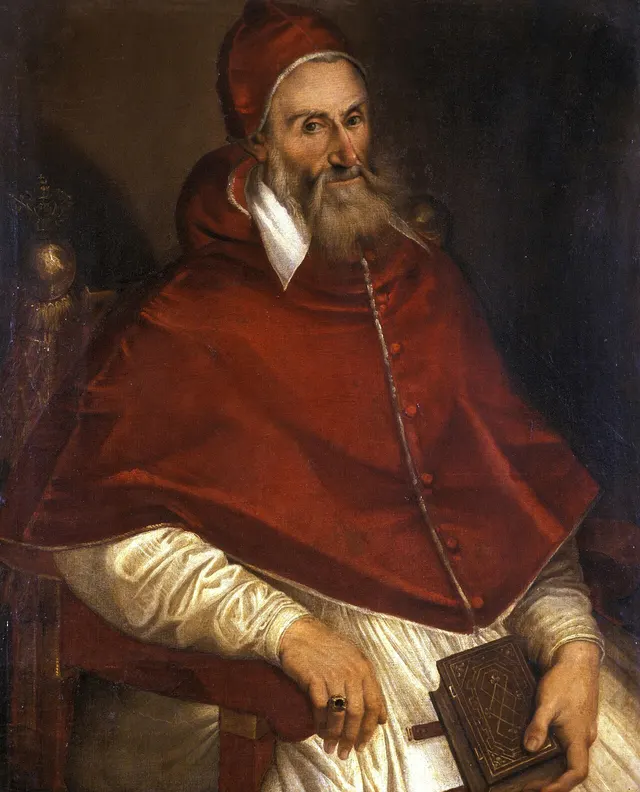 Pope Gregory XIII, attributed to Bartolomeo Passarotti.Image: Attributed to Bartolomeo Passarotti · Public domain
science · Europe
Ten days vanish as the Gregorian calendar begins
In the Catholic countries that first adopted it, Thursday 4 October 1582 was the last day of the old Julian calendar: the next day was Friday 15 October. Pope Gregory XIII had ordered the change in the bull Inter gravissimas earlier that year, to bring the calendar back into line with the seasons and the date of Easter. The Julian calendar’s year was slightly too long, and by the 16th century it had drifted ten days out of step with the Sun. The new rules dropped three leap years every four centuries. Protestant and Orthodox countries switched much later; Britain and its colonies not until 1752.
Source: Encyclopaedia Britannica: Inter gravissimas ↗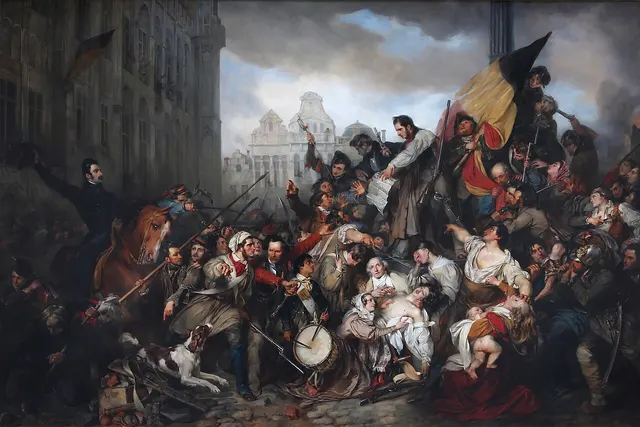 Episode of the September Days 1830 on the Place de l’Hôtel de Ville in Brussels, painted by Gustaf Wappers in 1835.Image:
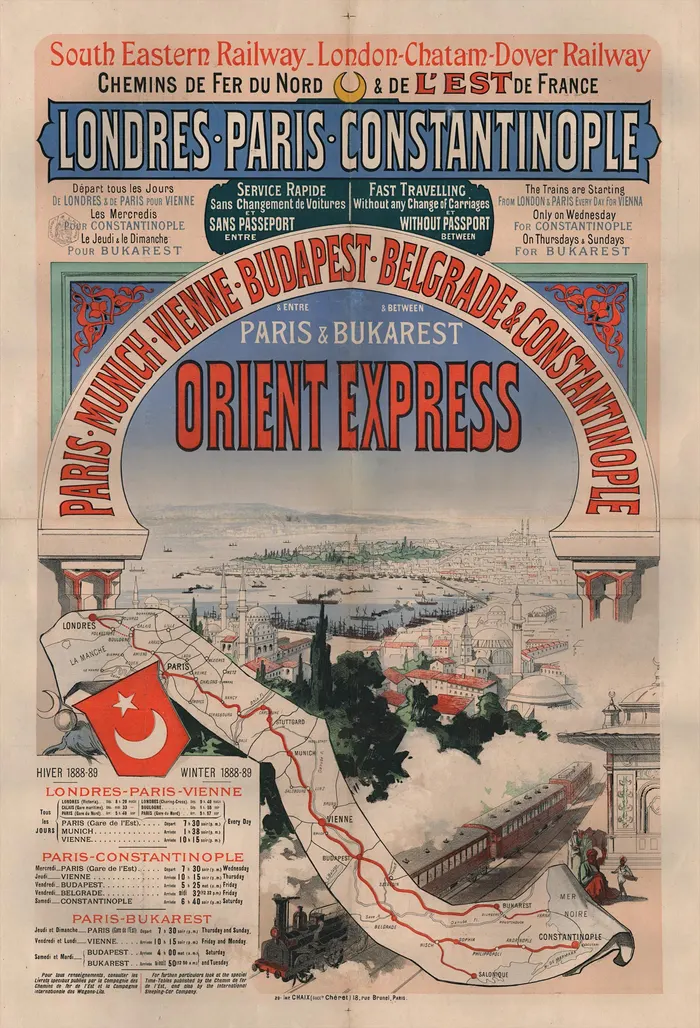 An 1888 poster for the Orient Express by Jules Chéret.Image:
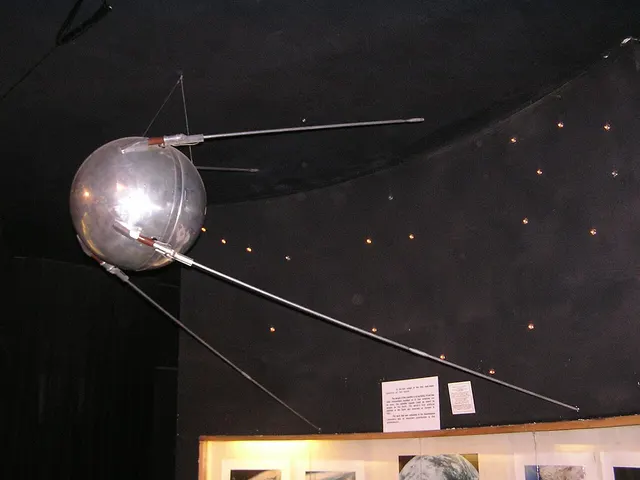 A replica of Sputnik 1 at the Museum of Cosmonautics and Rocket Technology, St Petersburg.Image:
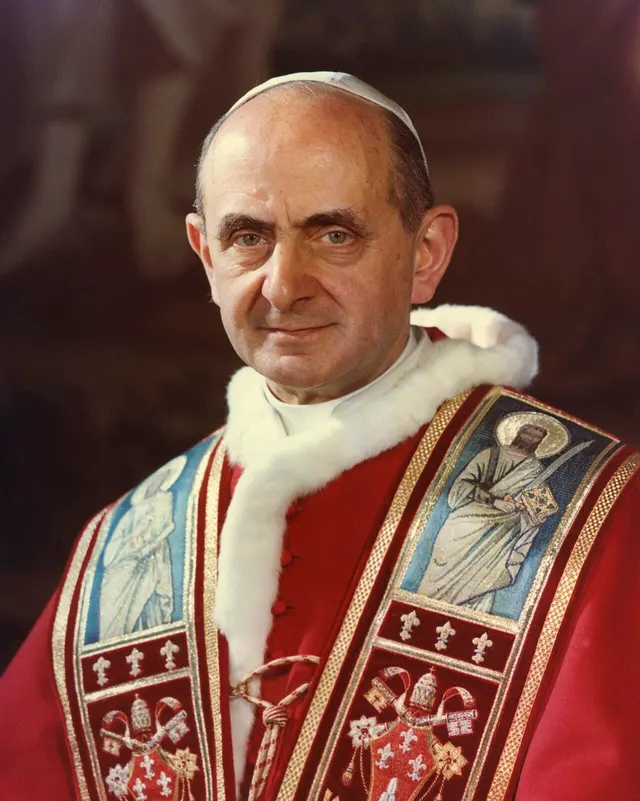 Pope Paul VI.Image:
 Thaba Bosiu, the mountain stronghold of Moshoeshoe I, founder of the Basotho kingdom.Image:
 Richard Stallman, a founder of the Free Software Foundation.Image:
 Joaquim Chissano, president of Mozambique from 1986 to 2005.Image:
 SpaceShipOne at Mojave, June 2004.Image: