Explore 1 October

Explore 1 October: Mao proclaims the People’s Republic of China, Nigeria and Tuvalu become independent, the bullet train starts running and Concorde breaks the sound barrier. Meet Jimmy Carter, Julie Andrews and George Weah, born on this date.

This day through time →13 verified events across 2 eras

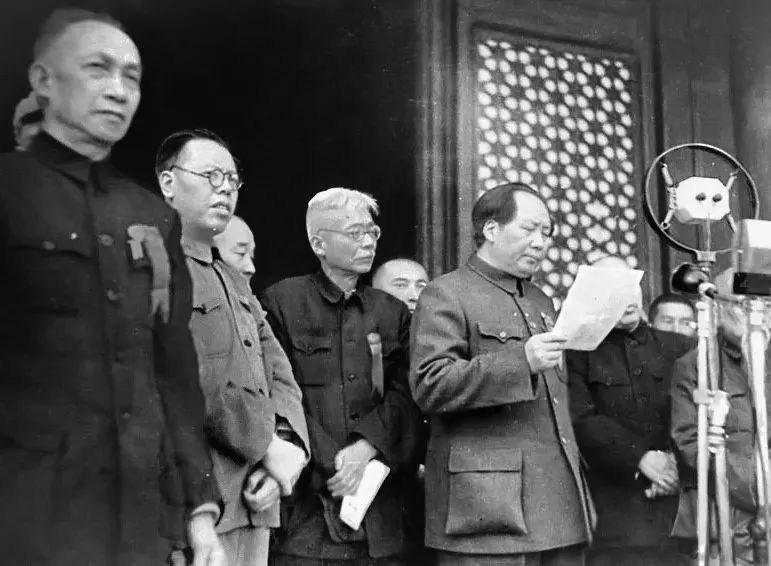
Mao Zedong proclaims the People's Republic of China from the Tiananmen Gate, 1 October 1949.
Mao Zedong proclaims the People’s Republic of China from the Tiananmen Gate, 1 October 1949.
Image creditOrihara1 · Public domainResized and cropped for display.

Mao proclaims the People’s Republic of China

At 3 pm on 1 October 1949, after the Communist victory in China’s civil war, Mao Zedong stood on the Tiananmen Gate in Beijing and proclaimed the founding of the Central People’s Government of the People’s Republic of China, before a crowd of some 300,000 people. The new national flag was raised in the square below.

Chiang Kai-shek’s Nationalist government retreated to Taiwan. In December 1949 the new government formally adopted 1 October as China’s National Day, which is still marked with a week-long holiday.

Read the full storyHistory & Timeline →Source: Ministry of Foreign Affairs of the People’s Republic of China: Colour footage of the founding ceremony ↗
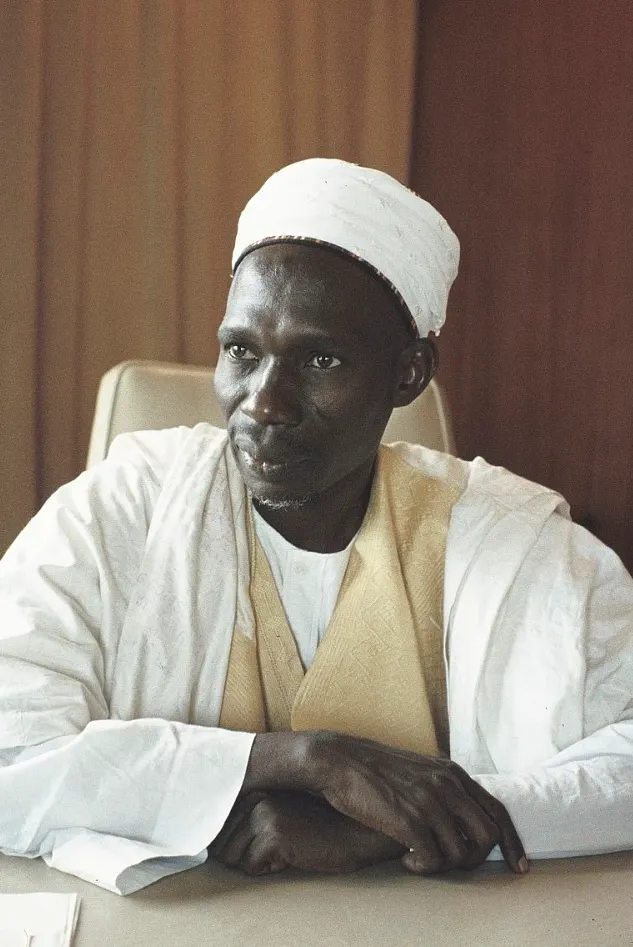
Sir Abubakar Tafawa Balewa, Nigeria's first prime minister, in 1959.
Sir Abubakar Tafawa Balewa, Nigeria’s first prime minister, in 1959.
Image creditEliot Elisofon · Public domainResized and cropped for display.

Nigeria becomes independent

On 1 October 1960 Nigeria, Africa’s most populous country, became independent from Britain. Sir Abubakar Tafawa Balewa, leader of the Northern People’s Congress in the House of Representatives and prime minister since 1957, stayed on as the first prime minister of the independent federation.

Nnamdi Azikiwe became governor-general, and in 1963 Nigeria became a republic within the Commonwealth, with Azikiwe as its first president. The country marks 1 October every year as Independence Day.

Read the full storyHistory & Timeline →Source: Encyclopaedia Britannica: Sir Abubakar Tafawa Balewa ↗
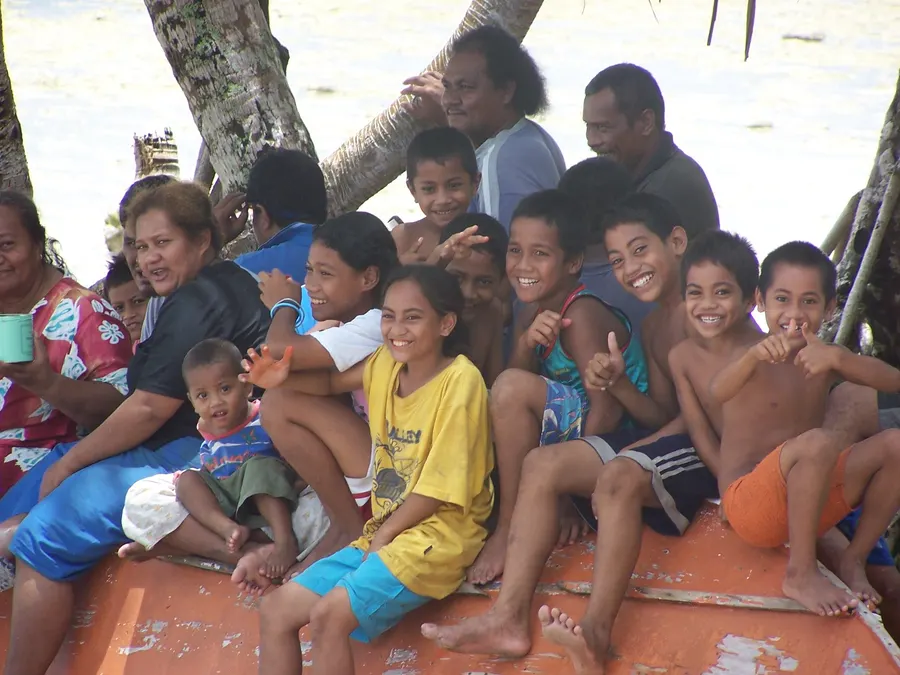
Islanders on Niutao, one of Tuvalu's nine islands, wait for the inter-island ferry, 2006.
Islanders on Niutao, one of Tuvalu’s nine islands, wait for the inter-island ferry, 2006.
Image creditCesqld · Public domainResized and cropped for display.

Tuvalu becomes independent

On 1 October 1978 the Pacific islands of Tuvalu, formerly the Ellice Islands, became independent from Britain under a new national flag. The date was the third anniversary of their separation from the Gilbert Islands, with which they had formed the British colony of the Gilbert and Ellice Islands.

The Polynesian Ellice Islanders had voted in a 1974 referendum to separate from the Micronesian Gilbertese, and the Gilberts themselves became independent as Kiribati in 1979.

Read the full storyHistory & Timeline →Source: Encyclopaedia Britannica: History of Tuvalu ↗
♙
PEOPLE

Born Today

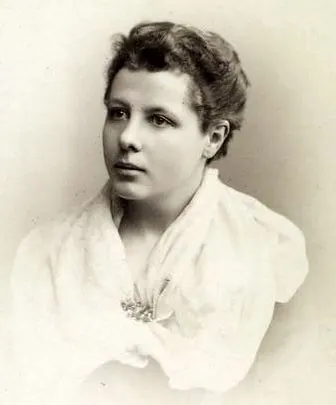
Annie Besant
Image creditLondon Stereoscopic Company · Public domainResized and cropped for display.

Annie Besant

British social reformer and theosophist who campaigned for Indian home rule and presided over the Indian National Congress in 1917.

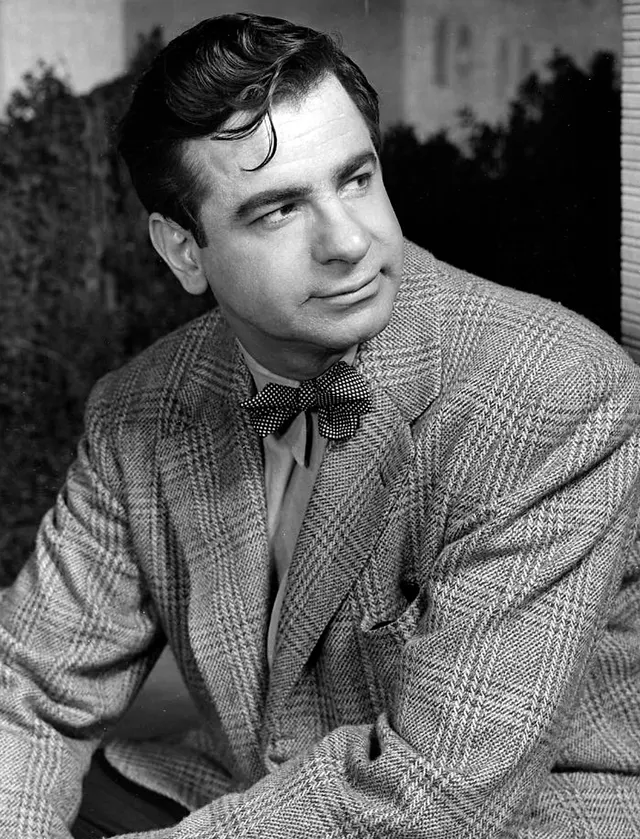
Walter Matthau
Image creditJohn Seymour Erwin · Public domainResized and cropped for display.

Walter Matthau

American actor of The Odd Couple and an Academy Award winner for The Fortune Cookie.

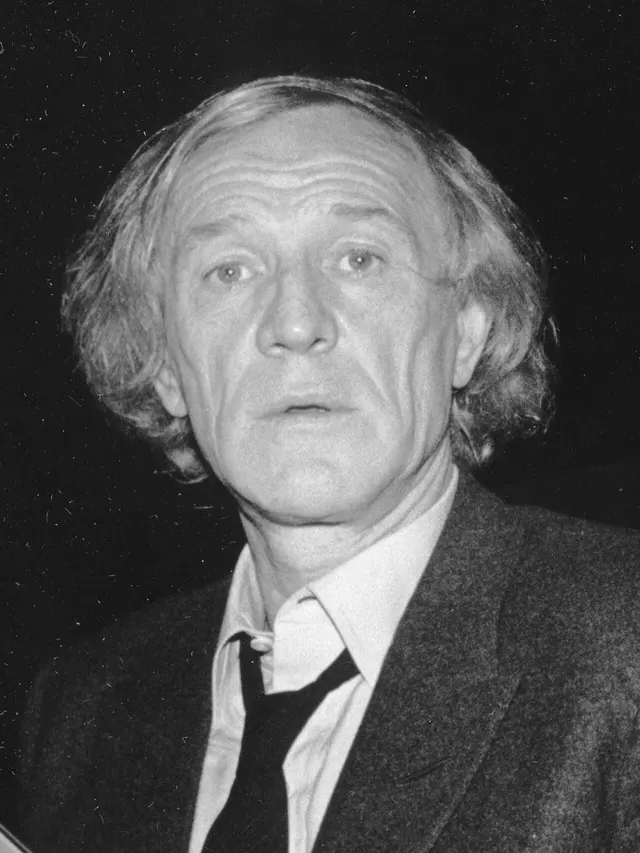
Richard Harris
Image creditCity of Boston Archives · CC BY 2.0Resized and cropped for display.

Richard Harris

Irish actor of A Man Called Horse and Camelot, and the first Dumbledore in the Harry Potter films.

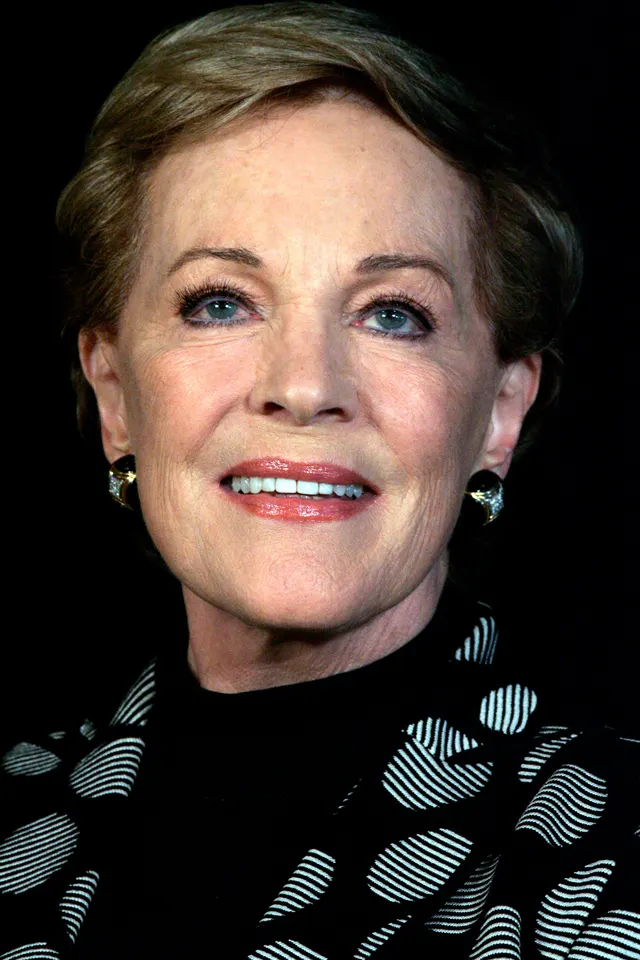
Julie Andrews
Image creditEva Rinaldi · CC BY-SA 2.0Resized and cropped for display.

Julie Andrews

English actress and singer of Mary Poppins and The Sound of Music.

◉
IDEAS THAT CHANGED THINGS

Firsts, Science & Discoveries

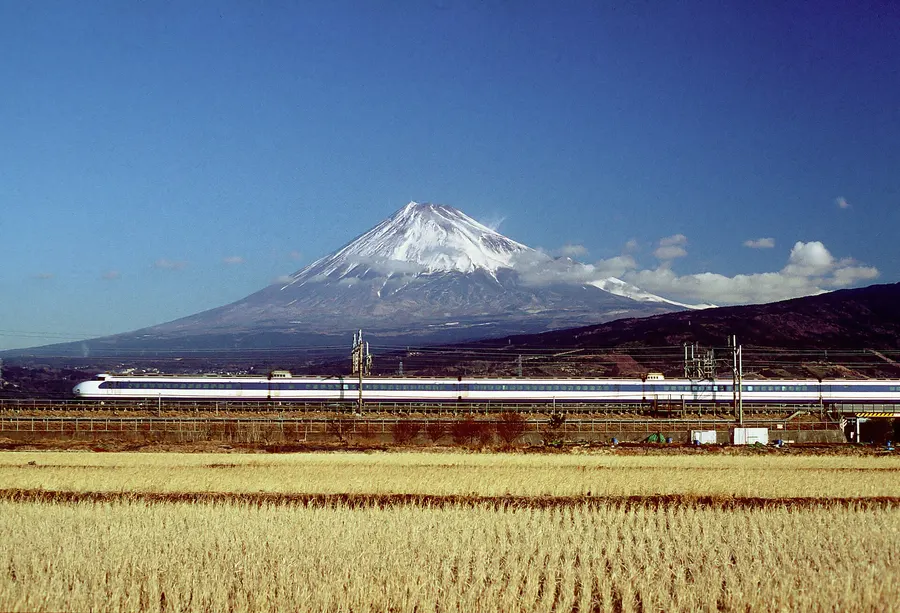
An original 0 Series bullet train passes Mount Fuji in 1999.
Image creditShellparakeet · CC0Resized and cropped for display.

The first bullet train line opens

On 1 October 1964 the Tōkaidō Shinkansen began carrying passengers between Tokyo and Shin-Osaka, the world’s first high-speed railway. Its trains were the first to run at 200 km/h in regular service, cutting the journey between Japan’s two largest cities to four hours.

The line opened just before the Tokyo Olympic Games. Since that first day no passenger has been killed by a derailment or collision on Japan’s full Shinkansen network.

Read the full storyHistory & Timeline →Source: Nippon.com: The Shinkansen turns 50 ↗
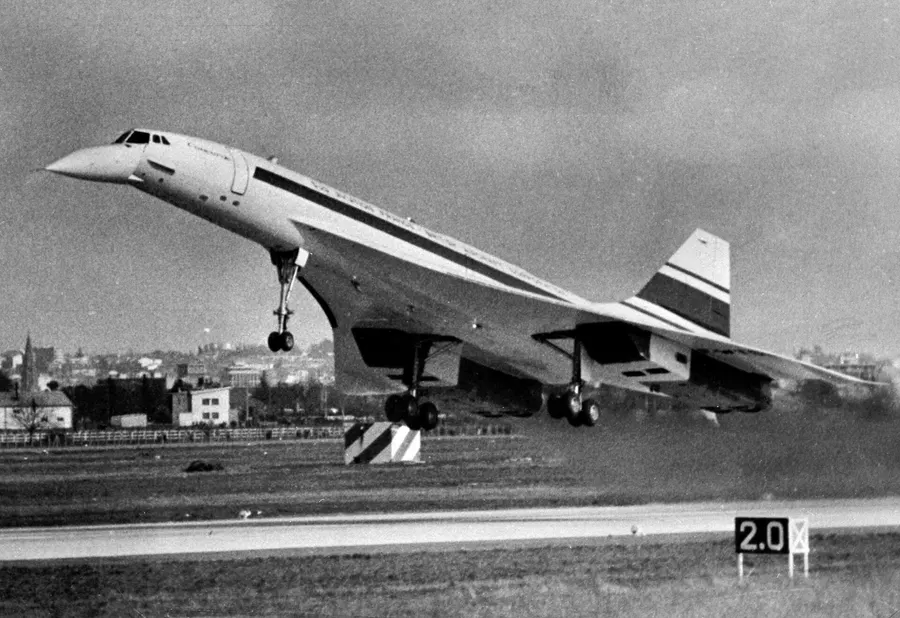
The prototype Concorde 001 on its first flight, at Toulouse on 2 March 1969.
Image creditAndré Cros · CC BY-SA 4.0Resized and cropped for display.

Concorde breaks the sound barrier

On 1 October 1969 the Anglo-French prototype Concorde 001, flying from Toulouse, went faster than sound for the first time. Cruising at 36,000 feet, it reached Mach 1.05 and held supersonic speed for about nine minutes.

The aircraft had first flown on 2 March 1969 with the test pilot André Turcat at the controls, and reached twice the speed of sound in November 1970. Concorde entered passenger service in 1976.

Read the full storyHistory & Timeline →Source: Aerospace Bristol: 1 October 1969, Concorde 001 breaks through the sound barrier ↗
♫
MUSIC • FILM • BOOKS • CULTURE

Culture Stories

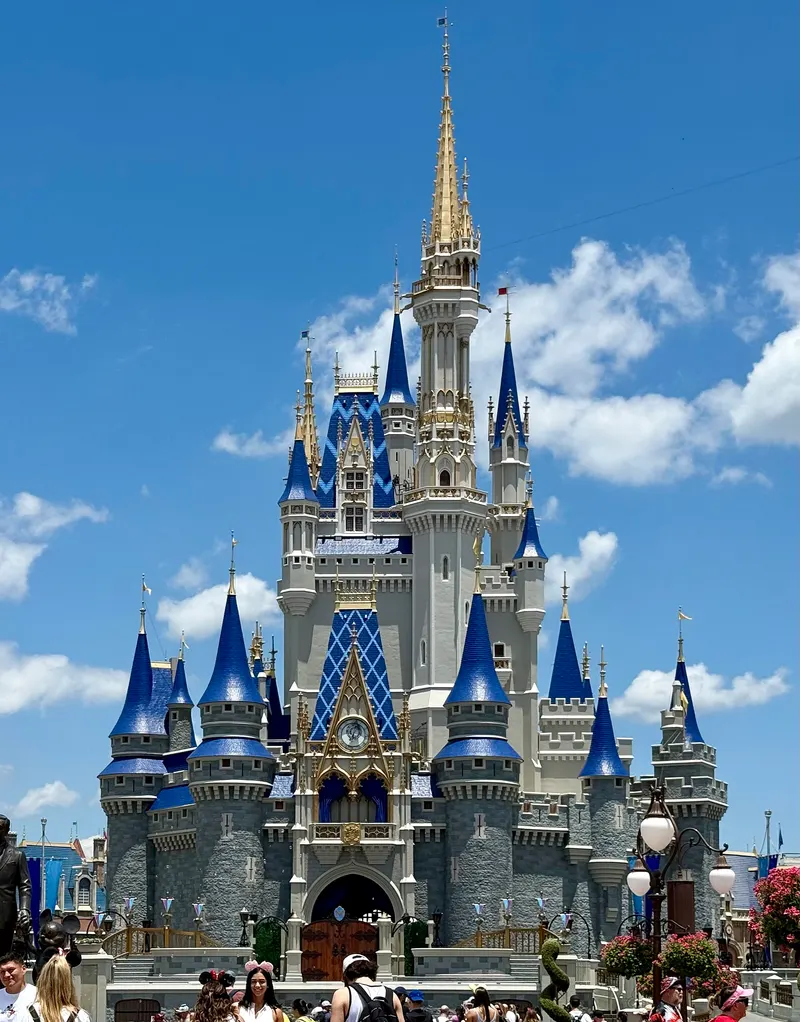
Cinderella Castle at the Magic Kingdom, Walt Disney World.
Image creditTheWanderingTraders · CC BY-SA 4.0Resized and cropped for display.

Walt Disney World opens in Florida

Walt Disney World opened its gates near Orlando, Florida, on 1 October 1971, with the Magic Kingdom park, two hotels, lakes, golf courses and a campground.

Disney chose a quiet opening day to iron out problems and held the formal dedication three weeks later, on 25 October. The resort has since grown into one of the most visited holiday destinations in the world.

Read the full storyHistory & Timeline →Source: D23 (The Walt Disney Company archives): Walt Disney World Resort opens ↗
✦
LIVES REMEMBERED

Remembered Today

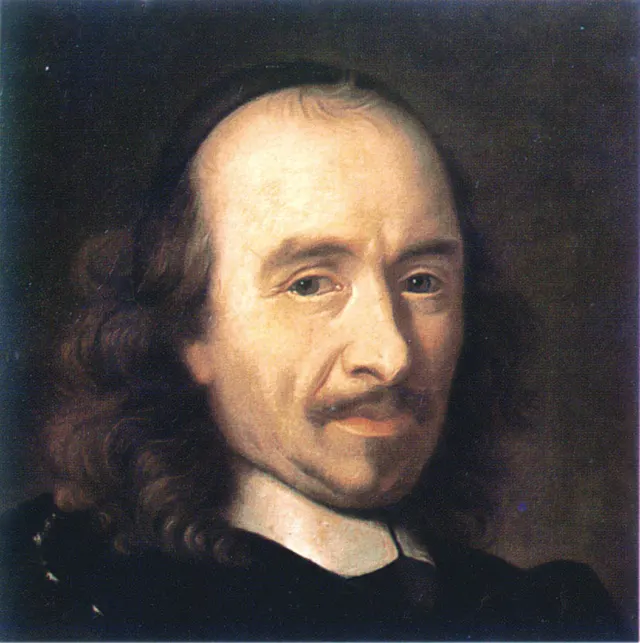
Pierre Corneille
Image creditAfter Charles Le Brun · Public domainResized and cropped for display.

Pierre Corneille

French dramatist, author of Le Cid and a founder of French classical tragedy.

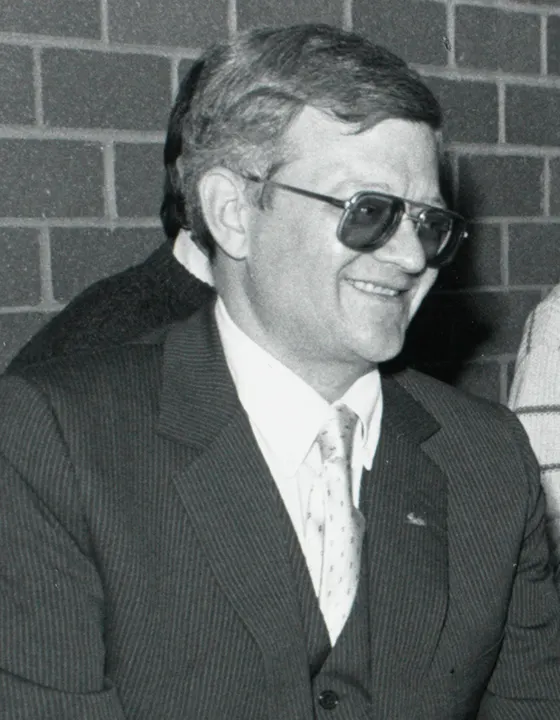
Tom Clancy
Image creditGary Wayne Gilbert · CC BY-SA 2.0Resized and cropped for display.

Tom Clancy

American author of military thrillers including The Hunt for Red October.

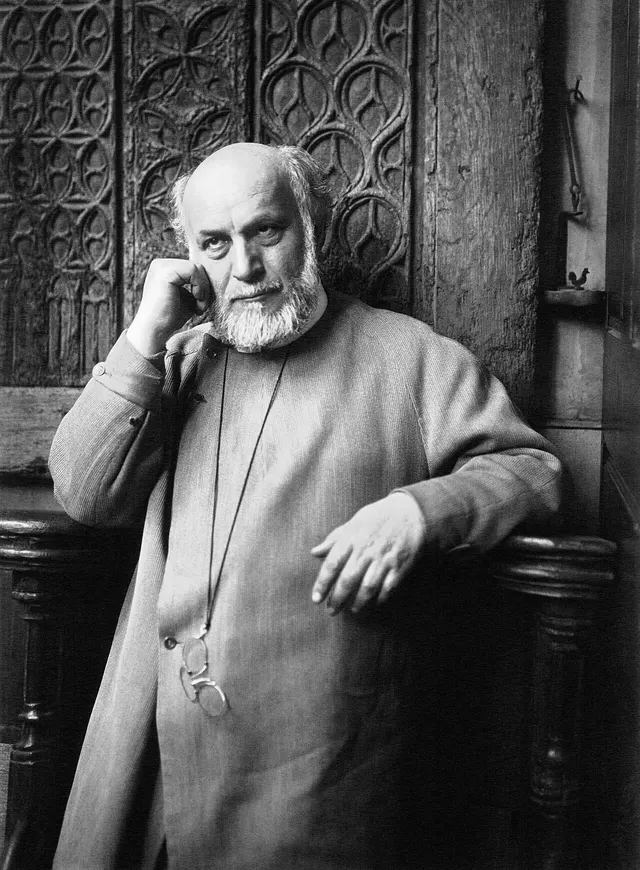
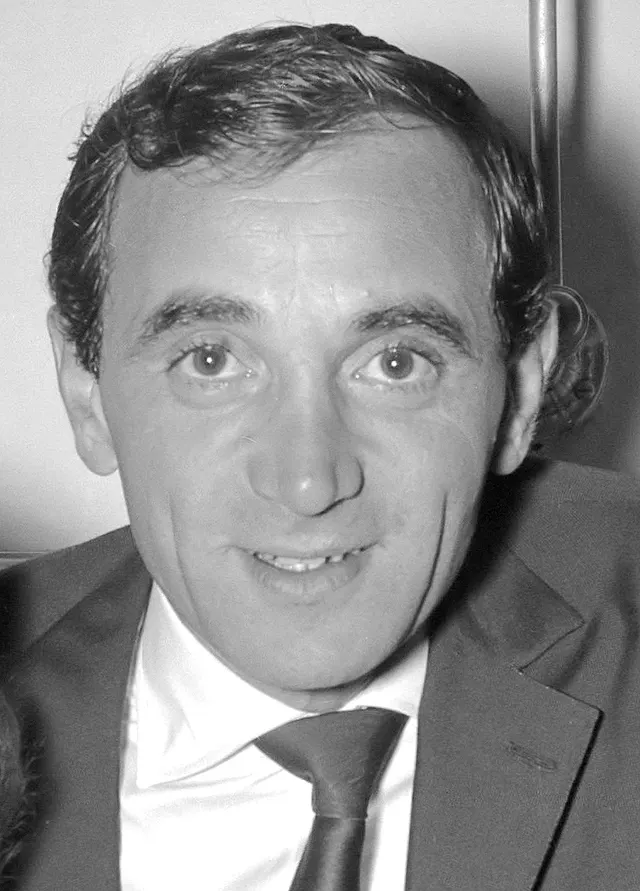
Charles Aznavour
Image creditJoop van Bilsen for Anefo · CC0Resized and cropped for display.

Charles Aznavour

French-Armenian singer and songwriter whose career spanned more than seventy years.

☉
AROUND THE WORLD

Observances & Anniversaries

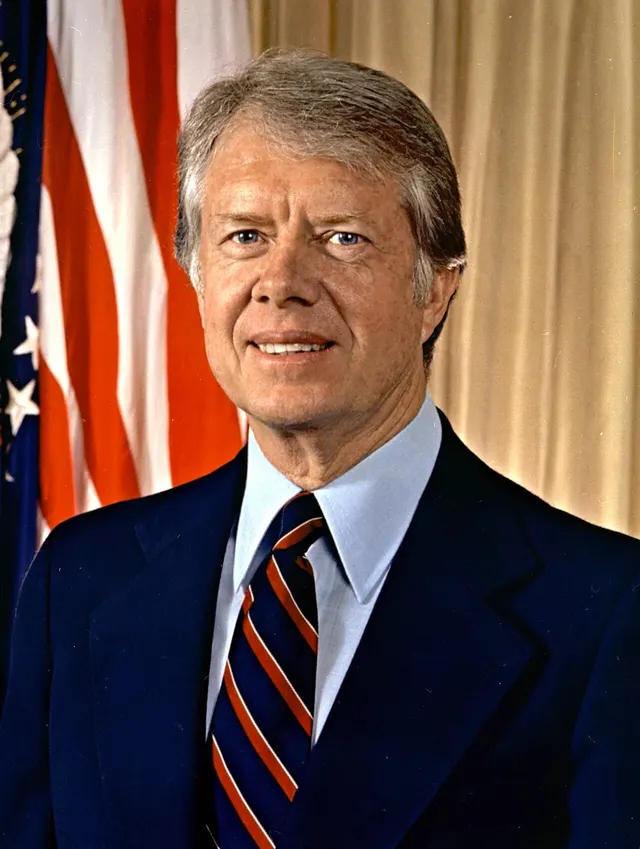
Jimmy Carter, born on 1 October 1924, who lived to be 100.
Image creditDepartment of Defense. Department of the Navy. Naval Photographic Center · Public domainResized and cropped for display.

International Day of Older Persons

On 14 December 1990 the UN General Assembly designated 1 October as the International Day of Older Persons, to recognise the contributions of older people and to draw attention to the challenges of an ageing world.

Source: United Nations: International Day of Older Persons ↗
HISTORY & TIMELINE

Finished the highlights?

Follow 1 October chronologically, from the Middle Ages to the modern day, with 13 verified events and the sources behind them.

This day through time →