Explore 8 October

Explore 8 October: fire takes Chicago and, on the same night, kills far more people in the Wisconsin pinewoods; Che Guevara is captured in Bolivia; a boarding party in Canton starts a war. Meet Juan Perón, Sigourney Weaver and Frank Herbert, born on this date.

This day through time →8 verified events across 4 eras

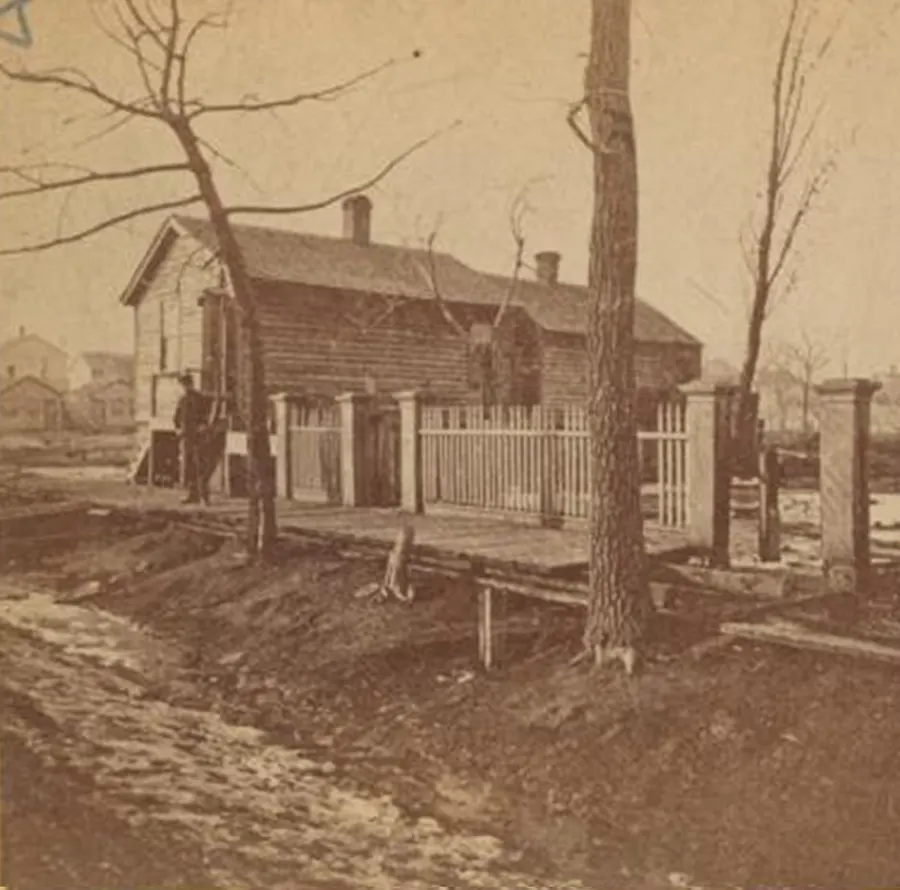
Catherine O'Leary's cottage on DeKoven Street, photographed in 1871. The fire began in the barn behind it.
Catherine O’Leary’s cottage on DeKoven Street, photographed in 1871. The fire began in the barn behind it.
Image creditA.H. Abbott, Photographer · Public domainResized and cropped for display.

The Great Chicago Fire

The fire started on the evening of 8 October 1871 on Chicago’s West Side, in the DeKoven Street barn of Patrick and Catherine O’Leary. What happened in the barn has never been established; the story about the cow was invented by a reporter. The city was tinder-dry after months without rain, and a big fire the night before had worn out the fire brigade and damaged its equipment.

It burned until the morning of 10 October, when rain, the lake and some empty ground on the North Side finally stopped it. About 300 people died, 17,450 buildings were destroyed across almost 3.5 square miles, and roughly a third of the city’s people - close to 100,000 - had nowhere to live.

Read the full storyHistory & Timeline →Source: Encyclopaedia Britannica: Chicago fire of 1871 ↗
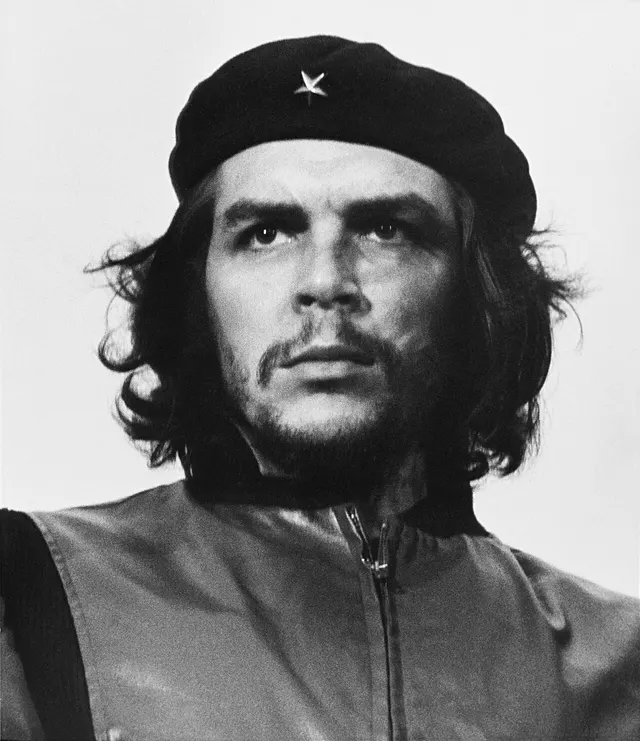
Alberto Korda's 1960 photograph of Che Guevara, taken in Havana seven years before Bolivia.
Alberto Korda’s 1960 photograph of Che Guevara, taken in Havana seven years before Bolivia.
Image creditAlberto Korda, restored by Adam Cuerden · Public domainResized and cropped for display.

Che Guevara is taken in the Bolivian hills

Ernesto ‘Che’ Guevara had gone to Bolivia in 1966 to start a guerrilla campaign that he hoped would spread across the continent. It found almost no local support. On 8 October 1967 his small column was cornered in the Quebrada del Yuro by a Bolivian ranger battalion trained and advised by the United States, and he was captured alive.

He was taken to the schoolhouse at La Higuera. Orders came from the Bolivian army headquarters the next day, and he was shot. Declassified American documents, released decades later, record a CIA officer present at his death.

Read the full storyHistory & Timeline →Source: Encyclopaedia Britannica: Che Guevara, the Congo, Bolivia and death ↗
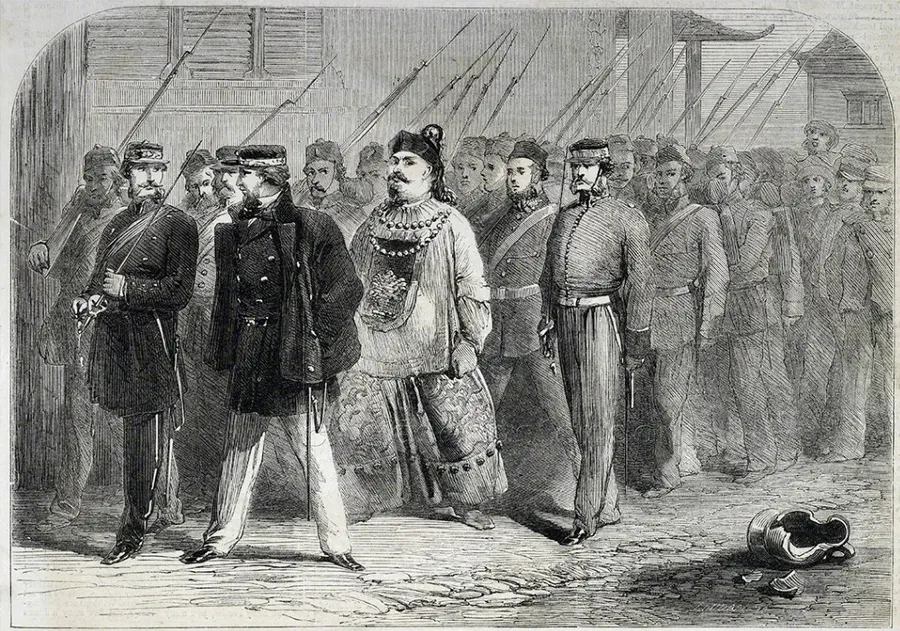
The capture of Commissioner Ye Mingchen by British forces in 1858, from The Illustrated Times.
Image creditIllustrated times. [1] · Public domainResized and cropped for display.

A boarding party in Canton starts a war

On 8 October 1856 Chinese officials boarded the Arrow, a Chinese-owned ship registered in Hong Kong, at Canton. They arrested several of its crew on suspicion of piracy and smuggling, and were said to have hauled down the British flag. The men were released, but the insult was what mattered.

Britain had been looking for a reason to force further trading concessions out of the Qing government. The consul Harry Parkes sent a fleet up the Pearl River to attack Canton, and France joined in, using the killing of a missionary as its own pretext. The Arrow War ran until 1860 and ended in further treaties imposed on China.

Read the full storyHistory & Timeline →Source: Encyclopaedia Britannica: Arrow War ↗
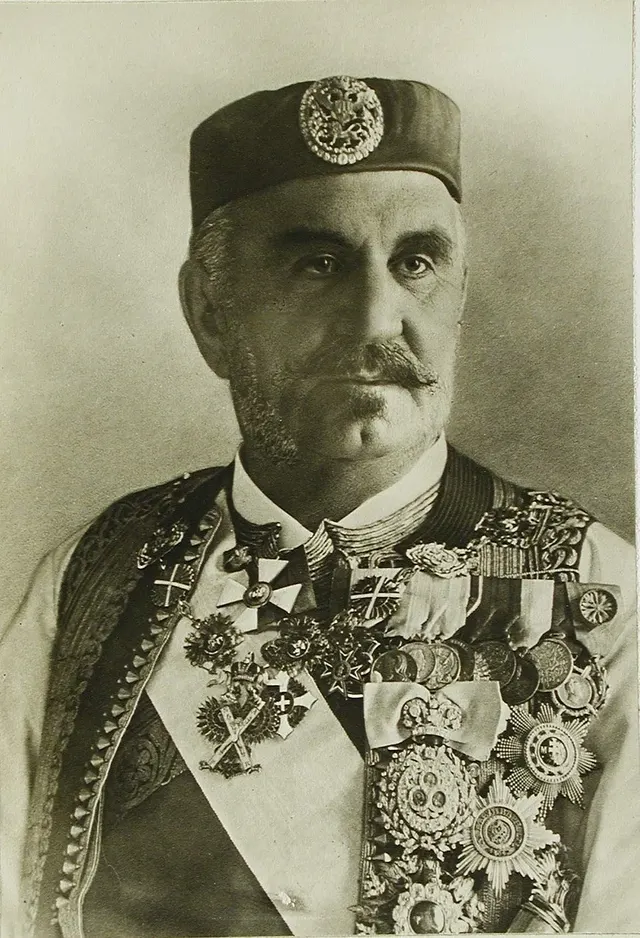
Nicholas I, prince and later king of Montenegro.
Image creditUnknown authorUnknown author · Public domainResized and cropped for display.

Montenegro opens the First Balkan War

Montenegro declared war on the Ottoman Empire on 8 October 1912, opening the First Balkan War. Its partners in the Balkan League - Serbia, Bulgaria and Greece - followed ten days later. The league had been put together that spring, with Russian encouragement, to take Macedonia from a Turkey already at war with Italy.

The allies won quickly. Bulgarian troops reached the outskirts of Constantinople, and the Serbs took Skopje after their victory at Kumanovo. The Ottoman Empire lost almost all its remaining European territory - and the allies then fell out over the spoils, which brought a second Balkan war the following year.

Read the full storyHistory & Timeline →Source: Encyclopaedia Britannica: Balkan Wars ↗
♙
PEOPLE

Born Today

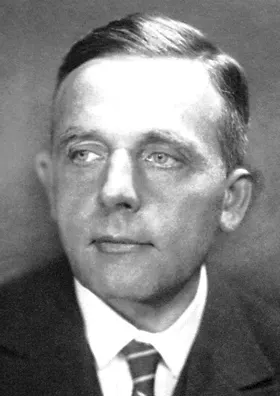
Otto Heinrich Warburg
Image creditUnknown authorUnknown author · Public domainResized and cropped for display.

Otto Heinrich Warburg

German physiologist who studied how cells use oxygen and won the 1931 Nobel Prize in Physiology or Medicine.

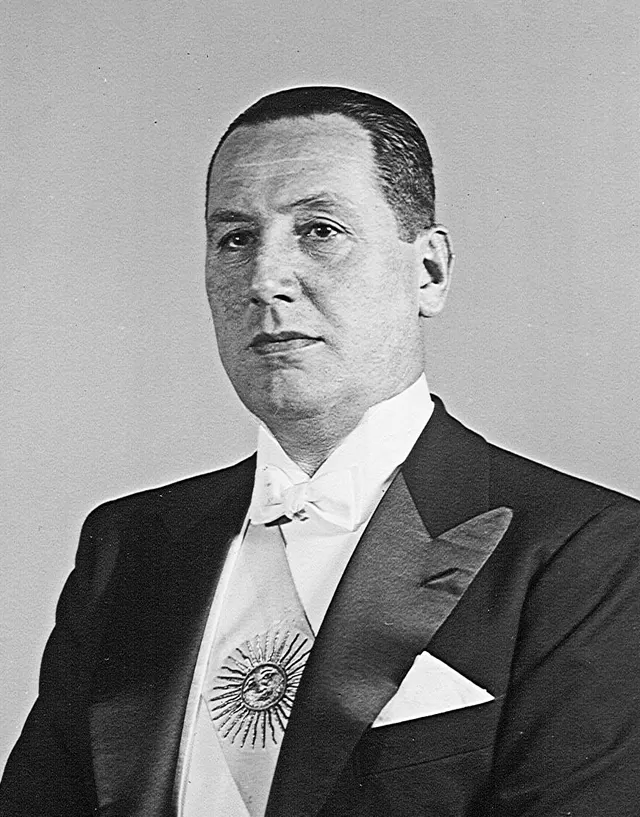
Juan Perón
Image creditUnknown authorUnknown author · Public domainResized and cropped for display.

Juan Perón

Argentine soldier and three-times president, whose movement still shapes the country’s politics.

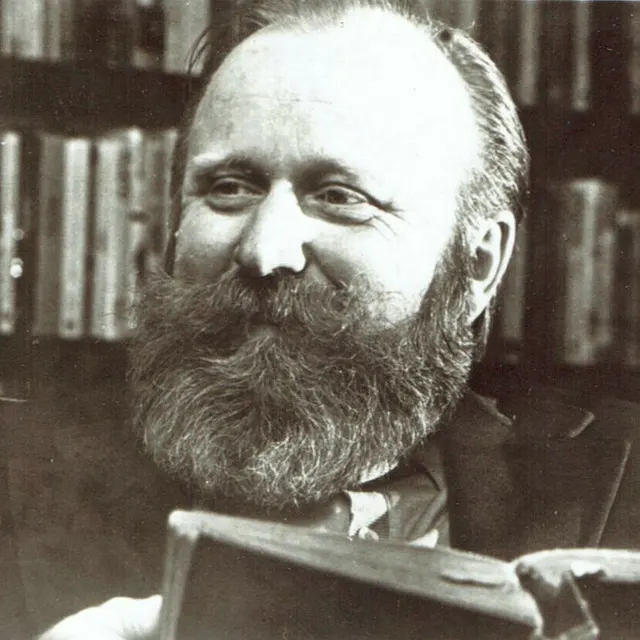
Frank Herbert
Image creditUnknown photographer · Public domainResized and cropped for display.

Frank Herbert

American writer whose novel Dune, published in 1965, became one of the most widely read works of science fiction.

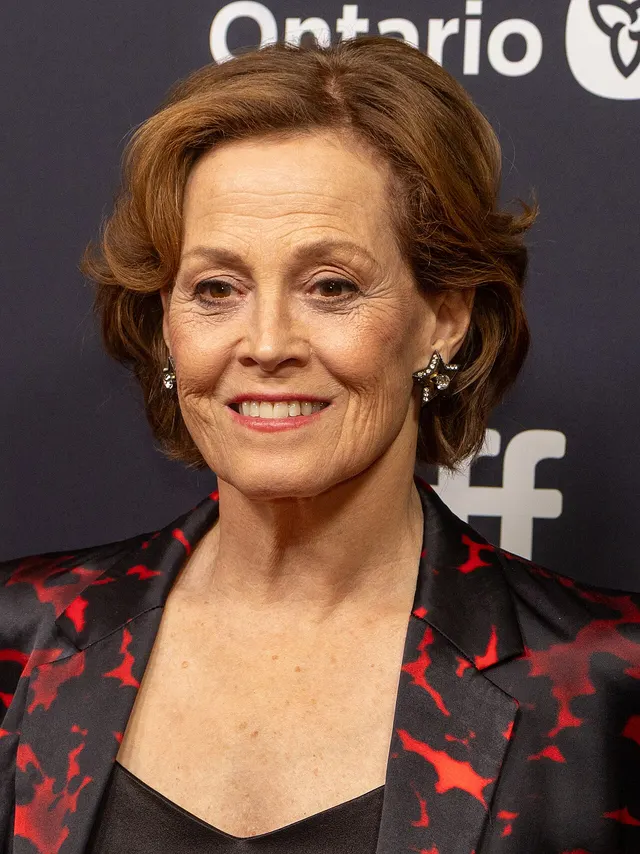
Sigourney Weaver
Image creditDesmond Herzfelder · CC BY 4.0Resized and cropped for display.

Sigourney Weaver

American actress whose Ellen Ripley in the Alien films rewrote what an action lead could be.

Ursula von der Leyen
Image creditEuropean People's Party · CC BY 2.0Resized and cropped for display.

Ursula von der Leyen

German politician and doctor, president of the European Commission since 2019.

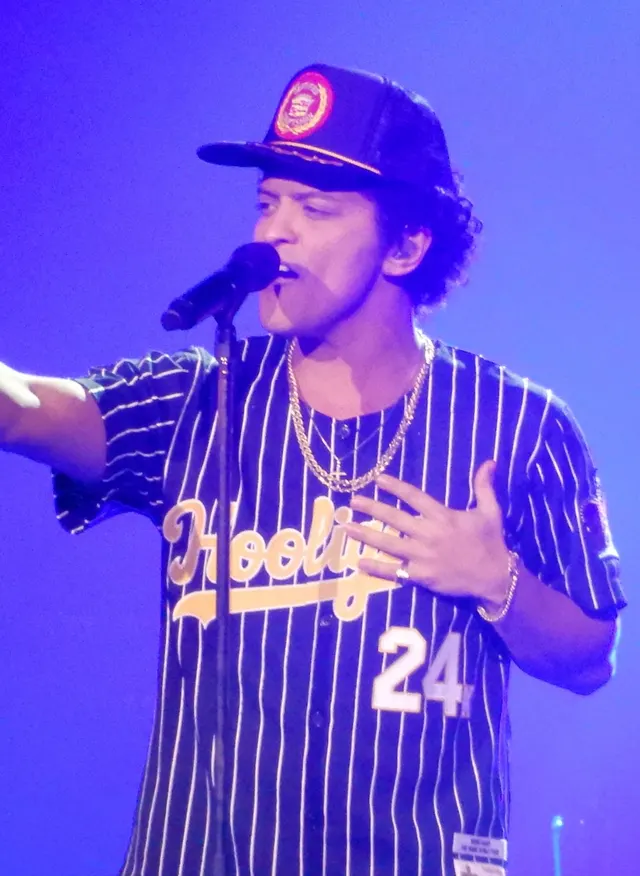
Bruno Mars
Image creditslgckgc · CC BY 4.0Resized and cropped for display.

Bruno Mars

American singer, songwriter and producer, born in Honolulu, with a long run of international hits.

✦
LIVES REMEMBERED

Remembered Today

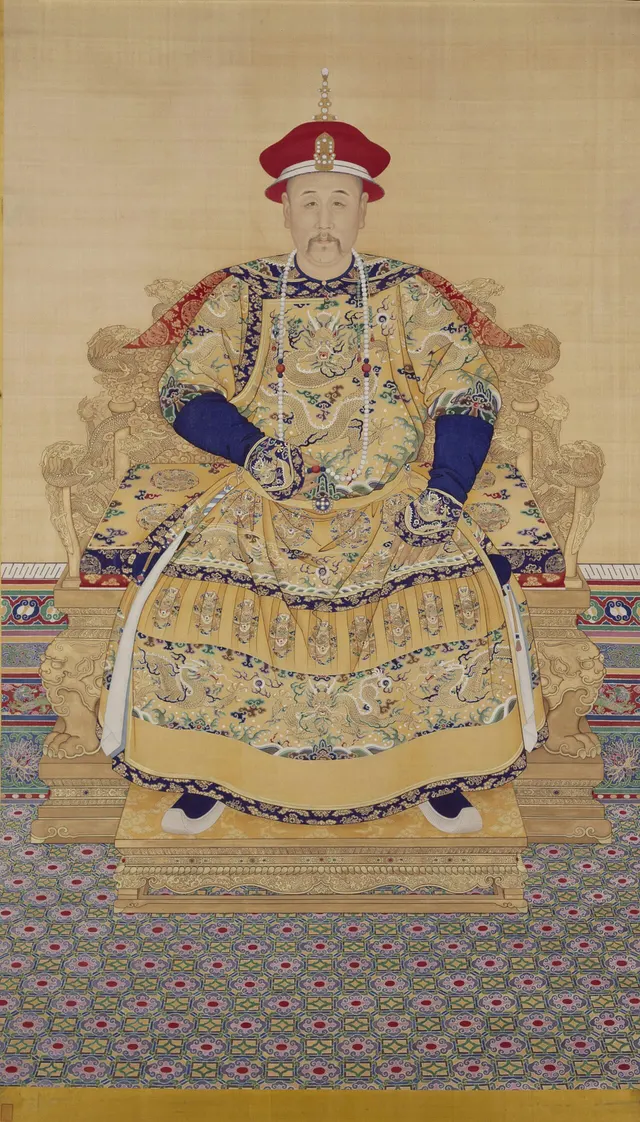
Yongzheng Emperor
Image creditUnknown authorUnknown author · Public domainResized and cropped for display.

Yongzheng Emperor

Qing emperor of China from 1722, a demanding administrator who tightened central control and rooted out corruption.

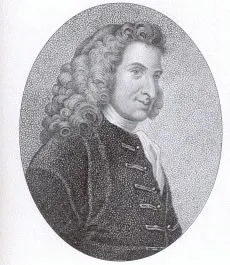
Henry Fielding
Image creditUnknown · Public domainResized and cropped for display.

Henry Fielding

English novelist and playwright, author of Tom Jones, who also helped found London’s first professional police force.

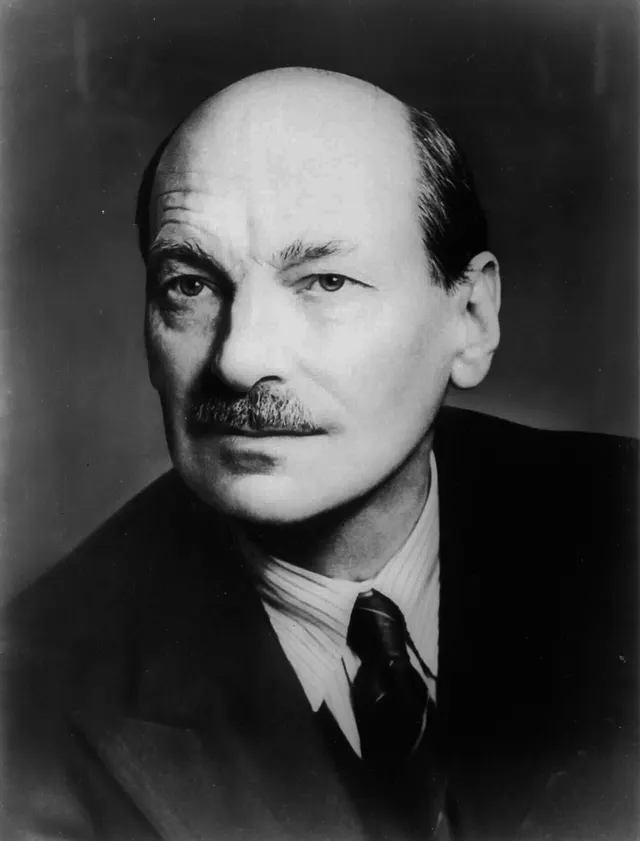
Clement Attlee
Image creditPresumably Yousuf Karsh · Public domainResized and cropped for display.

Clement Attlee

British prime minister from 1945 to 1951, whose government founded the National Health Service.

Willy Brandt
Image creditEngelbert Reineke · CC BY-SA 3.0 deResized and cropped for display.

Willy Brandt

Chancellor of West Germany and Nobel peace laureate, remembered for his opening to eastern Europe.

HISTORY & TIMELINE

Finished the highlights?

Follow 8 October chronologically, from the Middle Ages to the modern day, with 8 verified events and the sources behind them.

This day through time →