Explore 11 October

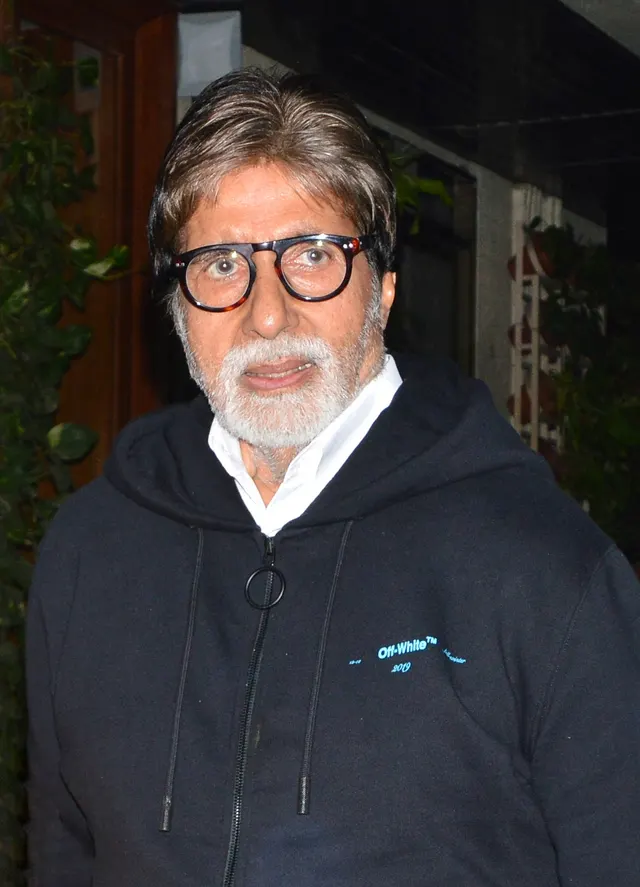
Explore 11 October: an earthquake wrecks Aleppo in 1138, war breaks out in South Africa, two thousand bishops walk into St Peter’s to begin Vatican II, and Reagan and Gorbachev come within touching distance of abolishing nuclear weapons. Meet Eleanor Roosevelt, Amitabh Bachchan and Bobby Charlton, born on this date.

This day through time →7 verified events across 3 eras

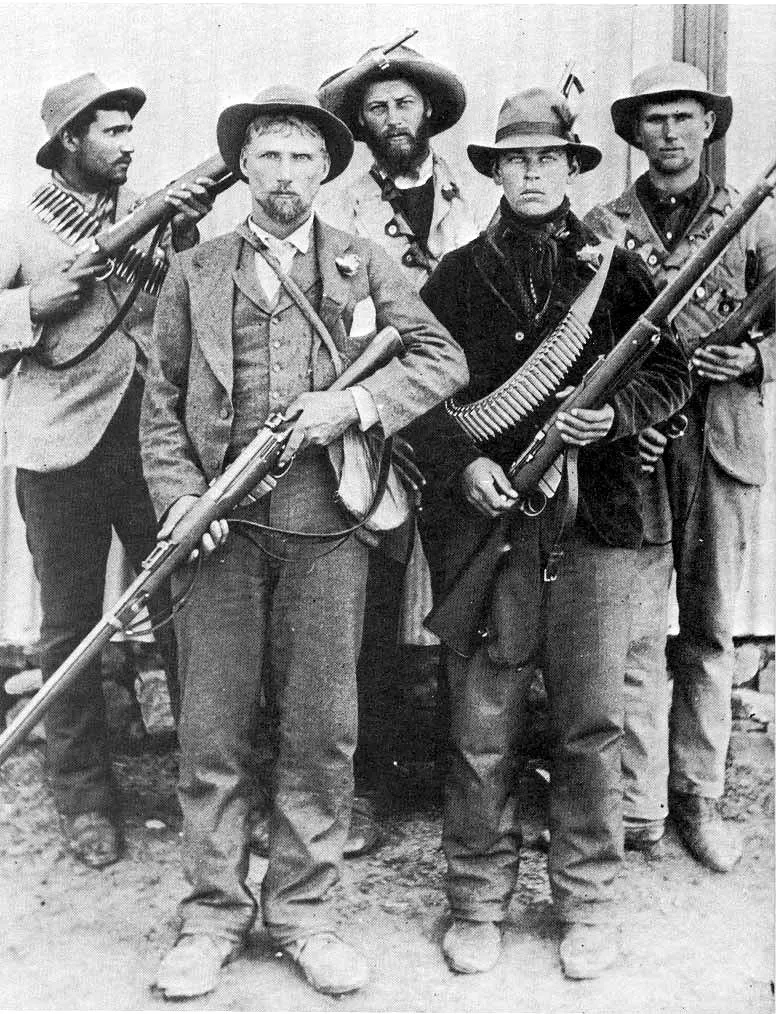
Boer guerrillas during the Second Boer War, photographed around 1900.
Image creditUnknown authorUnknown author · Public domainResized and cropped for display.

War comes to South Africa

The South African War began on 11 October 1899, between the British Empire and the two Boer republics, the South African Republic (Transvaal) and the Orange Free State. Two days earlier the Transvaal had sent an ultimatum demanding that British troops withdraw from its borders and that every reinforcement sent to South Africa since 1 June be removed. Britain let it expire.

Britain eventually put nearly half a million men into the field against perhaps 88,000 Boers, and still needed two and a half years. The Boers turned to guerrilla warfare; the British answered with farm burning and camps in which thousands of Boer and African civilians died. The Treaty of Vereeniging ended the fighting on 31 May 1902.

Read the full storyHistory & Timeline →Source: Encyclopaedia Britannica: South African War ↗
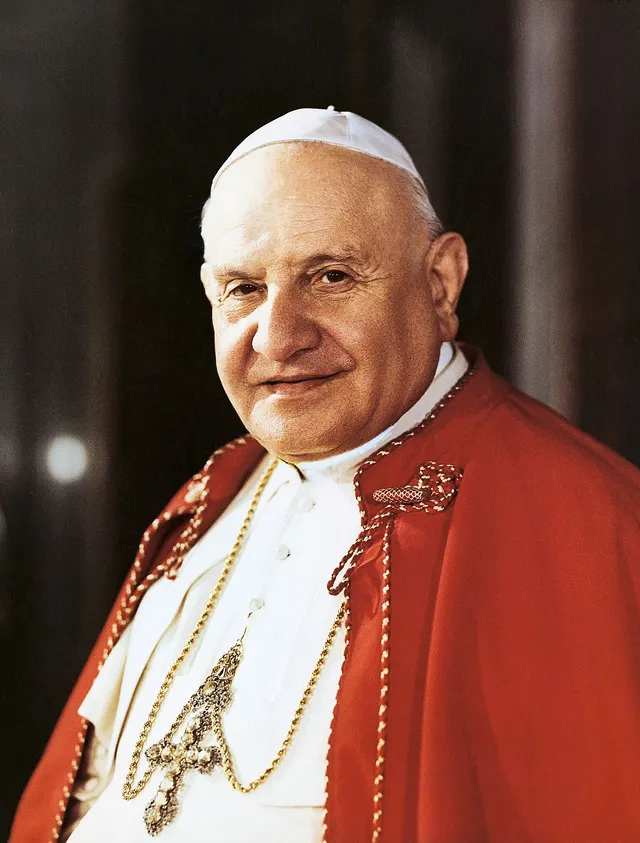
Pope John XXIII, who called the council and opened it.
Image creditDe Agostini Editore · Public domainResized and cropped for display.

Two thousand bishops open Vatican II

The Second Vatican Council opened on 11 October 1962 with a solemn procession into St Peter’s Basilica, presided over by Pope John XXIII. More than two thousand bishops came from every part of the world, which made it the largest gathering of the Roman Catholic hierarchy in history.

John XXIII had announced it in 1959 with a one-word aim: aggiornamento, bringing the church up to date. Over four sessions, ending in 1965 under Paul VI, the council produced sixteen documents that changed how Catholics worship - the vernacular Mass among them - and how the church deals with other Christians and other faiths.

Read the full storyHistory & Timeline →Source: Encyclopaedia Britannica: Second Vatican Council ↗
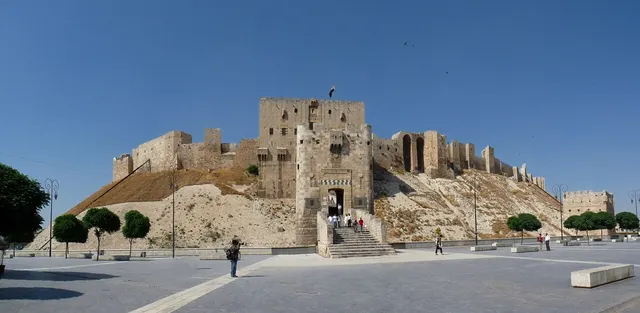
The citadel of Aleppo, photographed in 2010.
Image creditMemorino · CC BY-SA 3.0Resized and cropped for display.

The earthquake that shook Aleppo

An earthquake struck Aleppo, in northern Syria, on 11 October 1138. The Crusader citadel at nearby Harim was levelled, a Muslim fort at al-Atarib was destroyed, and several smaller towns and garrisons were reduced to rubble.

It is often listed among the deadliest earthquakes ever recorded, with a figure of 230,000 dead. Historians now think that number belongs to a different disaster altogether and was attached to Aleppo by mistake; the seismologist Nicholas Ambraseys argued in 2004 that the real toll was perhaps under a thousand. It is a useful reminder of how thin the ground can be under a famous statistic.

Read the full storyHistory & Timeline →Source: Encyclopaedia Britannica: Aleppo earthquake of 1138 ↗
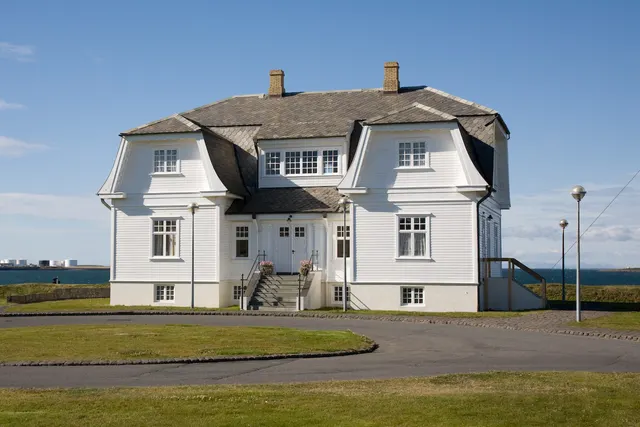
Höfði, the Reykjavík city guesthouse where the summit was held.
Image creditPolarlys · CC BY 2.5Resized and cropped for display.

Reagan and Gorbachev nearly abolish the bomb

Ronald Reagan and Mikhail Gorbachev met at Höfði house in Reykjavík on 11 and 12 October 1986. It was not meant to be a summit at all, but a working session to give the arms-control talks some momentum. It turned into something much larger: by the end the two men had agreed that nuclear weapons should be eliminated, and came close to a deal to scrap both countries’ stockpiles by the year 2000.

It fell apart over the Strategic Defense Initiative, the space-based missile defence Reagan would not confine to the laboratory. They went home with nothing signed, and both sides called it a failure at the time. Gorbachev and many historians later called it the turning point of the Cold War.

Read the full storyHistory & Timeline →Source: Encyclopaedia Britannica: Reykjavík summit of 1986 ↗
♙
PEOPLE

Born Today

Hans Kelsen
Image creditGeorg Fayer · Public domainResized and cropped for display.

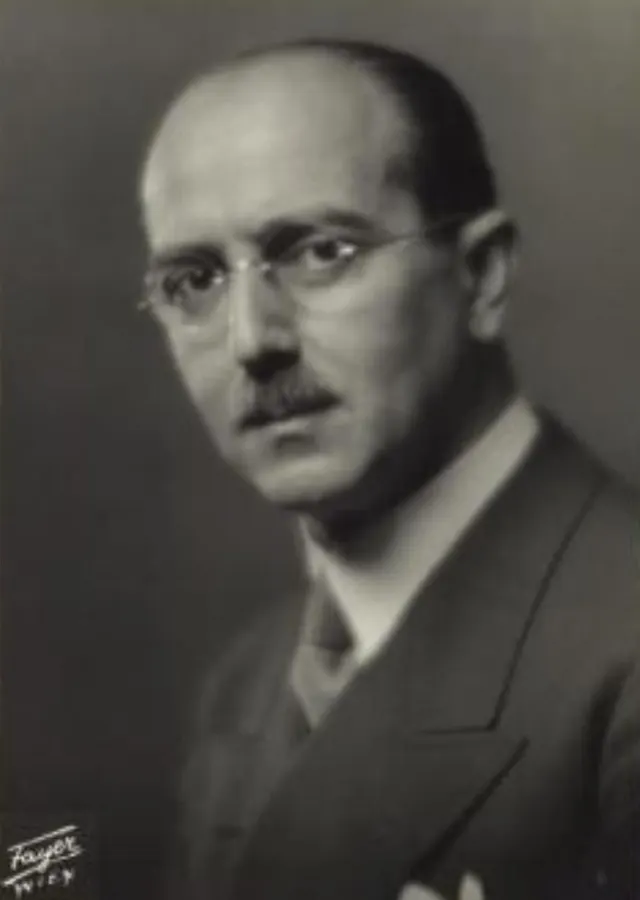
Hans Kelsen

Austrian jurist who drafted his country’s 1920 constitution and shaped modern thinking about what law is.

Eleanor Roosevelt
Image creditFDR Presidential Library & Museum · CC BY 2.0Resized and cropped for display.

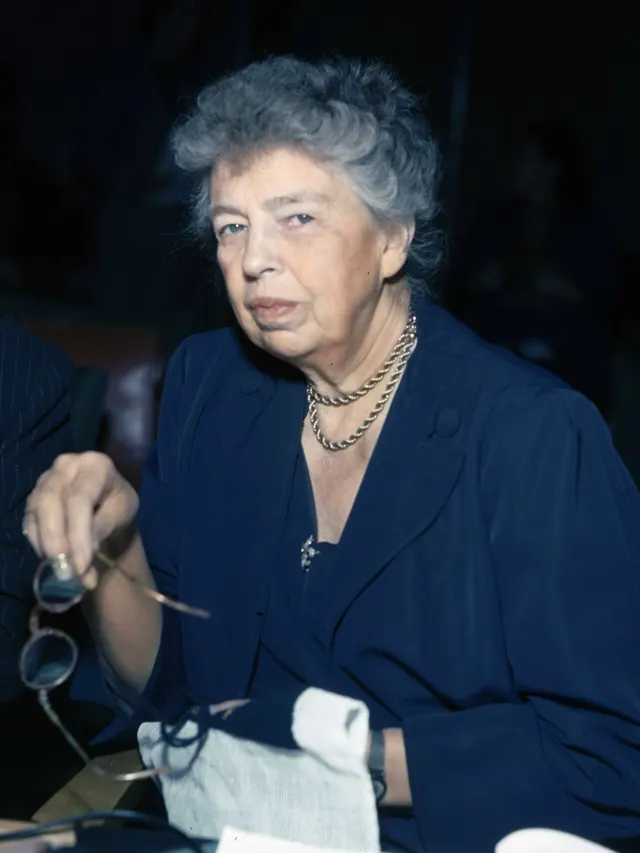
Eleanor Roosevelt

American diplomat and the longest-serving First Lady, who chaired the drafting of the Universal Declaration of Human Rights.

Friedrich Bergius
Image creditB. Schmitz-Sieg · CC BY 4.0Resized and cropped for display.

Friedrich Bergius

German chemist who found how to make liquid fuel from coal, and shared the 1931 Nobel Prize in Chemistry.

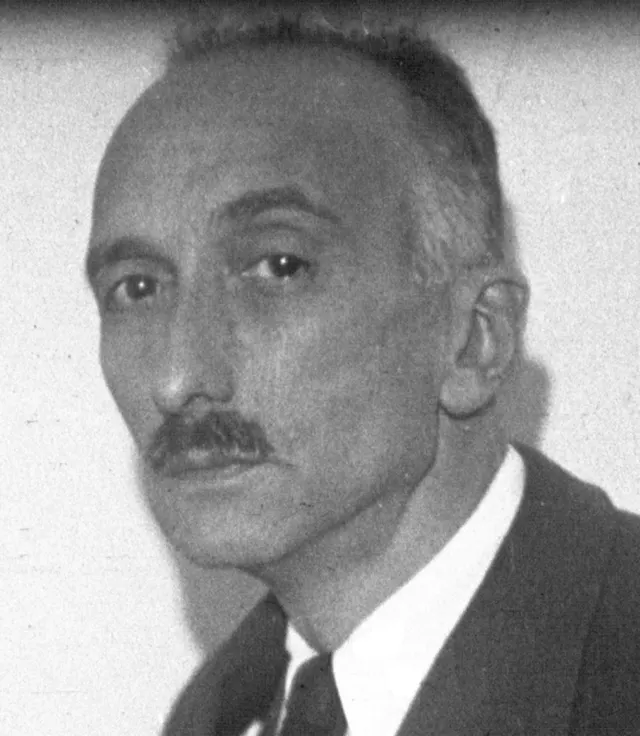
François Mauriac
Image creditAgence de presse Meurisse · Public domainResized and cropped for display.

François Mauriac

French novelist of provincial Catholic life and a voice of the Resistance; he won the 1952 Nobel Prize in Literature.

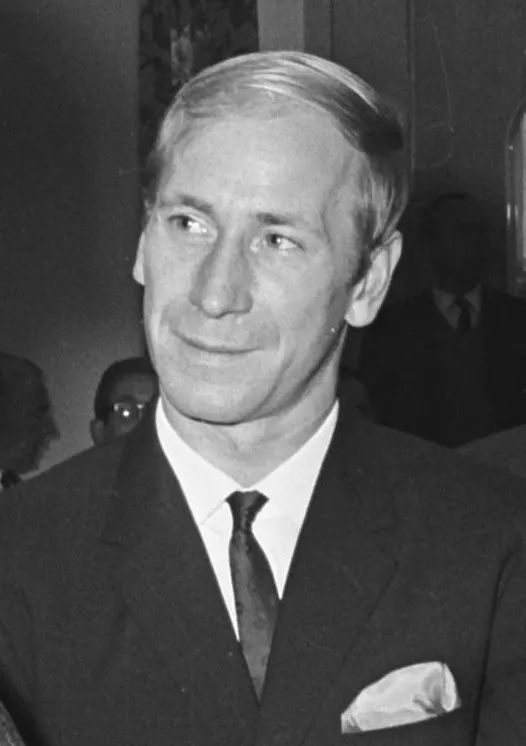
Bobby Charlton
Image creditANEFO · CC0Resized and cropped for display.

Bobby Charlton

English footballer who survived the Munich air disaster and won the World Cup in 1966 and the European Cup in 1968.

Luke Perry
Image creditGage Skidmore · CC BY-SA 3.0Resized and cropped for display.

Luke Perry

American actor, known for Beverly Hills, 90210 and later Riverdale.

Cardi B
Image creditRunawaymo · CC BY-SA 4.0Resized and cropped for display.

Cardi B

American rapper from the Bronx whose debut album won the Grammy for best rap album in 2019.

◉
IDEAS THAT CHANGED THINGS

Firsts, Science & Discoveries

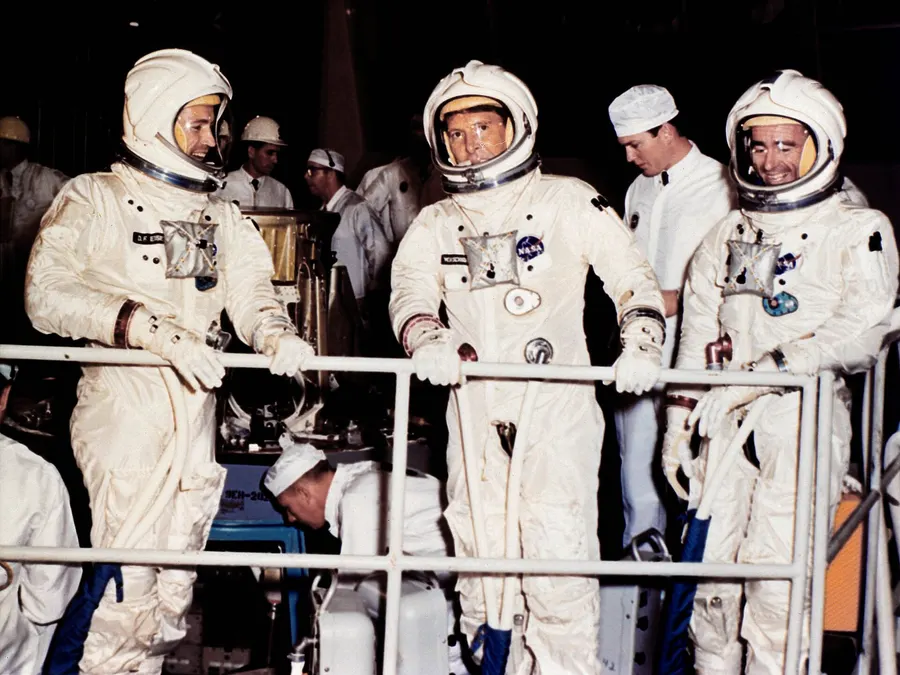
The Apollo 7 crew in training: Donn Eisele, Walter Schirra and Walter Cunningham.
Image creditNASA · Public domainResized and cropped for display.

Apollo flies with a crew at last

Apollo 7 lifted off on a Saturn IB on 11 October 1968, carrying Walter Schirra, Donn Eisele and Walter Cunningham. It was the first crewed Apollo flight, twenty-one months after the launchpad fire that killed the crew of Apollo 1, and the first American spaceflight with three people aboard.

The eleven-day mission was an engineering test: above all of the Service Propulsion System, the engine that would later have to put spacecraft into lunar orbit and then push them home again. It also produced the first live television broadcast by Americans from space. NASA called the flight ‘101% successful’, and two months later Apollo 8 went to the Moon.

Read the full storyHistory & Timeline →Source: NASA: Apollo 7 ↗
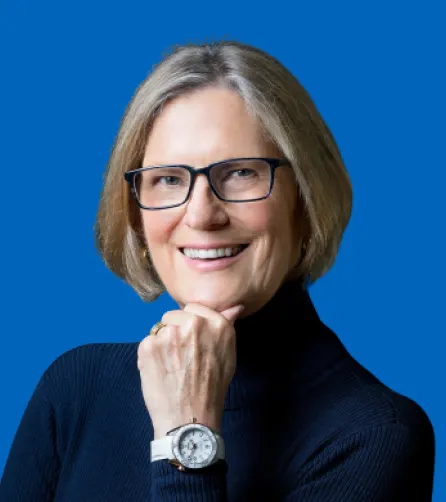
Kathryn Sullivan, the first American woman to walk in space.
Image creditThe White House · Public domainResized and cropped for display.

Kathryn Sullivan steps outside

On 11 October 1984 Kathryn Sullivan left the Space Shuttle Challenger and went to work in its payload bay, about 140 miles above the Earth and travelling at 17,500 miles an hour. She was the first American woman to walk in space, and the first woman to wear the 225-pound shuttle spacesuit.

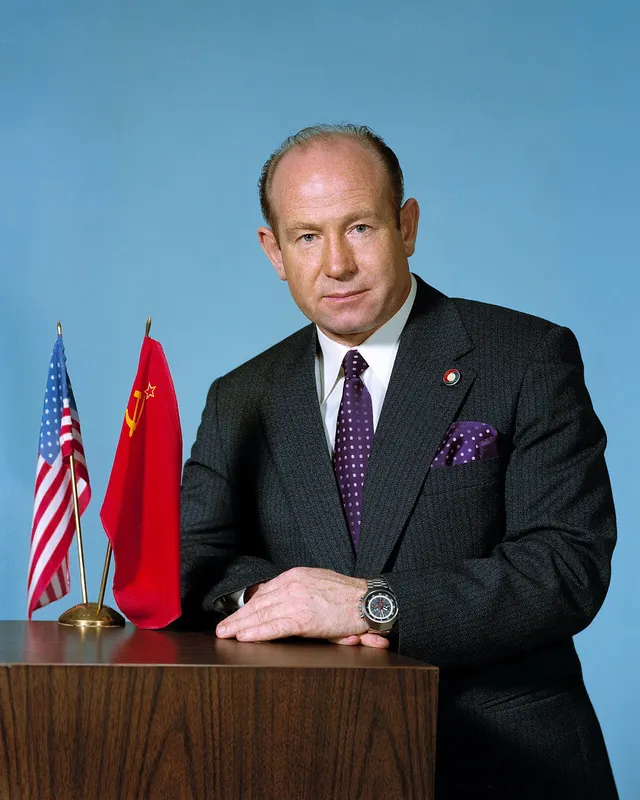
The three-and-a-half-hour walk, with the mission specialist David Leestma, tested a system meant to show that satellites could be refuelled in orbit. STS-41-G was also the first spaceflight to carry two women: Sally Ride was aboard on her second mission. By coincidence, Alexei Leonov, the first human being of any nationality to walk in space, died on 11 October in 2019.

Read the full storyHistory & Timeline →Source: NASA: Kathryn Sullivan, the first American woman to walk in space ↗
✦
LIVES REMEMBERED

Remembered Today

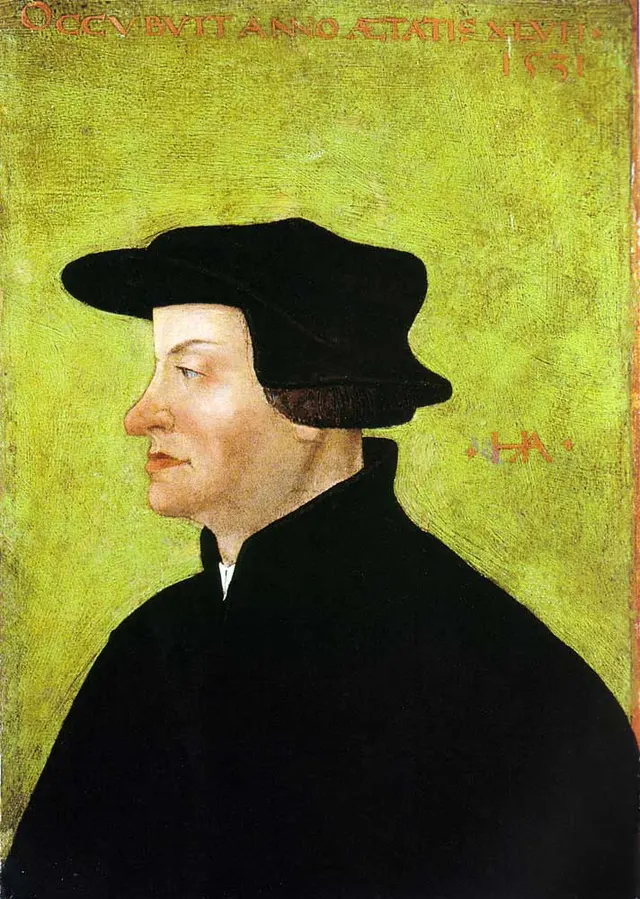
Huldrych Zwingli
Image creditHans Asper · Public domainResized and cropped for display.

Huldrych Zwingli

Swiss reformer who led the Reformation in Zurich; he was killed at the battle of Kappel. The date is given in the Julian calendar.

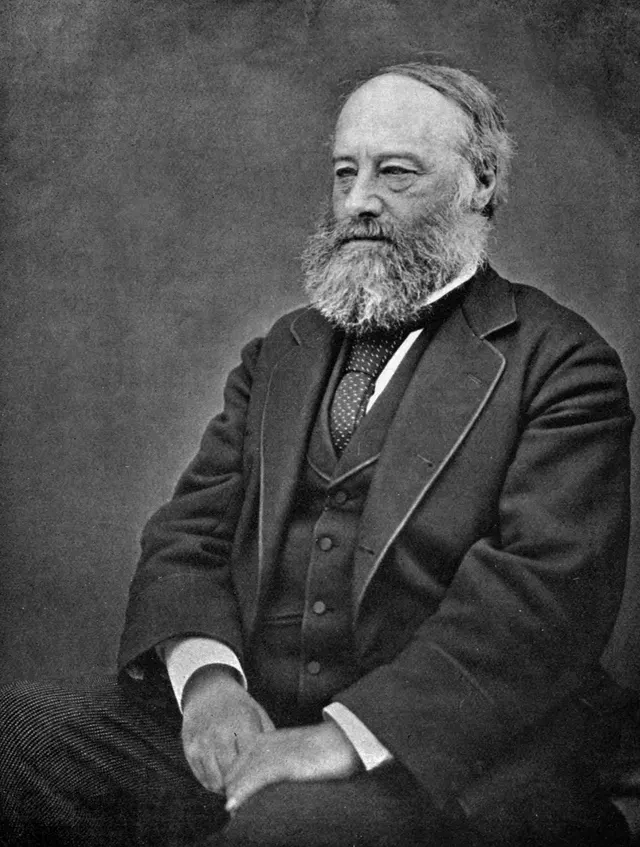
James Prescott Joule
Image creditHenry Roscoe · Public domainResized and cropped for display.

James Prescott Joule

English physicist and brewer who showed that heat and work are the same thing; the unit of energy carries his name.

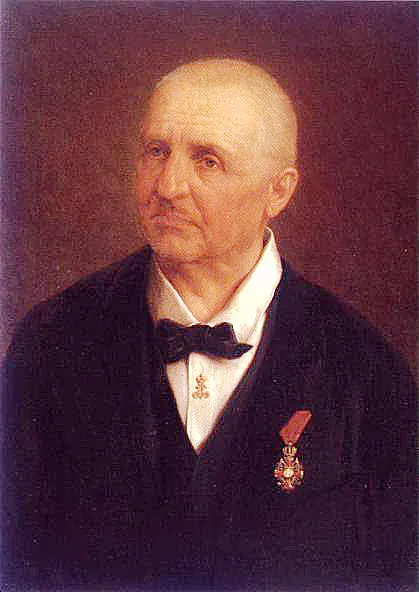
Anton Bruckner
Image creditJosef Büche · Public domainResized and cropped for display.

Anton Bruckner

Austrian composer and organist whose vast symphonies found their audience only slowly.

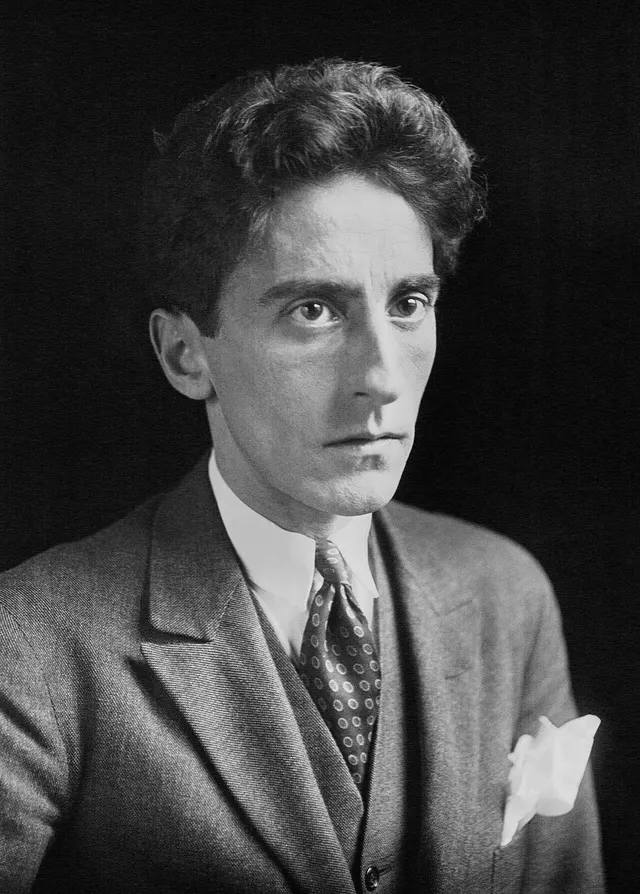
Jean Cocteau
Image creditAgence de presse Meurisse · Public domainResized and cropped for display.

Jean Cocteau

French poet, playwright and film-maker, who worked in almost every art form he could reach.

HISTORY & TIMELINE

Finished the highlights?

Follow 11 October chronologically, from the Middle Ages to the modern day, with 7 verified events and the sources behind them.

This day through time →