
HISTORY & TIMELINE
29 September

A journey through
29 September in history

From the first day of London’s police in 1829 to a space shuttle’s return to flight in 1988, 29 September has brought new institutions, armistices and new beginnings. This timeline follows the date across two centuries.

JUMP THROUGH TIME
IV
THE NINETEENTH CENTURY

The 1800s

Industry, empire, invention, reform and a century of enormous transformation.

1829
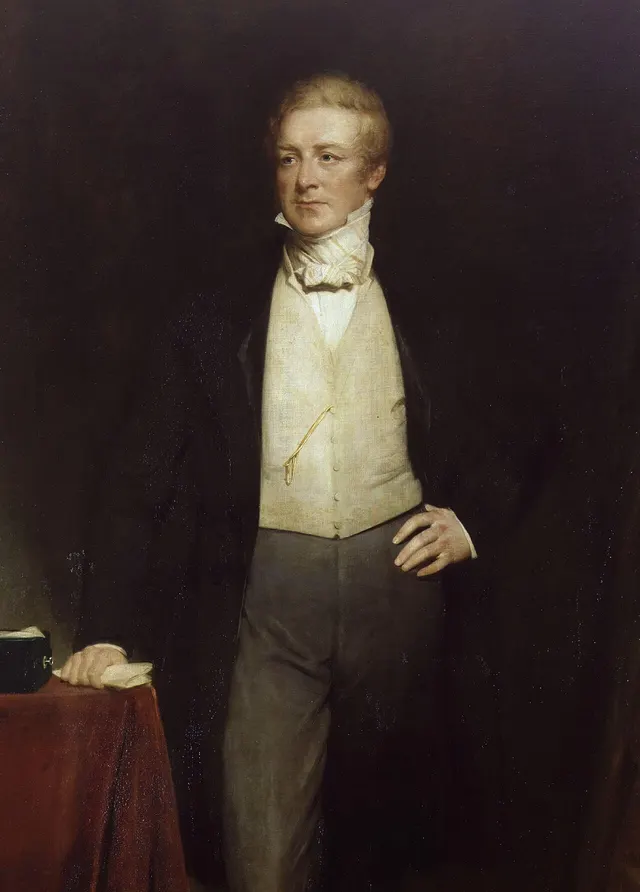
Sir Robert Peel, the Home Secretary who created the force, painted by Henry William Pickersgill.Sir Robert Peel, the Home Secretary who created the force, painted by Henry William Pickersgill.Image: Henry William Pickersgill · Public domain
world · Europe

London’s Metropolitan Police begin work

On 29 September 1829 the new Metropolitan Police opened its headquarters at 4 Whitehall Place, in Westminster, and began work. Its public office at the back of the building faced a yard called Great Scotland Yard, which gave the force its famous nickname. The force, created by the Home Secretary Robert Peel under an act of Parliament passed that year, had two commissioners, Charles Rowan and Richard Mayne, with eight superintendents, 20 inspectors, 88 sergeants and 895 constables. Londoners soon called its officers ‘bobbies’ or ‘peelers’ after him, and it became a model for police forces around the world.

Source: Encyclopaedia Britannica: Scotland Yard ↗
V
THE TWENTIETH CENTURY

The 1900s

War and peace, technological leaps, social change, politics, sport and popular culture.

1911
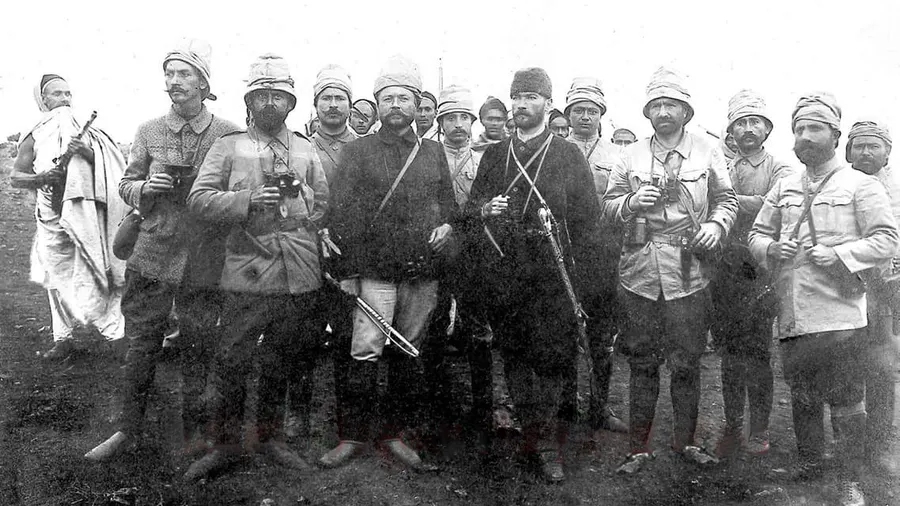
Mustafa Kemal, the future Atatürk, with Ottoman forces in Libya in 1912.Mustafa Kemal, the future Atatürk, with Ottoman forces in Libya in 1912.Image: Unknown authorUnknown author · Public domain
world · Africa

Italy declares war on the Ottoman Empire over Libya

On 29 September 1911 Italy declared war on the Ottoman Empire, after the Ottomans answered an Italian ultimatum by offering to negotiate. Its aim was to seize the Ottoman provinces of Tripolitania and Cyrenaica, in what is now Libya. Italian troops landed at Tripoli on 4 October and met no resistance, but in the interior Ottoman officers and local Arab fighters held out. By the Treaty of Ouchy in October 1912 the Ottomans gave up the provinces, which became the Italian colony of Libya.

Source: 1914-1918-Online, International Encyclopedia of the First World War: Italo-Turkish War 1911-1912 ↗
1918
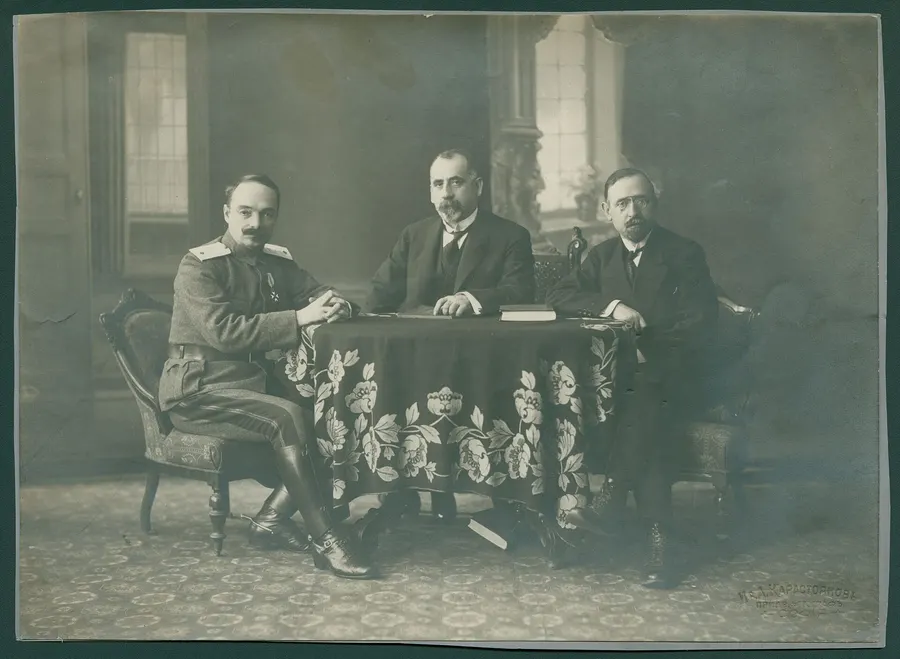
Andrey Lyapchev, Ivan Lukov and Simeon Radev, Bulgaria's negotiators, in 1918.Andrey Lyapchev, Ivan Lukov and Simeon Radev, Bulgaria’s negotiators, in 1918.Image: Unknown authorUnknown author · Public domain
world · Europe

Bulgaria leaves the First World War

On 29 September 1918, after the Allied offensive on the Macedonian front broke through its lines, Bulgaria signed an armistice with the Allies at Salonica (Thessaloniki). It came into force the next day, making Bulgaria the first of the Central Powers to leave the war. Bulgaria had to evacuate the Greek and Serbian territory it occupied, demobilise most of its army and hand over its weapons. With Bulgaria out, the road to Constantinople lay open, and within six weeks the Ottoman Empire, Austria-Hungary and Germany had all agreed armistices of their own.

Source: Encyclopaedia Britannica: Armistice of Salonika ↗
1923
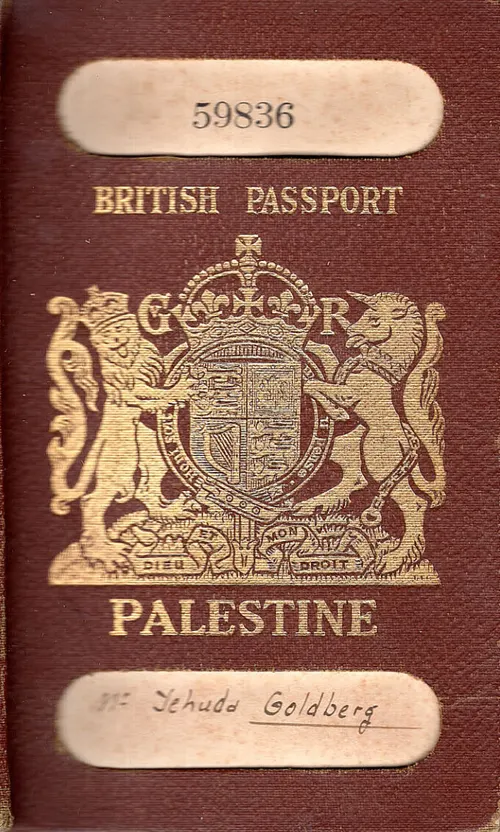
A passport issued under the Mandate for Palestine in the 1930s.A passport issued under the Mandate for Palestine in the 1930s.Image: Government of Mandatory Palestine · Public domain

politics · Asia

The British Mandate for Palestine takes effect

The League of Nations mandate giving Britain the administration of Palestine formally came into force on 29 September 1923, after the Treaty of Lausanne with Turkey had taken effect. The mandate, approved by the League Council in 1922, made Britain responsible for putting into effect the 1917 Balfour Declaration’s promise of a Jewish national home while safeguarding the civil and religious rights of the existing non-Jewish communities. British rule lasted until May 1948.

Source: United Nations, Question of Palestine: Mandate for Palestine, extract of minutes of the Council of the League of Nations ↗
1941
The ravine of Babyn Yar in Kyiv, photographed in 2003.The ravine of Babyn Yar in Kyiv, photographed in 2003.Image: Markv at Dutch Wikipedia · CC BY-SA 3.0
world · Europe

The massacre at Babi Yar begins

On 29 and 30 September 1941, days after German forces occupied Kyiv, SS and police units under Einsatzgruppe C shot the Jews of the city who had been ordered to gather, at the ravine of Babyn Yar (Babi Yar) outside the city. German reports recorded 33,771 people murdered in those two days. The ravine remained a killing site until 1943, where tens of thousands more, Jews and non-Jews, were killed.

Source: US Holocaust Memorial Museum: Mass shootings at Babyn Yar (Babi Yar) ↗
1954
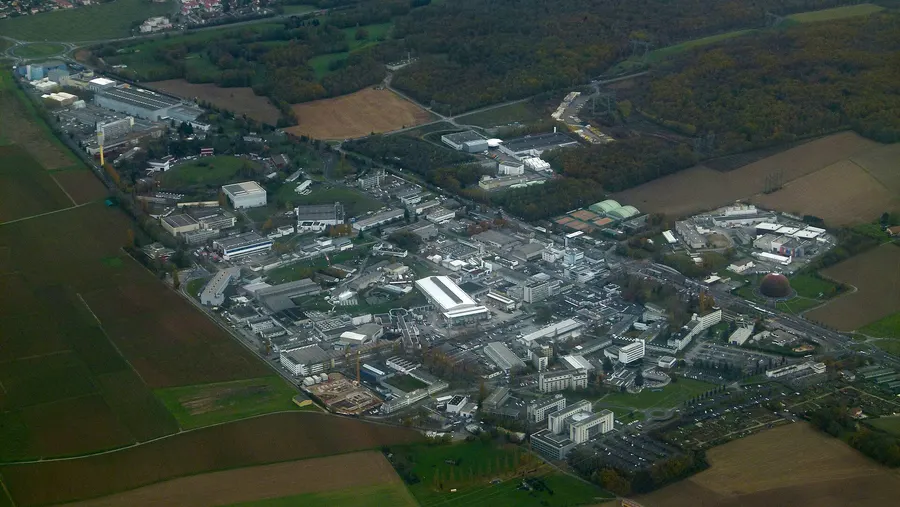
CERN's main site near Geneva, seen from the air in 2012.CERN’s main site near Geneva, seen from the air in 2012.Image: Brücke-Osteuropa · CC0
science · Europe

CERN comes into being

The European Organization for Nuclear Research, CERN, officially came into being on 29 September 1954, when France and West Germany deposited their ratifications of its convention at UNESCO House in Paris. The convention had been signed by twelve founding states on 1 July 1953. Built on the border of Switzerland and France near Geneva, CERN became the world’s largest particle physics laboratory. The World Wide Web was invented there in 1989, and in 2012 its Large Hadron Collider found the Higgs boson.

Source: CERN: The European Organization for Nuclear Research is born ↗
1964
A statue of Mafalda in the Campo de San Francisco park, Oviedo, Spain.A statue of Mafalda in the Campo de San Francisco park, Oviedo, Spain.Image: RosanaAG · CC BY-SA 4.0
culture · Americas

Mafalda makes her first appearance

Mafalda, the sharp-witted little girl created by the Argentine cartoonist Quino (Joaquín Salvador Lavado), first appeared in print on 29 September 1964, in the Buenos Aires weekly magazine Primera Plana. Quino had first drawn her for an advertising campaign for household appliances that never ran. The strip moved on to the newspaper El Mundo and the magazine Siete Días. Through Mafalda’s questions about the world, peace and grown-ups, it became one of the best-loved comic strips in the Spanish-speaking world and was translated into many languages.

Source: Argentine Ministry of Culture: Mafalda, 56 years on ↗
1972
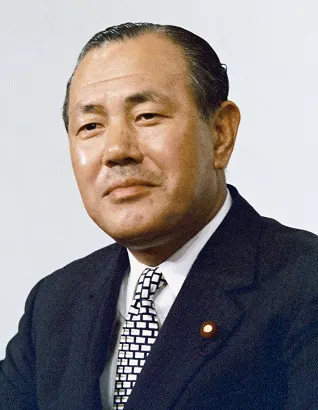
Kakuei Tanaka, prime minister of Japan from 1972 to 1974.Kakuei Tanaka, prime minister of Japan from 1972 to 1974.Image: 内閣官房内閣広報室 · CC BY 4.0
politics · Asia

Japan and China restore diplomatic relations

On 29 September 1972, during a visit to Beijing by the Japanese prime minister Kakuei Tanaka at the invitation of Premier Zhou Enlai, Japan and the People’s Republic of China signed a joint communiqué establishing diplomatic relations from that day. Japan recognised the People’s Republic as the sole legal government of China and said it ‘fully understands and respects’ Beijing’s position on Taiwan. It expressed deep remorse for the damage Japan had caused to the Chinese people through war, and China renounced its demand for war reparations.

Source: Ministry of Foreign Affairs of Japan: Joint Communiqué of the Government of Japan and the Government of the People’s Republic of China ↗
1988
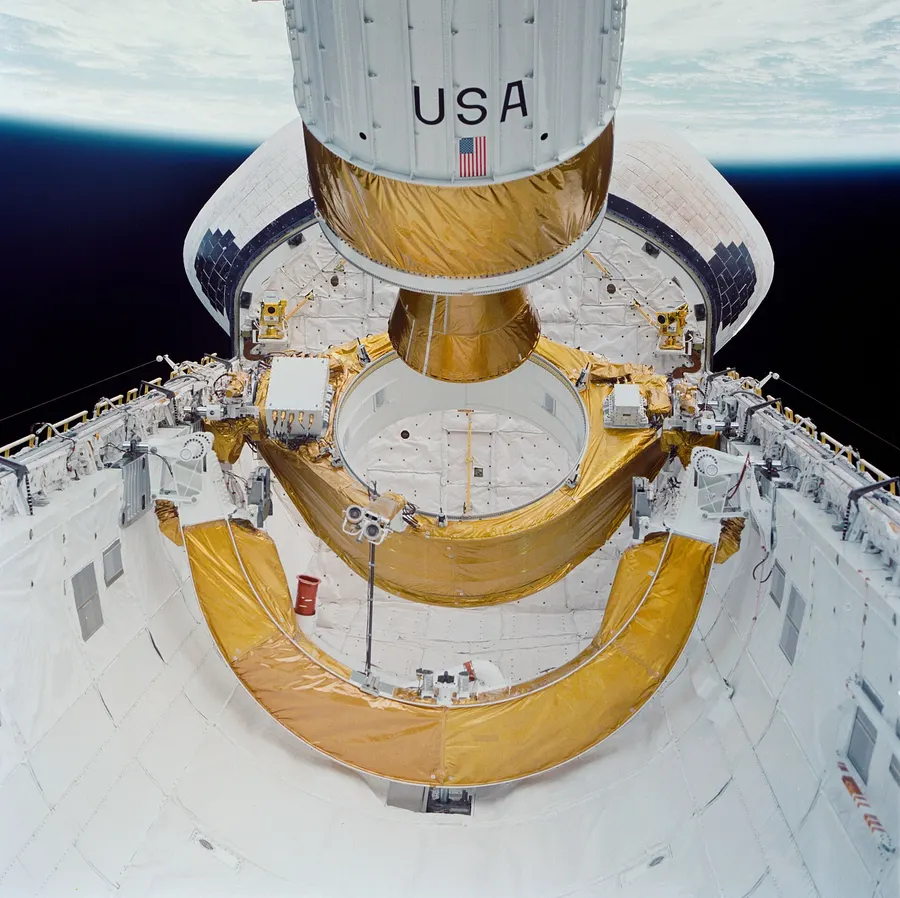
A NASA data-relay satellite rises from Discovery's payload bay during STS-26, 29 September 1988.A NASA data-relay satellite rises from Discovery’s payload bay during STS-26, 29 September 1988.Image: NASA · Public domain
science · Americas

The space shuttle returns to flight

On 29 September 1988 the space shuttle Discovery lifted off from the Kennedy Space Center in Florida on mission STS-26, the first American crewed flight since the loss of Challenger and its seven astronauts in January 1986, 32 months earlier. NASA had spent the interval redesigning the booster joint that caused the accident. Discovery’s five-man crew deployed a tracking and data relay satellite and landed at Edwards Air Force Base in California on 3 October.

Source: NASA: 35 years ago, STS-26 returns the space shuttle to flight ↗
WHY THESE MOMENTS?

Significance before volume

This page is not the longest possible list of events. It is a chronological journey through 29 September, where each entry is chosen for historical significance, human interest and reliability.

Facts are checked against authoritative museums, archives, universities and reference works. Where sources disagree, the page says so.

EXPLORED THE DEEPER STORY?

Return to the highlights of 29 September

Discover the lighter side of the date with famous birthdays, culture, firsts and lives remembered.

Explore This Day →