Explore 22 September

Explore 22 September: Mali is proclaimed, Bulgaria declares its independence, Lincoln issues the preliminary Emancipation Proclamation and France’s first high-speed train sets off. Meet Michael Faraday, Andrea Bocelli and Nick Cave, born on this date.

This day through time →11 verified events across 3 eras

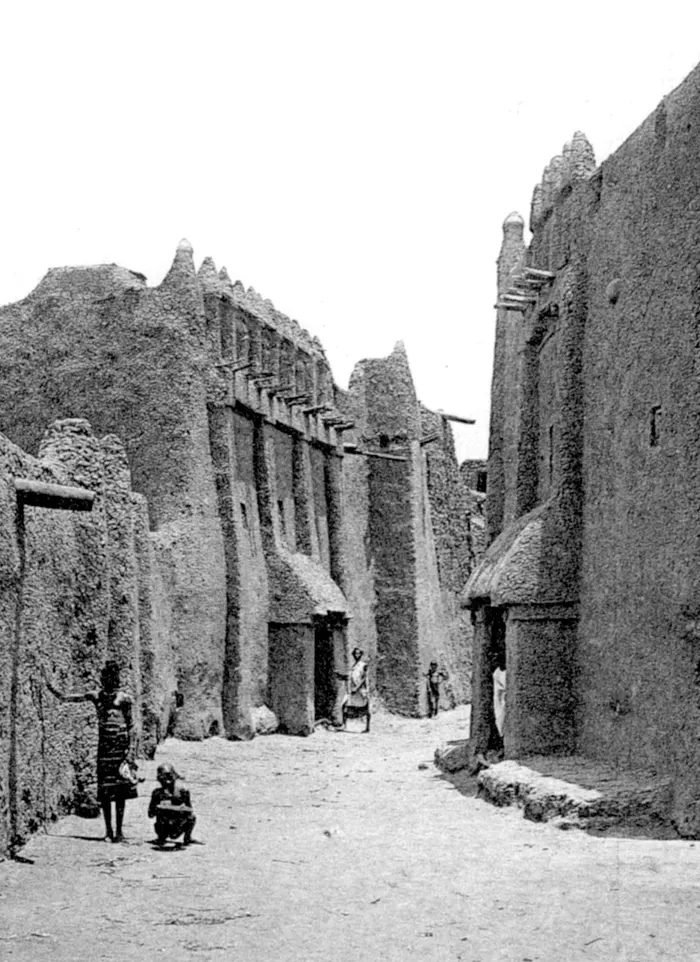
Djenné, Mali, in a photograph by Edmond Fortier.
Image creditEdmond Fortier (1862-1928) · Public domainResized and cropped for display.

The Republic of Mali is proclaimed

On 22 September 1960 a congress of the US-RDA party proclaimed the independent Republic of Mali. The former French Sudan had become independent that June as part of the Mali Federation with Senegal, but Senegal withdrew on 20 August and the federation broke up over policy differences.

Modibo Keita became the new republic’s first president. He replaced French civil servants with Africans, distanced the country from France and built close ties with the communist bloc and a state-run economy.

Read the full storyHistory & Timeline →Source: Encyclopaedia Britannica: Mali Federation ↗
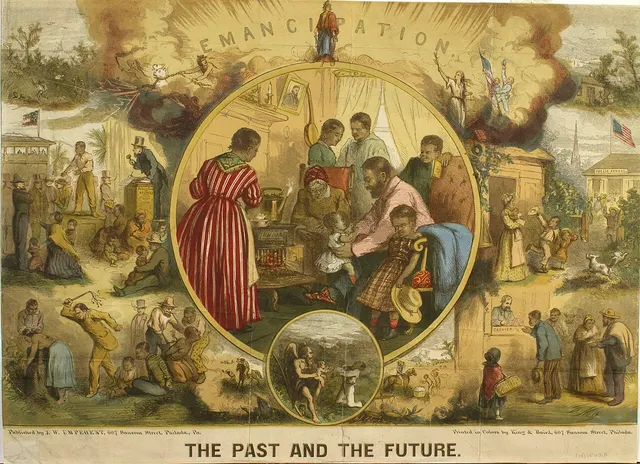
Emancipation, an illustration by Thomas Nast.
Image creditThomas Nast · Public domainResized and cropped for display.

Lincoln issues the preliminary Emancipation Proclamation

On 22 September 1862, five days after the Union victory at Antietam, President Abraham Lincoln issued his preliminary Emancipation Proclamation. It declared that enslaved people in states still in rebellion on 1 January 1863 would be free.

Lincoln had made a solemn vow to ‘crown the result by the declaration of freedom to the slaves’ if Lee’s army was stopped. The final proclamation followed on 1 January 1863 and covered virtually the whole Confederacy, apart from areas held by the Union army.

Read the full storyHistory & Timeline →Source: US National Archives: Emancipation Proclamation ↗
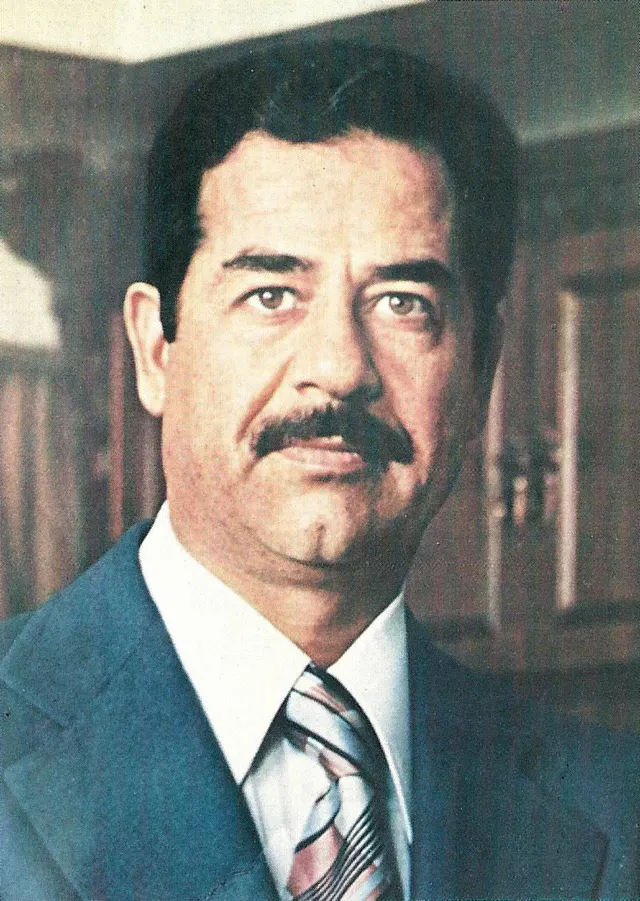
Saddam Hussein, president of Iraq, who ordered the invasion.
Image creditINA (Iraqi News Agency) · Public domainResized and cropped for display.

Iraq invades Iran

On 22 September 1980 Iraq invaded western Iran, taking advantage of the turmoil of Iran’s new Islamic revolutionary government. Saddam Hussein wanted to reassert territorial claims over the Shatt al-Arab waterway and made further demands over the oil-rich province of Khuzestan.

The war lasted eight years. Iran pushed the Iraqi army back and recaptured Khorramshahr in 1982, and in August 1988 it accepted a UN-mediated cease-fire it had previously resisted.

Read the full storyHistory & Timeline →Source: Encyclopaedia Britannica: Iran-Iraq War ↗
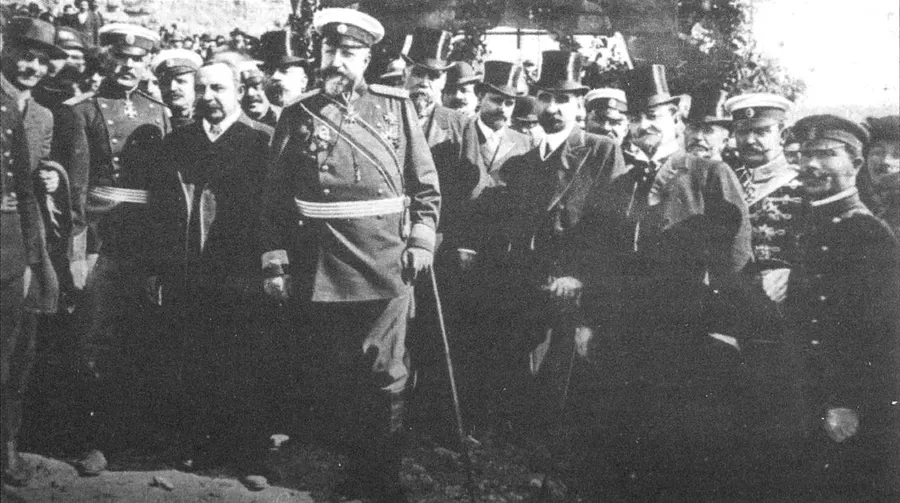
Prince Ferdinand, the prime minister Aleksandar Malinov, ministers and generals at Tarnovo on the day independence was proclaimed.
Image creditUnknown authorUnknown author · Public domainResized and cropped for display.

Bulgaria declares its independence

On 22 September 1908, by the Julian calendar then in use in Bulgaria (5 October in the Western calendar), Prince Ferdinand read a manifesto in the old capital of Tarnovo, after a service in the Church of the Forty Holy Martyrs, proclaiming Bulgaria a kingdom fully independent of the Ottoman Empire. He took the title of tsar.

Since the Treaty of Berlin of 1878 Bulgaria had been an autonomous principality still formally subject to the sultan. Ferdinand had secretly coordinated the move with Austria-Hungary, which was preparing to annex Bosnia and Herzegovina. Bulgaria’s independence was recognised internationally in 1909, and 22 September has been a Bulgarian public holiday since 1998.

Read the full storyHistory & Timeline →Source: Bulgarian News Agency (BTA): September 22, 1908, Bulgaria declares its independence ↗
♙
PEOPLE

Born Today

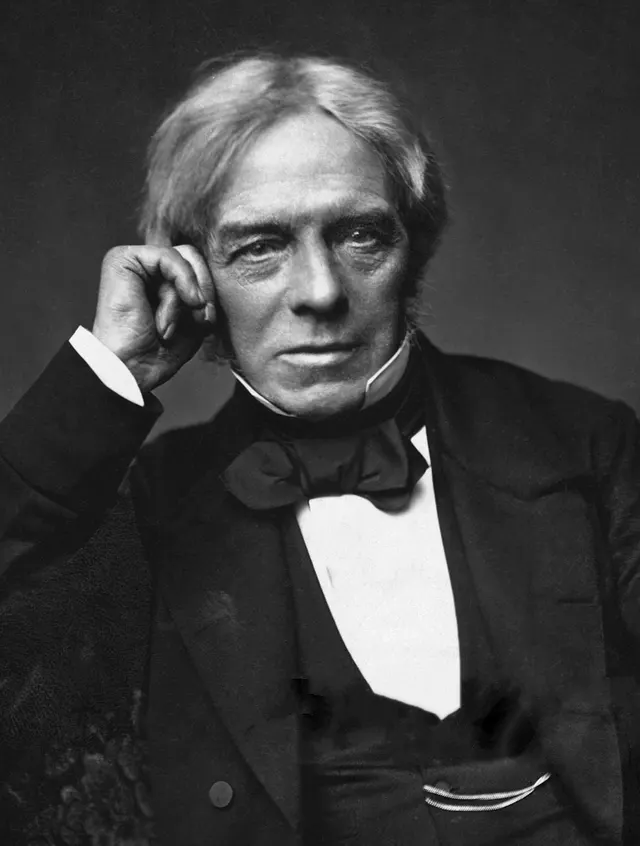
Michael Faraday
Image creditUnknown authorUnknown author · Public domainResized and cropped for display.

Michael Faraday

British scientist who discovered electromagnetic induction and laid foundations for electrochemistry.

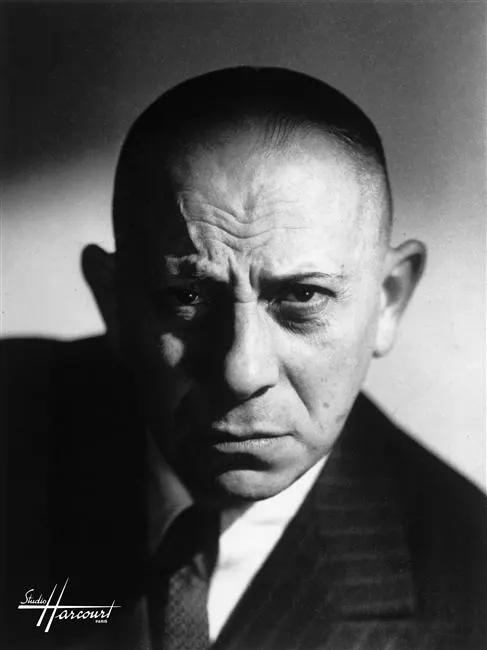
Erich von Stroheim
Image creditStudio Harcourt · Public domainResized and cropped for display.

Erich von Stroheim

Austrian-born actor and director of Hollywood’s silent era, famed for directing the film Greed.

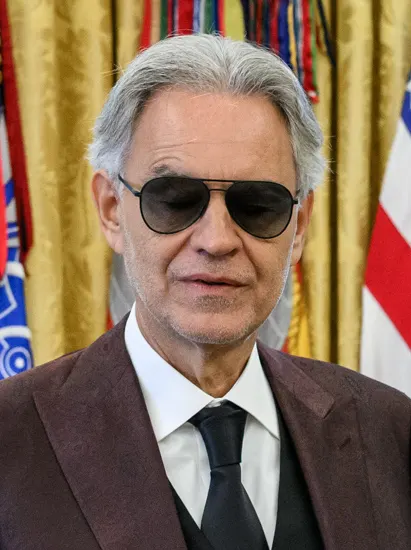
Andrea Bocelli
Image creditThe White House · Public domainResized and cropped for display.

Andrea Bocelli

Italian tenor and singer-songwriter, one of the best-known classical crossover artists.

Nick Cave
Image creditRaph_PH · CC BY 2.0Resized and cropped for display.

Nick Cave

Australian singer-songwriter, leader of Nick Cave and the Bad Seeds.

Joan Jett
Image creditToglenn · CC BY-SA 3.0Resized and cropped for display.

Joan Jett

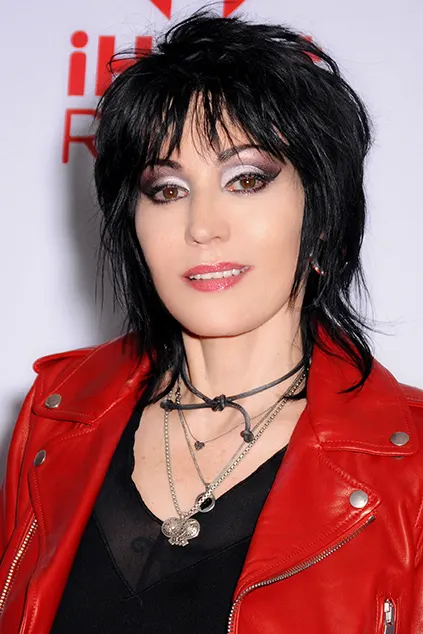
American rock musician, leader of Joan Jett and the Blackhearts.

◉
IDEAS THAT CHANGED THINGS

Firsts, Science & Discoveries

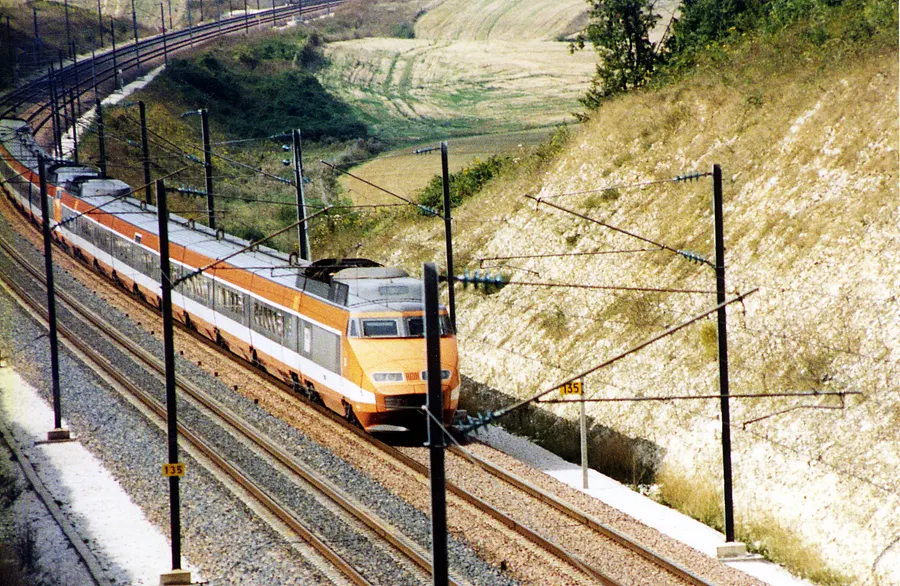
Two of the original orange Paris Sud-Est TGV trains, photographed in 1987.
Image creditPhillip Capper · CC BY 2.0Resized and cropped for display.

France’s first high-speed train line opens

On 22 September 1981 President François Mitterrand inaugurated the TGV Sud-Est, France’s first high-speed railway between Paris and Lyon, travelling on the new line and giving a speech at Montchanin. The inaugural run from Lyon to Paris took 2 hours 40 minutes, an hour less than before, at an average speed of about 260 km/h.

Paying passengers boarded from 27 September. When the whole line was finished in 1983 the two cities were just two hours apart, and the TGV went on to become the backbone of French rail travel.

Read the full storyHistory & Timeline →Source: Élysée: Speech by François Mitterrand at the inauguration of the TGV, Montchanin, 22 September 1981 ↗
An artist's impression of a Vela satellite, built to detect nuclear explosions from space.
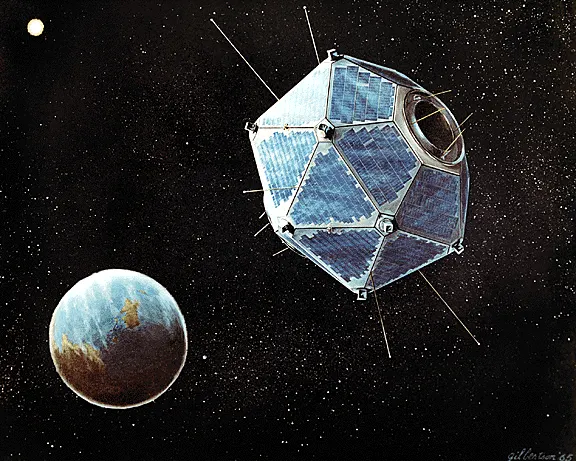
An artist’s impression of a Vela satellite, built to detect nuclear explosions from space.
Image creditUnknown · Public domainResized and cropped for display.

A mystery flash over the South Atlantic

On the night of 22 September 1979 an American Vela satellite, designed to watch for nuclear tests, recorded the distinctive double flash of light of a nuclear explosion over the far South Atlantic, near South Africa’s Prince Edward Islands.

What it saw has never been settled. A CIA-sponsored panel judged it very probably a nuclear test, while a White House scientific panel thought that unlikely. Documents released since have strengthened the case that it was a secret low-yield test, possibly by Israel with South African help, but no government has ever confirmed it.

Read the full storyHistory & Timeline →Source: National Security Archive (George Washington University): The Vela incident, South Atlantic mystery flash in September 1979 ↗
♫
MUSIC • FILM • BOOKS • CULTURE

Culture Stories

A replica of the Central Perk sofa from Friends, at a coffee shop in New York.
Image creditNielsoncaetanosalmeron · CC BY 4.0Resized and cropped for display.

Friends premieres on NBC

Friends premiered on NBC on 22 September 1994, on Thursday night between Mad About You and Seinfeld. The sitcom ran for ten seasons, to 6 May 2004.

The pilot, directed by James Burrows, followed Monica’s date with ‘Paul, the wine guy’, Ross’s move into a new apartment after his divorce and Rachel’s arrival after leaving her groom at the altar.

Read the full storyHistory & Timeline →Source: Television Academy: Friends at 30, the oral history ↗
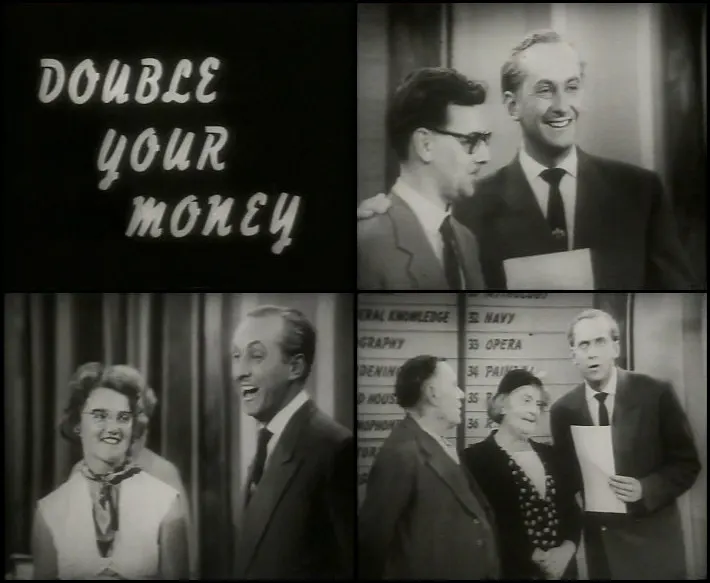
Scenes from Double Your Money, one of the programmes ITV launched in its first week in 1955.
Image creditAssociated-Rediffusion · Public domainResized and cropped for display.

ITV goes on air and the first TV advert is shown

On the evening of 22 September 1955 ITV began broadcasting in the London area, bringing commercial television to Britain and ending the BBC’s monopoly. The weekday service was run by Associated-Rediffusion.

At 8.12 pm viewers saw the first television advertisement shown in Britain, a one-minute film for Gibbs SR toothpaste promising that it was ‘tingling fresh’. Only about 100,000 homes had sets that could receive it, but within a few years ITV covered the whole country.

Read the full storyHistory & Timeline →Source: BFI: 70 years of ITV, the early days of the UK’s first commercial channel ↗
✦
LIVES REMEMBERED

Remembered Today

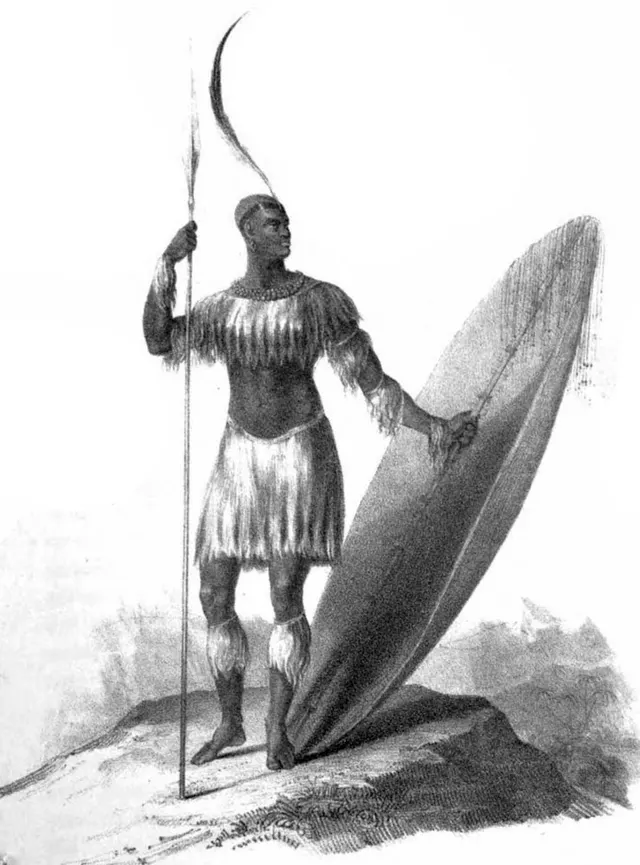
Shaka
Image creditJames King · Public domainResized and cropped for display.

Shaka

Zulu king who built a small chiefdom into a powerful kingdom; he was assassinated in 1828.

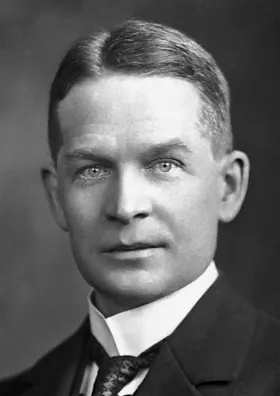
Frederick Soddy
Image creditUnknown authorUnknown author · Public domainResized and cropped for display.

Frederick Soddy

English radiochemist who developed the theory of isotopes and won the 1921 Nobel Prize in Chemistry.

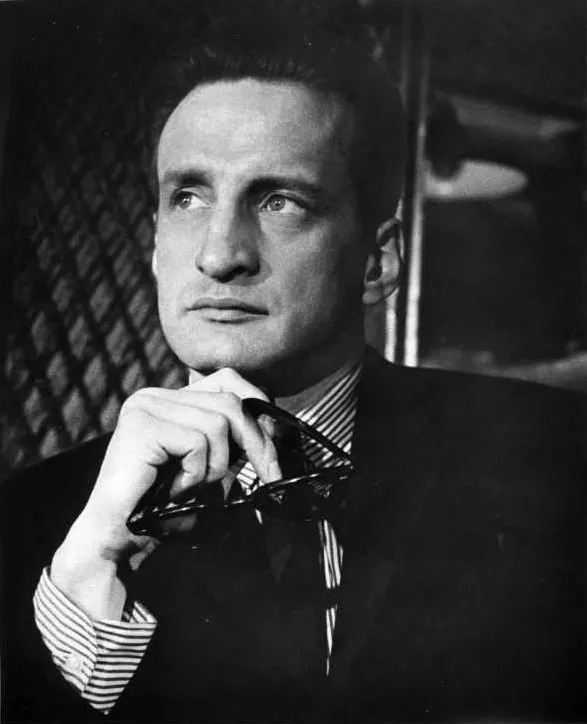
George C. Scott
Image creditunknown photographer - · Public domainResized and cropped for display.

George C. Scott

American actor who won an Oscar for playing General Patton, an award he famously refused.

☉
AROUND THE WORLD

Observances & Anniversaries

The proclamation of independence at Tarnovo, 1908.
Image creditUnknown authorUnknown author · Public domainResized and cropped for display.

Independence Day in Bulgaria

Bulgaria celebrates its Independence Day on 22 September, the date in 1908 (in the Julian calendar then used in Bulgaria) when Prince Ferdinand proclaimed the country’s full independence at Tarnovo. It has been a public holiday since 1998.

Source: Bulgarian News Agency (BTA): September 22, 1908, Bulgaria declares its independence ↗
HISTORY & TIMELINE

Finished the highlights?

Follow 22 September chronologically, from the Middle Ages to the modern day, with 11 verified events and the sources behind them.

This day through time →