Explore 19 September

Explore 19 September: an English victory at Poitiers, votes for women in New Zealand, a Caribbean independence and the day Mexico City shook. Meet Kossuth, William Golding and Sunita Williams, born on this date.

This day through time →11 verified events across 4 eras

The capture of King John II at Poitiers, in a manuscript illumination by Jean Froissart.
Image creditJean Froissart · Public domainResized and cropped for display.

The Black Prince wins at Poitiers

On 19 September 1356 an English army under Edward the Black Prince, son of Edward III, defeated a larger French force at Poitiers and captured the French king, John II. It was the second great English victory of the Hundred Years’ War, after Crécy in 1346.

The Black Prince had fewer than 7,000 men but chose strong defensive ground and made the most of the longbow against heavy cavalry. John was taken to Bordeaux and then to England, where he waited four years for his release, and the 1360 Treaty of Brétigny left England with about a quarter of France.

Read the full storyHistory & Timeline →Source: World History Encyclopedia: Battle of Poitiers, 1356 ↗
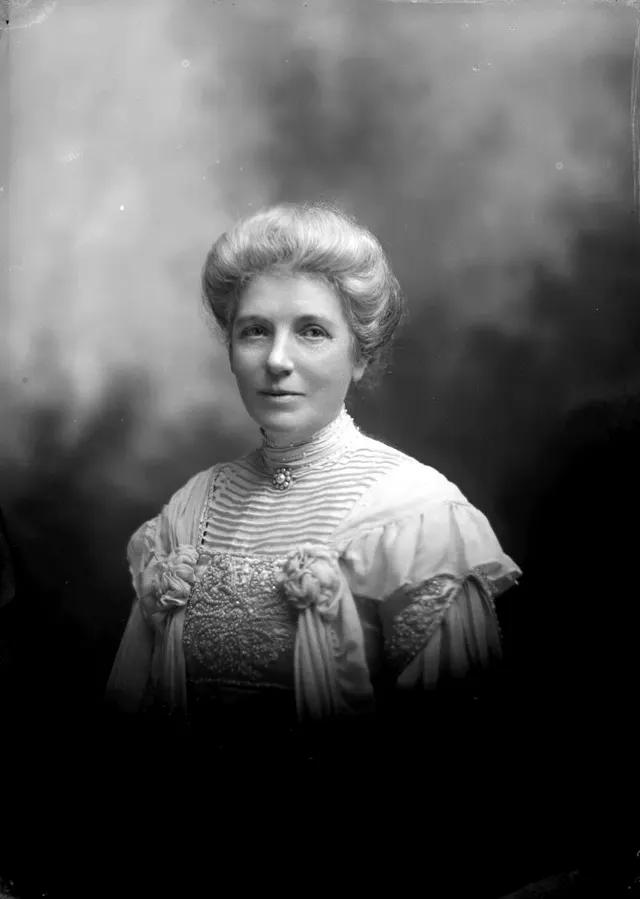
Kate Sheppard, leader of the New Zealand suffrage campaign.
Image creditH. H. Clifford, see https://collection.canterburymuseum.com/objects/243177/glass-plate-negative-kate-w-sheppard · Public domainResized and cropped for display.

New Zealand’s women win the vote

On 19 September 1893 the governor, Lord Glasgow, signed a new Electoral Act, making New Zealand the first self-governing country in the world in which all women could vote in parliamentary elections. Kate Sheppard led the campaign, and the last of three huge petitions carried nearly 32,000 signatures, almost a quarter of the country’s adult women.

Registration closed only six weeks before the 28 November election, yet 109,461 women, about 80% of those eligible, enrolled. On polling day 90,290 of them voted, roughly two out of every three adult women.

Read the full storyHistory & Timeline →Source: NZ History: Women win the right to vote ↗
Brimstone Hill Fortress, Saint Kitts.
Image creditUkexpat · CC BY-SA 3.0Resized and cropped for display.

Saint Kitts and Nevis becomes independent

The Federation of Saint Kitts and Nevis became independent from Britain on 19 September 1983, following a constitutional conference in London the year before. It remains a member of the Commonwealth, with the British monarch as head of state.

Its constitution, adopted on 23 June 1983, gives Nevis wide autonomy and lets it secede if two thirds of its voters agree. A referendum in 1998 on Nevis independence fell short of that threshold.

Read the full storyHistory & Timeline →Source: Government of Saint Kitts and Nevis: The Constitution ↗
The collapsed General Hospital in Mexico City after the 1985 earthquake.
Image creditUnited States Geological Survey · Public domainResized and cropped for display.

An earthquake devastates Mexico City

At 7:18 am on 19 September 1985 a magnitude-8.0 earthquake with its epicentre in the state of Michoacán, about 320 km away, struck Mexico City. At least 9,500 people were killed, 30,000 injured and 100,000 left homeless; 412 buildings collapsed and more than 3,000 others were badly damaged.

The city suffered so badly because it stands on the dry bed of Lake Texcoco, where loose sediments amplified the shaking. Buildings of five to fifteen storeys were the worst hit.

Read the full storyHistory & Timeline →Source: Encyclopaedia Britannica: Mexico City earthquake of 1985 ↗
♙
PEOPLE

Born Today

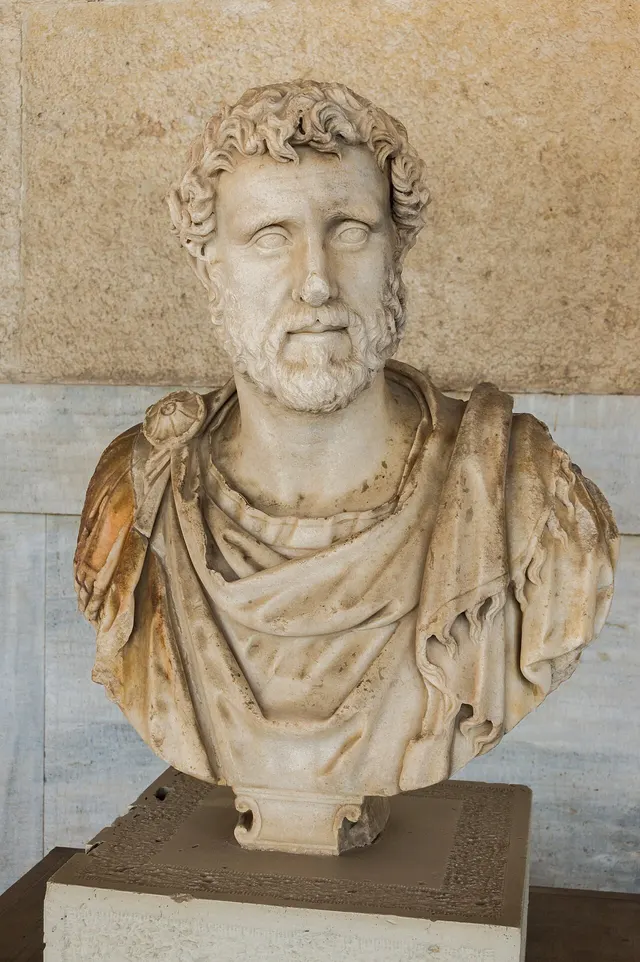
Antoninus Pius
Image creditJebulon · CC0Resized and cropped for display.

Antoninus Pius

Roman emperor from AD 138 to 161, the fourth of the Five Good Emperors.

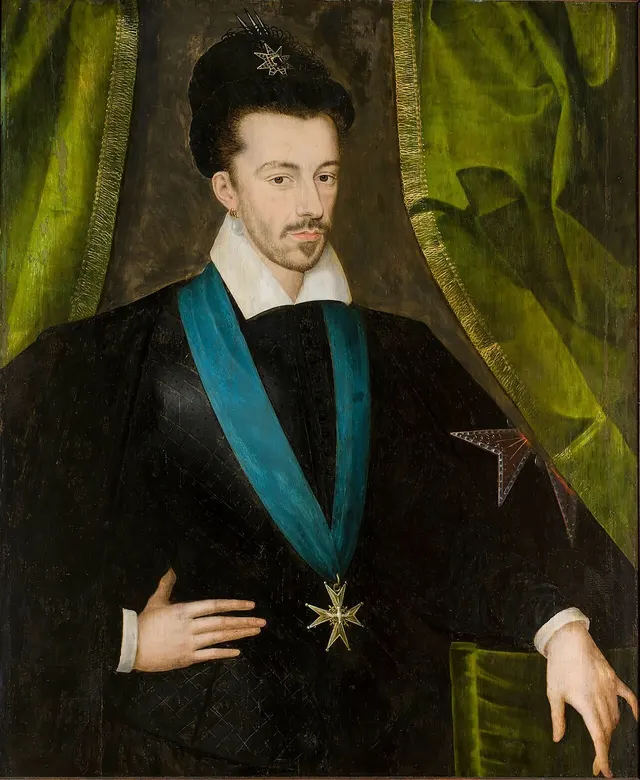
Henry III of France
Image creditAttributed to Étienne Dumonstier · Public domainResized and cropped for display.

Henry III of France

King of France from 1574 until his assassination in 1589, and earlier king of Poland and grand duke of Lithuania.

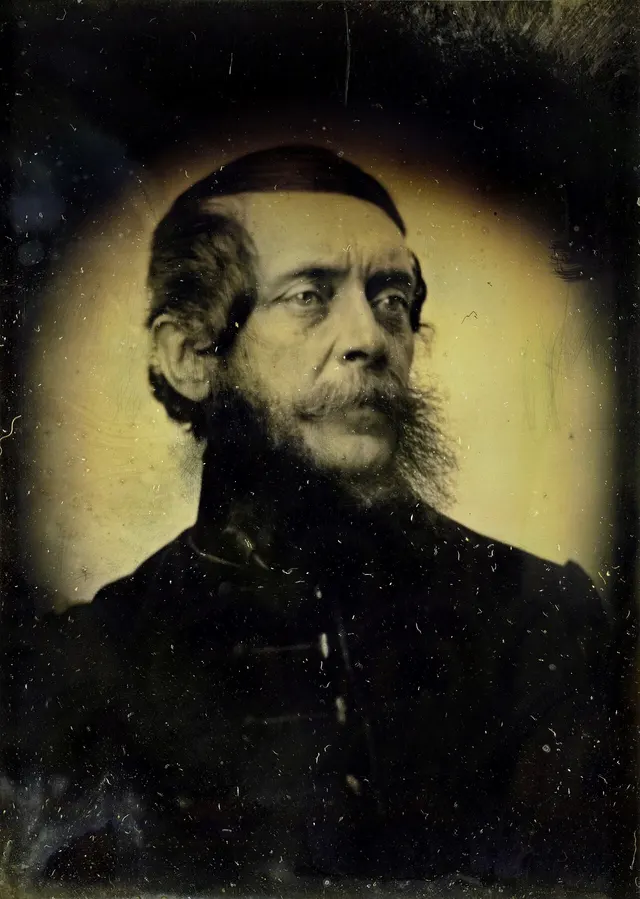
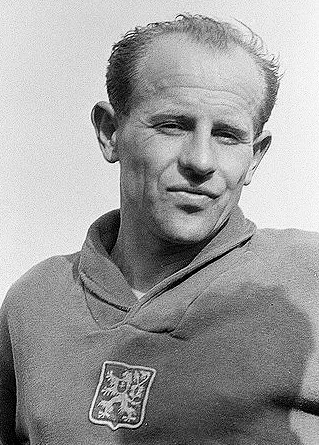
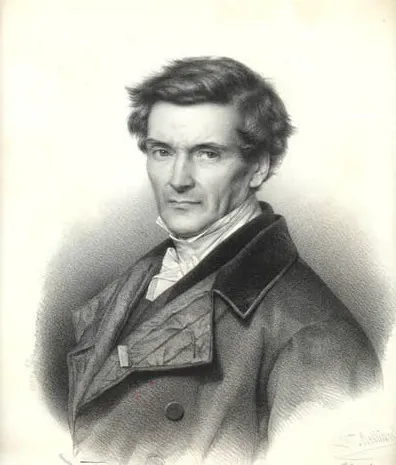
Lajos Kossuth
Image creditSouthworth & Hawes · Public domainResized and cropped for display.

Lajos Kossuth

Hungarian lawyer, journalist and statesman who led Hungary as governor-president in the war of independence of 1848-49.

Masatoshi Koshiba
Image credit内閣官房内閣広報室 · CC BY 4.0Resized and cropped for display.

Masatoshi Koshiba

Japanese physicist and a founder of neutrino astronomy, whose Kamiokande detectors helped detect solar neutrinos.

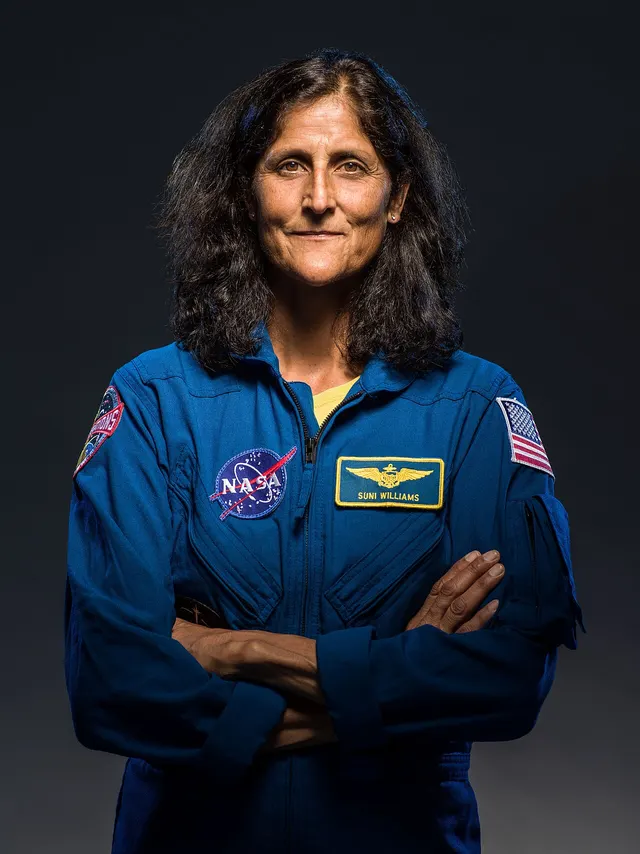
Sunita Williams
Image creditRobert Markowitz · Public domainResized and cropped for display.

Sunita Williams

American NASA astronaut and retired Navy captain who has served on the International Space Station and commanded Expeditions 33 and 72.

◉
IDEAS THAT CHANGED THINGS

Firsts, Science & Discoveries

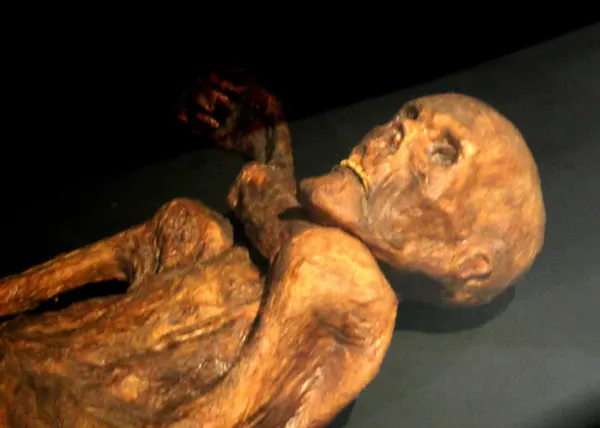
Ötzi the Iceman, the 5,300-year-old mummy found in the Alps
Ötzi the Iceman.
Image credit120 · CC BY-SA 3.0Resized and cropped for display.

Hikers find Ötzi the Iceman

On 19 September 1991 two German hikers, Erika and Helmut Simon, came across a body emerging from the ice at 3,210 metres near the Tisenjoch pass on the Italian-Austrian border. A survey on 2 October showed it lay 92.56 metres inside Italy, in South Tyrol, and the body was recovered on 23 September.

It proved to be a man who had lived about 5,300 years ago. Ötzi and his belongings have been on show at the South Tyrol Museum of Archaeology in Bolzano since 1998, where the mummy is kept at -6 °C and 99% humidity.

Read the full storyHistory & Timeline →Source: South Tyrol Museum of Archaeology: The discovery ↗
♫
MUSIC • FILM • BOOKS • CULTURE

Culture Stories

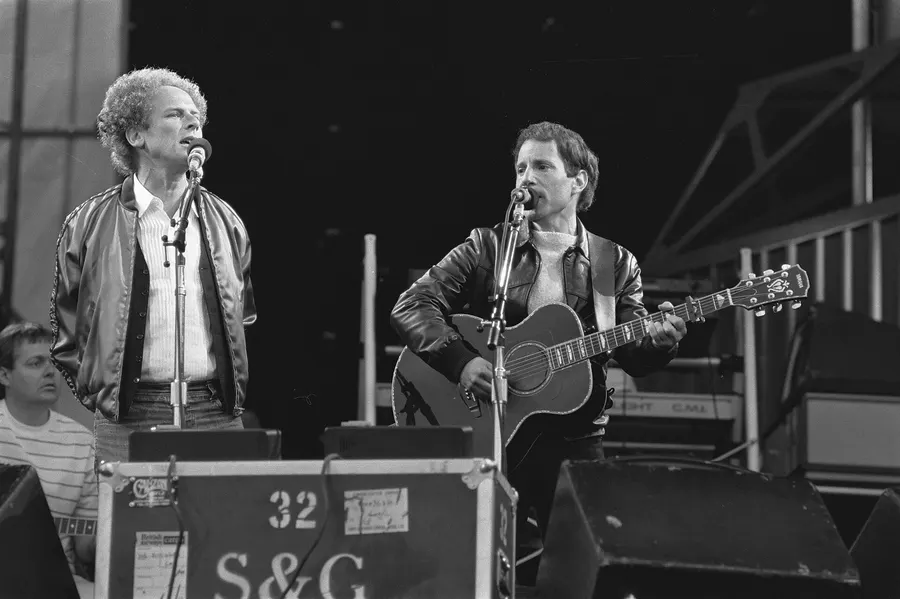
Simon and Garfunkel in concert at the Feijenoord Stadion, Rotterdam.
Image creditRob Bogaerts / Anefo · CC0Resized and cropped for display.

Simon and Garfunkel reunite in Central Park

On 19 September 1981 Simon and Garfunkel appeared together at a free open-air concert on the Great Lawn of New York’s Central Park, in front of an estimated half a million people.

The Great Lawn was being brought back to life in those years as part of the park’s restoration, and the reunion gave the project one of the biggest audiences any park concert has drawn.

Read the full storyHistory & Timeline →Source: NYC Parks: History of concerts in parks ↗
✦
LIVES REMEMBERED

Remembered Today

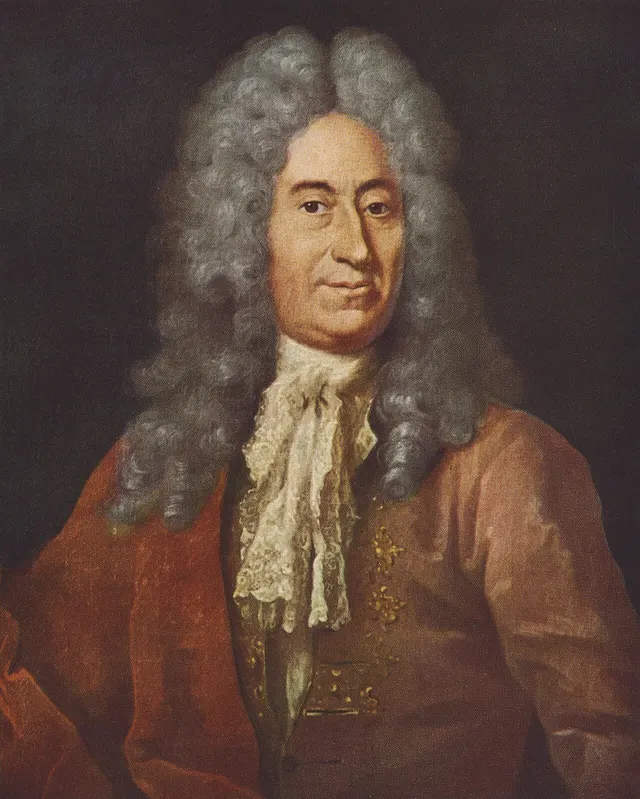
Ole Rømer
Image creditJacob Coning · Public domainResized and cropped for display.

Ole Rømer

Danish astronomer who in 1676 first showed that light travels at a finite speed.

☉
AROUND THE WORLD

Observances & Anniversaries

HISTORY & TIMELINE

Finished the highlights?

Follow 19 September chronologically, from the Middle Ages to the modern day, with 11 verified events and the sources behind them.

This day through time →